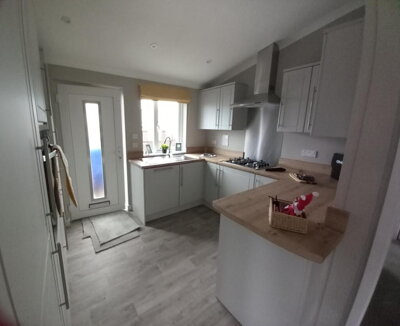
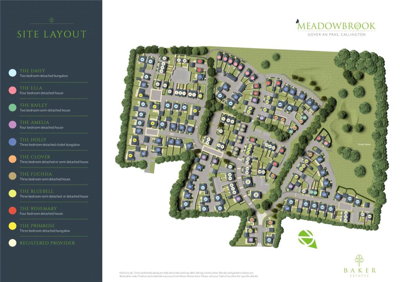
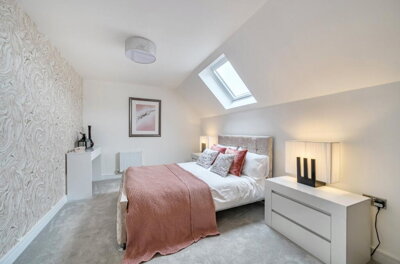
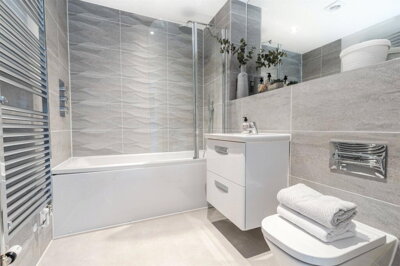
Browse 4 homes new builds in Stokeclimsland, Cornwall from local developer agents.
£625k
13
0
230
Source: home.co.uk
Source: home.co.uk
Detached
10 listings
Avg £772,500
Barn Conversion
1 listings
Avg £525,000
cottage
1 listings
Avg £235,000
detached
1 listings
Avg £419,950
Source: home.co.uk
Source: home.co.uk
The South Tyneside property market has demonstrated remarkable resilience and growth, with property prices rising by 8.3% in the twelve months to December 2025. This acceleration surpasses both regional and national averages, reflecting increased buyer interest in the area driven by its competitive house prices, excellent transport connections to Newcastle, and improving local amenities. Our listings show a diverse range of properties to suit various budgets and preferences, from affordable terraced houses to more substantial detached family homes.
Breaking down the market by property type reveals distinct pricing patterns. Detached properties command an average of £323,000, offering generous space for families seeking room to grow. Semi-detached homes average £195,000, representing the most active segment of the market with prices rising by 9.5% over the past year. Terraced properties average £158,000 and remain popular among first-time buyers and investors alike. Flats and maisonettes provide the most affordable entry point at around £98,000, making South Tyneside one of the more accessible coastal boroughs in the UK for those looking to get onto the property ladder.
Transaction volumes in the borough remain healthy, with 1,339 property sales recorded in 2025 according to Land Registry data. This solid level of activity indicates a functioning market with good liquidity for sellers and adequate choice for buyers. New build activity accounts for approximately 2.6% of all sales, showing modest new development activity in the area. The market experiences seasonal fluctuations, with asking prices in South Shields showing a slight downward adjustment of 1.7% over the past six months, presenting opportunities for buyers who act decisively.

South Tyneside offers a distinctive blend of coastal living, industrial heritage, and community spirit that sets it apart from other boroughs in the North East. The area benefits from a dramatic coastline along the North Sea, with South Shields harbour providing maritime connections and scenic walks along the seafront. The borough combines urban centres with village neighbourhoods, creating diverse living environments that cater to different lifestyles and preferences. Local residents often cite the strong sense of community, affordable cost of living, and proximity to natural beauty as key reasons they choose to remain in the area.
The borough's character varies significantly between its distinct neighbourhoods. South Shields serves as the main town centre, offering extensive shopping facilities along King Street and the Ocean Road area, along with a vibrant seafront with arcades, cafes, and restaurants. The Viking Quarter adds cultural depth to the town centre, celebrating South Shields' Norse heritage with periodic events and historical displays. Jarrow carries its proud industrial legacy as the birthplace of the Jarrow March, with regeneration schemes transforming former industrial sites into modern housing developments and business parks. Westoe Village and Cleadon Village represent more affluent enclaves, featuring handsome Victorian and Edwardian properties within designated conservation areas that preserve their distinctive character.
Cultural amenities in South Tyneside include the custom house museum and the Word library centre in South Shields, while the region hosts regular events including the South Shields International Day of Music and various food festivals throughout the year. Parks and green spaces are plentiful, with Monkton Dene, West Park, and the seafront promenade providing recreational opportunities for residents. The local geology, characterised by Coal Measures with sandstone and mudstone formations, has shaped the traditional brick construction that defines much of the borough's architectural heritage. Major employers in the area include the Port of Tyne operations, various manufacturing facilities, and a significant public sector presence that provides stable employment for local residents.

Education provision in South Tyneside serves students from early years through to further education, with a mix of academy, community, and faith schools operating across the borough. Parents researching properties will find several primary schools with strong Ofsted ratings, including those in the sought-after Westoe and Cleadon village areas where school catchment zones can significantly impact property values. The borough's secondary schools offer a range of academic and vocational pathways, with some schools specialising in particular subjects such as technology, arts, or sports to cater to diverse student interests and talents.
For families considering secondary education, South Tyneside hosts several notable secondary schools including those in South Shields and Jarrow, with varying academic performances and sixth form provision. The area also benefits from proximity to respected grammar schools in surrounding areas, though admission to these schools is subject to the selective intake process and distance criteria. When purchasing property in South Tyneside, parents should research specific school catchment areas carefully, as property prices can be notably higher in the catchment zones of the most popular schools, particularly those serving Westoe Village and the Cleadon area.
Higher education options are accessible through the college in South Shields town centre, offering vocational courses and A-levels for students progressing from secondary education. For university-level study, students can easily commute to Newcastle's two major universities via the Tyne Tunnel or Metro links, with journey times of around 30-40 minutes making it practical to study in Newcastle while living in more affordable South Tyneside. This accessibility to university education while maintaining lower property prices represents a significant advantage for families planning their children's educational journey and long-term housing costs.
South Tyneside enjoys excellent transport connections that make commuting practical and straightforward for residents who work in Newcastle, Sunderland, or further afield. The Tyne Tunnel provides direct road access under the River Tyne, connecting the borough to the A19 trunk road that runs north-south through the region. The A194 and A185 roads provide local connections throughout South Tyneside, while the A1 is accessible via the trunk road network, offering straightforward routes to Newcastle city centre and connections to the wider national road network for longer journeys.
Public transport options include the Tyne and Wear Metro system, which serves several stations throughout South Tyneside including South Shields, Jarrow, and Hebburn. Metro services provide direct connections to Newcastle city centre, Newcastle Airport, and Sunderland, with trains running frequently throughout the day. Local bus services operated by Stagecoach and other providers connect communities within the borough and provide routes to surrounding areas including Sunderland, Newcastle, and Gateshead. Ferry services across the River Tyne to North Shields provide an additional transport option with scenic views of the river.
For those commuting to Newcastle, the journey by car typically takes around 20-30 minutes outside peak hours, though the Tyne Tunnel can experience congestion during busy periods. The Metro journey from South Shields to Newcastle Central takes approximately 40 minutes, making it a viable option for daily commuters who prefer to avoid driving. Parking availability varies across the borough, with town centre car parks serving shopping areas and residential streets offering on-street parking in most neighbourhoods. Cyclists benefit from designated routes along the coast and through parks, though the hilly terrain in some areas may present challenges for less experienced riders.
Explore South Tyneside's diverse neighbourhoods to find the right fit for your lifestyle. Whether you prefer the coastal atmosphere of South Shields, the village character of East Boldon, or the regeneration zones in Jarrow, each area offers distinct advantages. Consider factors like commute times, school catchments, and local amenities when narrowing your search. Use our platform to filter properties by location, price range, and property type to streamline your research process.
Before viewing properties, speak to a mortgage broker to obtain an agreement in principle. This document demonstrates to estate agents and sellers that you have financing secured, strengthening your position when making an offer. With South Tyneside's average price of £166,000, most buyers will need a mortgage in the region of £130,000-£150,000 depending on their deposit. Getting your finances arranged early gives you a competitive edge in what is an active market where well-priced properties can receive multiple offers.
Once you have found properties matching your criteria, arrange viewings through our platform. When you discover your ideal home, submit a competitive offer that reflects current market conditions. In South Tyneside's rising market, properties priced correctly tend to sell within weeks, so acting promptly when you find the right property is advisable. Take notes during viewings and compare properties against your requirements to make informed decisions.
Before completing your purchase, commission a professional survey to assess the property's condition. Given South Tyneside's geology, which includes areas with shrink-swell clay soils and potential flood risk near the coast, a thorough survey is essential to identify any structural issues or necessary repairs. Both RICS Level 2 and Level 3 surveys are available through our platform, with Level 3 recommended for older properties or those in areas with known ground conditions.
Your solicitor will handle the legal transfer of ownership, conducting searches with South Tyneside Council and investigating any planning issues or restrictions. They will liaise with your mortgage provider and manage the exchange of contracts, ensuring a smooth transaction through to completion. We can connect you with conveyancing specialists experienced in South Tyneside property transactions.
Once all legal work is complete and your mortgage is confirmed, you will exchange contracts and pay your deposit. Completion typically follows within days or weeks, when the remaining funds are transferred and you receive the keys to your new South Tyneside home. Our platform keeps you informed at every stage of the process, from offer acceptance through to moving day.
Property buyers in South Tyneside should pay particular attention to flood risk assessments, given the borough's exposure to coastal, river, and surface water flooding. Properties near the River Tyne in areas such as Jarrow and Hebburn, or close to South Shields harbour, may be at elevated risk during severe weather events. The South Tyneside Council Local Flood Risk Management Strategy provides detailed mapping of flood risk zones that buyers should consult. Properties in these areas may face higher insurance premiums or mortgage conditions, so understanding the specific risk to your potential purchase is essential before committing.
The presence of conservation areas throughout South Tyneside significantly impacts what buyers can do with their properties. Westoe Village, Cleadon Village, and Jarrow Town Centre are all designated conservation areas, meaning any external alterations, extensions, or significant changes require planning permission from South Tyneside Council. These restrictions help preserve property values and neighbourhood character but may limit your freedom to modify a home in the future. If you are considering a property in one of these areas, factor the additional planning considerations into your decision-making process.
The predominant brick construction of properties in South Tyneside, typical of the North East region, generally provides robust and durable housing stock, but older properties may have solid brick walls rather than modern cavity wall insulation, affecting energy efficiency and heating costs. Many properties date from the Victorian and Edwardian periods or were built during the twentieth century expansion phases, so understanding the construction type and any associated maintenance requirements is valuable. The local geology, characterised by Coal Measures with sandstone and mudstone underlying much of the borough, can create ground movement issues in some areas, particularly where clay soils experience moisture fluctuations. When evaluating flats, pay careful attention to lease terms, ground rent clauses, and any service charges that apply, as these ongoing costs vary considerably between developments.
The average house price in South Tyneside was £166,000 as of December 2025 according to provisional ONS data. This figure places the borough among the more affordable areas in the UK for property purchases. Prices have risen by 8.3% over the past twelve months, outpacing the regional average of 4.6%. Property types range significantly in price, from flats averaging £98,000 to detached homes at around £323,000, giving buyers various options depending on their budget and requirements. Rightmove reports a slightly higher overall average of £188,807 over the last year, reflecting asking price variations across the market.
Council tax bands in South Tyneside follow the national banding system based on property valuations from 1991. Most terraced houses and smaller flats fall into bands A through C, mid-range semi-detached properties typically occupy bands C or D, while larger detached homes and properties in prestigious areas such as Westoe Village may be in bands E through G. Prospective buyers should check specific bandings for individual properties through the South Tyneside Council website or their solicitor during conveyancing. Banding directly affects ongoing ownership costs, so this information should form part of your budget calculations when considering a property.
South Tyneside offers a range of educational options across all levels. Primary schools in areas like Westoe and Cleadon are particularly sought after by families due to their good reputations and strong Ofsted ratings. Secondary education is provided through several academies and community schools, with some offering specialist subjects and sixth form provision. Parents should research specific school catchment areas, as admission policies prioritise proximity to the school and property prices in popular catchment zones command a premium. The proximity to Newcastle's grammar schools may also influence decisions for families seeking selective secondary education.
South Tyneside benefits from excellent public transport connections through the Tyne and Wear Metro system, with stations at South Shields, Jarrow, Hebburn, and other locations providing direct services to Newcastle city centre and Sunderland. Metro journeys to Newcastle Central take approximately 40 minutes, making daily commuting practical for those working in the city. Bus services operated by Stagecoach and other providers connect communities within the borough and surrounding areas. The Tyne Tunnel provides road access to the A19, while ferry services cross the river to North Shields. This comprehensive transport network makes South Tyneside practical for commuters who work in neighbouring cities without requiring the higher property prices found in Newcastle or Sunderland.
South Tyneside presents several attractive features for property investors. The borough's 8.3% annual price growth outpaces many comparable areas, suggesting continued demand from buyers. Rental demand is supported by the presence of major employers including Port of Tyne operations, manufacturing facilities, and public sector services, as well as commuters seeking more affordable accommodation than Newcastle or Sunderland. The relatively low average property price of £166,000 means rental yields as a percentage of property value can be competitive, though investors should factor in management costs and potential void periods when calculating returns. The 1,339 property sales recorded in 2025 indicate a functioning market with adequate liquidity for sellers.
Stamp Duty Land Tax applies to all property purchases in England. For standard residential purchases, you pay nothing on the first £250,000 of the purchase price. The rate then becomes 5% on the portion from £250,001 to £925,000. Given South Tyneside's average property price of £166,000, most buyers purchasing at average price levels would pay no stamp duty at all. First-time buyers can claim relief on the first £425,000, meaning those buying properties up to this threshold pay no SDLT. Properties above £625,000 do not qualify for first-time buyer relief. For a typical detached property at £323,000, standard SDLT would amount to £3,650.
South Tyneside faces flood risks from three main sources: coastal flooding affecting South Shields harbour and seafront areas, river flooding along the River Tyne impacting Jarrow and Hebburn, and surface water flooding in urban areas during heavy rainfall. The borough council has a Local Flood Risk Management Strategy in place, and properties in designated flood zones may require specific insurance and mortgage considerations. The underlying geology of the area, characterised by glacial till with moderate to high shrink-swell potential, can also contribute to ground movement issues in some locations. Before purchasing, we recommend checking the Environment Agency flood risk maps and discussing any concerns with your surveyor and insurer.
Yes, South Tyneside has several designated conservation areas including Westoe Village, Cleadon Village, Jarrow Town Centre, South Shields Town Centre, and East Boldon. Properties within these areas are subject to additional planning controls that restrict external modifications, extensions, and changes to the property's appearance. While these restrictions help maintain property values and neighbourhood character, they may limit your ability to alter a property without planning permission from South Tyneside Council. The conservation areas also contain numerous listed buildings offering architectural character, though these carry additional obligations for preservation. If purchasing in a conservation area, consult South Tyneside Council planning department before making any changes.
Understanding the full costs of purchasing property in South Tyneside helps you budget accurately and avoid surprises during the transaction. Stamp Duty Land Tax represents the most significant government levy for most buyers. At the current rates applying from 2024-25, buyers pay no SDLT on the first £250,000 of a property purchase. For properties priced between £250,001 and £925,000, a rate of 5% applies. Given that the average property price in South Tyneside stands at £166,000, many buyers in the borough will complete their purchase without incurring any stamp duty liability whatsoever.
First-time buyers benefit from enhanced relief that raises the zero-rate threshold to £425,000, with 5% applying between £425,001 and £625,000. This means first-time buyers purchasing properties up to £425,000 pay no SDLT, which covers the majority of properties available in South Tyneside. However, properties priced above £625,000 do not qualify for first-time buyer relief, and those above £925,000 attract higher rates of 10% or 12% on the amount exceeding that threshold. For someone purchasing a detached property averaging £323,000, the SDLT would amount to £3,650 under standard rates.
Beyond stamp duty, buyers should budget for solicitor conveyancing fees typically ranging from £500 to £1,500 depending on the complexity of the transaction and the property value. Survey costs depend on the level of inspection required, with RICS Level 2 surveys starting from around £350 and comprehensive Level 3 surveys from £600. Mortgage arrangement fees typically range from zero to 2% of the loan amount, though many lenders offer fee-free mortgages. Land Registry fees, local authority search fees with South Tyneside Council, and moving costs complete the picture of total purchase expenses. When viewed in the context of South Tyneside's relatively affordable property prices, these additional costs remain manageable for most buyers.
Get a mortgage quote for your South Tyneside purchase
From 4.5%
Expert solicitors for your property transaction
From £499
Detailed condition report for your new home
From £350
Comprehensive building survey for older properties
From £600
Properties New Builds In London

Properties New Builds In Plymouth

Properties New Builds In Liverpool

Properties New Builds In Glasgow

Properties New Builds In Sheffield

Properties New Builds In Edinburgh

Properties New Builds In Coventry

Properties New Builds In Bradford

Properties New Builds In Manchester

Properties New Builds In Birmingham

Properties New Builds In Bristol

Properties New Builds In Oxford

Properties New Builds In Leicester

Properties New Builds In Newcastle

Properties New Builds In Leeds

Properties New Builds In Southampton

Properties New Builds In Cardiff

Properties New Builds In Nottingham

Properties New Builds In Norwich

Properties New Builds In Brighton

Properties New Builds In Derby

Properties New Builds In Portsmouth

Properties New Builds In Northampton

Properties New Builds In Milton Keynes

Properties New Builds In Bournemouth

Properties New Builds In Bolton

Properties New Builds In Swansea

Properties New Builds In Swindon

Properties New Builds In Peterborough

Properties New Builds In Wolverhampton

Enter your details to see if this property is within your budget.
Loans, cards, car finance
Estimated property budget
Borrowing + deposit
You could borrow between
Typical borrowing
Monthly repayment
Est. at 4.5%
Loan-to-value
This is an estimate only. Your actual budget may vary depending on interest rates, credit history, and personal circumstances. For an accurate affordability assessment, speak to one of our free mortgage advisors.
This calculator provides estimates for illustrative purposes only and does not constitute financial advice. Your home may be repossessed if you do not keep up repayments on your mortgage. Estimates based on 4.5% interest rate, repayment mortgage. Actual rates depend on your circumstances.
Homemove is a trading name of HM Haus Group Ltd (Company No. 13873779, registered in England & Wales). Homemove Mortgages Ltd (Company No. 15947693) is an Appointed Representative of TMG Direct Limited, trading as TMG Mortgage Network, which is authorised and regulated by the Financial Conduct Authority (FRN 786245). Homemove Mortgages Ltd is entered on the FCA Register as an Appointed Representative (FRN 1022429). You can check registrations at NewRegister or by calling 0800 111 6768.

We use cookies to show you personalised content and improve your experience of our website. Find out more in our Privacy policy and Cookie policy.