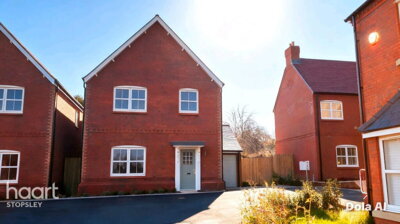
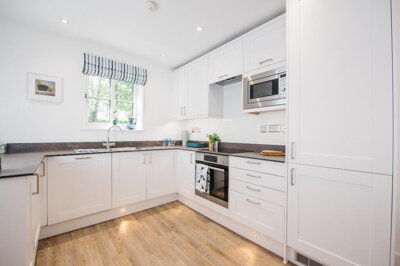
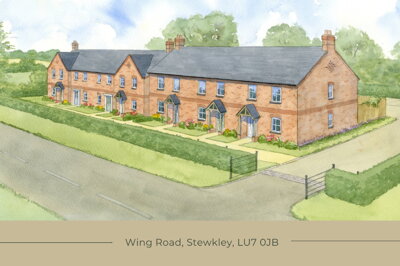
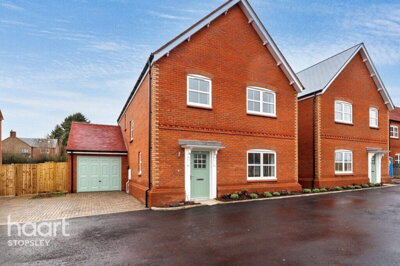
Browse 5 homes new builds in Stewkley, Buckinghamshire from local developer agents.
£750k
24
1
100
Source: home.co.uk
Source: home.co.uk
Detached
17 listings
Avg £806,176
End of Terrace
2 listings
Avg £425,000
Semi-Detached
2 listings
Avg £410,000
Bungalow
1 listings
Avg £750,000
Equestrian Facility
1 listings
Avg £1.85M
Terraced
1 listings
Avg £399,000
Source: home.co.uk
Source: home.co.uk
The Asterby property market reflects its status as a small, rural Lincolnshire village where transaction volumes are naturally limited. Unlike larger towns where dozens of properties change hands monthly, villages like Asterby typically see fewer than 5-10 sales per year, which means buyers must act decisively when suitable properties become available. Our platform aggregates listings from estate agents across the region, giving buyers access to properties that might otherwise be known only through local word of mouth. The village's housing stock consists predominantly of detached and semi-detached homes, with fewer terraced properties and minimal purpose-built flat developments. This distribution mirrors the pattern across similar villages in the Lincolnshire Wolds, where larger family homes on generous plots have long been the norm.
Property types available in Asterby and the surrounding LN13 postcode area include traditional red brick cottages, stone-fronted farmhouses, and more recent additions constructed throughout the twentieth century. Detached properties in this area typically command prices ranging from £350,000 to £400,000, reflecting the premium associated with rural locations and the generous outdoor space these homes offer. Semi-detached properties generally fall within the £200,000 to £250,000 bracket, making them accessible for families seeking their first home in the countryside. Terraced cottages can be found from approximately £150,000 to £180,000, offering an entry point to Wolds village living for budget-conscious buyers. Flats in this postcode area are rare, though where they do exist, values typically range from £100,000 to £130,000.
New build activity within Asterby itself remains minimal, with no active developments currently underway in the village. However, the wider East Lindsey district does see new housing construction concentrated in nearby market towns such as Horncastle, Louth, and Spilsby. For buyers specifically seeking modern construction, expanding those parameters to include these nearby towns opens additional options while maintaining access to the Wolds lifestyle that Asterby exemplifies. The limited supply of village properties means that values have remained relatively stable, with the East Lindsey district experiencing modest growth of around 0-3% over the past twelve months, generally in line with regional averages.
Most properties in Asterby predate 1976, meaning the housing stock is predominantly over fifty years old. This age profile brings character and solid construction but also means that buyers should anticipate maintenance requirements common to traditional buildings. Solid wall construction, original timber joinery, and period features form part of what makes village homes desirable, though these same characteristics require ongoing attention and investment.

Asterby is a village that encapsulates the timeless appeal of rural Lincolnshire, offering residents a quality of life shaped by open countryside, agricultural heritage, and strong community bonds. The 2011 Census recorded a population of 127 for the combined civil parish of Asterby and Goulceby, a figure that highlights the intimate scale of this settlement. Such a small population means that everyone knows their neighbours, local events bring the community together, and the pace of life remains refreshingly unhurried. For buyers seeking an escape from urban congestion and the pressures of city living, Asterby provides an authentic counterpoint.
The village sits within the Lincolnshire Wolds AONB, a designation that ensures the protection of this distinctive chalk downland landscape. The underlying geology comprises chalk bedrock with overlying glacial deposits including boulder clay and sand and gravel, creating the gently undulating terrain that characterises the area. This geological composition supports the rich agricultural land and diverse wildlife habitats that make the Wolds a destination for walkers, cyclists, and nature enthusiasts. The presence of listed buildings including the Church of St Peter, Asterby House, and The Old Rectory further anchors the village in centuries of English history. These heritage structures stand as testament to the craftsmanship of previous generations and contribute to the distinctive character of the village's built environment.
Daily life in Asterby is supported by the surrounding market towns, with Horncastle approximately 8 miles to the west providing the nearest comprehensive range of amenities. Here residents find major supermarkets, independent retailers, medical practices, and a choice of pubs and restaurants. Louth, situated around 10 miles to the east, offers similar facilities and is particularly known for its weekly market and Victorian architecture. Both towns host regular farmers markets where local producers sell seasonal vegetables, meat, dairy, and preserves that exemplify the best of Lincolnshire's agricultural output. The local economy remains predominantly agricultural, with residents often commuting to these larger towns or to Lincoln for employment.
The village lacks major employers within its own boundaries, as is typical for small rural settlements. The appeal of Asterby lies precisely in its peaceful residential character rather than its economic opportunities. Residents tend to work in the surrounding market towns, in Lincoln city approximately 30 miles to the south, or in coastal towns like Grimsby and Cleethorpes. The rise of remote working has made village living more practical for many professionals who can conduct their work from home while enjoying the recreational benefits of countryside location.

Families considering a move to Asterby will find educational provision centred on the nearby market towns, with primary schools serving the surrounding villages and secondary education available in Horncastle and Louth. For primary age children, the nearest schools are located in surrounding villages within a reasonable driving distance, with many operating small class sizes that benefit from individual attention. Parents should research specific catchment areas, as admission policies for village schools can be competitive during peak periods. The intimate scale of rural schooling often provides children with excellent pastoral care and strong teacher-pupil relationships that may be harder to achieve in larger urban schools.
Secondary education options include the King Edward VI Grammar School in Louth, a well-established institution serving students from across the wider area. This grammar school has developed a strong reputation for academic achievement and consistently sends students to further education and training pathways. Horncastle offers additional secondary school choices, with Queen Elizabeth Grammar School providing another established option for families in the western part of the catchment area. Both towns have developed reputations for academic achievement and extracurricular activities, with students regularly progressing to further education and training pathways of their choice. Sixth form provision in both towns allows older students to continue their studies locally without the need for daily travel to larger cities.
For families with younger children, early years provision includes playgroups and nurseries in nearby villages, often running from village halls or community centres. These settings provide essential childcare support for working parents while maintaining the community-focused ethos that characterises rural Lincolnshire. Transport arrangements for school-age children typically involve school buses operating from the village to nearest schools, with many families factoring these arrangements into their moving decisions. The quality of education in this part of Lincolnshire consistently attracts families who value academic standards alongside the lifestyle benefits of rural living.
Parents should verify current admission policies and catchment boundaries before completing a property purchase, as these can affect school placement for their children. School transport eligibility depends on distance from the school and the specific local authority policies in force. Families moving into the area should contact Lincolnshire County Council education services for the most current information about school admissions and transport arrangements.

Transport connectivity from Asterby reflects its rural village character, with residents relying primarily on private vehicles supplemented by bus services connecting to nearby towns. The village sits approximately 4 miles from the A16, the main north-south route through Lincolnshire that links Grimsby to Peterborough via Spilsby and Stamford. This road provides access to larger centres including Lincoln (approximately 30 miles south) and Grimsby (approximately 20 miles northeast). For commuters, the A16 offers relatively uncongested driving conditions compared to urban routes, though journey times naturally extend due to the distances involved. The road passes through attractive Wolds countryside, making even routine journeys pleasant.
Public transport options include bus services operating along routes connecting Horncastle, Louth, and surrounding villages. These services typically run at reduced frequencies compared to urban areas, making private vehicle ownership effectively essential for most residents. However, the bus services that operate do provide crucial access to towns for those without cars, particularly for shopping trips, medical appointments, and social outings. Local taxi services operate from both Horncastle and Louth, offering a flexible alternative for occasional journeys when driving is impractical.
For those travelling further afield, the nearest railway stations are located in Boston (approximately 20 miles southeast) and Cleethorpes (approximately 25 miles northeast), providing connections to major destinations including London (via Grantham or Nottingham), Leeds, and Birmingham. The East Midlands Railway and Northern networks serve these stations, with journey times to London taking approximately 2 to 3 hours depending on connections. Many Asterby residents who work in cities such as Lincoln or Sheffield choose to commute by car, benefiting from the flexible working arrangements that rural living often accommodates.
Cycling is popular for local journeys, with the undulating Wolds terrain presenting both challenges and rewards for enthusiastic riders. The National Cycle Network routes through the area, and many public footpaths accommodate cyclists as well as walkers. The rolling chalk downland provides excellent conditions for cycling, with panoramic views across the countryside that reward those who tackle the hills.

Begin your property search by exploring listings on Homemove and understanding the Asterby market. Given limited transaction volumes, patience is essential. Set up automated alerts to be notified immediately when new properties become available. Given that villages like Asterby typically see fewer than 10 property sales annually, you may need to broaden your search to include similar Wolds villages if no suitable properties are currently listed.
Spend time in Asterby and surrounding villages to understand what daily life entails. Visit local pubs such as The Bottle and Glass Inn in nearby Goulceby, explore the public footpaths across the Wolds, and attend any community events if possible. This helps confirm whether the rural lifestyle matches your expectations before committing financially. We recommend visiting at different times of day and on different days of the week to appreciate how the village changes throughout the week.
Once you identify suitable properties, arrange viewings through estate agents. For older properties constructed using traditional methods, consider the condition implications carefully. Always view properties multiple times and at different times of day before making offers. Pay particular attention to the property's maintenance history and any visible signs of structural movement or damp.
Commission a RICS Level 2 Survey before purchase to identify any structural or maintenance issues. Given that most Asterby properties are over 50 years old, professional surveys are particularly valuable. Budget between £450 and £900 depending on property size. Our surveyors understand the common defects found in traditional Wolds properties, including damp issues, timber decay, and the effects of localised ground movement on foundations.
Appoint a conveyancing solicitor with experience in rural property transactions. They will handle searches, contracts, and registration. Ensure they understand local issues such as listed building regulations if applicable to your chosen property, as well as any rights of way or easements that may affect the property. East Lindsey District Council searches typically take several weeks to process.
Once all searches are satisfactory and financing is confirmed, your solicitor will coordinate exchange of contracts and final completion. On completion day, you receive the keys and can begin your new life in Asterby. Budget for additional costs including stamp duty, surveyor fees, legal costs, and removal expenses.
Purchasing property in a village like Asterby requires attention to several factors that differ from urban buying. Conservation and listing considerations are particularly relevant, as Asterby contains several Grade II listed buildings including the Church of St Peter, Asterby House, and The Old Rectory. If your chosen property is listed or within the curtilage of a listed structure, specialist surveys and consent requirements apply. The RICS Level 3 Building Survey may be more appropriate than a standard Level 2 report for such properties, as heritage buildings often require expert understanding of traditional construction techniques and materials. Planning restrictions on listed properties can limit renovation options and increase costs for any works.
The geological conditions in the Lincolnshire Wolds warrant specific attention during property surveys. While chalk bedrock presents low shrink-swell risk, areas where glacial boulder clay overlays the chalk can experience ground movement during extended dry or wet periods. Trees located near properties can exacerbate these issues by extracting moisture from clay subsoils, potentially causing subsidence or heave that affects foundations. A thorough survey will assess foundation conditions and flag any signs of movement that might require remedial work. Surface water flooding represents the primary flood risk for Asterby, so drainage conditions around the property merit careful inspection. Our surveyors know to check these specific risk factors when inspecting Wolds properties.
Building materials in Asterby properties typically feature traditional red brick with pantile or slate roofing, reflecting the local construction heritage. Older properties may incorporate local stone or flint detailing, while rendered finishes appear on some homes. Understanding these materials helps buyers appreciate the maintenance requirements, as solid wall construction offers different insulation performance compared to modern cavity wall builds. Electrical and plumbing systems in older properties frequently require updating to meet current standards, so budgeting for these potential works forms part of responsible purchasing. Service charges and ground rents apply to some properties, particularly conversions, so leasehold details warrant careful review before committing.
Common defects found in Asterby properties reflect the age and construction methods of the local housing stock. Our inspectors frequently identify rising damp in properties without adequate damp-proof courses, deterioration of roof coverings including defective lead flashing and cracked pantiles, and timber defects such as woodworm in floor joists and roof rafters. Outdated electrical systems with obsolete wiring and consumer units are common in properties that have not been modernised. Drainage issues affecting underground pipework can cause subsidence problems, particularly where clay subsoils are present. A comprehensive RICS Level 2 Survey will identify all these issues and allow you to budget for necessary remediation works.

The LN13 postcode area, which encompasses Asterby, shows average property values in the region of £260,000 to £280,000 based on recent market data. Detached properties typically range from £350,000 to £400,000, while semi-detached homes command prices between £200,000 and £250,000. Terraced cottages generally fall within the £150,000 to £180,000 bracket, with flats rarely available in this village setting. Given the small number of annual transactions in this rural village, prices can vary significantly between individual properties based on condition, size, and character. First-time buyers should note that properties below £250,000 attract zero stamp duty, making the lower end of this market particularly accessible.
Properties in Asterby fall under the East Lindsey District Council area for council tax purposes. Bands range from A through H, with the majority of traditional village properties likely falling in bands B to D. The actual band depends on the property's assessed value as of April 1991, with band D being common for average-sized family homes in the village. Smaller terraced properties and cottages often fall into bands A or B, while larger detached homes with extensive gardens may be in bands E or F. Prospective buyers can verify specific bands via the East Lindsey District Council website or the Valuation Office Agency before making offers.
Primary education in the Asterby area is served by village schools in surrounding communities, with catchment areas varying by address. Secondary options include the King Edward VI Grammar School in Louth and Queen Elizabeth Grammar School in Horncastle, both with established academic reputations. Early years provision includes playgroups and nurseries in nearby villages, typically operating from community venues. Parents should verify current admission policies and catchment boundaries, as these can affect school placement for their children. Lincolnshire County Council maintains current information about school admissions and catchment areas on their website.
Public transport options from Asterby are limited compared to urban areas, with bus services connecting to Horncastle and Louth operating at reduced frequencies. The village sits approximately 4 miles from the A16, providing road access to surrounding towns and villages. Nearest railway stations are in Boston and Cleethorpes, offering connections to major cities including London with journey times of approximately 2 to 3 hours. Most residents require private vehicles for daily transport, though local buses support essential journeys to towns for shopping and appointments. The nearest mainline station with direct services to London is in Grantham, approximately 40 miles away.
Asterby offers different investment dynamics compared to urban property markets. Transaction volumes are naturally low due to the village's small population, meaning capital growth may be less dramatic than in cities. However, properties in the Lincolnshire Wolds AONB benefit from the enduring appeal of rural living and limited supply of village homes. Rental demand exists from professionals seeking countryside accommodation while commuting to nearby towns, though this demand is modest. Properties requiring renovation may offer value opportunities for investors willing to undertake works, while well-presented family homes generally retain their value in this desirable location. The AONB designation provides long-term protection for the area's character, making it a stable if modest investment.
Stamp duty rates from April 2025 start at zero for properties up to £250,000, with 5% charged on the portion between £250,001 and £925,000. Properties priced between £925,001 and £1.5 million incur 10% on that portion, rising to 12% for values exceeding £1.5 million. First-time buyers benefit from increased thresholds, paying zero duty on the first £425,000 and 5% on the portion up to £625,000. Most Asterby properties fall within the first two brackets, making this an accessible market for buyers at various price points. A typical £260,000 terraced cottage or semi-detached home would incur no stamp duty under current rules.
Given that most Asterby properties are over 50 years old, a RICS Level 2 Survey (HomeBuyer Report) is strongly recommended for all purchases. These reports identify defects in walls, roofs, floors, and foundations, with particular value for traditional construction. For a typical 3-bedroom semi-detached home in the area, budget approximately £450 to £700 for a Level 2 report. Larger detached properties with more complex construction typically cost £600 to £900. For listed buildings or those with significant character, a RICS Level 3 Building Survey provides more detailed analysis of materials and construction methods. An EPC assessment is also required for marketing purposes and typically costs from £80.
Common defects in Asterby homes reflect the age and construction of the local housing stock. Rising damp affects many older properties without modern damp-proof courses, particularly where original solid floors remain. Roof defects including slipped tiles, deteriorated lead flashing, and timber decay in rafters and joists are frequently identified during surveys. In properties with nearby trees or underlying clay deposits, our surveyors sometimes find evidence of foundation movement indicating subsidence or heave. Outdated electrical installations with obsolete wiring and consumer units require updating before purchase. Many homes also lack modern insulation standards, making them less energy efficient than newer properties.
Understanding the full cost of purchasing property in Asterby extends beyond the advertised asking price. Stamp duty land tax represents a significant consideration, with current thresholds from April 2025 offering favourable conditions for buyers at most price points. Properties valued up to £250,000 attract zero stamp duty under standard purchase rules, meaning terraced cottages and lower-priced semis in the Asterby area may incur no additional tax. The 5% rate applies to the portion between £250,001 and £925,000, which covers the majority of family homes in this village.
First-time buyers enjoy enhanced relief, paying nothing on the first £425,000 and just 5% on the portion up to £625,000. This relief eliminates stamp duty on most entry-level Asterby properties and substantially reduces costs for those purchasing larger family homes. Those who have previously owned property cannot claim first-time buyer relief, but many will still fall within the zero-rate threshold for standard purchases. Above £925,000, rates increase to 10% on the next portion and 12% for any value exceeding £1.5 million, thresholds that apply to premium rural properties.
Beyond stamp duty, buyers should budget for survey costs (RICS Level 2 surveys range from £450 to £900 depending on property size), conveyancing fees (from £499 for standard transactions), and mortgage arrangement fees (which vary by lender and product). Local searches through East Lindsey District Council typically cost around £250 to £300, while Land Registry fees for registration total approximately £150 to £200. Removal costs, new furniture, and potential renovation works should also feature in your financial planning. Obtaining a mortgage agreement in principle before searching strengthens your position when making offers and demonstrates serious intent to sellers.

Properties New Builds In London

Properties New Builds In Plymouth

Properties New Builds In Liverpool

Properties New Builds In Glasgow

Properties New Builds In Sheffield

Properties New Builds In Edinburgh

Properties New Builds In Coventry

Properties New Builds In Bradford

Properties New Builds In Manchester

Properties New Builds In Birmingham

Properties New Builds In Bristol

Properties New Builds In Oxford

Properties New Builds In Leicester

Properties New Builds In Newcastle

Properties New Builds In Leeds

Properties New Builds In Southampton

Properties New Builds In Cardiff

Properties New Builds In Nottingham

Properties New Builds In Norwich

Properties New Builds In Brighton

Properties New Builds In Derby

Properties New Builds In Portsmouth

Properties New Builds In Northampton

Properties New Builds In Milton Keynes

Properties New Builds In Bournemouth

Properties New Builds In Bolton

Properties New Builds In Swansea

Properties New Builds In Swindon

Properties New Builds In Peterborough

Properties New Builds In Wolverhampton

Enter your details to see if this property is within your budget.
Loans, cards, car finance
Estimated property budget
Borrowing + deposit
You could borrow between
Typical borrowing
Monthly repayment
Est. at 4.5%
Loan-to-value
This is an estimate only. Your actual budget may vary depending on interest rates, credit history, and personal circumstances. For an accurate affordability assessment, speak to one of our free mortgage advisors.
This calculator provides estimates for illustrative purposes only and does not constitute financial advice. Your home may be repossessed if you do not keep up repayments on your mortgage. Estimates based on 4.5% interest rate, repayment mortgage. Actual rates depend on your circumstances.
Homemove is a trading name of HM Haus Group Ltd (Company No. 13873779, registered in England & Wales). Homemove Mortgages Ltd (Company No. 15947693) is an Appointed Representative of TMG Direct Limited, trading as TMG Mortgage Network, which is authorised and regulated by the Financial Conduct Authority (FRN 786245). Homemove Mortgages Ltd is entered on the FCA Register as an Appointed Representative (FRN 1022429). You can check registrations at NewRegister or by calling 0800 111 6768.

We use cookies to show you personalised content and improve your experience of our website. Find out more in our Privacy policy and Cookie policy.