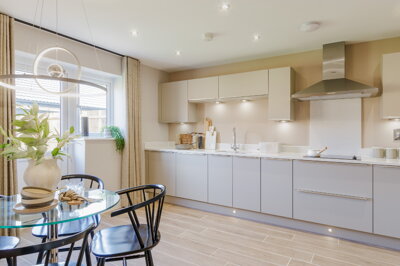
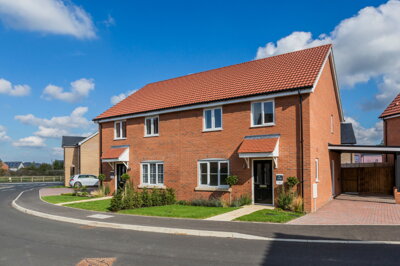
Browse 2 homes new builds in Starston, South Norfolk from local developer agents.
The larger property sector typically features multiple bathrooms, substantial reception space, and private gardens or off-street parking. Four bedroom houses in Starston span detached, semi-detached, and occasionally terraced configurations, with styles ranging from period properties to modern executive homes.
£650k
1
0
592
Source: home.co.uk
Showing 1 results for 4 Bedroom Houses new builds in Starston, South Norfolk. The median asking price is £650,000.
Source: home.co.uk
Detached
1 listings
Avg £650,000
Source: home.co.uk
Source: home.co.uk
£652,500
Average Property Price
£695,000
Detached Average
£610,000
Semi-Detached Average
18%
Annual Price Growth
78
Properties Sold (12 months)
62.2%
Detached Properties
The Starston property market reflects its status as a sought-after rural village in South Norfolk. Detached properties command the highest prices, averaging £695,000, while semi-detached homes average around £610,000. This premium pricing reflects the village's character, its Conservation Area status, and the quality of its traditional architecture. The market has shown remarkable strength, with sold prices climbing 18% year-on-year and now sitting 6% above the 2020 peak of £617,500.
Housing stock in Starston is predominantly detached, with 62.2% of properties falling into this category compared to just 39% across Norfolk as a whole. Semi-detached homes make up 33.6% of the stock, while terraced properties and flats represent just 4.2% combined. This means buyers seeking village life in Starston will primarily find generous detached and semi-detached homes, many with ample gardens and countryside views. The scarcity of apartments and terraced houses makes this village particularly attractive to families and those seeking space.
New build activity in the immediate Starston area remains limited. While the Briarswood development by Lovell Homes operates nearby in Harleston, offering 2, 3, and 4-bedroom homes from £245,000, no new build sites are definitively verified within Starston parish itself. The Starston Neighbourhood Plan, adopted in December 2022, guides future development until 2042, ensuring any growth maintains the village's character. For buyers specifically seeking character properties, the abundance of historic homes in Starston presents far more opportunity than new build alternatives.
Our inspectors regularly survey properties across this South Norfolk village, and we frequently encounter the distinctive features that define Starston homes. The combination of period construction, generous plot sizes, and village setting creates a market segment that continues to attract buyers from across the region. Properties here rarely come to market, meaning when a suitable home appears, competition among buyers can be significant.
Starston is an ancient settlement with a rich history that is immediately apparent as you wander through the village streets. The centre of Starston is designated a Conservation Area, originally designated in 1975, preserving centuries of architectural heritage. The village grew significantly during the 19th century, with the school built in 1839 and the church enlarged during the same period. Today, approximately 366 residents call Starston home, creating a close-knit community where neighbours know each other and local events bring people together throughout the year.
The architecture throughout Starston reflects its Norfolk heritage, with buildings constructed from finely coursed flint and brick walls, often incorporating reused Roman bricks. Historic properties feature characteristic clay pantile roofs and weatherboard finishes, while older farm buildings showcase traditional timber construction methods. One Grade I listed building and at least 28 Grade II listed structures dot the village, including the Church of St. Margaret dating from around 1300, Beck Hall, Starston Hall, and the charming collection of cottages that line the village lanes.
Farming continues as the principal land use within Starston parish, maintaining the rural character that defines village life here. Residents enjoy access to excellent walking routes across farmland and along The Beck, which flows through the village. The nearby market town of Harleston provides essential shopping, healthcare, and dining options within a few miles, while the broader South Norfolk district offers employment opportunities across agri-food, clean energy, and digital technology sectors.

Families considering a move to Starston will find educational options within easy reach, though primary schools are located in neighbouring villages. The village once had its own school, built in 1839 and extended in 1877, but this closed in 1969, reflecting the small-scale nature of the community. Children in Starston typically attend primary schools in nearby villages such as Harleston, Brockdish, or Dickleburgh, with several rated Good by Ofsted within the surrounding area. We advise buyers with school-age children to verify current catchment areas and admission arrangements directly with Norfolk County Council before committing to a purchase.
Secondary education is available at schools in Harleston and the surrounding market towns, with schools offering strong academic and vocational pathways. The Harleston area has seen continued investment in educational facilities, and sixth form options are available at nearby secondary schools. For families seeking independent education, several well-regarded private schools operate in Norfolk, with some situated within reasonable commuting distance of Starston.
Early years childcare in rural Norfolk often relies on childminders and village-based preschool groups. The South Norfolk district benefits from several nurseries and preschools in nearby towns, and many families find the village location works well for those with flexible working arrangements or remote employment. The peaceful setting provides an excellent environment for young children to grow up, with access to countryside play spaces and strong community support networks.
Starston benefits from its position within the South Norfolk countryside while remaining accessible to major transport links. The village sits near the A143, providing direct connections to Diss in the north and Bungay in the south. Diss railway station, approximately 8 miles from Starston, offers regular services to Norwich, Ipswich, and London Liverpool Street, with journey times to the capital taking around two hours. This makes Starston viable for commuters who need occasional access to the capital or East Anglia business centres.
Bus services connect Starston with Harleston and surrounding villages, providing essential links for those without private vehicles. The surrounding area offers good road connectivity, with the A140 providing access to Norwich and the Norfolk coast. For air travel, Norwich International Airport offers domestic flights and connections to European destinations. The combination of rural peace and reasonable connectivity makes Starston attractive to those who work flexibly or can travel to offices occasionally.
Cycling infrastructure in rural Norfolk continues to improve, and the flat terrain around Starston makes cycling a viable option for local journeys. Many residents cycle to nearby towns for shopping and leisure. Parking in Starston is generally straightforward, with properties typically offering off-street parking or generous driveway space, a significant advantage over urban living. The village atmosphere means daily commutes by car to nearby employment centres are entirely manageable, typically taking 20-30 minutes to reach towns like Harleston, Diss, or Attleborough.
Explore current listings and recent sales data to understand pricing in this South Norfolk village. The average detached property costs around £695,000, while semi-detached homes average £610,000. Study the Conservation Area boundaries and understand how listed building status affects potential purchases.
Before viewing properties, obtain a mortgage agreement in principle from a lender. This strengthens your position when making offers and helps you understand your true budget. For a £650,000 property, you would typically need a deposit of at least 5-10%.
View multiple properties throughout Starston and nearby villages to compare the available stock. Pay attention to property condition, as many homes are older properties with traditional construction methods using flint, brick, and lime mortar. A RICS Level 2 Survey is particularly valuable for these older properties.
For village properties in Starston, a thorough survey is essential given the age of the housing stock. We typically see survey costs between £420-500 for standard properties in Norfolk, rising for larger homes or those valued above £500,000. The survey will check for common issues like damp, roof condition, structural movement, and outdated electrics.
Choose a conveyancing solicitor to handle the legal aspects of your purchase. They will conduct searches including local authority checks, drainage and water searches, and any environmental searches relevant to the rural location. Budget for conveyancing costs from around £499.
Once searches are satisfactory and mortgage is finalized, you will exchange contracts and pay your deposit. Completion typically follows within weeks, and you will receive your keys for your new Starston home.
Buying a property in Starston requires attention to specific local factors that affect both your enjoyment and investment. The village's Conservation Area status means any significant external alterations require planning permission, and properties may be subject to stricter rules regarding materials and appearance. If you are considering a period property, understanding these restrictions before purchase prevents costly surprises later. Listed buildings carry additional responsibilities, requiring consent for more substantial changes, and we always recommend a specialist survey for Grade I or Grade II listed properties.
Flood risk deserves careful consideration in Starston. The village sits at a bridge over The Beck, which has burst its banks previously, notably causing significant flooding in December 2020. Properties near the beck or in low-lying areas face higher flood risk, and insurance costs may reflect this. A flood risk search should form part of your conveyancing process, and you should ask vendors directly about any historical flooding incidents. Surface water pooling on roads like Railway Hill has also occurred during heavy rainfall, and we have seen properties affected by water ingress from these surface water events.
The geological conditions in Norfolk mean some properties face potential shrink-swell clay risks, which can cause subsidence in older buildings with shallow foundations. Look for signs of structural movement such as cracks in walls, particularly diagonal or step-like fractures wider than 5mm. Uneven floors and misaligned doors and windows can indicate underlying movement issues. For older properties, ensure the survey thoroughly assesses foundation condition and any previous movement that may have been addressed.
Building materials in Starston properties require specialist understanding. Traditional flint and brick construction uses lime mortar rather than modern Portland cement, and inappropriate repairs can cause lasting damage to historic structures. We frequently see properties where well-meaning previous owners have used cement mortars that trap moisture and accelerate brick decay. If considering a renovation project, factor in the higher costs of traditional building methods and the need for specialist contractors who understand historic construction. Many older properties also have single-pane windows and limited insulation, so energy efficiency upgrades should be anticipated in your budget.
The average house price in Starston over the past year is £652,500. Detached properties average £695,000, while semi-detached homes average around £610,000. Property prices have risen by 18% year-on-year, showing strong demand for this South Norfolk village. The market has also climbed 6% above the previous 2020 peak of £617,500, indicating sustained growth in values. Most properties sold in Starston fall within the £550,000 to £750,000 range, though individual properties vary significantly based on size, condition, and plot size.
Properties in Starston fall under South Norfolk Council. Most village homes, being older detached and semi-detached properties, typically fall into council tax bands D through G. Exact bands depend on property value and size, and we typically see larger period homes with multiple bedrooms in higher bands. Contact South Norfolk Council directly or check the Valuation Office Agency website to confirm the specific band for any property you are considering purchasing.
Starston does not have its own primary school currently, with children typically attending schools in nearby villages such as Harleston, Brockdish, or Dickleburgh. Several local primaries have Good Ofsted ratings, and parents should verify current catchments as these can change. Secondary options in Harleston and surrounding market towns provide strong educational pathways, and sixth form provision is available nearby for older students.
Starston has limited public transport, with bus services connecting to Harleston and surrounding villages. Diss railway station, approximately 8 miles away, provides regular services to Norwich, Ipswich, and London Liverpool Street, with London journeys taking around two hours. Most residents rely on private vehicles for daily commuting, though the village's position near the A143 provides reasonable road access to surrounding towns and employment centres.
Starston offers appeal for both lifestyle and investment purposes, though buyers should understand the market dynamics. The village's Conservation Area status, limited new build supply, and high proportion of detached homes help maintain values. The 18% annual price increase demonstrates buyer interest in rural Norfolk villages. However, the small population and limited local employment mean properties may take longer to sell than in larger towns, and resale liquidity should be considered when planning your investment.
Stamp Duty Land Tax on a £652,500 property in Starston depends on your buyer status. As a non-first-time buyer purchasing at this price, you would pay 0% on the first £250,000 and 5% on the amount from £250,001 to £650,000, with the remainder taxed at 10%, resulting in approximately £20,125 in SDLT. First-time buyers pay nothing up to £425,000, then 5% on the portion from £425,001 to £625,000, providing significant savings for qualifying purchasers. Our team can provide a detailed calculation for your specific circumstances.
Given Starston's character as an ancient settlement with predominantly older traditional buildings, survey attention should focus on damp issues, particularly rising damp from failed damp-proof courses in properties built before modern DPC requirements. Roof condition is critical, as many homes retain original clay pantile or slate coverings now approaching or past their expected lifespan. We also recommend checking for structural movement, including potential shrink-swell clay subsidence affecting shallow foundations. Outdated electrical systems and timber condition should be assessed for rot and woodworm. Properties with flint and brick construction should be examined for lime mortar condition and any cement repairs that may be causing moisture entrapment.
Starston has known flood risks from The Beck, which flows through the village and has burst its banks historically, notably in December 2020 causing flooding on Water Meadow and Glebe Meadow. Surface water flooding also occurs during heavy rainfall, with Railway Hill identified as a main runoff conduit. A flood mitigation project was planned to start in February 2025 to enhance the river habitat and locally increase channel and floodplain storage capacity to help manage future flood risk. Buyers should request Flood Risk searches and ask vendors about historical flooding incidents before purchasing.
Purchasing a property in Starston involves several costs beyond the purchase price that buyers should budget for carefully. The primary consideration is Stamp Duty Land Tax, which applies to all purchases above £250,000 for non-first-time buyers. On the village average property price of £652,500, a standard buyer would pay approximately £20,125 in SDLT, calculated at 5% on the £400,000 portion between £250,001 and £650,000, and 10% on the remaining £2,500.
First-time buyers benefit significantly from relief, paying no SDLT on properties up to £425,000 and just 5% on the portion between £425,001 and £625,000. This means a first-time buyer purchasing a £652,500 property would pay around £11,375 less than a non-first-time buyer. Properties priced above £625,000 do not receive first-time buyer relief, so this saving only applies to the portion below that threshold.
Beyond stamp duty, buyers should budget for survey costs. A RICS Level 2 Survey in Norfolk typically costs between £420 and £500 for a standard property, rising for larger homes or those with higher values. Given the age of Starston's housing stock, this survey provides essential insight into property condition and helps identify any issues that may affect your purchase decision. Conveyancing fees generally start from around £499 for standard purchases, rising for leasehold properties or those with complications such as listed building status. Local searches from South Norfolk Council, drainage searches, and environmental searches typically total £250-350. Mortgage arrangement fees vary by lender but often range from £500-1,500, though many offer cashback or fee-free deals.

From 3.89%
Expert mortgage advice tailored to your property purchase
From £499
Specialist solicitors handling your legal requirements
From £420
Thorough property survey for Starston homes
From £85
Energy performance certificate for your new home
Properties New Builds In London

Properties New Builds In Plymouth

Properties New Builds In Liverpool

Properties New Builds In Glasgow

Properties New Builds In Sheffield

Properties New Builds In Edinburgh

Properties New Builds In Coventry

Properties New Builds In Bradford

Properties New Builds In Manchester

Properties New Builds In Birmingham

Properties New Builds In Bristol

Properties New Builds In Oxford

Properties New Builds In Leicester

Properties New Builds In Newcastle

Properties New Builds In Leeds

Properties New Builds In Southampton

Properties New Builds In Cardiff

Properties New Builds In Nottingham

Properties New Builds In Norwich

Properties New Builds In Brighton

Properties New Builds In Derby

Properties New Builds In Portsmouth

Properties New Builds In Northampton

Properties New Builds In Milton Keynes

Properties New Builds In Bournemouth

Properties New Builds In Bolton

Properties New Builds In Swansea

Properties New Builds In Swindon

Properties New Builds In Peterborough

Properties New Builds In Wolverhampton

Enter your details to see if this property is within your budget.
Loans, cards, car finance
Estimated property budget
Borrowing + deposit
You could borrow between
Typical borrowing
Monthly repayment
Est. at 4.5%
Loan-to-value
This is an estimate only. Your actual budget may vary depending on interest rates, credit history, and personal circumstances. For an accurate affordability assessment, speak to one of our free mortgage advisors.
This calculator provides estimates for illustrative purposes only and does not constitute financial advice. Your home may be repossessed if you do not keep up repayments on your mortgage. Estimates based on 4.5% interest rate, repayment mortgage. Actual rates depend on your circumstances.
Homemove is a trading name of HM Haus Group Ltd (Company No. 13873779, registered in England & Wales). Homemove Mortgages Ltd (Company No. 15947693) is an Appointed Representative of TMG Direct Limited, trading as TMG Mortgage Network, which is authorised and regulated by the Financial Conduct Authority (FRN 786245). Homemove Mortgages Ltd is entered on the FCA Register as an Appointed Representative (FRN 1022429). You can check registrations at NewRegister or by calling 0800 111 6768.

We use cookies to show you personalised content and improve your experience of our website. Find out more in our Privacy policy and Cookie policy.