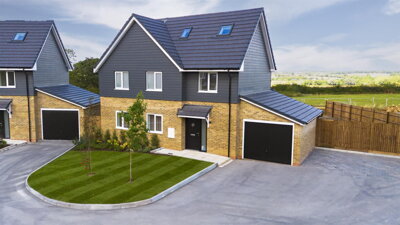
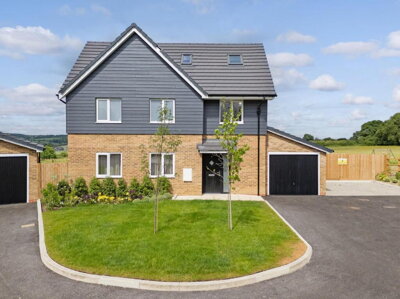
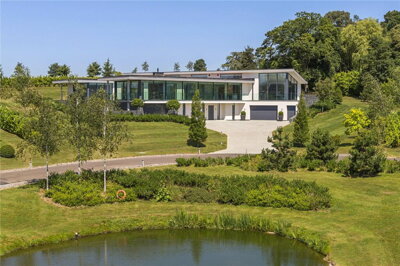
Browse 3 homes new builds in Stapleford Tawney from local developer agents.
The Hornton property market has experienced notable price adjustments over the past twelve months, with data from Rightmove indicating an 11% decrease compared to the previous year. This trend has created interesting opportunities for buyers who may find better value in this picturesque Oxfordshire village compared to the peak market conditions of recent years. Zoopla records show an average sold price of £745,000 in the last twelve months, while OnTheMarket reports £698,000, with Rightmove citing £606,250 across various listings. These variations across platforms reflect the limited transaction volume typical of smaller rural villages, where each sale can significantly influence average figures.
Property types in Hornton predominantly consist of detached and semi-detached stone-built homes, with terraced cottages and modern conversions also represented in the market. Individual sales data reveals the range of properties available, including a detached house on Bell Street that sold for £350,000 in 2019 and a semi-detached property on Perkins Close that achieved £278,000 in the same year. The village also hosts exceptional newly-constructed residences such as Cawley House and Linton House, both offering over 200 square metres of accommodation across three floors. These premium new builds demonstrate that high-specification homes continue to be developed within the village's planning framework.
The current market conditions present a window of opportunity for buyers who have been priced out of nearby larger towns. Properties in nearby West End have seen even steeper reductions of 26% year-on-year, while Hornton Lane properties show a 20% decline. This softening in prices means that discerning buyers can potentially secure character properties in a desirable village setting at more accessible price points than twelve months ago. Our local market knowledge suggests that well-presented period properties in Hornton continue to attract interest from buyers recognises the village's enduring appeal and strong transport connections.

Understanding the construction methods used in Hornton properties is essential for anyone considering a purchase in this village. The predominant building material is local ironstone, a distinctive honey-coloured stone that gives Hornton its characteristic appearance and warm aesthetic that changes beautifully with the light throughout the day. This local stone has been quarried from the surrounding area for centuries, and properties built with it showcase the craftsmanship of traditional builders who understood how to work with the natural material to create durable, weather-resistant homes.
The geology of this part of Oxfordshire typically includes Jurassic limestones and clays, which can present specific challenges for property owners. Clay soils are particularly susceptible to shrink-swell behaviour in response to moisture changes, meaning that properties built on these substrates may experience subtle ground movement during dry spells or periods of heavy rainfall. Older properties in Hornton typically have shallower foundations than modern buildings, making them more susceptible to the effects of any subsidence or ground movement. We always recommend having a structural survey conducted on any property you are considering, particularly those with visible signs of cracking or settlement.
Traditional construction in Hornton involved solid stone walls, timber floor joists and roof structures, and the use of lime mortars rather than modern cement-based products. These methods allowed the buildings to breathe naturally, and when maintained correctly, they can last for centuries. However, when inappropriate modern materials have been introduced during previous renovations, problems can arise. We frequently see issues where cement render or pointed mortar has been applied to older stonework, trapping moisture and causing deterioration of the underlying fabric. Our inspectors are trained to identify these common defects in period properties throughout north Oxfordshire.
Hornton is a small but distinctive village that captures the essence of rural Oxfordshire living. The village is characterised by its traditional architecture, with the prominent use of local ironstone giving properties their warm, honey-coloured appearance that changes beautifully with the light throughout the day. Walking through Hornton reveals a village that has carefully preserved its historic character, with mature hedgerows, rolling countryside views, and a peaceful atmosphere that feels a world away from the pressures of urban life. The village name itself derives from historical sources, and the area has remained largely agricultural in character for centuries.
As a small rural community, Hornton offers a close-knit atmosphere where neighbours often know each other well and local events bring residents together throughout the year. The surrounding landscape consists of farmland, public footpaths, and gentle rolling hills that are perfect for walks and cycling. The village's location within the Cherwell district places it within easy reach of larger centres of population while maintaining its rural character. Local amenities include village hall facilities and access to nearby towns for shopping, healthcare, and other essential services. The proximity to Banbury, approximately 8 miles distant, ensures that residents have comprehensive retail, dining, and leisure options within reasonable driving distance.
The character of Hornton properties reflects the area's heritage, with many homes dating back to the 18th and 19th centuries. The presence of Grade II listed buildings throughout the village, including notable examples like Cromwells, demonstrates the architectural significance of the area. These historic properties often feature original features such as exposed stone walls, inglenook fireplaces, and traditional timber construction that appeal to buyers seeking authentic period homes. The village's Conservation Area status, inferred from the concentration of listed buildings, ensures that development is carefully managed to preserve its special character for future generations.

Families considering a move to Hornton will find a selection of educational options within reasonable travel distance. The village itself is served by local primary schools in surrounding villages, with several well-regarded primary schools located within a 5-mile radius. These schools typically serve the rural communities of north Oxfordshire and provide a solid foundation for younger children in a village setting. The curriculum is supported by dedicated teachers who know their pupils well, and the smaller class sizes often found in rural schools can offer individual attention that benefits children's development.
Secondary education options in the area include schools in Banbury and surrounding towns, with several secondary schools serving the Cherwell district that consistently achieve solid academic results. Parents should research specific catchment areas and admission policies when considering properties in Hornton, as school placements are determined by home address and can vary depending on proximity to the school. Transport arrangements for secondary school pupils typically involve school bus services or private transport, with many families finding that the journey to nearby secondary schools is manageable as part of the daily routine.
For families requiring childcare or early years education, local options exist within the village and neighbouring communities. The village hall and community facilities occasionally host parent and toddler groups and other family-oriented activities that provide opportunities for young children to socialise while parents connect with fellow residents. Further education opportunities are available at colleges in Banbury and Bicester, offering A-levels, vocational courses, and apprenticeship programmes for older students seeking qualifications beyond secondary school. The proximity to these larger towns means that Hornton families have access to a broader range of educational choices than might be expected for such a small village.
Hornton enjoys a strategic position within Oxfordshire, benefiting from proximity to the M40 motorway that runs through the county connecting London to Birmingham. The nearest motorway junction provides easy access for residents who commute by car, with journey times to Oxford taking approximately 45 minutes and trips to Bicester achievable in around 30 minutes. This connectivity makes Hornton attractive to professionals who work in larger towns but prefer the lifestyle benefits of rural living. The village's position off the main road also means that residents enjoy relatively quiet conditions while still having reasonable transport links available when needed.
For those who rely on public transport, Banbury serves as the primary hub for rail services from Hornton. Banbury railway station offers regular services on the Chiltern Main Line, with direct trains to London Marylebone taking approximately one hour and ten minutes. This makes Banbury a viable option for commuters who cannot or prefer not to drive, with connecting bus services running from Hornton to the station. The X9 bus route connects Hornton with Banbury town centre, providing a lifeline for residents without private vehicles to access shops, healthcare facilities, and other essential services.
Local cycling is popular among Hornton residents, with the surrounding countryside offering scenic routes for recreational cycling and commuting alike. The flat terrain of the Oxfordshire countryside, combined with quiet country lanes, makes cycling a pleasant option for shorter journeys. For air travel, Birmingham Airport and London Oxford Airport are both accessible within approximately one hour's drive, providing international connections for business and leisure travellers. The village's position within the M40 corridor truly offers the best of both worlds for residents who value rural tranquility without sacrificing connectivity.
Begin by exploring current property listings in Hornton on Homemove. Understanding the average prices, property types available, and recent sales in the village will help you set realistic expectations and identify the best opportunities. Given the village's limited transaction volume, patience is often required to find the right property, and we recommend setting up property alerts so you are notified promptly when new listings appear.
Before arranging viewings, obtain a mortgage agreement in principle from a lender. This strengthens your position when making offers and demonstrates to sellers that you are a serious buyer with financing already considered. Given that Hornton properties typically range from £278,000 to over £700,000, understanding your borrowing capacity will help you focus your search on properties within your budget.
Visit properties that match your requirements, paying attention to the condition of stone-built and listed properties. Look for signs of damp, roof condition, and any potential structural concerns that may require further investigation. We recommend visiting properties at different times of day to assess lighting, noise levels, and the general atmosphere of the neighbourhood.
Given Hornton's older housing stock, we strongly recommend a RICS Level 2 Survey before purchasing. Our inspectors are experienced in assessing period properties throughout north Oxfordshire and will identify defects common in stone-built homes, including issues with solid walls, timber structures, and outdated services. The survey will also flag any potential issues with listed building status that may affect your plans for the property.
Appoint a conveyancing solicitor to handle the legal aspects of your purchase. They will conduct searches regarding flood risk, ground conditions, and local planning matters that may affect your property. Given the age of many properties in Hornton and the presence of listed buildings, legal due diligence is particularly important in this village.
Once all surveys are satisfactory and legal queries are resolved, you will exchange contracts and pay your deposit. Completion typically follows within weeks, when the remaining funds are transferred and you receive the keys to your new Hornton home. Our team can recommend local solicitors and removal firms with experience in the Hornton area if needed.
Buying a property in Hornton requires careful consideration of several factors specific to this historic Oxfordshire village. The prevalence of stone-built properties means that buyers should pay particular attention to the condition of walls, looking for signs of cracking, bowing, or previous repairs. Stone construction, while incredibly durable, requires different maintenance approaches compared to modern brick or block construction, and understanding the building's construction method will inform future maintenance decisions and costs. We often find that first-time buyers of period properties are surprised by the different approach required to maintain traditional buildings compared to modern construction.
The presence of Grade II listed properties throughout Hornton brings additional considerations for prospective buyers. Listed building status provides legal protection for historic features but also imposes restrictions on what modifications owners can make without obtaining planning permission and listed building consent. If you are considering a listed property, factor in the additional costs and time required for any proposed alterations, and ensure that you understand the obligations that come with owning a piece of local heritage. Properties like Cromwells, with their beautiful period features, offer unique character but require committed stewardship and potentially additional specialist surveys beyond a standard RICS Level 2.
Flood risk should be investigated for any property in Hornton, particularly those located near watercourses or in lower-lying areas of the village. While specific flood risk data for the village was not found in our research, we recommend ordering an environmental search as part of your conveyancing process. These searches will reveal any flood risk, ground stability issues, or contamination concerns that may affect your property. Similarly, the potential for clay soils in this part of Oxfordshire means that subsidence risk should be assessed, with particular attention paid to older properties that may have shallower foundations. Our inspectors pay particular attention to signs of movement or cracking that may indicate underlying structural issues.
Property prices in Hornton average between £606,250 and £745,000 depending on the data source, with OnTheMarket reporting £698,000 as of early 2026. The market has seen an 11% decrease over the past twelve months according to Rightmove data, creating potential opportunities for buyers looking to enter this desirable village market. Given the village's small size and limited transaction volume, individual properties can vary significantly from the average based on condition, size, and features, so it is worth looking at specific properties rather than relying solely on headline figures.
Properties in Hornton fall under Cherwell District Council's jurisdiction for council tax purposes. Most family homes in the village typically fall within bands D through G, though specific bandings depend on the property's assessed value. You can check the exact council tax band for any specific property through the Valuation Office Agency website or by contacting Cherwell District Council directly. Given the range of property types in Hornton, from compact period cottages to substantial detached family homes, council tax bands will vary accordingly across the village.
Hornton is served by several well-regarded primary schools in the surrounding north Oxfordshire area, with specific placements determined by catchment boundaries. The nearest primary schools are located in neighbouring villages and typically serve the rural communities within a reasonable travel distance. Secondary education is available at schools in Banbury and nearby towns, with many families finding the travel distances manageable as part of the daily routine. We recommend researching current school performance data and admission policies through Ofsted and the relevant admission authority when choosing a property for your family.
Hornton has limited but functional public transport options, with bus services connecting the village to Banbury where mainline railway services are available. The X9 bus route provides regular connections between Hornton and Banbury town centre, from where you can access the railway station. Banbury station offers regular trains to London Marylebone with journey times of approximately one hour ten minutes, making it practical for commuters who cannot or prefer not to drive. For full connectivity, private transport remains the primary option for most residents, though the village's proximity to the M40 provides excellent road access to Oxford, Birmingham, and London.
Hornton offers several factors that make it attractive for property investment, including its desirable rural location within Oxfordshire, strong transport connections via the M40 corridor, and the rarity of properties coming to market. The village's character, limited supply, and proximity to major employment centres suggest long-term demand for quality homes in this area. However, the small size of the market and any potential impact of economic conditions on rural property values should be considered in any investment decision. We always recommend that buyers focus on finding the right property for their needs rather than purely investment considerations.
Stamp Duty Land Tax rates for 2024-25 start at 0% on the first £250,000 of residential property purchases. The rates increase to 5% on the portion between £250,001 and £925,000, then 10% up to £1.5 million, and 12% above that. First-time buyers benefit from relief on the first £425,000, paying 5% between £425,001 and £625,000. For a typical Hornton property priced at £698,000, a standard buyer would pay £22,360 in stamp duty, while a first-time buyer would pay £13,650. Use our stamp duty calculator for a precise figure based on your specific purchase price and circumstances.
Given that many properties in Hornton are built from local ironstone and date from the 18th and 19th centuries, common defects include rising damp due to the absence of modern damp-proof courses, deterioration of lime mortar pointing, and timber defects such as woodworm or wet rot in floor joists and roof structures. Stone walls may show signs of cracking or bowing if previous movement has occurred, and roofs on older properties often require attention to tiles, leadwork, and chimney stacks. Our inspectors are experienced in identifying these issues and will provide detailed advice on any remedial work required before you commit to a purchase.
While there are no large-scale new-build developments in Hornton itself, the village does occasionally see individual newly constructed properties of exceptional quality. Cawley House and Linton House are examples of bespoke new builds in the village, each offering over 200 square metres of accommodation across three floors. These premium properties demonstrate that the local planning framework does allow for high-quality new development that complements the village's character. New build properties in Hornton typically command premium prices reflecting their quality and the rarity of such opportunities in this established village.
When purchasing a property in Hornton, budget planning should account for Stamp Duty Land Tax alongside other purchase costs. For a typical Hornton property priced at £698,000, a standard buyer would pay £22,360 in stamp duty, calculated as 0% on the first £250,000, 5% on £350,000, and 10% on the remaining £98,000. First-time buyers benefit from relief on the first £425,000, reducing their stamp duty to £13,650 for the same property. These thresholds apply to residential purchases completed from 2024 onwards and may be subject to future government changes.
Beyond stamp duty, purchasing a property involves solicitor fees, survey costs, and various third-party charges that should be factored into your budget. Conveyancing costs for a purchase typically range from £500 to £1,500 depending on complexity and whether the property is freehold or leasehold. A RICS Level 2 Survey costs from £350 for standard properties, though older stone-built homes in Hornton may require additional specialist assessment due to their construction and condition. Local search fees, land registry charges, and electronic money transfer costs add further modest amounts to the total.
Ongoing costs after purchase include council tax, utility bills, building insurance, and maintenance reserves. Properties in Hornton fall under Cherwell District Council, and current council tax bands for the area range from band D through to band H for larger properties. Given the age of many Hornton homes, setting aside funds for maintenance and unexpected repairs is particularly important. Historic properties may require specialist contractors for work involving traditional building techniques and materials, which can command premium rates compared to standard tradespeople. We recommend budgeting for ongoing maintenance at around 1-2% of the property value annually for period properties.
Properties New Builds In London

Properties New Builds In Plymouth

Properties New Builds In Liverpool

Properties New Builds In Glasgow

Properties New Builds In Sheffield

Properties New Builds In Edinburgh

Properties New Builds In Coventry

Properties New Builds In Bradford

Properties New Builds In Manchester

Properties New Builds In Birmingham

Properties New Builds In Bristol

Properties New Builds In Oxford

Properties New Builds In Leicester

Properties New Builds In Newcastle

Properties New Builds In Leeds

Properties New Builds In Southampton

Properties New Builds In Cardiff

Properties New Builds In Nottingham

Properties New Builds In Norwich

Properties New Builds In Brighton

Properties New Builds In Derby

Properties New Builds In Portsmouth

Properties New Builds In Northampton

Properties New Builds In Milton Keynes

Properties New Builds In Bournemouth

Properties New Builds In Bolton

Properties New Builds In Swansea

Properties New Builds In Swindon

Properties New Builds In Peterborough

Properties New Builds In Wolverhampton

Enter your details to see if this property is within your budget.
Loans, cards, car finance
Estimated property budget
Borrowing + deposit
You could borrow between
Typical borrowing
Monthly repayment
Est. at 4.5%
Loan-to-value
This is an estimate only. Your actual budget may vary depending on interest rates, credit history, and personal circumstances. For an accurate affordability assessment, speak to one of our free mortgage advisors.
This calculator provides estimates for illustrative purposes only and does not constitute financial advice. Your home may be repossessed if you do not keep up repayments on your mortgage. Estimates based on 4.5% interest rate, repayment mortgage. Actual rates depend on your circumstances.
Homemove is a trading name of HM Haus Group Ltd (Company No. 13873779, registered in England & Wales). Homemove Mortgages Ltd (Company No. 15947693) is an Appointed Representative of TMG Direct Limited, trading as TMG Mortgage Network, which is authorised and regulated by the Financial Conduct Authority (FRN 786245). Homemove Mortgages Ltd is entered on the FCA Register as an Appointed Representative (FRN 1022429). You can check registrations at NewRegister or by calling 0800 111 6768.

We use cookies to show you personalised content and improve your experience of our website. Find out more in our Privacy policy and Cookie policy.