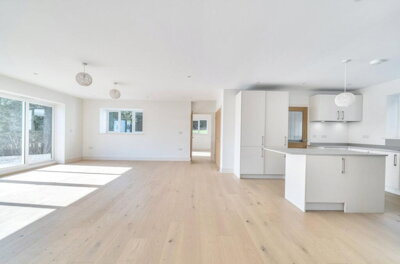
Browse 1 home new builds in St. Winnow from local developer agents.
Winnow from developers. The larger property sector typically features multiple bathrooms, substantial reception space, and private gardens or off-street parking. Four bedroom houses in St. Winnow span detached, semi-detached, and occasionally terraced configurations, with styles ranging from period properties to modern executive homes.
The St. Winnow property market reflects the broader trends affecting Cornwall's rural villages, with detached properties commanding the highest prices at an average of £478,091. Semi-detached homes in the parish average £298,318, while terraced properties offer more accessible entry points at around £285,767. Over the past twelve months, house prices in St. Winnow have softened by approximately 3%, bringing them to levels not seen since before the 2023 peak of £380,261. This price correction presents a valuable window of opportunity for buyers who may have been priced out of the market during the height of demand.
New build activity within St. Winnow itself remains limited given the parish's protected status and conservation priorities. However, the nearby town of Lostwithiel hosts Hillside View, a select development of six detached executive homes starting from £850,000, which attracts buyers from the wider St. Winnow area seeking modern living standards within easy reach of the village. The local market is dominated by period properties, with granite-built cottages, traditional farmhouses, and historic manor houses forming the core of available stock. Flats and apartments are relatively scarce in St. Winnow, reflecting the predominantly rural character of the parish where the majority of housing consists of houses and bungalows rather than multi-unit developments.
The housing stock in St. Winnow spans multiple eras of Cornish building tradition, from medieval farmsteads to Victorian terraces. Properties constructed before 1919 are particularly well represented, featuring thick granite walls, deep-set windows, and traditional slate roofs that speak to centuries of local craftsmanship. Buyers should expect that many homes will require ongoing maintenance and specialist care to preserve their historic character, with costs that differ significantly from modern properties. Given this age profile, a thorough survey before purchase is strongly advisable to identify any defects that might not be apparent during a standard viewing.

Life in St. Winnow revolves around the River Fowey, which has shaped the parish's identity for centuries as a working waterway and trading route. The village sits on the east bank of the river, south of Lostwithiel, next to a quay at the limit of navigation for vessels travelling up from the sea. This riverside position not only offers stunning views and opportunities for waterside walks but also connects residents to Cornwall's maritime heritage in a way that feels genuinely authentic rather than purely ornamental. The riverfront location means certain properties may be situated within flood risk zones, a consideration that prudent buyers should factor into their property search and subsequent surveys.
The parish's architecture tells the story of Cornwall's building traditions, with granite and slate dominating the older properties that characterise the village. The local geology, comprising primarily slate and granite with some localised clay deposits, has historically provided builders with durable, weather-resistant materials perfectly suited to Cornwall's often harsh coastal climate. This construction heritage means that properties in St. Winnow frequently feature thick walls, deep-set windows, and other traditional design elements that provide natural insulation and character in equal measure. The community spirit in St. Winnow remains strong, with the village pub, local church events, and seasonal festivals providing regular opportunities for residents to come together and celebrate their shared home.
Beyond the immediate village, residents enjoy access to the wider Fowey estuary area, renowned for its sailing clubs, coastal walks, and literary associations. The town of Fowey itself, with its ferry connections to Polruan across the water, lies just a short drive away and offers additional amenities including galleries, cafes, and the annual literary festival that draws visitors from across the country. This blend of rural tranquility and access to a vibrant coastal community makes St. Winnow particularly attractive to buyers seeking a balanced lifestyle that combines the best of both worlds.
Families considering a move to St. Winnow will find educational provision available through nearby towns, with primary school options within easy reach of the village. The surrounding area of Cornwall offers a mix of community primary schools and faith schools, many of which occupy historic buildings that reflect the county's commitment to preserving educational heritage alongside modern teaching standards. Primary schools in the Lostwithiel area, including Lostwithiel Primary School, serve the local catchment and have established reputations within the community for their supportive atmospheres and academic standards.
Secondary education is typically accessed in the nearby towns of Lostwithiel, Bodmin, or Liskeard, where students can choose from comprehensive schools, grammar schools, and specialist sixth form colleges depending on their academic strengths and career aspirations. Bodmin College serves as one of the major secondary institutions in the area, offering a wide range of GCSE and A-Level courses, while Lostwithiel School provides secondary education within easier reach for families who prefer a shorter journey. The surrounding area also includes several grammar schools, reflecting Cornwall's selective education system that differs from many other parts of England.
Cornwall as a whole has seen significant investment in educational facilities in recent years, though rural schools continue to face challenges around pupil numbers and funding that parents should be aware of when relocating to smaller parishes. The nearest secondary schools generally serve a wide catchment area, meaning that students may travel some distance for their education, particularly at key transition points. For families prioritising educational outcomes, researching specific school performance data, Ofsted ratings, and admissions criteria for individual institutions should form an essential part of the property search process, as school catchment areas can significantly impact both the suitability of a property and its long-term value.
Transport connections from St. Winnow reflect its status as a rural parish, with the nearest mainline railway station located in Lostwithiel, offering direct services to Plymouth, Exeter, and beyond. The station sits on the Cornish Main Line, providing connections to major regional hubs and facilitating commuting for those whose work takes them further afield. However, the frequency of services and journey times to larger employment centres mean that residents generally rely on private vehicles as their primary means of transport, making car ownership essential for most households in the parish.
The A38 trunk road passes nearby, providing road access to the wider county and connecting St. Winnow to the M5 motorway network for travel beyond Cornwall. This main road runs through nearby Liskeard and Bodmin, offering routes to Plymouth and Exeter where motorway connections continue to Bristol, Birmingham, and the rest of England. For air travel, Newquay Airport provides seasonal connections to various UK and European destinations, though international hub access remains most practical via Bristol or London airports with their direct rail connections.
Local bus services operate between St. Winnow and surrounding villages and towns, though these are typically limited in frequency and operating hours, making them more suitable for occasional local journeys than daily commuting. For cyclists and walkers, the countryside around St. Winnow offers miles of scenic lanes and footpaths to explore, while the River Fowey itself provides opportunities for boating and waterside activities that define the recreational character of the area. The Saints Way footpath, crossing Cornwall from north to south, passes through Lostwithiel, offering long-distance walking opportunities for residents who enjoy exploring the countryside on foot.
Spend time exploring St. Winnow at different times of day and week to understand the community, check local amenities, and identify any factors that might affect your enjoyment of the area such as traffic patterns, noise sources, or seasonal tourism levels. Visiting the village in both summer and winter will give you a fuller picture of what life here is really like throughout the year.
Contact a mortgage broker or lender to obtain an agreement in principle before viewing properties. This strengthens your position as a serious buyer and helps you understand your realistic budget, which in St. Winnow typically ranges from £285,000 for terraced properties to over £478,000 for detached homes. Given the age of many local properties and potential survey requirements, factor in additional costs for specialist assessments when calculating your borrowing capacity.
Work with local estate agents who know the St. Winnow market intimately to arrange viewings of suitable properties. Pay particular attention to the condition of traditional granite and slate construction, check for signs of damp or structural movement, and take photographs to compare properties afterwards. Ask about the history of any additions or alterations, as many period properties have been extended over the years in ways that may affect their character or structural integrity.
Given St. Winnow's age of housing stock and prevalence of period properties, always commission a Level 2 Homebuyer Report before proceeding. This will identify defects such as damp, roof issues, outdated electrics, and potential mundic block in concrete-built properties, which are particularly common in Cornish homes from the early to mid-twentieth century. A thorough survey will also assess flood risk for riverside properties and identify any planning restrictions affecting listed buildings.
Choose a solicitor experienced in Cornish property transactions to handle the legal aspects of your purchase. They will conduct searches, check local authority records for planning permissions and conservation area restrictions, and ensure the transfer of ownership proceeds smoothly. Given St. Winnow's heritage status, your solicitor should specifically investigate any tree preservation orders, flood defences, or environmental designations that might affect the property.
Once all searches are satisfactory and financing is confirmed, you will exchange contracts and pay your deposit. Completion typically follows within days or weeks, at which point you will receive the keys to your new St. Winnow home. Allow time for utility transfers and any post-completion renovations that the survey revealed as priorities for your new property.
Properties in St. Winnow require careful scrutiny given the age and character of the local housing stock, much of which dates from periods when building standards differed significantly from today. The prevalence of granite and slate construction brings specific considerations, as traditional materials can require ongoing maintenance and specialist repair techniques that add to the overall cost of ownership. Prospective buyers should budget for regular maintenance of stone walls, slate roofs, and traditional windows, all of which form part of the authentic character that makes St. Winnow properties so desirable but which require knowledgeable care.
Flood risk represents a material consideration for properties located close to the River Fowey, and buyers should review the Environment Agency flood maps and any available property-specific flood risk assessments before committing to a purchase. Properties in designated flood zones may face higher insurance premiums and may be subject to restrictions on extensions or alterations. The parish's position on the east bank of the river means that some properties, particularly those at lower elevations near the quay, carry greater flood exposure than others further up the hillside. Insurance costs for flood-risk properties have risen nationally, and this should factor into your overall budget calculations.
The phenomenon of mundic block, a specific type of concrete construction used in Cornish properties from around 1900 to 1965, can potentially affect the mortgageability of affected properties and should be investigated through specialist testing if any indicators are present. Mundic block properties contain concrete materials that may incorporate beach or mine waste aggregates, which can deteriorate over time and compromise structural integrity. Surveyors will flag any suspected mundic block construction during a Level 2 inspection, and a positive identification would typically require further specialist assessment before a mortgage lender will proceed.
Electrical systems in older properties may date from decades past and will require updating to meet current safety standards. The coastal climate in Cornwall, with its prevailing winds and salt-laden air, can accelerate corrosion of metal components including electrical conduit, junction boxes, and consumer units. Drainage and plumbing systems similarly warrant inspection, as many St. Winnow homes still rely on systems that predate modern building regulations. A thorough RICS Level 2 survey will identify these issues and allow buyers to negotiate appropriate price adjustments or request repairs before completion. Additionally, the presence of listed buildings throughout St. Winnow means that many properties will be subject to planning restrictions that affect what changes owners can make, so understanding the listed status and any associated conditions should form part of any purchase decision.

The average house price in St. Winnow over the past year was £331,335, according to property market data. Detached properties average £478,091, semi-detached homes around £298,318, and terraced properties approximately £285,767. Prices have softened by 3% over the past twelve months and are currently 13% below the 2023 peak of £380,261, presenting potential opportunities for buyers in this picturesque riverside parish. The lower end of the market, comprising traditional terraced cottages, offers relatively accessible entry points compared to the premium commanded by larger detached properties with river views.
Council tax bands in St. Winnow are set by Cornwall Council and range from Band A for lower-value properties through to Band H for the most expensive homes. Given the mix of historic cottages, substantial farmhouses, and modern conversions in the parish, buyers should check the specific banding of any property they are considering, as this affects both annual council tax liability and the eligibility for certain savings schemes and exemptions. Band D to Band F are likely to apply to many of the period family homes in the parish, with council tax charges set according to Cornwall Council's current schedule. First-time buyers and those on limited incomes should verify whether any exemptions or discounts might apply to their circumstances.
St. Winnow itself is a small rural parish without its own primary or secondary school, so children typically travel to schools in nearby towns such as Lostwithiel, Bodmin, or Liskeard. The surrounding area offers a range of educational options including community primary schools, faith schools, and secondary schools with sixth form provision. Primary schools in Lostwithiel, including Lostwithiel Primary School, serve the local catchment area and are within reasonable travelling distance of St. Winnow. Secondary options include Bodmin College and Lostwithiel School, both of which offer comprehensive education up to A-Level standard, with grammar school options also available in the wider area for those who meet the selection criteria.
Public transport options from St. Winnow are limited, reflecting its status as a small rural parish. The nearest railway station is in Lostwithiel, providing services along the Cornish Main Line to Plymouth, Exeter, and London Paddington. Local bus services connect St. Winnow to surrounding villages and towns but operate with limited frequency, typically running on hourly or two-hourly schedules with earlier final services than urban routes. Most residents rely on private vehicles as their primary means of transport, and this should be factored into any decision to relocate to the area. For those working remotely or with flexible arrangements, the relative remoteness of St. Winnow may prove less restrictive than for commuters with daily office attendance requirements.
St. Winnow offers genuine appeal for property investment, particularly for buyers seeking holiday lets, rural retreats, or long-term rental opportunities in a characterful location. The limited supply of properties for sale, combined with ongoing demand from buyers seeking the Cornish lifestyle, tends to support values over the longer term. Properties with river views or direct water access command premiums, while the parish's heritage status and listed building concentration help preserve the distinctive character that attracts buyers. However, any investment decision should account for seasonal tourism fluctuations, potential flood risk for riverside properties, and the costs associated with maintaining period properties. Properties designated as holiday lets may also face different planning considerations following recent changes to permitted development rights.
Stamp duty applies at standard rates on purchases in England: 0% on the first £250,000 of the purchase price, 5% on the portion from £250,001 to £925,000, 10% on £925,001 to £1.5 million, and 12% on any amount above £1.5 million. First-time buyers purchasing properties up to £625,000 benefit from relief on the first £425,000, paying 5% only on the amount between £425,001 and £625,000. For a typical St. Winnow property priced around the area average of £331,335, stamp duty would apply to the amount exceeding £250,000, resulting in a charge of approximately £4,067 for standard buyers who do not qualify for first-time buyer relief.
St. Winnow contains a notable concentration of listed buildings reflecting its historic importance within the Fowey valley. The Church of St Winnow holds Grade I listed status and dates from the Norman period, standing as one of the finest examples of early ecclesiastical architecture in south Cornwall. Additional listed structures include the Chapel of St Nectans and Ethy House, both Grade II*, while numerous farmhouses, chest tombs, and boundary markers carry Grade II designation. Properties with listed status require consent from Cornwall Council for any alterations or extensions, and buyers should factor these planning constraints into their renovation budgets and project timelines.
The main risks associated with period properties in St. Winnow include damp penetration through traditional walls, roof deterioration on older slate coverings, and potential structural issues arising from the underlying geology or historic construction methods. Mundic block construction, where present, represents a significant concern as mortgage lenders view affected properties cautiously, requiring specialist assessment before approving finance. Properties near the River Fowey face flood risk that should be quantified through Environment Agency mapping and appropriate insurance quotation before completion. Electrical systems, plumbing, and insulation standards in older homes frequently fall below modern expectations, necessitating upgrade work that adds to the total investment required.
From 4.5%
Finance your St. Winnow property purchase
From £499
Legal services for your property purchase
From £350
Professional survey for St. Winnow homes
From £60
Energy performance certificate
Beyond the purchase price, buyers should budget for additional costs including stamp duty, solicitor fees, survey charges, and moving expenses. For a typical St. Winnow property priced around the area average of £331,335, stamp duty at current rates would apply to the amount exceeding £250,000, resulting in a charge of approximately £4,067 for standard buyers. First-time buyers purchasing properties under £425,000 may qualify for relief on the first £425,000, though St. Winnow's average price means many properties would fall outside this threshold for first-time buyer relief. Additional SDLT surcharges apply for non-UK residents purchasing property in England.
Solicitor conveyancing costs typically range from £499 for straightforward transactions to over £1,500 for more complex purchases involving leasehold properties or unusual tenure arrangements. A RICS Level 2 Homebuyer Report, which we strongly recommend given St. Winnow's older housing stock, costs between £350 and £600 depending on property size and value, with higher charges applying to larger homes or those requiring more detailed inspection. Properties of non-standard construction or pre-1900 vintage may incur additional survey fees due to the increased complexity of assessment required. Additional searches including local authority searches, drainage and water searches, and environmental searches typically total around £250 to £400. Mortgage arrangement fees, valuation charges, and broker fees should also be factored into the total cost of purchasing your St. Winnow home, with arrangement fees ranging from zero to around £2,000 depending on the lender selected.
Properties New Builds In London

Properties New Builds In Plymouth

Properties New Builds In Liverpool

Properties New Builds In Glasgow

Properties New Builds In Sheffield

Properties New Builds In Edinburgh

Properties New Builds In Coventry

Properties New Builds In Bradford

Properties New Builds In Manchester

Properties New Builds In Birmingham

Properties New Builds In Bristol

Properties New Builds In Oxford

Properties New Builds In Leicester

Properties New Builds In Newcastle

Properties New Builds In Leeds

Properties New Builds In Southampton

Properties New Builds In Cardiff

Properties New Builds In Nottingham

Properties New Builds In Norwich

Properties New Builds In Brighton

Properties New Builds In Derby

Properties New Builds In Portsmouth

Properties New Builds In Northampton

Properties New Builds In Milton Keynes

Properties New Builds In Bournemouth

Properties New Builds In Bolton

Properties New Builds In Swansea

Properties New Builds In Swindon

Properties New Builds In Peterborough

Properties New Builds In Wolverhampton

Enter your details to see if this property is within your budget.
Loans, cards, car finance
Estimated property budget
Borrowing + deposit
You could borrow between
Typical borrowing
Monthly repayment
Est. at 4.5%
Loan-to-value
This is an estimate only. Your actual budget may vary depending on interest rates, credit history, and personal circumstances. For an accurate affordability assessment, speak to one of our free mortgage advisors.
This calculator provides estimates for illustrative purposes only and does not constitute financial advice. Your home may be repossessed if you do not keep up repayments on your mortgage. Estimates based on 4.5% interest rate, repayment mortgage. Actual rates depend on your circumstances.
Homemove is a trading name of HM Haus Group Ltd (Company No. 13873779, registered in England & Wales). Homemove Mortgages Ltd (Company No. 15947693) is an Appointed Representative of TMG Direct Limited, trading as TMG Mortgage Network, which is authorised and regulated by the Financial Conduct Authority (FRN 786245). Homemove Mortgages Ltd is entered on the FCA Register as an Appointed Representative (FRN 1022429). You can check registrations at NewRegister or by calling 0800 111 6768.

We use cookies to show you personalised content and improve your experience of our website. Find out more in our Privacy policy and Cookie policy.