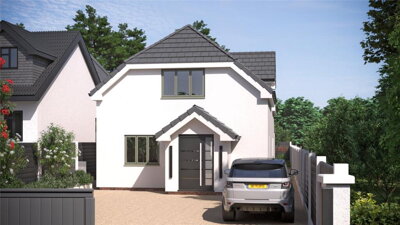
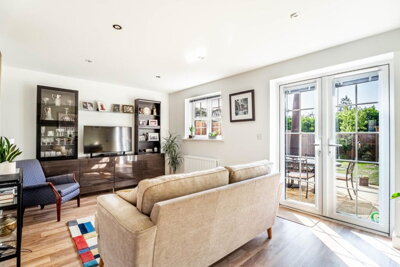
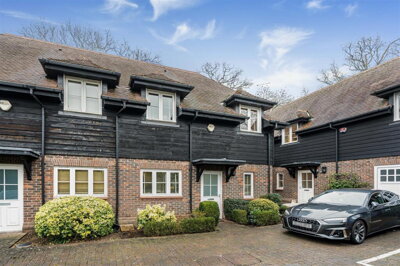
Browse 3 homes new builds in St Stephen from local developer agents.
Three bedroom properties represent a significant portion of the St Stephen housing market, offering space for families with multiple reception rooms and gardens in many cases. Browse detached, semi-detached, and terraced options ranging across new residential developments.
The property market in Great and Little Leighs reflects the broader strength of the Chelmsford housing area while maintaining its own distinctive character. In Great Leighs, detached properties dominate the sales mix, with average prices of £467,375 on Rightmove and £586,250 on Zoopla, depending on the source and specific property type. Semi-detached homes in Great Leighs average around £347,500 to £424,000, while terraced properties provide more accessible entry points at approximately £379,000 to £400,000. Flats remain relatively scarce in this predominantly residential village setting, with limited availability reflecting the area's housing stock character. The average price paid for properties in Great Leighs was £458,000 as of February 2026, with Zoopla reporting average sold prices of £459,633 over the last twelve months.
Little Leighs occupies a different price tier within the same parish, with Rightmove reporting average property prices of £925,000 over the past year. Detached properties in Little Leighs command premium prices averaging £814,375, reflecting the larger plot sizes and often more substantial homes found in this village. Recent sales data from Main Road, Little Leighs shows an average sold price of £624,940, though higher-value transactions have pushed overall averages higher. Historical sold prices in Little Leighs were 3% up on the previous year, while Great Leighs saw prices 2% down on the prior year according to Rightmove data. The CM3 1 postcode area covering Great Leighs recorded 94 property sales over the 24-month period ending February 2026, demonstrating consistent market activity in this desirable Essex village location.

Life in Great and Little Leighs centres around the classic English village experience, where community connections and rural charm define everyday living. Great Leighs, the larger of the two villages, provides the main local amenities including a village hall, local pub, and essential services that serve the day-to-day needs of residents. Little Leighs maintains a more intimate scale while sharing the same parish council and community spirit, offering a quieter pace of life for those seeking countryside tranquility. The villages sit within the Dengie peninsula area of Essex, surrounded by farmland and countryside that has characterised settlement in this region for centuries. The surrounding landscape offers extensive walking and cycling opportunities, with footpaths crossing farmland and linking the villages to neighbouring communities.
Local pubs serve as social hubs where residents gather, and village events throughout the year bring the community together for celebrations and fundraisers. The villages benefit from their position within the Borough of Chelmsford, providing residents with access to the extensive facilities and services of a city while enjoying village-level community living. For everyday shopping and larger errands, residents typically travel to Chelmsford or the nearby market town of Braintree, both offering comprehensive retail options. Property buyers choosing Great and Little Leighs are investing in a lifestyle that balances rural peace with practical connectivity to employment centres, schools, and amenities throughout the Chelmsford area. The villages attract buyers seeking larger properties with gardens, as the housing stock predominantly consists of detached and semi-detached family homes rather than apartments or terraced housing.

Education provision for families moving to Great and Little Leighs draws primarily from the surrounding villages and the nearby city of Chelmsford. Primary-aged children in the village may attend schools in neighbouring communities such as Silver End, Cressing, or Braintree, depending on catchment areas and available spaces. The village's position within Essex means families benefit from access to the county's comprehensive school admission system, with applications managed through Essex County Council's coordinated admission scheme. Parents are advised to research specific catchment areas and admission arrangements when considering properties in the villages, as school transport arrangements can significantly impact daily family routines.
Secondary education options include the well-regarded schools in Chelmsford, accessible via school transport links from the villages. Chelmsford hosts several secondary schools including grammar schools that serve the wider area, with entrance determined by the 11-plus examination for those seeking grammar school places. Families should note that school transport arrangements and catchment area boundaries can significantly impact daily routines, making proximity to suitable schools an important factor when property searching in Great and Little Leighs. Early application for school places is strongly recommended given the competitive nature of popular schools in the area. The property premiums commanded by properties within good school catchments are reflected in local house prices, particularly for detached family homes that appeal to buyers with school-age children.
Connectivity from Great and Little Leighs relies primarily on road networks, with the villages positioned within reasonable access of major routes serving Essex and beyond. The A12 trunk road provides the main arterial route connecting the area to Chelmsford to the east and Colchester to the north, while the A130 offers additional routing options towards the county's northern areas. For commuters working in London, Chelmsford railway station provides access to Liverpool Street with journey times of around 35-40 minutes, making reverse commuting a practical option for those employed in the capital. The villages' position in the heart of Essex means journey times to Stansted Airport are manageable for those requiring international travel connections, typically taking around 40-45 minutes by car.
Local bus services connect Great and Little Leighs to surrounding villages and market towns, though frequency may be limited compared to urban routes. Residents with access to private vehicles generally find the road network adequate for daily commuting needs, with traffic levels on local roads generally light by comparison with urban areas. Cycling is popular for shorter journeys during favourable weather, with the relatively flat Essex landscape supporting cycling as a practical local transport option. For those working in Chelmsford, the commute can be comfortably managed as a daily drive, with parking availability in the city better than London and major urban centres. The proximity to the A12 makes Braintree and the surrounding business parks accessible for local workers, while Colchester provides additional employment options to the north.
Before viewing properties in Great and Little Leighs, obtain a mortgage agreement in principle from a lender. This documents your borrowing capacity and signals to estate agents that you are a serious buyer when making offers on properties you wish to purchase. Given the average property prices in Great Leighs of around £416,000 to £586,000, securing adequate mortgage financing is essential for most buyers.
Study property prices in Great and Little Leighs and Little Leighs specifically, understanding the significant price differences between the two villages. Compare current listings against recent sold prices using Rightmove and Zoopla data to ensure you offer competitively for properties in this active market. The CM3 1 postcode area recorded 94 sales over 24 months, indicating a reasonable volume of comparable transactions for your research.
Contact estate agents with properties matching your criteria in Great and Little Leighs. View multiple properties to compare locations, conditions, and prices before deciding on your preferred property to pursue. Given the limited availability of flats in the villages, most buyers will be considering houses with gardens and the associated maintenance requirements.
Once you find your ideal home, submit an offer through the estate agent. Simultaneously instruct a conveyancing solicitor to handle the legal work involved in purchasing your property. For properties with large gardens extending into rural Essex, your solicitor should investigate any agricultural rights of way or planning constraints affecting the land.
Your mortgage lender will require a property valuation. We recommend booking a RICS Level 2 Survey to identify any issues with the property's condition before proceeding to completion. For older properties in the villages, a thorough survey is particularly valuable given the clay soils prevalent across Essex that can affect building foundations.
Your solicitor will handle searches, contracts, and enquiries before you exchange contracts and pay your deposit. Final completion typically occurs 1-4 weeks later, when you receive your keys and move into your new home in Great and Little Leighs.
The housing stock in Great and Little Leighs reflects the traditional character of rural Essex villages, with detached and semi-detached family homes comprising the majority of available properties. Detached properties dominate the sales mix in both villages, with Great Leighs averaging £467,375 to £586,250 for this property type depending on the source, while Little Leighs sees detached properties averaging £814,375. The villages contain a mix of property ages, with many homes built during the twentieth century expansion of village settlements, though specific construction dates vary across individual properties. Traditional brick and timber-frame construction methods are typical of the period, reflecting building practices common across rural Essex.
Understanding local construction methods helps buyers assess potential maintenance requirements for properties in Great and Little Leighs. Much of Essex is known to have clay soils, which can present shrink-swell risk for building foundations, particularly during periods of drought or excessive rainfall. Properties with private drainage systems such as septic tanks require compliance with current regulations, and buyers should verify the condition and certification of such systems during conveyancing. Given the village setting, some properties may have agricultural drainage ditches or field drainage systems that affect the surrounding land, requiring careful inspection as part of any property purchase.
The limited availability of flats in Great and Little Leighs means most buyers will be purchasing houses, either freehold or leasehold, and understanding these tenure differences is important for managing future costs and responsibilities. Freehold properties provide outright ownership of both the dwelling and the land it stands on, while leasehold arrangements may apply to some older properties or those within certain developments. For properties with substantial gardens and land holdings, freehold ownership typically provides greater flexibility for future use and development within permitted planning boundaries.
Property buyers considering homes in Great and Little Leighs should pay particular attention to the rural setting and its implications for property condition and maintenance. The Essex clay soils present in much of the county can cause movement in properties, making thorough surveys essential for any home more than a few decades old. While specific geological data for the villages was not verified, the broader Essex context suggests that foundations and drainage should be carefully inspected, particularly in older properties that may have been built before modern building regulations. A RICS Level 2 Survey provides detailed assessment of the property condition, identifying defects that may not be visible during a standard viewing.
Planning restrictions within the parish may affect what you can do with a property, so researching any conservation area designations or planning constraints is advisable before purchase. Properties with large gardens will require ongoing maintenance, and buyers should factor this into their cost calculations alongside mortgage payments and utility bills. The villages sit within the Dengie peninsula area, surrounded by farmland that has been cultivated for centuries, and rural planning policies may restrict certain uses of agricultural land or outbuildings. Before purchasing any property in the area, we recommend discussing any planned modifications or extensions with Chelmsford City Council planning department to understand what may be permitted.
For properties with private drainage systems such as septic tanks, compliance with current regulations should be verified as part of your conveyancing process. Properties in rural Essex often rely on private drainage rather than mains sewerage, and the Environment Agency has specific requirements for septic tank installations and maintenance. Drainage surveys can identify potential issues with private systems that may require investment shortly after purchase. The limited availability of flats in the villages means most buyers will be purchasing houses, either freehold or leasehold, and understanding these tenure differences is important for managing future costs and responsibilities. We recommend requesting a thorough investigation of all drainage systems during your property survey.
Properties along Main Road in Little Leighs, which shows an average sold price of £624,940, often feature larger plots reflecting the village's premium positioning. When viewing properties along main roads, consider the impact of traffic on amenity value and ensure any existing access arrangements meet your requirements. Properties with significant land holdings may also attract agricultural valuations or be subject to Agricultural Holdings Act protections, which your solicitor should investigate. The premium commanded by properties in Little Leighs compared to Great Leighs reflects the larger average plot sizes and more substantial homes found in the village, factors that buyers should weigh against their specific requirements and budget.
Average house prices vary significantly between the two villages. In Great Leighs, the average property price sits around £416,267 according to Rightmove data, while Little Leighs commands higher prices averaging £925,000. Detached properties in Great Leighs average £467,375 to £586,250 depending on the source, with semi-detached homes around £347,500 to £424,000 and terraced properties from £379,000 to £400,000. Little Leighs detached properties average £814,375, reflecting the village's premium positioning within the parish, with higher-value transactions pushing overall averages above comparable villages in the CM3 1 postcode area.
Properties in Great and Little Leighs fall under Chelmsford City Council for local services, with council tax contributions funding police, fire, and county council services alongside city council charges. Council tax bands range from A through H and are determined by the Valuation Office Agency based on property value at April 1991 prices. Specific bands for individual properties can be checked on the Valuation Office Agency website or through the local council's online portal when considering a specific property, and buyers should factor the applicable band into their ongoing cost calculations.
Primary schools serving Great and Little Leighs are located in surrounding villages, with admissions managed through Essex County Council's coordinated admission scheme. Schools in Silver End, Cressing, and Braintree serve the village catchments, though specific placement depends on available spaces and the distance priority criteria applied by the council. Secondary education options include schools in Chelmsford, with several grammar schools available for those passing the 11-plus examination, including Chelmsford County High School for Girls and King Edward VI Grammar School. Parents should verify specific catchment areas and admission criteria as school placements can be competitive in this popular commuting area, and early application is strongly recommended for Reception and Year 7 intakes.
Public transport options from Great and Little Leighs include local bus services connecting to surrounding villages and towns, though frequencies may be limited compared to urban areas. The villages sit within the CM3 1 postcode area and local bus routes serve destinations including Chelmsford and Braintree, though passengers should check current timetables as rural services may operate on reduced frequencies. The nearest railway station is in Chelmsford, offering services to London Liverpool Street in around 35-40 minutes, making the village suitable for commuters who work in the capital but prefer rural living. Road connections via the A12 provide access to Colchester and the wider Essex road network, making private vehicle transport the primary practical option for most residents for daily commuting needs.
Property values in Great Leighs have shown consistent growth of 2.7% over the past twelve months according to Land Registry data, with the CM3 1 postcode area seeing 8.8% growth as of early 2026. The villages benefit from their proximity to Chelmsford, good transport connections via the A12, and continued demand for village properties in Essex from buyers seeking rural lifestyles with city access. Little Leighs has seen historical sold prices increase by 3% compared to the previous year, reflecting the premium positioning of this village within the parish. While capital growth may not match some urban hot-spots, the villages offer stable long-term prospects backed by limited housing supply and consistent buyer demand throughout the property market cycle.
Stamp Duty Land Tax rates from April 2025 apply 0% on the first £250,000 of property value, 5% on £250,001 to £925,000, 10% on £925,001 to £1.5 million, and 12% on amounts above £1.5 million. For a typical detached home in Great Leighs averaging around £467,000, stamp duty would be calculated at 5% on the amount above £250,000, totalling approximately £10,850 before any reliefs apply. First-time buyers purchasing property in Great and Little Leighs benefit from increased thresholds, paying 0% on the first £425,000 and 5% between £425,001 and £625,000, meaning many first-time buyers may pay no stamp duty on average-priced village properties.
From 4.5% APRC
Expert mortgage advice and competitive rates for buyers
From £499
Specialist property solicitors for your purchase
From £350
Thorough property condition survey by qualified inspectors
From £80
Energy performance certificate for your new home
Understanding the full costs of buying property in Great and Little Leighs helps buyers budget accurately for their purchase. Stamp Duty Land Tax represents a significant upfront cost, with the standard rate applying 0% on the first £250,000, 5% between £250,001 and £925,000, 10% between £925,001 and £1.5 million, and 12% on any amount above £1.5 million. For a typical detached home in Great Leighs averaging around £467,000, stamp duty would be calculated at 5% on the amount above £250,000, totalling approximately £10,850 before any reliefs apply. Given that Little Leighs average prices of £925,000 fall at the threshold of the higher SDLT bands, properties in this village may incur higher SDLT costs than comparable purchases in Great Leighs.
First-time buyers purchasing property in Great and Little Leighs benefit from increased thresholds, paying 0% on the first £425,000 and 5% between £425,001 and £625,000. This means many first-time buyers purchasing average-priced properties in the village may pay no stamp duty at all, or only on the portion exceeding £425,000. Beyond stamp duty, buyers should budget for solicitor fees typically ranging from £500 to £1,500 depending on complexity, survey costs of £350 or more for a Level 2 survey, and mortgage arrangement fees that vary by lender but may reach 1-2% of the loan amount. Land Registry fees for registering ownership add further modest costs to the total purchase expense, and we recommend budgeting an additional 1-2% of the property value to cover all associated buying costs.
Properties New Builds In London

Properties New Builds In Plymouth

Properties New Builds In Liverpool

Properties New Builds In Glasgow

Properties New Builds In Sheffield

Properties New Builds In Edinburgh

Properties New Builds In Coventry

Properties New Builds In Bradford

Properties New Builds In Manchester

Properties New Builds In Birmingham

Properties New Builds In Bristol

Properties New Builds In Oxford

Properties New Builds In Leicester

Properties New Builds In Newcastle

Properties New Builds In Leeds

Properties New Builds In Southampton

Properties New Builds In Cardiff

Properties New Builds In Nottingham

Properties New Builds In Norwich

Properties New Builds In Brighton

Properties New Builds In Derby

Properties New Builds In Portsmouth

Properties New Builds In Northampton

Properties New Builds In Milton Keynes

Properties New Builds In Bournemouth

Properties New Builds In Bolton

Properties New Builds In Swansea

Properties New Builds In Swindon

Properties New Builds In Peterborough

Properties New Builds In Wolverhampton

Enter your details to see if this property is within your budget.
Loans, cards, car finance
Estimated property budget
Borrowing + deposit
You could borrow between
Typical borrowing
Monthly repayment
Est. at 4.5%
Loan-to-value
This is an estimate only. Your actual budget may vary depending on interest rates, credit history, and personal circumstances. For an accurate affordability assessment, speak to one of our free mortgage advisors.
This calculator provides estimates for illustrative purposes only and does not constitute financial advice. Your home may be repossessed if you do not keep up repayments on your mortgage. Estimates based on 4.5% interest rate, repayment mortgage. Actual rates depend on your circumstances.
Homemove is a trading name of HM Haus Group Ltd (Company No. 13873779, registered in England & Wales). Homemove Mortgages Ltd (Company No. 15947693) is an Appointed Representative of TMG Direct Limited, trading as TMG Mortgage Network, which is authorised and regulated by the Financial Conduct Authority (FRN 786245). Homemove Mortgages Ltd is entered on the FCA Register as an Appointed Representative (FRN 1022429). You can check registrations at NewRegister or by calling 0800 111 6768.

We use cookies to show you personalised content and improve your experience of our website. Find out more in our Privacy policy and Cookie policy.