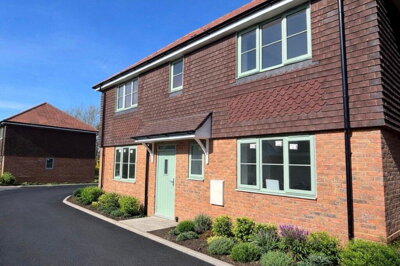
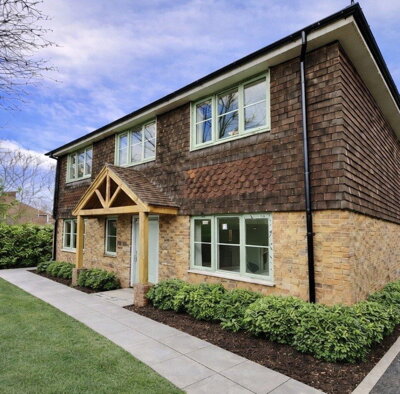
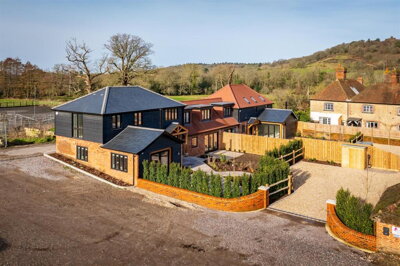
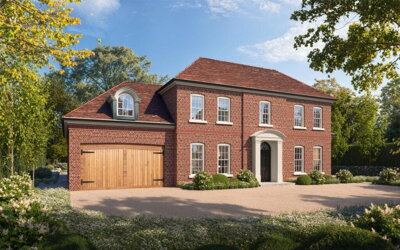
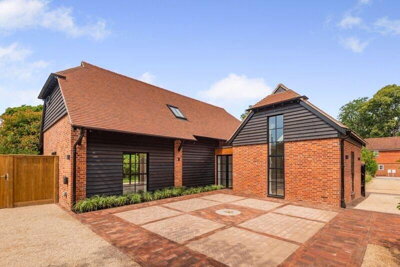
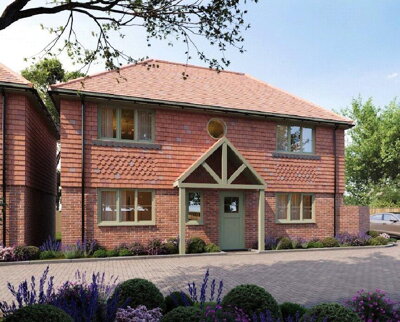
Browse 6 homes new builds in St. Martha from local developer agents.
The Perton property market maintains a healthy level of activity, with approximately 100 property sales completing in the area over the past twelve months. This consistent turnover indicates sustained demand from buyers who recognise the value proposition that Perton offers compared to neighbouring urban areas. The market has experienced a modest adjustment, with overall prices decreasing by 1.1% over the past year, creating potential opportunities for buyers who are ready to proceed with confidence. This slight softening in the market means that properties are generally offering good value, particularly for those seeking family homes in a semi-rural setting without the premium prices associated with major city locations.
Property types in Perton reflect its modern development history, with detached homes comprising 49.3% of the housing stock and semi-detached properties accounting for a further 39%. Terraced homes make up just 6.8% of properties, while flats represent only 4.9% of the housing mix. This means that buyers seeking larger family homes with gardens and off-street parking will find an excellent selection, with detached properties averaging £339,083 and semi-detached homes at approximately £229,143. Terraced properties typically command around £182,500, while flats average £119,000, providing entry points into the local market for first-time buyers and investors alike.
Two significant new-build developments are currently active in Perton, offering modern homes for buyers who prefer newer construction. Taylor Wimpey's The Laurels development on Jenny Walk presents 3 and 4 bedroom homes priced from £299,950 to £419,950, while David Wilson Homes' The Hedgerows, also on Jenny Walk, offers 3, 4, and 5 bedroom properties ranging from £319,995 to £549,995. Both developments are located in the WV6 postcode area and provide options for buyers at various price points, from compact family homes to generous executive properties. New-build buyers should factor in the premium associated with brand-new construction while also considering the benefits of modern energy efficiency and building standards.
The dominance of detached and semi-detached properties in Perton's housing mix creates a particular character that distinguishes it from more densely populated urban areas. Streets lined with spacious gardens and wide driveways contribute to the village feel, while the relatively recent construction of most properties means that homes typically benefit from modern insulation, wiring, and plumbing standards. Buyers prioritising space and privacy will find that Perton delivers on these requirements more consistently than many comparable locations in the West Midlands.

Perton maintains a distinctly residential character that appeals to families and professionals seeking a quieter lifestyle without sacrificing accessibility to urban amenities. The village developed primarily from the mid to late 20th century, which explains the predominance of brick-built properties that line the residential streets and give the area its cohesive, well-established appearance. Red brick construction dominates the local housing stock, with some properties featuring render or tile hanging for visual variety. The estate roads are generally wide and well-maintained, with mature trees and landscaping softening the urban edges and creating an attractive environment for pedestrians and cyclists.
The absence of conservation areas within Perton itself reflects the modern nature of the settlement, and buyers will find relatively few listed buildings in the immediate vicinity. This relative freedom from planning restrictions can actually benefit property owners, as extensions and modifications to homes tend to be more straightforward than in heritage-rich locations. The community facilities in Perton include local shops, pubs, and recreational areas that serve the day-to-day needs of residents without requiring journeys to larger centres. Several parks and open spaces provide opportunities for outdoor activities, dog walking, and children's play areas, contributing to the family-friendly atmosphere that defines the village.
For those who appreciate access to countryside, Perton benefits from its position on the edge of South Staffordshire, with rural landscapes and footpaths readily accessible for weekend exploration. The proximity to Cannock Chase, an Area of Outstanding Natural Beauty, is a particular bonus for outdoor enthusiasts, offering walking trails, cycling routes, and wildlife habitats within a short drive. Residents also benefit from the cultural and retail amenities of nearby Wolverhampton, which can be reached via regular bus services or by car in approximately 15-20 minutes. This combination of village calm and urban accessibility makes Perton an ideal base for those who value work-life balance.
The local amenities in Perton centre around the village's shopping parade and surrounding neighbourhood facilities. Everyday essentials are well-catered for, with convenience stores, a pharmacy, and independent shops serving the community's routine needs. Family-oriented services including nurseries, playgroups, and youth clubs contribute to the village's reputation as a supportive environment for raising children. The pub culture remains active in Perton, with several establishments providing focal points for socialising and community events throughout the year.
Education provision is a significant factor for families considering a move to Perton, and the local area offers access to a range of educational establishments at all levels. Primary schools in and around Perton serve the local community, with several options within easy walking distance for families living in the village centre and surrounding streets. The Education Act requires local authorities to publish admission arrangements, and parents should research individual school catchments to understand which schools their children would have priority access to. School Ofsted ratings vary, so prospective buyers are encouraged to check current inspection results when narrowing down their property search.
Secondary education in the Perton area includes options both within South Staffordshire and in neighbouring Wolverhampton, giving families flexibility in their educational choices. Several secondary schools in the surrounding area have established reputations for academic achievement and extracurricular provision, making the location attractive for families with older children. For those seeking grammar school education, the wider West Midlands region offers several selective schools, though admission is based on the 11-plus examination and competition can be intense. Parents should factor school travel times and transportation arrangements into their decision-making process, particularly for secondary-aged children who may be travelling independently.
Sixth form and further education options expand significantly when considering the proximity to Wolverhampton and the wider Black Country region. Sixth form colleges, further education colleges, and vocational training providers offer diverse pathways for students completing their secondary education. The University of Wolverhampton and Wolverhampton Grammar School provide post-16 opportunities within reasonable commuting distance, while Birmingham's extensive university provision is accessible for older students pursuing higher education. Families with children at different educational stages will appreciate the range of options available, though they should verify current admission policies and travel arrangements before committing to a property purchase.
Early years provision in Perton includes several nurseries and pre-school settings that provide care and early education for children below primary school age. These settings cater to working parents requiring childcare arrangements and provide social development opportunities for young children in a community setting. The availability of quality early years provision within the village reduces the need for families to travel to surrounding areas for childcare, adding to the practical appeal of Perton for families with young children.
Perton benefits from excellent road connections that make commuting to major employment centres straightforward for those with access to a vehicle. The A454 road passes through the village, providing direct links to Wolverhampton city centre and connecting to the wider motorway network at junction 2 of the M54. This motorway connection offers fast access to Birmingham, Telford, and the M6 corridor, making Perton attractive to commuters who work in these key employment hubs. Journey times of 30-40 minutes to Birmingham city centre are achievable outside peak hours, while Wolverhampton can typically be reached in 15-20 minutes.
Public transport options in Perton include bus services that connect the village to Wolverhampton and surrounding areas, providing an alternative to car travel for those who prefer not to drive. Bus routes serving Perton generally operate at regular intervals throughout the day, though evening and weekend services may be less frequent than urban routes. Residents without vehicles should check local bus timetables carefully when planning their weekly routines and commuting arrangements. The nearest railway stations are located in Wolverhampton and Codsall, offering connections to Birmingham New Street, London Euston via Birmingham, and regional destinations across the West Midlands.
For cyclists, Perton offers relatively flat terrain that makes cycling practical for shorter journeys, particularly along designated cycle routes and quieter residential streets. The local road network includes some popular cycling routes that connect to surrounding villages and countryside paths, though cyclists should exercise caution on busier roads, especially during peak commuting hours. Parking provision in Perton is generally good, with most properties offering off-street parking and additional public parking available in the village centre. This contrasts favourably with urban areas where parking can be both expensive and difficult to secure, adding to the practical appeal of Perton as a residential location.
The flat topography of Perton and the surrounding South Staffordshire landscape contributes significantly to the viability of cycling as a daily transport option. Unlike hillier locations where cycling demands significant physical effort, Perton's gentle gradients allow residents to cycle to local amenities, nearby villages, and even Wolverhampton's outlying areas without excessive exertion. Secure bike storage at home is readily achievable given the generous gardens and driveways that characterise many properties in the village.
Start by exploring current listings in Perton to understand what is available within your budget. Consider property types, locations within the village, and proximity to schools and transport links that matter to your household. The dominance of detached and semi-detached properties means most buyers will find the housing type they need, though prices vary significantly between the different developments and neighbourhoods within the village.
Contact a mortgage broker or lender to obtain an agreement in principle before viewing properties. This demonstrates your financial readiness to estate agents and sellers, strengthening your position when making offers. Given the average property price of £266,547 in Perton, most buyers will require mortgage financing, and having your financial position confirmed early streamlines the purchasing process considerably.
Schedule viewings of shortlisted properties, ideally at different times of day to assess noise levels, lighting, and the neighbourhood atmosphere. Take notes and photographs to help compare properties later. Viewing multiple properties in the same area helps establish a feel for the local market and identify which properties represent genuine value given current conditions.
Once your offer is accepted, arrange a RICS Level 2 or Level 3 survey to assess the property condition. Given the Mercia Mudstone geology in South Staffordshire, a thorough survey is particularly important to identify any potential foundation or ground movement issues. The moderate to high shrink-swell potential of local soils means that buyers should pay close attention to signs of subsidence, cracking, or previous foundation work.
Appoint a solicitor to handle the legal aspects of your purchase, including searches, contracts, and registration with the Land Registry. Your solicitor will liaise with the seller's legal team throughout the transaction. Local searches through South Staffordshire Council will reveal any planning applications, highway proposals, or environmental factors relevant to the specific property location.
After satisfactory survey results and completion of legal searches, you will exchange contracts and pay your deposit. Completion typically follows within 1-4 weeks, when the remaining funds are transferred and you receive the keys to your new home. Budget for additional costs including stamp duty, legal fees, survey costs, and moving expenses when calculating your total outlay.
Prospective buyers should be aware of the geological conditions underlying Perton and the wider South Staffordshire area when evaluating properties. The local geology consists primarily of Mercia Mudstone, which has a moderate to high shrink-swell potential, meaning that clay soils can expand and contract significantly with changes in moisture content. This ground movement can affect building foundations over time, particularly during periods of drought or sustained wet weather. A comprehensive building survey should assess the condition of foundations and look for signs of cracking, subsidence, or previous movement that might indicate ongoing issues requiring attention or expensive remediation.
Surface water flooding deserves careful consideration when evaluating properties in certain locations within Perton. While the area generally has low risk of flooding from rivers and the sea, low-lying areas and roads can experience surface water accumulation during periods of heavy rainfall. Prospective buyers should consult government flood risk maps and discuss any flooding history with current owners or neighbours before committing to a purchase. Properties in areas identified as higher risk for surface water flooding may face increased buildings insurance premiums, and buyers should factor these ongoing costs into their budgeting calculations.
The predominance of 20th-century brick-built properties in Perton means that most homes will have established construction histories and clearly defined boundaries, but buyers should still verify planning history and any proposed developments in the vicinity. Unlike areas with conservation designations, planning restrictions in Perton are relatively minimal, but local planning applications for nearby developments can affect property values and quality of life. Checking the local planning register and discussing any proposed developments with South Staffordshire Council will provide clarity on the future development landscape and help buyers make informed decisions about specific properties.
Properties in Perton typically feature cavity wall construction with brick external cladding, a construction method standard for homes built during the village's main development period. Roof structures generally comprise pitched roofs with concrete or clay tile covering, and buyers should check the condition of roof coverings, fascias, and guttering during viewings. The age of the housing stock means that some properties may require updating of windows, heating systems, or kitchen and bathroom fittings, and these potential renovation costs should be factored into offers where appropriate.

The average house price in Perton is currently £266,547 according to recent market data from Zoopla. Detached properties average £339,083, semi-detached homes command around £229,143, terraced properties sell for approximately £182,500, and flats typically fetch around £119,000. House prices have decreased by 1.1% over the past twelve months, creating potential opportunities for buyers in this village location within South Staffordshire. The price variation between property types means that buyers with different budgets will find markedly different options available, from affordable flat entry points to substantial detached family homes at the upper end of the market.
Properties in Perton fall under South Staffordshire Council's jurisdiction for council tax purposes. The specific band depends on the property's assessed value, with most residential properties in the area falling into bands B through E. Prospective buyers should check the Valuation Office Agency's council tax bands for specific properties, as these affect the annual council tax liability. South Staffordshire generally offers competitive council tax rates compared to neighbouring urban authorities like Wolverhampton, contributing to the affordability of living in the village. The council provides a range of services including refuse collection, local highways maintenance, and community facilities that are funded through council tax contributions.
Perton and the surrounding South Staffordshire area offer several primary and secondary schools serving the local community. Parents should research individual school Ofsted ratings and performance data to identify the best options for their children. Several primary schools within and near Perton serve the village population, with the closest institutions accessible on foot from most residential areas. The nearest secondary schools are located in surrounding towns including Wolverhampton, and grammar school options are available in the wider West Midlands region for academically selective students. School catchment areas should be verified before purchasing a property, as these can affect admission priority for local schools and influence which properties represent the best choice for families with school-age children.
Perton is served by bus routes connecting the village to Wolverhampton and surrounding areas, providing regular public transport options for residents without vehicles. Bus services operate throughout the day with reduced frequencies in evenings and on weekends compared to urban routes, so those relying entirely on public transport should check timetables carefully. The nearest railway stations are located in Wolverhampton and Codsall, offering connections to Birmingham New Street, London Euston via Birmingham, and regional destinations across the West Midlands. Road connections via the A454 and proximity to the M54 motorway at junction 2 make car travel to major employment centres straightforward, with journey times of around 30-40 minutes to Birmingham city centre achievable outside peak traffic conditions.
Perton offers several characteristics that make it attractive for property investment and long-term homeownership alike. The village provides good value compared to nearby Wolverhampton and Birmingham, with consistent demand from buyers seeking family homes in a semi-rural setting. The local rental market benefits from proximity to major employment centres and good transport links, making Perton appealing to tenants who work in the West Midlands but prefer village living. The stable housing stock dominated by quality detached and semi-detached properties, combined with limited new development supply, helps maintain property values over time. The slight price decrease of 1.1% over the past year may present buying opportunities for investors with medium to long-term horizons, particularly at the more affordable end of the market where flats and terraced properties offer accessible entry points.
Stamp duty rates in England currently apply 0% to the first £250,000 of residential property purchases, 5% on the portion from £250,001 to £925,000, 10% from £925,001 to £1.5 million, and 12% above £1.5 million. First-time buyers benefit from relief on purchases up to £625,000, paying 0% on the first £425,000 and 5% on the remainder up to that threshold. Most properties in Perton fall within the lower price brackets, meaning standard buyers would typically pay stamp duty only on amounts above £250,000. A property priced at the area average of £266,547 would attract stamp duty of approximately £828 on the £16,547 portion above £250,000, while first-time buyers purchasing at this price point would pay no stamp duty at all under the current relief provisions.
Two active new-build developments offer properties for sale in Perton, both located on Jenny Walk in the WV6 postcode area. Taylor Wimpey's The Laurels development presents 3 and 4 bedroom homes priced from £299,950 to £419,950, providing options for families seeking modern construction within a more traditional village setting. David Wilson Homes' The Hedgerows offers 3, 4, and 5 bedroom properties ranging from £319,995 to £549,995, catering to buyers seeking larger executive-style homes with premium specifications. Both developments are actively selling, and buyers interested in new-build properties should visit the respective sales offices or websites for current availability and reservation details.
The underlying geology of Perton consists primarily of Mercia Mudstone, a sedimentary rock formation that extends across much of South Staffordshire and exhibits moderate to high shrink-swell behaviour in response to moisture changes. This characteristic of clay-rich soils means that foundations may be susceptible to movement during extended dry periods or periods of sustained rainfall, potentially causing structural issues that manifest as cracking in walls, floors, or ceilings. A thorough RICS Level 2 or Level 3 survey conducted by a qualified surveyor will assess foundation conditions and identify any signs of previous or ongoing movement. Buyers should look for crack patterns, sticking doors or windows, and rippling wallpaper as potential indicators of subsidence-related issues that may require further investigation or remediation.
From £350
Thorough condition report ideal for modern properties
From £600
Comprehensive structural survey for older or complex properties
From £60
Energy performance certificate for your property
From £499
Expert legal support for your property purchase
From 4.5%
Competitive rates from trusted lenders
Understanding the full costs of buying a property in Perton goes beyond the purchase price and requires careful budgeting for stamp duty, legal fees, survey costs, and moving expenses. For a typical property in Perton with a value around the current average of £266,547, a standard buyer without first-time buyer status would pay stamp duty of £828 on the portion above the £250,000 threshold. First-time buyers purchasing properties up to £625,000 would pay no stamp duty on the first £425,000 and 5% on amounts between £425,001 and £625,000, meaning properties at or near the average price could qualify for significant stamp duty savings under current first-time buyer relief provisions.
Legal costs for conveyancing typically range from £500 to £2,000 depending on the complexity of the transaction and whether the property is freehold or leasehold. Conveyancers will conduct local authority searches with South Staffordshire Council, which check planning history, road proposals, and environmental factors that might affect the property. Water and drainage searches, Land Registry fees, and Telegraphic Transfer charges add to the legal costs, while mortgage arrangement fees, broker fees, and valuation fees may apply depending on your financing arrangements. Buyers should budget for these additional costs when calculating their total expenditure to avoid surprises during the transaction process.
Property surveys represent another significant cost that buyers should not overlook, particularly given the geological conditions in the Perton area. A RICS Level 2 Homebuyer Report costs from around £350 for a typical three-bedroom property and provides a thorough assessment of condition, highlighting defects that might require attention or negotiation. Properties showing signs of subsidence or ground movement, which can be relevant given the Mercia Mudstone geology, may benefit from a more detailed RICS Level 3 Building Survey that costs from approximately £600 but provides comprehensive structural analysis. While these costs add to the upfront expenditure, they can save significant sums by identifying issues before completion or providing leverage for price negotiations. Given that most properties in Perton are brick-built homes from the 20th century, a thorough survey provides valuable reassurance about construction quality and condition.
Properties New Builds In London

Properties New Builds In Plymouth

Properties New Builds In Liverpool

Properties New Builds In Glasgow

Properties New Builds In Sheffield

Properties New Builds In Edinburgh

Properties New Builds In Coventry

Properties New Builds In Bradford

Properties New Builds In Manchester

Properties New Builds In Birmingham

Properties New Builds In Bristol

Properties New Builds In Oxford

Properties New Builds In Leicester

Properties New Builds In Newcastle

Properties New Builds In Leeds

Properties New Builds In Southampton

Properties New Builds In Cardiff

Properties New Builds In Nottingham

Properties New Builds In Norwich

Properties New Builds In Brighton

Properties New Builds In Derby

Properties New Builds In Portsmouth

Properties New Builds In Northampton

Properties New Builds In Milton Keynes

Properties New Builds In Bournemouth

Properties New Builds In Bolton

Properties New Builds In Swansea

Properties New Builds In Swindon

Properties New Builds In Peterborough

Properties New Builds In Wolverhampton

Enter your details to see if this property is within your budget.
Loans, cards, car finance
Estimated property budget
Borrowing + deposit
You could borrow between
Typical borrowing
Monthly repayment
Est. at 4.5%
Loan-to-value
This is an estimate only. Your actual budget may vary depending on interest rates, credit history, and personal circumstances. For an accurate affordability assessment, speak to one of our free mortgage advisors.
This calculator provides estimates for illustrative purposes only and does not constitute financial advice. Your home may be repossessed if you do not keep up repayments on your mortgage. Estimates based on 4.5% interest rate, repayment mortgage. Actual rates depend on your circumstances.
Homemove is a trading name of HM Haus Group Ltd (Company No. 13873779, registered in England & Wales). Homemove Mortgages Ltd (Company No. 15947693) is an Appointed Representative of TMG Direct Limited, trading as TMG Mortgage Network, which is authorised and regulated by the Financial Conduct Authority (FRN 786245). Homemove Mortgages Ltd is entered on the FCA Register as an Appointed Representative (FRN 1022429). You can check registrations at NewRegister or by calling 0800 111 6768.

We use cookies to show you personalised content and improve your experience of our website. Find out more in our Privacy policy and Cookie policy.