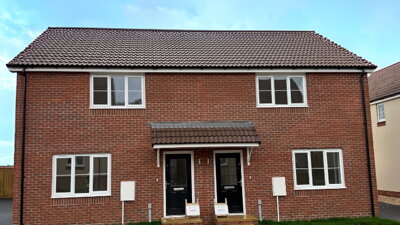
Browse 1 home new builds in St. Giles in the Wood from local developer agents.
£235,290
Average Property Price
547 residents
Population (2021 Census)
EX38 7
Postcode District
£324,655
Detached Properties Average
The St. Giles in the Wood property market offers a distinctive mix of housing types reflecting the village's rich architectural heritage. Rightmove records show detached properties averaging £324,655, semi-detached homes at approximately £232,031, and terraced properties around £202,314. This pricing hierarchy makes the village attractive to buyers seeking generous space and countryside views at relatively modest costs compared to South Devon or coastal locations. Zoopla reports similar figures around £221,250-£269,429 depending on the specific data source, while StreetScan data for EX38 7JP estimates an average property value of £476,369, with detached properties making up around 67% of transactions.
Recent market activity indicates a cooling period following significant growth. Historical sold prices over the last year were 18% down on the previous year and 9% down on the 2023 peak of £259,441. However, longer-term trends remain positive, with property prices in the EX38 7JP postcode area rising 21.6% over five years and 44.6% over the past decade. For buyers, this suggests a market that has experienced substantial gains but is currently in a consolidation phase, potentially creating buying opportunities for those with longer-term horizons. The number of sales recorded remains low, with only 3 property transactions in EX38 7JP over the past 17 years, indicating a very active but tight market where properties can sell quickly when correctly priced.
The housing stock in St. Giles in the Wood reflects its historical development. Victorian terraced cottages, built by the Rolle Estate and typically constructed of brick or stone, dominate parts of the village, particularly on the eastern side of the parish church. These properties often feature thick walls, original fireplaces, and period features that appeal to buyers seeking character homes. Meanwhile, the wider rural parish features a greater proportion of detached properties, offering more space and privacy for families or those working from home. New build activity remains limited within the parish itself, though some recent construction in the broader EX38 postcode district suggests continued interest in the area from developers. One notable example includes Waterloo Gardens, built in 2016 by local builders Pearce Homes, demonstrating that quality new builds do occasionally come to market.
For buyers considering investment, the predominantly owner-occupied nature of the village, with an estimated 100% of homes in some postcode areas lived in by their owners, suggests stability and community permanence. The village's rural character, proximity to RHS Rosemoor Garden, and connection to the River Torridge valley may appeal to buyers seeking lifestyle purchases or holiday lets, though planning permission for holiday let operations should be verified with Torridge District Council. Standard buy-to-let mortgage criteria and rental demand in the area should be thoroughly researched before committing to investment.
We work with estate agents across the Torridge area to ensure our listings remain current and comprehensive. Our team regularly updates property information to reflect new listings, price changes, and sales agreed, helping you stay informed as you search for your ideal home in St. Giles in the Wood.
Life in St. Giles in the Wood revolves around the rhythms of rural Devon, offering residents a peaceful lifestyle surrounded by working farmland and natural beauty. The parish maintains a tight-knit community atmosphere, with the local church serving as a focal point for village life. The Grade II listed parish church of St Giles, dating from 1309 with restoration work completed in 1862-63, stands as evidence of the village's long history and architectural heritage. Historic farmsteads including Way Barton, Winscott, Dodscott, and Woodleigh Barton pepper the surrounding countryside, with some origins predating the Norman Conquest and Dodscott even recorded in the Domesday Book of 1086. These historic properties, or elements of them, may be listed or fall within conservation guidelines, adding to the area's heritage significance.
The presence of the Royal Horticultural Society's Rosemoor Garden in the south-west of the parish brings horticultural excellence to the local area. This renowned garden attracts visitors throughout the year and provides employment opportunities for local residents, while also enhancing the village's appeal to those who appreciate green spaces and natural beauty. The Torridge valley setting means residents enjoy stunning scenery, with the river itself forming part of the parish boundary and offering opportunities for countryside walks along its banks. Devon Wildlife Trust conservation efforts in the surrounding area further protect the natural environment that makes this part of North Devon so special.
The village appeals particularly to those who value privacy, space, and connection to Devon's natural landscape over the convenience of urban amenities. Local amenities in the village itself remain modest, but the proximity to Great Torrington provides access to shops, pubs, healthcare facilities, and other essential services within a short 10-minute drive. Great Torrington itself offers a range of independent shops, cafes, and the historic Torrington Common, providing without requiring lengthy journeys. Families moving to the area typically access primary education through schools in Great Torrington, with several rated Good or Outstanding by Ofsted, while secondary education is available at Great Torrington School which provides secondary and sixth form facilities.
As a predominantly owner-occupied community, St. Giles in the Wood attracts buyers seeking permanence and stability. The population of 547 residents, down slightly from 566 in the 2001 Census, reflects a stable community that has maintained its character despite broader rural demographic shifts. Community events, local clubs, and the parish church continue to provide social connection points for residents, while the surrounding countryside offers endless opportunities for walking, cycling, and enjoying Devon's outstanding natural beauty. We help prospective buyers explore the village's community spirit by providing detailed information about local amenities, schools, and lifestyle factors that affect daily life in St. Giles in the Wood.
Transport connectivity from St. Giles in the Wood centres primarily on road networks, with the village positioned along routes connecting to Great Torrington and the wider Torridge district. The A3124 and A386 roads provide key links to surrounding towns, though prospective residents should note that a car is considered essential for most daily activities given the rural nature of the location. The journey to Great Torrington takes approximately 10 minutes by car, while Barnstaple, the nearest major town with railway station and hospital facilities, is accessible in around 25-30 minutes. The A361 provides connection to South Devon and the M5 motorway at Junction 27 near Tiverton, though this journey takes approximately 45 minutes to an hour depending on traffic conditions.
Public transport options reflect the village's small scale, with local bus services connecting St. Giles in the Wood to surrounding villages and market towns. These services allow access to supermarkets, healthcare appointments, and train services for those without private vehicles, though journey frequencies mean planning ahead is necessary. The nearest railway station at Barnstaple offers connections to Exeter and beyond on the Tarka Line, providing access to Exeter St David's, Plymouth, and national rail networks via Exeter. Journey times from Barnstaple to Exeter St David's typically take around 90 minutes, making day trips to the county capital feasible for work or leisure.
For commuters working in nearby towns, St. Giles in the Wood offers a practical base that balances countryside living with reasonable access to employment centres. The journey to Barnstaple takes approximately 25-30 minutes by car, placing the town firmly within commutable range for those working in its various businesses, the North Devon District Hospital, or the retail and service sectors. Great Torrington is significantly closer for those fortunate enough to work locally, with many residents enjoying a 10-minute commute that leaves ample time for family activities and countryside pursuits. Cyclists will find some rural lanes suitable for confident riders, though the hilly terrain common in North Devon requires appropriate fitness levels and caution on narrow roads with limited verges.
The nearest airport with international flights is Exeter Airport, approximately 60 miles away, providing connections to European destinations for both business and leisure travel. For international travel requiring larger airports, Bristol Airport and London airports are accessible via the M5 motorway, though these represent longer journeys of 2-3 hours by car. Our platform helps buyers evaluate transport connectivity when searching for property, ensuring you understand the practical realities of commuting and travel from St. Giles in the Wood before making your purchase decision.
The village offers diverse housing including Victorian terraced cottages built by the Rolle Estate, detached countryside homes, and period farmhouses. Properties range from character-filled historic homes requiring renovation to well-presented modern residences, catering to various tastes and budgets across the EX38 7 postcode area.

Explore property listings across major portals and contact local estate agents serving the Torridge area. Understanding current asking prices, recent sales in similar postcodes, and how long properties take to sell helps set realistic expectations and identify the right opportunities. Our platform aggregates listings from multiple sources, giving you a comprehensive view of available properties and recent market activity in St. Giles in the Wood and the surrounding EX38 postcode area.
Speak to a mortgage broker about getting an Agreement in Principle before viewing properties. Having finance in place demonstrates seriousness to sellers and estate agents, and helps you understand your true budget when searching in the St. Giles in the Wood area. With property prices averaging around £235,290, many buyers will find their mortgage requirements fall within favourable lending bands with competitive interest rates available from lenders familiar with the Devon property market.
Visit properties that match your requirements and explore the village and surrounding area at different times of day. Consider factors including commute times to work, proximity to schools if relevant, and how the property's condition aligns with your renovation appetite and budget. Given the prevalence of Victorian and historic properties in St. Giles in the Wood, viewing properties at various times helps assess lighting, noise levels, and the neighbourhood atmosphere throughout the day.
Once you have an offer accepted, arrange a comprehensive RICS Level 2 Survey to assess the property's condition thoroughly. Given the prevalence of older Victorian and historic properties in St. Giles in the Wood, professional survey inspection is essential for identifying any structural issues, damp problems, or roof defects before completion. Our inspectors understand the specific construction methods used in local properties and can identify defects common to brick, stone, and slate-built structures prevalent in the Torridge area.
Appoint a conveyancing solicitor to handle the legal aspects of your purchase. They will conduct searches with Devon County Council and Torridge District Council, investigate title deeds, and manage the complex paperwork involved in transferring ownership of a rural property. Rural purchases may involve additional considerations including rights of way, agricultural covenants, and septic tank or drainage arrangements that require careful legal review.
Once all searches are satisfactory and both parties are ready, your solicitor will exchange contracts and agree a completion date. On completion day, the remaining funds are transferred and you receive the keys to your new home in St. Giles in the Wood. We recommend arranging buildings insurance before completion and coordinating your move carefully given the rural location and limited access to removal services in the immediate area.
Understanding the total cost of purchasing property in St. Giles in the Wood extends beyond the asking price to include SDLT, solicitor fees, survey costs, and other associated charges. For standard purchases in 2024-25, SDLT applies at 0% on the first £250,000 of property value, 5% on the portion between £250,001 and £925,000, 10% on the next band up to £1.5 million, and 12% on any amount exceeding £1.5 million. With the average property in St. Giles in the Wood priced around £235,290, many buyers purchasing at or below the current threshold may benefit from reduced SDLT costs, making the overall purchase more affordable than in more expensive areas of Devon.
First-time buyers enjoy enhanced relief, paying 0% SDLT on the first £425,000 and 5% on amounts between £425,001 and £625,000, provided the property is your first home and you have not previously owned property anywhere in the world. This relief can significantly reduce purchase costs for first-time buyers looking in the St. Giles in the Wood area, where property prices remain accessible for those entering the market. Above £625,000, standard SDLT rates apply and first-time buyer relief cannot be claimed. Given the average price sits comfortably below both thresholds, many buyers in this village will pay minimal or no stamp duty, freeing up funds for other purchase costs or moving expenses.
Additional costs to budget for include solicitor conveyancing fees typically starting from around £500-1,000 for standard purchases, though complex rural properties may incur higher charges. Mortgage arrangement fees if applicable can range from £0 to £1,500 depending on the lender and product selected. A RICS Level 2 Survey costs from approximately £350-600 depending on property value and size, with premium properties at the higher end of the St. Giles in the Wood price range potentially attracting fees at the upper end of this scale. Buildings insurance should be arranged before completion, and you will need to factor in moving costs, potential renovation expenses, and council tax payments from the completion date.
Torridge District Council sets council tax bands for properties in the parish, so checking the specific band for any property you consider provides a clearer picture of ongoing housing costs. Properties in St. Giles in the Wood fall under Torridge District Council jurisdiction and are assigned council tax bands from A through to H depending on property value and characteristics. Specific band information for individual properties can be found on the Torridge District Council website or the Valuation Office Agency listing. We recommend requesting the council tax band and any relevant information about drainage, water supply arrangements, and broadband connectivity when evaluating properties, as these practical factors significantly affect daily life in this rural location.
Properties in St. Giles in the Wood present specific defect profiles that buyers should understand before purchasing. The prevalence of Victorian terraced cottages and older historic farmsteads means many properties were constructed using traditional methods that differ significantly from modern building standards. Understanding these common issues helps buyers budget for necessary repairs and renovations while identifying properties that offer genuine value versus those where hidden costs have been underestimated by previous owners.
Damp represents one of the most common issues in the village's older properties. Rising damp, penetrating damp, and condensation are prevalent in properties built with solid walls or inadequate ventilation systems. Victorian properties constructed by the Rolle Estate using brick or stone typically feature thick walls without cavity insulation, making them susceptible to moisture penetration if gutters, downpipes, or external rendering deteriorate. Our surveyors pay particular attention to damp readings in properties throughout the Torridge area, checking walls, floors, and timber elements for signs of moisture damage.
Roof conditions require careful assessment given the age of many properties in the parish. Older slate and tile roofs, while durable, often require periodic re-pointing and may show signs of slipped or broken tiles following severe weather. The Grade II listed parish church and historic farmsteads feature traditional slate roofing that requires specialist conservation approaches, and similar attention should be paid to residential properties with original slate coverings. Timber defects including woodworm, wet rot, and dry rot commonly affect roof structures, floorboards, and window frames in properties of this age, particularly where maintenance has been deferred or ventilation has been compromised by modern improvements.
Outdated electrical systems and plumbing frequently require upgrading in properties predating the mid-20th century. Wiring installed during the Victorian era or earlier decades rarely meets current safety standards and should be fully inspected by a qualified electrician before purchase. Similarly, plumbing systems using lead, iron, or early plastic materials may be nearing the end of their serviceable life and could require complete replacement. The lack of modern insulation in older properties affects both thermal performance and energy costs, with many homes requiring investment in loft insulation, secondary glazing, or other energy efficiency improvements to meet contemporary expectations for comfort and running costs.
Properties situated along the River Torridge valley require specific attention to flood risk and drainage. While the village itself has not experienced significant flooding in recent years, buyers should review Environment Agency flood risk maps and consider the property's position relative to the river and any nearby watercourses. Surface water flooding can affect lower-lying areas regardless of proximity to the main river channel, and properties with compromised drainage or a history of damp should be investigated thoroughly before commitment.
Given the age and character of properties in St. Giles in the Wood, we strongly recommend arranging a RICS Level 2 Survey before completing your purchase. Our inspectors understand the specific construction methods and common defects found in Victorian cottages and period farmhouses throughout the Torridge area, helping you avoid unexpected repair costs after completion.
Rightmove records show an average house price of £235,290 for St. Giles in the Wood, with Zoopla reporting similar figures around £221,250-£269,429 depending on the specific data source and postcode area. Detached properties average approximately £324,655, semi-detached homes around £232,031, and terraced properties about £202,314. The market has experienced a cooling period recently, with prices approximately 18% lower than the previous year and 9% down on the 2023 peak of £259,441, though long-term growth over the past decade remains strong at around 44.6% in the EX38 7 postcode area. This suggests a market currently in consolidation following substantial gains, potentially creating opportunities for buyers with longer-term investment horizons.
Properties in St. Giles in the Wood fall under Torridge District Council jurisdiction and are assigned council tax bands from A through to H depending on property value and characteristics. Specific band information for individual properties can be found on the Torridge District Council website or the Valuation Office Agency listing. Banding affects ongoing monthly costs significantly, with Band A properties paying considerably less than Band H properties, so prospective buyers should verify the specific property's council tax band before completing their purchase to accurately budget for ongoing housing costs in this rural parish.
Families moving to St. Giles in the Wood typically access primary education through schools in nearby Great Torrington, approximately 2.5 miles away. The village falls within the catchment area for primary schools serving the Great Torrington area, with several rated Good or Outstanding by Ofsted including schools that serve the surrounding villages. Secondary education options include Great Torrington School, which provides secondary education and sixth form facilities for students from across the area. Parents should verify current catchment areas and admissions policies with Devon County Council as these can affect school allocations and may be subject to change based on demand and capacity at individual schools.
Public transport options in St. Giles in the Wood reflect its rural location, with local bus services connecting the village to surrounding towns and villages including Great Torrington for essential shopping and services. A car is considered essential for most daily needs given limited bus frequencies and the dispersed nature of rural services, though buses do provide a lifeline for residents without private vehicles. The nearest railway station is Barnstaple, approximately 25-30 minutes by car, offering connections on the Tarka Line to Exeter, Plymouth, and national rail services via Exeter St David's. The nearest airport with international flights is Exeter Airport, approximately 60 miles away, providing connections to European destinations.
St. Giles in the Wood offers potential for long-term property investment given its attractive rural setting and relative affordability compared to coastal Devon locations. Long-term price data shows strong growth of 44.6% over the past decade in the EX38 7 postcode area, indicating sustained demand for property in this picturesque parish. The village's rural character, proximity to RHS Rosemoor Garden, and connection to the River Torridge valley may appeal to buyers seeking lifestyle purchases or holiday lets, though planning permission for holiday let operations should be verified with Torridge District Council. Standard buy-to-let mortgage criteria and rental demand in the area should be thoroughly researched before committing to investment, and buyers should note that the predominantly owner-occupied nature of the village may limit rental availability.
For purchases at the current average price of around £235,290, standard buyers pay 0% SDLT on the first £250,000, resulting in no stamp duty on the portion within this threshold. First-time buyers benefit from relief on the first £425,000, meaning most purchases at average prices would incur no SDLT at all in this village. Properties priced above £250,000 for standard buyers or £425,000 for first-time buyers will incur charges at the relevant rate bands. Use an SDLT calculator or consult a solicitor for precise calculations based on your specific purchase price, buyer status, and whether you have previously owned property anywhere in the world.
Properties in St. Giles in the Wood sit within the River Torridge valley, indicating potential river flood risk that buyers should investigate carefully before purchasing. The Environment Agency publishes flood risk maps showing areas with potential for river flooding, surface water flooding, and other flood types that affect properties in valley locations. Properties closer to the river or in lower-lying positions may face elevated risk and potentially higher insurance premiums, so checking the specific location of any property relative to watercourses is essential. A thorough property survey can also identify signs of past water ingress or damp that may indicate historical flooding issues or drainage problems affecting the property.
Properties New Builds In London

Properties New Builds In Plymouth

Properties New Builds In Liverpool

Properties New Builds In Glasgow

Properties New Builds In Sheffield

Properties New Builds In Edinburgh

Properties New Builds In Coventry

Properties New Builds In Bradford

Properties New Builds In Manchester

Properties New Builds In Birmingham

Properties New Builds In Bristol

Properties New Builds In Oxford

Properties New Builds In Leicester

Properties New Builds In Newcastle

Properties New Builds In Leeds

Properties New Builds In Southampton

Properties New Builds In Cardiff

Properties New Builds In Nottingham

Properties New Builds In Norwich

Properties New Builds In Brighton

Properties New Builds In Derby

Properties New Builds In Portsmouth

Properties New Builds In Northampton

Properties New Builds In Milton Keynes

Properties New Builds In Bournemouth

Properties New Builds In Bolton

Properties New Builds In Swansea

Properties New Builds In Swindon

Properties New Builds In Peterborough

Properties New Builds In Wolverhampton

Enter your details to see if this property is within your budget.
Loans, cards, car finance
Estimated property budget
Borrowing + deposit
You could borrow between
Typical borrowing
Monthly repayment
Est. at 4.5%
Loan-to-value
This is an estimate only. Your actual budget may vary depending on interest rates, credit history, and personal circumstances. For an accurate affordability assessment, speak to one of our free mortgage advisors.
This calculator provides estimates for illustrative purposes only and does not constitute financial advice. Your home may be repossessed if you do not keep up repayments on your mortgage. Estimates based on 4.5% interest rate, repayment mortgage. Actual rates depend on your circumstances.
Homemove is a trading name of HM Haus Group Ltd (Company No. 13873779, registered in England & Wales). Homemove Mortgages Ltd (Company No. 15947693) is an Appointed Representative of TMG Direct Limited, trading as TMG Mortgage Network, which is authorised and regulated by the Financial Conduct Authority (FRN 786245). Homemove Mortgages Ltd is entered on the FCA Register as an Appointed Representative (FRN 1022429). You can check registrations at NewRegister or by calling 0800 111 6768.

We use cookies to show you personalised content and improve your experience of our website. Find out more in our Privacy policy and Cookie policy.