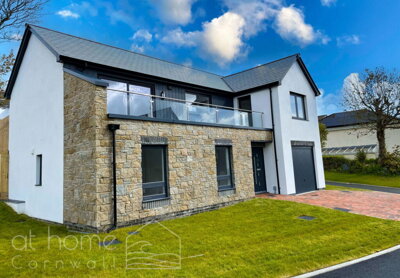
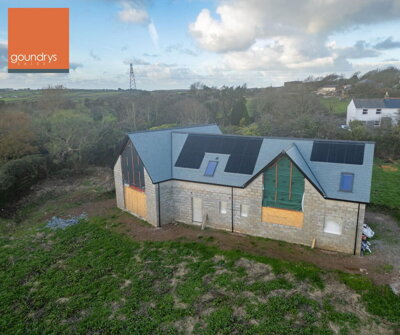
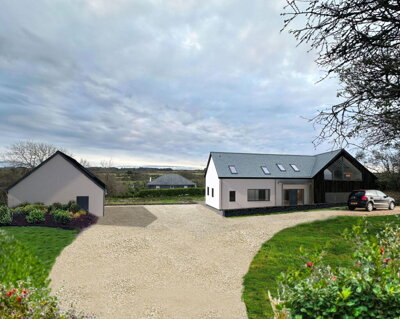
Browse 3 homes new builds in St. Day from local developer agents.
Day from developers. The larger property sector typically features multiple bathrooms, substantial reception space, and private gardens or off-street parking. Four bedroom houses in St. Day span detached, semi-detached, and occasionally terraced configurations, with styles ranging from period properties to modern executive homes.
£251,625
Average Property Price
From £174,500
Terraced Properties
From £290,875
Detached Properties
From £326,000
Semi-Detached Properties
-18%
12-Month Price Change
TR16
Postcode Area
The St. Day property market presents compelling opportunities for buyers seeking value in a historically significant Cornish location. Our data shows the average house price stands at £251,625, with semi-detached properties commanding around £326,000 and detached homes averaging £290,875. Terraced properties offer the most accessible entry point at approximately £174,500, making St. Day particularly attractive for first-time buyers and families looking to establish roots in a community-rich environment without paying premium coastal prices.
Recent market trends indicate a cooling period following the 2022 peak of £362,464, with prices approximately 18% lower than the previous year. This adjustment brings opportunities for savvy buyers who can negotiate favourable terms in a market that remains fundamentally sound. Cornwall as a whole saw around 7,000 property sales in the twelve months to December 2025, though transaction volumes dropped by 14.1% year-on-year. For St. Day specifically, sales activity in the TR16 postcode area continues to attract interest from buyers seeking the village lifestyle without the premium costs associated with coastal locations.
The TR16 postcode area encompasses several villages surrounding Redruth, and St. Day benefits from this broader market activity while maintaining its own distinct character. Property types in the village range from traditional mining cottages built in the 18th and 19th centuries to more modern developments constructed during the latter half of the 20th century. This variety means buyers can find properties suitable for different budgets and preferences, from compact terraced cottages ideal for first-time purchasers to larger family homes with gardens that take advantage of the mild Cornish climate.
Looking ahead, St. Day's position within a UNESCO World Heritage Site and proximity to major transport connections suggest the local market has underlying strength despite current cyclical adjustments. The village continues to attract buyers who recognise the value proposition of Cornwall's interior locations, where property prices remain accessible compared to coastal hotspots like St Ives or Fowey, while offering equally strong community credentials and access to the Duchy's renowned quality of life.
St. Day embodies the spirit of a traditional Cornish mining village, with roots stretching back centuries to its origins as a centre for copper and tin mining. The village retains much of its original character through preserved architecture, stone-built cottages, and the remnants of mine engine houses that stand as testament to its industrial past. Today, St. Day serves as a tight-knit community where neighbours know one another and local events bring residents together throughout the year. The village atmosphere appeals particularly to those seeking a slower pace of life while maintaining access to urban conveniences.
The local economy of St. Day has evolved considerably since the decline of mining, yet the legacy of that industrial heritage remains visible throughout the village. Former mine sites have been repurposed in various ways, and the distinctive silhouettes of engine house ruins punctuate the local landscape, serving as constant reminders of the community's proud past. Many residents today work in the surrounding towns of Redruth and Camborne, or commute to Truro for professional roles, while appreciating the village atmosphere that defines daily life in St. Day.
Local amenities in St. Day include a village shop, public house, and community facilities that serve everyday needs. For broader shopping and entertainment, residents benefit from proximity to Redruth, just a short drive away, where major supermarkets, high street retailers, and healthcare facilities are readily available. Truro, Cornwall's principal city, lies within easy reach and offers comprehensive cultural attractions, restaurants, and professional services. The surrounding countryside provides abundant opportunities for walking, cycling, and exploring the distinctive Cornish landscape of heathland, woodland, and dramatic coastline.

Education provision in and around St. Day serves families with children of all ages, from nursery through secondary education. Primary education is available at nearby schools in the surrounding villages and towns, with many offering good Ofsted ratings and nurturing environments suited to younger children. The village community maintains strong ties with local schools, and families moving to St. Day generally find the primary education options in the wider area meet their expectations for quality teaching and supportive learning environments.
Several primary schools in the surrounding Redruth area serve the St. Day catchment, including institutions that have achieved good or outstanding Ofsted ratings in recent inspections. These schools benefit from reasonable class sizes and strong community involvement, reflecting the broader Cornish tradition of engaged local education. Parents often report appreciating the supportive atmosphere that smaller schools can provide, particularly for children in their formative years of learning.
Secondary education options include schools in Redruth and Camborne that serve the St. Day catchment area, providing comprehensive curricula and sixth-form provision for older students. For families prioritising selective education, grammar school options exist in Truro and surrounding areas, though entry is determined by the 11-plus examination. Truro High School for Girls and Truro School offer independent secondary education, while the state grammar school system provides alternatives for academically inclined students within the state sector.

Transport connectivity from St. Day balances the benefits of rural village living with practical access to major employment centres. Redruth railway station, located just a few miles away, provides direct rail services to Truro, Plymouth, and London Paddington, with journey times to the capital taking approximately four and a half hours. This makes St. Day viable for remote workers and those who commute occasionally to London or other major cities, while benefiting from significantly lower property prices than comparable commuter villages in southern England.
The railway station at Redruth serves as a crucial transport hub for St. Day residents, connecting the village to the wider rail network and providing links to destinations beyond Cornwall. Regular services to Truro take around 15 minutes, making day trips to the county capital convenient for shopping, entertainment, or business appointments. The station also provides connections for travel further afield, with direct services to Plymouth, Exeter, and London Paddington operated by Great Western Railway.
Road transport options include the A30 trunk road running through nearby Redruth, providing main road connections to the rest of Cornwall and beyond. The A39 offers routes toward the north Cornwall coast and links to the M5 motorway for travel to Devon and Bristol. Local bus services connect St. Day with surrounding villages and towns, though frequency may be limited on evenings and weekends. For daily commuting needs, most residents rely on private vehicles, while the proximity to Redruth and Truro provides flexibility for those working in these larger settlements.
Understanding the construction methods used in St. Day properties helps buyers appreciate both the character and potential challenges of the local housing stock. Most older properties in the village were built using local materials that reflect Cornwall's distinctive geology and building traditions. Granite and killas, a local slatey rock unique to the region, form the primary structural materials for many traditional cottages, while rendered and painted finishes provide weather protection and visual appeal.
Properties constructed before 1919 typically feature solid wall construction rather than modern cavity wall systems. These solid walls, often 300-450mm thick, were built without insulation by contemporary standards and rely on traditional lime mortar pointing to manage moisture movement. The use of lime mortar rather than cement is crucial for the long-term health of these structures, as Portland cement can trap moisture within the wall, leading to damp problems and deterioration of the fabric. Our inspectors frequently identify issues with solid wall properties where inappropriate modern repairs have used cement-based products that conflict with the original construction philosophy.
Traditional features found throughout St. Day include timber floor joists, often spanning between suspended timber floors that can be vulnerable to damp and woodworm attack. Roof construction typically uses cut timber rafters with slate coverings, though some properties feature more traditional couples or principals where older mine workers' cottages retain their original structural arrangements. The quality of slate used on Cornish roofs varies considerably, with Welsh slate found on some better-appointed properties while local Delabole slate or more economical imported materials were used on worker housing.
Our inspectors regularly identify specific defect patterns when surveying properties in St. Day, reflecting the village's mining heritage and the age of much its housing stock. Subsidence from former mine workings represents perhaps the most significant concern for potential buyers, as the underground tunnels and shafts associated with historical copper and tin mining can cause ground movement that affects property foundations. This risk extends beyond the immediate boundaries of known mine sites, as underground workings can extend considerable distances from their surface expressions.
Damp problems feature prominently in St. Day property surveys, particularly in properties with solid wall construction where modern insulation or renovation work has disrupted the traditional moisture management systems. Rising damp occurs where physical or chemical damp proof courses have failed or were never installed, while penetrating damp affects walls where pointing, render, or lead flashings have deteriorated. Our inspectors assess all forms of dampness using calibrated moisture meters and will identify both the presence and likely cause of any moisture issues found during survey work.
Timber defects affect many traditional St. Day properties, with woodworm, wet rot, and dry rot all encountered in our survey work across the TR16 postcode area. These defects can affect both structural timbers, such as floor joists and roof rafters, and non-structural elements including window frames, skirting boards, and door frames. Early identification of timber problems allows buyers to budget for necessary treatment or replacement works, preventing unpleasant surprises after purchase. Our inspectors will tap and probe timbers where appropriate to assess their condition and will report any signs of active or historic beetle infestation or fungal decay.
Explore current property listings in St. Day and surrounding TR16 postcode area. Understand price trends, including the recent 18% reduction from 2022 peak prices, to set realistic expectations for your budget and negotiating position. Review the mix of property types available, from terraced cottages at around £174,500 to detached homes approaching £290,000, and consider how each type matches your requirements for space, maintenance, and character.
Contact estate agents in the Redruth and St. Day area to arrange viewings of properties that match your criteria. Consider viewing properties across different property types and price ranges to understand the full range available. When attending viewings, take notes on property condition, note any visible defects or maintenance concerns, and prepare questions about the property's history including any past renovation work or known issues.
Before making offers, obtain a mortgage agreement in principle from a lender. This strengthens your position as a serious buyer and helps you understand exactly how much you can borrow, given your financial circumstances and credit profile. Having your mortgage position clarified before making offers allows you to move quickly when you find the right property and demonstrates to sellers that you are a qualified buyer.
Given St. Day's mining heritage and prevalence of older properties, a RICS Level 2 Survey is essential before completing your purchase. This inspection identifies defects common to historic properties, including potential subsidence from former mine workings, roof condition issues, damp problems, and timber defects that affect many older Cornish homes. The survey report provides detailed findings that you can use to negotiate price adjustments or request repairs before completion.
Appoint a solicitor to handle the legal aspects of your purchase, including searches for planning permissions, mining records, and any restrictions that may affect the property. Local knowledge of Cornish property law and mining legacy issues proves invaluable during this process. Your solicitor will conduct local authority searches, land registry checks, and environmental searches that investigate matters including flooding risk, ground stability, and any historic mining activity that might affect the property.
Once all searches are satisfactory and finances are confirmed, your solicitor will exchange contracts and set a completion date. On completion day, the remaining balance is transferred and you receive the keys to your new St. Day home. Allow time for final arrangements including buildings insurance, utility transfers, and removal logistics before moving day arrives.
Properties in St. Day require careful consideration of local factors that may not affect buyers in other areas. The village's mining heritage presents specific concerns that warrant professional inspection. Former mine shafts and underground workings can cause ground instability, potentially leading to subsidence issues that require specialist assessment. Before purchasing any property in St. Day, arrange for thorough ground condition surveys and review any historical mining records held by the local authority or Cornwall Council.
The age of much of St. Day's housing stock means traditional construction methods predominate throughout the village. Properties built before 1919 often feature solid walls without cavity insulation, traditional lime mortar pointing rather than cement, and timber floor structures that require ongoing maintenance. These features contribute to the character of Cornish mining cottages but may also present challenges regarding damp penetration, thermal efficiency, and outdated electrical or plumbing systems. A comprehensive RICS Level 2 Survey will identify these issues and help you budget for any necessary repairs or improvements.
Buyers should also investigate whether properties fall within any conservation area designations or contain listed building status, given St. Day's position within the UNESCO World Heritage Site boundary. These designations may restrict permitted development rights and require planning permission for certain alterations, potentially affecting renovation plans. Checking council tax bands in advance helps you understand the ongoing costs of ownership, while reviewing any service charges or maintenance fees for leasehold properties ensures there are no unexpected financial commitments after purchase.
The average property price in St. Day stands at £251,625 according to recent Rightmove data, with Zoopla reporting £253,500. Detached properties average £290,875, semi-detached homes around £326,000, and terraced properties approximately £174,500. The market has experienced a cooling period, with prices around 18% lower than the previous year and 31% down from the 2022 peak of £362,464, creating potential opportunities for buyers seeking better value in the TR16 postcode area.
Properties in St. Day fall under Cornwall Council's jurisdiction for council tax purposes, with the village forming part of the broader council area covering Cornwall. Specific bands depend on property value and type, with most traditional cottages likely in bands A through C, while larger or more recently built detached homes may be in bands D or E. Contact Cornwall Council directly or check the Valuation Office Agency website for your specific property's council tax band and current annual charges.
Primary schools in the surrounding Redruth and Camborne areas serve the St. Day catchment, with several achieving good or outstanding Ofsted ratings. Pennowin Primary School and other local primaries provide education for younger children within reasonable travelling distance of St. Day. Secondary options include Camborne Science and International Academy and Redruth School, both offering comprehensive curricula and sixth-form provision. Truro Grammar School and other selective schools in Truro provide alternative pathways for academically inclined students, though entry requires passing the 11-plus examination held in Year 6.
St. Day benefits from proximity to Redruth railway station, offering direct services to Truro, Plymouth, and London Paddington with journey times to the capital taking approximately four and a half hours. The station is accessible via the A3047 road connecting St. Day with Redruth town centre. Local bus services operated by First Kernow provide connections between St. Day and surrounding villages, though service frequency reduces during evenings and on Sundays. Most residents use private vehicles for daily commuting needs, while the rail links make occasional commuting to London or other major cities feasible for remote workers.
St. Day offers several factors that appeal to property investors, including relatively affordable prices compared to Cornish coastal areas and strong rental demand driven by the local workforce and students attending Truro's further education institutions. The village's position within the Cornwall and West Devon Mining Landscape UNESCO World Heritage Site suggests long-term value retention for historically significant properties. Rental demand in the TR16 postcode area remains steady, with tenants attracted to the village character and reasonable commute times to employment centres in Truro and Redruth. However, buyers should consider the cooling national market and specific local factors like mining subsidence risk when evaluating investment potential.
Stamp duty rates for 2024-25 apply zero duty on the first £250,000 of residential property purchases, with 5% charged on the portion between £250,000 and £925,000. For a property priced at the St. Day average of £251,625, you would pay approximately £81, calculated as 5% of the £1,625 that exceeds the £250,000 threshold. First-time buyers purchasing residential property benefit from increased thresholds, paying 0% on the first £425,000 and 5% on amounts between £425,000 and £625,000, which could eliminate stamp duty costs entirely for first-time buyers purchasing at or near the average St. Day price.
A RICS Level 2 Survey proves particularly valuable for St. Day properties given the village's mining heritage and prevalence of older construction. Our inspectors frequently identify issues including subsidence from former mine workings, damp problems in solid wall properties, timber defects affecting floor structures and roof timbers, and outdated electrical systems that require updating to meet modern standards. The survey report provides a detailed assessment of property condition that allows you to make an informed purchasing decision and negotiate appropriately based on the actual state of the property rather than relying solely on estate agent descriptions.
Understanding the full costs of buying property in St. Day helps you budget accurately and avoid surprises during the transaction. The primary government tax is stamp duty, currently charged at 0% on the first £250,000 of residential purchases, rising to 5% on the portion between £250,000 and £925,000. For a typical St. Day property at the average price of £251,625, this means stamp duty of approximately £81, representing a minimal cost compared to properties in more expensive regions where stamp duty can reach tens of thousands of pounds.
First-time buyers purchasing residential property benefit from increased thresholds, paying 0% on the first £425,000 and 5% on amounts between £425,000 and £625,000. This relief can make a significant difference for first-time buyers purchasing at or near the St. Day average price, potentially reducing or eliminating stamp duty costs entirely. Properties purchased as second homes or buy-to-let investments face a 3% surcharge on all duty bands, making the economics of additional property purchases less attractive than in previous years.
Beyond stamp duty, budget for additional costs including mortgage arrangement fees typically ranging from £500 to £2,000 depending on the lender and product chosen, survey costs for a RICS Level 2 inspection at approximately £350 to £600 depending on property size, conveyancing fees from £500 to £1,500 for solicitor services including local searches, and search fees around £300 to £500 covering local authority, environmental, and mining searches. Buildings insurance costs from £150 annually and removal expenses complete the typical budget for a home purchase. Factoring these costs from the outset ensures a smoother transaction and prevents financial strain during what should be an exciting life milestone.
Properties New Builds In London

Properties New Builds In Plymouth

Properties New Builds In Liverpool

Properties New Builds In Glasgow

Properties New Builds In Sheffield

Properties New Builds In Edinburgh

Properties New Builds In Coventry

Properties New Builds In Bradford

Properties New Builds In Manchester

Properties New Builds In Birmingham

Properties New Builds In Bristol

Properties New Builds In Oxford

Properties New Builds In Leicester

Properties New Builds In Newcastle

Properties New Builds In Leeds

Properties New Builds In Southampton

Properties New Builds In Cardiff

Properties New Builds In Nottingham

Properties New Builds In Norwich

Properties New Builds In Brighton

Properties New Builds In Derby

Properties New Builds In Portsmouth

Properties New Builds In Northampton

Properties New Builds In Milton Keynes

Properties New Builds In Bournemouth

Properties New Builds In Bolton

Properties New Builds In Swansea

Properties New Builds In Swindon

Properties New Builds In Peterborough

Properties New Builds In Wolverhampton

Enter your details to see if this property is within your budget.
Loans, cards, car finance
Estimated property budget
Borrowing + deposit
You could borrow between
Typical borrowing
Monthly repayment
Est. at 4.5%
Loan-to-value
This is an estimate only. Your actual budget may vary depending on interest rates, credit history, and personal circumstances. For an accurate affordability assessment, speak to one of our free mortgage advisors.
This calculator provides estimates for illustrative purposes only and does not constitute financial advice. Your home may be repossessed if you do not keep up repayments on your mortgage. Estimates based on 4.5% interest rate, repayment mortgage. Actual rates depend on your circumstances.
Homemove is a trading name of HM Haus Group Ltd (Company No. 13873779, registered in England & Wales). Homemove Mortgages Ltd (Company No. 15947693) is an Appointed Representative of TMG Direct Limited, trading as TMG Mortgage Network, which is authorised and regulated by the Financial Conduct Authority (FRN 786245). Homemove Mortgages Ltd is entered on the FCA Register as an Appointed Representative (FRN 1022429). You can check registrations at NewRegister or by calling 0800 111 6768.

We use cookies to show you personalised content and improve your experience of our website. Find out more in our Privacy policy and Cookie policy.