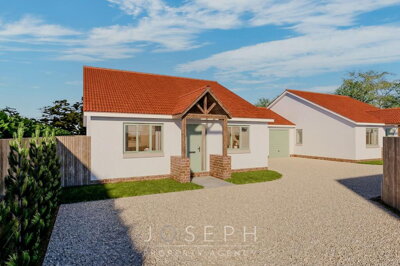
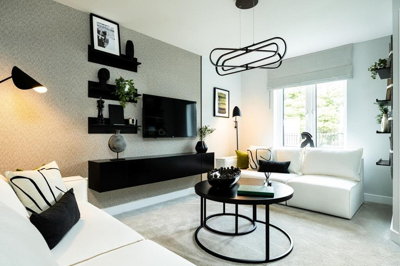
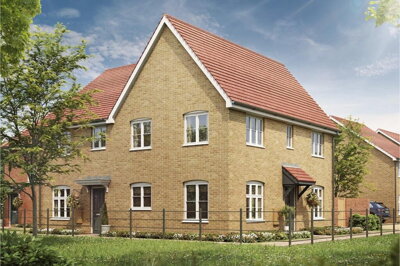
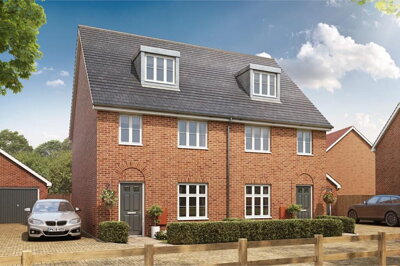
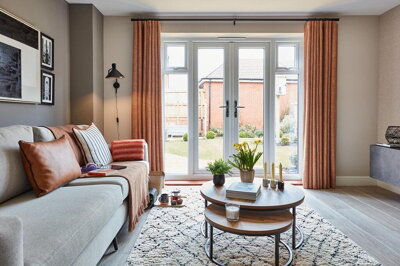
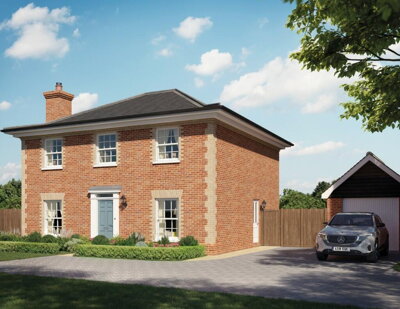
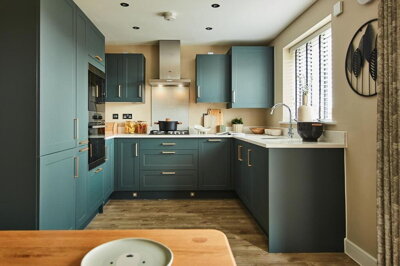
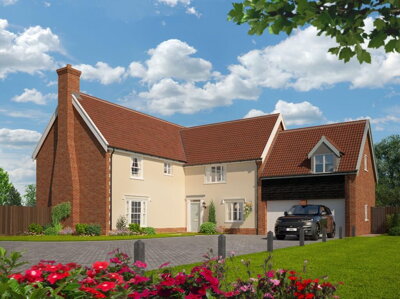
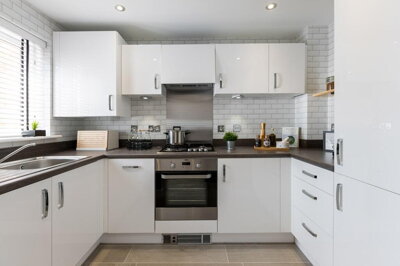
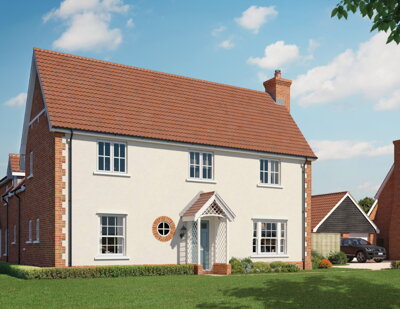
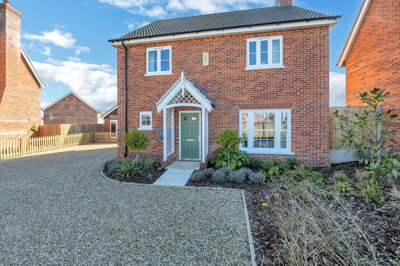
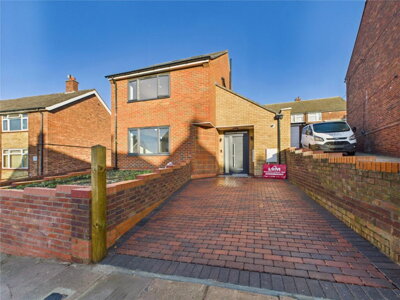
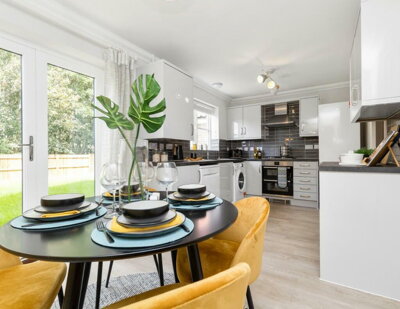
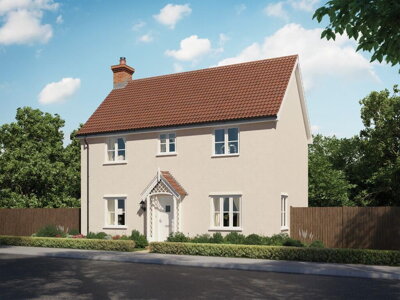
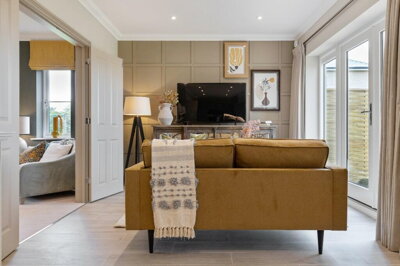
Browse 16 homes new builds in Sproughton, Babergh from local developer agents.
£325k
22
1
48
Source: home.co.uk
Source: home.co.uk
Semi-Detached
7 listings
Avg £319,286
Detached
5 listings
Avg £456,000
End of Terrace
5 listings
Avg £294,000
Terraced
3 listings
Avg £263,332
Bungalow
1 listings
Avg £400,000
Detached Bungalow
1 listings
Avg £400,000
Source: home.co.uk
Source: home.co.uk
The Dullingham property market presents a compelling opportunity for buyers seeking quality rural housing with strong long-term prospects. Recent data shows 10 property sales completed in the village over the past 12 months, with prices climbing by approximately 10% year-on-year. This upward trajectory reflects sustained demand from commuters and families drawn to the area's excellent transport links and village character. The market here is characterised by its relative scarcity, which means properties in good condition and with realistic pricing tend to move relatively quickly despite the limited transaction volume.
Detached properties command the highest prices in Dullingham, with the average sitting at around £750,000, reflecting the strong demand for spacious family homes with gardens in this rural setting. Semi-detached homes average approximately £420,000, while terraced properties offer a more accessible entry point at around £360,000. The housing stock breakdown from the 2021 Census reveals that detached properties dominate the village at 52.8% of all homes, followed by semi-detached at 23.2%, terraced at 16.0%, and flats comprising just 8.0% of the housing stock. This predominance of larger properties explains the village's family-friendly reputation and supports the higher average price points seen in the current market.

Life in Dullingham revolves around community, countryside, and a genuine sense of rural English charm. The village sits within the East Cambridgeshire district, a landscape characterised by rolling farmland, chalk hills, and the equestrian heritage that defines much of this corner of Cambridgeshire. With its Conservation Area protecting the historic centre and listed buildings including St Mary's Church adding architectural interest, Dullingham retains an unhurried atmosphere that feels a world away from urban pressures. The village economy draws influence from agriculture and equestrian activities, with Newmarket's famous racecourse nearby contributing to the local equestrian culture.
Residents of Dullingham benefit from a genuine community spirit, with the village serving as a natural meeting point for families and individuals who appreciate village life without complete isolation. The population of 760 spread across 300 households creates an intimate scale where neighbours often know one another. The B1061 road runs through the village, connecting residents to surrounding towns and villages. Local amenities include village pubs, community facilities, and easy access to the wider network of market towns that define East Cambridgeshire. The property age distribution reflects this established character, with 25% of homes pre-1919, 15% built between 1919-1945, and a further 30% constructed between 1945-1980, giving the village a pleasing mix of historic and mid-century housing.
Families considering a move to Dullingham will find a range of educational options within reasonable travelling distance. The village itself falls within the East Cambridgeshire local authority area, which oversees a network of primary and secondary schools across the district. Primary education is available at village or cluster schools in the surrounding area, with many small rural schools serving their local communities with dedicated teaching. Secondary education options include established schools in nearby towns, with many residents choosing institutions in Newmarket, Ely, or Cambridge depending on catchment boundaries and family circumstances.
The wider East Cambridgeshire area maintains a strong record of educational provision, with several schools achieving good or outstanding Ofsted ratings in recent inspections. For families prioritising academic excellence, the grammar school system in neighbouring areas may be relevant, with selection based on the 11-plus examination. Sixth form and further education provision is well-developed in Cambridge and the surrounding towns, ensuring that secondary school leavers have access to comprehensive post-16 options. Parents are advised to check current catchment areas and school performance data when considering properties, as admissions policies can significantly influence the local education landscape. The village's small scale also means that school bus services and transport arrangements are important considerations for families with children.
Transport connectivity defines Dullingham as a viable commuter location, with residents benefiting from access to both road and rail networks. The village sits close to the B1061, which provides connections to Newmarket to the east and the wider East Cambridgeshire road network. For those working in Cambridge, the journey by car typically takes around 30-40 minutes depending on traffic conditions, while Newmarket is considerably closer at approximately 15 minutes by car. The A14 trunk road passes nearby, offering routes to Cambridge, Bury St Edmunds, and connections to the national motorway network via the A11.
Rail services from nearby stations open up further commuting possibilities, with Cambridge offering direct trains to London King's Cross with journey times of around 50 minutes. Regional connections via the West Anglia Main Line serve towns between Cambridge and London, making day commuting feasible for those working in the capital. Bus services connect Dullingham with surrounding villages and towns, though frequencies may be limited compared to urban routes. For cyclists, the relatively flat Cambridgeshire countryside offers pleasant cycling routes, though road cycling is the primary option for most residents. The combination of flexible working arrangements and reasonable access to major employment centres has made Dullingham increasingly popular with professionals who value rural living without sacrificing career opportunities.
Spend time exploring Dullingham at different times of day and week to understand the community, traffic patterns, and local amenities. Visit nearby towns including Newmarket and Cambridge to appreciate the wider area and check that your daily commute would be manageable.
Once you have identified properties that match your requirements, arrange viewings through Homemove's platform or directly with local estate agents. Consider viewing multiple properties to compare condition, orientation, and value before making an offer.
Before making an offer, obtain a mortgage agreement in principle from a lender. This demonstrates your financial credibility to sellers and strengthens your negotiating position in what can be a competitive market.
Given that approximately 70% of properties in Dullingham were built before 1980, a thorough survey is essential. A Level 2 HomeBuyer Report typically costs between £450-£800 locally and can reveal issues with damp, timber, roofing, or potential subsidence risks associated with local clay geology.
Choose a conveyancing solicitor to handle the legal aspects of your purchase. They will conduct searches, review the contract, and manage the transfer of funds through to completion.
Once all searches are satisfactory and both parties have agreed on terms, your solicitor will exchange contracts and a completion date will be set. On completion day, you will receive the keys to your new Dullingham home.
Property buyers in Dullingham should pay particular attention to several area-specific factors that could affect their purchase. The local geology presents a shrink-swell risk in areas where clay deposits underlie properties, which can cause foundation movement in older buildings with shallower foundations. This risk is most relevant for properties built before 1980, which comprise 70% of the housing stock. A thorough structural survey will assess whether any movement has occurred and whether previous owners have addressed any subsidence issues. Given that Dullingham has a Conservation Area and listed buildings, buyers should also investigate whether the property is listed or within the Conservation Area, as this imposes restrictions on alterations, extensions, and exterior changes.
Surface water flooding represents another consideration for certain areas of Dullingham, particularly around the village centre and along the B1061. While flood risk from rivers and the sea remains very low, the medium to high surface water risk in some locations means buyers should review Environment Agency flood maps and consider the property's position in relation to local watercourses. The predominant building materials in the village include traditional brick, timber frame, and rendered finishes, with gault brick being characteristic of the Cambridgeshire region. Properties may have older electrical wiring, plumbing systems, or heating installations that require updating, and buyers should factor potential renovation costs into their budget. Finally, the predominance of detached and semi-detached properties means that neighbours are typically nearby, so understanding the relationship between your potential property and adjacent homes is worth considering.
The average property price in Dullingham currently stands at £549,999, with detached properties averaging around £750,000, semi-detached homes at approximately £420,000, and terraced properties at roughly £360,000. Prices have increased by 10% over the past 12 months, reflecting strong demand for rural Cambridgeshire property with good transport connections. Given the village's limited housing stock and the prevalence of larger detached homes, buyers should expect prices to remain competitive relative to comparable villages in the region.
Properties in Dullingham fall under East Cambridgeshire District Council's council tax banding system. Band values for properties in the village generally range from Band B for smaller terraced homes through to Bands E, F, and G for larger detached properties, reflecting the property values in this sought-after rural location. Prospective buyers should check the specific banding for any property they are considering, as council tax contributions form part of the ongoing cost of homeownership in the village.
Dullingham is served by primary schools in the surrounding cluster, with families typically choosing establishments based on catchment areas and performance. Secondary education options in nearby towns including Newmarket, Ely, and Cambridge provide broader choices, with several schools in the wider area achieving good or outstanding Ofsted ratings. For academically selective education, grammar schools in surrounding areas accept students who pass the 11-plus examination. Families are advised to research current school performance data and catchment boundaries when considering a move, as these can significantly impact educational options for children.
Public transport options in Dullingham reflect its rural character, with bus services connecting the village to surrounding towns and villages, though frequencies may be limited compared to urban routes. The nearest railway stations are located in Newmarket and Cambridge, with Cambridge offering direct services to London King's Cross in approximately 50 minutes. Many residents rely on car travel for daily commuting, with the village conveniently positioned near the B1061 and within reasonable reach of the A14 trunk road. The growth of flexible and remote working has made Dullingham increasingly viable for those who commute occasionally rather than daily.
Dullingham offers several factors that appeal to property investors and buyers seeking long-term value. The village's 10% price increase over the past 12 months demonstrates ongoing demand, while its proximity to Cambridge, Newmarket, and Bury St Edmunds ensures continued interest from commuters seeking rural settings. The Conservation Area designation helps protect property values by maintaining the village's character, while the limited supply of homes in the village creates inherent scarcity. For those planning to let the property, the village's connections to major employment centres make it attractive to tenants, though the small local population means rental demand may be more limited than in larger towns.
Stamp Duty Land Tax applies to property purchases in Dullingham according to standard UK thresholds. For residential purchases, you pay 0% on the first £250,000, 5% on the portion from £250,001 to £925,000, 10% on the portion from £925,001 to £1,500,000, and 12% on any amount above £1,500,000. First-time buyers benefit from relief on the first £425,000, paying 5% between £425,001 and £625,000 with no relief above that threshold. Given the village's average price of £549,999, a typical buyer might expect to pay around £15,000 in stamp duty, though your solicitor will calculate the exact amount based on your circumstances.
From 3.89%
Compare mortgage rates and find the best deal for your Dullingham home
From £499
Expert solicitors to handle your purchase
From £450
HomeBuyer Report for your new property
From £85
Energy Performance Certificate required for sale
Understanding the full costs of buying property in Dullingham helps you budget accurately and avoid surprises during the transaction process. Stamp Duty Land Tax represents one of the largest upfront costs, calculated on the purchase price using thresholds that apply uniformly across England. For a typical Dullingham property at the village average of £549,999, a standard buyer would pay 0% on the first £250,000 plus 5% on the remaining £299,999, totalling approximately £15,000 in SDLT. First-time buyers purchasing properties up to £625,000 may qualify for relief that reduces this cost significantly, with no stamp duty payable on the first £425,000 and 5% on the amount between £425,001 and £549,999.
Beyond stamp duty, buyers should budget for solicitor conveyancing fees, which typically range from £500 to £1,500 depending on the complexity of the transaction and whether the property is freehold or leasehold. Local search fees for East Cambridgeshire typically cost between £250 and £400, covering drainage, environmental, and planning searches specific to the Dullingham area. A RICS Level 2 HomeBuyer Report, highly recommended given that 70% of Dullingham properties predate 1980, costs approximately £450-£800 depending on property size and value. Mortgage arrangement fees, valuation fees, and land registry charges add further costs, bringing the typical total buying costs for a Dullingham property to between £2,000 and £4,000 excluding stamp duty. Homemove's related services partners can provide quotes for mortgages, conveyancing, and surveys tailored to your Dullingham purchase.
Properties New Builds In London

Properties New Builds In Plymouth

Properties New Builds In Liverpool

Properties New Builds In Glasgow

Properties New Builds In Sheffield

Properties New Builds In Edinburgh

Properties New Builds In Coventry

Properties New Builds In Bradford

Properties New Builds In Manchester

Properties New Builds In Birmingham

Properties New Builds In Bristol

Properties New Builds In Oxford

Properties New Builds In Leicester

Properties New Builds In Newcastle

Properties New Builds In Leeds

Properties New Builds In Southampton

Properties New Builds In Cardiff

Properties New Builds In Nottingham

Properties New Builds In Norwich

Properties New Builds In Brighton

Properties New Builds In Derby

Properties New Builds In Portsmouth

Properties New Builds In Northampton

Properties New Builds In Milton Keynes

Properties New Builds In Bournemouth

Properties New Builds In Bolton

Properties New Builds In Swansea

Properties New Builds In Swindon

Properties New Builds In Peterborough

Properties New Builds In Wolverhampton

Enter your details to see if this property is within your budget.
Loans, cards, car finance
Estimated property budget
Borrowing + deposit
You could borrow between
Typical borrowing
Monthly repayment
Est. at 4.5%
Loan-to-value
This is an estimate only. Your actual budget may vary depending on interest rates, credit history, and personal circumstances. For an accurate affordability assessment, speak to one of our free mortgage advisors.
This calculator provides estimates for illustrative purposes only and does not constitute financial advice. Your home may be repossessed if you do not keep up repayments on your mortgage. Estimates based on 4.5% interest rate, repayment mortgage. Actual rates depend on your circumstances.
Homemove is a trading name of HM Haus Group Ltd (Company No. 13873779, registered in England & Wales). Homemove Mortgages Ltd (Company No. 15947693) is an Appointed Representative of TMG Direct Limited, trading as TMG Mortgage Network, which is authorised and regulated by the Financial Conduct Authority (FRN 786245). Homemove Mortgages Ltd is entered on the FCA Register as an Appointed Representative (FRN 1022429). You can check registrations at NewRegister or by calling 0800 111 6768.

We use cookies to show you personalised content and improve your experience of our website. Find out more in our Privacy policy and Cookie policy.