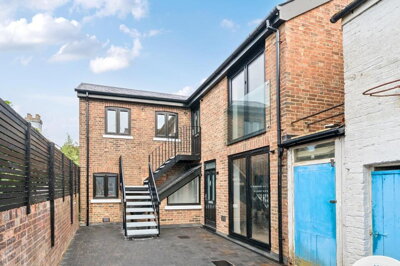
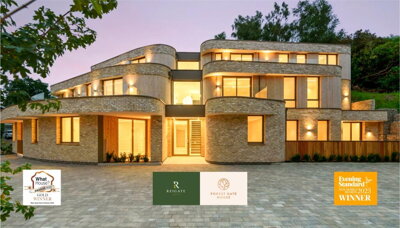
Browse 2 homes new builds in Speldhurst, Tunbridge Wells from local developer agents.
Studio apartments feature open-plan living spaces without separate bedrooms, incorporating sleeping, living, kitchen, and bathroom facilities. The Speldhurst studio market includes properties in modern apartment complexes, modern purpose-built developments and new residential complexes.
£0k
0
0
0
Source: home.co.uk
Showing 0 results for Studio Flats new builds in Speldhurst, Tunbridge Wells.
The Pembridge property market reflects the character of the village itself: traditional, stable, and deeply rooted in the local landscape. Our current listings showcase the full spectrum of housing available, from intimate terraced cottages priced around £200,000 to impressive detached family homes reaching £410,000. Semi-detached properties, typically comprising the village's post-war housing stock, command around £265,000, offering excellent value for buyers seeking a practical family home in a village setting.
Over the past twelve months, house prices in Pembridge have shown steady growth of 1.6%, indicating a healthy market that continues to attract buyers seeking rural Herefordshire without the premium prices found in more commuter-accessible locations. The village has witnessed approximately 20 property sales in the past year, a respectable figure for a community of around 450 households. Notably, Pembridge lacks significant new-build development within its boundaries, meaning buyers in search of modern specifications may need to look to nearby towns or accept that character-rich period properties form the backbone of the local market.
The housing stock in Pembridge spans several eras of construction, from the iconic black and white timber-framed buildings that define the village centre to inter-war semis and post-war properties on the outskirts. Properties built before 1919 make up a substantial portion of the village, particularly along The Square, Bridge Street, and Station Road, where historic cottages and farmhouses showcase traditional construction methods. The relative scarcity of modern development means that period properties command steady interest from buyers who appreciate authentic character over contemporary conveniences.

Pembridge offers an authentic slice of Herefordshire village life, centred around its distinctive 14th-century Market Hall that stands as one of only 40 surviving medieval market halls in England. The village serves a population of approximately 1,020 residents across 450 households, creating an intimate community where neighbours know one another and local events draw regular attendance. The village centre, designated a Conservation Area, preserves an extraordinary collection of black and white timber-framed buildings that date back centuries, lending Pembridge an unmistakable sense of history at every turn.
The local economy centres on agriculture, tourism, and small independent businesses that give the village its practical backbone. A traditional butchers, a village shop, a pharmacy, and several welcoming pubs provide everyday necessities without requiring a journey to larger towns. The Red Lion and the Checker Inn both offer locally sourced food and regular community events, while the village hall hosts everything from quiz nights to craft fairs throughout the year. Local producers sell their wares at the monthly farmers market held beneath the historic Market Hall.
The surrounding Arrow Valley offers exceptional walking and cycling opportunities, with public footpaths crisscrossing farmland towards nearby villages like Eardisland and Weobley. The Herefordshire Trail passes through the village, while the Arrow Valley Greenway connects Pembridge to the wider footpath network. Many residents commute to employment in Leominster, Hereford, or Ludlow, all accessible within 30 minutes by car, while others work from home enjoying the peaceful setting that Pembridge provides in abundance.
Families considering a move to Pembridge will find education facilities serving the village from early years through secondary level. Pembridge itself is home to a well-regarded primary school that serves the local catchment area, providing education for children typically between ages 5 and 11. The village benefits from its position within Herefordshire's education framework, which operates a mixture of community schools and academy converters. Parents should research current Ofsted ratings and consider how catchment areas may influence secondary school placement, as spaces at popular schools in nearby market towns can fill quickly.
Secondary education options for Pembridge families include the several secondary schools available in Leominster, accessible via school bus services that operate along the A44 corridor. Students from Pembridge typically travel to Earl Mortimer College or Minster College in Leominster, both of which serve the wider rural catchment including surrounding villages. For families with older children pursuing sixth form education, Hereford offers a broader range of A-level provision alongside the Hereford Sixth Form College and the City of Hereford Academy sixth form.
The rural location does mean that school transport arrangements require careful planning, and prospective buyers should confirm current bus routes and journey times before committing to a purchase. Herefordshire Council operates school transport for children living beyond the statutory walking distance, but these services may involve changes or waiting times. Those seeking private education will find preparatory and independent schools within reasonable driving distance in Hereford, including the Hereford Cathedral School and Aylestone School, with St Mary's RC Primary School serving Catholic families in the wider area.
Pembridge sits comfortably positioned for regional travel, with the A44 trunk road passing through the village and connecting directly to Leominster, approximately 7 miles to the north, and Worcester to the north-east. This primary route provides access to the wider motorway network, with the M5 accessible via Worcester in roughly 45 minutes. For rail travel, Leominster station offers regular services to Hereford, Shrewsbury, and Manchester, while the journey to London Paddington via Worcester or Hereford typically takes around 3 hours, positioning Pembridge as viable for occasional commuting despite its rural setting.
Local bus services operated by Herefordshire Council provide essential connections between Pembridge and neighbouring villages and market towns, though frequencies reflect the rural nature of the area and typically require planning around specific departure times. The 492 service connects Pembridge with Leominster and Hereford, while the 417 provides links to Ludlow via the A4117. Village residents without cars often cycle to nearby towns, as the terrain of the Arrow Valley, while undulating, remains manageable for regular commuting on country lanes.
Cycling infrastructure consists mainly of country lanes and designated public bridleways, with the flat terrain of the Arrow Valley lending itself to recreational and utility cycling for those confident on rural roads. The B4361 and minor roads heading south connect riders to the Herefordshire borderlands, while northern routes towards Wigmore and the A4113 open up further exploration of north Herefordshire. Parking within the village centre remains relatively unconstrained compared to larger towns, a practical advantage for residents who drive regularly or prefer to keep a vehicle at home.
The majority of properties in Pembridge were built before modern construction standards, and understanding the typical defects found in the local housing stock helps buyers budget for necessary maintenance and repairs. Damp represents the most frequently encountered issue, particularly rising damp in solid-walled properties where physical damp-proof courses were not fitted during original construction. Properties along Bridge Street and The Square, with their centuries-old timber-framed construction, often exhibit signs of penetrating damp where traditional wattle and daub infill panels have deteriorated over time.
Timber defects require particular attention given the prevalence of black and white timber-framed buildings throughout the village centre. Wet rot and dry rot can develop where moisture penetrates structural timbers, often through damaged render, failed leadwork around chimneys, or inadequate ventilation beneath suspended floors. Our inspectors frequently identify woodworm activity in floorboards, roof rafters, and structural beams, particularly in properties that have remained unoccupied for periods. The local sandstone and limestone used in older construction can also suffer from weathering and erosion, with mortar joints requiring regular maintenance to prevent water ingress.
Roof defects commonly surface during surveys of Pembridge's older properties, where original slate and clay tile coverings have exceeded their expected lifespan. Missing or slipped tiles, sagging roof timbers, and deteriorated lead flashings around valleys and chimneys represent routine findings in properties built before 1950. The clay soils underlying much of the village present additional considerations, with moderate to high shrink-swell risk particularly affecting properties with large trees or those constructed on superficial boulder clay deposits.
Understanding the predominant construction methods in Pembridge helps buyers appreciate the properties they may encounter during their property search. The black and white timber-framed buildings that define the village centre represent the most distinctive local construction type, featuring oak frames with cruck beams, mortise and tenon joints, and infill panels of wattle and daub or brick nogging. These properties, many dating to the 15th and 16th centuries, require specialist understanding during survey and maintenance, as modern building techniques cannot be applied without risk of damaging historic fabric.
Local sandstone and limestone appear in older farmhouses and cottages, particularly those on the village outskirts, while red brick construction became prevalent during the Victorian and Edwardian periods. Properties built between 1919 and 1945 often feature cavity walls constructed using brick outer leaves with inner leaves of brick or concrete block, representing a transition from solid wall to modern construction. Post-war properties in Pembridge typically incorporate concrete foundations and tiled pitched roofs, with some including render finishes that require inspection for cracking and moisture penetration.
The underlying geology of Pembridge consists of Silurian age mudstones, siltstones, and sandstones, with superficial deposits of glacial till and river terrace gravels. Properties near the River Arrow may sit on alluvial deposits that require particular consideration during foundation design and structural assessment. The combination of local geology and historic construction creates a diverse housing stock that benefits from professional survey inspection before purchase.
Spend time exploring Pembridge at different times of day and week before committing to a purchase. Visit local amenities including the village shop, butchers, and pubs to gauge the community atmosphere. Speak with residents in the Market Square or along The Square to understand what drew them to the village and any practical considerations they have encountered. Walking the public footpaths towards Eardisland or Weobley will reveal the surrounding countryside that forms part of daily life in this rural community.
Contact a mortgage broker or lender to obtain an agreement in principle before viewing properties in Pembridge. Having your finances confirmed strengthens your position when making offers in what can be a competitive local market where well-presented period properties attract multiple enquiries. Brokers familiar with rural properties can advise on lending criteria for timber-framed buildings and Listed properties, which sometimes require additional documentation from valuers.
Use Homemove to browse current listings in Pembridge and arrange viewings through the listed estate agents. Take time to assess the condition of period properties during viewings, noting construction type, wall finishes, and roof condition from ground level. Many properties will have been sensitively modernised while retaining original features, and understanding which alterations have been made helps prioritise survey requirements.
Given the high proportion of older properties in Pembridge, a Level 2 Survey provides essential inspection of the property's condition, identifying defects common to timber-framed buildings, solid wall construction, and historic roofing materials. Our inspectors have experience with local construction methods and can advise on typical issues found in properties along Bridge Street and The Square. Survey costs typically range from £400 to £800 depending on property size and complexity.
Choose a solicitor with experience in rural Herefordshire properties to handle legal work, searches, and the conveyancing process. Properties in Conservation Areas or those with Listed Building status require additional searches regarding permitted development rights and any planning conditions attached to the title. Herefordshire Council searches will reveal any historic enforcement notices, conservation area consents, and highway proposals that affect the property.
Once searches are satisfactory and financing is confirmed, your solicitor will exchange contracts and set a completion date. On completion day, you will receive the keys and officially become a Pembridge resident. Allow time to arrange buildings insurance before completion, as mortgage lenders require evidence of cover, and older properties may attract higher premiums due to their construction type.
Purchasing a property in Pembridge requires particular attention to construction type and potential maintenance issues that differ significantly from modern urban housing. The prevalence of black and white timber-framed properties means buyers should investigate the condition of structural timbers, checking for signs of rot, woodworm, or previous remedial work. Many properties in the village have solid walls rather than cavity construction, which affects insulation performance and can influence heating costs and condensation patterns. A thorough survey from a surveyor experienced with period properties will prove money well spent.
The village centre's Conservation Area designation imposes restrictions on external alterations, so prospective buyers should understand what changes they can and cannot make without obtaining planning permission from Herefordshire Council. Listed Buildings carry additional obligations for preservation under the Planning Listed Buildings and Conservation Areas Act, and mortgage lenders may have specific requirements for properties with Grade II or Grade II* status. Properties on The Square, Bridge Street, and near St Mary's Church should be researched carefully for their listed status before making offers.
Flood risk should be assessed for properties adjacent to the River Arrow or its tributaries, with appropriate insurance considerations factored into running costs. The Environment Agency flood maps indicate areas of fluvial flood risk along the river corridor, and properties in these zones may face higher insurance premiums or availability issues. Properties with large gardens or those situated near mature trees may face subsidence risks on the local clay soils during periods of drought, requiring foundation surveys in some cases.

The average house price in Pembridge currently stands at £340,544, based on recent transaction data. Detached properties average around £410,000, semi-detached homes approximately £265,000, and terraced cottages near £200,000. The local market has shown steady growth of 1.6% over the past twelve months, with approximately 20 properties sold in the village during that period. Flats remain uncommon in Pembridge, with most available stock comprising houses of varying sizes and periods.
Properties in Pembridge fall under Herefordshire Council's jurisdiction and are assigned council tax bands A through H, depending on property type and value. Rural villages like Pembridge typically have a mix of bands, with period cottages and smaller properties often in bands A-C, while larger detached homes may occupy higher bands. You can check specific bands via Herefordshire Council's online valuation service at their website, where you can search by property address or postcode HR6 9XX.
Pembridge has a well-regarded primary school serving the local catchment area, with good Ofsted ratings for pupil progress and attainment. For secondary education, families typically access schools in Leominster, including Earl Mortimer College and Minster College, which serve the wider rural catchment including Pembridge and surrounding villages. Parents should verify current Ofsted ratings via the Ofsted website and understand how catchment boundaries may affect placement for their address, as these can change and may influence which school your child receives.
Public transport options in Pembridge reflect its rural village status, with bus services providing connections to Leominster, Hereford, and surrounding villages along the A44 corridor. Leominster railway station offers mainline services to Hereford, Shrewsbury, and Birmingham, with onward connections to London via Worcester. The A44 provides direct road access to surrounding market towns, with Worcester approximately 35 miles away and Hereford around 20 miles, making Leominster the primary hub for transport connections.
Pembridge offers stable property values in a desirable rural location, making it attractive for both homeowners and investors seeking long-term rather than speculative returns. The village's Conservation Area status and concentration of historic Listed properties help preserve character and values, while the relative scarcity of new-build development maintains demand for period stock. Rental demand exists from those seeking the rural lifestyle without purchasing, with period properties in good condition commanding steady tenant interest in the HR6 postcode area.
Standard SDLT rates apply to purchases in Pembridge: 0% on the first £250,000, 5% on £250,001 to £925,000, 10% on £925,001 to £1.5 million, and 12% above £1.5 million. First-time buyers receive relief on the first £425,000 at 0%, with 5% on £425,001 to £625,000. For the average Pembridge property at £340,544, a standard buyer would pay no stamp duty on the first £250,000 and 5% on the remaining £90,544, totalling £4,527.
Pembridge village centre is designated a Conservation Area, which means any external alterations, extensions, or significant changes to buildings require planning permission from Herefordshire Council even where permitted development rights might normally apply. Properties with Listed Building status require Listed Building Consent for any works that would affect their special architectural or historic interest. Buyers should request copies of any planning consents or Listed Building Consents from the vendor and check whether any conditions or obligations run with the property.
Buying a home in Pembridge involves several costs beyond the purchase price, with stamp duty land tax representing the most significant upfront expense for most buyers. For a typical property at the village average of £340,544, a buyer not claiming first-time buyer relief would pay £4,527 in stamp duty. First-time buyers purchasing properties up to £425,000 would pay no stamp duty, while those buying between £425,000 and £625,000 would pay 5% on the amount above £425,000. Properties above £625,000 do not qualify for first-time buyer relief.
Additional costs include solicitor fees for conveyancing, typically ranging from £500 to £1,500 depending on complexity and whether the property is listed or in the Conservation Area. Rural properties in Pembridge often require additional searches including commons registration, mining records, and environmental data specific to Herefordshire. Survey costs for a RICS Level 2 Survey on a typical Pembridge property range from £400 to £800, with larger detached properties or older timber-framed buildings at the higher end of this range.
Search fees through Herefordshire Council cover local authority searches, drainage and water checks, and environmental data specific to the Arrow Valley, typically totalling £250-£400. Land Registry fees, mortgage arrangement fees, and buildings insurance should also be budgeted for when calculating the total cost of purchasing your Pembridge home. Removal costs vary considerably depending on distance and volume, though the relatively compact nature of the village centre means that larger removal vehicles may require careful routing through narrow lanes.
From £400
A detailed inspection of the property's condition, ideal for Pembridge's period housing stock
From £600
A comprehensive structural survey recommended for Listed Buildings and historic properties
From £80
Energy Performance Certificate required for all property sales
From £499
Expert solicitors familiar with Herefordshire rural properties and Conservation Areas
Properties New Builds In London

Properties New Builds In Plymouth

Properties New Builds In Liverpool

Properties New Builds In Glasgow

Properties New Builds In Sheffield

Properties New Builds In Edinburgh

Properties New Builds In Coventry

Properties New Builds In Bradford

Properties New Builds In Manchester

Properties New Builds In Birmingham

Properties New Builds In Bristol

Properties New Builds In Oxford

Properties New Builds In Leicester

Properties New Builds In Newcastle

Properties New Builds In Leeds

Properties New Builds In Southampton

Properties New Builds In Cardiff

Properties New Builds In Nottingham

Properties New Builds In Norwich

Properties New Builds In Brighton

Properties New Builds In Derby

Properties New Builds In Portsmouth

Properties New Builds In Northampton

Properties New Builds In Milton Keynes

Properties New Builds In Bournemouth

Properties New Builds In Bolton

Properties New Builds In Swansea

Properties New Builds In Swindon

Properties New Builds In Peterborough

Properties New Builds In Wolverhampton

Enter your details to see if this property is within your budget.
Loans, cards, car finance
Estimated property budget
Borrowing + deposit
You could borrow between
Typical borrowing
Monthly repayment
Est. at 4.5%
Loan-to-value
This is an estimate only. Your actual budget may vary depending on interest rates, credit history, and personal circumstances. For an accurate affordability assessment, speak to one of our free mortgage advisors.
This calculator provides estimates for illustrative purposes only and does not constitute financial advice. Your home may be repossessed if you do not keep up repayments on your mortgage. Estimates based on 4.5% interest rate, repayment mortgage. Actual rates depend on your circumstances.
Homemove is a trading name of HM Haus Group Ltd (Company No. 13873779, registered in England & Wales). Homemove Mortgages Ltd (Company No. 15947693) is an Appointed Representative of TMG Direct Limited, trading as TMG Mortgage Network, which is authorised and regulated by the Financial Conduct Authority (FRN 786245). Homemove Mortgages Ltd is entered on the FCA Register as an Appointed Representative (FRN 1022429). You can check registrations at NewRegister or by calling 0800 111 6768.

We use cookies to show you personalised content and improve your experience of our website. Find out more in our Privacy policy and Cookie policy.