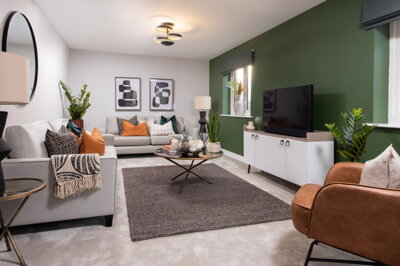
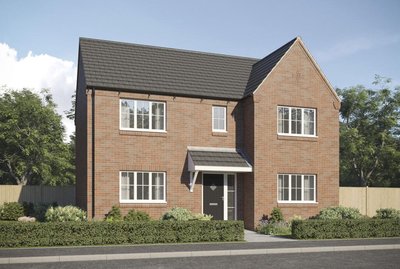
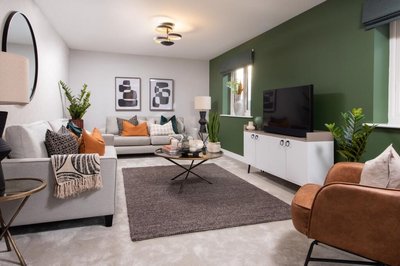
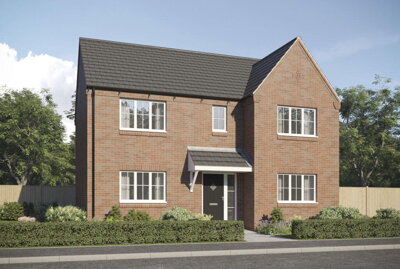
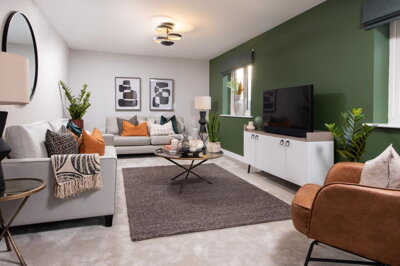
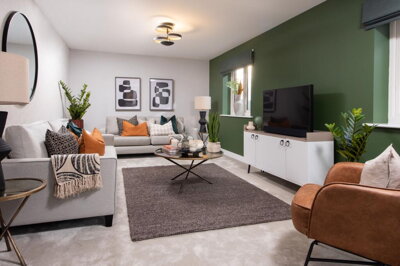
Browse 6 homes new builds in South Rauceby from local developer agents.
The larger property sector typically features multiple bathrooms, substantial reception space, and private gardens or off-street parking. Four bedroom houses in South Rauceby span detached, semi-detached, and occasionally terraced configurations, with styles ranging from period properties to modern executive homes.
The South Rauceby property market reflects the character of the village itself: traditional, sought-after, and relatively tightly supplied. Our current listings feature properties priced to suit various budgets, with semi-detached homes typically commanding around £275,000 and larger detached properties reaching approximately £350,000. The village has recorded just 2 property sales in the past twelve months, indicating a market where properties in good condition tend to attract strong interest quickly. This limited supply means that buyers who find a suitable property may need to act decisively, making mortgage agreement in principle an essential first step before arranging viewings.
New build activity within the South Rauceby postcode area remains limited, with most available stock consisting of older, characterful properties that date from various periods including the pre-1919 era. The village housing stock is predominantly characterised by detached and semi-detached houses, with fewer terraced properties or apartments available. Many homes feature traditional construction using local limestone, red brick, and render, with roofs typically finished in slate or clay tiles. Understanding these common construction methods helps buyers appreciate the quality and craftsmanship that defines properties in this historic Lincolnshire village.
The local market benefits from demand generated by several factors, including proximity to RAF Cranwell where service personnel and their families frequently seek homes in surrounding villages. Agricultural businesses in the wider area also contribute to employment and housing demand, while the relative affordability compared to larger regional centres makes South Rauceby attractive to buyers who might otherwise be priced out of markets like Lincoln or Nottingham. This combination of limited supply and consistent demand creates conditions where well-presented properties can command strong prices and sell relatively quickly despite the overall quiet nature of the market.

Properties in South Rauceby reflect the geological character of the surrounding Lincolnshire landscape, with construction methods shaped by locally available materials and centuries of building tradition. The Jurassic bedrock underlying the area includes limestone, mudstone, and sandstone, materials that have been quarried and used in local construction for generations. Local limestone features prominently in many older properties, particularly farmhouses and cottages that line the village's historic lanes. This honey-coloured stone gives the village much of its distinctive character and warm appearance, particularly notable on older buildings throughout the Conservation Area.
Red brick construction became more common from the Georgian period onwards, with Victorian and Edwardian properties often featuring hand-made bricks with characteristic warmth and variation in colour. Many properties combine brick with render finishes, particularly on cottage-style homes where white or cream render provides a contrast to dark timber beams and slate roofs. The combination of these traditional materials creates the timeless aesthetic that defines South Rauceby's built environment. Roof construction typically features traditional timber cut roofs with slate or clay tiles, though some older agricultural buildings and farmhouses may feature thatched roofs that require specialist maintenance.
The superficial deposits across the area include till, commonly known as boulder clay, which has influenced both historic and more recent construction practices. Properties built before the mid-20th century typically feature solid wall construction without cavity insulation, meaning walls are often 200-300mm thick brick or stone. This solid wall construction provides excellent thermal mass but requires different considerations for insulation and damp management compared to modern cavity wall properties. Understanding these traditional construction methods helps buyers appreciate the character of South Rauceby homes while recognising the maintenance requirements and potential upgrade considerations that come with older properties.
Given the significant proportion of older properties in South Rauceby, prospective buyers should familiarise themselves with defects commonly found in traditional Lincolnshire homes. Damp represents one of the most frequent issues, manifesting as rising damp where original damp-proof courses have failed or been bridged, penetrating damp where weathering has damaged external fabric, and condensation resulting from modern lifestyle activities in properties designed for different ventilation patterns. Properties with solid walls are particularly susceptible to moisture penetration and require careful management of internal humidity levels and adequate ventilation to prevent mould growth and timber decay.
The local geology creates specific structural considerations for property buyers. The shrink-swell behaviour of boulder clay soils means that properties with mature trees, particularly those with canopies extending close to buildings, may experience foundation movement during periods of drought or heavy rainfall. Buyers should look for signs of cracking to external walls, particularly diagonal cracks extending from corners of windows and doors, sticking or warped door and window frames, and floors that feel uneven underfoot. Properties built before modern building regulations introduced requirements for deeper foundations in clay soil areas may be more susceptible to these movements, making a thorough survey essential before committing to a purchase.
Roof conditions require careful inspection on any property in South Rauceby, as traditional slate and clay tile roofs on older properties often show signs of wear after 50-100 years of service. Look for slipped or missing tiles, sagging rooflines indicating structural movement, and deterioration of lead flashings around chimneys and valleys. Timber defects including woodworm infestation and wet or dry rot can affect roof timbers, floor joists, and window frames, particularly in properties where maintenance has been neglected or ventilation inadequate. Electrical systems in properties predating the 1980s often require upgrading to meet current safety standards, and original wiring may not be capable of supporting modern electrical demands without modification.
Life in South Rauceby offers a quintessential English village experience, where community spirit thrives and the pace of life remains refreshingly unhurried. The village is designated as a Conservation Area, a status that protects its historic character and ensures that new developments complement rather than detract from the existing architecture. St Peter's Church stands as a focal point of the community, while various listed farmhouses and cottages scattered throughout the village contribute to its timeless appeal. Residents enjoy access to surrounding countryside, perfect for dog walking, cycling, and enjoying the natural beauty of the Lincolnshire Wolds nearby.
The population of 418 spread across 169 households creates an intimate community where neighbours are likely to know one another and local events foster connection. Key employers in the wider area include agricultural businesses, local services in nearby Sleaford, and the significant presence of RAF Cranwell and other military establishments that bring additional economic activity and housing demand to the region. The nearby market town of Sleaford provides essential amenities including supermarkets, independent shops, healthcare facilities, and leisure centres, all within a short drive of the village. This combination of rural tranquility and practical accessibility makes South Rauceby particularly appealing to families and those seeking a better quality of life away from larger urban centres.
The Lincolnshire Wolds, an Area of Outstanding Natural Beauty, lies within easy reach of South Rauceby, offering stunning rolling countryside, designated walks, and cycling routes that attract visitors from across the region. The market town of Sleaford hosts regular markets where local producers sell fresh produce and artisan goods, while historical attractions including Sleaford Castle ruins and the National Centre for Craft and Design provide cultural interest. Village life in South Rauceby centres around the pub, local church, and community events including fetes and seasonal celebrations that bring residents together throughout the year. The sense of belonging and community connection that develops in villages like South Rauceby proves difficult to replicate in larger towns and cities.

Families considering a move to South Rauceby will find a range of educational options within reasonable distance, serving children of all ages from primary through to further education. Primary school provision in the surrounding villages includes establishments that cater to Reception through Year 6, with several rated Good or Outstanding by Ofsted. Parents should research specific catchment areas and admission policies, as school places can be competitive in popular rural locations. The village's small population means that some families may choose to travel to nearby towns for primary education, particularly if seeking faith-based or alternative educational approaches.
Secondary education in the area is served by schools in Sleaford and the surrounding towns, with several institutions offering a wide curriculum and strong academic outcomes. For families with older children, sixth form provision and further education colleges are available in Sleaford and Grantham, providing clear pathways to higher education or vocational training. RAF Cranwell, located nearby, also contributes to educational provision in the wider area. When buying property in South Rauceby, checking current school performance data, admission catchment boundaries, and transport arrangements is essential, as these factors significantly influence both family life and the long-term value of your investment.
School transport arrangements deserve particular attention for rural buyers, as South Rauceby residents may need to arrange transport to schools in surrounding villages or make provision for school bus services where available. The cost and logistics of school transport should factor into your overall budget calculations when considering properties in the village. Private education options in the area include selective grammar schools in Grantham and Lincoln, accessible by car for families willing to consider these pathways for their children's education.
South Rauceby benefits from a strategic position within Lincolnshire that connects residents to major road networks while maintaining its rural character. The village is accessible via the A15 and A17 roads, providing routes to Lincoln, Sleaford, and the wider county. For commuters working in larger cities, the road connections facilitate travel to Nottingham, Peterborough, and Grantham, where mainline railway stations offer intercity services. The nearby town of Sleaford provides local bus services connecting villages to larger population centres, though private transport remains advantageous for residents of smaller communities like South Rauceby.
Rail connections from nearby stations include services from Sleaford, Heckington, and Ruskington stations, offering regional travel across Lincolnshire and connections to the national rail network. Grantham station provides faster services to London King's Cross, with journey times of approximately 75-90 minutes making day commuting feasible for some workers. For air travel, East Midlands Airport and Robin Hood Airport Doncaster Sheffield provide accessible options for both business and leisure travel. The presence of RAF Cranwell nearby also means that residents with connections to the military or aviation industries may find particularly convenient access to their workplace. Parking in the village is generally straightforward, reflecting the low-density nature of the community.
Commuters should note that road conditions on minor rural lanes can be affected by agricultural traffic, particularly during harvest seasons and adverse weather. The journey to Lincoln takes approximately 30-40 minutes by car, while Sleaford is reachable in around 15 minutes. These travel times compare favourably with many other rural locations in Lincolnshire, making South Rauceby a practical base for workers who need to access larger employment centres while enjoying the benefits of village living.
Before viewing properties in South Rauceby, secure a mortgage agreement in principle from a lender. This demonstrates financial readiness to sellers and estate agents, giving you a competitive edge in a market where properties sell quickly. With average prices around £337,500, understanding borrowing capacity helps narrow property searches effectively and prevents disappointment when falling in love with homes beyond your budget.
Spend time exploring South Rauceby at different times of day and week to understand the community atmosphere. Visit local amenities in nearby Sleaford, check commute times to your workplace, and research school catchments if you have children. Understanding the Conservation Area restrictions and listed building implications helps set realistic expectations for any property you consider.
Once suitable properties have been identified from our listings, arrange viewings through the estate agents listed. Take notes on property condition, noting the prevalence of older construction methods including solid walls and traditional materials. For listed properties or those within the Conservation Area, consider how any planned renovations might require consent.
Given that many properties in South Rauceby are over 50 years old, a RICS Level 2 Survey is strongly recommended before proceeding. Surveyors will check for common issues in the local area including damp, roof condition, timber defects, and potential subsidence related to the shrink-swell clay soils common in Lincolnshire. For listed buildings, a more detailed RICS Level 3 Survey may be appropriate.
Choose a solicitor experienced in rural property transactions to handle legal work. They will conduct searches on the property including local authority checks, drainage searches, and any specific concerns related to Conservation Areas or agricultural land. Budget around £500-1000 for legal fees plus additional disbursements.
Once all searches are satisfactory and the mortgage offer is confirmed, the solicitor will arrange exchange of contracts with the seller's representatives. A deposit of typically 10% is paid at this stage, with completion following shortly after. Register ownership with the Land Registry and update utility providers after completion.
Purchasing a property in South Rauceby requires awareness of several local factors that can significantly impact ownership experience and investment. The presence of shrink-swell clay soils in the area means that buyers should pay particular attention to foundation conditions, especially for older properties with mature trees nearby. Look for signs of cracking, sticking doors or windows, and ask the seller about any history of subsidence or foundation repairs. A thorough RICS Level 2 Survey will identify structural concerns that might not be apparent during a standard viewing.
Surface water flooding represents a notable risk in certain areas of South Rauceby, particularly along roads and in low-lying parts of the village. Review the property's flood risk assessment and check whether the previous owner has ever made an insurance claim for flood damage. Properties within the Conservation Area may face restrictions on alterations, extensions, or even significant exterior changes, so understanding these constraints before purchase prevents costly surprises. Similarly, listed buildings require Listed Building Consent for many modifications, which can limit renovation options and increase maintenance costs. Always verify the tenure of any property, whether freehold or leasehold, and understand any associated service charges or ground rent that may apply.
The construction materials used in South Rauceby properties deserve attention during viewings and surveys. Local limestone and red brick are porous materials that require adequate maintenance of pointing and weatherproofing to prevent water penetration. Check the condition of mortar joints, particularly on properties with older solid walls where repointing may be due. Roof conditions on slate and clay tile roofs should be assessed by a professional, as replacement costs for traditional materials can be significant. Electrical systems, heating systems, and insulation levels in older properties may fall below modern standards, and budgeting for upgrades forms an important part of any purchase decision.
The average house price in South Rauceby is currently £337,500 according to recent market data. Detached properties typically command around £350,000, while semi-detached homes average approximately £275,000. Property values in the village have increased by 1.5% over the past twelve months, indicating a stable and slowly growing market. With only 2 property sales recorded in the past year, the market is relatively quiet but competitive for available stock, particularly for well-presented family homes in good condition.
Properties in South Rauceby fall under North Kesteven District Council for council tax purposes. Specific bandings depend on the property's valuation, but rural Lincolnshire properties typically range from Band B through to Band F, with larger detached homes often falling in the higher bands. You can verify the exact council tax band for any specific property through the Valuation Office Agency website or by requesting this information from the seller or their estate agent before proceeding with a purchase.
South Rauceby is served by primary schools in surrounding villages and the nearby town of Sleaford, with several achieving Good or Outstanding Ofsted ratings. Parents should research specific catchment areas as admissions policies can affect placement decisions. Secondary schools in Sleaford provide education through to GCSE, with sixth form and further education options also available. Researching current school performance data, admission policies, and transport arrangements should form part of your property search if educational provision is a priority for your family.
Public transport options in South Rauceby are limited, reflecting its status as a small rural village. Bus services operate between the village and Sleaford, providing access to shops, services, and railway stations. The nearest railway stations are in Sleaford, Heckington, and Ruskington, offering regional connections. For commuting to major cities or regular travel, private transport is generally essential. Grantham station, approximately 20 miles away, provides faster services to London King's Cross, making it practical for some commuters to travel to the capital as a regular working pattern.
South Rauceby offers several factors that make it attractive for property investment. The village benefits from limited supply of homes for sale, steady price growth of 1.5% annually, and demand from buyers seeking rural lifestyles within reach of employment centres. Proximity to RAF Cranwell creates consistent demand from service personnel, while the Conservation Area status generally supports property values by maintaining the village's character. However, investors should note that transaction volumes are low, meaning properties may take longer to sell, and rental demand in such a small village may be limited compared to larger towns.
Stamp Duty Land Tax rates for 2024-25 are 0% on the first £250,000 of residential property, 5% on £250,001 to £925,000, 10% on £925,001 to £1.5 million, and 12% on amounts above £1.5 million. First-time buyers benefit from relief on the first £425,000, with 5% charged between £425,001 and £625,000. For a typical South Rauceby property at the average price of £337,500, a standard buyer would pay no stamp duty on the first £250,000 and 5% on the remaining £87,500, totalling £4,375. First-time buyers would pay nothing on the first £250,000 and 5% on the remaining £87,500 if the property is within the first-time buyer threshold.
The South Rauceby Conservation Area designation protects the village's historic character and imposes restrictions on modifications to properties within its boundaries. Any exterior alterations, extensions, or significant changes to listed or unlisted buildings within the Conservation Area may require planning permission or consent from North Kesteven District Council. These requirements extend to works on trees that contribute to the character of the area, meaning routine pruning may require prior approval. Understanding Conservation Area obligations before purchasing helps buyers appreciate both the benefits of living in a protected environment and the responsibilities that come with maintaining a historic property.
Properties in South Rauceby generally have a low to very low risk of flooding from rivers and the sea, reflecting the village's inland position away from major watercourses. However, surface water flooding represents a more notable concern, particularly in low-lying areas and along certain roads through the village where water can accumulate during heavy rainfall. Prospective buyers should review the Environment Agency flood risk maps for any specific property address and check whether flood resilience measures such as raised electrical sockets or non-return valves have been installed. Insurance costs may be affected by flood risk assessments, so obtaining quotes before completing a purchase is advisable.
From 4.5%
Compare mortgage rates and find the right deal for your South Rauceby purchase
From £499
Expert property solicitors to handle your legal work
From £400
Essential survey for older properties in South Rauceby
From £600
Detailed structural survey for listed properties
Understanding the full costs of purchasing property in South Rauceby helps you budget accurately and avoid financial surprises during the transaction process. Beyond the property price, buyers should budget for Stamp Duty Land Tax, which for a typical home at the average price of £337,500 would amount to £4,375 for a standard buyer. First-time buyers purchasing properties under £625,000 may qualify for relief, potentially reducing this cost to nil or a reduced amount. Checking eligibility for first-time buyer relief before completing a purchase can result in significant savings that can be redirected towards furnishing the new home.
Additional purchase costs include conveyancing fees typically ranging from £500 to £1,200 depending on complexity, with disbursements such as search fees, Land Registry fees, and bankruptcy checks adding several hundred pounds more. A RICS Level 2 Survey for a 3-bedroom property in Lincolnshire typically costs between £400 and £700, with older or larger properties commanding higher fees. If the property being purchased is listed or within the Conservation Area, additional costs for specialist surveys and legal work may be required. Factor in removal costs, potential renovation expenses, and the cost of redirecting utilities and services to your new address. Building these costs into the overall budget before starting property searching ensures a smoother transaction and prevents the stress of discovering unexpected expenses at critical stages of the purchase.
Properties New Builds In London

Properties New Builds In Plymouth

Properties New Builds In Liverpool

Properties New Builds In Glasgow

Properties New Builds In Sheffield

Properties New Builds In Edinburgh

Properties New Builds In Coventry

Properties New Builds In Bradford

Properties New Builds In Manchester

Properties New Builds In Birmingham

Properties New Builds In Bristol

Properties New Builds In Oxford

Properties New Builds In Leicester

Properties New Builds In Newcastle

Properties New Builds In Leeds

Properties New Builds In Southampton

Properties New Builds In Cardiff

Properties New Builds In Nottingham

Properties New Builds In Norwich

Properties New Builds In Brighton

Properties New Builds In Derby

Properties New Builds In Portsmouth

Properties New Builds In Northampton

Properties New Builds In Milton Keynes

Properties New Builds In Bournemouth

Properties New Builds In Bolton

Properties New Builds In Swansea

Properties New Builds In Swindon

Properties New Builds In Peterborough

Properties New Builds In Wolverhampton

Enter your details to see if this property is within your budget.
Loans, cards, car finance
Estimated property budget
Borrowing + deposit
You could borrow between
Typical borrowing
Monthly repayment
Est. at 4.5%
Loan-to-value
This is an estimate only. Your actual budget may vary depending on interest rates, credit history, and personal circumstances. For an accurate affordability assessment, speak to one of our free mortgage advisors.
This calculator provides estimates for illustrative purposes only and does not constitute financial advice. Your home may be repossessed if you do not keep up repayments on your mortgage. Estimates based on 4.5% interest rate, repayment mortgage. Actual rates depend on your circumstances.
Homemove is a trading name of HM Haus Group Ltd (Company No. 13873779, registered in England & Wales). Homemove Mortgages Ltd (Company No. 15947693) is an Appointed Representative of TMG Direct Limited, trading as TMG Mortgage Network, which is authorised and regulated by the Financial Conduct Authority (FRN 786245). Homemove Mortgages Ltd is entered on the FCA Register as an Appointed Representative (FRN 1022429). You can check registrations at NewRegister or by calling 0800 111 6768.

We use cookies to show you personalised content and improve your experience of our website. Find out more in our Privacy policy and Cookie policy.