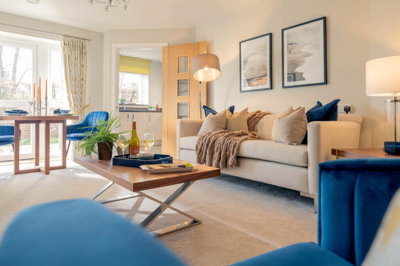
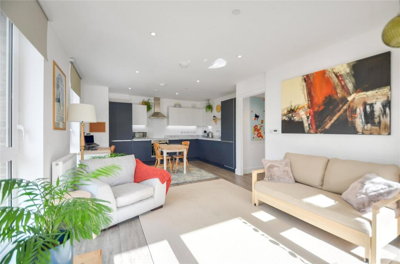
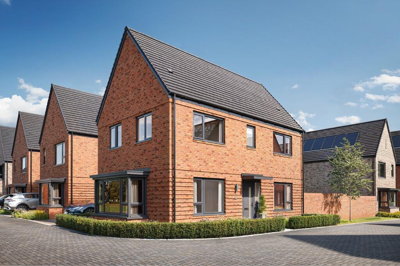
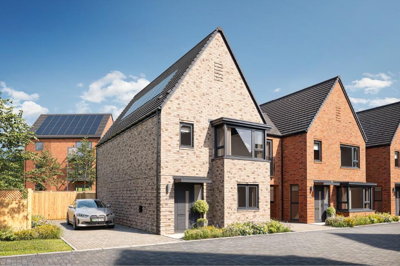
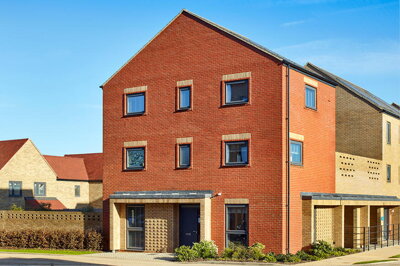
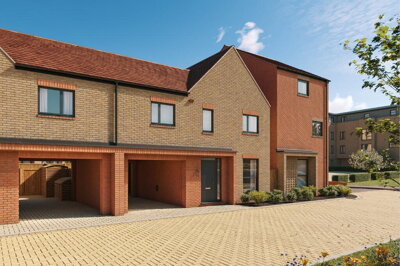
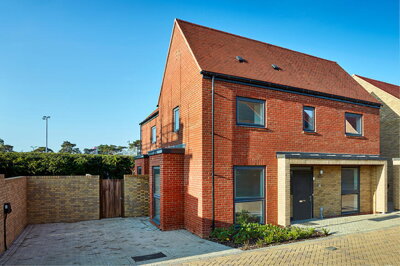
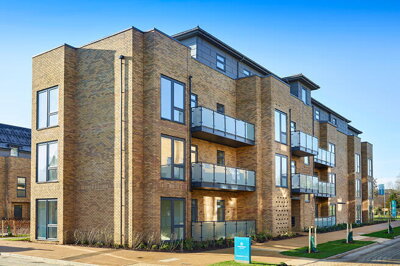
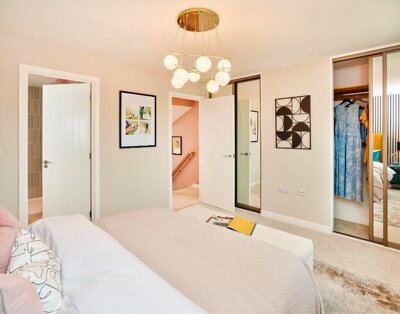
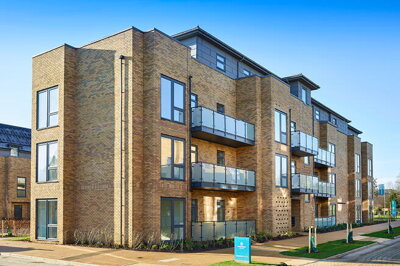
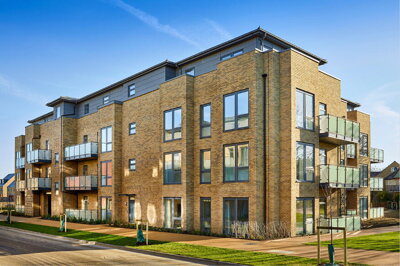
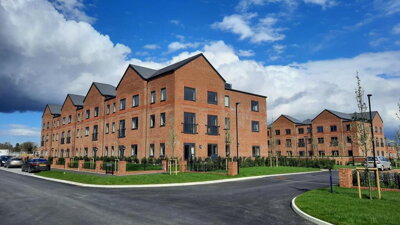
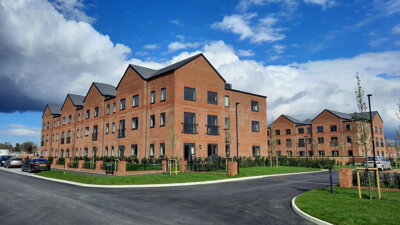
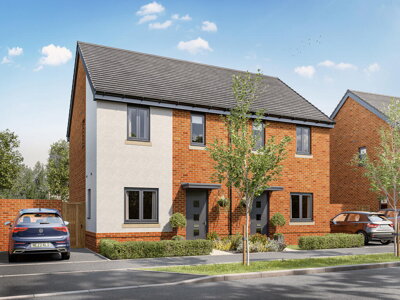
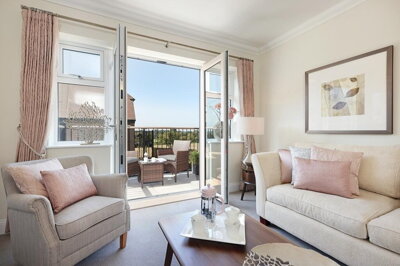
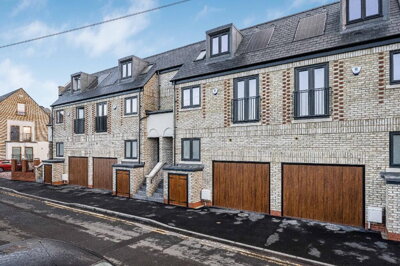
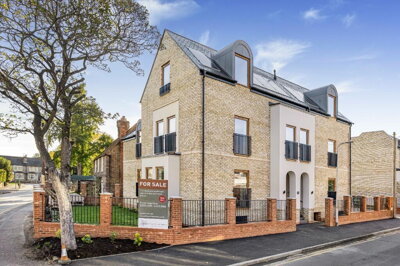
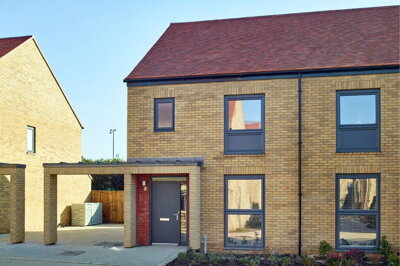
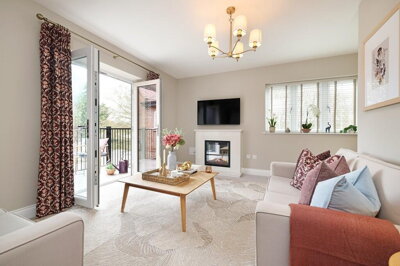
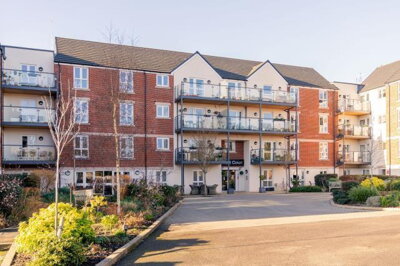
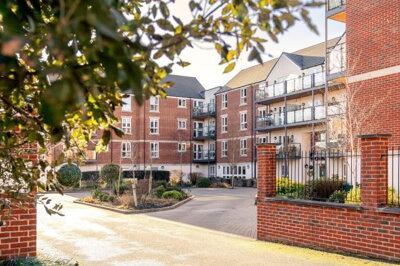
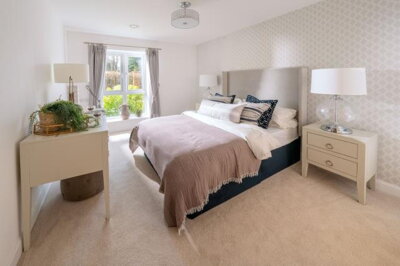
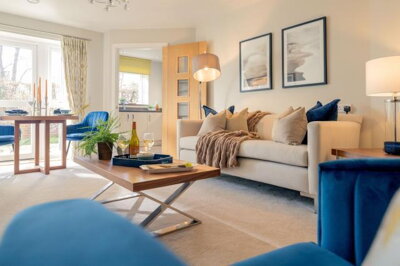
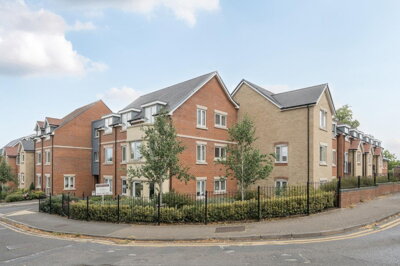
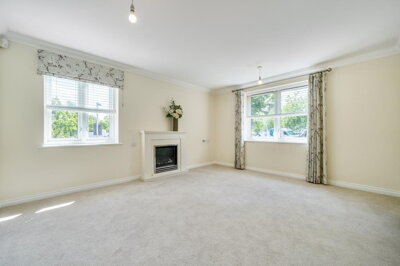
Browse 49 homes new builds in South Oxfordshire from local developer agents.
Studio apartments feature open-plan living spaces without separate bedrooms, incorporating sleeping, living, kitchen, and bathroom facilities. The South Oxfordshire studio market includes properties in modern apartment complexes, modern purpose-built developments and new residential complexes.
The South Oxfordshire property market offers exceptional variety for buyers at different price points. Detached properties command an average price of £754,000, providing generous space and gardens for families seeking room to grow. Semi-detached homes average £443,000, representing strong value for buyers looking for three or four bedrooms in popular villages and towns. Terraced properties at £363,000 remain popular with first-time buyers and commuters, while flats and maisonettes at £234,000 offer an accessible entry point to this sought-after district.
Market activity remains healthy with 1,606 property sales recorded in South Oxfordshire over the past twelve months. Rightmove data indicates an overall average of £547,458 for properties sold in the past year, with detached properties achieving £816,571 on average. OnTheMarket reports a slightly higher average of £615,000 for properties paid, reflecting the premium nature of larger family homes and period properties in desirable locations. The market has experienced a slight cooling, with overall prices decreasing by 1.7% year-on-year as of December 2025, creating opportunities for buyers who have been waiting for more favourable conditions.
The housing stock in South Oxfordshire reflects its mix of historic towns and modern developments. Census data for the wider Oxfordshire area shows approximately 29.7% detached properties, 30.7% semi-detached, 26.0% terraced, and 13.6% flats and maisonettes. This balanced mix means buyers have genuine choice between property types, from spacious family homes in villages like Benson, Watlington, and Dorchester-on-Thames to more compact options in town centre locations. New build developments, such as Crest Nicholson's Nobel Park in Didcot, continue to add to the housing stock, offering modern specifications and energy efficiency ratings that older properties may lack.
Semi-detached properties have remained particularly stable, showing minimal price movement and continuing to attract strong demand from families upsizing from terraced homes. The stability of this segment reflects the enduring appeal of properties offering three bedrooms, good gardens, and proximity to excellent schools in the district. For investors, the private rented sector shows consistent tenant demand with average rents of £1,365 per month, supported by local employment at the science parks and university staff.

South Oxfordshire encompasses a diverse collection of towns and villages, each with its own distinct character and community spirit. The riverside town of Henley-on-Thames draws visitors with its historic bridge, boutique shops, and the famous Royal Regatta each summer. The town maintains its Georgian and Victorian architecture along with listed buildings that contribute to its distinctive character. Wallingford, once the county town of Oxfordshire, retains its medieval market town atmosphere with traditional butcher shops, family-run restaurants, and regular farmers markets in the market square. Thame offers excellent everyday amenities including supermarkets, independent retailers, and a thriving weekly market, making it a practical choice for families prioritising convenience.
The landscape of South Oxfordshire reflects its location within the Thames Valley, with rolling Chiltern Hills in the east giving way to flatter river meadows along the Thames corridor. The local geology includes areas of Oxford Clay, which can present shrink-swell risks to property foundations, alongside regions of chalk and limestone where these concerns are less prevalent. Properties in clay areas may show signs of movement following drought periods or heavy rainfall, and prospective buyers should commission appropriate surveys to assess foundation conditions. The River Thames and its tributaries create both flood risk considerations for riverside properties and beautiful natural amenities including riverside walks, waterside pubs, and abundant wildlife habitats.
The district maintains strong agricultural traditions, with farm shops, vineyards, and rural pubs forming an integral part of local life. Didcot serves as the largest town, transformed in recent decades by new housing developments and the presence of Didcot Parkway railway station. The town offers comprehensive shopping facilities at Orchard Centre alongside access to the Science Vale technology corridor. Villages throughout the district, from Chalgrove to Goring and Streatley, provide village shops, primary schools, and community facilities that support a high quality of life away from larger urban centres.
Education provision in South Oxfordshire ranks among the best in the country, making the district particularly attractive to families with school-age children. The area maintains a strong network of primary schools, many of which are rated Good or Outstanding by Ofsted. Villages like Benson, Chalgrove, and Watlington each have their own primary schools serving their local communities, while larger towns offer multiple options including St Mary's Catholic Primary in Henley-on-Thames and Wheatley Primary School near Oxford. Many primary schools in the district benefit from small class sizes and strong relationships between teachers and parents, reflecting the close-knit nature of South Oxfordshire communities.
Secondary education in the district includes several well-established comprehensive schools, while grammar school provision draws from wider Oxfordshire through the county's selective education system. Students in South Oxfordshire have access to excellent sixth form provision, with schools in Didcot, Henley-on-Thames, and Abingdon offering a wide range of A-level subjects alongside vocational courses. The grammar schools in Oxfordshire, including Lady Margaret School in Oxford and Henry Box School in Witney, draw students from across the district through competitive entrance examinations. Parents should research current Ofsted reports and examination results when choosing areas, as school performance can vary year by year.
The proximity to Oxford means that families can access the renowned educational institutions of Oxford University and Oxford Brookes University, with adult learning and continuing education programmes available through local colleges and community centres. For students considering university, the accessibility of Oxford's colleges from South Oxfordshire provides valuable preparation and exposure to world-class academic environments. Families moving to the area for employment at Harwell Campus or the university will find the educational provision a significant advantage when selecting their new home location.

South Oxfordshire enjoys excellent connectivity despite its rural character, with multiple transport options serving commuters and residents alike. The Didcot Parkway railway station provides direct services to Oxford in approximately 15 minutes, Reading in around 30 minutes, and London Paddington in under an hour. The station has undergone significant improvements in recent years to accommodate growing passenger numbers from the expanding town. Smaller stations at Cholsey and Goring and Streatley serve local communities, while Henley-on-Thames is connected to Twyford for mainline services that reach London Paddington via Reading.
For commuters working in Oxford, regular bus services connect South Oxfordshire towns and villages to the city centre and university campuses. The X39 and 40 buses provide regular connections between Didcot and Oxford, while services to Reading operate from towns including Henley-on-Thames and Wallingford. The A417 provides an important east-west route through the district, connecting with the A40 that links Oxford to London via the Chilterns. Cyclists benefit from National Cycle Route 5 that passes through parts of South Oxfordshire, while the Thames Path National Trail follows the river through Henley and downstream villages.
The M4 motorway runs north of the district providing access to Swindon and Bristol to the west and Reading and London to the east, while the M40 passes nearby offering routes to Birmingham and London. The A34 trunk road connects the district to Oxford and the wider motorway network, with junctions at Milton, Abingdon, and Oxford serving different parts of South Oxfordshire. Many residents appreciate the balance that South Oxfordshire offers: peaceful countryside living with London accessible as a day trip when needed, and Oxford available as a daily commute for professionals working in the city or at the science parks.
Before you start property viewings, obtain a mortgage agreement in principle from a lender. This demonstrates your buying capacity to estate agents and sellers, and helps you understand your realistic budget. South Oxfordshire properties at various price points require different mortgage considerations, so speak to a broker about options including Help to Buy schemes and shared ownership if applicable. Given the average property price of £462,000, most buyers will need a substantial deposit and mortgage amount that should be discussed with a financial adviser.
Spend time exploring different towns and villages across South Oxfordshire to find the community that best suits your lifestyle. Consider your daily commute, proximity to schools, local amenities, and the character of different areas from riverside Henley to market town Thame. Use our property search to set up alerts for new listings matching your criteria in your preferred locations. Take time to walk around neighbourhoods at different times of day and speak to existing residents about their experience of living in the area.
Once you have identified properties of interest, arrange viewings through our platform or directly with listed estate agents. View properties multiple times if possible, at different times of day, and take time to explore the surrounding neighbourhood. Ask about any recent planning applications nearby and investigate local transport connections and noise levels. For properties in conservation areas, review what restrictions may apply before committing to a purchase.
When you find your ideal home, submit an offer through the selling agent with your mortgage agreement in principle and any relevant chain information. In the current South Oxfordshire market, where prices have stabilised, there may be room for negotiation on price or conditions. Your offer should be realistic and take into account the property condition and any issues identified during viewing. For older properties or those in conservation areas, factor in potential maintenance and renovation costs.
Once your offer is accepted, instruct a conveyancing solicitor to handle the legal aspects of your purchase. They will conduct searches with South Oxfordshire District Council, check for planning restrictions, and manage the transfer of funds. For properties in conservation areas like those in Henley or Wallingford, additional checks on permitted development rights may be required. Your solicitor will also investigate flood risk using Environment Agency data for properties near the River Thames.
Your solicitor will handle contract exchange once all searches are satisfactory and financing is confirmed. A typical completion timeline is 8-12 weeks from accepted offer to keys in hand. Before completion, arrange for buildings insurance on the property and coordinate with removal companies. On completion day, your solicitor transfers the remaining funds and you receive the keys to your new South Oxfordshire home.
Properties in South Oxfordshire span a wide range of ages and construction types, requiring careful consideration before purchase. The housing stock includes significant numbers of period properties built before 1919, particularly in conservation villages and historic market towns. Older properties often feature traditional construction including solid masonry walls, original timber features, and lime mortar pointing that requires specialist maintenance. These charming period homes may show signs of damp, outdated electrics, or roof wear that a thorough survey will identify. Given the significant proportion of older stock in conservation villages throughout the district, we strongly recommend a RICS Level 2 survey for any property over 50 years old.
The geology of South Oxfordshire presents specific considerations for buyers, particularly in areas where Oxford Clay underlies the surface. Properties in these locations may be subject to shrink-swell ground movement that can affect foundations over time, especially during periods of drought or heavy rainfall. A building survey can assess whether previous movement has occurred and whether remedial works have been carried out. The district also sits within reach of the River Thames and its tributaries, creating flood risk considerations for riverside properties. The Environment Agency provides detailed flood risk maps that your solicitor should check as part of the conveyancing process for any property near watercourses.
Many desirable properties in South Oxfordshire fall within conservation areas or are listed buildings, both of which carry planning implications for owners. Conservation area restrictions may limit permitted development rights, affecting your ability to add extensions, dormer windows, or outbuildings without planning permission from South Oxfordshire District Council. Listed buildings require listed building consent for most alterations to preserve their special architectural character. These factors can enhance a property's value and character but should be understood before purchase. Always review the local land charges register and check with the council planning department for any relevant permissions or restrictions.
For newer properties, particularly those built since the 1980s, buyers should check for common construction defects and the quality of original materials used. Developments like those in Didcot may have been built quickly during periods of housing growth, and warranty claims may still be valid for more recent builds. Standard defects to watch for include inadequate insulation, poorly fitted windows, and drainage issues that can affect properties across all construction types. A thorough survey will identify any concerns before you commit to purchase, potentially saving thousands in future remediation costs.
The average house price in South Oxfordshire was £462,000 in December 2025 according to Land Registry data, representing a slight decrease of 1.7% compared to the previous year. Property prices vary significantly by type, with detached homes averaging £754,000, semi-detached properties at £443,000, terraced houses at £363,000, and flats at £234,000. Rightmove reports a higher average of £547,458 for properties sold in the past year, reflecting the premium nature of larger family homes in this desirable district. OnTheMarket indicates an average of £615,000 for properties paid as of February 2026, with the variation reflecting different data sources and methodologies.
Council tax bands in South Oxfordshire range from Band A for the smallest properties to Band H for the most valuable homes, with most properties falling in Bands C through E. The district is administered by South Oxfordshire District Council, with additional county council and police authority charges applied to all properties. Exact bands depend on the property's assessed value as of April 1991, with current charges available through the council's website or your solicitor during the conveyancing process. Properties in conservation areas or listed buildings may have specific considerations affecting their banding.
South Oxfordshire hosts several highly-regarded schools, with many primary schools in the district rated Good or Outstanding by Ofsted. Specific school performance varies, and parents should research current Ofsted reports and examination results when considering areas. Towns like Henley-on-Thames, Thame, and Didcot offer a good selection of primary and secondary schools, while the proximity to Oxford provides access to selective grammar schools for older students through the Oxfordshire county system. The nearby university cities also offer excellent sixth form colleges and further education facilities for students continuing their education.
South Oxfordshire benefits from excellent transport connections despite its rural character. Didcot Parkway station provides mainline rail services to Oxford, Reading, and London Paddington, with fastest journey times of under an hour to the capital. Bus services connect towns and villages throughout the district to Oxford and Reading, though service frequencies vary by route. The M4 motorway passes north of the area, accessible via the A34 or A404, while the M40 is within easy reach for travel to Birmingham and London. Cyclists benefit from the Thames Path National Trail and National Cycle Route 5.
South Oxfordshire has historically shown strong property price growth, though the market has stabilised recently with modest year-on-year decreases of around 1.7%. The area benefits from ongoing economic drivers including Science Vale UK with major employers like Harwell Campus and Culham Science Centre attracting highly skilled workers to the area. Commuter demand remains strong from professionals working in Oxford, Reading, and London, supporting prices across all property types. Rental yields in the private rented sector average around £1,365 per month, with tenant demand supported by local employment and university staff. Properties in good school catchment areas and near railway stations typically command premiums and retain value well over time.
Stamp Duty Land Tax rates for standard buyers start at 0% on the first £250,000 of property value, then 5% on the portion from £250,001 to £925,000, 10% on the portion from £925,001 to £1.5 million, and 12% on any value above £1.5 million. First-time buyers benefit from increased thresholds, paying 0% on the first £425,000 and 5% on the portion from £425,001 to £625,000, though this relief does not apply to purchases over £625,000. Your solicitor will calculate and submit the SDLT return as part of the conveyancing process, ensuring you claim any reliefs you are entitled to.
South Oxfordshire continues to see new housing development, particularly in and around Didcot where larger sites have been built out over recent decades. Crest Nicholson has developed Nobel Park in Didcot, adding contemporary homes to the area with modern specifications and energy-efficient designs. Other major developers including Taylor Wimpey and Barratt Homes have had developments in the wider Oxfordshire area. New build properties offer the advantage of modern building standards, energy efficiency, and often come with developer warranties, though they typically command a premium over equivalent older properties.
Properties near the River Thames and its tributaries in South Oxfordshire carry some flood risk that prospective buyers should investigate carefully. The Environment Agency provides detailed flood risk mapping showing areas at risk from river flooding and surface water flooding throughout the district. Properties in areas such as parts of Henley-on-Thames, Wallingford, and riverside villages may be affected during periods of high water levels. Your solicitor will conduct an environmental search as part of the conveyancing process that includes flood risk assessment. Buildings insurance costs may be higher for properties in flood risk zones, and you should factor this into your ongoing costs.
From 4.5%
Professional mortgage advice to help you find the right deal for your South Oxfordshire property purchase
From £499
Solicitors handling your property purchase, searches, and contracts
From £350
Thorough inspection of accessible areas, ideal for most properties including period homes
From £600
Detailed analysis recommended for older, larger, or unusual properties
Understanding the full cost of buying a property in South Oxfordshire requires careful budgeting beyond the purchase price itself. Stamp Duty Land Tax represents the largest additional cost for most buyers, with current thresholds of 0% on the first £250,000 for standard purchasers, rising to 5% on amounts between £250,001 and £925,000. For a typical South Oxfordshire property at the district average of £462,000, a standard buyer would pay £10,600 in SDLT. First-time buyers benefit from more generous thresholds, paying nothing on the first £425,000, which could reduce their SDLT bill to £1,850 on the same property.
Solicitor fees for conveyancing typically range from £499 to £1,500 depending on the complexity of the transaction and property value. Your solicitor will conduct essential searches including a local authority search with South Oxfordshire District Council, a drainage and water search, and an environmental search to identify any contamination risks or flooding concerns in the area. Disbursements and search fees typically add £250 to £500 to the legal costs. If you require a mortgage, arrangement fees vary by lender but often range from £500 to £2,000, though some products offer fee-free options.
Survey costs represent money well spent for any property purchase in South Oxfordshire, particularly given the variety of property ages and construction types in the district. A RICS Level 2 Homebuyer Report costs from £350 for a standard property and provides a thorough inspection of accessible areas including roofs, walls, floors, and services. For older properties, larger homes, or listed buildings, a RICS Level 3 Building Survey at from £600 provides more detailed analysis of construction and defects. Moving costs including removal services, mortgage valuation fees, and buildings insurance should also be budgeted, bringing total buying costs typically to around 3-5% of the property price in addition to your deposit.
When calculating your total budget, remember to factor in ongoing costs that will apply once you own your South Oxfordshire home. Council tax charges for South Oxfordshire District Council vary by property band, with most family homes falling in Bands C through E. Buildings and contents insurance should be arranged from the point of completion, and this may be more expensive for properties in flood risk areas. Ground rent and service charges apply to leasehold properties, which are more common in newer developments and apartment buildings. Setting aside funds for initial maintenance and any issues identified during your survey will help you settle into your new home without financial strain.
Properties New Builds In London

Properties New Builds In Plymouth

Properties New Builds In Liverpool

Properties New Builds In Glasgow

Properties New Builds In Sheffield

Properties New Builds In Edinburgh

Properties New Builds In Coventry

Properties New Builds In Bradford

Properties New Builds In Manchester

Properties New Builds In Birmingham

Properties New Builds In Bristol

Properties New Builds In Oxford

Properties New Builds In Leicester

Properties New Builds In Newcastle

Properties New Builds In Leeds

Properties New Builds In Southampton

Properties New Builds In Cardiff

Properties New Builds In Nottingham

Properties New Builds In Norwich

Properties New Builds In Brighton

Properties New Builds In Derby

Properties New Builds In Portsmouth

Properties New Builds In Northampton

Properties New Builds In Milton Keynes

Properties New Builds In Bournemouth

Properties New Builds In Bolton

Properties New Builds In Swansea

Properties New Builds In Swindon

Properties New Builds In Peterborough

Properties New Builds In Wolverhampton

Enter your details to see if this property is within your budget.
Loans, cards, car finance
Estimated property budget
Borrowing + deposit
You could borrow between
Typical borrowing
Monthly repayment
Est. at 4.5%
Loan-to-value
This is an estimate only. Your actual budget may vary depending on interest rates, credit history, and personal circumstances. For an accurate affordability assessment, speak to one of our free mortgage advisors.
This calculator provides estimates for illustrative purposes only and does not constitute financial advice. Your home may be repossessed if you do not keep up repayments on your mortgage. Estimates based on 4.5% interest rate, repayment mortgage. Actual rates depend on your circumstances.
Homemove is a trading name of HM Haus Group Ltd (Company No. 13873779, registered in England & Wales). Homemove Mortgages Ltd (Company No. 15947693) is an Appointed Representative of TMG Direct Limited, trading as TMG Mortgage Network, which is authorised and regulated by the Financial Conduct Authority (FRN 786245). Homemove Mortgages Ltd is entered on the FCA Register as an Appointed Representative (FRN 1022429). You can check registrations at NewRegister or by calling 0800 111 6768.

We use cookies to show you personalised content and improve your experience of our website. Find out more in our Privacy policy and Cookie policy.