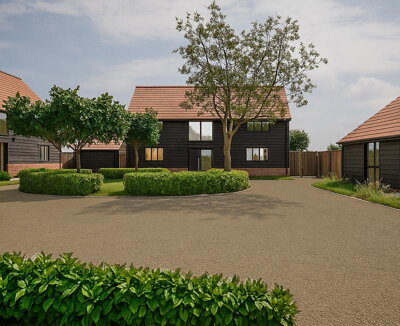
Browse 1 home new builds in South Lopham from local developer agents.
Three bedroom properties represent a significant portion of the South Lopham housing market, offering space for families with multiple reception rooms and gardens in many cases. Browse detached, semi-detached, and terraced options ranging across new residential developments.
The South Lopham property market has demonstrated notable activity over the past twelve months, with Rightmove recording 78 property sales within the parish boundaries. Average prices currently sit around £492,500 according to market data, though some sources indicate average prices paid closer to £387,000 as of early 2026. This variation reflects different data collection methodologies and the impact of property type mix on overall averages. The market has experienced some volatility, with prices rising 11% year-on-year according to one source while another reports a 16.6% decline in sold prices over the same period. Such discrepancies are common in smaller rural markets where limited transaction volumes can amplify statistical variations.
Detached properties have achieved strong prices in recent months, with sales recorded at £515,000 in January 2025, £500,000 in November 2024, and £380,000 earlier in 2025. Semi-detached houses have sold for up to £435,000, with more affordable options available from £275,000. The village predominantly features period properties built between 1800 and 1911, giving the housing stock a distinctive traditional character. Notably, no active new-build developments exist within the IP22 postcode area, meaning buyers seeking modern homes may need to look at neighbouring villages or consider barn conversions and renovation projects. This scarcity of new supply helps maintain values for existing period properties while creating opportunities for those willing to undertake renovation work.
The broader Breckland district offers some context for South Lopham's market position. While South Lopham itself has no current new-build developments, surrounding villages such as Badwell Ash, Bacton, and Eye have seen individual properties or small barn conversions come to market. Planning applications within South Lopham Parish have primarily concerned extensions and alterations to existing dwellings rather than new large-scale developments. This pattern reflects both the village's Conservation Area status and the limited developable land within the parish boundaries.

Properties in South Lopham are predominantly traditional period homes that reflect the village's agricultural heritage and long history of occupation. The dominant property type along The Street consists of houses built between 1800 and 1911, ranging from modest labourers' cottages to substantial farmhouses. Many of these properties feature construction materials typical of rural Norfolk, including flint, red brick, and timber framing. The village's sister parish of North Lopham provides insight into the oldest properties, with early traditional farmhouses dating from before 1750, suggesting similar age profiles may exist in South Lopham's most historic buildings.
Grade I and Grade II listed buildings form a significant proportion of South Lopham's housing stock. The Grade I listed Church of St Andrew stands as the village's most significant architectural landmark, while numerous properties along The Street and surrounding lanes carry listed status. Brook House, Chequers Farmhouse, Corner Farm, and Noddle Farmhouse represent the diverse range of Grade II listed residential properties buyers may encounter. Properties at Oxfootstone Farmhouse, Pearce's Farmhouse, and Primrose Farmhouse further illustrate the variety of historic homes available, though each purchase carries considerations regarding listed building consent requirements.
For buyers seeking character properties, South Lopham offers traditional Norfolk cottages with features such as exposed beams, inglenook fireplaces, and period joinery. Larger detached farmhouses provide spacious family accommodation, while more modest terraced and semi-detached properties offer accessible entry points to the village's property market. The scarcity of modern developments means that buyers should approach any modernised or renovated period property with appropriate professional survey advice, as renovation quality can vary significantly.

South Lopham offers a quintessentially English rural village experience, with a population of approximately 435 residents spread across a modest geographic area with a density of 55.02 persons per square kilometre. The village centres around The Street, where period houses dating from 1800 to 1911 dominate the architectural landscape, creating an attractive streetscene of traditional Norfolk cottages and farmhouses. The community remains relatively unchanged by modern development, preserving its historic character and peaceful atmosphere that appeals to those seeking an escape from urban life. The 2001 census recorded 371 residents across 157 households, suggesting the population has grown modestly over the intervening decades.
The village is home to the Grade I listed Church of St Andrew, a significant architectural landmark that dates back centuries and serves as a focal point for the local community. Numerous Grade II listed buildings dot the village, including Brook House, Chequers Farmhouse, and properties along The Street, reflecting South Lopham's agricultural heritage and long history of occupation. The River Waveney, which originates between South Lopham and nearby Redgrave, flows through the parish, contributing to the attractive countryside setting and providing walking routes for residents. As a Conservation Area since December 8, 1975, the village benefits from planning controls that maintain its historic appearance and protect property values for homeowners.
Daily life in South Lopham revolves around community connections and the surrounding countryside. The village hall serves as a venue for local events and activities, while the proximity to Diss provides access to supermarkets, independent shops, and additional amenities. Walking routes along the River Waveney and across surrounding farmland offer recreational opportunities, with the South Lopham War Memorial and various listed buildings providing points of historical interest. The village's position within the River Waveney valley creates an attractive setting, though residents should note that country lanes require careful navigation, particularly during winter months or after periods of heavy rainfall.
Families considering a move to South Lopham will find educational provision primarily located in surrounding villages and market towns within reasonable driving distance. The village's small population means that primary-aged children typically attend schools in nearby communities such as Diss, where several primary schools serve the wider area. These schools generally maintain good reputations for academic achievement and pastoral care, with many receiving positive Ofsted ratings in recent inspection cycles. Parents should research specific catchment areas and admission policies, as these can significantly influence school placement and should be verified directly with Norfolk County Council.
Secondary education options include schools in Diss, which offers a range of secondary schools catering to students from across South Norfolk. For families seeking grammar school provision, the nearest grammar schools are located in larger towns, requiring consideration of selection criteria and transport arrangements. The transport implications of secondary school choices should factor into family decision-making, as school transport arrangements and daily commuting responsibilities can significantly affect household logistics. Sixth form provision is available at secondary schools in nearby towns, with further education colleges accessible in larger settlements for students pursuing vocational or academic qualifications beyond GCSE level.
The proximity of quality educational institutions makes South Lopham an attractive location for families, combining rural living with access to good schools. Diss and surrounding market towns provide a range of educational options at all levels, from primary through to further education. Parents are encouraged to visit potential schools, review current Ofsted reports, and understand the admissions process before finalising their property purchase. Early application for school places is advisable given that popular schools in the area can receive more applications than available places.
Transport connections from South Lopham centre primarily on road networks, with the village situated within reasonable distance of major A-roads connecting to larger towns and cities. The nearest railway stations are located in surrounding market towns, providing access to National Rail services with connections to Norwich, Cambridge, and London. Commuters should factor travel times to these stations when considering South Lopham as a base, though the village's rural character means that car ownership is effectively essential for most residents. Bus services connect South Lopham to neighbouring villages and towns, though frequency may be limited compared to urban routes.
For those working in Norwich, the city is accessible via the A1066 and A140 roads, with typical journey times of around 40-50 minutes depending on traffic conditions. Norwich provides extensive employment opportunities across public sector, financial services, and retail sectors, as well as cultural amenities including the Norwich Theatre Royal, cinemas, and diverse restaurant options. Cambridge is reachable within approximately 1-1.5 hours by car, making South Lopham potentially viable for professionals working in the technology and biotech hubs in and around Cambridge. The village's position within the River Waveney valley offers pleasant driving routes through the Norfolk countryside, though residents should note that country lanes may require careful navigation.
Parking within the village is generally unrestricted, unlike urban areas where permit schemes and charges create complexity for residents. This practical benefit of village living means that households with multiple vehicles can accommodate them without additional costs. However, the absence of public transport options means that those without access to a vehicle should carefully consider how they would manage daily requirements for shopping, school runs, and medical appointments before committing to a purchase in South Lopham.
Purchasing property in South Lopham requires careful consideration of several factors specific to this historic Norfolk village. The prevalence of period properties means that many homes will be older than 50 years, potentially exhibiting issues common to traditional construction such as damp, timber decay, or outdated electrical systems. A thorough RICS Level 2 survey is strongly recommended for any property purchase, and buyers should budget for potential renovation costs when assessing value. Properties in the Conservation Area may face additional planning restrictions on alterations and extensions, which could affect future renovation plans and should be understood before purchase.
The construction materials common to South Lopham's period properties require specific expertise to assess correctly. Traditional Norfolk buildings often feature flint construction, particularly in older structures and boundary walls, which can be vulnerable to frost damage and water penetration if not properly maintained. Red brick construction may show signs of spalling or mortar deterioration, while timber-framed properties require inspection of structural timbers for signs of beetle activity or fungal decay. Our inspectors are experienced in assessing traditional construction methods and can identify issues that may not be apparent during a standard viewing.
For listed buildings, additional regulations apply to any works, including maintenance and alterations. Grade I and Grade II listed status provides strong protection for architectural heritage but may limit renovation options and increase maintenance costs. Specialist surveys for heritage properties are advisable, and prospective buyers should factor the cost of maintaining traditional features such as flint walls, thatched roofs, or period timbers into their budgets. Engagement with Breckland Council planning department may be necessary for any works requiring consent. A RICS Level 3 Building Survey may be more appropriate for particularly complex or historic properties, providing more detailed analysis of construction and condition.
Before searching for properties in South Lopham, obtain a mortgage agreement in principle from a lender. This strengthens your position when making offers and demonstrates to sellers that you have financing secured, which is particularly important in a rural market where vendors may receive multiple enquiries. Several mortgage brokers operate in the Diss and South Norfolk area who understand local property values and can help first-time buyers or those relocating from other regions navigate the application process.
Explore current listings in South Lopham and surrounding villages to understand price ranges and property types available. Consider engaging with local estate agents who have knowledge of the village's housing stock and any coming-to-market properties that may not yet be publicly listed. Attending local property viewings and building relationships with agents active in the IP22 postcode area can provide access to properties before they appear on major portals, giving buyers a competitive advantage in this sought-after village.
Schedule viewings of properties that meet your criteria, taking time to assess the condition of period properties. Given the age of many homes in South Lopham, pay particular attention to signs of damp, roof condition, and the maintenance history of listed buildings. We recommend visiting properties at different times of day and in various weather conditions to assess aspects such as natural light, heating requirements, and drainage. Document any concerns raised during viewings for discussion with your surveyor.
Once your offer is accepted, arrange a RICS Level 2 survey to assess the property's condition. This is especially important for older properties, where issues such as damp, structural movement, or outdated electrics may be present. Our inspectors have experience with South Lopham's housing stock and understand the typical construction methods used in local period properties. Survey costs for properties in the village typically range from £380 to £639 depending on value and size.
Appoint a solicitor experienced in rural property transactions to handle the legal aspects of your purchase. They will conduct searches, review contracts, and coordinate with the Land Registry. Local solicitors familiar with Breckland Council and Norfolk County Council procedures can efficiently manage the conveyancing process, including any special considerations arising from Conservation Area status or listed building regulations. Search costs typically start from £299 and may increase for properties with complex titles or rights of way.
After all searches are satisfactory and financing is confirmed, you will exchange contracts and set a completion date. On completion, you will receive the keys to your new South Lopham home. We recommend arranging buildings insurance to commence from the completion date and scheduling a thorough inspection of the property before moving day to document the condition for any warranty purposes.
Average house prices in South Lopham currently range from £387,000 to £492,500 depending on data source and methodology. Detached properties have sold for up to £515,000 in recent months, while semi-detached homes range from £275,000 to £435,000. The market has shown some volatility, with year-on-year changes reported between plus 11% and minus 16.6%, reflecting variations in property types sold during different periods. These statistics indicate that prices can vary considerably based on property condition, location within the parish, and specific features such as listed building status or recent renovation.
Properties in South Lopham fall under Breckland Council's jurisdiction for council tax purposes. Specific council tax bands vary by property depending on its valuation band assigned by the Valuation Office Agency. Rural properties with historical features or larger gardens may fall into higher bands, while smaller cottages and terraced properties typically occupy lower bands A through C. Prospective buyers should check individual property bandings via the Valuation Office Agency website to understand the ongoing cost implications of their purchase.
South Lopham itself is a small village without its own primary school, so children typically attend schools in nearby villages and towns such as Diss. Primary schools in the surrounding area serve the community, with several receiving positive Ofsted ratings in recent years. Secondary education is available at schools in Diss, with further education colleges accessible in larger towns for post-16 students. Parents should verify current catchment areas and admission arrangements with Norfolk County Council, as school place availability can affect placement decisions for families moving into the area.
Public transport options in South Lopham are limited compared to urban areas, with bus services connecting the village to neighbouring communities on certain routes. The nearest railway stations are located in surrounding market towns, providing access to National Rail services connecting to Norwich, Cambridge, and London. Most residents rely on car ownership for daily commuting and errands, with typical journey times to Norwich taking 40-50 minutes by car via the A1066 and A140 roads.
South Lopham offers several factors that may appeal to property investors seeking long-term value. The village's Conservation Area status and limited new-build supply help protect property values by maintaining the area's character. The shortage of modern developments means demand for quality period properties remains steady among buyers seeking authentic village living. However, the small population and limited local employment may constrain rental demand, so investors should carefully assess potential rental yields and vacancy rates before purchasing. Period properties in good condition within the Conservation Area typically retain value well, though renovation costs for listed buildings should be factored into investment calculations.
Stamp Duty Land Tax rates from April 2025 apply to all purchases in South Lopham. For properties up to £250,000, no stamp duty is payable. The rate increases to 5% on the portion between £250,001 and £925,000, 10% between £925,001 and £1.5 million, and 12% above £1.5 million. First-time buyers purchasing properties up to £625,000 may qualify for relief, paying 0% on the first £425,000 and 5% on the remainder up to £625,000. Given the average property prices in South Lopham, most purchases fall within the 5% band on amounts between £250,001 and £925,000.
South Lopham sits within the River Waveney catchment, which originates between Redgrave and South Lopham, flowing through the parish and creating the attractive countryside setting. While standard 20-year and 100-year flood events present minimal risk to most of the village, a small part of the south-eastern area could be affected by the River Waveney floodplain during an extreme 1,000-year flood event. Surface water flooding during extreme events can reach depths of 0.6 metres in vulnerable areas. The village has no formal flood defences, so properties near watercourses should be individually assessed and appropriate insurance coverage confirmed before purchase.
Period properties in South Lopham require careful inspection of construction elements typical to their era. Traditional Norfolk construction often features flint walls, which can be vulnerable to frost damage and water penetration if mortar pointing has deteriorated. Timber-framed structures require inspection of structural members for signs of beetle activity or fungal decay. Electrical systems in older properties may require complete rewiring to meet current standards, while heating systems are often outdated. A thorough RICS Level 2 survey is essential for identifying these issues before purchase, and buyers should budget for renovation costs when assessing value.
From £350
A detailed inspection of property condition, ideal for South Lopham period homes. Identifies defects common to traditional construction including damp, timber decay, and structural issues.
From £600
Comprehensive structural survey recommended for older properties, listed buildings, and unusual construction. Provides detailed assessment and specialist advice on renovation options.
From £80
Energy Performance Certificate required for all property sales. Assess current energy efficiency and potential improvement measures for period properties.
From 4.5%
Expert mortgage advice for South Lopham property purchases. Specialist rural property lending options available.
From £499
Solicitors experienced in South Norfolk property transactions. Listed building and Conservation Area considerations handled.
When purchasing property in South Lopham, understanding the full cost of your purchase extends beyond the property price itself. Stamp Duty Land Tax represents a significant upfront cost, with rates set nationally at 0% for the first £250,000 of purchase price, rising to 5% on values between £250,001 and £925,000. For properties priced above £925,000, rates increase to 10% up to £1.5 million and 12% on any amount exceeding this threshold. First-time buyers purchasing properties up to £625,000 benefit from relief, paying no duty on the first £425,000 and 5% on the remainder within that threshold.
Beyond stamp duty, buyers should budget for solicitor conveyancing costs, which typically start from £499 for standard transactions but may increase for properties with complications such as listed building status or right of way issues. Survey costs should also be factored in, with RICS Level 2 surveys averaging £455 nationally and ranging from £380 to £639 depending on property value and size. For South Lopham's period properties, a detailed survey is particularly valuable given the age of the housing stock and potential for hidden defects. Removal costs, mortgage arrangement fees, and building insurance should also be included in your moving budget.
Additional costs specific to South Lopham properties may include specialist surveys for listed buildings, which can cost more than standard surveys due to the detailed assessment required. Planning fees for any proposed alterations should be budgeted separately, and listed building consent applications may involve professional fees. Building insurance for period properties can be higher than for modern homes, and some insurers charge premiums for properties with thatched roofs or other specific features. We recommend obtaining buildings insurance quotes before completion to budget accurately for ongoing costs.
Properties New Builds In London

Properties New Builds In Plymouth

Properties New Builds In Liverpool

Properties New Builds In Glasgow

Properties New Builds In Sheffield

Properties New Builds In Edinburgh

Properties New Builds In Coventry

Properties New Builds In Bradford

Properties New Builds In Manchester

Properties New Builds In Birmingham

Properties New Builds In Bristol

Properties New Builds In Oxford

Properties New Builds In Leicester

Properties New Builds In Newcastle

Properties New Builds In Leeds

Properties New Builds In Southampton

Properties New Builds In Cardiff

Properties New Builds In Nottingham

Properties New Builds In Norwich

Properties New Builds In Brighton

Properties New Builds In Derby

Properties New Builds In Portsmouth

Properties New Builds In Northampton

Properties New Builds In Milton Keynes

Properties New Builds In Bournemouth

Properties New Builds In Bolton

Properties New Builds In Swansea

Properties New Builds In Swindon

Properties New Builds In Peterborough

Properties New Builds In Wolverhampton

Enter your details to see if this property is within your budget.
Loans, cards, car finance
Estimated property budget
Borrowing + deposit
You could borrow between
Typical borrowing
Monthly repayment
Est. at 4.5%
Loan-to-value
This is an estimate only. Your actual budget may vary depending on interest rates, credit history, and personal circumstances. For an accurate affordability assessment, speak to one of our free mortgage advisors.
This calculator provides estimates for illustrative purposes only and does not constitute financial advice. Your home may be repossessed if you do not keep up repayments on your mortgage. Estimates based on 4.5% interest rate, repayment mortgage. Actual rates depend on your circumstances.
Homemove is a trading name of HM Haus Group Ltd (Company No. 13873779, registered in England & Wales). Homemove Mortgages Ltd (Company No. 15947693) is an Appointed Representative of TMG Direct Limited, trading as TMG Mortgage Network, which is authorised and regulated by the Financial Conduct Authority (FRN 786245). Homemove Mortgages Ltd is entered on the FCA Register as an Appointed Representative (FRN 1022429). You can check registrations at NewRegister or by calling 0800 111 6768.

We use cookies to show you personalised content and improve your experience of our website. Find out more in our Privacy policy and Cookie policy.