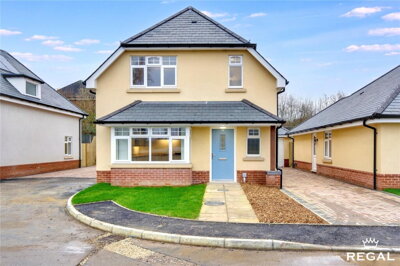
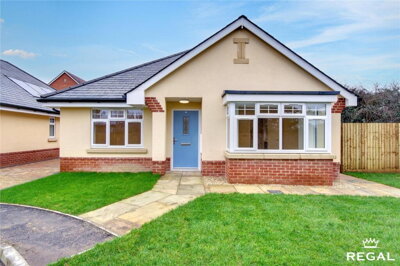
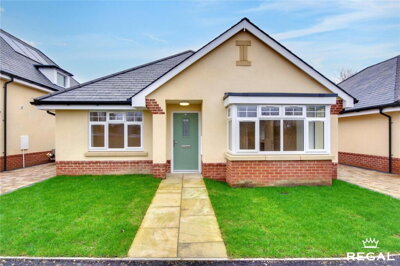
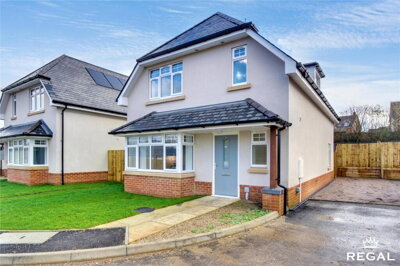
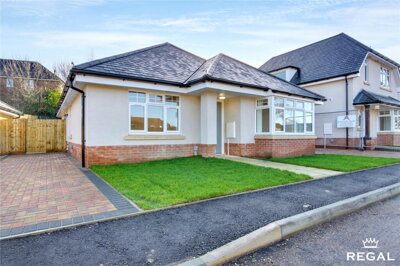
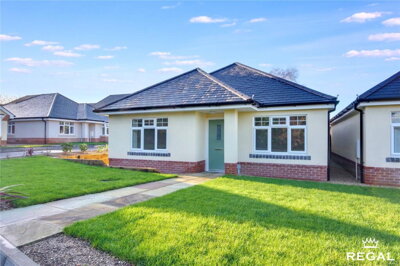
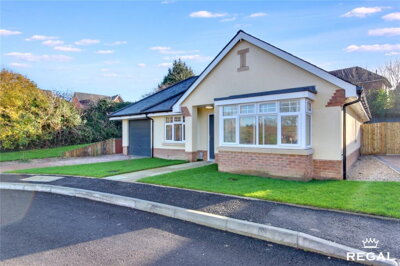
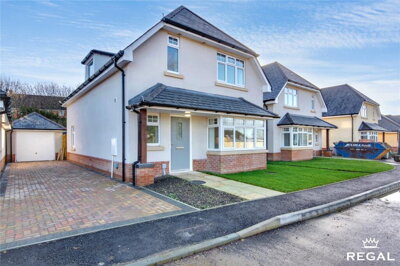
Browse 8 homes new builds in Smannell, Test Valley from local developer agents.
The Smannell property market offers detached, semi-detached, and terraced houses spanning various price ranges and neighbourhoods. Each listing includes detailed property information, photographs, and direct contact with the marketing agent.
£900k
3
0
325
Source: home.co.uk
Showing 3 results for Houses new builds in Smannell, Test Valley. The median asking price is £900,000.
Source: home.co.uk
Detached
3 listings
Avg £835,000
Source: home.co.uk
Source: home.co.uk
The Bladon property market has experienced notable price adjustments over the past year, presenting both challenges and opportunities for buyers. Our data shows house prices in Bladon have fallen by 35.8% over the last 12 months for sold properties, with overall sold prices down 14% compared to the previous year and 22% down from the 2023 peak of £710,250. These corrections follow a period of significant growth and may create attractive entry points for buyers who have been watching the market. The current average sold price stands at approximately £551,000, with a median price of £509,000 for the combined Woodstock and Bladon area.
Property types available in Bladon reflect the village's diverse character and history. Terraced properties average £428,929, offering an accessible route into this desirable village for first-time buyers or those seeking a smaller footprint. Semi-detached homes command around £677,667 on average, while larger detached properties reach approximately £790,000, appealing to families seeking generous space and garden grounds. The majority of properties sold in recent months have been terraced, suggesting strong demand for these character properties that typify Bladon's historic core. A limited number of new build opportunities exist, including The Pits development by Blenheim Estate, which offers two, three, and four-bedroom single-storey properties built using traditional materials to complement the village's conservation character.
The village's housing stock spans several distinct periods of construction, from simple vernacular forms through to 20th-century infill development. Manor Farmhouse dates from 1720 and Knutsford House from 1726, representing the Georgian character that defines much of the village centre. The linear expansion along the main road and Heath Lane occurred during the 19th and 20th centuries, including two groups of council houses built at the east end of Heath Lane in the 1920s and 1930s. This mix of period properties and interwar housing provides buyers with varied options, though those seeking character properties should be prepared to compete with other buyers drawn to Bladon's unique heritage.

Bladon occupies a transitional landscape between the limestone wolds to the north and the Thames floodplain to the south, creating a setting of considerable natural beauty. The village sits on a mixed geology of cornbrash limestone and Oxford clay, with the River Glyme flowing through the area, adding to its pastoral appeal. The underlying Oxford clay presents the characteristic rolling clay vale landscape that defines much of this part of Oxfordshire, with agricultural fields and hedgerows creating a classic English countryside panorama. This geology has historically shaped local building traditions, with pale oolitic limestone quarried from nearby sources forming the foundation of Bladon's architectural character.
The village's architectural heritage is protected by its Conservation Area, designated in 1990, which safeguards 18 Listed structures of architectural and historic interest. These include St Martin's Church, the Grade II listed Bladon Church of England Primary School, Knutsford House dating from 1726, and Manor Farmhouse from 1720. The traditional building materials of local pale oolitic limestone, brick, stone slate, clay tile, and Welsh slate create a harmonious streetscape that newer developments must respect. Properties on Park Street and Heath Lane feature notably in the listed building inventory, with several chest tombs in St Martin's churchyard also receiving protection. The vernacular houses and cottages demonstrate simple traditional forms that have evolved over centuries, with natural rubble stone walls and drystone walling adding to the village's distinctive character.
Bladon's local economy has traditionally been agrarian, with forest marble quarrying historically significant to the area. Post-World War II growth has been driven by commuters working in Oxford and tourism linked to Winston Churchill's legacy, as he is buried in St Martin's churchyard. Blenheim Palace nearby continues to attract visitors throughout the year, supporting local businesses and contributing to the village's economic vitality. The presence of these heritage attractions means that Bladon maintains a steady stream of visitors, creating a village atmosphere that balances residential tranquility with cultural interest. Folly Bridge, a Grade II listed structure, represents another historical feature that contributes to the village's character and connects Bladon to the wider Blenheim Estate landscape.
Education provision in Bladon centres on Bladon Church of England Primary School, a Grade II listed institution that serves the village and surrounding hamlets. The school and its adjacent School House represent an important community asset, with the historic buildings reflecting the village's long commitment to education. Parents considering relocation to Bladon will find the primary school provides a nurturing environment within walking distance of most village properties, reducing the need for school transport arrangements. The school continues a tradition of learning that has served the community for well over a century, with the current buildings standing as testament to Victorian educational ambition in rural Oxfordshire.
Secondary education options in the area include schools in nearby Woodstock and Witney, with bus services connecting students to several well-regarded institutions. Families should research specific catchment areas and admission arrangements, as these can significantly influence schooling options. The presence of Blenheim Palace nearby has historically attracted families with educational interests, and the proximity to Oxford's renowned private schools adds to the area's appeal. For higher education, Oxford's universities and colleges are accessible via the A44 road, making Bladon a practical base for academic families or those with older children pursuing further education. The village's position within West Oxfordshire means state secondary options include comprehensive schools with good reputations for academic achievement and extracurricular activities.
The Woodstock and Bladon ward encompasses approximately 2,009 households with an average household size of 2.2 residents, according to the most recent census data. This relatively small household size suggests a mix of retirees, couples, and smaller families reflecting the village's appeal to various demographics. Education remains a significant factor for families considering Bladon, and the village's position between primary schooling within the community and secondary options accessible by bus provides practical flexibility for parents managing school runs alongside work commitments in Oxford.
Bladon enjoys strategic positioning that balances village tranquility with excellent connectivity to major centres. The A44 Oxford to Woodstock road passes nearby, providing direct access to Oxford city centre approximately eight miles distant. This route serves as the main artery for commuters, with regular bus services operating along this corridor connecting Bladon to Oxford's city centre, train stations, and employment hubs. The village's position within the Blenheim Estate landscape means that while the road network is well-connected, traffic levels on minor roads can be light, contributing to the peaceful atmosphere that defines daily life here. Commuters working in Oxford typically find journey times of 25-35 minutes by car, though this varies according to traffic conditions on the A44.
For those travelling further afield, the national motorway network is accessible via the A40 at Oxford or the M40 motorway. Oxford Parkway station at Peartree provides rail connections to London Marylebone in approximately one hour, while Oxford station offers services to Paddington via Reading. The village's location between the Cotswolds to the north and the Thames floodplain to the south means that travel in some directions may encounter flooding risk during periods of heavy rainfall, particularly on lower-lying roads approaching the river. Air travel is facilitated by Oxford Airport for private flights and Birmingham Airport for international destinations, both reachable within approximately ninety minutes by car.
Public transport connectivity beyond peak commuting hours may be limited, and residents generally consider car ownership essential for full flexibility in this village location. Bus services operate along the A44 corridor but frequencies may reduce during evenings and weekends. The River Glyme and proximity to the Thames floodplain create beautiful walking and cycling routes through the surrounding countryside, though these same water features contribute to occasional surface water and river flooding on lower-lying roads. Prospective buyers should factor in their commuting patterns when considering Bladon, as the village rewards those who can embrace countryside living while maintaining employment connections in Oxford or further afield.
Start by exploring current listings in Bladon and understanding recent sale prices, which average £551,000 for sold properties. Use Homemove to set up property alerts for new listings, as the village's limited housing stock means desirable properties can sell quickly. The village's small size means new listings are infrequent, making early awareness of properties crucial for serious buyers.
Before viewing properties, obtain a mortgage agreement in principle from a lender. This demonstrates your financial credibility to sellers and estate agents, particularly important in a village market where multiple offers are common. Bladon properties often attract buyers from diverse financial backgrounds, so having your funding secured gives you a competitive edge in what can be a competitive market.
Schedule viewings of properties that match your criteria, taking time to assess the village's character and amenities. Consider visiting at different times of day to understand traffic patterns and community atmosphere. The proximity to Blenheim Palace and Winston Churchill's grave offers unique local attractions worth exploring during your visits. Take time to walk the village streets, particularly Park Street and Heath Lane, to appreciate the architectural character and listed building heritage.
Given Bladon's older housing stock, with many properties dating from the 18th and 19th centuries, we strongly recommend a RICS Level 2 Survey before proceeding. This will identify structural issues common to properties built with traditional materials, including potential concerns related to the Oxford clay geology and aging features like stone slate roofs. The presence of Oxford clay in the local geology creates potential shrink-swell risks that a professional survey can identify.
Appoint a solicitor experienced in Oxfordshire property transactions to handle the legal aspects of your purchase. They will conduct searches with West Oxfordshire District Council, investigate any planning constraints related to the conservation area, and ensure your new home meets all regulatory requirements. Given Bladon's 18 listed structures and conservation area status, specialist knowledge of these designations is valuable.
Once all surveys and legal work are satisfactory, you will exchange contracts and pay your deposit. Completion typically follows within weeks, at which point you will receive your keys and take ownership of your new Bladon home. Budget for removal costs and any immediate maintenance requirements identified during your survey.
Properties in Bladon require careful inspection due to the age and construction methods prevalent throughout the village. The presence of Oxford clay in the local geology indicates potential for shrink-swell movement that can affect foundations, particularly in older properties that may not have been built to modern standards. Buyers should look for signs of cracking to walls, uneven floors, or doors and windows that stick, as these may indicate structural movement. A thorough RICS Level 2 Survey will assess these risks and provide professional guidance on any remedial work required.
The Conservation Area status brings specific considerations for buyers. Properties within the designated area are subject to restrictions on external alterations, including changes to windows, doors, roofs, and extensions. Anyone purchasing a Listed Building faces even stricter requirements, with Listed Building Consent needed for most works. The age of Bladon's housing stock means that electrical and plumbing systems may require updating, and insulation standards may fall below modern expectations. Stone slate and clay tile roofs, while traditional and attractive, require maintenance and may show signs of age-related wear that should be addressed before purchase.
Historic quarrying in the area, including The Pits site used to source stone for Blenheim Palace, means some local properties may sit on ground with historical mining or quarrying activity. While modern developments like The Pits have been properly remediated, older properties should be checked for any ground stability concerns. Damp represents another common issue in older traditional properties, particularly those with solid walls and limited damp-proof courses. Weathering of stone and brickwork can occur where traditional finishes have been removed or compromised, exposing porous stone to damage. Buyers should budget for potential maintenance and updating costs when purchasing period properties in Bladon, particularly for properties that may not have been recently renovated.
The average sold house price in Bladon is approximately £551,000 based on recent data, with the median price for the combined Woodstock and Bladon area standing at £509,000. Property prices vary significantly by type, with terraced properties averaging £428,929, semi-detached homes at £677,667, and detached properties reaching around £790,000. The market has experienced a notable correction, with prices down 22% from the 2023 peak of £710,250 and down 35.8% over the last 12 months. Buyers should note that the limited number of sales in any given year means individual transactions can have a significant impact on average figures, so viewing properties individually rather than relying solely on averages is advisable.
Properties in Bladon fall under West Oxfordshire District Council's jurisdiction for council tax purposes. Bands range from A to H depending on the property's assessed value, with most terraced cottages and smaller properties typically falling into bands B or C, while larger detached homes and period properties may be in higher bands. The village's mix of Georgian properties like Manor Farmhouse and Knutsford House alongside 1920s and 1930s council houses creates a diverse range of council tax bands across the village. Prospective buyers should check specific band information for any property they are considering, as council tax forms part of the ongoing cost of ownership.
Bladon Church of England Primary School serves the village and is housed in historic Grade II listed buildings, providing education for children from the village and surrounding hamlets. For secondary education, families typically access schools in nearby Woodstock or travel to Witney, with catchment areas and admission criteria varying by institution. The 2021 Census indicates the ward has approximately 2,009 households with an average size of 2.2, suggesting a demographic mix that includes families with school-age children. Oxford's range of primary and secondary schools, including several highly regarded independent options, are accessible for families willing to commute from Bladon.
Bladon is served by bus routes connecting to Oxford and Woodstock along the A44 corridor, with journey times to Oxford city centre typically taking 30-40 minutes depending on connections. Oxford Parkway and Oxford stations provide rail access to London Marylebone in approximately one hour and Paddington via Reading respectively. However, the village's rural location means that public transport frequencies reduce during evenings and weekends, so a car is generally considered essential for full connectivity. Commuters working in Oxford city centre typically find car journey times of 25-35 minutes, though this varies with traffic conditions on the A44.
Bladon's proximity to Blenheim Palace, Winston Churchill's legacy, and excellent transport links to Oxford make it an attractive location for property investment. The village benefits from limited housing supply, strong demand from commuters and heritage enthusiasts, and the protection of conservation status that maintains property values. However, recent price corrections of over 20% from peak values suggest buyers should have a medium to long-term investment horizon. Rental demand in the village is likely driven by professionals working in Oxford or related to the heritage tourism sector. The only new build development, The Pits by Blenheim Estate, demonstrates the limited supply pipeline that characterises this sought-after village.
Stamp Duty Land Tax applies to all purchases above £250,000 at standard rates of 5% on the portion between £250,001 and £925,000. First-time buyers benefit from relief on purchases up to £625,000, paying 0% on the first £425,000 and 5% on the remainder. For a typical Bladon property at £551,000, a first-time buyer would pay approximately £6,300 in stamp duty, while an additional buyer would pay approximately £15,050. Buyers purchasing additional properties or Buy-to-Let investments will pay the higher 3% surcharge on all bands, which would increase the stamp duty for a £551,000 property to approximately £21,530 for an additional property purchase.
Bladon sits in a transitional landscape between the limestone wolds and the Thames floodplain, with the River Glyme flowing through the area. Properties closer to the river and lower-lying land carry higher flood risk from both river and surface water, particularly during periods of heavy rainfall. The Oxford clay geology that underlies much of the village can contribute to surface water pooling when ground saturation occurs. Buyers should request a Flood Risk Report from the Environment Agency and discuss any specific flood risk concerns with their solicitor during the conveyancing process. Properties on higher ground within the village, particularly those on the limestone cornbrash, may face lower flood risk.
The Pits is a new housing development by Blenheim Estate situated on the site of a former stone quarry that historically provided materials for Blenheim Palace construction. The development offers mainly single-storey properties including seven two-bedroom, two three-bedroom, and a single four-bedroom home. Planning permission was approved by West Oxfordshire District Council, with the development designed using traditional materials including natural rubble stone walls and a mix of slate and red clay plain tiles to complement the village's conservation character. Properties at The Pits represent the only new build opportunities currently available in Bladon, making them particularly attractive to buyers seeking modern construction standards within this historic village setting.
Purchasing a property in Bladon involves several costs beyond the purchase price that buyers should factor into their budget. Stamp Duty Land Tax represents a significant consideration, with the threshold currently set at £250,000 for standard buyers. For a typical Bladon home priced around £551,000, buyers can expect to pay approximately £15,050 in SDLT after the nil-rate band. First-time buyers benefit from an increased threshold of £425,000, reducing their SDLT liability to approximately £6,300 on a property at this price point. Properties above £625,000 do not qualify for first-time buyer relief, so higher-value purchases will incur full rates. Additional property surcharges of 3% apply for Buy-to-Let purchases or second homes.
Additional buying costs include solicitor fees for conveyancing, typically ranging from £500 to £2,000 depending on complexity, with Bladon's conservation area status and listed buildings potentially adding to legal complexity. Searches with West Oxfordshire District Council will investigate local planning history, environmental factors, and drainage arrangements. Given Bladon's Conservation Area status and the potential for flood risk near the River Glyme, these searches are particularly important. Survey costs should also be budgeted, with RICS Level 2 Surveys typically costing between £380 and £629 for properties in the Oxfordshire area, with higher values attracting higher survey fees.
Removal costs, mortgage arrangement fees, and potential refurbishment costs for older properties should round out your financial planning for moving to this historic Oxfordshire village. Given that much of Bladon's housing stock dates from the 18th and 19th centuries, buyers should anticipate costs for updating electrical systems, plumbing, and insulation to modern standards. Properties with stone slate roofs or traditional stone walls may require specialist maintenance approaches that differ from modern construction. Building survey costs for larger or listed properties may exceed standard Level 2 survey fees, with comprehensive building surveys potentially costing over £1,000 for homes valued above £500,000. Setting aside a contingency fund equivalent to at least 10% of the purchase price for unexpected works is prudent when buying period properties in Bladon.
From £380
A professional survey for properties in Bladon, identifying defects common to period construction
From £550
Comprehensive building survey recommended for older or listed properties
From £85
Energy performance certificate required for all property sales
From £499
Expert solicitors handling Bladon property transactions
From 4.5%
Competitive mortgage rates for Bladon purchases
Properties New Builds In London

Properties New Builds In Plymouth

Properties New Builds In Liverpool

Properties New Builds In Glasgow

Properties New Builds In Sheffield

Properties New Builds In Edinburgh

Properties New Builds In Coventry

Properties New Builds In Bradford

Properties New Builds In Manchester

Properties New Builds In Birmingham

Properties New Builds In Bristol

Properties New Builds In Oxford

Properties New Builds In Leicester

Properties New Builds In Newcastle

Properties New Builds In Leeds

Properties New Builds In Southampton

Properties New Builds In Cardiff

Properties New Builds In Nottingham

Properties New Builds In Norwich

Properties New Builds In Brighton

Properties New Builds In Derby

Properties New Builds In Portsmouth

Properties New Builds In Northampton

Properties New Builds In Milton Keynes

Properties New Builds In Bournemouth

Properties New Builds In Bolton

Properties New Builds In Swansea

Properties New Builds In Swindon

Properties New Builds In Peterborough

Properties New Builds In Wolverhampton

Enter your details to see if this property is within your budget.
Loans, cards, car finance
Estimated property budget
Borrowing + deposit
You could borrow between
Typical borrowing
Monthly repayment
Est. at 4.5%
Loan-to-value
This is an estimate only. Your actual budget may vary depending on interest rates, credit history, and personal circumstances. For an accurate affordability assessment, speak to one of our free mortgage advisors.
This calculator provides estimates for illustrative purposes only and does not constitute financial advice. Your home may be repossessed if you do not keep up repayments on your mortgage. Estimates based on 4.5% interest rate, repayment mortgage. Actual rates depend on your circumstances.
Homemove is a trading name of HM Haus Group Ltd (Company No. 13873779, registered in England & Wales). Homemove Mortgages Ltd (Company No. 15947693) is an Appointed Representative of TMG Direct Limited, trading as TMG Mortgage Network, which is authorised and regulated by the Financial Conduct Authority (FRN 786245). Homemove Mortgages Ltd is entered on the FCA Register as an Appointed Representative (FRN 1022429). You can check registrations at NewRegister or by calling 0800 111 6768.

We use cookies to show you personalised content and improve your experience of our website. Find out more in our Privacy policy and Cookie policy.