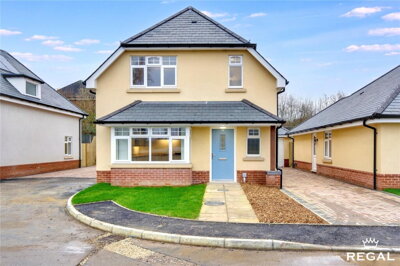
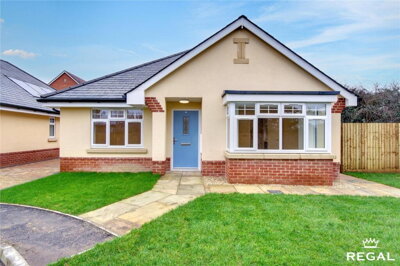
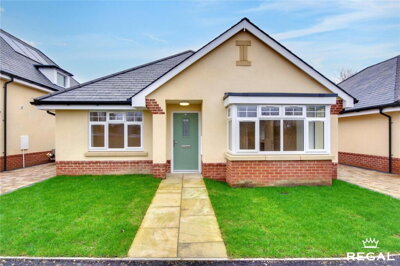
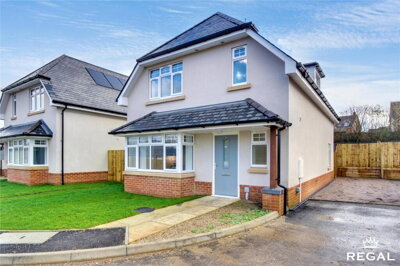
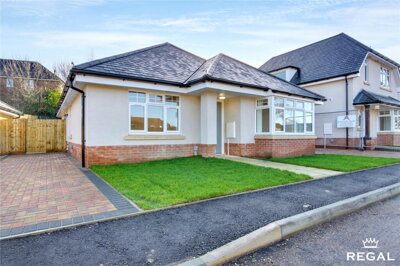
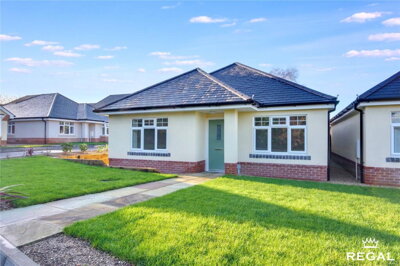
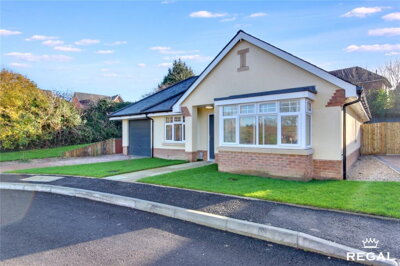
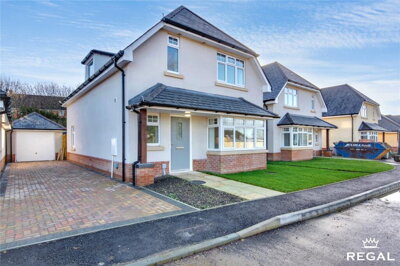
Browse 8 homes new builds in Smannell, Test Valley from local developer agents.
Three bedroom properties represent a significant portion of the Smannell housing market, offering space for families with multiple reception rooms and gardens in many cases. Browse detached, semi-detached, and terraced options ranging across new residential developments.
£0k
0
0
0
Source: home.co.uk
Showing 0 results for 3 Bedroom Houses new builds in Smannell, Test Valley.
The Bladon property market has experienced notable shifts recently, with average sold prices standing at approximately £551,000 as of early 2026. This figure represents a significant adjustment from the 2023 peak of £710,250, with prices falling around 22% from that high point and showing a 14% decline compared with the previous year. Despite these short-term corrections, the underlying demand for homes in this attractive village remains strong, supported by limited stock and the enduring appeal of West Oxfordshire village life.
Property types in Bladon span a range of price points, with terraced properties averaging £428,929, semi-detached homes at £677,667, and detached properties reaching around £790,000. The village predominantly features older properties built from the local pale oolitic limestone, with substantial numbers constructed in the 18th and 19th centuries alongside council housing from the interwar period. New build opportunities remain rare, though The Pits development by Blenheim Estate offers a select number of single-storey homes including two, three, and four-bedroom options on the site of a former stone quarry.
The majority of properties sold in Bladon over the past year have been terraced homes, reflecting both the affordability of this property type and the character of the village centre where rows of limestone cottages line the historic streets. Detached properties command a significant premium, often sitting on larger plots with gardens that take advantage of the village's semi-rural setting. Semi-detached homes offer a middle ground, with many dating from the interwar period when council housing was constructed at the east end of Heath Lane.
Looking ahead, the limited supply of properties coming to market suggests that demand will continue to outstrip availability in this sought-after village. The Conservation Area designation protects the village character but also restricts certain types of development, maintaining the scarcity that supports property values. For buyers considering Bladon, acting decisively when a suitable property becomes available is often necessary, as the small market means competition for the best homes can be strong.

Life in Bladon centres around a close-knit community of approximately 977 residents, with the population estimated at just over 1,000 in 2024 following growth from the 898 recorded in the 2011 Census. The village occupies a picturesque transitional position between the limestone uplands of the Cotswolds to the north and the fertile Thames clay vale to the south. The underlying geology, dominated by Oxford clay and cornbrash, shapes both the landscape character and the traditional building materials, with local limestone giving the village its distinctive cream and honey-coloured appearance.
The presence of 18 Listed structures within the Bladon Conservation Area, designated in 1990, provides testament to the architectural quality of the village centre. St Martin's Church stands as the spiritual heart of the community and holds national significance as the burial place of Sir Winston Churchill. The local primary school serves families within the village, while Blenheim Palace provides an iconic backdrop to daily life and attracts visitors throughout the year, supporting local businesses and reinforcing Bladon's position in the regional tourism economy.
Bladon's economy has traditionally been agrarian, with forest marble quarrying historically providing employment in the area. Today, the village economy is largely driven by commuters working in Oxford and the surrounding area, along with tourism connected to Winston Churchill's legacy and the proximity to Blenheim Palace. The village pub provides a focal point for community social life, while the surrounding countryside offers extensive walking opportunities across the Oxfordshire clay vale landscape.
The village retains a remarkable degree of architectural consistency, with natural rubble stone walls being conspicuous throughout the area. Drystone walling marks field boundaries and garden walls, reflecting the traditional building practices of this part of West Oxfordshire. Newer developments in the village have been required to use natural rubble stone walls, a mix of slate and red clay plain tiles, and timber windows to fit sympathetically with the historic surroundings, preserving the distinctive Bladon character that buyers find so appealing.
Education provision in Bladon centres on Bladon Church of England Primary School, a Grade II Listed institution that serves the village and surrounding rural community. The school and its adjacent School House represent an important part of the village's educational heritage, with the buildings themselves forming part of the protected architectural character of the Conservation Area. Parents considering a move to Bladon can expect a traditional village primary experience that benefits from strong community connections and small class sizes that often prove difficult to achieve in larger schools.
The school has educated generations of Bladon families, with the building itself dating from a period when village schools were constructed to serve growing rural communities in the late 19th and early 20th centuries. Parents choosing properties in Bladon frequently cite the village primary school as a key factor in their decision, with the school benefiting from a catchment area that extends across the surrounding countryside. The school maintains close links with St Martin's Church, providing opportunities for visits and events that reinforce the village's strong sense of community.
For secondary education, residents typically access schools in nearby Woodstock, which offers several options within easy reach by school bus or car. The wider West Oxfordshire area provides a selection of secondary schools including grammar and comprehensive options, with many families travelling to Witney or Oxford for specialist provision. The journey times from Bladon to secondary schools in the surrounding towns are manageable, typically between 15 and 25 minutes by car, making this a practical option for families with secondary-age children.
Sixth form and further education opportunities are well served by colleges in Oxford and the surrounding market towns, ensuring that families have access to educational pathways at all levels without needing to travel far from their Bladon home. Oxford's renowned educational institutions, including Oxford Brookes University and the University of Oxford, provide opportunities for older students and continuing education for adults, adding to the long-term appeal of Bladon as a place to raise a family.
Bladon benefits from excellent connectivity despite its village setting, with the neighbouring town of Woodstock providing regular bus services connecting residents to Oxford and the wider region. The X5 bus service provides a key link between Oxford and Witney, passing through nearby Eynsham and offering an alternative to car travel for commuters and shoppers alike. The S7 service connects local villages to Oxford, making Bladon accessible without a car for those working in the city.
The A44 trunk road passes through nearby Woodstock, offering direct access to Oxford city centre to the east and the Cotswolds to the west. Commuters to Oxford typically find the journey takes between 20 and 30 minutes by car, making Bladon a viable option for those working in the city while preferring village living. The journey to Oxford is straightforward via the A44 and then either the A40 northern bypass or through the city centre depending on destination, with parking options available across Oxford's park-and-ride network.
The nearest railway stations are located in Oxford and Bicester, providing access to national rail services including regular connections to London Marylebone and London Paddington via Oxford. Journey times from Oxford to London Paddington take approximately one hour, while Bicester Village station offers a faster service to London Marylebone in around 45 minutes. For international travel, Birmingham Airport can be reached in approximately 90 minutes by car, while London Heathrow and Luton are accessible within two hours.
For cyclists, the surrounding Oxfordshire countryside offers both challenging rural routes and quieter lanes, with increasingly popular commuting connections to Oxford along the river and canal corridors. The National Cycle Network passes through the area, providing traffic-free options for some journeys. Many Bladon residents adopt a mixed approach to commuting, using the car for some journeys while taking advantage of public transport options when convenient.
Explore current listings in Bladon and understand recent sold prices, which average around £551,000. Given the village's Conservation Area status and mix of older properties, researching the specific characteristics of different streets and property ages will help you identify areas that match your requirements and budget. Pay particular attention to the condition of traditional features like stone slate roofs and oolitic limestone walls, as these can indicate maintenance requirements that affect overall purchase costs.
Before scheduling viewings, obtain a mortgage agreement in principle from a lender. This financial readiness strengthens your position when making offers, particularly in a competitive market where vendors value buyers who can move quickly. Our partner lenders can provide quotes tailored to your circumstances, taking into account the property values typical of Bladon and the lending criteria that apply to older, stone-built properties.
Arrange viewings of properties that match your criteria, paying attention to the construction materials typical of the area, including oolitic limestone walls and slate or clay tile roofs. Once you find your ideal home, submit a competitive offer promptly through your estate agent. Given the limited stock available in Bladon at any time, properties that present well and are priced correctly often attract multiple interest, so moving quickly can be advantageous.
Given Bladon's mix of older properties and Conservation Area constraints, a thorough survey is essential. Our RICS Level 2 Home Survey starts from £350 and will identify any structural concerns, potential subsidence risks from Oxford clay, or maintenance issues requiring attention before purchase. The survey will also assess the condition of traditional features like stone slate roofing and limestone walls that characterise properties throughout the village.
Appoint a conveyancing solicitor to handle the legal aspects of your purchase, including searches on the Bladon Conservation Area, drainage arrangements, and any planning conditions. Your solicitor will coordinate with the vendor's representatives through to exchange and completion, typically within 8 to 12 weeks for straightforward transactions. Given the Conservation Area status of many Bladon properties, your solicitor should specifically investigate any previous permissions for alterations or extensions that may affect your plans for the property.
Understanding the local building materials is essential for anyone considering a property purchase in Bladon, as the construction methods directly affect maintenance requirements and potential defect patterns. The vernacular houses and cottages in Bladon are typically built with local pale oolitic limestone, known as Bladon stone, and brick for walls. This distinctive creamy or whitish limestone was historically quarried in the village and used extensively in 19th and 20th-century Oxford buildings, giving the village a visual connection to the wider architectural heritage of Oxfordshire.
Roof construction in Bladon predominantly uses stone slate, clay tile, and Welsh slate, reflecting the traditional materials available in this part of England. Stone slate roofs are particularly characteristic of older properties and require specialist knowledge to assess properly, as the individual slates can deteriorate over time and require renewal. Welsh slate, while more durable, can still present issues with fixing pegs and the potential for slipping tiles that your survey should investigate thoroughly.
The underlying geology of Oxford clay and cornbrash has shaped not only the landscape but also the traditional building practices in Bladon. Clay soils create potential for shrink-swell movement that can affect foundations, particularly in properties that may have shallow or historic footings designed to less rigorous standards than modern requirements. Natural rubble stone walls are common throughout the village, built using traditional methods that rely on the skill of the craftsman rather than standardised components.
Newer construction in the village, including The Pits development by Blenheim Estate on the site of a former quarry, has been designed to use natural rubble stone walls, a mix of slate and red clay plain tiles, and timber windows to fit sympathetically with the historic surroundings. This approach maintains the visual character of Bladon while incorporating modern building standards. Properties within the Bladon Conservation Area, which encompasses the entire village centre, face specific requirements for any alterations or extensions, adding another layer of consideration for buyers planning changes to their home.
Properties in Bladon require careful inspection given the prevalence of older construction, with many homes dating from the 18th and 19th centuries alongside interwar housing built in the 1920s and 1930s. The local oolitic limestone and brick construction is generally robust, but traditional buildings can harbour issues such as damp penetration, aging roof coverings, and outdated electrical systems that a thorough survey will identify. Properties built before modern building regulations may have inadequate insulation, dated services, or structural approaches that differ from current standards.
The presence of Oxford clay beneath Bladon creates potential for shrink-swell movement that can affect foundations, particularly in properties that may have shallow or historic footings. This type of ground movement is most pronounced during periods of drought followed by heavy rain, and buyers should look for signs of cracking or movement in walls that might indicate foundation issues. A RICS Level 2 Survey will specifically assess the property for these concerns and recommend further investigation if needed.
Roof condition is a particular consideration in Bladon, where stone slate, clay tile, and Welsh slate roofs predominate. These traditional roofing materials have finite lifespans and require periodic maintenance, with individual slates or tiles needing replacement as they deteriorate. Missing or slipped slates can allow water penetration that causes timber decay and structural damage over time. The survey will assess the overall condition of the roof covering, flashings, and associated timber structure.
Flood risk near the River Glyme warrants investigation for lower-lying properties in Bladon, as the village sits between the limestone uplands and the Thames floodplain. Surface water flooding can also occur during periods of heavy rainfall, particularly where ground conditions have been altered or where drainage systems may be inadequate. All purchases should include careful review of any planning permissions obtained through West Oxfordshire District Council, especially for properties within the Bladon Conservation Area, to ensure that any alterations comply with the conservation area requirements.
The average sold house price in Bladon is currently around £551,000, based on recent transaction data. This represents a notable adjustment from the 2023 peak of approximately £710,250, with prices falling roughly 22% from that high point over the past two years. Terraced properties average around £428,929, semi-detached homes at £677,667, and detached properties at approximately £790,000. Despite these short-term corrections, Bladon remains a premium West Oxfordshire location, and the village's limited stock and desirable character suggest long-term resilience in values.
Properties in Bladon fall under West Oxfordshire District Council, which sets council tax bands based on property valuation by the Valuation Office Agency. Most Bladon properties, being older homes built from traditional materials including the local oolitic limestone, typically fall into bands C through F, though exact banding depends on the specific property's assessed value. The band affects annual running costs for homeowners, so prospective buyers should check the Valuation Office Agency website for the specific band applicable to any property they are considering purchasing. Band D properties in West Oxfordshire currently pay around £2,000 per year, though this varies by band.
Bladon Church of England Primary School serves the village directly, providing education for children from reception through to Year 6. The school is a Grade II Listed building forming part of the village's Conservation Area, offering a traditional village school experience with strong community ties that parents frequently cite as a key attraction of village life. For secondary education, families typically access schools in nearby Woodstock or travel to nearby towns, with several options available within a reasonable distance in West Oxfordshire. Many families find that the quality of primary education in Bladon, combined with reasonable access to secondary schools, makes the village an ideal location for families with children of all ages.
Bladon benefits from regular bus services connecting the village to Woodstock, Oxford, and surrounding villages, with the X5 service providing a key link between Oxford and Witney that passes through nearby Eynsham. The S7 service offers additional local connections to Oxford, making car-free travel practical for many journeys. For national rail travel, stations in Oxford and Bicester offer regular services to London, with journey times to London Marylebone from Bicester taking around 45 minutes and Oxford station providing connections to London Paddington in approximately one hour. Many residents find a combination of occasional bus use and car travel suits their commuting and lifestyle needs, particularly given the excellent road connections via the A44 to Oxford and the Cotswolds.
Bladon offers several factors that appeal to property investors, including its proximity to Oxford, the limited supply of homes for sale, and the enduring appeal of village life in West Oxfordshire. The presence of Blenheim Palace and connections to Winston Churchill's legacy, who is buried in St Martin's churchyard, provide cultural significance that supports local property values. The village's Conservation Area status restricts certain alterations and new development, which helps maintain property values by preserving the character that makes Bladon desirable. However, the recent price correction from the 2023 peak and the restrictions inherent in conservation area status are factors to weigh carefully when considering investment potential, as they may limit the ability to add value through extensions or significant alterations.
Stamp duty rates for 2024-25 apply zero percent on the first £250,000 of residential property purchases, five percent on amounts between £250,001 and £925,000, ten percent from £925,001 to £1.5 million, and twelve percent above £1.5 million. First-time buyers benefit from relief on the first £425,000, with five percent applying between £425,001 and £625,000. For a typical Bladon property at £551,000, standard buyers would pay approximately £15,050 in stamp duty after the nil-rate threshold. First-time buyers at this price point would pay approximately £6,300, taking advantage of the higher nil-rate threshold available to them.
New build opportunities in Bladon are rare due to the village's Conservation Area status and limited development opportunities. The Pits development by Blenheim Estate represents one of the few recent new-build schemes, offering mainly single-storey properties including seven two-bedroom, two three-bedroom, and a single four-bedroom home on the site of a former stone quarry. The quarry site was historically used to source stone for building Blenheim Palace, making this development particularly appropriate to the local area. Beyond this development, most properties available in Bladon will be older homes that may require varying degrees of modernisation or renovation.
When purchasing an older property in Bladon, particular attention should be paid to the condition of traditional features including oolitic limestone walls, stone slate or clay tile roofs, and original timber windows and doors. The presence of Oxford clay in the local geology means foundation movement should be considered, with surveys checking for cracking or signs of subsidence. Properties within the Conservation Area may have restrictions on alterations, so any plans for extension or modification should be discussed with West Oxfordshire District Council before purchase. The age of many properties means that electrical systems, plumbing, and insulation may be outdated, potentially requiring investment after purchase to bring them up to modern standards.
Properties in Bladon require careful inspection given the prevalence of older construction, with many homes dating from the 18th and 19th centuries. The local oolitic limestone and brick construction is generally robust, but traditional buildings can harbour issues such as damp penetration, aging roof coverings, and outdated electrical systems. A thorough RICS Level 2 Survey will highlight concerns specific to the property's age and condition, with particular attention warranted to the condition of stone slate, clay tile, or Welsh slate roofs.
The presence of Oxford clay beneath Bladon creates potential for shrink-swell movement that can affect foundations, particularly in properties that may have shallow or historic footings. Buyers should look for signs of cracking or movement in walls and seek expert assessment if concerns arise. Flood risk near the River Glyme warrants investigation for lower-lying properties, and all purchases should include careful review of any planning permissions obtained through West Oxfordshire District Council, especially for properties within the Bladon Conservation Area.
Properties built from natural rubble stone require particular attention to the condition of the mortar joints, as the traditional lime mortar used in these buildings can erode over time, allowing water penetration that leads to stone deterioration. If stonework has been previously repointed with cement mortar, this can cause problems by trapping moisture within the wall, leading to accelerated weathering of the softer stone. Your survey should specifically address the condition of external stonework and any signs of previous repair work that might indicate ongoing maintenance issues.

Purchasing a property in Bladon involves several costs beyond the purchase price, with stamp duty being the most substantial upfront expense for most buyers. Using standard 2024-25 rates, a buyer purchasing a typical Bladon property at £551,000 would pay stamp duty of £15,050, calculated as five percent on the portion between £250,000 and £551,000. First-time buyers purchasing at this price point would benefit from relief, reducing their stamp duty liability to approximately £6,300, as relief applies on the first £425,000.
Additional buying costs include legal fees for conveyancing, typically ranging from £499 to £1,500 depending on complexity, as well as disbursements for searches including drainage and environmental searches specific to West Oxfordshire. The local searches will include information about the Bladon Conservation Area, any planning decisions affecting the property, and local highway arrangements. Your solicitor will also conduct water and drainage searches to confirm the arrangements for your new home.
A RICS Level 2 Survey costs from £350 and is strongly recommended given the age of many Bladon properties. For a typical Bladon property valued at around £551,000, the survey cost would likely fall between £450 and £650, reflecting the property value and the complexity of inspecting an older, traditionally constructed home. Mortgage arrangement fees, valuation fees, and moving costs complete the picture, and buyers should budget for between £2,000 and £5,000 in additional costs beyond the property price when planning their purchase.
Properties New Builds In London

Properties New Builds In Plymouth

Properties New Builds In Liverpool

Properties New Builds In Glasgow

Properties New Builds In Sheffield

Properties New Builds In Edinburgh

Properties New Builds In Coventry

Properties New Builds In Bradford

Properties New Builds In Manchester

Properties New Builds In Birmingham

Properties New Builds In Bristol

Properties New Builds In Oxford

Properties New Builds In Leicester

Properties New Builds In Newcastle

Properties New Builds In Leeds

Properties New Builds In Southampton

Properties New Builds In Cardiff

Properties New Builds In Nottingham

Properties New Builds In Norwich

Properties New Builds In Brighton

Properties New Builds In Derby

Properties New Builds In Portsmouth

Properties New Builds In Northampton

Properties New Builds In Milton Keynes

Properties New Builds In Bournemouth

Properties New Builds In Bolton

Properties New Builds In Swansea

Properties New Builds In Swindon

Properties New Builds In Peterborough

Properties New Builds In Wolverhampton

Enter your details to see if this property is within your budget.
Loans, cards, car finance
Estimated property budget
Borrowing + deposit
You could borrow between
Typical borrowing
Monthly repayment
Est. at 4.5%
Loan-to-value
This is an estimate only. Your actual budget may vary depending on interest rates, credit history, and personal circumstances. For an accurate affordability assessment, speak to one of our free mortgage advisors.
This calculator provides estimates for illustrative purposes only and does not constitute financial advice. Your home may be repossessed if you do not keep up repayments on your mortgage. Estimates based on 4.5% interest rate, repayment mortgage. Actual rates depend on your circumstances.
Homemove is a trading name of HM Haus Group Ltd (Company No. 13873779, registered in England & Wales). Homemove Mortgages Ltd (Company No. 15947693) is an Appointed Representative of TMG Direct Limited, trading as TMG Mortgage Network, which is authorised and regulated by the Financial Conduct Authority (FRN 786245). Homemove Mortgages Ltd is entered on the FCA Register as an Appointed Representative (FRN 1022429). You can check registrations at NewRegister or by calling 0800 111 6768.

We use cookies to show you personalised content and improve your experience of our website. Find out more in our Privacy policy and Cookie policy.