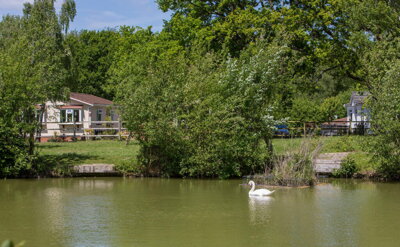
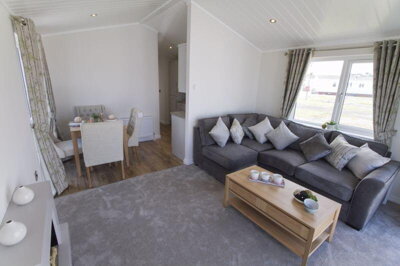
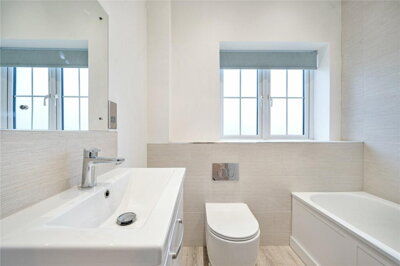
Browse 6 homes new builds in Silchester, Basingstoke and Deane from local developer agents.
£1.50M
6
0
126
Source: home.co.uk
Source: home.co.uk
Detached
4 listings
Avg £1.65M
Bungalow
1 listings
Avg £475,000
End of Terrace
1 listings
Avg £1.25M
Source: home.co.uk
Source: home.co.uk
The Leckhampstead property market is characterised by its exclusivity and limited supply, with only one property sale recorded in the past twelve months. Our current listings feature detached homes as the dominant property type, with prices reflecting the generous plot sizes and traditional construction that define this rural corner of West Berkshire. The average property price of £1,050,000 positions Leckhampstead firmly in the premium rural market, appealing to buyers who prioritise space, privacy, and access to open countryside over the convenience of town centre living. Unlike the rapid turnover seen in urban areas, property transactions in Leckhampstead are relatively infrequent, with typically only one or two sales completing each quarter.
The housing stock in Leckhampstead reflects its historic origins, with a significant proportion of properties dating from the pre-1919 period. These include traditional farmhouses, period cottages, and estate workers' dwellings, many of which feature the characteristic flint and brick construction found throughout the North Wessex Downs region. Properties often incorporate red brick, timber framing, and locally sourced materials that speak to the agricultural heritage of the village. The village contains several listed buildings, including the Grade II* listed Church of St James, along with Grade II listed properties such as Leckhampstead House, The Old Rectory, and various farmhouses along the historic village lanes. This architectural heritage adds considerable charm to the village but also means that buyers should be prepared for the characterful quirks and potential maintenance requirements that accompany older properties.
New build activity in Leckhampstead itself is virtually non-existent, with the village's conservation-sensitive environment and limited development land ensuring that opportunities to purchase brand new properties are extremely rare. Prospective buyers seeking modern accommodation may need to consider properties built during the mid-to-late twentieth century, which offer more contemporary layouts while still benefiting from the village's rural setting. The absence of new development also means that property values in Leckhampstead are unlikely to be diluted by an influx of new housing, which can appeal to buyers seeking long-term investment stability. Given the limited stock and the village's appeal to commuters and those seeking a rural lifestyle, competition for available properties can be intense when homes do come to market.

Life in Leckhampstead offers a pace of life that feels a world away from modern cities. The village sits within a landscape defined by rolling chalk downland, patchwork fields, and hedgerow-lined lanes that have changed little over centuries. The geology of West Berkshire, with its chalk bedrock overlain by areas of clay, sand, and gravel, creates a varied topography of gentle slopes and sheltered valleys that make the surrounding countryside ideal for walking, cycling, and equestrian pursuits. The proximity to the North Wessex Downs Area of Outstanding Natural Beauty provides residents with access to some of the most scenic countryside in southern England, including the ancient Ridgeway National Trail that passes through the wider region.
The demographic profile of Leckhampstead reflects its appeal to families and professionals seeking a countryside lifestyle without complete rural isolation. The village community is predominantly made up of families, couples, and older residents who have lived in the area for many years. Local employment opportunities within the village itself are limited, with the economy revolving around agriculture, equestrian facilities, and small-scale rural enterprises. However, the proximity of larger towns such as Newbury, Hungerford, and Wantage provides access to a broader range of employment options, retail amenities, and leisure facilities for residents willing to commute short distances by car.
Community life in Leckhampstead centres on the historic parish church of St James, which dates from the medieval period and serves as both a place of worship and a focal point for village events. The church's Grade II* listed status reflects its architectural significance within the local landscape. While the village does not have its own shop or public house, the close proximity to neighbouring villages such as Chaddleworth and East Garston ensures that everyday amenities are within easy reach. The strong sense of community and low crime rates make Leckhampstead particularly appealing to families with children and those seeking a safe, peaceful environment in which to settle.

Education provision for Leckhampstead residents primarily relies on schools in the surrounding area, as the village itself does not have its own primary school. Parents in the local area typically send their children to primary schools in neighbouring villages such as Chaddleworth, Brightwalton, or East Garston, where small class sizes and a focus on core literacy and numeracy skills provide a solid educational foundation. These village primary schools often benefit from close relationships with their communities and the opportunity for children to learn in a supportive, nurturing environment away from the pressures of larger urban schools.
Secondary education options for Leckhampstead residents include schools in Newbury, Hungerford, and the surrounding market towns. The area is served by several secondary schools offering a range of academic and vocational qualifications, with some schools offering specialist subjects in areas such as science, arts, and technology. St Bartholomew's School in Newbury and Kennet School in Hungerford serve as the main secondary options for families in the Leckhampstead catchment area. Parents should research individual school performance data and Ofsted inspection reports to identify the most suitable option for their child, taking into account factors such as curriculum provision, extracurricular activities, and school transport arrangements from Leckhampstead.
For families seeking independent education, the wider West Berkshire area offers several private and preparatory schools catering to children of all ages. These institutions often provide smaller class sizes, specialist teaching, and extensive facilities that can appeal to parents willing to invest in their child's education. Transport arrangements to independent schools are typically provided by the schools themselves or can be arranged privately, with journey times from Leckhampstead varying depending on the specific institution and its location. Sixth form and further education provision is available in Newbury, where students can access a wide range of A-level and vocational courses to prepare them for university or employment.
Leckhampstead benefits from its strategic position within the West Berkshire landscape, offering residents access to major transport corridors while maintaining a tranquil rural setting. The village is situated close to the A34, which provides direct connections to Oxford to the north and Southampton to the south. The M4 motorway is also within easy reach, approximately 10-15 minutes by car, offering a direct route to Reading, Swindon, Bristol, and London. This excellent road connectivity makes Leckhampstead particularly attractive to commuters who work in larger towns and cities but wish to enjoy the benefits of countryside living at the end of each day.
Public transport options from Leckhampstead are limited, as is typical for a small rural village. Bus services connecting Leckhampstead to nearby towns such as Newbury and Hungerford operate on a reduced timetable, making car ownership effectively essential for most residents. For those who need to commute by train, the railway stations at Newbury and Hungerford provide access to services running to London Paddington and the south coast. Newbury station offers regular trains to London Paddington with journey times of approximately 1 hour 15 minutes, while Great Western Railway services also connect to the south coast via Reading.
Cycling is a popular pursuit among Leckhampstead residents, with the quiet country lanes offering scenic routes for recreational cycling and commuting alike. The local topography, while undulating in places, is generally manageable for cyclists of moderate fitness, and the proximity to the Ridgeway National Trail provides access to longer distance routes through the Chilterns and North Wessex Downs. For those working from home, superfast broadband has improved in recent years, though speeds can vary depending on the specific location within the village and the age of the local infrastructure.
Before you begin searching for properties in Leckhampstead, approach a lender to obtain an Agreement in Principle. This document confirms how much you can borrow and demonstrates to sellers that you are a serious, financially prepared buyer. In a market where property is scarce, having your financing arranged can make the difference between securing your dream home and missing out to another buyer.
Take time to understand the Leckhampstead property market, including recent sales prices, typical property types, and the character of different neighbourhoods within the village. With only one property sale recorded in the past twelve months and prices averaging around £1,050,000, the market moves slowly. You may need to be patient and act quickly when suitable properties become available. Our platform provides up-to-date listings and market data to help inform your decision.
Once you have identified properties that meet your requirements, contact the listing estate agents to arrange viewings. In a tight-knit village like Leckhampstead, first impressions matter, and agents will often know the background of properties and their sellers. Take the opportunity to view properties at different times of day and in various weather conditions to assess light, access, and the general atmosphere of the area.
Before proceeding with your purchase, we strongly recommend commissioning a RICS Level 2 Survey (HomeBuyer Report) to assess the condition of the property. Given the age of many properties in Leckhampstead, including numerous listed buildings, a professional survey can identify defects such as damp, structural movement, or outdated electrics that may not be apparent during a standard viewing. For listed properties, a more detailed RICS Level 3 Building Survey may be advisable to fully understand the construction and maintenance requirements.
Once your offer has been accepted, instruct a conveyancing solicitor to handle the legal aspects of your purchase. Your solicitor will conduct searches, review contracts, and coordinate with the seller's representatives to ensure a smooth transaction. For properties in Leckhampstead, searches may include drainage and water searches with the relevant utility providers, local authority searches with West Berkshire Council, and environmental searches given the rural setting and presence of clay soils in the wider region.
The final stage involves exchanging contracts and completing your purchase. On completion day, the remaining funds are transferred, and you receive the keys to your new home. Our platform can connect you with recommended conveyancing solicitors and mortgage brokers to guide you through each step of the process.
Purchasing a property in Leckhampstead requires careful consideration of factors that may not be immediately apparent during viewings. Given the village's rural setting and the age of much of its housing stock, buyers should be aware of potential issues related to traditional construction methods and the local environment. Properties built before 1919 often feature solid walls rather than cavity wall construction, which can lead to higher heating costs and greater susceptibility to damp if not properly maintained. A thorough survey by a qualified RICS surveyor can identify these issues and provide guidance on remediation costs.
The presence of clay soils in parts of the West Berkshire region introduces a potential shrink-swell risk for property foundations. The chalk bedrock underlying much of the area is overlain with superficial deposits that can include clay, creating conditions where properties with inadequate foundations or those situated close to mature trees may be susceptible to movement caused by changes in soil moisture content. Signs of subsidence or heave, such as cracking to walls or distortion of door and window frames, should be investigated by a structural engineer before proceeding with a purchase. Insurance implications and remediation costs can be significant, making professional surveys essential for older properties in this area.
Many properties in Leckhampstead are listed buildings or located within sensitive architectural environments, which can impose restrictions on alterations and improvements. The Grade II* listed Church of St James and various Grade II listed farmhouses and cottages represent the historical character that buyers find so appealing. However, Listed Building Consent is required for alterations that might affect the character or structure of listed properties, and works must often be carried out using traditional materials and techniques such as lime mortar pointing and natural slate roofing. Before purchasing a listed property, prospective buyers should satisfy themselves that they are prepared for the additional responsibilities and costs associated with maintaining a historically significant building to the required standards.
Common defects found in Leckhampstead properties during surveys include damp (both rising and penetrating), roof condition issues with traditional slate and tile coverings, timber defects such as wet rot and woodworm in structural elements, and outdated electrical systems that may not meet current regulations. Our recommended RICS surveyors are experienced in assessing period properties throughout the West Berkshire area and can provide detailed reports on the condition of any property you are considering purchasing.
The average house price in Leckhampstead currently stands at £1,050,000, based on recent market data from Rightmove. This figure reflects the premium nature of the village property market, where detached homes on generous plots dominate the available stock. Prices have increased by approximately 5% over the past twelve months, indicating steady demand for rural properties in this part of West Berkshire. However, with only one property sale recorded in the past year and limited stock available at any given time, individual prices can vary significantly depending on property type, condition, and specific location within the village.
Properties in Leckhampstead fall under West Berkshire Council's jurisdiction, with most residential properties attracting Council Tax bands C through F, depending on their value and size. The village's character as a premium rural location means that many detached family homes and period properties are likely to be in the higher bands, with larger detached homes and farmhouses often falling into bands E or F. Prospective buyers should check the specific band for any property they are considering, as Council Tax forms part of the ongoing cost of homeownership in the area. West Berkshire Council sets its rates based on property valuations, so factors such as the size, character, and fittings of a home will influence which band it falls into.
Leckhampstead itself does not have a primary school, so children typically attend schools in neighbouring villages such as Chaddleworth Primary School or Brightwalton Primary School. These small village schools offer the benefit of small class sizes and strong community connections. Secondary education options include St Bartholomew's School in Newbury and Kennet School in Hungerford, both of which serve the wider West Berkshire catchment area. Parents should research individual school Ofsted ratings and performance data to identify the most suitable options for their children, taking into account transportation arrangements from Leckhampstead and any specific curriculum strengths they are seeking.
Public transport options in Leckhampstead are limited, as is typical for a small rural village. Bus services to nearby towns operate on reduced timetables, making car ownership essential for most residents. However, the village is well positioned for road travel, with the A34 and M4 motorway both accessible within a short drive, providing connections to Oxford, Reading, Southampton, and London. For rail travel, Newbury station provides regular services to London Paddington with journey times of approximately 1 hour 15 minutes, while Great Western Railway also operates services to the south coast via Reading.
Leckhampstead offers several characteristics that appeal to property investors, including limited supply, strong demand from commuters seeking rural lifestyles, and proximity to major transport links including the A34 and M4. The village's historic character and presence of listed buildings contribute to property values that have shown consistent appreciation over time, with prices increasing by around 5% in the past twelve months. However, investors should be aware that the limited number of transactions means that liquidity can be lower than in urban markets, and properties may take longer to sell during quieter periods. The absence of new build development in the village helps protect existing property values from competitive pressure.
Stamp Duty Land Tax (SDLT) rates for 2024-25 are 0% on the first £250,000 of property value, 5% on the portion between £250,001 and £925,000, 10% between £925,001 and £1.5 million, and 12% above £1.5 million. At the current average price of £1,050,000, a typical buyer would pay 0% on the first £250,000 (nil), 5% on the next £675,000 (£33,750), and 10% on the remaining £125,000 (£12,500), totalling approximately £46,250. First-time buyers benefit from relief on the first £425,000, reducing the effective SDLT on qualifying purchases. We recommend consulting a financial adviser to calculate the exact SDLT liability for your specific circumstances.
Leckhampstead is not situated directly on any major river, with the nearest significant watercourses being the River Kennet and River Lambourn located in the wider West Berkshire area. The risk of river flooding is generally low, however surface water flooding can occur in some low-lying areas during periods of heavy rainfall, particularly where drainage is poor or where the local topography channels water flow. Given the presence of clay soils in parts of the wider region, subsidence and heave risks should also be considered, especially for properties with shallow foundations or those close to mature trees. A professional survey and environmental searches can identify any specific flood risk areas or ground conditions affecting a property you are considering purchasing.
The housing stock in Leckhampstead is predominantly made up of detached homes, with properties ranging from traditional farmhouses and period cottages dating from the pre-1919 era to more recent additions from the mid-to-late twentieth century. Many properties feature the characteristic flint and brick construction found throughout the North Wessex Downs region, with red brick, timber framing, and natural slate or clay tile roofing being common features. The village contains several listed buildings including the Grade II* Church of St James, Leckhampstead House, The Old Rectory, and various farmhouses and cottages along the historic village lanes. Flats and terraced properties are extremely rare in Leckhampstead, with the village's character being defined by its generous plot sizes and period properties.
Buying a property in Leckhampstead involves several costs beyond the purchase price itself. The primary additional cost is Stamp Duty Land Tax (SDLT), which is calculated on a tiered basis according to the purchase price. For a property priced at the current average of £1,050,000, a standard buyer would pay 0% on the first £250,000 (nil), 5% on the next £675,000 (£33,750), and 10% on the remaining £125,000 (£12,500), totalling approximately £46,250. These figures are based on 2024-25 tax thresholds and should be verified with HMRC or a financial adviser at the time of your purchase.
First-time buyers benefit from increased SDLT thresholds, paying 0% on the first £425,000 and 5% on the portion between £425,001 and £625,000. For a first-time buyer purchasing at the average Leckhampstead price of £1,050,000, SDLT would be calculated as 5% on the portion between £425,001 and £625,000 (£10,000), and 10% on the amount above £625,000 up to £1,050,000 (£42,500), totalling approximately £52,500. While this may seem counterintuitive, the withdrawal of first-time buyer relief above £625,000 means that higher-value properties attract SDLT at a higher effective rate than the standard calculation might suggest.
Beyond SDLT, buyers should budget for solicitor conveyancing costs, typically ranging from £500 to £1,500 depending on the complexity of the transaction and whether the property is freehold or leasehold. Local searches with West Berkshire Council typically cost between £250 and £400, while mortgage arrangement fees vary by lender but can range from £0 to £2,000. A RICS Level 2 Survey for a property in Leckhampstead is likely to cost between £400 and £900 depending on property size and value, with specialist surveys for listed buildings potentially exceeding this range. Given the age and construction of many properties in Leckhampstead, we recommend budgeting for a thorough survey to identify any defects before committing to your purchase. Buildings insurance should be arranged from the point of exchange, and removals costs should also be factored into your overall moving budget.
Properties New Builds In London

Properties New Builds In Plymouth

Properties New Builds In Liverpool

Properties New Builds In Glasgow

Properties New Builds In Sheffield

Properties New Builds In Edinburgh

Properties New Builds In Coventry

Properties New Builds In Bradford

Properties New Builds In Manchester

Properties New Builds In Birmingham

Properties New Builds In Bristol

Properties New Builds In Oxford

Properties New Builds In Leicester

Properties New Builds In Newcastle

Properties New Builds In Leeds

Properties New Builds In Southampton

Properties New Builds In Cardiff

Properties New Builds In Nottingham

Properties New Builds In Norwich

Properties New Builds In Brighton

Properties New Builds In Derby

Properties New Builds In Portsmouth

Properties New Builds In Northampton

Properties New Builds In Milton Keynes

Properties New Builds In Bournemouth

Properties New Builds In Bolton

Properties New Builds In Swansea

Properties New Builds In Swindon

Properties New Builds In Peterborough

Properties New Builds In Wolverhampton

Enter your details to see if this property is within your budget.
Loans, cards, car finance
Estimated property budget
Borrowing + deposit
You could borrow between
Typical borrowing
Monthly repayment
Est. at 4.5%
Loan-to-value
This is an estimate only. Your actual budget may vary depending on interest rates, credit history, and personal circumstances. For an accurate affordability assessment, speak to one of our free mortgage advisors.
This calculator provides estimates for illustrative purposes only and does not constitute financial advice. Your home may be repossessed if you do not keep up repayments on your mortgage. Estimates based on 4.5% interest rate, repayment mortgage. Actual rates depend on your circumstances.
Homemove is a trading name of HM Haus Group Ltd (Company No. 13873779, registered in England & Wales). Homemove Mortgages Ltd (Company No. 15947693) is an Appointed Representative of TMG Direct Limited, trading as TMG Mortgage Network, which is authorised and regulated by the Financial Conduct Authority (FRN 786245). Homemove Mortgages Ltd is entered on the FCA Register as an Appointed Representative (FRN 1022429). You can check registrations at NewRegister or by calling 0800 111 6768.

We use cookies to show you personalised content and improve your experience of our website. Find out more in our Privacy policy and Cookie policy.