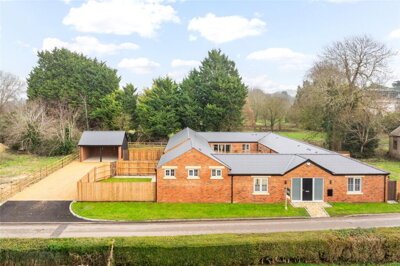
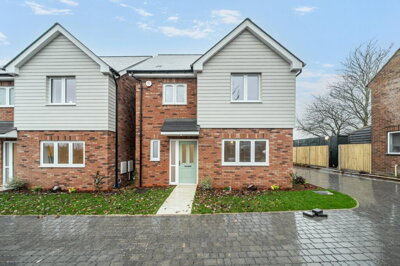
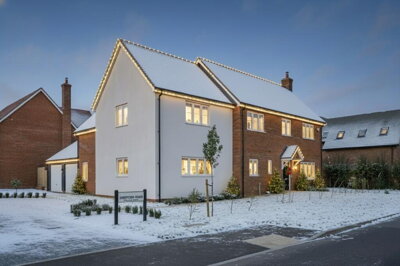
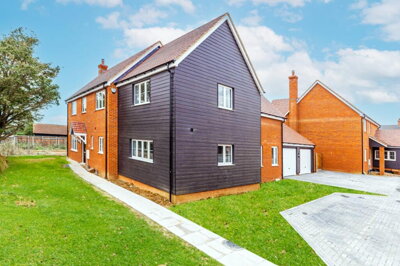
Browse 4 homes new builds in Shillington, Central Bedfordshire from local developer agents.
£1.10M
11
0
78
Source: home.co.uk
Source: home.co.uk
Detached
6 listings
Avg £1.15M
End of Terrace
2 listings
Avg £337,500
Barn Conversion
1 listings
Avg £1.45M
Cottage
1 listings
Avg £282,500
Terraced
1 listings
Avg £280,000
Source: home.co.uk
Source: home.co.uk
The Braunton property market offers something for every buyer, with property types distributed across detached homes at 37.6% of the housing stock, semi-detached properties at 28.1%, terraced houses at 19.4%, and flats or apartments comprising 14.9%. Detached properties command the highest prices with an average of £485,417, reflecting the additional space and privacy they offer. Semi-detached homes average £323,243, while terraced properties provide more affordable options at around £290,125. Flats in Braunton typically sell for approximately £197,900, making them an excellent entry point for first-time buyers or investors.
The age profile of properties in Braunton is particularly worth noting for prospective buyers. Approximately 15.6% of homes were built before 1919, offering traditional construction with period features such as high ceilings, original fireplaces, and thick solid walls. Properties from the interwar period (1919-1945) account for 10.1% of the housing stock, while the largest proportion at 36.4% dates from the post-war boom years of 1945-1980. Newer properties built after 1980 make up 37.9% of homes, with many featuring cavity wall construction and modern insulation standards.
Three active new-build developments are currently bringing fresh options to the market. The Grange by Baker Estates offers 2, 3, 4, and 5-bedroom homes starting from £319,995, providing modern specifications within the village setting. Orchard Park from Barratt Homes features 2, 3, and 4-bedroom properties from £289,995, while Kings Acre by David Wilson Homes presents 3 and 4-bedroom homes from £350,000. These developments offer buyers the chance to purchase new-build properties with contemporary fittings and energy-efficient designs, complementing the established character of the village.

Braunton is home to 8,602 residents across 3,767 households according to the 2021 Census, creating a vibrant community atmosphere that newcomers quickly become part of. The village centres around the historic Caen Street and the impressive Grade I listed St. Brannock's Church, which dates back centuries and serves as a focal point for both locals and visitors. The surrounding North Devon landscape is characterised by Devonian slates and sandstones, with the village sitting comfortably between the River Caen and the stunning Braunton Burrows, a UNESCO-designated biosphere reserve.
The local economy thrives on tourism and service industries, with Braunton serving as the main service centre for the surrounding rural communities. Local shops, cafes, pubs, and restaurants line the village streets, while the proximity to world-class surfing beaches at Saunton Sands and Croyde attracts visitors throughout the year. The village hosts various community events and has excellent recreational facilities including sports clubs, a cinema, and easy access to the South West Coast Path. The combination of coastal access, rural charm, and strong community spirit makes Braunton an exceptionally desirable place to call home.
The North Devon Biosphere Reserve designation ensures that the area maintains its unique environmental character while supporting sustainable development. Braunton Burrows, one of the largest sand dune systems in Britain, provides an extraordinary natural playground for residents and visitors alike. The biosphere reserve also supports local initiatives aimed at preserving wildlife habitats and promoting eco-friendly practices among businesses and residents. This environmental stewardship adds long-term value to the area and ensures that Braunton's natural attractions remain protected for future generations to enjoy.

Education is well-catered for in Braunton, with several primary schools serving the village and surrounding areas. The local school catchment system means property buyers with children should research specific school admissions criteria and availability before purchasing. Secondary education is provided by schools in the wider North Devon area, with school transport links connecting students to various institutions. The presence of quality schools makes Braunton particularly attractive to families considering a move to North Devon.
For those pursuing further and higher education, the nearby town of Barnstaple hosts a college offering A-levels and vocational courses, while Exeter and Plymouth provide university options within reasonable commuting distance. Parents moving to Braunton should arrange school visits and contact the local education authority for the most current admissions information, as catchment areas can affect school allocations. The village's family-friendly environment and access to education at all levels contribute significantly to its popularity among buyers with children.
Transport connections to educational institutions outside the village are well-established, with regular bus services linking Braunton to secondary schools in Barnstaple and surrounding towns. Many families appreciate the manageable commute distances compared to larger urban areas, making it practical for teenagers to attend schools further afield while enjoying the benefits of village life at home. Extra-curricular activities and sports clubs within Braunton also supplement formal education, providing children with opportunities for development outside the classroom.
Braunton enjoys excellent connectivity despite its village setting, with the A361 providing direct access to Barnstaple, the main town of North Devon, and onward connections to the M5 motorway. Exeter is approximately 50 miles away, making it accessible for those working in the city or needing to travel further afield. The village is well-served by local bus services connecting residents to surrounding towns and coastal resorts, while the scenic countryside roads are popular with cyclists.
For commuters, Barnstaple railway station offers connections to Exeter and beyond, with regular services to major cities including Bristol and London Paddington via Exeter St. David's. The nearest international airport is Exeter Airport, providing flights to European destinations and connecting to wider networks. Many residents appreciate the relatively straightforward commute options while enjoying the peaceful village environment that Braunton offers.
The coastal location does mean some journey times can extend during peak summer tourist seasons, a factor worth considering for daily commuters. Traffic heading to popular beaches at Saunton Sands and Croyde can increase significantly during school holidays and weekends, particularly on the narrow lanes approaching the coast. Planning journeys outside peak times or working from home on busy days can help mitigate these seasonal variations in traffic flow.
Explore current listings on Homemove and familiarise yourself with Braunton property prices. Understanding the difference between detached homes averaging £485,417 and terraced properties around £290,125 will help you set realistic expectations. Consider working with a local estate agent who knows the village intimately and can alert you to new listings before they appear on public portals.
Before viewing properties, obtain a mortgage agreement in principle from a lender. This strengthens your position when making offers and demonstrates to sellers that you are a serious buyer. Contact our mortgage partners who can compare rates and help you find the best deal for your circumstances. Given the variety of property types in Braunton, from period cottages to new-build homes, different mortgage products may suit your specific purchase.
Visit multiple properties across different areas of Braunton to understand what each neighbourhood offers. Pay attention to flood risk areas near the River Caen and proximity to local amenities. View our curated selection of properties and schedule viewings through our platform. Take time to explore the village at different times of day to get a feel for traffic patterns and community atmosphere.
Given that 62.1% of Braunton properties were built before 1980, a thorough survey is essential. RICS Level 2 Surveys in Braunton typically cost between £400 and £800 depending on property size and age. This report will identify defects such as damp, roof issues, timber defects, or outdated electrics common in older properties. Our survey partners understand the common issues found in Braunton's varied housing stock.
Once your offer is accepted, instruct a conveyancing solicitor to handle the legal aspects of your purchase. They will conduct searches, check flooding and drainage implications, and manage the transfer of ownership. Our conveyancing partners offer competitive rates for Braunton property purchases and understand the specific local concerns for properties in North Devon.
Your solicitor will coordinate the final steps, including searches related to radon gas and local planning restrictions. On completion day, you will receive your keys and become the proud owner of your new Braunton home, ready to enjoy everything this beautiful North Devon village has to offer. Take time to familiarise yourself with local services, community groups, and amenities in your new neighbourhood.
Several area-specific factors deserve careful attention when purchasing property in Braunton. Flood risk is a significant consideration, with the River Caen running through the village creating fluvial flood risk, while coastal proximity to the Taw-Torridge Estuary introduces tidal flooding concerns. Surface water flooding can affect various parts of the village during heavy rainfall due to local topography and drainage capacity. A thorough property survey will help identify any flood-related issues, and you should verify whether the property falls within known flood zones before proceeding with your purchase.
Conservation area restrictions apply to properties in the designated area covering Caen Street, Chaloners Road, and the Parish Church of St. Brannock. Properties that are listed buildings, including the Grade I listed St. Brannock's Church and numerous Grade II listed cottages and farmhouses, may have additional planning constraints affecting alterations and extensions. The local geology includes areas with Devonian slates and sandstones, with superficial deposits containing clay that can cause shrink-swell movement, particularly where mature trees are present. Properties near the coast may also be affected by radon gas levels, which can be higher than the national average in Devon.
Building materials throughout Braunton vary significantly, from traditional rendered exteriors over brick or blockwork to local stone construction and slate roofing on older properties. Properties built post-1980 often feature cavity wall construction, while newer developments use modern timber frame or blockwork systems. Many older properties may contain asbestos-containing materials, particularly those built before 2000. Understanding these construction types helps inform your survey requirements and any future renovation plans.
Braunton's housing stock reflects its rich architectural heritage and the various construction trends that have shaped North Devon over the decades. Properties built before 1919, accounting for 15.6% of the housing stock, typically feature traditional solid wall construction using local stone or brick with lime-based mortars and renders. These period properties often have thick walls that provide excellent thermal mass but may require updated insulation solutions. Roofs on older properties are typically slate, sourced from local quarries or imported from Wales, and may show signs of wear after many decades of exposure to coastal weather.
The post-war period (1945-1980) saw a significant increase in construction activity, with 36.4% of Braunton's homes built during this era. Properties from this period commonly feature brick or concrete block external walls with cavity insulation, though some may have solid walls without cavities. Timber sash windows were gradually replaced by metal casement windows during this period, many of which may now require replacement due to condensation issues or deterioration. Flat roofs on extensions and garages from this era are particularly prone to leaking and should be carefully inspected.
For listed buildings within the conservation area, specialist surveys are recommended before purchasing. These properties often have unique construction features that require heritage expertise to assess properly. A standard RICS Level 2 Survey may not be sufficient for Grade II listed properties, where specialist knowledge of traditional building techniques and materials is essential. Our survey partners can recommend appropriate inspection services for heritage properties, ensuring you understand any maintenance requirements or restrictions before committing to your purchase.
Due to the age profile of much of Braunton's housing stock, certain defects appear more frequently than others. Damp issues are particularly common in older properties, manifesting as rising damp where original damp-proof courses have failed, or penetrating damp where render and pointing have deteriorated under coastal weather conditions. Our inspectors regularly find evidence of damp in properties along Caen Street and the surrounding conservation area, where traditional construction methods meet age-related wear and tear.
Roof conditions require careful assessment across all property ages in Braunton. Slate roofs on period properties may have slipped or broken slates, deteriorated lead flashings, or moss growth retaining moisture against the tiles. Properties with flat roofs, common on post-war extensions and some new-build designs, frequently show signs of ponding water and membrane deterioration. Timber defects including woodworm and wet or dry rot can affect roof structures, floor joists, and window frames, particularly where ventilation is inadequate or previous water ingress has occurred.
Electrical and plumbing systems in older properties frequently fall below current standards. Many Braunton homes built before the 1970s still have original fuse boxes, fabric-covered wiring, and galvanised steel or lead water pipes. A thorough inspection should assess the condition of all services and identify any upgrading required for safety and compliance. Asbestos-containing materials may be present in properties built before 2000, particularly in textured coatings, pipe insulation, and some roofing materials. Our surveyors are trained to identify potential ACMs and will recommend appropriate testing or remediation where necessary.
The average property price in Braunton currently stands at £376,013 based on recent market data. Detached properties average £485,417, semi-detached homes cost around £323,243, terraced properties are approximately £290,125, and flats average £197,900. Property values have decreased by 1.12% over the past 12 months, creating potential opportunities for buyers in this market. With 100 property sales in the last 12 months, the market shows reasonable activity for a village of this size.
Properties in Braunton fall under North Devon District Council for council tax purposes. Bands range from A to H based on property value, with most family homes falling in bands B through D. You should check the specific band with the local authority or on the property listing before purchasing, as this affects your ongoing annual costs. Council tax payments fund local services including education, waste collection, and community facilities that contribute to Braunton's quality of life.
Braunton has several primary schools serving the local community, though specific Ofsted ratings and school performance data should be verified directly with schools or through official Ofsted reports. Secondary schools in the wider North Devon area serve the village, with transport options available. Parents should research catchment areas and admissions criteria as these can affect school allocations for your property. The presence of good primary schools within walking distance of many neighbourhoods makes Braunton particularly suitable for families with younger children.
Braunton is served by local bus routes connecting to Barnstaple and surrounding coastal villages including Saunton Sands and Croyde. Barnstaple railway station, accessible by bus or car, provides rail connections to Exeter and onward to Bristol and London Paddington. The A361 connects the village to the M5 motorway at Tiverton. Exeter Airport offers international flights, making Braunton reasonably well-connected for a North Devon village despite its coastal location.
Braunton offers several investment considerations for property buyers. The village benefits from strong tourism demand given its proximity to popular surfing beaches at Saunton Sands and Croyde, while the North Devon Biosphere Reserve designation supports long-term environmental and economic sustainability. The recent 1.12% price decrease may present buying opportunities, while limited new development and strong local demand suggest potential for appreciation. Properties near the coast or with sea views typically command premium prices and strong rental demand during peak seasons, making holiday let investments particularly attractive in this area.
Standard SDLT rates are 0% on properties up to £250,000, 5% on the portion from £250,001 to £925,000, 10% from £925,001 to £1.5 million, and 12% above £1.5 million. First-time buyers pay 0% up to £425,000 with 5% on the portion from £425,001 to £625,000. Given that the average Braunton property costs £376,013, most buyers would pay stamp duty only on amounts above the relevant threshold, making the village accessible for many purchasers. A first-time buyer purchasing an average-priced property would pay approximately £0, while a standard buyer would pay around £6,301.
Flood risk in Braunton comes from multiple sources that buyers should carefully consider. The River Caen poses a fluvial flood risk through the village centre, while coastal proximity to the Taw-Torridge Estuary introduces tidal flooding concerns during severe weather events. Surface water flooding can occur during heavy rainfall due to local topography and drainage capacity, particularly in low-lying areas near the river. Properties near the River Caen or in low-lying areas require particular scrutiny during the survey process. A thorough survey and Flood Risk Report are essential before purchasing, and you should verify whether the property is in a designated flood zone through the local authority or government flood risk databases.
Yes, a Conservation Area covers parts of the historic village centre including Caen Street, Chaloners Road, and the area around St. Brannock's Parish Church. Numerous listed buildings, including Grade I and Grade II structures, have planning restrictions on alterations and extensions. These designations help preserve the village character but may limit renovation options for properties within their boundaries. Specialist surveys may be required for listed properties, and you should consult North Devon District Council planning department for specific restrictions before purchasing. Properties in the conservation area may also be subject to Article 4 Directions that remove certain permitted development rights.
Given that 62.1% of properties in Braunton were built before 1980, a RICS Level 2 Survey is highly recommended for most purchases. This report identifies defects common in older properties including damp, roof issues, timber defects, and outdated electrics. For listed buildings or properties with unusual construction, a more detailed RICS Level 3 Building Survey may be more appropriate. Our survey partners understand the specific issues affecting Braunton's varied housing stock and can recommend the most suitable inspection for your potential purchase.
From £400
A detailed inspection ideal for most properties, identifying defects common in Braunton's older housing stock
From £600
Comprehensive survey recommended for larger or older properties, or those with unusual construction
From £80
Energy Performance Certificate required for all property sales
From £499
Legal services for your property purchase
From 4.5% APR
Competitive mortgage rates for Braunton buyers
Understanding the full costs of buying property in Braunton extends beyond the purchase price. Stamp Duty Land Tax applies to all purchases above £250,000 for standard buyers, with first-time buyer relief available up to £625,000 for those meeting eligibility criteria. For an average-priced Braunton property at £376,013, a standard buyer would pay approximately £6,301 in stamp duty after the nil-rate threshold, while a first-time buyer would pay around £0 to £2,000 depending on their circumstances. These figures should be factored into your overall budget alongside deposit and mortgage arrangement fees.
Additional buying costs include solicitor fees typically ranging from £500 to £2,000 for conveyancing, survey costs of £400 to £800 for a RICS Level 2 Survey, and mortgage arrangement fees which vary by lender but often range from £0 to £2,000. Search fees through your solicitor cover local authority, environmental, and drainage searches relevant to Braunton, including checks on flood risk and radon gas levels. Removal costs, valuation fees, and potential renovation or repair costs should also be budgeted for. Planning carefully ensures a smooth purchase without unexpected financial pressures.
Budgeting for potential repairs identified during survey is particularly important in Braunton, where many properties are older and may require updating. Common issues found in period properties include rewiring, new plumbing, roof repairs, and replacement of windows. Properties near the coast may also need external timber work or rendering repairs due to exposure to salt air. Having a contingency fund of around 10-15% of the purchase price above your mortgage and deposit is advisable for any renovation work needed after purchase.
Properties New Builds In London

Properties New Builds In Plymouth

Properties New Builds In Liverpool

Properties New Builds In Glasgow

Properties New Builds In Sheffield

Properties New Builds In Edinburgh

Properties New Builds In Coventry

Properties New Builds In Bradford

Properties New Builds In Manchester

Properties New Builds In Birmingham

Properties New Builds In Bristol

Properties New Builds In Oxford

Properties New Builds In Leicester

Properties New Builds In Newcastle

Properties New Builds In Leeds

Properties New Builds In Southampton

Properties New Builds In Cardiff

Properties New Builds In Nottingham

Properties New Builds In Norwich

Properties New Builds In Brighton

Properties New Builds In Derby

Properties New Builds In Portsmouth

Properties New Builds In Northampton

Properties New Builds In Milton Keynes

Properties New Builds In Bournemouth

Properties New Builds In Bolton

Properties New Builds In Swansea

Properties New Builds In Swindon

Properties New Builds In Peterborough

Properties New Builds In Wolverhampton

Enter your details to see if this property is within your budget.
Loans, cards, car finance
Estimated property budget
Borrowing + deposit
You could borrow between
Typical borrowing
Monthly repayment
Est. at 4.5%
Loan-to-value
This is an estimate only. Your actual budget may vary depending on interest rates, credit history, and personal circumstances. For an accurate affordability assessment, speak to one of our free mortgage advisors.
This calculator provides estimates for illustrative purposes only and does not constitute financial advice. Your home may be repossessed if you do not keep up repayments on your mortgage. Estimates based on 4.5% interest rate, repayment mortgage. Actual rates depend on your circumstances.
Homemove is a trading name of HM Haus Group Ltd (Company No. 13873779, registered in England & Wales). Homemove Mortgages Ltd (Company No. 15947693) is an Appointed Representative of TMG Direct Limited, trading as TMG Mortgage Network, which is authorised and regulated by the Financial Conduct Authority (FRN 786245). Homemove Mortgages Ltd is entered on the FCA Register as an Appointed Representative (FRN 1022429). You can check registrations at NewRegister or by calling 0800 111 6768.

We use cookies to show you personalised content and improve your experience of our website. Find out more in our Privacy policy and Cookie policy.