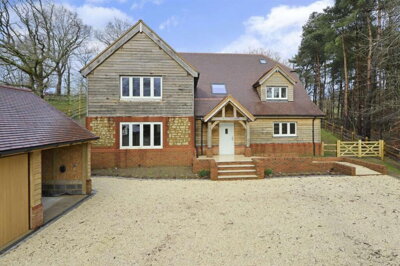
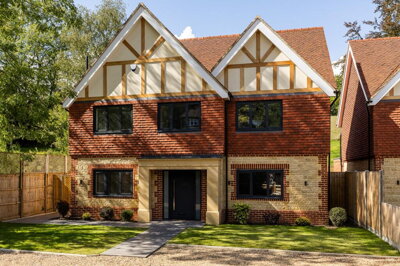
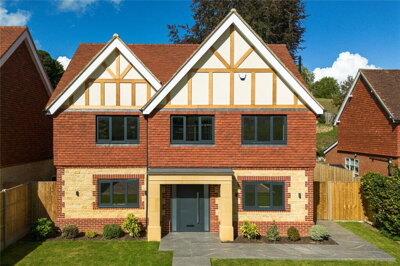
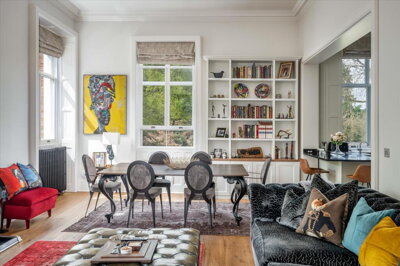
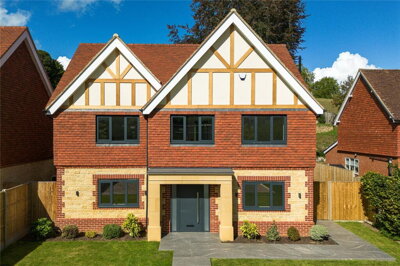
Browse 5 homes new builds in Shere, Guildford from local developer agents.
£1.61M
34
4
124
Source: home.co.uk
Source: home.co.uk
Detached
21 listings
Avg £1.84M
Semi-Detached
7 listings
Avg £740,707
Terraced
3 listings
Avg £758,333
House
2 listings
Avg £2.45M
Character Property
1 listings
Avg £750,000
Source: home.co.uk
Source: home.co.uk
The Stoke Gabriel property market reflects the village's desirability as a premium location within South Devon. Detached properties dominate the sales landscape, commanding an average price of £674,727 over the past year, which speaks to the demand for spacious homes with gardens in this tranquil setting. Semi-detached properties averaged £400,000, while terraced homes fetched around £338,750, demonstrating that properties across all categories command strong prices in this sought-after village. The market has shown resilience with an 11% increase in sold prices compared to the previous year, though current values sit approximately 6% below the 2023 peak of £628,150.
New build activity in Stoke Gabriel remains limited, with Gabriel Court representing the primary new development in the village, offering thirteen houses by developer Park Green. For buyers seeking modern specifications, neighbouring towns including Paignton, Newton Abbot, Dartmouth, and Dartington provide additional options within a short drive. The village's Conservation Area, first designated in 1974 and extended multiple times, most recently in 2007, ensures that development respects the historic character that makes Stoke Gabriel so appealing, though this means buyers should be aware of potential planning considerations when considering renovation or extension projects.
The village's architecture tells the story of its evolution through the centuries, from the Norman-era Church of St Mary and St Gabriel with its 13th-century tower and 15th-century nave, to the Georgian elegance of Stoke Gabriel House built in 1798 and extended in 1899. This heritage creates a streetscape of remarkable character, but also means that many properties require specialist knowledge during purchase. Our inspectors are experienced in assessing the various construction methods found throughout the village, including the rendered rubble walls, cob-and-thatch cottages, and cross-passage houses that represent the traditional building stock.

Stoke Gabriel embodies the quintessential English village experience, where life revolves around community events, riverside walks, and the simple pleasure of watching boats navigate the creek. The village centres around a magnificent mill pond, one of the few remaining tidal millponds in the country, which has become the focal point for both residents and visitors drawn by the famous crabbing opportunities. Local amenities include traditional pubs such as the Church House Inn, which may date back to medieval times, alongside local shops, a restaurant, and the highly regarded Stoke Gabriel Primary School, all situated within walking distance of the village centre.
The demographic of Stoke Gabriel skews towards established households, with many long-term residents alongside newcomers attracted by the quality of life the village offers. The area retains its peaceful character away from major transport routes, creating a sanctuary from the busier towns along the Devon coast. The parish encompasses varied terrain including Devonian limestone outcrops and Permian red sandstone, with the local stone featuring prominently in historic buildings throughout the village. The stone-faced hedge banks that line the ancient lanes represent a distinctive local feature that has shaped the landscape for centuries and continues to define the character of this charming community.
Historically, the local economy revolved around the River Dart, with fishing and tidal corn mills providing employment and sustenance for residents. The quarries in the area reputedly supplied the Permian red sandstone used for the tower of St Mary's Church in Totnes, as well as the parish church in Stoke Gabriel itself. This geological heritage is evident in the distinctive red stone buildings that punctuate the village, including The White House and Stoke House, which stand apart from the more common rendered rubble construction found elsewhere in the conservation area.

Education provision in Stoke Gabriel centres on Stoke Gabriel Primary School, which serves families with children from Reception through to Year 6. The school enjoys a strong reputation within the local community and the wider South Hams area, reflecting the commitment to educational excellence that characterises this village. Parents frequently cite the school's intimate setting and dedicated teaching staff as key factors in their decision to relocate to Stoke Gabriel, valuing the combination of academic achievement and pastoral care that smaller primary schools can offer.
For secondary education, families typically travel to neighbouring towns including Totnes, where several options exist, or Dartmouth, both of which offer a selection of secondary schools and sixth form provision. The presence of these educational facilities within reasonable driving distance ensures that families with older children can access a full range of educational options while benefiting from the quality of life that village living provides. Transport arrangements to secondary schools are generally well-established, with school bus services operating from Stoke Gabriel to nearby towns. Many families find that the short journey to secondary school is a worthwhile trade-off for the primary education and community advantages that Stoke Gabriel provides.
The village's popularity with families is reflected in the housing market, with three and four-bedroom detached properties commanding premium prices. Parents moving to Stoke Gabriel often cite the combination of excellent primary schooling, safe village streets, and access to countryside as key motivations. The presence of established households and the relative stability of the school roll suggests a community that will continue to attract families seeking this balanced lifestyle.
Transport connectivity from Stoke Gabriel combines the peaceful village setting with reasonable access to major transport links when required. The village sits approximately three miles from the market town of Totnes, which provides direct rail services to London Paddington via Exeter and Bristol, with journey times of around three hours. Totnes railway station also offers connections to Plymouth, Exeter, and the coastal towns of the English Riviera, making it practical for commuters who need to access the broader rail network while enjoying village life.
For those travelling by car, the A381 provides connections to the A38 and the wider Devon road network, while the ferry service across the River Dart offers an alternative route to Dartmouth and the coastal communities of South Devon. Bus services operate within the village and connect to nearby towns, though frequencies may be limited on less travelled routes. Parking within Stoke Gabriel itself is generally manageable given the village scale, though the narrow lanes and historic street patterns require careful navigation. Cyclists and walkers benefit from numerous footpaths and quiet country lanes that traverse the surrounding countryside, including routes that connect to the wider South Devon footpath network.
The village's position on the River Dart estuary creates both opportunities and considerations for residents. While the water provides recreational benefits and contributes to the area's character, those considering properties near the estuary should be aware of the flood risk areas identified by the Environment Agency, particularly around Coombe Chute and Byter Mill Lane. The surface water flood risk extends from the junction of Flood Street and Paignton Road, through Madicks Orchard and New Road, down to Coombe Chute. Understanding these risk areas before purchasing is essential for making an informed decision about property location within the village.
Begin by exploring current property listings in Stoke Gabriel and understanding local price trends. With an average property price of £593,300 and detached homes commanding around £674,727, understanding what your budget buys in this village market is essential. Consider working with local estate agents who understand the nuances of this tight-knit community. Our team can provide context on recent sales and emerging opportunities in the village.
Before arranging viewings, obtain a mortgage agreement in principle from a lender. This strengthens your position when making offers and demonstrates to sellers that you are a serious buyer. Given the premium nature of property in Stoke Gabriel, having your finances organised from the outset will help you move quickly when the right property becomes available. Several lenders offer competitive rates for properties in this price range, and brokers familiar with the South Devon market can help structure finance efficiently.
Visit properties that match your criteria, taking time to explore the village and surrounding area. Pay particular attention to flood risk areas near the River Dart estuary and conservation area restrictions that may affect plans for any period property. The narrow lanes and village atmosphere should be experienced firsthand before committing to a purchase. We recommend visiting at different times of day and, if possible, speaking with existing residents about their experience of living in specific locations within the village.
Given that many properties in Stoke Gabriel are older constructions, including cob-and-thatch cottages and 17th-century buildings, a comprehensive survey is essential. The average cost nationally for a Level 2 survey is around £455, rising to approximately £586 for properties valued above £500,000. This investment can reveal issues with damp, roof conditions, or outdated electrics common in period properties. Our inspectors have extensive experience surveying traditional Devon construction and understand the specific defect patterns associated with rendered rubble walls, slate roofs, and cob-and-thatch buildings.
Once your offer is accepted, instruct a conveyancing solicitor to handle the legal work. Your solicitor should investigate any conservation area requirements, listed building status, and local planning constraints that may affect your property. Exchange and completion typically follows within 4-6 weeks, though sales in village communities may move at their own pace. Given that Stoke Gabriel has 13 listed building entries and extensive conservation area coverage, solicitor due diligence on these matters is particularly important.
Properties in Stoke Gabriel require careful consideration of several area-specific factors that may not be immediately apparent to buyers unfamiliar with South Devon villages. Flood risk represents a significant consideration, with parts of the village, particularly around Coombe Chute and Byter Mill Lane, shown as at risk on the Flood Map due to proximity to the River Dart estuary and surface water runoff from nearby watercourses. Properties in low-lying areas near the Dart Estuary may be subject to flood warnings during periods of high tides and heavy rainfall, so checking the Environment Agency flood risk maps is advisable before making an offer on any property in these locations.
The village's Conservation Area status, established since 1974 and most recently extended in 2007, brings specific planning considerations that buyers should understand before purchasing. Properties within the conservation area may face restrictions on external alterations, extensions, and even changes to windows and doors that could affect the character of historic buildings. With 13 listed building entries in Stoke Gabriel, including the Grade I listed 13th-century Church of St Mary and St Gabriel, understanding listed building status is crucial for period properties. These buildings often require specialist surveys and may have additional maintenance obligations that buyers should factor into their decision-making.
The construction methods found in older Stoke Gabriel properties merit particular attention during the survey process. Many historic buildings feature rendered rubble walls with slate roofs, while some of the oldest properties include cob-and-thatch construction that requires specialist knowledge to assess and maintain. The Permian red sandstone and Devonian limestone used throughout the village, including stone quarried locally for historic churches, contributes to the distinctive character but may require ongoing maintenance to address the effects of age and weather exposure. Our inspectors understand these traditional building methods and can identify potential issues including deterioration of render systems, slate slippage, and the condition of thatch on properties such as Laurel Cottage, the only historic thatched building within the conservation area.
Cross-passage houses, a common traditional Devon property type found in Stoke Gabriel, present specific considerations for buyers. These Georgian and earlier properties feature a central passage running through the property, often with the front door opening directly into the main hall. The layout creates distinctive living spaces but can also present challenges for modern use and energy efficiency. Properties such as Slees and Mill House exemplify this traditional form, and understanding how these properties can be adapted for contemporary living without compromising their historic character is essential knowledge for prospective buyers.
The average house price in Stoke Gabriel is currently £593,300 based on sales data from the past year. Detached properties have sold for an average of £674,727, while semi-detached homes fetched around £400,000 and terraced properties averaged £338,750. The market has shown a positive 11% increase compared to the previous year, though prices remain approximately 6% below the 2023 peak of £628,150, suggesting some correction from the post-pandemic market highs while maintaining strong underlying demand for this sought-after village location.
Properties in Stoke Gabriel fall under South Hams District Council for council tax purposes. Bands will vary depending on the property valuation, with period cottages and smaller homes typically in Bands A to C, while larger detached properties and Victorian or Georgian villas may fall into Bands D to F. You can check specific band information on the Valuation Office Agency website using the property address or contact South Hams District Council directly for band confirmation on listed properties. The council tax for the area funds local services including education, waste collection, and planning enforcement within the conservation area.
Stoke Gabriel Primary School serves the village and enjoys a strong local reputation for both academic achievement and community spirit. The school provides education from Reception through Year 6, with small class sizes that allow for individual attention and strong pastoral care. For secondary education, families typically consider schools in nearby Totnes, including St. John the Baptist Catholic Secondary School and King Edward VI Community College. Several schools in the surrounding area have received positive Ofsted ratings, and parents are encouraged to visit schools and check current Ofsted reports when researching educational options for their children. School transport arrangements from Stoke Gabriel to Totnes secondary schools are well-established.
Stoke Gabriel has limited public transport options but is situated within practical distance of better-connected towns. The nearest railway station is in Totnes, approximately three miles away, offering direct services to London Paddington, Exeter, Plymouth, and coastal destinations including the English Riviera towns of Torquay and Paignton. Local bus services connect Stoke Gabriel to Totnes and neighbouring villages, though frequencies are reduced compared to urban routes. Many residents rely on cars for daily commuting while using rail services for occasional longer journeys. The Dart estuary ferry provides an alternative scenic route to Dartmouth for both residents and visitors.
Stoke Gabriel presents a compelling case for property investment given its limited supply of homes, strong demand from buyers seeking village living, and the protective effect of its Conservation Area status on property values. The village attracts a mix of buyers including families seeking good schools, retired couples looking to downsize from larger properties, and professionals who work remotely but value proximity to coastal and countryside amenities. The presence of older households looking to downsize may create opportunities for buyers seeking family homes, while the shortage of new build development in the village postcode suggests limited new supply to meet continuing demand. Property values in South Hams villages with conservation area status have historically shown resilience during broader market fluctuations.
Stamp Duty Land Tax rates from April 2025 start at 0% on the first £250,000 of property value, rising to 5% on values between £250,001 and £925,000, 10% on £925,001 to £1.5 million, and 12% on any amount above £1.5 million. First-time buyers benefit from relief on the first £425,000, with 5% applying between £425,001 and £625,000, though no relief is available above £625,000. For a typical Stoke Gabriel property at the village average of £593,300, a first-time buyer would pay no stamp duty, while other buyers would pay approximately £17,165. Given the premium nature of many Stoke Gabriel properties, some buyers purchasing larger detached homes at £674,727 or above may find their stamp duty liability exceeds £21,000.
Parts of Stoke Gabriel carry flood risk due to proximity to the River Dart estuary and several watercourses that traverse the village. The areas around Coombe Chute and Byter Mill Lane are shown as at risk on the Flood Map, with surface water flooding also affecting the junction of Flood Street and Paignton Road, Madicks Orchard, and New Road. Low-lying parts of the Dart Estuary, including Stoke Gabriel, are subject to flood warnings during periods of high tides and heavy rainfall. We recommend checking the Environment Agency flood risk maps and discussing specific properties with our survey team before committing to a purchase in these areas.
Stoke Gabriel contains 13 listed building entries, reflecting the village's rich heritage and historic architecture. The most significant is the Grade I listed 13th-century Church of St Mary and St Gabriel, which features a Norman tower and 15th-century nave. Other notable listed structures include the Church House Inn (possibly medieval), traditional 17th-century cottages such as Kings Cottage and Laurel Cottage (the only thatched building in the conservation area), Georgian villas including South Bank and Rosemount, and historic farmhouses such as Yarde and The White House. Properties with listed building status require special consideration during purchase and may have restrictions on alterations and maintenance work.
From £455
A detailed inspection of the property condition, essential for older properties in Stoke Gabriel.
From £600
A comprehensive building survey recommended for period properties, listed buildings, and non-standard construction.
From £85
Energy Performance Certificate required for all property sales.
From £499
Solicitors to handle your legal work, including conservation area and listed building checks.
Understanding the full costs of purchasing property in Stoke Gabriel requires careful budgeting beyond the purchase price itself. The stamp duty Land Tax threshold for standard buyers starts at £250,000, meaning that on a property priced at the village average of £593,300, you would pay approximately £17,165 in stamp duty. First-time buyers benefit from a higher threshold of £425,000, which means many properties in Stoke Gabriel may attract no stamp duty at all for those qualifying, though relief tapers between £425,000 and £625,000 and does not apply above this level. For premium properties at the detached average of £674,727, standard buyers would pay around £21,236 in stamp duty.
Additional purchase costs include solicitor fees for conveyancing, which typically range from £499 to £1,500 depending on complexity and whether the property is freehold or leasehold. Given the prevalence of conservation area properties and listed buildings in Stoke Gabriel, conveyancing costs may run higher due to additional searches and investigations required. A RICS Level 2 survey, particularly important given the age of many Stoke Gabriel properties, costs around £455 on average nationally, rising to approximately £586 for homes valued above £500,000. For listed buildings or non-standard construction such as cob-and-thatch, a RICS Level 3 Survey may be recommended at additional cost.
Search fees, land registry fees, and bank transfer charges can add several hundred pounds, while removals and potential renovation costs should also be factored into your budget. Given the potential need for specialist surveys on period properties with cob-and-thatch construction or listed building status, building in a contingency for any works identified during survey is prudent. Properties in Stoke Gabriel may also require upgrades to meet modern standards for energy efficiency, particularly given the age of many traditional buildings. Budgeting for potential works identified during survey, including damp treatment, roof repairs, or electrical rewiring, is advisable when calculating your total buying costs.
Properties New Builds In London

Properties New Builds In Plymouth

Properties New Builds In Liverpool

Properties New Builds In Glasgow

Properties New Builds In Sheffield

Properties New Builds In Edinburgh

Properties New Builds In Coventry

Properties New Builds In Bradford

Properties New Builds In Manchester

Properties New Builds In Birmingham

Properties New Builds In Bristol

Properties New Builds In Oxford

Properties New Builds In Leicester

Properties New Builds In Newcastle

Properties New Builds In Leeds

Properties New Builds In Southampton

Properties New Builds In Cardiff

Properties New Builds In Nottingham

Properties New Builds In Norwich

Properties New Builds In Brighton

Properties New Builds In Derby

Properties New Builds In Portsmouth

Properties New Builds In Northampton

Properties New Builds In Milton Keynes

Properties New Builds In Bournemouth

Properties New Builds In Bolton

Properties New Builds In Swansea

Properties New Builds In Swindon

Properties New Builds In Peterborough

Properties New Builds In Wolverhampton

Enter your details to see if this property is within your budget.
Loans, cards, car finance
Estimated property budget
Borrowing + deposit
You could borrow between
Typical borrowing
Monthly repayment
Est. at 4.5%
Loan-to-value
This is an estimate only. Your actual budget may vary depending on interest rates, credit history, and personal circumstances. For an accurate affordability assessment, speak to one of our free mortgage advisors.
This calculator provides estimates for illustrative purposes only and does not constitute financial advice. Your home may be repossessed if you do not keep up repayments on your mortgage. Estimates based on 4.5% interest rate, repayment mortgage. Actual rates depend on your circumstances.
Homemove is a trading name of HM Haus Group Ltd (Company No. 13873779, registered in England & Wales). Homemove Mortgages Ltd (Company No. 15947693) is an Appointed Representative of TMG Direct Limited, trading as TMG Mortgage Network, which is authorised and regulated by the Financial Conduct Authority (FRN 786245). Homemove Mortgages Ltd is entered on the FCA Register as an Appointed Representative (FRN 1022429). You can check registrations at NewRegister or by calling 0800 111 6768.

We use cookies to show you personalised content and improve your experience of our website. Find out more in our Privacy policy and Cookie policy.