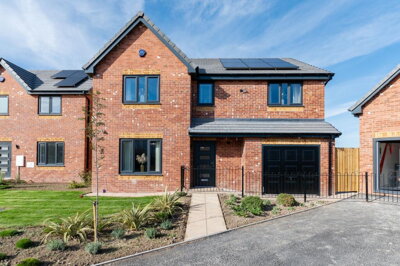
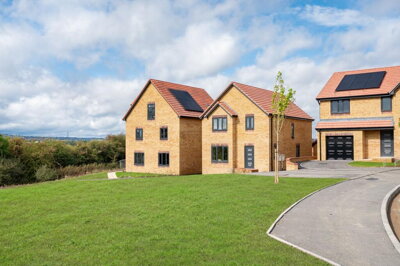
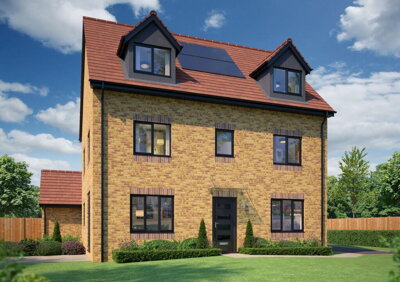
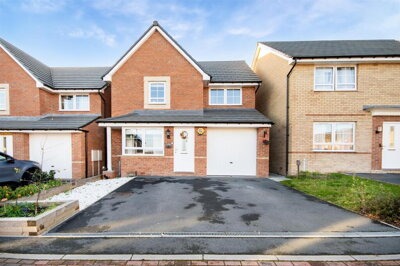
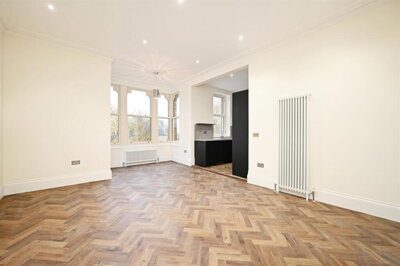
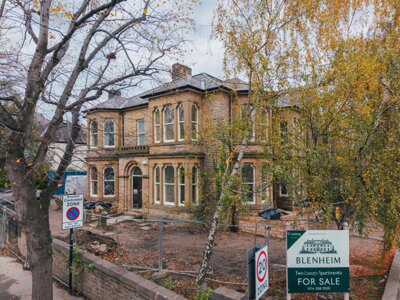
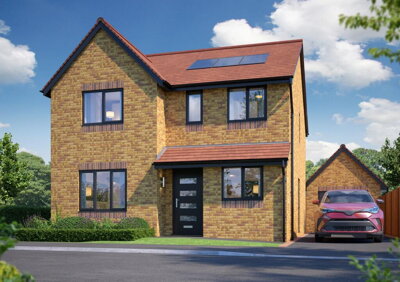
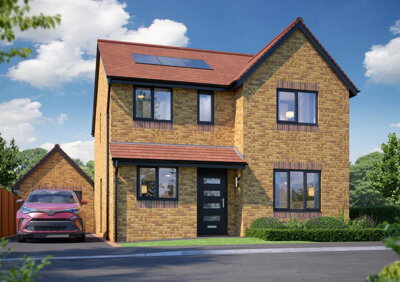
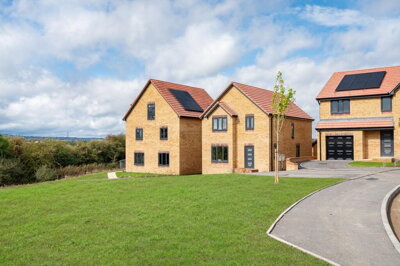
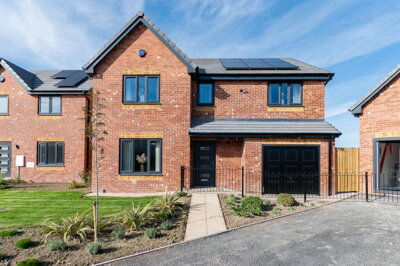
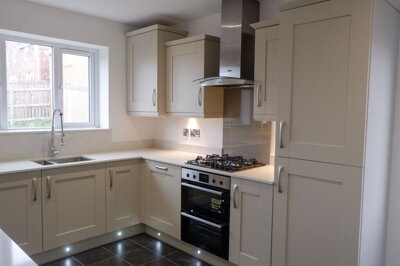
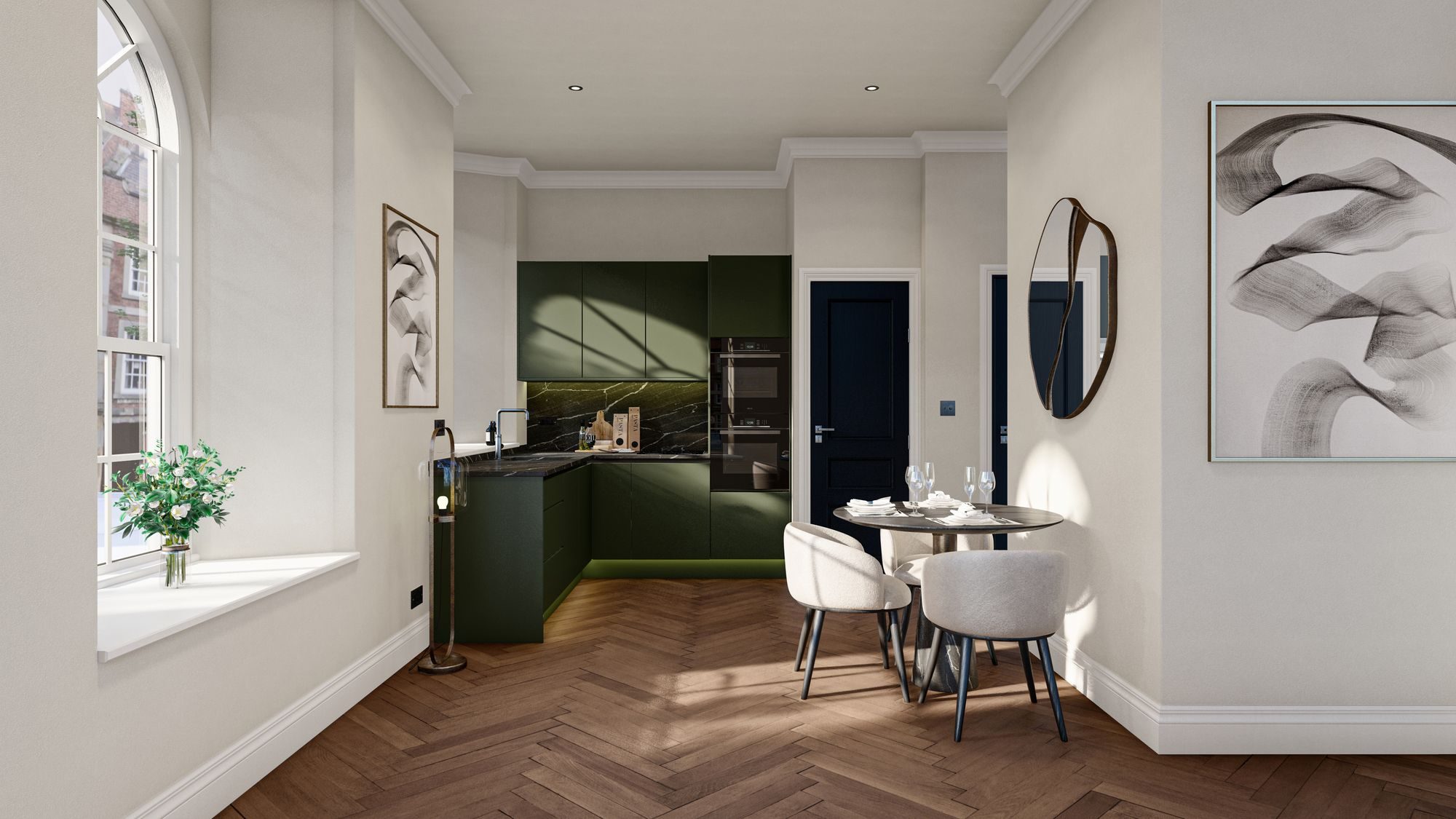
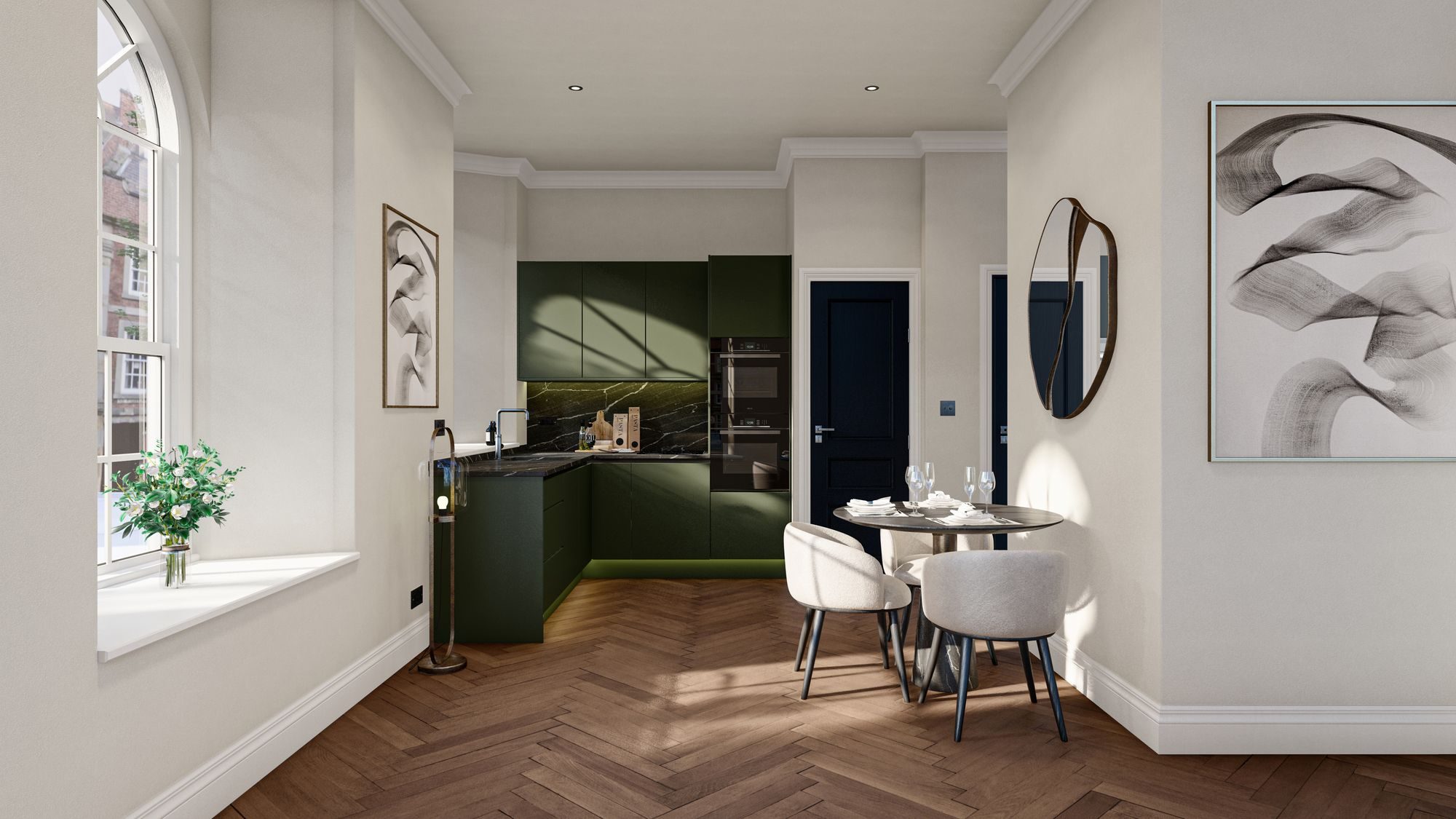
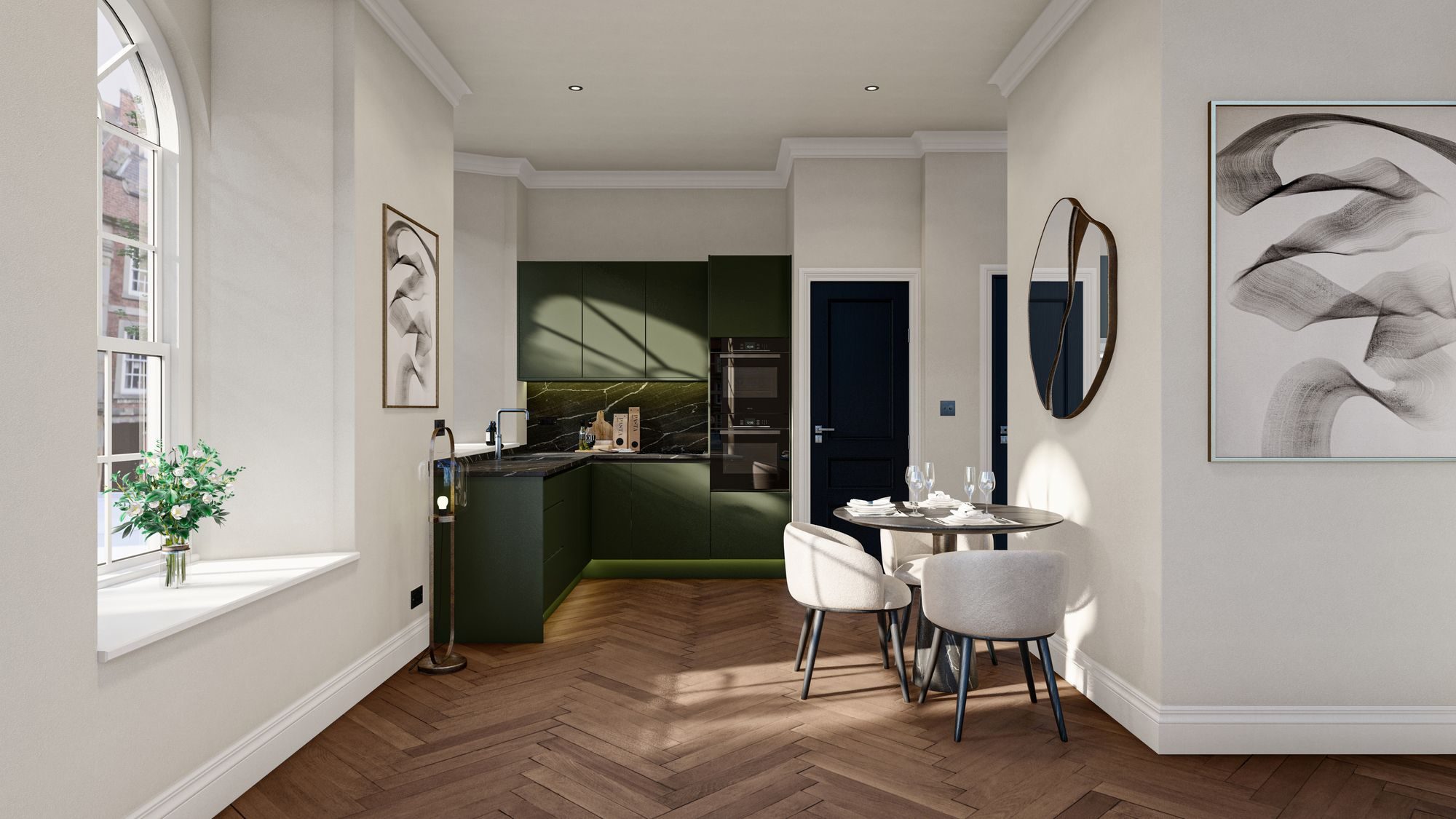
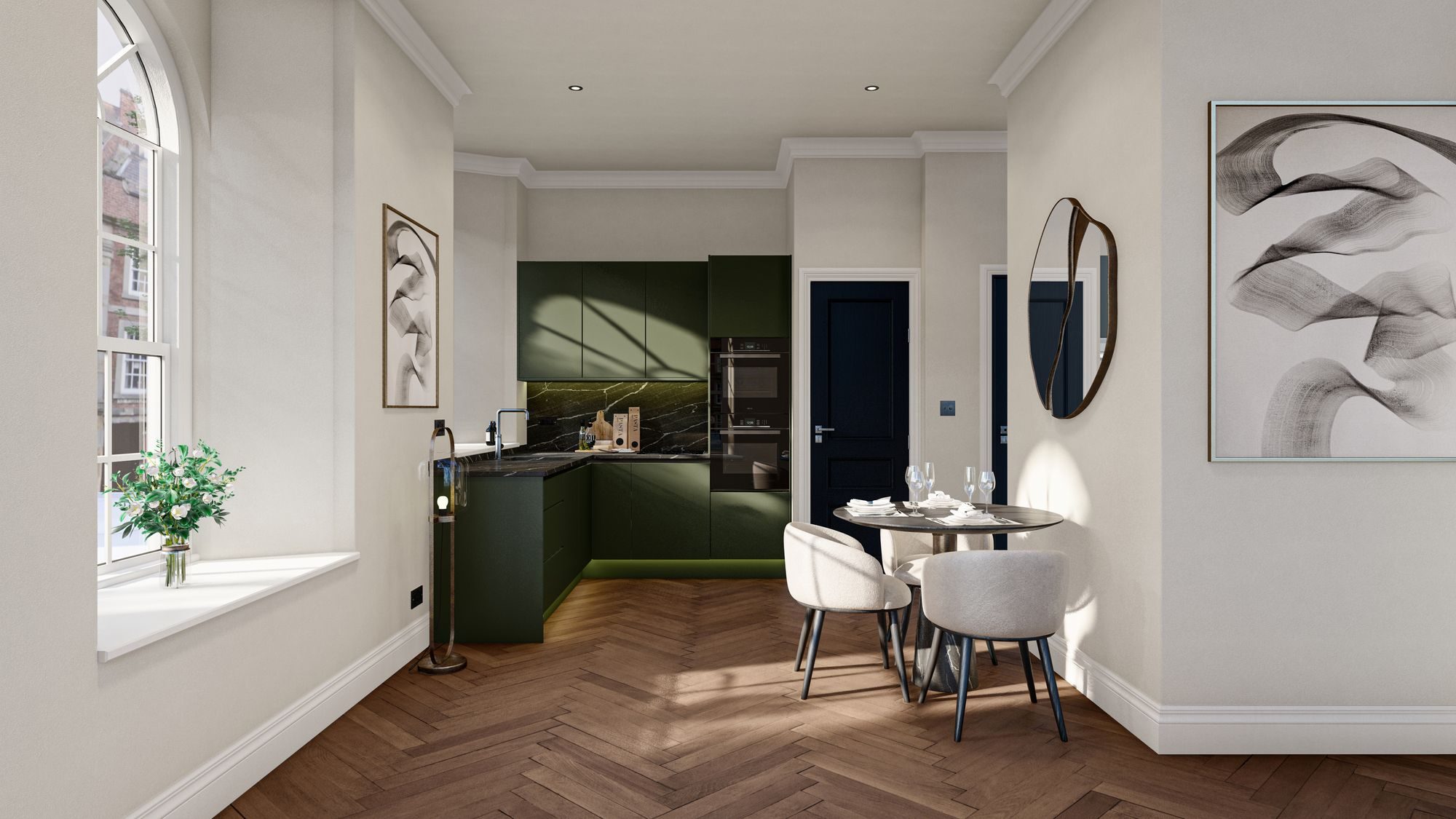
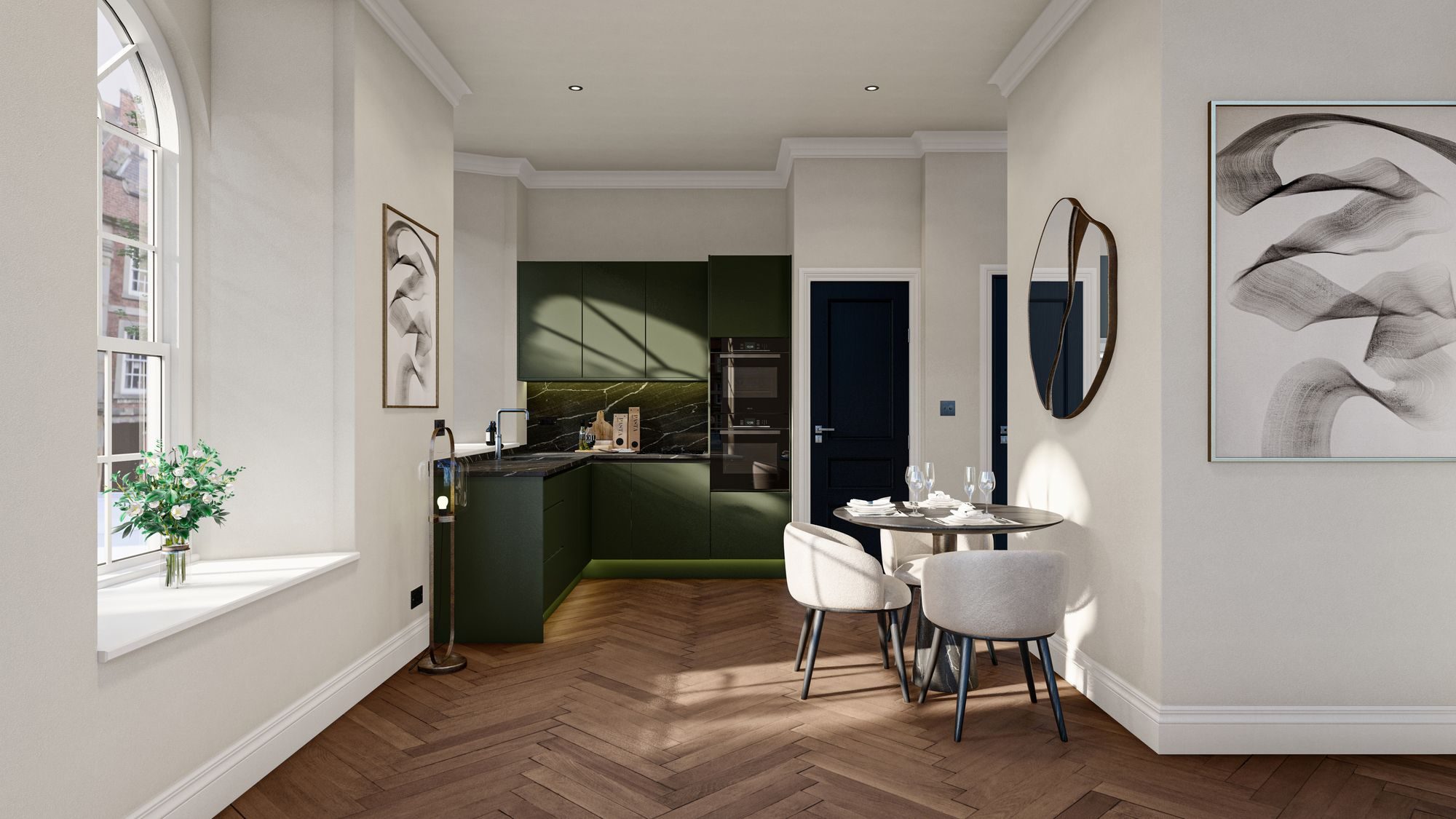
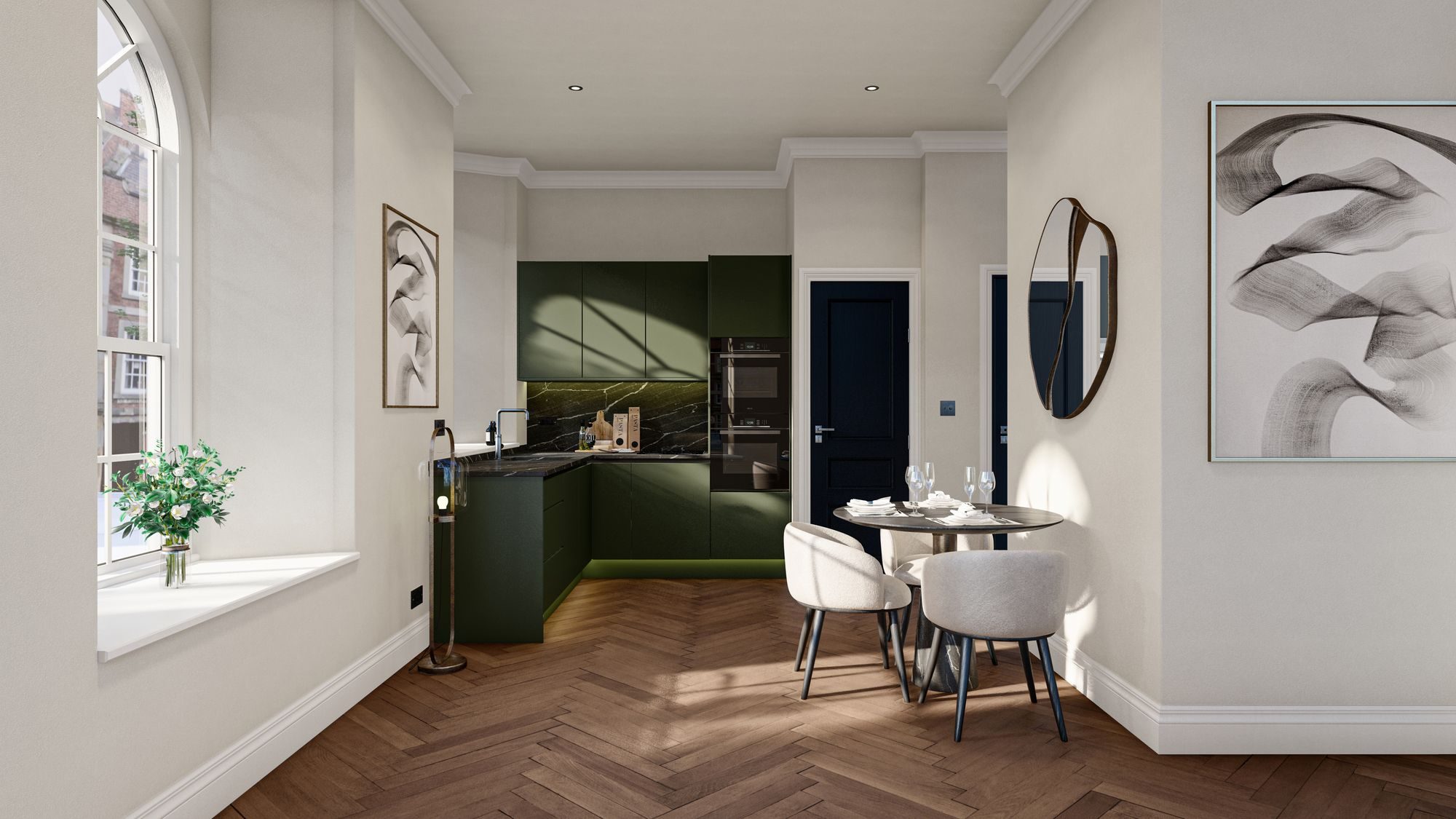
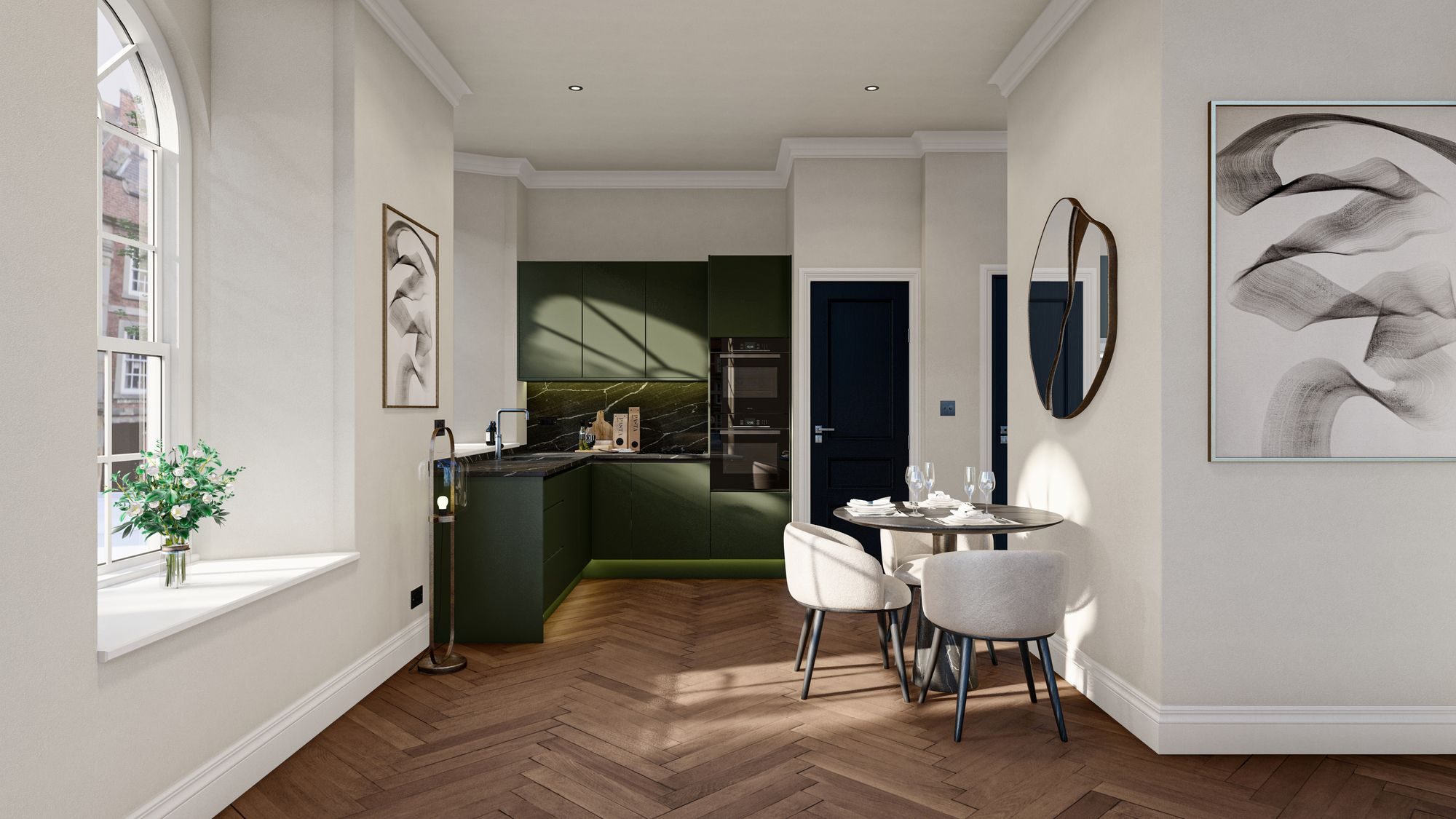
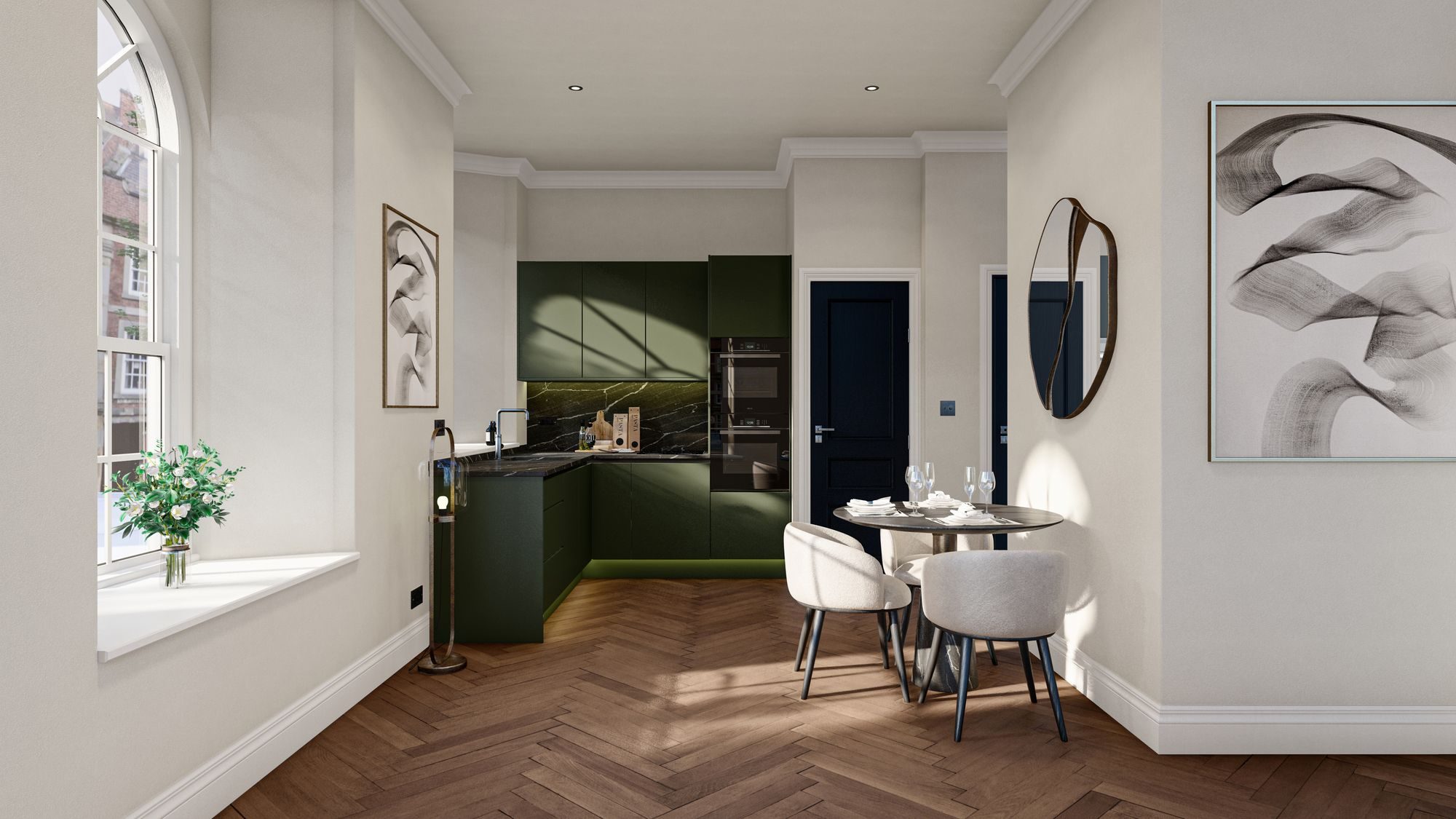
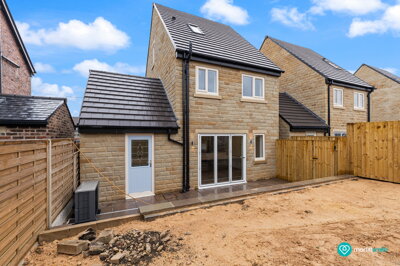
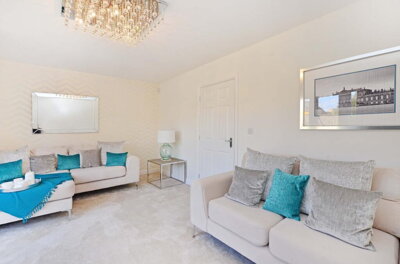
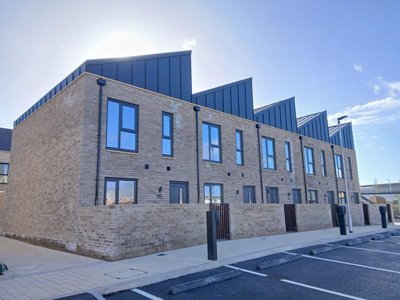
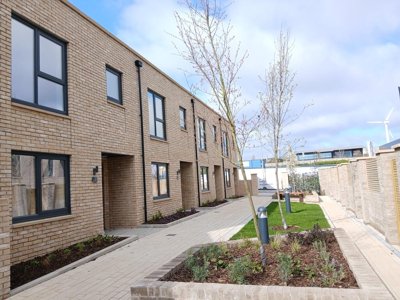
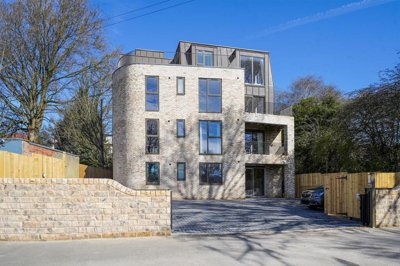
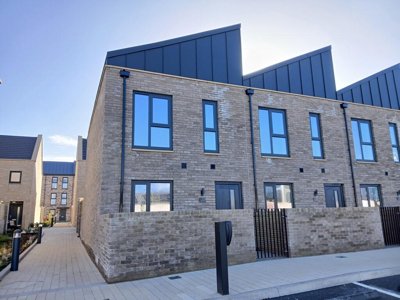
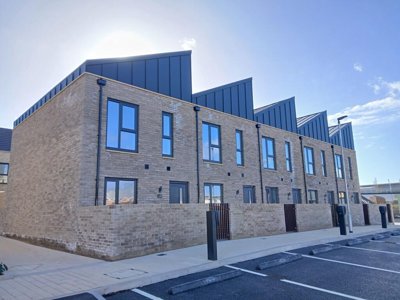
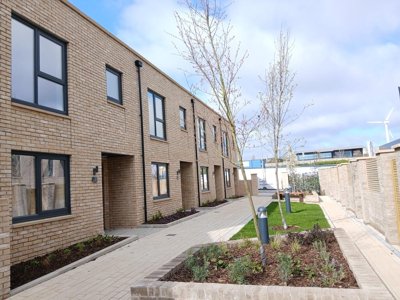
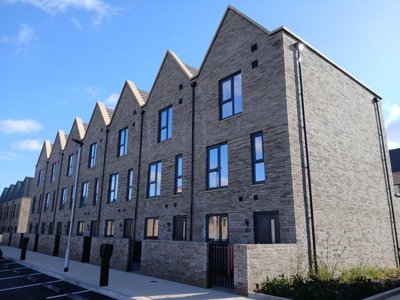
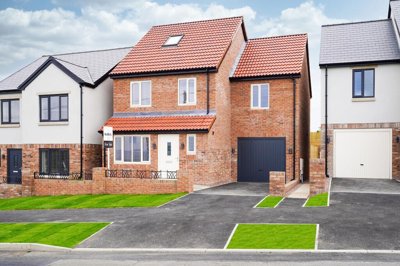
Browse 98 homes new builds in Sheffield, South Yorkshire from local developer agents.
£204k
2,032
182
109
Source: home.co.uk
Source: home.co.uk
Semi-Detached
484 listings
Avg £262,259
Terraced
336 listings
Avg £217,453
Apartment
334 listings
Avg £155,878
Detached
244 listings
Avg £571,186
Flat
236 listings
Avg £129,626
End of Terrace
120 listings
Avg £204,778
Detached Bungalow
56 listings
Avg £361,026
Studio
34 listings
Avg £52,784
Bungalow
27 listings
Avg £299,630
House
24 listings
Avg £301,829
Source: home.co.uk
Source: home.co.uk
The Sheffield property market has demonstrated consistent growth over recent years, with house prices rising by an average of 6.2% annually. Our data shows that terraced houses in popular areas such as Hunters Bar, Sharrow and Crookes typically sell between £180,000 and £280,000, while semi-detached properties in suburbs like Dore, Ranmoor and Greystones command prices ranging from £350,000 to £550,000. Detached family homes in sought-after neighbourhoods can exceed £750,000, with particularly premium values found along tree-lined avenues of the western suburbs.
Flat prices in Sheffield have stabilised following post-pandemic fluctuations, with one-bedroom apartments in the city centre available from £120,000 to £180,000. Two-bedroom city centre flats typically range from £180,000 to £280,000, while those with river or park views can achieve higher prices. New build developments continue to emerge across the city, with major regeneration projects transforming former industrial sites along the River Don corridor and in the Kelham Island area. Investors will find rental yields averaging between 5.5% and 7.5% depending on property type and location, with strong demand from students, young professionals and families alike.
The Sheffield property market benefits from significant regeneration activity, particularly along the River Don corridor where former steelworks sites are being transformed into mixed-use developments. The Advanced Manufacturing Park near Rotherham provides high-skilled employment that draws commuters to surrounding areas, while the Sheffield City Centre masterplan continues to attract investment into the city centre. Young professionals are increasingly drawn to conversion apartments in the Cultural Industries Quarter and stacker developments in areas like Netherthorpe, while families continue to favour the established suburbs of Dore, Greystones and Crosspool where detached and semi-detached properties offer generous gardens and off-street parking.

Sheffield's residential character varies dramatically from neighbourhood to neighbourhood, creating distinct communities that cater to different lifestyles. The western suburbs of Broomhill, Crookes and Walkley have long been popular with families and academics due to their proximity to the universities, excellent local schools and charming Victorian housing stock. These areas feature wide, tree-lined streets, independent shops, cosy pubs and the famous Rivelin and Porter valleys offering scenic walking routes right on the doorstep. The demographic is predominantly young professionals, families and retired academics, creating a vibrant yet settled community atmosphere.
The city centre and surrounding areas like the Cultural Industries Quarter and Kelham Island have undergone significant transformation in recent years. Former steel mills and warehouses now house trendy bars, restaurants, studios and apartments, attracting a young, creative population. Ecclesall Road and Abbeydale Road are considered among the most desirable addresses in the city, offering a perfect blend of convenience, character and community spirit. The eastern neighbourhoods of Gleadless, Meersbrook and Norton are valued for their family-friendly environments, good schools and easier access to the Peak District, while properties here remain more affordable than in the western suburbs.
Sheffield's geography is unique among UK cities, with the River Sheaf, River Porter and River Don creating natural valleys that divide the city into distinct areas. The hillsides and valleys mean that many properties enjoy stunning views across the city or out towards the countryside. Green space is never far away, with the city boasting more than 250 parks and gardens, including the impressive 800-acre Graves Park and the peaceful Botanical Gardens. The Peak District National Park begins just a few miles from the city centre, providing residents with immediate access to some of Britain's most beautiful moorland and countryside.
Beyond the well-known areas, Sheffield encompasses several distinct villages that retain their own characters despite being part of the city boundary. Totley and Hackenthorpe offer more rural-feeling environments with good primary schools, while Hillsborough remains popular for its excellent transport links and the iconic football stadium. The Meersbrook and Woodseats areas provide a middle ground between city and suburb, withperiod properties, local shops and good pubs drawing young families priced out of the western suburbs. Mosborough, toward the southern edge of the city, continues to expand with new housing developments while maintaining its own village centre with traditional shops and restaurants.

Sheffield benefits from an excellent range of educational establishments, making it a particularly attractive location for families. At primary level, several schools consistently achieve outstanding Ofsted ratings, including Dobcroft Infant School, Greystones Primary School and Loxley Primary School, all of which serve their respective communities with distinction. The city also has a strong selection of infant and junior schools, with Broomhill Infant School and St Mary's Primary School particularly popular with parents in the western suburbs. Many primary schools in sought-after catchment areas are oversubscribed, so families should research school placements carefully when property hunting.
At secondary level, Sheffield offers a mix of comprehensive schools, grammar schools and independent options. King Edward VI School is one of the few remaining grammar schools in South Yorkshire and consistently achieves excellent academic results, with students travelling from across the city to attend. Other highly-regarded state secondary schools include High Storrs School, Forge Valley School and Yewlands Academy, all of which have shown continuous improvement in recent years. Sheffield also has several well-established private schools, including Sheffield High School for Girls and Birkdale School, providing families with alternative educational pathways.
For further and higher education, Sheffield is home to two major universities that together host over 60,000 students. The University of Sheffield is a Russell Group institution, renowned for its research excellence and strong rankings in subjects including medicine, engineering and social sciences. Sheffield Hallam University is one of the largest universities in the UK, particularly known for its applied sciences, arts and design programmes. The presence of these institutions contributes significantly to the city's cultural life, economic vitality and rental market, with a constant demand for student accommodation and graduate housing throughout the year.
When considering school placements in Sheffield, catchment areas play a significant role in property selection. Properties in the catchment for Dobcroft Junior School in Ecclesall can command premiums compared to neighbouring areas, as the school consistently performs above the national average. Similarly, schools like Greystones Primary in the Sheffield 11 postcode have strong reputations that attract families specifically to those streets and avenues. Parents should note that Sheffield operates a banding system for secondary school admissions, which can affect which schools are most accessible from specific addresses.

Sheffield offers excellent transport connections that make it a practical base for commuters and travellers alike. Sheffield railway station provides direct services to London St Pancras in approximately two hours, with Avanti West Coast and East Midlands Railway operating frequent services throughout the day. The station also offers regular connections to Leeds (40 minutes), Manchester (one hour), Newcastle (two hours 15 minutes) and Birmingham (one hour 40 minutes). For those travelling further, Manchester Airport can be reached in around 90 minutes by rail, offering international destinations across Europe and beyond.
By road, Sheffield sits at the junction of the M1 motorway and A57, providing direct access to Leeds to the north, Nottingham and Derby to the south, and Manchester to the west. The city is well-served by Parkway services, with Junctions 33, 34 and 35 of the M1 providing access to different parts of the city. The Sheffield Parkway (A630) connects the city centre to the M1 in just 15 minutes, making it popular with commuters who work in the city but live in surrounding villages. Traffic congestion can be significant during rush hours, particularly on main routes into the city centre, so factoring in journey times is advisable when choosing where to live.
Local public transport in Sheffield is coordinated by the South Yorkshire Passenger Transport Executive, with an extensive bus network serving all areas of the city and surrounding towns. The Sheffield Supertram system provides fast, reliable travel between the city centre, Meadowhall, Halfway and other destinations, with an extension to the new development at Waverley currently under construction. For cyclists, Sheffield's hilly terrain can be challenging, but the city has invested in developing cycle routes along the river valleys and through major parks. Many residents choose to commute by bicycle despite the hills, with electric bikes becoming increasingly popular for tackling the steeper routes.
Commuters working in Leeds should note that the Sheffield to Leeds corridor via Meadowhall offers particularly convenient access, with regular train services connecting the two cities in around 40 minutes. Residents of areas like Ringinglow, Ecclesall and Fulwood benefit from proximity to both the city centre and the Peak District road network, making weekend escapes straightforward. Those working in finance or professional services will find Sheffield's business districts in the city centre and at Meadowhall well-served by tram and bus connections, reducing the need for car ownership in these areas.

Before you start viewing properties, obtain a mortgage agreement in principle from a lender. This confirms how much you can borrow and demonstrates to sellers that you are a serious, financially-prepared buyer. Sheffield has numerous mortgage brokers and high street lenders with branches throughout the city, including specialists who understand the local property market dynamics and can advise on products suited to specific property types found in Sheffield, from Victorian terraces to modern city centre flats.
Spend time exploring different areas of Sheffield to find the neighbourhood that best suits your lifestyle and budget. Consider factors such as school catchment areas, commute times, local amenities and property types available. Popular areas include Broomhill and Crookes for families seeking Victorian character properties, Kelham Island and the Creative Quarter for young professionals wanting urban living, and Dore or Totley for those seeking a more suburban feel with good schools and access to the Peak District.
Many properties in Sheffield are listed exclusively with local estate agents before appearing on aggregate websites. Registering directly with agents such as Blundells, Huxtable, Whitegates and others ensures you receive alerts about new listings. Building relationships with agents can also give you access to properties before they hit the open market, which is particularly valuable in competitive areas like Dore, Hunters Bar and Crookes where desirable family homes can receive multiple offers within days of listing.
Once you have identified properties of interest, arrange viewings to assess their condition, character and suitability. Look beyond staging and cosmetic improvements to examine the property's structure, maintenance history and any potential issues. In competitive areas like Dore or Hunters Bar, be prepared to move quickly as desirable properties can sell within days. Take notes and photographs during viewings to help compare properties later.
Before completing your purchase, commission a RICS Level 2 or Level 3 survey to assess the property's condition and identify any structural issues or repair needs. Given Sheffield's housing stock includes many Victorian and Edwardian properties, a thorough survey is particularly important to identify common issues such as subsidence, damp or roof problems. Our team of qualified surveyors across Sheffield understand local construction methods and can spot defects that an untrained eye might miss.
Once your offer is accepted, instruct a solicitor to handle the legal aspects of your purchase. Your solicitor will conduct searches, review the contract, handle land registry matters and coordinate with your mortgage lender. Look for a conveyancing specialist with experience in Sheffield properties to ensure a smooth transaction, particularly for leasehold flats or properties with unusual tenure arrangements.
Sheffield's varied housing stock includes properties spanning several centuries of construction, each with its own characteristics and potential issues. Victorian and Edwardian terraced houses, which make up a significant proportion of the housing stock, often feature original sash windows, fireplaces and decorative features that require ongoing maintenance. When viewing these properties, pay close attention to the condition of the roof, the presence of damp proofing, the state of the pointing on stone-built properties and any signs of subsidence, particularly on properties built on the steeper hillsides.
Several areas of Sheffield fall within conservation zones, including parts of Broomhill, Walkley and the city centre, which impose restrictions on alterations and extensions. If you are considering making changes to a property in these areas, familiarise yourself with the planning requirements and restrictions that may apply. Similarly, many flats in Sheffield are leasehold, and understanding the remaining lease term, ground rent obligations and service charge costs is essential before committing to a purchase. We recommend requesting a copy of the lease and asking your solicitor to review these details carefully.
Flood risk should be considered when buying in Sheffield, particularly for properties located near rivers or in low-lying areas. Properties near the River Don, River Sheaf and their tributaries have historically been affected by flooding, and Environment Agency flood maps should be consulted as part of your due diligence. Buildings insurance costs can be higher in flood risk areas, and mortgage lenders may require flood risk assessments. Conversely, properties on the higher ground of areas like Crookesmoor, Broomhill and Handsworth may face different considerations such as steep access roads and potential issues with foundations on hillside sites.
Mining heritage is another factor specific to Sheffield that buyers should investigate, particularly for properties in the east of the city near areas like Gleadless, Handsworth and Woodhouse. South Yorkshire's coal mining history means some properties may be affected by mine workings beneath the surface, and a mining search should be included in your conveyancing. Specialist insurance products are available for properties in mining risk areas, and your solicitor can advise on whether additional investigations are warranted based on the specific location and property type.

The average house price in Sheffield is currently around £245,000 for all property types, though this varies significantly by area and property style. Terraced houses typically sell for £180,000 to £280,000 in popular areas like Hunters Bar, Sharrow and Crookes, while semi-detached properties in suburbs like Dore, Ranmoor and Greystones range from £350,000 to £550,000 depending on exact location and condition. Detached houses in premium areas like Dore, Ranmoor and Greystones can exceed £600,000, with the most prestigious properties along tree-lined avenues reaching £750,000 or more. Flats in the city centre start from around £120,000 for studios and one-bedroom apartments, rising to £250,000 for larger city centre flats with premium features or views.
Sheffield City Council sets council tax rates across eight bands from A to H. Most terraced houses and smaller properties fall into Band A, B or C, while larger semi-detached and detached houses are typically in Bands D to F. Properties in the most prestigious areas like Dore, Ranmoor and Greystones may be in Bands F, G or H due to their higher property values. You can check the specific band for any property through the Sheffield City Council website or the Valuation Office Agency before making a purchase decision, and factor this into your ongoing costs of homeownership.
Sheffield has several highly-regarded schools across all levels. At primary level, Dobcroft Infant School, Greystones Primary and St Mary's Primary consistently receive outstanding Ofsted ratings and are popular with families in their respective catchments. For secondary education, King Edward VI Grammar School is selective but achieves excellent results, while High Storrs School, Forge Valley School and King Ecgbert School are popular non-selective options with strong academic records. The city's two universities, the University of Sheffield (a Russell Group institution) and Sheffield Hallam University, are both highly regarded and contribute to the city's vibrant academic community and graduate employment market.
Sheffield offers excellent public transport connections within South Yorkshire and to major cities nationwide. Sheffield railway station provides direct trains to London St Pancras in two hours, Leeds in 40 minutes, Manchester in one hour, Newcastle in two hours 15 minutes and Birmingham in 90 minutes. The Supertram network serves key destinations including Meadowhall shopping centre, Meadowhall Interchange and the city centre, while an extensive bus network operated by First South Yorkshire and other operators covers all areas of the city and surrounding towns, with integrated ticketing available through the SYMCA system.
Sheffield offers attractive opportunities for property investors, with average rental yields of 5.5% to 7.5% depending on property type and location. The city's large student population of over 60,000 creates consistent demand for HMOs and purpose-built student accommodation, particularly in areas like Broomhill, Crookes and Walkley near the universities. Young professionals gravitate toward city centre flats and trendy areas like Kelham Island, while families seek longer-term rentals in suburban areas. Regeneration projects across the city continue to improve infrastructure and amenities, supporting long-term property values. However, as with any investment, thorough research into specific areas and property types is essential before committing funds.
Stamp Duty Land Tax rates for standard buyers start at 0% on the first £250,000 of property value, rising to 5% on the portion between £250,001 and £925,000. For properties between £925,001 and £1.5 million, the rate is 10%, with 12% applying to values above £1.5 million. First-time buyers relief raises the nil-rate threshold to £425,000, with 5% applying between £425,001 and £625,000. Given Sheffield's average property price of £245,000, many first-time buyers purchasing at average prices would pay no stamp duty at all under current thresholds, making Sheffield particularly accessible for those taking their first step onto the property ladder.
Given Sheffield's industrial heritage and hilly terrain, several property issues are more common in this area than elsewhere. Many Victorian and Edwardian properties were built with local stone and may show signs of weathering or require repointing. Properties on steep hillsides can experience drainage issues or foundation movement over time. In the east of the city, former coal mining areas may require specialist searches and insurance. Properties near rivers like the Don and Sheaf have historically been at risk of flooding, so checking Environment Agency flood maps is advisable. A thorough RICS survey will identify any of these concerns before you commit to your purchase.
When purchasing a property in Sheffield, budget carefully for the various costs involved beyond the purchase price. Stamp Duty Land Tax is calculated based on the property purchase price, with rates of 0% on the first £250,000, 5% between £250,001 and £925,000, 10% between £925,001 and £1.5 million, and 12% on any amount exceeding £1.5 million. For a typical Sheffield property at the current average price of £245,000, a standard buyer would pay no stamp duty, while a first-time buyer purchasing at this price would benefit from relief on the entire amount under current thresholds.
Solicitors' fees for conveyancing typically range from £500 to £1,500 depending on the complexity of the transaction and whether the property is freehold or leasehold. Additional costs include Land Registry fees (currently between £20 and £455 depending on property value), local authority searches (approximately £250 to £350), and potentially specialist searches for flood risk, mining or environmental concerns, which are particularly relevant given Sheffield's industrial heritage. Survey costs vary from £300 for a basic valuation to £600 or more for a comprehensive RICS Level 2 or Level 3 survey that provides detailed assessment of the property's condition.
Moving costs should also be factored into your budget, with removal firms in Sheffield typically charging between £300 and £1,500 depending on distance and volume of belongings. Buildings insurance must be in place from the day of completion, and contents insurance should also be considered. If you are purchasing a leasehold property, there may be ground rent and service charges due from completion, and you should request details of these annual costs along with any upcoming major works or special assessments. Homemove's partner services can connect you with competitive quotes for mortgages, conveyancing and surveys, helping you manage the costs of buying your Sheffield home efficiently.

From 3.9%
Compare mortgage rates from leading lenders
From £499
Expert property solicitors to handle your legal work
From £350
Detailed survey of property condition
From £80
Energy performance certificate
Properties New Builds In London

Properties New Builds In Plymouth

Properties New Builds In Liverpool

Properties New Builds In Glasgow

Properties New Builds In Sheffield

Properties New Builds In Edinburgh

Properties New Builds In Coventry

Properties New Builds In Bradford

Properties New Builds In Manchester

Properties New Builds In Birmingham

Properties New Builds In Bristol

Properties New Builds In Oxford

Properties New Builds In Leicester

Properties New Builds In Newcastle

Properties New Builds In Leeds

Properties New Builds In Southampton

Properties New Builds In Cardiff

Properties New Builds In Nottingham

Properties New Builds In Norwich

Properties New Builds In Brighton

Properties New Builds In Derby

Properties New Builds In Portsmouth

Properties New Builds In Northampton

Properties New Builds In Milton Keynes

Properties New Builds In Bournemouth

Properties New Builds In Bolton

Properties New Builds In Swansea

Properties New Builds In Swindon

Properties New Builds In Peterborough

Properties New Builds In Wolverhampton

Enter your details to see if this property is within your budget.
Loans, cards, car finance
Estimated property budget
Borrowing + deposit
You could borrow between
Typical borrowing
Monthly repayment
Est. at 4.5%
Loan-to-value
This is an estimate only. Your actual budget may vary depending on interest rates, credit history, and personal circumstances. For an accurate affordability assessment, speak to one of our free mortgage advisors.
This calculator provides estimates for illustrative purposes only and does not constitute financial advice. Your home may be repossessed if you do not keep up repayments on your mortgage. Estimates based on 4.5% interest rate, repayment mortgage. Actual rates depend on your circumstances.
Homemove is a trading name of HM Haus Group Ltd (Company No. 13873779, registered in England & Wales). Homemove Mortgages Ltd (Company No. 15947693) is an Appointed Representative of TMG Direct Limited, trading as TMG Mortgage Network, which is authorised and regulated by the Financial Conduct Authority (FRN 786245). Homemove Mortgages Ltd is entered on the FCA Register as an Appointed Representative (FRN 1022429). You can check registrations at NewRegister or by calling 0800 111 6768.

We use cookies to show you personalised content and improve your experience of our website. Find out more in our Privacy policy and Cookie policy.