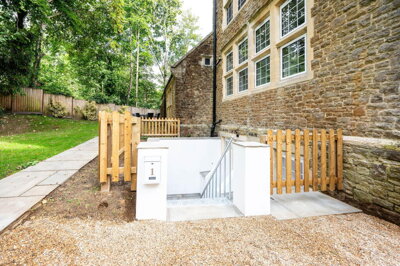
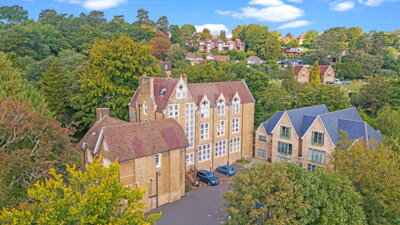
Browse 2 homes new builds in Shalford from local developer agents.
The 2 bed flat sector typically includes two separate bedrooms, dedicated living areas, and bathroom facilities. Properties in Shalford span purpose-built blocks, converted period houses, and modern apartment complexes on various floors.
The Whichford property market reflects the village's prestigious position within the Cotswolds AONB, with an overall average house price of £513,333 recorded over the past twelve months. Zoopla reports an average sold price of £566,250, while OnTheMarket indicates £566,000 as of early 2026, suggesting strong underlying demand despite the small number of annual transactions. House prices in Whichford have shown a 16.5% increase over the past year according to Land Registry data, demonstrating the enduring appeal of Cotswold village properties to buyers seeking a rural lifestyle within easy reach of major cities.
Property types in Whichford span a traditional range, with detached homes commanding the highest prices at an average of £655,000. PropertyResearch.uk recorded a median sale price of £625,000 for detached properties across 3 sales in 2025, representing a significant 68.8% decrease from 2024 levels, which likely reflects a shift in the mix of properties sold rather than a fundamental market weakness. Terraced properties in Whichford averaged £230,000 based on a single recorded sale, while semi-detached homes achieved a median price of £508,750 across 2 sales in 2024, up 6.0% compared to the previous year. Notably, no flat sales have been recorded in Whichford, reflecting the overwhelmingly house-based nature of the village's housing stock.
New build activity within Whichford itself remains limited to a single conversion project. A planning application at Leasowe Farm proposes the conversion of traditional barns, cottages and outbuildings into three new dwellings, with gardens and parking provision. This pending development represents a rare opportunity to acquire a brand new property within the village itself. The broader CV36 postcode area around nearby Shipston-on-Stour offers additional new build options, including Idlicote Park, an exclusive development of fifteen individually designed homes, and properties on Idlicote Road and Felton Close ranging from £495,000 for a four-bedroom semi-detached to £835,000 for a detached family home.

Whichford embodies the timeless charm that has made Cotswold villages famous throughout the world, with traditional Cotswold stone buildings dating back centuries creating a streetscape of exceptional character. The village is particularly noted for its architecture featuring Hornton stone, also known as Marlstone or Banbury Ironstone, an iron-rich limestone quarried locally that weathers to a distinctive golden orange-brown colour. Whichford House, a Grade II* listed Georgian former rectory, exemplifies this traditional building style with its 17th-century origins and 18th-century enhancements. The majority of the village falls within a designated Conservation Area, providing additional protection for this irreplaceable heritage.
The village supports a surprisingly vibrant local economy centred on artisan businesses and hospitality. Whichford Pottery, established in 1976, has become a destination in its own right, renowned throughout Britain for its handmade, frost-proof flowerpots crafted using a mixture of three local clays. The pottery complex includes The Straw Kitchen cafe, where visitors can enjoy locally sourced refreshments surrounded by beautiful handmade ceramics. The Norman Knight pub, a historic village institution, offers local ales and seasonal dishes prepared with locally grown ingredients, providing an essential gathering place for residents and visitors alike. The Whichford Estate, encompassing 80 acres of working farmland, anchors the rural economy and maintains the traditional agricultural landscape that defines the surrounding countryside.
The parish's estimated population of 303 reflects a modest decline from the 336 recorded in the 2011 Census, while household numbers decreased from 151 to 136 over the same period. This pattern is typical of many small rural villages, where limited housing availability, aging demographics and young people seeking employment opportunities in larger towns contribute to gradual population reduction. However, the strong demand for properties evidenced by recent sales activity suggests that Whichford continues to attract buyers seeking the exceptional quality of life that village living within the Cotswolds AONB provides. The Traitors Ford Quarries within the parish expose Middle Jurassic Great Oolite Limestone, attracting geology enthusiasts and illustrating the ancient geological heritage that underlies the distinctive landscape.

Whichford occupies a favourable position within the northern Cotswolds, offering residents a balance between rural tranquility and connectivity to major urban centres. The village lies approximately 5 miles from Shipston-on-Stour, the nearest market town providing everyday amenities including a GP surgery, primary school, convenience stores and independent retailers. The historic town of Stratford-upon-Avon, birthplace of William Shakespeare and home to world-class cultural attractions, lies approximately 12 miles to the north-west, while the university city of Oxford is accessible within 30 miles to the south-east.
Road connections from Whichford centre on the A429 Fosse Way, a Roman road running through nearby Shipston-on-Stour, providing links to Stratford-upon-Avon and the M40 motorway at Junction 12 near Banbury. The M40 offers direct access to Birmingham to the north-west and London to the south-east, with the capital reachable in approximately 90 minutes under normal traffic conditions. For rail travel, the nearest mainline station is at Banbury, offering regular services to London Marylebone with journey times of around one hour. Moreton-in-Marsh station, approximately 10 miles away on the Cotswold Line, provides access to Oxford and Hereford, with connections to the West Midlands and the national rail network.
Bus services connect Whichford to surrounding villages and towns, though frequencies are limited to typical rural levels, making car ownership effectively essential for most residents. The village's position within the Cotswolds AONB means that cycling is a popular recreational activity, with quiet country lanes offering scenic routes for confident cyclists. However, the same rural character that makes Whichford so desirable also means that everyday errands requiring travel to larger centres are a regular necessity, and prospective buyers should factor this into their lifestyle calculations. Parking within the village is limited, as is typical for historic settlements designed before the advent of mass car ownership.
Properties in Whichford require careful inspection given their predominantly older construction and the local geological conditions. The majority of homes in the village date from before 1919, with many constructed between 1800 and 1911 according to research into the housing stock around Whichford House. These period properties were built using traditional methods including solid stone walls and timber framing, without the damp-proof courses and modern insulation standards required by contemporary building regulations. A thorough survey is particularly valuable for older properties in Whichford, identifying common issues such as rising damp, penetrating damp through aging stonework, and timber defects including rot and woodworm that may not be apparent during a casual viewing.
The regional geology presents particular considerations for prospective buyers, with Lias clays known to occur in the North Oxfordshire area bordering Whichford. These clay-rich soils exhibit shrink-swell behaviour in response to moisture changes, expanding when wet and contracting during dry spells. This can cause ground movement leading to subsidence or heave, particularly affecting properties with shallow foundations and those located near trees and large shrubs that extract moisture from the soil. Surveyors examining properties in Whichford should investigate foundations, check for signs of cracking or movement, and assess the proximity of significant vegetation that could exacerbate clay shrinkage. Traitors Ford Quarries within the parish indicates local limestone geology, which generally provides stable foundations, but the presence of clay deposits in the wider area means this risk cannot be dismissed.
The conservation designation covering most of Whichford brings both benefits and obligations for property owners. Listed Buildings, including the Church of St Michael, Whichford House, and numerous cottages and farm buildings, are protected under the Planning Acts, meaning that any alterations, extensions or significant works require Listed Building Consent from Stratford-on-Avon District Council. Unauthorised works become the responsibility of subsequent owners, potentially creating significant financial and legal complications. Standard home insurance policies may not adequately cover the full cost of repairing or replacing traditional materials using appropriate conservation techniques, and specialist insurance should be considered. Properties within the Cotswolds AONB may also face additional planning restrictions designed to protect the distinctive landscape character, limiting permissible developments and requiring materials and designs that complement the traditional vernacular.
Begin by exploring current listings and recently sold prices in Whichford to understand the market dynamics at play. The village typically sees only a handful of sales each year, making early awareness of new properties essential for serious buyers. Given the high proportion of period properties, research any planning history, conservation area restrictions and listed building status that might affect your purchase plans or future renovation intentions.
Before viewing properties, obtain a mortgage agreement in principle from a lender to confirm your budget and demonstrate your seriousness to sellers. With average prices around £513,333, most buyers in Whichford require substantial mortgages, and having finance in place gives you a competitive advantage in what is often a fast-moving market for desirable village properties. Speak to a mortgage broker who understands rural property values and the specific lending criteria for period homes.
View multiple properties across different price ranges to understand what Whichford homes offer at each level. Pay particular attention to the condition of older properties, checking for signs of damp, structural movement and the condition of roofs and timber. A second viewing with a friend or family member can provide fresh perspective on properties you are seriously considering. Take photographs and notes to help compare properties after viewings.
For any property you intend to purchase, arrange a comprehensive survey before proceeding. Given Whichford's predominantly older housing stock and the regional geology including potential shrink-swell clay soils, a professional survey is essential to identify defects that may not be visible during viewings and to provide a negotiating tool if significant issues are discovered. For listed buildings, consider a more detailed survey that specifically addresses historic construction methods and conservation requirements.
Appoint a solicitor with experience in rural and listed property transactions to handle the legal aspects of your purchase. They will conduct local searches, check planning permissions and building regulations compliance, and manage the complex documentation involved in buying property in a conservation area with multiple listed buildings. Budget for additional searches related to environmental risks and minerals extraction that may affect rural properties.
Once surveys are satisfactory, mortgage offers are in place and legal checks are complete, your solicitor will arrange for contracts to be signed and deposits paid. Completion typically follows within weeks, allowing you to collect your keys and begin your new life in Whichford. Ensure buildings insurance is in place from exchange, as this is when you become legally responsible for the property.
The average house price in Whichford over the past year was £513,333, according to property market data. Zoopla and OnTheMarket both report average sold prices around £566,000-£566,250. Detached properties average £655,000, while semi-detached homes achieved a median of £508,750 in 2024. The market has shown 16.5% annual growth according to Land Registry data, though transaction volumes are low due to the village's small size. Property prices in Whichford reflect the premium associated with Cotswolds AONB locations and the limited supply of village properties coming to market each year.
Properties in Whichford fall under Stratford-on-Avon District Council's council tax scheme. Most period properties in the village, given their older construction and Cotswold stone character, typically fall within Bands D through H. The specific band depends on the property's assessed value, with larger detached homes and converted farm buildings often attracting higher bands. Prospective buyers should check the Valuation Office Agency's council tax records for specific properties, as the designation of homes as listed buildings or their location within the conservation area does not automatically affect the tax band.
Whichford itself has limited educational facilities, with the nearest primary school located in the nearby market town of Shipston-on-Stour, approximately 5 miles away. Shipston-on-Stour Primary School serves the local area with Ofsted-rated good provision according to recent inspections. For secondary education, several well-regarded schools are accessible within reasonable driving distance, including Alcester School and Stratford-upon-Avon Grammar School for Girls, the latter being a selective grammar school requiring passing the 11-plus examination. Parents should verify current catchment areas and admission arrangements, as these can change and may affect access to preferred schools.
Whichford has limited public transport connections typical of a small rural village, making car ownership essential for most residents. Bus services operate to surrounding villages and towns, but frequencies are reduced compared to urban areas. The nearest mainline railway stations are Banbury and Moreton-in-Marsh, both offering regular services to London and other major cities. Banbury station provides access to London Marylebone in approximately one hour, while Moreton-in-Marsh offers connections via the Cotswold Line. The village's position near the A429 Fosse Way provides road connections to Stratford-upon-Avon and the M40 motorway at Banbury.
Whichford represents a sound investment opportunity given its position within the highly desirable Cotswolds AONB, where property values have demonstrated long-term resilience and growth. The village's strict conservation designation limits new development, maintaining scarcity value for existing properties. However, buyers should recognise that transaction volumes are very low, with only a handful of sales typically recorded each year, which can affect liquidity and the speed at which properties can be resold. Rental demand in the village is likely limited given its small size and the predominance of owner-occupied period properties, making Whichford more suitable for long-term holding than short-term rental investment.
Stamp Duty Land Tax rates for residential properties purchased in 2024-25 are 0% on the first £250,000, 5% on £250,001 to £925,000, 10% on £925,001 to £1.5 million, and 12% above £1.5 million. First-time buyers benefit from relief on the first £425,000, with 5% applied between £425,001 and £625,000. Given Whichford's average price of £513,333, a typical buyer purchasing at this level would pay £13,167 in stamp duty, while first-time buyers would pay £4,417. Additional 3% surcharge applies for second homes and investment properties.
The primary risks when purchasing period properties in Whichford relate to their age and traditional construction methods. Properties built before 1919 typically lack modern damp-proof courses, meaning rising damp is a common issue that requires professional assessment. The regional geology, including clay-rich soils in the surrounding area, creates potential for shrink-swell ground movement that can affect foundations. Properties within the Conservation Area or those designated as Listed Buildings face additional restrictions on alterations and renovations, which can significantly impact renovation costs and project timelines. We recommend commissioning a thorough survey before proceeding with any purchase of a period property in Whichford.
Specific flood risk data for Whichford village itself was not identified in available records. Being located within the Cotswolds AONB at a reasonable elevation, Whichford is generally less susceptible to river flooding than lower-lying areas. However, buyers should always conduct their own investigations and check the Environment Agency flood risk maps for any specific property they are considering. Surface water flooding can occur in any rural location, particularly during periods of heavy rainfall, and this risk should be assessed as part of the conveyancing process with appropriate drainage and flood searches.
Budgeting for your Whichford purchase requires careful consideration of all costs beyond the property price itself. The Stamp Duty Land Tax payable on a typical Whichford property priced at the village average of £513,333 would amount to £13,167 for a standard buyer with no previous property ownership. First-time buyers benefit from increased thresholds, paying only £4,417 in stamp duty on the same property, making the transition to homeownership more affordable. These calculations assume the property will be used as a primary residence; additional 3% surcharge applies if you already own another property, whether in the UK or abroad.
Survey costs warrant particular attention given Whichford's predominantly older property stock. A Property Survey for a standard residential property typically costs between £400 and £800 depending on size, value and complexity. For Whichford's period properties, which are predominantly pre-1919 construction using traditional methods, additional premiums may apply due to the increased inspection time and specialist knowledge required. Properties designated as Listed Buildings may benefit from a more comprehensive survey, which provides detailed analysis of construction, condition and maintenance requirements essential for historic homes. Survey costs should be viewed as essential due diligence rather than optional expense, particularly given the potential for defects in older stone properties and the regional geology including shrink-swell clay soils.
Legal fees for conveyancing typically start from around £499 for basic transactions, rising to £1,500 or more for complex purchases involving listed buildings, conservation area restrictions or unusual title arrangements. Additional costs include local authority searches, typically £200-£400, and Land Registry fees for registering your ownership. Buildings insurance must be in place from the point of exchange, and for period properties in Whichford, specialist insurance covering traditional building materials and techniques may cost more than standard policies. Moving costs, furniture purchases and any immediate renovation works should also be factored into your overall budget to avoid financial pressure after completion.
Properties New Builds In London

Properties New Builds In Plymouth

Properties New Builds In Liverpool

Properties New Builds In Glasgow

Properties New Builds In Sheffield

Properties New Builds In Edinburgh

Properties New Builds In Coventry

Properties New Builds In Bradford

Properties New Builds In Manchester

Properties New Builds In Birmingham

Properties New Builds In Bristol

Properties New Builds In Oxford

Properties New Builds In Leicester

Properties New Builds In Newcastle

Properties New Builds In Leeds

Properties New Builds In Southampton

Properties New Builds In Cardiff

Properties New Builds In Nottingham

Properties New Builds In Norwich

Properties New Builds In Brighton

Properties New Builds In Derby

Properties New Builds In Portsmouth

Properties New Builds In Northampton

Properties New Builds In Milton Keynes

Properties New Builds In Bournemouth

Properties New Builds In Bolton

Properties New Builds In Swansea

Properties New Builds In Swindon

Properties New Builds In Peterborough

Properties New Builds In Wolverhampton

Enter your details to see if this property is within your budget.
Loans, cards, car finance
Estimated property budget
Borrowing + deposit
You could borrow between
Typical borrowing
Monthly repayment
Est. at 4.5%
Loan-to-value
This is an estimate only. Your actual budget may vary depending on interest rates, credit history, and personal circumstances. For an accurate affordability assessment, speak to one of our free mortgage advisors.
This calculator provides estimates for illustrative purposes only and does not constitute financial advice. Your home may be repossessed if you do not keep up repayments on your mortgage. Estimates based on 4.5% interest rate, repayment mortgage. Actual rates depend on your circumstances.
Homemove is a trading name of HM Haus Group Ltd (Company No. 13873779, registered in England & Wales). Homemove Mortgages Ltd (Company No. 15947693) is an Appointed Representative of TMG Direct Limited, trading as TMG Mortgage Network, which is authorised and regulated by the Financial Conduct Authority (FRN 786245). Homemove Mortgages Ltd is entered on the FCA Register as an Appointed Representative (FRN 1022429). You can check registrations at NewRegister or by calling 0800 111 6768.

We use cookies to show you personalised content and improve your experience of our website. Find out more in our Privacy policy and Cookie policy.