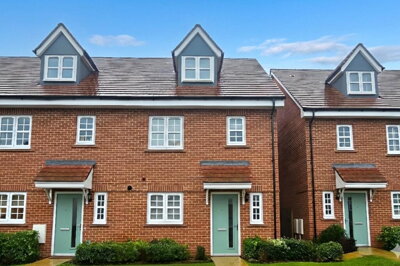
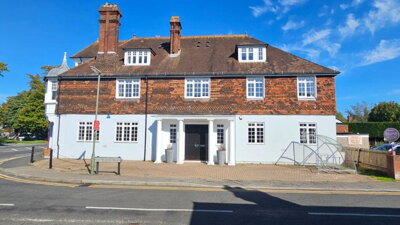
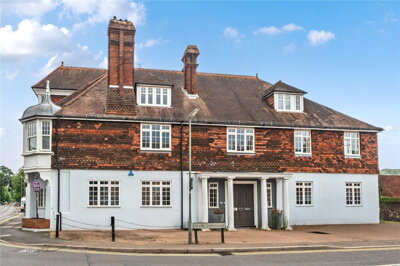
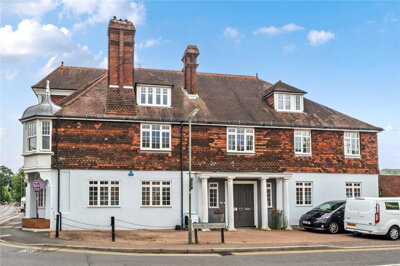
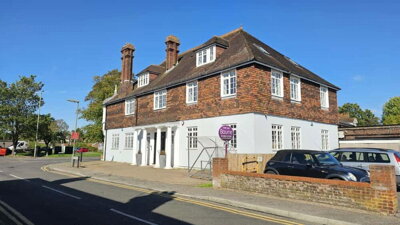
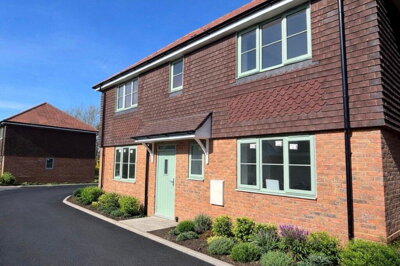
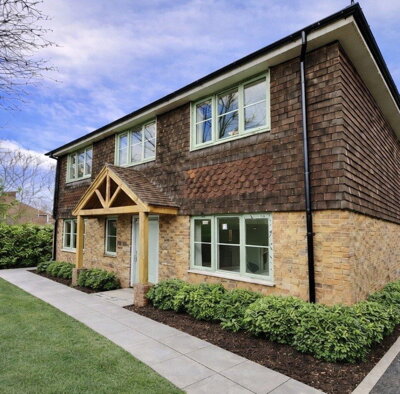
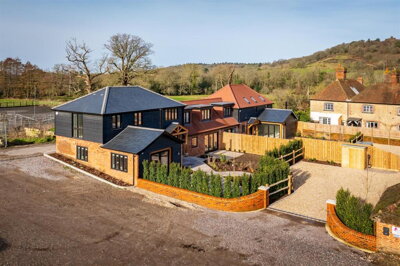
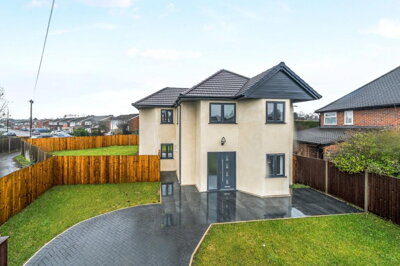
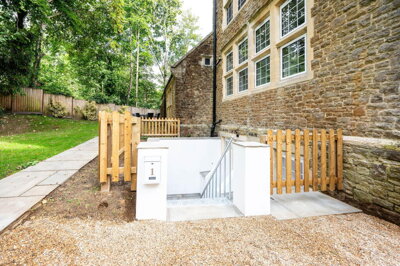
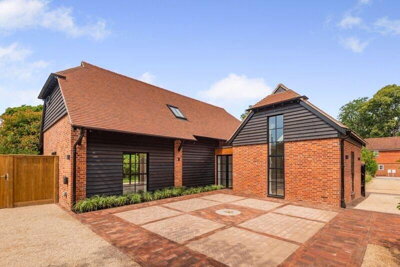
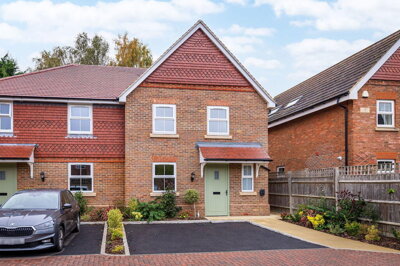
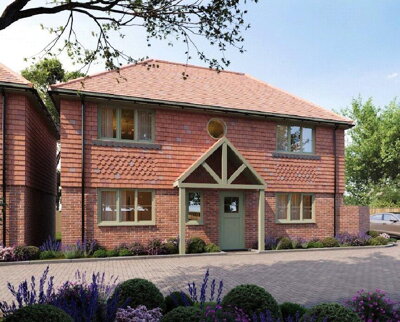
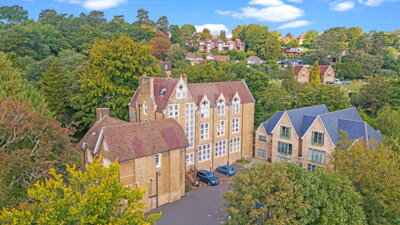
Browse 15 homes new builds in Shalford from local developer agents.
The Whichford property market reflects the character of this sought-after Cotswold village, with detached homes commanding the highest prices at an average of £655,000 over the past year. Zoopla records an average sold price of £566,250 across the last 12 months, with OnTheMarket reporting similar figures at £566,000. PropertyResearch.uk indicates a total of 134 sales within the village boundary, though some data sources show up to 141 properties in the sold prices database, suggesting activity despite the small village size.
Recent price trends show notable variation across property types. Detached homes recorded a median sale price of £625,000 across 3 sales in 2025, representing a 68.8% decrease from 2024 levels according to PropertyResearch.uk. Semi-detached properties showed more stability, with a median price of £508,750 across 2 sales in 2024, up 6.0% from the previous year. Terraced properties remain more affordable at a median of £230,000, though with limited transaction volumes. Land Registry data indicates house prices in Whichford have increased by 16.5% over the past 12 months, suggesting ongoing demand for this desirable rural location.

Whichford embodies the timeless appeal of Cotswold village life, where a tight-knit community of approximately 303 residents enjoys access to local amenities while surrounded by some of England's most celebrated natural landscape. The village lies entirely within a Conservation Area, designated in 1970 and revised in 1994, ensuring the preservation of its architectural heritage. The Cotswolds Area of Outstanding Natural Beauty encompasses the entire parish, providing statutory protection for the rolling hills, dry stone walls, and traditional farmland that define the local character.
Local employers give Whichford a distinctive economic identity rooted in artisan craft and traditional agriculture. The Whichford Pottery, established in 1976, has become a renowned destination for handmade, frost-proof flowerpots, complete with The Straw Kitchen cafe attracting visitors from across the region. The Norman Knight pub serves as the village social hub, offering locally-sourced seasonal dishes and Warwickshire ales. The Whichford Estate maintains 80 acres of working farmland, supporting sustainable agricultural practices while contributing to the rural economy. These businesses provide essential local employment and help sustain the village's vibrant community spirit.
Families considering a move to Whichford will find educational provision within easy reach, though primary schooling is accessed through surrounding villages in South Warwickshire. The village falls within the Stratford-on-Avon district, where primary schools serve catchment areas spanning multiple villages. Parents should research current catchment boundaries and admission policies, as rural school placements can be competitive given the dispersed population. Several primary schools in the wider Shipston-on-Stour area hold Good or Outstanding Ofsted ratings, providing options for families seeking quality early education close to home.
Secondary education is available at comprehensive schools in nearby market towns, with students typically travelling to Shipston-on-Stour or Stratford-upon-Avon for secondary schooling. Grammar school provision exists in Warwickshire, though selection is based on the 11-plus examination. For families prioritising private education, several independent schools in the Cotswolds and South Warwickshire offer alternatives. The proximity to excellent schools in surrounding towns ensures Whichford remains attractive to families, with the village's rural character and community atmosphere providing an ideal environment for children to grow up.
Transport connectivity from Whichford reflects its rural character, with the village situated off the A429 Fosse Way, an ancient Roman road that remains a key route through North Cotswolds countryside. The nearest railway stations are located in Banbury (approximately 15 miles north) and Stratford-upon-Avon (approximately 12 miles north-west), offering direct services to Birmingham, London Marylebone, and Oxford. Journey times to Birmingham range from 45 minutes to over an hour by train, making Whichford practical for professionals working in the West Midlands while enjoying countryside living.
Local bus services connect Whichford with surrounding villages and market towns, providing essential transport for those without private vehicles. The village's position within the Cotswolds AONB means rural roads are well-maintained but can be narrow in places, requiring confident driving. Major motorway connections are accessed via Banbury (M40) or Warwick (M40), giving road access to Oxford in under an hour and London in approximately two hours. Cycling infrastructure in the area includes scenic routes through the Cotswolds, popular with both commuters and recreational cyclists enjoying the undulating countryside.
Explore property listings across Whichford and the wider CV36 postcode area. Understand price trends for different property types, from traditional stone cottages to period farmhouses. Given the village's heritage status, research any planning restrictions that may affect your plans.
Contact local mortgage brokers or use Homemove's comparison tools to secure an agreement in principle before viewing properties. This strengthens your position when making offers on desirable Cotswold homes, which can attract multiple interested buyers.
Visit Whichford to experience the village atmosphere, check proximity to local amenities, and assess the condition of specific properties. Take time to walk the village lanes and meet potential neighbours, as the community character is central to village living.
Given Whichford's predominantly older housing stock, a comprehensive survey is essential. Whichford's traditional Cotswold stone properties may have solid walls without modern damp-proof courses, and the regional Lias clay geology means subsidence risk should be assessed. Budget £400-£800 for a Level 2 Survey on typical properties, with older or listed buildings potentially requiring specialist assessment.
Appoint a solicitor experienced in rural Warwickshire property transactions. They will handle searches, title checks, and contract work, ensuring compliance with any conservation area requirements or listed building regulations affecting your purchase.
Once all surveys, searches, and legal work are satisfactory, your solicitor will exchange contracts and set a completion date. Properties in conservation areas may require additional checks on planning history and permitted development rights before finalising your purchase.
Properties in Whichford require careful inspection due to the village's historic character and traditional construction methods. The majority of homes are built from traditional Cotswold stone, often with solid walls rather than cavity construction, meaning they predate modern damp-proofing techniques. When viewing properties, look for signs of damp such as tide marks on walls, peeling paint, or a musty smell, particularly in ground-floor rooms and basements. The distinctive Hornton stone used in many local buildings is durable but can be susceptible to weathering and erosion over time, so examine external walls for crumbling mortar or displaced stones.
The regional geology presents a potential subsidence risk due to Lias clay soils, which expand and contract with moisture changes. Examine internal walls and ceilings for crack patterns, particularly diagonal cracks above door frames and window openings, which may indicate ground movement. Check that large trees or hedges are positioned well away from property foundations, as vegetation on clay soils is a significant contributor to subsidence. Properties within the Conservation Area may have restrictions on modifications or extensions, so verify permitted development rights before purchasing. Listed buildings require special consideration, as any alterations need Listed Building Consent from Stratford-on-Avon District Council.
Roof condition warrants particular attention on Whichford's period properties, where aging tiles, deteriorated ridge mortar, and failing flashings are common issues. Look for missing or slipped tiles from ground level, and check inside the roofspace for signs of water staining or daylight penetration. Timber structures should be inspected for rot or woodworm activity, particularly where roof leaks have allowed prolonged dampness. Electrical and plumbing systems in older homes may still utilise outdated wiring or lead pipework that does not meet current safety standards, so budget for potential upgrades when assessing overall purchase costs.
The average house price in Whichford is £513,333 over the past year, according to Rightmove data. Zoopla reports an average sold price of £566,250, with similar figures from OnTheMarket at £566,000. Detached properties average £655,000, while terraced homes are more affordable at £230,000. Property values have shown variation, with Land Registry reporting a 16.5% increase over 12 months, though some sources report different trends depending on the data period and methodology used.
Whichford falls under Stratford-on-Avon District Council for council tax purposes. Band valuations across the village reflect the mix of period properties and converted buildings, with larger detached farmhouses typically in higher bands. Contact Stratford-on-Avon District Council directly or use the Valuation Office Agency website to check the specific band for any property you are considering purchasing.
Whichford itself has limited formal schooling, with primary-aged children typically attending schools in surrounding villages. The wider Shipston-on-Stour area has several primary schools with Good or Outstanding Ofsted ratings. Secondary education is available at schools in Stratford-upon-Avon and Shipston-on-Stour, with grammar school options in Warwickshire for those passing the 11-plus examination. Independent schools in the Cotswolds provide additional private education options.
Whichford is a rural village with limited public transport compared to urban areas. Local bus services connect the village to surrounding communities and market towns, though frequency is reduced compared to city routes. The nearest railway stations are in Banbury (approximately 15 miles) and Stratford-upon-Avon (approximately 12 miles), offering connections to Birmingham and London. Most residents rely on private vehicles for daily commuting and errands.
Whichford's location within the Cotswolds AONB and Conservation Area designation suggest strong long-term demand for quality properties. The village attracts buyers seeking rural lifestyles with access to natural beauty and heritage architecture. Property values have shown resilience, though the small market size means transaction volumes are limited and prices can fluctuate significantly based on individual sales. Properties requiring renovation or modernisation may offer investment potential, subject to planning restrictions.
Stamp Duty Land Tax rates for standard purchases (2024-25) are 0% on the first £250,000, 5% on £250,001 to £925,000, 10% on £925,001 to £1.5 million, and 12% above £1.5 million. First-time buyers benefit from relief on properties up to £625,000, paying 0% on the first £425,000 and 5% on £425,001 to £625,000. With Whichford's average price around £513,333, a first-time buyer would pay £4,416 in stamp duty after their nil-rate threshold.
From 4.5%
Compare mortgage rates and find the best deal for your Whichford home
From £499
Expert solicitors to handle your Whichford property purchase
From £400
Comprehensive homebuyer report for your Whichford property
From £80
Energy performance certificate for your new home
Understanding the full costs of buying property in Whichford extends beyond the purchase price to include stamp duty, survey fees, legal costs, and moving expenses. Stamp Duty Land Tax applies to all property purchases in England, with current thresholds (2024-25) setting the nil-rate band at £250,000 for standard buyers. For a typical Whichford property at the village average of £513,333, this means stamp duty of £13,167, calculated at 5% on the amount above £250,000. First-time buyers benefit from increased thresholds, paying nothing on the first £425,000 and 5% on the next £200,000, reducing their stamp duty to £4,416 on the same property.
Survey costs are particularly important in Whichford given the age and character of local properties. A RICS Level 2 Survey typically costs between £400 and £800 for standard residential properties in the area, with the national average around £455. Older Cotswold stone properties or those with non-standard construction may incur costs at the higher end of this range or require a more detailed RICS Level 3 Building Survey. Properties over £500,000 generally average £586 for a Level 2 Survey, while those under £200,000 average £384. Listed buildings or properties with complex features may require specialist historic building surveys at additional cost.
Conveyancing fees for rural Warwickshire property transactions typically start from £499 for basic legal work, covering title checks, contract preparation, and completion registration. Additional costs arise for local authority searches, which in Stratford-on-Avon District may include planning history checks given the conservation area status. Disbursements such as Land Registry fees, bankruptcy searches, and telegraphic transfer charges add further costs. Buyers should budget for mortgage arrangement fees, which vary by lender, plus building insurance from exchange of contracts. Removal costs, potential renovation works, and set-up fees for utilities complete the picture of total purchase expenditure.
Properties New Builds In London

Properties New Builds In Plymouth

Properties New Builds In Liverpool

Properties New Builds In Glasgow

Properties New Builds In Sheffield

Properties New Builds In Edinburgh

Properties New Builds In Coventry

Properties New Builds In Bradford

Properties New Builds In Manchester

Properties New Builds In Birmingham

Properties New Builds In Bristol

Properties New Builds In Oxford

Properties New Builds In Leicester

Properties New Builds In Newcastle

Properties New Builds In Leeds

Properties New Builds In Southampton

Properties New Builds In Cardiff

Properties New Builds In Nottingham

Properties New Builds In Norwich

Properties New Builds In Brighton

Properties New Builds In Derby

Properties New Builds In Portsmouth

Properties New Builds In Northampton

Properties New Builds In Milton Keynes

Properties New Builds In Bournemouth

Properties New Builds In Bolton

Properties New Builds In Swansea

Properties New Builds In Swindon

Properties New Builds In Peterborough

Properties New Builds In Wolverhampton

Enter your details to see if this property is within your budget.
Loans, cards, car finance
Estimated property budget
Borrowing + deposit
You could borrow between
Typical borrowing
Monthly repayment
Est. at 4.5%
Loan-to-value
This is an estimate only. Your actual budget may vary depending on interest rates, credit history, and personal circumstances. For an accurate affordability assessment, speak to one of our free mortgage advisors.
This calculator provides estimates for illustrative purposes only and does not constitute financial advice. Your home may be repossessed if you do not keep up repayments on your mortgage. Estimates based on 4.5% interest rate, repayment mortgage. Actual rates depend on your circumstances.
Homemove is a trading name of HM Haus Group Ltd (Company No. 13873779, registered in England & Wales). Homemove Mortgages Ltd (Company No. 15947693) is an Appointed Representative of TMG Direct Limited, trading as TMG Mortgage Network, which is authorised and regulated by the Financial Conduct Authority (FRN 786245). Homemove Mortgages Ltd is entered on the FCA Register as an Appointed Representative (FRN 1022429). You can check registrations at NewRegister or by calling 0800 111 6768.

We use cookies to show you personalised content and improve your experience of our website. Find out more in our Privacy policy and Cookie policy.