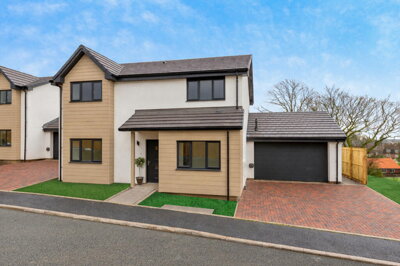
Browse 1 home new builds in Shadforth, County Durham from local developer agents.
The Shadforth property market offers detached, semi-detached, and terraced houses spanning various price ranges and neighbourhoods. Each listing includes detailed property information, photographs, and direct contact with the marketing agent.
£160k
7
0
111
Source: home.co.uk
Showing 7 results for Houses new builds in Shadforth, County Durham. The median asking price is £160,000.
Source: home.co.uk
Terraced
3 listings
Avg £101,667
Detached
2 listings
Avg £330,000
Semi-Detached
2 listings
Avg £219,975
Source: home.co.uk
Source: home.co.uk
The Spittal property market reflects the character of this intimate coastal village, with around 30 property sales completing in the area over the past twelve months. The local market offers good value compared to more tourist-heavy parts of Pembrokeshire, with terraced properties typically selling for around £140,000 and semi-detached homes reaching approximately £170,000. Detached properties, often commanding premium positions with sea views or larger gardens, average around £280,000. Flat sales in the area average approximately £105,000, providing accessible options for first-time buyers and investors alike.
Property prices in Spittal have shown steady growth over recent years, with values increasing by around 1% over the past twelve months and by approximately 12% over the past five years. This consistent upward trend suggests sustained demand for coastal property in this part of Pembrokeshire, driven by buyers seeking holiday homes, retirement properties, or permanent residences away from larger urban centres. The local market attracts those who appreciate unspoiled coastline, traditional Welsh character, and the tranquil atmosphere that smaller villages like Spittal offer.
When considering property values in Spittal, it is worth noting that the coastal location influences pricing beyond simple property type categories. Properties with direct sea views or those situated along the promenade command premiums, while homes set back from the immediate coastline may offer better value without sacrificing the coastal lifestyle benefits. The village benefits from its position within the Pembrokeshire Coast National Park boundary, which helps preserve the natural environment that attracts buyers to the area in the first place.
For buyers assessing the Spittal market, comparing local prices against the wider Pembrokeshire averages provides useful context. The average property price here remains below the county mean, making Spittal an attractive option for those seeking coastal property at more moderate price points. The terraced and semi-detached segments particularly appeal to first-time buyers and families looking to enter the West Wales property market without the higher costs associated with larger detached homes or more central coastal locations.

Understanding the construction methods used in Spittal properties helps buyers assess maintenance requirements and potential defect risks. The majority of properties in this coastal village were built using traditional methods, with Victorian and Edwardian properties featuring solid brick or local stone walls typically 9 to 12 inches thick. These solid wall constructions often lack the cavity insulation found in modern properties, resulting in different thermal performance characteristics that buyers should factor into their assessments of heating costs and comfort levels.
Many older properties in Spittal feature traditional timber floor joists suspended over-level voids, which can be vulnerable to damp penetration if ventilation is inadequate. Our inspectors frequently find that original ground floor constructions in these older coastal homes have experienced some degree of timber degradation over decades of use, particularly where damp-proof courses have deteriorated or been bridged by external ground levels over time. Checking the condition of these floor structures forms an important part of any property assessment in the village.
Roof constructions in Spittal typically feature pitched roofs with slate or clay tile coverings, reflecting the traditional building practices of this part of West Wales. The salt-laden coastal air affects roofing materials differently than inland properties, with our team noting accelerated weathering of mortar pointing and increased biological growth on north-facing roof slopes in properties close to the sea. Understanding these local conditions helps buyers appreciate why roof maintenance budgets for coastal properties often exceed those for equivalent inland homes.
For period properties along the promenade and older residential streets, original features such as sash windows, decorative plasterwork, and fireplaces remain common. While these features contribute significantly to the character and value of these homes, they often require specialist maintenance using appropriate traditional materials and techniques. Buyers should budget accordingly for the ongoing upkeep of these heritage features, which may not meet modern building standards but form an integral part of the property's character.
Properties in Spittal require careful inspection given the coastal environment and the age of much of the local housing stock. Older properties built from traditional stone and brick may show signs of damp, particularly rising damp where original damp-proof courses have deteriorated over time. Our inspectors regularly identify moisture penetration issues in properties of this age, especially in ground-floor rooms and basements where the original damp-proof measures have been compromised by decades of coastal weather exposure.
The salt-laden coastal air accelerates corrosion of metal fixings, gutters, and rainwater goods throughout Spittal. We frequently observe rusted ironmongery on windows and doors, corroded fixings holding roof tiles in place, and degraded rainwater systems that require replacement. These corrosion issues are particularly prevalent on south-westerly facing elevations that bear the brunt of prevailing Atlantic weather systems. When budgeting for property maintenance, buyers should anticipate earlier replacement cycles for external metal components than would be typical for inland properties of equivalent age.
Roof condition represents another critical area requiring thorough assessment. Older slate and tile roofs suffer from slipped tiles, degraded pointing, and timber decay in rafter spaces where ventilation has been inadequate. We check for evidence of previous repairs using mismatched materials, which often indicates ongoing maintenance challenges. The pitched roofs common in this area may also feature original lead flashing around chimneys and valleys, which typically has a longer service life than modern alternatives but eventually requires attention.
Flood risk assessment is essential when purchasing coastal property in Spittal. While the village itself is not subject to significant fluvial flooding from major rivers, coastal erosion and storm surge conditions affect areas immediately adjacent to the shoreline. Properties along the promenade or very close to the cliff edge require particular scrutiny regarding their long-term structural integrity and insurance availability. Your survey report should address any flood risk concerns and provide guidance on appropriate mitigations or insurance considerations. We recommend checking the Welsh Government's natural resources flood risk mapping for the most current data on coastal flood zones in this area.
Properties with significant vegetation nearby require assessment for potential subsidence risk, particularly given the shrink-swell behaviour of clay soils that underlie parts of the Spittal area. Large trees close to property foundations canmoisture from clay subsoils during dry periods, causing ground movement that stresses building structures over time. Our team checks for tell-tale signs of this type of movement, including diagonal cracking around door and window openings, and uneven floor levels that may indicate foundation stress.
Spittal embodies the charm of a traditional Welsh coastal village, with roots dating back to the Victorian era when seaside holidays first became popular among families from the industrial towns of South Wales. The village features a distinctive promenade, Victorian villas, and period properties that reflect its heritage as a modest bathing place for generations of Welsh families. The local housing stock includes a significant proportion of older properties built from local stone and traditional brick, many dating from the Victorian and Edwardian periods, giving the village its characteristic warm-toned appearance against the coastal backdrop.
The demographics of Spittal and surrounding Pembrokeshire villages reflect a balanced mix of families, retired couples, and those seeking a slower pace of life. Key local employers include tourism and hospitality businesses serving visitors to the Pembrokeshire Coast National Park, retail and services in nearby towns, healthcare facilities, and education. Many residents also commute to larger settlements including Haverfordwest for work, taking advantage of the road connections that link Spittal to the wider Pembrokeshire road network. The area is particularly popular with retirees drawn by the clean air, scenic beauty, and strong community spirit that defines village life along this stretch of coast.
The proximity to the Pembrokeshire Coast Path attracts walkers and outdoor enthusiasts throughout the year, contributing to the local economy through visitor spending at local accommodation providers, pubs, and shops. The wider national park offers access to some of Britain's most dramatic coastal scenery, with secluded beaches, cliff-top viewpoints, and abundant wildlife including seabird colonies and occasional sightings of seals and dolphins along the shoreline. For residents, these natural assets provide an almost constant source of recreation and wellbeing opportunities on their doorstep.
Community life in Spittal centres around local events, the village hall, and informal gatherings that reflect the welcoming atmosphere of this small coastal settlement. The pace of life here differs markedly from urban environments, with local businesses often operating shorter hours and community ties running deep through generations of families who have made their homes along this stretch of coast. New residents frequently comment on the friendliness of neighbours and the ease with which newcomers are integrated into community activities.
Families considering a move to Spittal will find a selection of primary schools in the surrounding villages and towns, with the nearest primary school typically located within a few miles of the village. Pembrokeshire County Council manages the majority of local primary schools, which serve the small communities scattered across this coastal region. These village schools provide a strong foundation in the Foundation Phase curriculum and are valued for their close relationships between teachers, pupils, and families in rural settings.
Secondary education is available in the market towns of Haverfordwest and Pembroke, with secondary schools offering a wide range of GCSE and A-Level qualifications. Pupils from Spittal typically travel to one of these towns for their secondary education, with school transport provided by the local authority. The wider Pembrokeshire area includes several well-regarded secondary schools, with families encouraged to research specific school performance data and catchment areas when planning a move. For families prioritising education options, viewing property details and school maps together helps identify homes within preferred school zones.
When evaluating schools in the Spittal area, it is worth considering the travel implications for secondary-age children. The journey times to schools in Haverfordwest or Pembroke can be significant, and families should factor school transport arrangements and potential car pooling arrangements into their decision-making process. Some families choose properties based on school catchment zones, which can limit options but provides certainty about educational provision for children.
Beyond state education, the wider Pembrokeshire area offers various extracurricular activities and learning opportunities through community centres, libraries, and local organisations. These resources supplement formal education and provide children with enrichment opportunities that complement classroom learning. Parents researching education options should also investigate any faith school provision in the area if this is a priority for their family.
Spittal enjoys connectivity to the wider Pembrokeshire road network via the A4075 and adjacent routes, linking the village to the county town of Haverfordwest approximately 10-15 miles away. From Haverfordwest, the A40 provides access to the M4 motorway corridor and the Severn Bridge crossings into England, while the A477 connects to the ferry ports of Pembroke Dock. The nearest train station is typically located in the main towns, with regular bus services connecting Spittal to surrounding villages and towns for those relying on public transport.
For residents needing to travel further afield, the ferry ports of Pembroke Dock and Fishguard provide regular crossings to Ireland, while Bristol and Cardiff airports offer broader international connections via the road network. The journey from Spittal to Haverfordwest takes approximately 25-30 minutes by car, making day trips and weekly commutes feasible for those working in the county town. Local bus services operate on a semi-regular frequency typical of rural Pembrokeshire, and residents are advised to check current timetables when planning daily travel without private transport.
Daily commuters from Spittal should note that road conditions on minor routes can be affected by seasonal tourism traffic, particularly during summer months when visitors flood the national park roads. Planning journey times to account for potential delays during peak season helps avoid unexpected time pressures. Some residents who work in Haverfordwest choose to travel during off-peak hours where possible, taking advantage of the flexibility that remote or hybrid working arrangements can provide.
The proximity of Spittal to the national park boundary influences the nature of local road connections, with many routes passing through scenic areas that are popular with walkers and cyclists. These road users are particularly prevalent at weekends and during holiday periods, and drivers should exercise appropriate caution on narrow lanes and hill sections where passing places are limited.

Spend time exploring Spittal and surrounding villages to understand the neighbourhood, check local amenities, and get a feel for community life. Visit at different times of day and on weekends to assess the area thoroughly. Consider seasonal variations, as coastal villages can feel quite different during peak summer tourist season compared to quieter winter months.
Contact a mortgage broker or lender to obtain an agreement in principle before viewing properties. This strengthens your position when making an offer and demonstrates you are a serious buyer to estate agents. Having your financing arranged also helps you set realistic budgets based on what lenders are prepared to offer.
Arrange viewings through Homemove and work with local estate agents to see available properties. When you find your ideal home, submit a competitive offer that reflects current market conditions in Spittal. In a village market with limited stock, being prepared to move quickly while remaining realistic about negotiations serves buyers well.
Commission a RICS Level 2 Survey before proceeding, particularly given the age of many local properties. A thorough survey identifies any structural issues, damp, or defects common in older coastal homes. This inspection typically costs between £400 and £700 for a standard three-bedroom property in the area.
Appoint a conveyancing solicitor to handle the legal aspects of your purchase, including searches, contracts, and registration with HM Land Registry. For coastal properties, additional searches related to flood risk and environmental factors may be advisable beyond standard conveyancing requirements.
Once all legal checks are complete and both parties agree, exchange contracts to commit to the purchase. Complete the transaction and collect your keys on the agreed completion date. Ensure your buildings insurance is in place from the completion date, as this is typically a mortgage lender requirement.
Properties in Spittal require careful inspection given the coastal environment and the age of much of the local housing stock. Older properties built from traditional stone and brick may show signs of damp, particularly rising damp where original damp-proof courses have deteriorated over time. The salt-laden coastal air can accelerate corrosion of metal fixings, gutters, and rainwater goods, so inspect these elements closely and factor in potential maintenance costs. Roof condition is another critical area, with older slate and tile roofs vulnerable to slipped tiles, degraded pointing, and timber decay.
Flood risk assessment is essential when purchasing coastal property in Spittal. While the village itself is not subject to significant fluvial flooding from major rivers, coastal erosion and storm surge conditions affect areas immediately adjacent to the shoreline. Properties along the promenade or very close to the cliff edge require particular scrutiny regarding their long-term structural integrity and insurance availability. Your survey report should address any flood risk concerns and provide guidance on appropriate mitigations or insurance considerations.
If considering a listed property along Spittal's promenade or older streets, be aware that listed building consent may be required for alterations and renovations. These properties benefit from their historical character but require careful maintenance that adheres to heritage guidelines. Understanding the implications of listed status, including restrictions on modifications and potential eligibility for grant assistance, helps buyers make informed decisions about these distinctive properties.
Properties in Spittal should also be assessed for potential radon exposure, which affects some properties in the wider region. While not all homes will be affected, testing is available through relatively inexpensive measurement kits, and mitigation measures can be installed where necessary. Your survey report should identify whether radon testing is recommended based on the property's location and construction type.
The average house price in Spittal stands at approximately £187,000 based on recent market activity. Detached properties average around £280,000, semi-detached homes around £170,000, terraced properties around £140,000, and flats approximately £105,000. Prices have increased by around 1% over the past twelve months and by approximately 12% over the past five years, indicating steady but measured growth in this coastal Welsh village market. This price growth reflects sustained demand from buyers attracted to the area's coastal character and relative affordability compared to busier parts of Pembrokeshire.
Properties in Spittal fall under Pembrokeshire County Council's jurisdiction. Council tax bands in the area typically range from Band A to Band D for most residential properties, with the exact band depending on the property's valuation. Band A properties typically pay the lowest rates while Band D properties pay higher amounts. Prospective buyers should check the specific council tax band for any property they are considering, as this forms part of the ongoing cost of ownership. The council tax rates are set annually by Pembrokeshire County Council and can be verified through their online portal or by contacting their revenues department directly.
The Spittal area is served by local primary schools in surrounding villages, with pupils typically progressing to secondary schools in Haverfordwest or Pembroke. Families should research individual school performance data from Estyn (the Welsh education inspectorate) and consider catchment areas when choosing a property. School transport arrangements should also be confirmed for properties at greater distances from schools, as journey times to secondary schools in market towns can be substantial. Attending school open days and contacting local education offices helps families understand provision before committing to a property purchase in the area.
Spittal is connected to the wider area via local bus services, though frequencies reflect the rural nature of Pembrokeshire. The nearest train station is located in Haverfordwest or Pembroke, with regular services to Cardiff and other destinations. Most residents rely on private transport for daily commuting, with Haverfordwest approximately 25-30 minutes away by car. The A4075 provides the main road connection to surrounding towns and villages, and residents are advised to check current bus timetables as services may be reduced compared to urban areas. For those needing regular rail access, the station facilities at Haverfordwest and Pembroke offer connections across the broader rail network.
Spittal offers potential for property investment given its coastal location within Pembrokeshire Coast National Park, steady price growth over recent years, and demand for holiday lets and retirement properties. The village attracts buyers seeking traditional Welsh coastal character at more accessible price points compared to busier tourist areas. However, investors should consider factors including seasonal demand fluctuations, maintenance costs for older properties, and local rental market conditions when assessing investment potential. Properties suitable for holiday letting may require planning consent under Pembrokeshire's holiday let licensing requirements, which buyers should verify with the local planning authority before purchase.
Stamp duty rates apply based on the property purchase price. Standard rates for residential purchases are 0% on the first £250,000, 5% on £250,001 to £925,000, 10% on £925,001 to £1.5 million, and 12% on amounts above £1.5 million. First-time buyers may benefit from relief on properties up to £425,000, paying 0% on the first £425,000 and 5% on amounts between £425,001 and £625,000. Given the average property price in Spittal of approximately £187,000, most standard residential purchases in the village would attract no SDLT liability. Buyers should calculate their specific SDLT liability based on their purchase price and circumstances, including whether they qualify for any reliefs or if they are purchasing as additional properties attracting the higher rates.
Coastal properties in Spittal face particular maintenance challenges that buyers should understand before purchase. Salt corrosion affects metal components including fixings, gutters, and structural elements, often requiring earlier replacement than equivalent inland properties. Rising damp and penetrating damp are common in older solid-wall constructions where original damp-proof courses have deteriorated over decades of exposure to coastal weather. Roof conditions warrant close inspection, with slipped tiles, degraded mortar, and timber decay frequently identified during surveys of properties in this area. Properties very close to the shoreline may also face coastal erosion risks that affect long-term structural integrity and insurance availability. Commissioning a thorough RICS Level 2 Survey before purchase helps identify these issues and provides professional guidance on necessary repairs and maintenance budgets.
From 4.5%
Professional mortgage advice and competitive rates from trusted lenders
From £499
Expert legal services for your property purchase
From £400
Thorough inspection by qualified surveyors for properties in Spittal
From £85
Energy performance certificate for your property
Understanding the full cost of purchasing property in Spittal helps buyers budget accurately and avoid unexpected expenses. Beyond the purchase price and mortgage financing, buyers should account for stamp duty land tax, solicitor fees, survey costs, and moving expenses. For a typical £187,000 property in Spittal, standard SDLT would be nil on the first £250,000, meaning most purchases at this price point attract no stamp duty. First-time buyers purchasing properties under £425,000 may benefit from first-time buyer relief, eliminating SDLT on the first £425,000 of their purchase.
Additional costs include solicitor fees for conveyancing, typically ranging from £500 to £1,500 depending on the complexity of the transaction and whether the property is freehold or leasehold. A RICS Level 2 Survey costs approximately £400 to £700 for a standard three-bedroom property in the Spittal area, with larger or older properties potentially requiring higher fees. An Energy Performance Certificate is mandatory and costs around £85 to £120. Land Registry registration fees and potential mortgage arrangement fees add further costs to the overall budget. Building insurance must be in place from completion day, and buyers should obtain quotes before finalising their mortgage to understand the full cost of ownership.
For buyers purchasing with a mortgage, arrangement fees typically range from £0 to £2,000 depending on the lender and product chosen. Some borrowers prefer to add these fees to their mortgage, though this increases total interest paid over the mortgage term. Valuation fees are often included in mortgage products but may be charged separately for higher-value properties. Factor in these costs when comparing mortgage products to ensure you understand the true cost of borrowing beyond the headline interest rate.
Moving costs for a local move within Spittal or the surrounding area can be managed by obtaining quotes from multiple removal firms. For longer-distance moves, shipping costs for belongings may apply. Setting aside a contingency fund of around 5-10% of the purchase price for unexpected costs during the buying process and immediate post-purchase period helps ensure buyers are not caught out by unforeseen expenses such as urgent repairs identified during the survey or furnishing costs for a new home.
Properties New Builds In London

Properties New Builds In Plymouth

Properties New Builds In Liverpool

Properties New Builds In Glasgow

Properties New Builds In Sheffield

Properties New Builds In Edinburgh

Properties New Builds In Coventry

Properties New Builds In Bradford

Properties New Builds In Manchester

Properties New Builds In Birmingham

Properties New Builds In Bristol

Properties New Builds In Oxford

Properties New Builds In Leicester

Properties New Builds In Newcastle

Properties New Builds In Leeds

Properties New Builds In Southampton

Properties New Builds In Cardiff

Properties New Builds In Nottingham

Properties New Builds In Norwich

Properties New Builds In Brighton

Properties New Builds In Derby

Properties New Builds In Portsmouth

Properties New Builds In Northampton

Properties New Builds In Milton Keynes

Properties New Builds In Bournemouth

Properties New Builds In Bolton

Properties New Builds In Swansea

Properties New Builds In Swindon

Properties New Builds In Peterborough

Properties New Builds In Wolverhampton

Enter your details to see if this property is within your budget.
Loans, cards, car finance
Estimated property budget
Borrowing + deposit
You could borrow between
Typical borrowing
Monthly repayment
Est. at 4.5%
Loan-to-value
This is an estimate only. Your actual budget may vary depending on interest rates, credit history, and personal circumstances. For an accurate affordability assessment, speak to one of our free mortgage advisors.
This calculator provides estimates for illustrative purposes only and does not constitute financial advice. Your home may be repossessed if you do not keep up repayments on your mortgage. Estimates based on 4.5% interest rate, repayment mortgage. Actual rates depend on your circumstances.
Homemove is a trading name of HM Haus Group Ltd (Company No. 13873779, registered in England & Wales). Homemove Mortgages Ltd (Company No. 15947693) is an Appointed Representative of TMG Direct Limited, trading as TMG Mortgage Network, which is authorised and regulated by the Financial Conduct Authority (FRN 786245). Homemove Mortgages Ltd is entered on the FCA Register as an Appointed Representative (FRN 1022429). You can check registrations at NewRegister or by calling 0800 111 6768.

We use cookies to show you personalised content and improve your experience of our website. Find out more in our Privacy policy and Cookie policy.