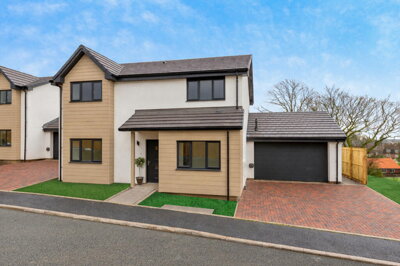
Browse 1 home new builds in Shadforth, County Durham from local developer agents.
The larger property sector typically features multiple bathrooms, substantial reception space, and private gardens or off-street parking. Four bedroom houses in Shadforth span detached, semi-detached, and occasionally terraced configurations, with styles ranging from period properties to modern executive homes.
£290k
1
0
23
Source: home.co.uk
Showing 1 results for 4 Bedroom Houses new builds in Shadforth, County Durham. The median asking price is £290,000.
Source: home.co.uk
Semi-Detached
1 listings
Avg £290,000
Source: home.co.uk
Source: home.co.uk
The Spittal property market offers diverse options across all price brackets, with the overall average house price standing at £187,000 as of early 2026. Property values have demonstrated consistent growth over the past five years, with prices increasing by approximately 12% since 2021, while the more recent 12-month period shows a more modest 1% rise, suggesting a stabilising market that rewards long-term investment rather than rapid speculative gains. This steady appreciation makes Spittal an attractive prospect for buyers seeking both lifestyle benefits and solid capital growth potential in a coastal location that has yet to experience the extreme price inflation seen in more metropolitan areas.
When examining property types available in Spittal, detached homes command the highest average prices at around £280,000, appealing to families seeking generous living space and proximity to the stunning coastal landscape. Semi-detached properties average approximately £170,000, representing excellent value for buyers needing more than a terraced home but working within moderate budgets, while terraced houses typically sell for around £140,000 and remain popular among first-time buyers and those seeking character properties in established streets. Flats in the area start from approximately £105,000, offering an affordable entry point to the coastal market for young professionals and retirees alike, though availability in this category can be limited during peak buying seasons.
New build activity in the Spittal postcode area remains limited, with no dedicated developments confirmed within TD15 at the time of research. Prospective buyers interested in brand new properties may wish to broaden their search to the wider Berwick-upon-Tweed area, where several developments market themselves to the Spittal catchment. For buyers prioritising modern construction methods, energy efficiency, and warranties, exploring both new and existing stock alongside one another often yields the best results when balancing character against convenience.
The housing stock in Spittal reflects its heritage as a Victorian coastal resort, with terraced properties dominating the sales figures over the past year, followed by semi-detached and detached homes. This pattern aligns with the area's historic development, where workers' cottages and family homes were built to serve visitors arriving by rail and steamer in the late 19th century. Many properties date from the pre-1919 era, giving the town its distinctive character but also meaning that buyers should budget for the maintenance requirements associated with older construction.

Spittal's character is fundamentally shaped by its Victorian heritage, with grand seafront villas, the historic promenade, and elegant residential streets reflecting an era when coastal resorts flourished as destination holidays for northern industrial workers. The town's promenade remains a focal point for both residents and visitors, offering an expansive seafront walk with views toward Holy Island and, on clear days, the opportunity to spot Scottish hills on the horizon. This blend of historic architecture and unspoiled coastline creates an atmosphere that feels distinctly different from purpose-built modern developments, appealing to those who appreciate architectural character and a sense of place rooted in centuries of coastal tradition.
The local economy in Spittal relies heavily on tourism and hospitality, with the summer months bringing significant visitor numbers drawn to the beaches, scenic walks, and the charm of a traditional seaside town largely untouched by mass commercialism. This seasonal economy supports local shops, cafes, and accommodation providers, creating a community that maintains its services throughout the year while enjoying the benefits of summer visitors. Many residents are retirees attracted by the healthy coastal air, excellent walking routes, and the peaceful pace of life, contributing to a demographic that values community connections and the security of established neighbourhoods where neighbours look out for one another.
While Spittal does not have its own designated conservation area, the town contains individually listed buildings that reflect its Victorian heyday, particularly along the promenade and older residential streets. These range from imposing seafront villas to more modest terraced properties that collectively contribute to the area's distinctive character. Properties near the promenade often feature original architectural details including sash windows, decorative ironwork, and stone facades that appeal to buyers seeking period features in a coastal setting.
Practical amenities in Spittal include local shops serving everyday needs, while comprehensive facilities in nearby Berwick-upon-Tweed are accessible within minutes by car or regular bus services. The wider Berwick-upon-Tweed urban area provides supermarkets, independent retailers, healthcare centres including the Northumbria Hospital, and a full range of professional services, meaning Spittal residents enjoy the best of both worlds: the tranquility of village life with urban conveniences a short journey away. Outdoor pursuits dominate leisure time in the area, with coastal walks, fishing, golf at nearby courses, and easy access to the Northumberland National Park and Scottish Borders ensuring residents never run out of ways to enjoy the spectacular natural environment surrounding their homes.
Families considering a move to Spittal will find educational provision centred primarily in nearby Berwick-upon-Tweed, which serves as the main educational hub for the surrounding area. Primary education is well-represented with several schools in Berwick itself and in surrounding villages, offering good options for families choosing to settle in Spittal while ensuring their children attend local schools. The town falls within the Northumberland local authority, which manages school admissions and catchment areas, meaning parents should verify which specific primary school serves their chosen Spittal address before committing to a purchase, as catchment boundaries can affect placement decisions.
Secondary education in the area is anchored by schools in Berwick-upon-Tweed, which provide comprehensive secondary education with good academic and vocational pathways through to GCSE and A-Level qualifications. Berwick-upon-Tweed Secondary School serves as the main provider for students aged 11-16 in the wider area, with facilities that include specialist teaching spaces, sports amenities, and a sixth form offering a range of subjects. For families prioritising grammar school education, the nearest grammar schools are located further afield in Northumberland, requiring careful consideration of transport arrangements and admissions criteria for those wishing to pursue this educational route.
Further and higher education options nearby include colleges in Berwick-upon-Tweed providing vocational courses and access to higher education programmes, while the wider region offers comprehensive university provision in Newcastle upon Tyne, Edinburgh, and Dundee, all accessible via the excellent transport connections serving the area. Parents buying in Spittal can therefore plan for their children's full educational journey without requiring a relocation to a major city, with the added benefit that coastal education in Northumberland benefits from smaller class sizes, strong community connections, and outdoor learning opportunities that urban schools often cannot match.

Transport connectivity from Spittal benefits from its proximity to the A1, which runs through nearby Berwick-upon-Tweed and provides the main arterial route connecting London to Edinburgh through the heart of Northumberland. This major road ensures that commuters and frequent drivers have straightforward access to destinations north and south, with Edinburgh approximately 45 miles to the north and Newcastle around 65 miles south, making day trips and weekend visits to major cities entirely feasible for those working remotely or maintaining city-based employment. The A1 has undergone significant improvements in recent years, reducing journey times and improving safety along sections that were previously notorious for delays and accidents.
Rail connections from Berwick-upon-Tweed station place Spittal within comfortable reach of the East Coast Main Line, with regular services to major destinations including Edinburgh (approximately 45 minutes), Newcastle (around 45 minutes to an hour), and London Kings Cross (approximately 3 hours 45 minutes). This makes Spittal particularly attractive to commuters who need occasional access to capital cities or business centres while enjoying the lifestyle benefits of coastal living, with the additional advantage that Berwick station is well-served by local bus connections from Spittal, reducing the need for car ownership even for those who rely on rail travel.
Local bus services operate between Spittal and Berwick-upon-Tweed throughout the day, providing an affordable and practical alternative to car travel for daily shopping, appointments, and social visits. For residents without vehicles, these services ensure that essential access to the larger town's amenities remains straightforward without relying on taxis or lifts. Cycling is popular along the coast, with dedicated routes and quiet country lanes offering pleasant options for shorter journeys, though the hilly terrain and coastal weather mean that e-bikes are increasingly popular among residents who wish to cycle year-round.
Before viewing properties, research the Spittal market thoroughly by comparing prices for different property types, understanding local price trends, and getting a clear picture of what your budget can buy in this coastal location. Obtain a mortgage agreement in principle from a lender to strengthen your position when making offers. Given the area's concentration of Victorian and Edwardian properties, researching maintenance costs and energy efficiency implications of older construction will help you budget accurately for the total cost of ownership.
Connect with estate agents operating in the Spittal and Berwick-upon-Tweed market, as many properties sell through local specialists who know the area intimately. Online property portals supplement agent searches, but local knowledge often reveals off-market opportunities and properties before they appear on major websites. Agents familiar with the TD15 area can advise on specific streets, recent sales, and the nuances of different neighbourhoods within Spittal itself.
Arrange viewings of shortlisted properties, paying particular attention to the condition of older Victorian and Edwardian properties that dominate the housing stock. Look for signs of damp, roof condition, and any evidence of coastal erosion or structural issues that might require significant investment following purchase. Properties near the promenade warrant particularly careful inspection due to potential salt corrosion of metal components and exposure to coastal weather.
For any property over 50 years old or showing signs of wear, commission a RICS Level 2 Survey before proceeding. Survey costs in the Spittal area typically range from £400 to £700 depending on property size, and this investment can reveal defects that justify price negotiations or highlight expensive future repairs. Given the prevalence of solid-wall construction and older building methods in the area, a thorough survey is especially valuable for identifying issues like damp, timber defects, and structural movement that may not be apparent during a standard mortgage valuation.
Once your offer is accepted, instruct a conveyancing solicitor to handle the legal transfer of ownership, searches, and contract work. Your solicitor will liaise with the seller's representatives, conduct local authority searches, and ensure all documentation is in order before you proceed to completion. Searches should include local authority checks for planning history, environmental searches covering flood risk and ground conditions, and drainage searches given the coastal location.
After satisfactory survey results and contract negotiations, both parties sign contracts and a deposit is paid to secure the transaction. On the agreed completion date, the remaining funds are transferred and you receive the keys to your new Spittal home, ready to begin your life in this beautiful coastal community. Many buyers find that completion in Spittal occurs around 8-12 weeks after offer acceptance, though this timeline can vary depending on chain complexity and whether the property is part of a chain-free sale.
Properties in Spittal predominantly feature traditional construction using local sandstone, brick, and slate, materials that characterise the Victorian and Edwardian buildings along the seafront and older residential streets. These solid wall constructions lack the cavity insulation of modern properties, meaning thermal efficiency may require attention and heating costs could be higher than buyers expect from a new build. Understanding the construction type helps buyers anticipate maintenance requirements, with older stone properties generally requiring more ongoing care but offering robust structural integrity when properly maintained. Later properties built after the 1970s may feature cavity wall construction, providing better insulation but potentially introducing different maintenance considerations.
The geology of the Spittal area includes Carboniferous sedimentary rocks, with superficial deposits of glacial till (boulder clay) and alluvial deposits near the coast and rivers. Areas with significant clay content present a moderate shrink-swell risk that can affect properties with significant nearby trees or those on deeper clay foundations, potentially causing structural movement over time. Structural movement, while common in older buildings, should be assessed by a RICS Level 2 Survey to determine whether observed cracking reflects minor settlement typical of Victorian construction or more serious issues requiring professional intervention. Properties along the promenade and near the coast may also show accelerated corrosion of metal components due to salt-laden air, with gutters, fixings, and structural ties potentially requiring earlier replacement than in inland locations.
Flood risk requires careful consideration for properties in Spittal due to the coastal location and proximity to the River Tweed estuary. Properties immediately adjacent to the coastline face potential tidal flooding during storm surges, while low-lying areas may be susceptible to fluvial flooding from the river and surface water accumulation during heavy rainfall. Buyers should review Environment Agency flood maps, check whether properties have flood history, and consider whether appropriate insurance cover is available and affordable before committing to a purchase in higher-risk areas. Properties set back from the seafront and at higher elevations generally face lower flood risk, making elevation a key factor when evaluating specific addresses.
Northumberland is identified as a radon affected area, meaning a percentage of homes exceed the action level for this radioactive gas that can accumulate in buildings with inadequate ventilation. Properties in Spittal, particularly those with solid floors and limited sub-floor ventilation, may benefit from radon testing prior to purchase. While radon mitigation is relatively straightforward and inexpensive, awareness of elevated levels allows buyers to factor this into their decision and negotiate appropriate remedies before completion.
Common defects found during surveys of Spittal properties include damp issues arising from the coastal exposure and the age of original damp-proof courses in Victorian and Edwardian buildings. Roof conditions on older properties warrant close inspection, with slate tiles prone to slipping and pointing prone to degradation over time. Timber defects including woodworm and rot can occur where damp has affected structural or decorative timbers, while salt corrosion of metal fixings and fittings is particularly prevalent in properties close to the seafront promenade.
Given the age and construction type of much of the housing stock in Spittal, a professional property survey represents one of the most important investments you will make before completing your purchase. The overwhelming majority of properties in this area were built before modern building regulations, meaning they predate requirements for cavity wall insulation, damp-proof courses, and the electrical and plumbing standards that apply to new construction today. A RICS Level 2 Survey provides detailed assessment of the property condition, highlighting defects that might not be visible during a standard viewing and could cost thousands of pounds to rectify.
Our inspectors know the Spittal area intimately and understand the specific challenges that coastal properties face in this part of Northumberland. They regularly encounter issues including penetrating damp in solid-wall construction, deteriorated roof coverings, timber defects, and the effects of salt corrosion on metal components. This local expertise means our surveyors can contextualise their findings within the broader pattern of common issues seen in this area, helping you understand which defects are typical for properties of this age and construction type and which represent more serious concerns.
The survey fee typically ranges from £400 to £700 for an average 3-bedroom property in Spittal, a relatively modest sum compared to the property price and the potential cost of discovering significant defects after purchase. If the survey reveals issues that warrant renegotiation, even a modest reduction of 2-3% on a £187,000 average property price would save several thousand pounds, easily justifying the survey cost. For buyers purchasing period properties with character features, the survey also provides guidance on maintenance priorities and anticipated future works, enabling more accurate budgeting for the years ahead.
The average house price in Spittal stands at approximately £187,000 as of early 2026, based on recent market data for the TD15 postcode area. Property prices have increased by around 12% over the past five years, demonstrating steady long-term growth in this coastal market. Detached properties command the highest prices at around £280,000 on average, while terraced houses and flats offer more affordable entry points at approximately £140,000 and £105,000 respectively. The market has shown more modest recent growth of 1% over the last 12 months, suggesting a stabilising phase that could present good buying opportunities for those patient enough to find the right property.
Properties in Spittal fall under Northumberland Council's jurisdiction and are assigned council tax bands ranging from A to E, depending on the property's value and type. Victorian and Edwardian terraced houses typically fall into bands A to C, making them among the most affordable council tax options in the area. Larger detached properties and those along the seafront promenade may be assigned higher bands due to their greater value and floor area. Prospective buyers should check the specific council tax band of any property they are considering, as this forms an ongoing annual cost that should be factored into overall affordability calculations alongside mortgage payments and utility bills.
The best schools for Spittal residents are located in nearby Berwick-upon-Tweed, which provides primary and secondary education options managed by Northumberland local authority. Primary schools in the town have good reputations for academic achievement and pastoral care, with several achieving positive Ofsted ratings in recent inspections. Berwick-upon-Tweed Secondary School serves as the main secondary provider, offering GCSE and A-Level courses with a broad curriculum and extracurricular activities. Families seeking grammar school education would need to explore options elsewhere in Northumberland, as no grammar schools operate within the immediate Berwick-upon-Tweed area. The smaller class sizes typical of schools serving the wider Berwick area often provide more individual attention for students compared to larger urban schools.
Spittal is well-connected by public transport despite its small size, with regular bus services operating between Spittal and Berwick-upon-Tweed throughout the day. Berwick-upon-Tweed railway station sits on the East Coast Main Line, providing regular services to Edinburgh (45 minutes), Newcastle (45 minutes to 1 hour), and London Kings Cross (approximately 3 hours 45 minutes). This makes Spittal surprisingly practical for commuters who do not need to travel daily, with the rail connection transforming what might seem an isolated location into a viable base for professionals who split their working time between home and city offices. The station is fully accessible with step-free access to platforms, and parking facilities are available for those driving from further afield.
Spittal offers several investment characteristics that appeal to property buyers, including stable long-term price growth of 12% over five years and relatively affordable entry prices compared to coastal hotspots in the South of England. The strong tourism sector supports demand for holiday lets, with properties near the seafront potentially generating income when not occupied by owners. An aging demographic and popularity with retirees ensure consistent demand for single-storey living and smaller properties, while the general desirability of coastal living in a scenic and accessible location provides a foundation for future values. As with any property investment, buyers should consider rental yields, void periods, and local market dynamics before committing, and should factor in the maintenance requirements associated with older period properties when calculating net returns.
Stamp duty land tax for properties in England, including Spittal in Northumberland, follows standard UK thresholds. For residential purchases, no SDLT is due on the first £250,000 of property value, with 5% charged on the portion between £250,001 and £925,000. Properties priced between £925,001 and £1.5 million attract 10% on that portion, while anything above £1.5 million is taxed at 12% on the amount exceeding this threshold. First-time buyers benefit from increased thresholds, paying nothing on the first £425,000 and 5% on amounts between £425,001 and £625,000, though this relief does not apply to purchases above £625,000. Given the average Spittal price of £187,000, most buyers would pay no SDLT at all, making this an exceptionally cost-effective location for first-time purchasers.
Environmental considerations for Spittal buyers include coastal flood risk for properties near the seafront, which may face tidal flooding during severe storm surges. The wider area sits on Carboniferous geology with glacial till deposits containing clay, presenting a moderate shrink-swell risk that can cause structural movement in properties with trees or on clay foundations. Northumberland is also classified as a radon affected area, and testing is advisable for properties that have not been previously assessed. While the wider Northumberland region has historical coal mining, specific mining activity directly beneath Spittal has not been verified as a significant current risk, though environmental searches should be requested to confirm this for individual properties.
Properties along the Spittal promenade require particular attention during viewings due to their exposure to coastal weather and salt-laden air. Inspect metal components including window frames, fixings, gutters, and any visible structural ties for signs of corrosion, which can progress rapidly in seaside locations. Check the condition of render and external stonework for cracking or deterioration that might indicate water ingress, and examine window frames and sills for rot or decay. Roof slopes facing the sea often show accelerated wear on tiles and pointing, so a close inspection from ground level or via ladder access is advisable. Properties elevated above sea level generally face lower flood risk than those at promenade level, making this an important factor when comparing specific addresses.
From 4.5%
Expert mortgage advice tailored to your circumstances. Compare rates from leading lenders.
From £499
Specialist property solicitors handling your legal transfer. Fixed-fee packages available.
From £400
Detailed inspection of property condition by qualified surveyors who know the Spittal area.
From £80
Energy performance certificate required for all property sales. Quick turnaround available.
One of the most attractive aspects of the Spittal property market for buyers is the exceptionally low stamp duty liability associated with properties at the area's average price point. With the average property price of £187,000 sitting comfortably below the standard SDLT threshold of £250,000, most buyers purchasing a typical Spittal home will pay zero stamp duty land tax on their acquisition. This represents a significant saving compared to purchasing property in more expensive regions, where SDLT can add thousands of pounds to the total acquisition cost and effectively increase the deposit requirement for buyers relying on mortgage financing.
First-time buyers purchasing in Spittal enjoy even more favourable treatment, with the first-time buyer relief raising the zero-rate threshold to £425,000 and applying a reduced 5% rate only on the portion between £425,001 and £625,000. Given that the average property price in Spittal falls well below £425,000, the vast majority of first-time buyers purchasing in the area would pay no SDLT whatsoever, making this one of the most cost-effective locations in the UK for those taking their first step onto the property ladder. This fiscal advantage effectively increases buying power and reduces the total cost of homeownership from the very first transaction.
Beyond stamp duty, buyers should budget for additional costs including mortgage arrangement fees (typically 0-0.5% of the loan amount), survey costs ranging from £400-700 for a RICS Level 2 Survey on a typical family home, and conveyancing fees usually between £500-1500 depending on complexity. Buildings insurance, removals costs, and potential renovation expenses should also feature in comprehensive budgeting, particularly for older properties where survey findings might reveal maintenance requirements that need addressing soon after purchase. Setting aside a contingency fund equivalent to 10-15% of the property value above mortgage and purchase costs provides a sensible buffer for unexpected expenses that frequently arise when buying character properties in established coastal locations.
Properties New Builds In London

Properties New Builds In Plymouth

Properties New Builds In Liverpool

Properties New Builds In Glasgow

Properties New Builds In Sheffield

Properties New Builds In Edinburgh

Properties New Builds In Coventry

Properties New Builds In Bradford

Properties New Builds In Manchester

Properties New Builds In Birmingham

Properties New Builds In Bristol

Properties New Builds In Oxford

Properties New Builds In Leicester

Properties New Builds In Newcastle

Properties New Builds In Leeds

Properties New Builds In Southampton

Properties New Builds In Cardiff

Properties New Builds In Nottingham

Properties New Builds In Norwich

Properties New Builds In Brighton

Properties New Builds In Derby

Properties New Builds In Portsmouth

Properties New Builds In Northampton

Properties New Builds In Milton Keynes

Properties New Builds In Bournemouth

Properties New Builds In Bolton

Properties New Builds In Swansea

Properties New Builds In Swindon

Properties New Builds In Peterborough

Properties New Builds In Wolverhampton

Enter your details to see if this property is within your budget.
Loans, cards, car finance
Estimated property budget
Borrowing + deposit
You could borrow between
Typical borrowing
Monthly repayment
Est. at 4.5%
Loan-to-value
This is an estimate only. Your actual budget may vary depending on interest rates, credit history, and personal circumstances. For an accurate affordability assessment, speak to one of our free mortgage advisors.
This calculator provides estimates for illustrative purposes only and does not constitute financial advice. Your home may be repossessed if you do not keep up repayments on your mortgage. Estimates based on 4.5% interest rate, repayment mortgage. Actual rates depend on your circumstances.
Homemove is a trading name of HM Haus Group Ltd (Company No. 13873779, registered in England & Wales). Homemove Mortgages Ltd (Company No. 15947693) is an Appointed Representative of TMG Direct Limited, trading as TMG Mortgage Network, which is authorised and regulated by the Financial Conduct Authority (FRN 786245). Homemove Mortgages Ltd is entered on the FCA Register as an Appointed Representative (FRN 1022429). You can check registrations at NewRegister or by calling 0800 111 6768.

We use cookies to show you personalised content and improve your experience of our website. Find out more in our Privacy policy and Cookie policy.