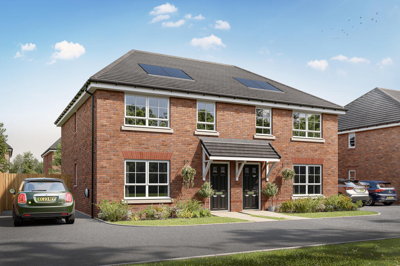
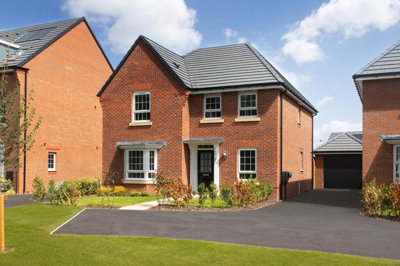
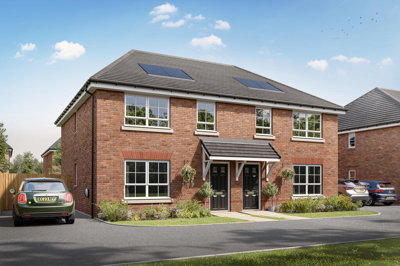
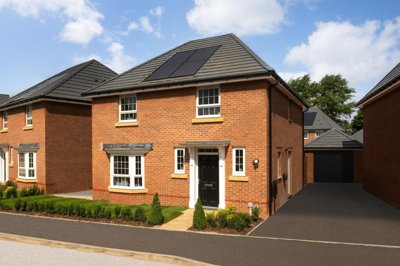
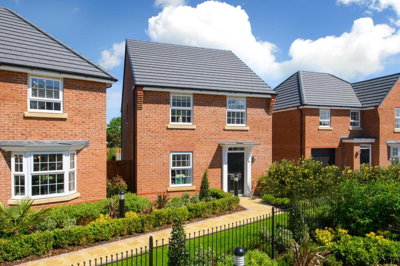
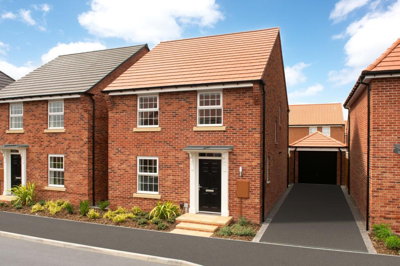
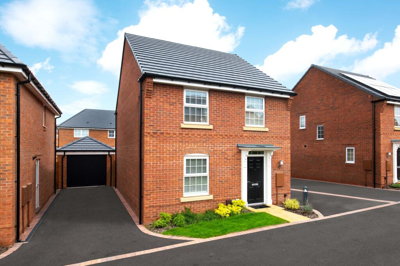
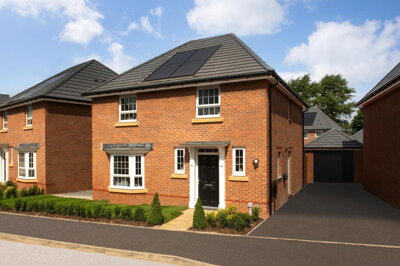
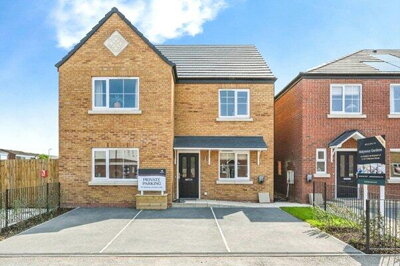
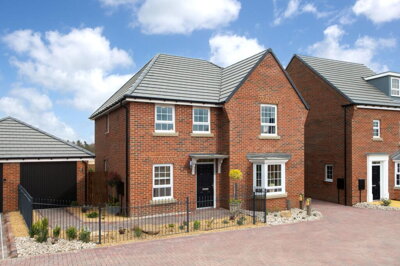
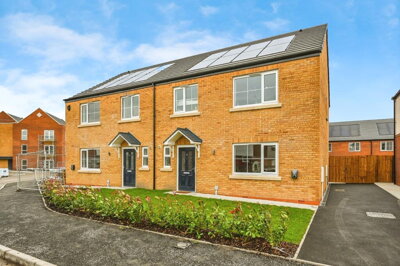
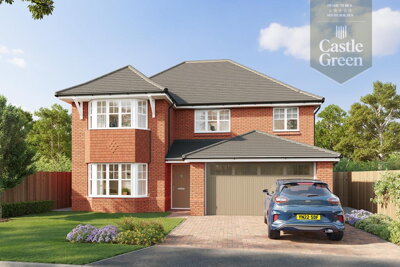
Browse 12 homes new builds in Sefton, Sefton from local developer agents.
The larger property sector typically features multiple bathrooms, substantial reception space, and private gardens or off-street parking. Four bedroom houses in Sefton span detached, semi-detached, and occasionally terraced configurations, with styles ranging from period properties to modern executive homes.
£0k
0
0
0
Source: home.co.uk
Showing 0 results for 4 Bedroom Houses new builds in Sefton, Sefton.
Sefton presents a dynamic property market with prices to suit various budgets and preferences. Detached properties command the highest values, averaging £392,088, offering generous living space and gardens that appeal to growing families seeking room to spread out. Semi-detached homes, which represent 34.1% of the borough's housing stock, average £240,111 and provide an excellent balance between price and practicality for many buyers entering the market or upsizing from starter homes. This semi-detached dominance reflects the interwar housing expansion that characterised much of Crosby, Maghull, and Formby's growth.
Terraced properties averaging £163,565 present an accessible entry point into the Sefton property market, particularly attractive for first-time buyers who want to establish themselves in a well-connected area with strong local amenities. With terraced homes comprising 34.6% of all properties, this housing type forms the backbone of older neighbourhoods in Bootle, Southport, and Crosby's Victorian streets. Flats and apartments average £120,539, offering affordable options for young professionals, downsizers, or investors seeking rental income near Liverpool. The market has remained active with 3,089 property transactions completing in the past twelve months, indicating healthy liquidity and buyer confidence throughout the borough.
New build developments across Sefton provide opportunities for buyers seeking modern construction and energy-efficient homes. The Dunes in Formby by Barratt Homes offers 3 and 4-bedroom homes from £334,995, while Warton Wood nearby features larger 4 and 5-bedroom properties from £419,995 from David Wilson Homes. Southport's Pavilion Gardens by Bellway presents 3 and 4-bedroom homes from £249,995, and Miller Homes' Orchard Meadows development in Maghull offers 3, 4, and 5-bedroom properties from £279,995. These developments cater to different market segments, from first-time buyers to families requiring larger accommodation.

Sefton borough encompasses a population of 277,374 residents across 119,773 households, creating vibrant communities where neighbours become friends and local schools, shops, and parks form the heartbeat of daily life. The housing landscape reflects this diversity, with Victorian and Edwardian terraces dominating areas like Bootle and Crosby, complemented by interwar semi-detached housing and more contemporary developments in newer suburbs. This architectural variety means buyers can choose between period properties with original features and modern homes built to current specifications, depending on their preferences and budget.
The character of Sefton towns varies significantly, from the elegant Victorian shopping promenade of Lord Street in Southport with its distinctive arcades and independent retailers, to the peaceful coastal villages of Formby and Crosby where nature reserves and beaches provide recreational escape. The Lord Street Conservation Area showcases some of the finest Victorian architecture in the North West, with the tree-lined boulevard creating a continental atmosphere that distinguishes Southport from other seaside towns. Meanwhile, Formby's village centre and Freshfield conservation area offer a different pace of life, with red brick Edwardian villas set among pinewoods and sand dunes that form part of the Sefton Coast.
Bootle sits adjacent to the Port of Liverpool, providing strong employment links in logistics and maritime industries while maintaining its own identity with river walks along the River Mersey and community facilities throughout the town. The proximity to the port has shaped Bootle's economy and housing character, with Victorian terraces reflecting the working-class heritage of dock workers and their families. The area has undergone significant regeneration in recent years, with new housing developments complementing the traditional housing stock and improving facilities for residents. Each town within the borough offers distinct lifestyle advantages, making Sefton suitable for retirees seeking coastal tranquility, families prioritising good schools, and commuters needing reliable transport to Liverpool.
The local economy benefits from diverse employment sources including NHS trusts operating Southport and Ormskirk Hospital, Sefton Council as a major public sector employer, and the retail and tourism sectors centred on Southport's seaside attractions. The borough functions as an important commuter belt for Liverpool, with residents benefiting from access to city centre employment while enjoying the more relaxed pace and often lower costs of Sefton's towns. This economic balance supports property values while providing residents with career opportunities across multiple sectors, from healthcare and education to logistics and creative industries.

Education provision across Sefton serves families well, with the borough offering a comprehensive range of primary and secondary schools catering to children of all ages and academic abilities. Primary schools in towns like Formby, Crosby, and Southport consistently achieve strong results, providing solid foundations for children's learning within communities where schools often serve as social hubs for families. Many primary schools have good or outstanding Ofsted ratings, reflecting dedicated teaching staff and supportive parent communities that contribute to positive educational outcomes. Formby Primary School, Cambridge Road Primary in Crosby, and Kew Woods Primary in Southport are among the well-regarded options that attract families to these specific areas.
Secondary education in Sefton includes several well-established schools with strong reputations, including Saint Michael's Church of England High School in Crosby and Holy Family Catholic High School in Thornton. Parents should research specific catchment areas as admission policies can significantly impact school placement, with many schools operating catchment zones that prioritise local residents. Grammar schools in neighbouring areas of the Liverpool City Region, including Liverpool Grammar School and West Derby School, provide additional options for academically selective families willing to consider travel arrangements and entrance examinations.
Sixth form provision across the borough's secondary schools and colleges offers A-level courses and vocational qualifications, enabling students to continue their education locally without necessarily travelling to Liverpool for further study. Southport College provides a wide range of vocational courses and A-levels, serving students from across the borough seeking further education qualifications. For families prioritising educational provision, Sefton's mix of primary schools, secondary options, and accessibility to further education makes it a sensible choice for those planning long-term residence in the area, with good school provision contributing to property values in popular catchment areas.
Sefton enjoys excellent transport connections that make commuting to Liverpool straightforward for residents who work in the city centre or wider Merseyside region. Rail services from Southport station and Formby station provide direct links to Liverpool's city centre via the Merseyrail network, with journey times typically ranging from 30 to 50 minutes depending on departure point and destination. This accessibility has made Sefton a popular choice for commuters who wish to enjoy suburban or coastal living while maintaining city employment, contributing to sustained demand for properties near railway stations in Formby, Crosby, and Waterloo.
Bus services operated by Arriva and other providers connect Sefton's various towns with each other and with Liverpool, offering flexible travel options for those without car access. The integrated transport system allows seamless connections between buses and trains, making it practical to travel without a private vehicle for most daily needs. The A565 trunk road runs through the heart of Sefton, connecting Southport to Liverpool and passing through Bootle, Seaforth, and Crosby, providing a major arterial route for car travel. For drivers, access to the motorway network via the M6 and M58 corridors enables longer-distance commuting to Manchester and beyond.
Cycling infrastructure has improved across Sefton in recent years, with dedicated cycle paths along some routes making cycling a viable option for shorter journeys, particularly during summer months. The Sefton Coastal Path and various local routes connect towns for recreational cycling, while the National Cycle Network provides longer distance options. For those travelling to Liverpool John Lennon Airport, the journey from most Sefton towns takes under an hour by road, making overseas travel accessible without excessive early morning starts. Parking availability varies by town, with Southport offering good town centre parking facilities while some residential areas near stations can experience pressure on available spaces during commuter hours.
Given that 81.8% of properties in Sefton were built before 1980, understanding common defects is essential for anyone purchasing in the borough. The high proportion of Victorian, Edwardian, and interwar housing means that damp issues feature prominently in property condition reports, with rising damp particularly common in solid wall properties built before the introduction of damp-proof courses in the 1870s. Penetrating damp can affect any older brick property where mortar joints have deteriorated or where brickwork has been damaged by frost or impact. Condensation issues often arise in properties with poor ventilation, particularly in kitchens and bathrooms where extractor fans may be inadequate or missing entirely.
Roof defects represent another significant concern in Sefton's older housing stock, where original slate or clay tile coverings may have reached the end of their serviceable life after more than a century of exposure to coastal weather. Lead flashing around chimneys, valleys, and junctions often deteriorates over decades, leading to water penetration that can cause structural damage to timbers and ceilings below. The coastal location accelerates weathering, with salt-laden winds particularly aggressive on mortar, lead, and timber elements. Guttering and downpipes on older properties frequently require replacement due to corrosion or damage from accumulated debris and seasonal temperature changes.
Timber defects including wet rot, dry rot, and woodworm infestations commonly affect floor joists, roof structures, and window frames in Sefton's older properties, particularly where dampness has been allowed to persist unchecked. Suspended timber ground floors, standard in Victorian and Edwardian construction, are vulnerable to moisture from below if sub-floor ventilation is restricted by vegetation, debris, or poor drainage around the property perimeter. Structural movement and cracking can result from various causes including foundation movement on the boulder clay soils prevalent across parts of Sefton, thermal movement in older brickwork, or lintel failure above window and door openings where steel supports have corroded or been affected by damp.
Outdated electrical wiring and plumbing feature in many older Sefton properties, with re-wiring often required to meet current standards when purchasing Victorian or Edwardian homes. Original fuse boards with replaceable fuses have been superseded by modern consumer units with circuit breakers, while old rubber or cloth-covered cables pose fire risks that mortgage lenders frequently require remedied before completion. Similarly, lead or galvanised steel pipework common in pre-1960s properties should be assessed for condition and likely remaining service life. Commissioning a thorough survey before purchase allows buyers to budget for necessary remedial works and avoid unexpected costs after moving in.
Sefton's diverse housing stock reflects different eras of construction, each using materials and methods typical of their period. The predominant building material throughout the borough is brick, with distinctive red brick characterising most Victorian and Edwardian streets in Bootle, Crosby, Southport, and Formby. Some areas feature rendered or pebble-dashed finishes, particularly on post-war properties built during the mid-twentieth century housing boom. Understanding these construction methods helps buyers appreciate the properties they are viewing and anticipate potential maintenance issues related to specific building periods.
Pre-1919 properties in Sefton typically feature solid brick walls without cavity insulation, constructed with lime-based mortars that allow the structure to breathe but offer less thermal efficiency than modern equivalents. These solid walls, often 225mm thick or more, require different treatment for insulation and damp-proofing compared to cavity wall construction. Timber roof trusses and suspended timber ground floors characterise the structural approach of this era, with traditional carpentry methods creating roof shapes ranging from simple gable ends to more elaborate hip roofs on larger properties. Original sash windows with single glazing are common, though many have been replaced with double-glazed alternatives that should be checked for quality of installation.
Post-1919 construction introduced cavity wall technology, with two brick skins separated by an air gap providing improved thermal and moisture performance. Semi-detached houses built during the interwar period across Crosby, Maghull, and Formby typically feature these cavity walls alongside concrete tile roofs and more modern window designs. The 1945-1980 period saw continued use of cavity wall construction alongside the introduction of concrete foundations and larger-scale housing developments. Properties from this era may feature different roof constructions including concrete tiles, flat roofs on extensions, and increasingly standardised layouts designed for efficiency rather than architectural variety.
The geology of Sefton, characterised by superficial deposits overlying bedrock including significant areas of boulder clay, has influenced local construction and continues to affect properties today. Boulder clay presents a moderate to high shrink-swell risk when moisture content changes, particularly in areas with mature trees whose root systems extract moisture from the clay subsoil during dry periods. This ground movement can cause foundation heave or settlement, leading to structural cracking that requires professional assessment. Properties in areas with significant sand and gravel deposits benefit from more stable ground conditions but may require consideration of other factors including flood risk from the underlying hydrogeology.
Explore different towns within Sefton to find areas matching your lifestyle preferences, budget, and requirements. Consider commute times to Liverpool, proximity to schools, and local amenities when narrowing your search. Each town offers distinct characteristics, from Southport's seaside attractions to Formby's coastal villages and Bootle's strong transport connections.
Speak to a mortgage broker or lender to obtain an agreement in principle before viewing properties. This strengthens your position when making offers and demonstrates serious intent to sellers. With most Sefton properties averaging £228,054, most buyers will require a mortgage rather than cash purchase, making mortgage readiness essential for a smooth transaction.
Use Homemove to browse listings and book viewings on properties that interest you. Visit homes at different times of day and return for second viewings before deciding. Given Sefton's varied housing stock spanning Victorian terraces to modern new builds, taking time to assess property condition and neighbourhood character pays dividends.
Given Sefton's significant older housing stock (81.8% built before 1980), a thorough survey is essential. Budget £400-900 depending on property size to identify any structural issues or defects before purchase. This investment can save thousands in unexpected repair costs and provides negotiating leverage if significant issues are identified.
Appoint a conveyancing solicitor to handle the legal aspects of your purchase. They will conduct searches, review contracts, and manage the transfer of ownership through to completion. Searches should include local authority checks, drainage and water searches, and environmental searches that assess flood risk and ground stability relevant to Sefton's coastal location.
Once mortgage offers are confirmed and searches satisfactory, your solicitor will exchange contracts and arrange completion. Keys are typically handed over on the agreed completion date. Ensure buildings insurance is in place from the completion date as you become liable for the property from that moment.
Sefton's varied housing stock includes a significant proportion of older properties, with nearly 30% of homes built before 1919, meaning potential buyers should pay particular attention to property condition and construction quality. Traditional Victorian and Edwardian properties feature solid brick walls and suspended timber floors that can be susceptible to damp and timber defects if not properly maintained. A thorough survey before purchase can identify issues like rising damp, deteriorated roof coverings, or outdated electrical systems that might require significant investment to remedy.
Flood risk requires careful consideration given Sefton's coastal location and proximity to the River Alt and its tributaries. Properties near the coastline in Southport, Formby, and Crosby face potential tidal flooding during severe weather events, while low-lying areas adjacent to watercourses carry river flood risk. Surface water flooding can affect urban areas during heavy rainfall when drainage systems are overwhelmed. The Environment Agency flood maps provide detailed information on flood risk by location, and prospective buyers should check these assessments, review any history of flooding at the property, and consider what flood resilience measures have been implemented.
Conservation areas in Southport's Lord Street and Promenade areas, Crosby's Victoria Road district, and Formby village centre feature architectural controls that restrict permitted development rights and require planning permission for alterations. Listed buildings scattered throughout Sefton's historic areas may require specialist surveys and consent for modifications, adding complexity to renovation projects. Understanding these restrictions before purchasing helps avoid disappointment and unexpected costs if you intend to extend or alter a period property. Properties in conservation areas may also have obligations regarding exterior appearance and materials that affect maintenance decisions.
The average house price in Sefton was £228,054 as of February 2026. Property prices vary significantly by type, with detached homes averaging £392,088, semi-detached properties at £240,111, terraced houses at £163,565, and flats at £120,539. The market has shown steady growth with a 1.25% increase over the past twelve months, indicating sustained buyer demand across the borough's diverse towns from Southport's coastal properties to Maghull's family homes.
Council tax bands in Sefton are set by Sefton Metropolitan Borough Council and range from Band A (the lowest) to Band H (the highest). Most terraced properties and smaller flats typically fall into Bands A to C, while larger semi-detached and detached family homes often occupy Bands D to F. You can check the specific band for any property through the Valuation Office Agency website using the property address, or ask the estate agent listing the property for clarification.
Sefton offers good educational provision across its towns, with several primary and secondary schools achieving good or outstanding Ofsted ratings. Formby Primary School, Cambridge Road Primary, and Kew Woods Primary are among the well-regarded primaries, while secondary options include Saint Michael's Church of England High School and Holy Family Catholic High School. Families should research specific schools and their catchment areas, as admission policies can significantly affect placement decisions. The borough's proximity to Liverpool means additional options at grammar schools and private establishments are accessible via the reliable transport network for those willing to consider schools outside Sefton.
Sefton benefits from excellent public transport links, with Merseyrail services connecting Southport, Formby, Crosby, and Waterloo directly to Liverpool city centre in 30-50 minutes. The rail network operates reliably throughout the day and integrates with bus services operated by Arriva and others, creating an integrated transport system that makes car ownership optional for many residents. For commuters working in Liverpool or those without private vehicle access, these connections significantly expand employment opportunities while maintaining the lifestyle benefits of Sefton's towns.
Sefton presents solid investment fundamentals with its strong commuter connections to Liverpool, diverse housing stock, and stable population of 277,374 residents across nearly 120,000 households. The borough's role as a commuter belt for Liverpool sustains consistent demand from working professionals, while affordable average prices compared to inner Liverpool make it attractive for first-time buyers and growing families. The presence of new developments also creates opportunities for investors seeking modern rental properties in areas with strong rental demand from tenants seeking quality accommodation near Liverpool without city centre prices.
Stamp Duty Land Tax rates from April 2025 require 0% on the first £250,000 of residential property purchases, 5% on the portion from £250,001 to £925,000, 10% on £925,001 to £1.5 million, and 12% on any amount above £1.5 million. First-time buyers enjoy increased relief with 0% on the first £425,000 and 5% between £425,001 and £625,000. For most properties in Sefton with an average price around £228,000, standard buyers would pay no stamp duty while first-time buyers would benefit from full relief on properties within the threshold.
Flood risk varies significantly across Sefton depending on location, with coastal areas facing tidal flooding risk during severe weather events, riverside properties near the River Alt and its tributaries carrying river flood risk, and urban areas potentially affected by surface water flooding during heavy rainfall. Properties in Southport's coastal areas, Formby's coastal villages, and low-lying areas near watercourses warrant careful investigation of flood risk. The Environment Agency provides detailed flood mapping, and a professional survey can assess what flood resilience measures exist at the property. Insurance costs and mortgage requirements may be affected by flood risk designation.
With 81.8% of Sefton's housing stock built before 1980, most buyers will purchase older properties that require ongoing maintenance and may have hidden defects. Common issues include damp affecting solid wall construction, roof deterioration on century-old coverings, timber defects including rot and woodworm, outdated electrical wiring, and plumbing that may need replacement. Boulder clay geology in some areas can cause foundation movement, particularly where mature trees affect soil moisture. A thorough RICS Level 2 Survey typically costing £400-900 will identify these issues before purchase, allowing buyers to make informed decisions and budget for necessary remedial works.
Understanding the full costs of buying property in Sefton helps you budget accurately and avoid financial surprises during the transaction process. The most significant cost after the property price itself is Stamp Duty Land Tax, which applies to all freehold and leasehold purchases above £250,000 at standard rates from April 2025. For a typical Sefton property averaging £228,054, most buyers would pay no SDLT, making the borough particularly accessible for first-time purchasers who can benefit from increased thresholds of 0% up to £425,000.
Additional buying costs include solicitor fees for conveyancing, typically ranging from £500 to £1,500 depending on complexity and whether the property is freehold or leasehold. Survey costs for a RICS Level 2 Survey on Sefton properties typically range from £400 to £900 depending on property size, age, and value, with the high proportion of older properties (81.8% built before 1980) making professional surveys particularly valuable. Given that most properties in Sefton are Victorian, Edwardian, or interwar construction with solid walls or cavity walls from older periods, a thorough survey identifies defects that might not be apparent during viewings, from damp issues to structural movement.
Search fees for local authority, drainage, and environmental searches typically cost £200 to £400, while fees for registering your ownership at the Land Registry are approximately £300. Mortgage arrangement fees charged by lenders can add £500 to £2,000, though many deals are available without fees, so comparing the total cost of each mortgage option matters more than the headline interest rate. Removal costs for moving your belongings vary significantly depending on volume and distance, while buildings insurance must be in place from the moment you become the legal owner. Setting aside around 3-5% of the property price for these additional costs ensures you complete your Sefton purchase without cash flow problems, allowing you to move into your new home with confidence rather than financial stress.
From £400
A detailed inspection of the property condition, ideal for Sefton's older housing stock. Identifies defects in Victorian, Edwardian, and interwar properties.
From £600
Comprehensive building survey recommended for older or unusual properties, including listed buildings in Sefton conservation areas.
From 4.5%
Compare mortgage deals from leading lenders to find the right finance for your Sefton property purchase.
From £499
Expert legal services to handle your property purchase in Sefton from offer acceptance through to completion.
From £60
Energy Performance Certificate required for all property sales, assessing energy efficiency and running costs.
Properties New Builds In London

Properties New Builds In Plymouth

Properties New Builds In Liverpool

Properties New Builds In Glasgow

Properties New Builds In Sheffield

Properties New Builds In Edinburgh

Properties New Builds In Coventry

Properties New Builds In Bradford

Properties New Builds In Manchester

Properties New Builds In Birmingham

Properties New Builds In Bristol

Properties New Builds In Oxford

Properties New Builds In Leicester

Properties New Builds In Newcastle

Properties New Builds In Leeds

Properties New Builds In Southampton

Properties New Builds In Cardiff

Properties New Builds In Nottingham

Properties New Builds In Norwich

Properties New Builds In Brighton

Properties New Builds In Derby

Properties New Builds In Portsmouth

Properties New Builds In Northampton

Properties New Builds In Milton Keynes

Properties New Builds In Bournemouth

Properties New Builds In Bolton

Properties New Builds In Swansea

Properties New Builds In Swindon

Properties New Builds In Peterborough

Properties New Builds In Wolverhampton

Enter your details to see if this property is within your budget.
Loans, cards, car finance
Estimated property budget
Borrowing + deposit
You could borrow between
Typical borrowing
Monthly repayment
Est. at 4.5%
Loan-to-value
This is an estimate only. Your actual budget may vary depending on interest rates, credit history, and personal circumstances. For an accurate affordability assessment, speak to one of our free mortgage advisors.
This calculator provides estimates for illustrative purposes only and does not constitute financial advice. Your home may be repossessed if you do not keep up repayments on your mortgage. Estimates based on 4.5% interest rate, repayment mortgage. Actual rates depend on your circumstances.
Homemove is a trading name of HM Haus Group Ltd (Company No. 13873779, registered in England & Wales). Homemove Mortgages Ltd (Company No. 15947693) is an Appointed Representative of TMG Direct Limited, trading as TMG Mortgage Network, which is authorised and regulated by the Financial Conduct Authority (FRN 786245). Homemove Mortgages Ltd is entered on the FCA Register as an Appointed Representative (FRN 1022429). You can check registrations at NewRegister or by calling 0800 111 6768.

We use cookies to show you personalised content and improve your experience of our website. Find out more in our Privacy policy and Cookie policy.