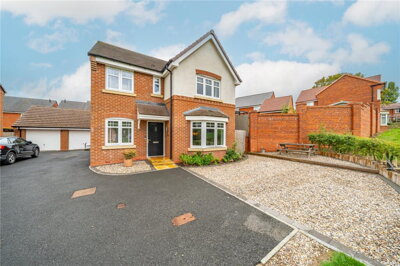
Browse 1 home new builds in Seagrave, Charnwood from local developer agents.
The larger property sector typically features multiple bathrooms, substantial reception space, and private gardens or off-street parking. Four bedroom houses in Seagrave span detached, semi-detached, and occasionally terraced configurations, with styles ranging from period properties to modern executive homes.
£600k
1
0
39
Source: home.co.uk
Showing 1 results for 4 Bedroom Houses new builds in Seagrave, Charnwood. The median asking price is £599,999.
Source: home.co.uk
Detached
1 listings
Avg £599,999
Source: home.co.uk
Source: home.co.uk
The Seagrave property market presents a strong selection of family homes, with detached properties commanding an average price of £525,000 and semi-detached homes averaging £310,000. Our listings include charming terraced properties from around £250,000 and more affordable flat options starting from £180,000, providing options across various budget levels. The housing stock reflects the village's character, with approximately 45% detached homes, 30% semi-detached properties, 15% terraced houses, and 10% flats, creating a balanced market that caters to different lifestyle needs.
Property prices in Seagrave have shown consistent growth, with values increasing by 5% over the last 12 months. This steady appreciation makes the village an attractive option for both primary residence buyers and those considering investment opportunities. The market benefits from a good mix of property ages, with around 20% of homes built pre-1919, 15% constructed between 1919 and 1945, 35% from the post-war period through 1980, and 30% of more recent construction. This variety means buyers can choose between characterful period properties and modern homes according to their preferences.
The current market activity reflects healthy demand from buyers who recognise Seagrave's value proposition as a village location with excellent commuter links. With approximately 35 sales completing in the past year, the market maintains good liquidity while avoiding the overheated conditions seen in some neighbouring towns. For buyers moving from larger cities like Leicester or Nottingham, Seagrave offers a compelling alternative with significantly lower average property values while retaining village character and strong community spirit.

Seagrave is a small, welcoming village with a population of approximately 1,200 residents across 450 households, creating an intimate community atmosphere where neighbours often know one another by name. The village maintains its agricultural heritage while providing essential local services for residents. The predominantly red brick and render construction of local properties gives Seagrave its distinctive appearance, with some historic buildings featuring local stone that reflects the Leicestershire building tradition.
The surrounding Charnwood landscape offers beautiful rolling countryside, with the River Soar tributaries flowing nearby and providing scenic walking routes for residents. The local geology, characterised by Mercia Mudstone, shapes the distinctive red soil fields that define the area's agricultural character. Community life centres around the village's historic buildings and local amenities, while the proximity to larger towns ensures residents have access to comprehensive shopping, healthcare, and leisure facilities when needed.
The village has preserved much of its historic character through the presence of several listed buildings, most notably St Mary's Church which dates from the medieval period and serves as a focal point for the community. Historic farmhouses and cottages scattered throughout the village demonstrate traditional Leicestershire building techniques using local stone and brick. Properties along the village's older lanes often feature characteristic narrow plots and mature gardens that reflect the village's long agricultural history. Newer developments have been carefully integrated into the village fabric, maintaining the low-density character that makes Seagrave particularly attractive to those seeking a rural lifestyle.
Understanding the construction methods used in Seagrave properties helps buyers appreciate both the character and potential maintenance requirements of their prospective home. The older properties in the village, representing approximately 20% of the housing stock built before 1919, typically feature solid wall construction with locally sourced brick or stone. These traditional buildings often have timber floor structures, sash windows, and pitched roofs covered with slate or handmade clay tiles. When we inspect these older properties during surveys, we frequently identify the need for ongoing maintenance to original features such as leadwork, timber windows, and solid wall insulation.
Properties constructed between 1919 and 1945 make up around 15% of Seagrave's housing stock and often represent a transitional period in building techniques. These homes typically feature improved cavity wall construction compared to their pre-war predecessors, though still incorporating traditional materials such as brick and timber. Many of these properties retain original services that may require updating, including electrical wiring systems installed to older standards. Our surveyors pay particular attention to these transitional properties as they often combine character with practical layouts that suit modern family living.
The largest proportion of homes, approximately 35% built between 1945 and 1980, includes both post-war council housing and privately constructed family homes. These properties commonly feature cavity wall brick construction with concrete tiled roofs and suspended timber ground floors. The post-war construction boom produced homes with reasonable thermal performance by the standards of their era, though many would benefit from updated insulation and modern heating systems. Around 30% of Seagrave's properties are of more recent construction, incorporating modern building standards and typically requiring less maintenance than their older counterparts.
Families considering a move to Seagrave will find a range of educational options within reasonable driving distance. The village falls within the Charnwood borough, which is served by several well-regarded primary schools in nearby villages and towns. Primary education within the local area includes schools in Cossington, Sileby, and Barrow upon Soar, all of which serve the surrounding villages and offer good Ofsted ratings for parents to consider. These village primary schools maintain strong community ties and often have waiting lists for popular year groups, so prospective parents should research admission criteria and catchment areas carefully.
Secondary education options in the Charnwood area include the well-established schools in Loughborough and Mountsorrel, providing comprehensive curricula and sixth form provision for older students. The proximity to Loughborough means access to Loughborough College and Loughborough University for further and higher education opportunities, making Seagrave particularly suitable for families with children of all ages. Loughborough University is consistently ranked among the top universities in the UK and attracts students from across the country, contributing to the broader economic vitality of the surrounding area.
Parents should research specific catchment areas and admission policies when considering properties, as school places can be competitive in popular villages like Seagrave. The Charnwood borough has seen continued population growth, placing pressure on school capacity in some areas. We recommend visiting potential schools and speaking with local residents to understand the education landscape before committing to a property purchase. For families with older children, the excellent transport connections to Leicester and Nottingham also provide access to additional secondary and higher education options in these larger cities.
Seagrave benefits from excellent transport connections that make commuting to major East Midlands cities straightforward and convenient. The village is well-positioned near the A46, providing direct links to Leicester and Newark, while the M1 motorway is easily accessible for journeys to Nottingham, Derby, and beyond. This strategic location makes Seagrave particularly attractive to professionals working in the region's major employment centres who prefer rural living. The A46 serves as a key route for accessing employment in the logistics and manufacturing sectors that dominate the East Midlands economy.
Rail services are available at Loughborough station, which offers regular connections to Leicester, Nottingham, and London St Pancras International with journey times of approximately 1 hour 20 minutes to the capital. This direct rail link to London makes Seagrave appealing to commuters who work in the capital but wish to live in a more affordable and peaceful village setting. East Midlands Railway and CrossCountry services operate from Loughborough, providing options for different journey types and ticket prices. For those working locally, the regular bus services connecting Seagrave to Loughborough and surrounding villages offer practical alternatives to car travel.
The combination of road and rail accessibility makes Seagrave an excellent choice for commuters who need to balance work requirements with a peaceful home environment. Many residents appreciate the ability to reach major employment centres within 30-45 minutes by car while returning to the quiet village atmosphere . The village's position away from major through-routes means that traffic noise is minimal, contributing to the peaceful character that makes Seagrave particularly sought after. Weekend travel to recreational destinations in the Peak District, Lincolnshire coast, and other East Midlands attractions is also straightforward from this location.

Start by exploring current listings in Seagrave and understanding the price ranges for different property types. With average prices around £402,000 and detached properties averaging £525,000, knowing your budget will help narrow your search effectively. Our platform aggregates listings from multiple estate agents, giving you a comprehensive view of available properties across all price points and property types in the village.
Before arranging viewings, obtain a mortgage agreement in principle from a lender. This strengthens your position when making offers and demonstrates to sellers that you are a serious, financially prepared buyer. Given the average property prices in Seagrave, most buyers will require a mortgage, so getting your finances sorted early streamlines the purchasing process considerably.
Visit multiple properties in Seagrave to compare the village's different neighbourhoods and property styles. Pay attention to the age of properties, their construction materials, and proximity to local amenities and transport links. We recommend viewing at least three or four properties before making an offer to ensure you have a good understanding of what is available at your budget level.
Given that approximately 70% of Seagrave homes were built before 1980, a Level 2 Survey is essential to identify any structural issues or defects. Expect to pay between £450 and £650 for a typical three-bedroom semi-detached property. Our team works with qualified RICS surveyors who understand the specific construction methods and common issues found in local properties, ensuring a thorough assessment of any property you are considering purchasing.
Choose an experienced property solicitor to handle the legal aspects of your purchase, including searches, contracts, and registration with the Land Registry. Your solicitor will conduct local authority searches with Charnwood Borough Council, environmental searches, and drainage searches to identify any issues affecting the property.
Once all surveys, searches, and finances are in order, your solicitor will exchange contracts and arrange completion. On completion day, you will receive the keys to your new Seagrave home. The typical timeframe from offer acceptance to completion is around 8-12 weeks, though this can vary depending on chain complexity and mortgage processing times.
Our inspectors frequently encounter specific defect patterns when surveying properties in Seagrave, reflecting both the age of much of the housing stock and the local geology. The Mercia Mudstone deposits that underlie the village create moderate to high shrink-swell risk, meaning clay subsoil can expand and contract significantly with moisture changes. This geological characteristic means we often find evidence of foundation movement in properties of all ages, particularly those built with shallower foundations or those affected by trees planted close to the structure. Properties showing signs of cracking to walls, doors and windows that stick, or uneven floor levels should be investigated thoroughly before purchase.
Damp-related issues represent another common finding in Seagrave properties, particularly in the substantial number of homes built before 1980. Rising damp occurs when original damp proof courses fail or were never installed in older properties, while penetrating damp can result from degraded pointing, faulty rainwater goods, or solid walls absorbing moisture during wet periods. We check thoroughly for damp throughout all properties we survey, using calibrated moisture meters to assess affected areas and identify the underlying cause. Properties with solid wall construction, which includes many of Seagrave's period homes, require particular attention to ventilation and insulation to prevent condensation-related issues.
Timber defects including rot and woodworm affect properties across all age ranges in the village. Our inspectors check all accessible timber including floor joists, ceiling joists, roof rafters, and window frames for signs of wood-boring insects or fungal decay. Wet rot and dry rot require different treatment approaches, and identifying the specific type is essential for proper remediation. The presence of original timber windows and doors in older properties often means these features require renovation or replacement to meet modern standards while retaining character. Electrical and plumbing systems in older properties frequently fall short of current regulations, representing another common area where we identify defects during surveys.
Roof condition issues appear regularly in our Seagrave surveys, particularly on properties with original slate or clay tile coverings. We assess the condition of tiles or slates, ridge and hip details, leadwork flashings, and the integrity of roof felt. Sagging rooflines, daylight visible through the roof, and slipped tiles all indicate potential problems requiring further investigation or remedial works. Properties in Seagrave with historic thatch or stone tile coverings may require specialist surveyors with conservation expertise to assess adequately.
Purchasing property in Seagrave requires awareness of several local factors that could affect your investment and quality of life. The local geology presents a moderate to high shrink-swell risk due to Mercia Mudstone deposits, meaning buyers should pay particular attention to the condition of foundations and any signs of subsidence or structural movement. A thorough RICS Level 2 Survey is strongly recommended to identify any issues related to the clay subsoil, particularly for period properties built before 1980. We always advise checking whether properties have been underpinned or had other structural works carried out previously.
Flood risk awareness is also important when considering properties in Seagrave, as the village has areas of both low and medium flood risk from rivers and surface water. The nearby River Soar catchment means properties in lower-lying areas may be more susceptible to flooding during periods of heavy rainfall. Prospective buyers should review flood risk assessments and consider the elevation and drainage history of any property under consideration. Surface water flooding can occur suddenly during intense rainfall events, so checking historical records and speaking with neighbours about previous incidents is advisable.
Seagrave contains several listed buildings including St Mary's Church and historic farmhouses, so buyers interested in period properties should verify whether any property falls within a conservation area and understand the planning restrictions this may impose. Listed building consent may be required for alterations that would otherwise be permitted development, and works to character features are controlled. Properties with historic designation often require more maintenance investment to preserve their special character, though various grants may be available for appropriate works.
Understanding the additional costs of buying property in Seagrave is essential for budgeting effectively. Beyond the property price, buyers should account for stamp duty land tax, which for a standard purchase of a £402,000 property would result in no SDLT on the first £250,000 and approximately £7,600 on the remaining amount. First-time buyers purchasing properties up to £425,000 pay no stamp duty at all, making Seagrave an attractive option for those entering the property market. The current SDLT thresholds and rates should be confirmed closer to your purchase as government policy may change.
Additional costs include solicitor fees typically ranging from £499 to £1,500 depending on complexity, RICS Level 2 Survey costs of £450 to £650 for a typical three-bedroom home, and mortgage arrangement fees which vary by lender but often range from £500 to £2,000. Survey costs vary based on property size and type, with larger detached properties potentially requiring £600-800 and smaller flats or terraced houses around £350-550. We recommend obtaining quotes from at least two surveyors to ensure competitive pricing while maintaining quality of service.
Budget for land registry fees, local authority searches with Charnwood Borough Council, drainage and water searches, and moving costs which can quickly accumulate. Buildings insurance should be arranged before completion, and you may wish to consider life insurance and income protection products tied to your mortgage. Our recommended solicitors and surveyors in the Seagrave area can provide detailed quotes tailored to your specific purchase, ensuring there are no unexpected expenses as you move into your new Charnwood home.
The average property price in Seagrave stands at £402,000 as of February 2026, based on recent market data from Rightmove and Zoopla. Detached properties average £525,000, semi-detached homes cost around £310,000, terraced properties are priced at approximately £250,000, and flats start from £180,000. Property values have increased by 5% over the past 12 months, indicating a healthy and growing market in this Charnwood village. This consistent growth reflects strong demand from buyers recognising Seagrave's combination of rural character and excellent commuter links.
Properties in Seagrave fall under Charnwood Borough Council's jurisdiction. Council tax bands range from A to H depending on the property's assessed value, with the majority of village homes typically falling in bands B through D. A typical three-bedroom semi-detached property in Seagrave would likely fall into band C or D, while larger detached homes often sit in bands D or E. Prospective buyers should check the specific band for any property they are considering, as this forms part of the ongoing costs of homeownership in the village.
Seagrave is served by several good primary schools in nearby villages including Cossington CofE Primary School, Sileby Redlands Community Primary School, and Barrow CofE Primary School in Barrow upon Soar, all within easy driving distance. These schools serve the surrounding villages and have earned good Ofsted ratings, though parents should verify current performance data as ratings can change. Secondary education options in the area include the well-regarded Rawlins Academy in Quorn and Loughborough schools, with families should research specific catchment areas and admission criteria, as school places can be competitive in popular villages within Charnwood.
Seagrave has reasonable public transport connections through local bus services linking the village to surrounding towns and villages. The Arriva 126 service connects Seagrave with Loughborough and Leicester, providing essential links for residents without private vehicles. The nearest railway station is in Loughborough, offering regular services to Leicester, Nottingham, and London St Pancras with approximately 1 hour 20 minutes to the capital. Road connections are excellent, with the A46 and M1 motorway providing easy access to major East Midlands cities and beyond for those who drive.
Seagrave presents a solid investment opportunity given its 5% annual price growth and proximity to major employment centres in Leicester, Loughborough, and Nottingham. The village's rural character, good transport links, and strong community atmosphere continue to attract buyers seeking village living without sacrificing accessibility. With approximately 35 property sales annually and steady demand, properties in Seagrave tend to hold their value well through different market conditions. The limited new build supply within the village postcode means demand for existing properties remains consistently strong, supporting long-term capital growth.
For standard purchases completed after July 2020, stamp duty rates start at 0% on the first £250,000 of property value, then 5% on amounts between £250,001 and £925,000. First-time buyers benefit from relief on the first £425,000, with 5% charged between £425,001 and £625,000. Given the average Seagrave property price of £402,000, a first-time buyer would pay no stamp duty at all, while an additional property purchase would incur approximately £7,600 in SDLT. Buyers purchasing above £625,000 would pay higher rates on the balance above that threshold.
When viewing properties in Seagrave, pay particular attention to signs of damp, structural movement, and the condition of roofs given the local geology and age of much of the housing stock. Check the condition of original features in period properties, including windows, damp proof courses, and timber floors. Look for any evidence of previous flooding in lower-lying areas and verify the property's position within any flood risk zone. Ask about recent works including damp treatments, structural repairs, or boiler replacements, and request documentation for any works carried out by previous owners.
Seagrave contains several listed buildings including St Mary's Church, which is a Grade I listed building of national importance dating from the medieval period. Various historic farmhouses and cottages throughout the village carry Grade II listing, offering characterful properties with period features. If you are considering purchasing a listed property, be aware that listed building consent may be required for alterations that would otherwise be permitted development, and planning restrictions apply to external changes and extensions. We recommend using surveyors with specialist knowledge of historic buildings for properties with statutory listing protection.
From 4.5%
Finding the right mortgage is crucial when buying in Seagrave. We work with providers offering competitive rates for properties across all price points in the village.
From £499
Expert property solicitors handling all legal aspects of your Seagrave purchase, from initial searches through to completion registration.
From £450
Our qualified RICS surveyors understand local construction methods and common defects in Seagrave properties, providing thorough assessments for buyers.
From £80
Energy Performance Certificates are required for all property sales. Our assessors provide detailed recommendations for improving your Seagrave home's energy efficiency.
Properties New Builds In London

Properties New Builds In Plymouth

Properties New Builds In Liverpool

Properties New Builds In Glasgow

Properties New Builds In Sheffield

Properties New Builds In Edinburgh

Properties New Builds In Coventry

Properties New Builds In Bradford

Properties New Builds In Manchester

Properties New Builds In Birmingham

Properties New Builds In Bristol

Properties New Builds In Oxford

Properties New Builds In Leicester

Properties New Builds In Newcastle

Properties New Builds In Leeds

Properties New Builds In Southampton

Properties New Builds In Cardiff

Properties New Builds In Nottingham

Properties New Builds In Norwich

Properties New Builds In Brighton

Properties New Builds In Derby

Properties New Builds In Portsmouth

Properties New Builds In Northampton

Properties New Builds In Milton Keynes

Properties New Builds In Bournemouth

Properties New Builds In Bolton

Properties New Builds In Swansea

Properties New Builds In Swindon

Properties New Builds In Peterborough

Properties New Builds In Wolverhampton

Enter your details to see if this property is within your budget.
Loans, cards, car finance
Estimated property budget
Borrowing + deposit
You could borrow between
Typical borrowing
Monthly repayment
Est. at 4.5%
Loan-to-value
This is an estimate only. Your actual budget may vary depending on interest rates, credit history, and personal circumstances. For an accurate affordability assessment, speak to one of our free mortgage advisors.
This calculator provides estimates for illustrative purposes only and does not constitute financial advice. Your home may be repossessed if you do not keep up repayments on your mortgage. Estimates based on 4.5% interest rate, repayment mortgage. Actual rates depend on your circumstances.
Homemove is a trading name of HM Haus Group Ltd (Company No. 13873779, registered in England & Wales). Homemove Mortgages Ltd (Company No. 15947693) is an Appointed Representative of TMG Direct Limited, trading as TMG Mortgage Network, which is authorised and regulated by the Financial Conduct Authority (FRN 786245). Homemove Mortgages Ltd is entered on the FCA Register as an Appointed Representative (FRN 1022429). You can check registrations at NewRegister or by calling 0800 111 6768.

We use cookies to show you personalised content and improve your experience of our website. Find out more in our Privacy policy and Cookie policy.