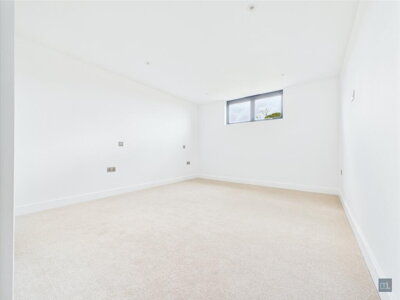
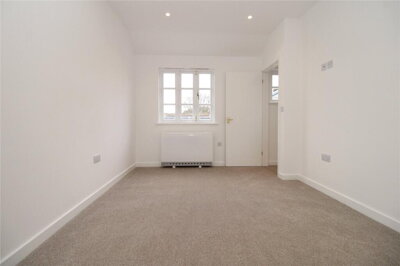
Browse 2 homes new builds in Saxmundham, East Suffolk from local developer agents.
The Saxmundham property market offers detached, semi-detached, and terraced houses spanning various price ranges and neighbourhoods. Each listing includes detailed property information, photographs, and direct contact with the marketing agent.
£214k
24
0
166
Source: home.co.uk
Showing 24 results for Houses new builds in Saxmundham, East Suffolk. The median asking price is £213,500.
Source: home.co.uk
Terraced
12 listings
Avg £210,542
Detached
7 listings
Avg £456,429
Semi-Detached
5 listings
Avg £236,000
Source: home.co.uk
Source: home.co.uk
The Eastoft property market reflects its rural character, with detached properties dominating the local housing stock at 49.3% of all homes. This aligns closely with the pricing data, where detached houses command an average of £258,000, representing the premium segment of the market. Semi-detached properties average £165,000, while terraced homes offer more affordable entry points at around £140,000. The absence of flats in the sales data reflects the village's predominantly residential character, with most properties being houses rather than apartments.
Recent market activity shows 10 property sales completed in Eastoft over the past twelve months, indicating steady transaction volumes for a village of its size. The consistent 1.6% price increase across all property types suggests a stable market with modest growth, making Eastoft an attractive location for buyers who prioritise long-term value over rapid price appreciation. This stability appeals particularly to families and individuals seeking to establish roots in the community without worrying about volatile market fluctuations.
New build activity in the immediate Eastoft area remains limited, with no active developments recorded in the DN17 postcode sector, though neighbouring towns may offer newer properties for buyers seeking contemporary construction. The shortage of new build supply in the village helps maintain demand for existing properties, as buyers recognize that opportunities to purchase in Eastoft appear infrequently. When properties do come to market, they tend to attract genuine interest from buyers who appreciate the village's character and location.
The local housing stock spans multiple eras, from historic farmhouses and cottages to post-war developments and more recent additions. Properties constructed from brick, often red brick, dominate the landscape, reflecting the traditional building practices of North Lincolnshire. Many homes feature timber roofs with slate or tile coverings, and older properties may incorporate traditional construction methods such as solid wall building and lime mortar pointing. The village's older properties, including several Grade II listed buildings, require understanding of traditional construction and potential maintenance needs that differ from modern homes.

Eastoft embodies the essence of rural Lincolnshire living, offering residents a close-knit community atmosphere surrounded by open countryside and farmland. The village's location within the Humberhead Levels creates a distinctive landscape of flat, fertile land crisscrossed by drainage channels and dykes that have been managed for centuries to support agriculture. The proximity to the River Trent shapes the local environment, providing scenic walks along riverbanks while also contributing to the area's flood risk considerations that prospective residents should understand. Farmers in the surrounding area continue to cultivate the rich soils that have historically supported the local economy.
The local economy of Eastoft remains rooted in agriculture, with farming operations continuing to play a significant role in the surrounding area. However, many residents commute to larger employment centres including Scunthorpe, Goole, and Doncaster for work, taking advantage of the village's position within the regional transport network. The broader North Lincolnshire area benefits from the presence of Humber ports and associated industries, providing diverse employment opportunities across manufacturing, logistics, and services sectors. This blend of rural character with access to regional employment makes Eastoft practical for working households.
Community life in Eastoft centres around traditional village amenities and facilities, with residents enjoying access to local pubs, community halls, and religious buildings including the historic Church of St Bartholomew. The village's population of 456 represents a stable community that has maintained its character through generations, offering a sense of continuity and belonging that larger towns and cities often cannot replicate. For families and individuals seeking a peaceful environment with strong community ties, Eastoft provides an authentic rural living experience. The village hall hosts various events throughout the year, providing opportunities for residents to socialise and engage with community activities.

Families considering a move to Eastoft will find educational provision available through a network of schools in the surrounding area. While Eastoft itself is a small village without its own primary school on-site, nearby settlements provide access to primary education for local children. The nearest primary schools serve catchment areas that include Eastoft, and parents should verify which school their specific property address falls within before completing a purchase. The rural nature of the area means that school catchment areas are an important consideration for families, and prospective buyers should research specific school allocations and admissions criteria when planning their move.
Secondary education options in the wider North Lincolnshire area include schools in towns such as Scunthorpe, where students can access a broader range of GCSE and A-level courses along with specialist facilities. The journey to secondary school typically requires transport arrangements, whether through school bus services, car sharing with other families, or private vehicle transport from parents. Parents should verify current Ofsted ratings and examination results for schools in their intended catchment area to make informed decisions about their children's education. Schools in the Scunthorpe area include both comprehensive and grammar school options, providing pathways suited to different academic strengths.
For families with older children pursuing further education, the region offers access to sixth forms at secondary schools and further education colleges in Scunthorpe and neighbouring towns. These institutions provide vocational and academic courses that prepare students for university study or direct entry into the workforce. North Lincolnshire College in Scunthorpe offers a range of vocational qualifications, while sixth forms at local schools provide traditional A-level routes. The proximity of larger towns to Eastoft means that access to post-16 education is manageable with appropriate transport arrangements, making the village a viable option for families at various stages of their educational journey.
Transport connectivity from Eastoft combines rural tranquility with practical access to regional centres, though private vehicle ownership is essential for residents who need to commute regularly. The village sits within reasonable reach of the M18 motorway, providing direct connections to Doncaster, Sheffield, and the wider motorway network beyond. This makes Eastoft a viable base for workers who are willing to travel but prefer to live in a quieter environment than the major cities offer. Journey times to major employment centres vary depending on traffic conditions but generally remain manageable for those accustomed to regional commuting.
Public transport options serve the village through bus services that connect Eastoft with neighbouring towns and villages, though frequencies are limited compared to urban areas. Bus services to and from Eastoft typically operate on schedules suited to essential journeys rather than frequent daily commuting, making private vehicles the primary transport mode for most residents. The nearest railway stations can be found in larger settlements, providing access to national rail services for longer distance travel to cities including London, Leeds, and Newcastle. For residents working in Scunthorpe, Goole, or Doncaster, the combination of private vehicles and occasional public transport use provides flexibility in how they manage their daily travel requirements.
Local road infrastructure in the North Lincolnshire area continues to be maintained and improved, supporting both local journeys and longer distance travel. The flat topography of the Humberhead Levels contributes to relatively straightforward driving conditions, though the rural nature of minor roads means they can be narrow in places and subject to seasonal conditions including flooding during periods of heavy rainfall. Cyclists will find the flat landscape suitable for travel, though dedicated cycling infrastructure is limited compared to urban areas. The village's position between the River Trent to the west and the drainage channels of the Levels means that some local roads may be affected by high water at certain times of year, and residents should familiarise themselves with alternative routes during such periods.
Before committing to a purchase, explore Eastoft thoroughly by visiting at different times of day and week, speaking with current residents about their experiences, and understanding the implications of local flood risk and geology for your intended property type. The village's position within the Humberhead Levels and proximity to the River Trent means flood risk warrants careful investigation, particularly for properties near drainage channels or dykes. Understanding the local community, available amenities, and commuting options will help ensure the village suits your lifestyle requirements.
Obtain a mortgage agreement in principle before viewing properties, as this demonstrates your seriousness to sellers and helps you understand your budget limits. Eastoft's average price of £206,783 means most buyers will require a mortgage, and securing finance early streamlines the purchasing process. Speak with multiple lenders or brokers to compare rates, and consider speaking with a financial adviser if your situation involves complexities such as self-employment, multiple income sources, or adverse credit history that might affect your borrowing capacity.
Use Homemove to browse all available properties in Eastoft and schedule viewings with estate agents. Given the village's small size, new listings appear infrequently, so acting quickly when suitable properties become available is advisable. Register with local estate agents who operate in the DN17 postcode area to receive notifications of new instructions before they appear on major property portals. View properties multiple times if possible, including at different times of day, to assess noise levels, lighting, and the surrounding neighbourhood.
Commission a RICS Level 2 Survey for any property you intend to purchase. Given Eastoft's geology with shrink-swell clay risk and the prevalence of older properties, a professional survey is essential to identify potential issues with damp, subsidence, or structural concerns. Common defects in local properties include damp related to the low-lying environment, roof condition issues on older buildings, and potential timber defects. Our surveyors understand the specific construction methods used in North Lincolnshire properties and can identify issues that generic surveys might miss.
Choose a conveyancing solicitor to handle the legal aspects of your purchase. They will conduct searches with North Lincolnshire Council, investigate title deeds, and manage the transfer of ownership from sale through to completion. Your solicitor should obtain environmental searches that investigate flood risk, ground conditions, and planning history for the specific property and surrounding area. Given the local geology and flood risk profile, ensure your solicitor commissions thorough environmental and drainage searches that address these area-specific concerns.
Once all surveys, searches, and legal work are satisfactory, your solicitor will exchange contracts and agree a completion date. On completion day, the remaining funds are transferred and you receive the keys to your new Eastoft home. Before moving day, consider arranging building insurance from the point of contract exchange, as the property becomes your responsibility once contracts are signed. Notify utility companies of your move and meter readings on completion day to ensure a smooth transition to your new village home.
Buying a property in Eastoft requires careful attention to local factors that may not be apparent in standard property searches. The village's position within the Humberhead Levels means flood risk warrants thorough investigation, with properties in close proximity to watercourses or drainage channels facing elevated risk during periods of heavy rainfall or tidal events. Eastoft's proximity to the River Trent and the network of drainage dykes that crisscross the Levels creates a complex flood risk picture that varies significantly between individual properties. Prospective buyers should review flood risk reports for specific properties and consider the history of any flooding incidents when making their decision.
The underlying geology of Eastoft presents specific considerations for property condition and maintenance. The village sits on the Humberhead Levels, where superficial deposits of alluvium comprising clay, silt, sand, and gravel overlie solid geology of mudstone and sandstone. The presence of clay-rich alluvial deposits creates moderate to high shrink-swell potential, which can affect foundations particularly during periods of extreme weather. Properties with large trees nearby or those built with limited foundation depths may show signs of movement over time. A comprehensive survey will identify any structural concerns related to ground conditions, and buyers should factor potential maintenance costs into their purchasing decisions.
The housing stock in Eastoft includes several listed buildings, which add character to the village but also impose obligations on owners regarding maintenance and alterations. Properties such as the Church of St Bartholomew and various historic farmhouses and cottages carry Grade II listing status, meaning any exterior or structural modifications require planning permission and must preserve the property's historic character. Listed properties often feature traditional construction methods including solid brick walls, lime mortar pointing, and timber roof structures that require specialist knowledge to maintain correctly. Buyers interested in listed properties should budget for potentially higher maintenance costs and specialist repair requirements that come with heritage ownership.
Older properties throughout Eastoft commonly exhibit issues that buyers should be aware of during inspections. Damp problems, including rising damp, penetrating damp, and condensation-related issues, are particularly relevant given the low-lying nature of the Humberhead Levels and proximity to water. Roof condition on properties of traditional construction requires careful assessment, as slipped tiles, failing felt, and deteriorated leadwork are frequently identified issues. Electrical wiring and plumbing systems in properties built before the 1980s may not meet current safety standards and likely require updating. Timber defects including woodworm and wet or dry rot can affect structural elements, particularly where damp issues are present or ventilation is inadequate.
The average house price in Eastoft stands at £206,783 according to recent market data from Rightmove. Detached properties average £258,000, semi-detached homes around £165,000, and terraced properties approximately £140,000. Prices have increased by 1.6% over the past twelve months, indicating stable market conditions for buyers and sellers alike. The village's rural character and limited new build supply contribute to the steady pricing environment, with demand supported by buyers seeking countryside living within reach of larger employment centres. With only 10 property sales recorded in the past year, the market moves slowly but consistently.
Properties in Eastoft fall within the North Lincolnshire Council jurisdiction and are assigned council tax bands based on their value and characteristics. Band A properties represent the lowest values, while bands up to H cover higher value homes. Given Eastoft's average property price of £206,783, most homes fall within bands A through C, though larger detached properties may attract higher bandings. Prospective buyers should check specific properties on the Valuation Office Agency website to confirm their exact council tax band, as this affects ongoing running costs. North Lincolnshire Council sets the annual council tax charges, and bands are reviewed periodically as property values change.
Primary schools in the surrounding area serve the Eastoft community, with specific allocations determined by catchment boundaries set by North Lincolnshire Council. The nearest primary schools are located in neighbouring villages and settlements, with journey times varying depending on exact property location within Eastoft. Secondary education options in the wider region include schools in Scunthorpe and nearby towns, where families can access a broader range of facilities and extracurricular activities. The proximity of educational establishments varies depending on where within the village a property is located, and parents should verify current admissions arrangements and Ofsted ratings for schools in their intended catchment area before purchasing.
Public transport connections from Eastoft are limited, reflecting its rural village status. Bus services provide connections to neighbouring towns and villages including Goole and Scunthorpe, though frequencies are lower than in urban areas, typically operating hourly or less frequently on weekdays with reduced weekend services. The nearest railway stations are located in larger settlements, offering access to national rail services for travel to major cities. Residents who commute regularly to employment in Scunthorpe, Doncaster, or other centres will generally find private vehicle ownership essential for managing their daily travel needs efficiently.
Eastoft offers stable property values with consistent modest growth of 1.6% annually, making it suitable for buyers prioritising long-term value over rapid appreciation. The village's limited new build supply helps maintain demand for existing properties, while its rural character appeals to buyers seeking countryside living. The stable community, historic properties including several Grade II listed buildings, and access to regional employment centres including the Humber ports support the local housing market. However, the flood risk associated with the Humberhead Levels and the shrink-swell clay geology require careful consideration, and investors should factor these environmental factors into their purchase decisions and any future resale prospects.
Stamp duty Land Tax rates for residential purchases in England start at 0% on the first £250,000 of property value, rising to 5% on the portion between £250,001 and £925,000. Given Eastoft's average price of £206,783, most properties fall below the higher rate thresholds, meaning many buyers will pay reduced or no stamp duty on standard transactions. First-time buyers qualify for relief on properties up to £625,000, with 0% payable on the first £425,000. This enhanced nil-rate threshold means most first-time buyers purchasing in Eastoft will pay no stamp duty whatsoever, as the average property price sits well below the upper relief limit. Properties above £925,000 incur higher rates of 10% and 12% on subsequent portions, though such values are exceptional in the Eastoft market.
Understanding the full costs of purchasing property in Eastoft helps buyers budget accurately and avoid surprises during the transaction process. The Stamp Duty Land Tax thresholds for residential properties purchased in England start at 0% for the first £250,000 of the purchase price. Given Eastoft's average property price of £206,783, many buyers will find their entire purchase falls within this nil-rate band, resulting in no stamp duty liability on standard transactions. This represents a significant saving compared to purchasing property in more expensive regions where stamp duty can add thousands of pounds to the purchase cost.
First-time buyers in England benefit from increased relief, with no stamp duty payable on properties up to £425,000 and 5% due on amounts between £425,001 and £625,000. This enhanced nil-rate threshold means most first-time buyers purchasing in Eastoft will pay no stamp duty whatsoever, as the average property price sits well below the upper relief limit. Combined with lower property prices compared to major cities, Eastoft offers an accessible entry point for those taking their first step onto the property ladder. First-time buyers should ensure they have the necessary documentation to claim relief, including identification and confirmation that they have never owned property previously.
Beyond stamp duty, buyers should budget for additional costs including mortgage arrangement fees, valuation fees, solicitor charges, and survey costs. A RICS Level 2 Survey for a typical three-bedroom property in the Eastoft area typically ranges from £450 to £700, depending on property size and specific requirements. Given the prevalence of older properties and the local geology considerations, investing in a thorough survey is particularly advisable for Eastoft purchases. Conveyancing costs vary but generally start from around £499 for standard purchases in North Lincolnshire, though more complex transactions involving listed buildings or leasehold properties may incur higher fees. Property search fees with the local authority, typically ranging from £150 to £300, cover environmental searches that investigate flood risk, ground conditions, and planning history for the specific property and surrounding area.
Properties New Builds In London

Properties New Builds In Plymouth

Properties New Builds In Liverpool

Properties New Builds In Glasgow

Properties New Builds In Sheffield

Properties New Builds In Edinburgh

Properties New Builds In Coventry

Properties New Builds In Bradford

Properties New Builds In Manchester

Properties New Builds In Birmingham

Properties New Builds In Bristol

Properties New Builds In Oxford

Properties New Builds In Leicester

Properties New Builds In Newcastle

Properties New Builds In Leeds

Properties New Builds In Southampton

Properties New Builds In Cardiff

Properties New Builds In Nottingham

Properties New Builds In Norwich

Properties New Builds In Brighton

Properties New Builds In Derby

Properties New Builds In Portsmouth

Properties New Builds In Northampton

Properties New Builds In Milton Keynes

Properties New Builds In Bournemouth

Properties New Builds In Bolton

Properties New Builds In Swansea

Properties New Builds In Swindon

Properties New Builds In Peterborough

Properties New Builds In Wolverhampton

Enter your details to see if this property is within your budget.
Loans, cards, car finance
Estimated property budget
Borrowing + deposit
You could borrow between
Typical borrowing
Monthly repayment
Est. at 4.5%
Loan-to-value
This is an estimate only. Your actual budget may vary depending on interest rates, credit history, and personal circumstances. For an accurate affordability assessment, speak to one of our free mortgage advisors.
This calculator provides estimates for illustrative purposes only and does not constitute financial advice. Your home may be repossessed if you do not keep up repayments on your mortgage. Estimates based on 4.5% interest rate, repayment mortgage. Actual rates depend on your circumstances.
Homemove is a trading name of HM Haus Group Ltd (Company No. 13873779, registered in England & Wales). Homemove Mortgages Ltd (Company No. 15947693) is an Appointed Representative of TMG Direct Limited, trading as TMG Mortgage Network, which is authorised and regulated by the Financial Conduct Authority (FRN 786245). Homemove Mortgages Ltd is entered on the FCA Register as an Appointed Representative (FRN 1022429). You can check registrations at NewRegister or by calling 0800 111 6768.

We use cookies to show you personalised content and improve your experience of our website. Find out more in our Privacy policy and Cookie policy.