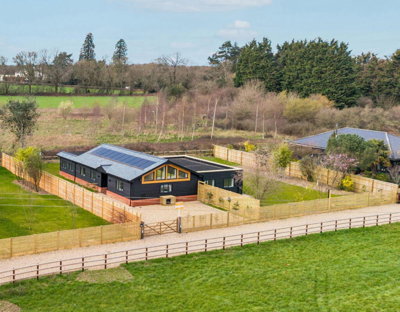
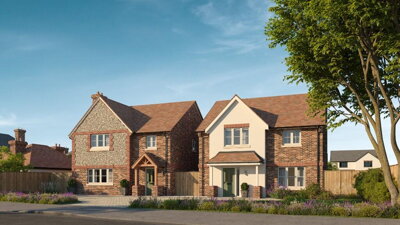
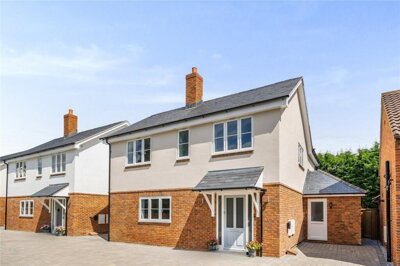
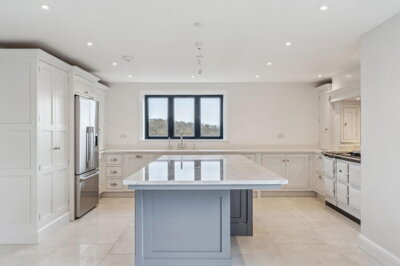
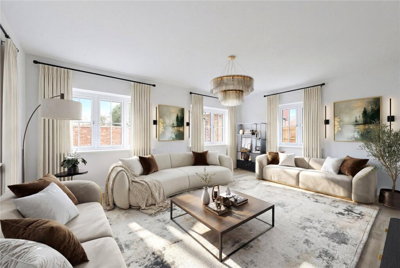
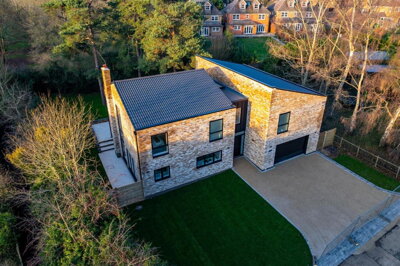
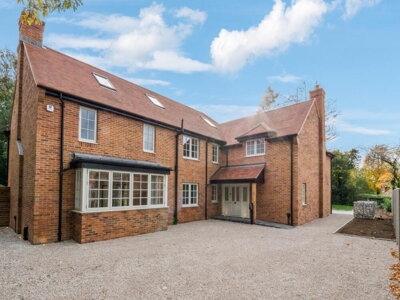
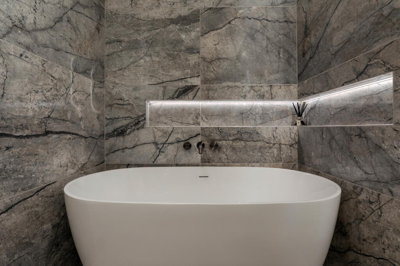
Browse 9 homes new builds in Sarratt, Three Rivers from local developer agents.
£963k
32
0
139
Source: home.co.uk
Source: home.co.uk
Detached
11 listings
Avg £1.29M
Semi-Detached
4 listings
Avg £976,238
Detached Bungalow
3 listings
Avg £1.49M
House
3 listings
Avg £1.08M
Apartment
2 listings
Avg £317,500
Terraced
2 listings
Avg £682,500
Barn Conversion
1 listings
Avg £2.90M
Bungalow
1 listings
Avg £895,000
Cottage
1 listings
Avg £550,000
Flat
1 listings
Avg £300,000
Source: home.co.uk
Source: home.co.uk
The West Tytherley property market reflects its position as a premium rural village, with property prices demonstrating remarkable stability despite broader national fluctuations. As of February 2026, the average house price stands at £730,000, representing a modest 12-month decline of 1.36% that suggests the market has remained resilient through economic uncertainty. Detached properties form the backbone of the local housing stock, averaging £837,500 and often featuring generous plots, traditional construction methods, and the substantial proportions that characterise country homes in this part of Hampshire. The village attracts buyers willing to invest in period properties, accepting the maintenance responsibilities that come with older construction in exchange for the authentic character these homes provide.
Semi-detached properties in West Tytherley offer a more accessible entry point to village life, with average prices around £485,000 reflecting their typically smaller scale compared to detached counterparts. Our data shows the volume of transactions remains intentionally limited, with only 4 sales recorded in the past year, a figure that underscores the exclusivity of this village market. No active new-build developments exist within the West Tytherley postcode area, meaning buyers seeking modern conveniences may need to look toward larger nearby settlements. Properties here frequently change hands through private sales and local estate agents serving the Test Valley area, with homes often attracting interest from buyers relocating from urban centres seeking the tranquil lifestyle West Tytherley provides.

Life in West Tytherley centres on its tight-knit community and the natural beauty of the Test Valley countryside. The village sits within a landscape characterised by chalk bedrock, part of the wider Salisbury Plain geological formation, overlaid with deposits of clay, sand, and gravel that create the gentle rolling terrain surrounding the settlement. This geography supports the patchwork of farmland, meadows, and woodland that defines the area, offering residents ample opportunities for countryside walks, cycling, and wildlife observation. The River Test flows through nearby villages, renowned for its chalk stream fisheries and scenic riverside walks that draw visitors from across the region to enjoy this exceptional natural environment.
The village itself clusters around the historic St Denys' Church, a landmark that anchors the community and reflects West Tytherley's Anglo-Saxon heritage dating back centuries. Numerous properties within the village are listed buildings, protected by the designated Conservation Area that preserves the historic character of the built environment. Traditional building materials dominate the local architecture, with local brick, flint, and rendered finishes creating the warm honey-coloured palette that defines the village streetscape. Many properties incorporate timber framing, a construction technique common throughout the region, and roofs typically feature clay or concrete tiles that weather gracefully with age. The population of 262 residents enjoys the benefits of rural village living, including strong community bonds, low traffic volumes, and the peaceful atmosphere that makes West Tytherley particularly appealing to those seeking an alternative to town or city life.

Education provision for West Tytherley residents primarily draws from the surrounding Test Valley area, with several well-regarded primary schools serving families in the village and nearby communities. Parents typically choose from primary schools in neighbouring villages and towns, with clear catchment areas determining allocation for state school placements. The village's small population means that some families may need to consider school transport arrangements or relocate slightly closer to larger settlements for families requiring nursery or primary provision. Transport links to nearby towns make daily school runs feasible for those accustomed to rural commuting, and the limited traffic on local roads creates relatively safe conditions for school journeys.
Secondary education options for West Tytherley families include schools in the wider Test Valley area, with the Test Valley School in Stockbridge serving as a local secondary option for many village residents. Parents seeking independent education will find several respected preparatory and senior schools within reasonable driving distance across Hampshire and Wiltshire. The proximity to larger towns like Salisbury and Southampton opens access to specialist educational institutions, sixth form colleges, and further education facilities for older students pursuing specific career paths or academic qualifications. Families moving to West Tytherley should research specific school catchments and admission policies, as competition for places at popular schools can be strong, particularly in the primary phase where village schools may have limited capacity.
West Tytherley's position in the Test Valley provides residents with practical transport connections that balance rural tranquility with accessibility to major employment centres. The village sits approximately 10 miles from Salisbury, a historic city offering direct rail services to London Waterloo with journey times of around 90 minutes. The A30 provides the primary road route through the area, connecting West Tytherley to surrounding villages and the wider road network. For commuters working in Southampton, Winchester, or Portsmouth, the M27 and M3 motorways offer relatively straightforward access despite the village's countryside location, though journey times of 45-60 minutes to these destinations are typical for daily commuters.
Local bus services connect West Tytherley with nearby towns and villages, though rural bus frequencies mean that car ownership remains practically essential for most residents. The minor road network surrounding the village is generally well-maintained, though some narrow lanes require careful navigation during peak tourist seasons when the area attracts visitors to its countryside attractions. Cycling is popular among residents for local journeys, with the relatively flat terrain of the Test Valley making bicycle commuting a viable option for those working in nearby villages with suitable facilities. Parking within the village remains straightforward given the low volume of through traffic, a significant advantage for residents accustomed to urban parking challenges. London commuters choosing West Tytherley typically appreciate the trade-off between longer journey times and the exceptional quality of life the village environment provides.
Begin by exploring current property listings and recent sales data for West Tytherley and surrounding Test Valley villages. Understanding local price trends, such as the current average of £730,000 and the prevalence of detached period properties, helps set realistic expectations. Register with local estate agents who handle village properties and attend any village events where properties may be discussed before public listing.
Before viewing properties, obtain a mortgage agreement in principle from a lender to confirm your borrowing capacity. With detached homes averaging £837,500 in West Tytherley, ensure your financial position matches the upper price brackets typical of this village market. A mortgage broker can help navigate the options available for rural properties, including those with land or equestrian facilities.
Arrange viewings of suitable properties, paying particular attention to the condition of older homes given the prevalence of pre-1919 construction in the village. Commission a RICS Level 2 Survey for any property you seriously consider, particularly given the common issues found in period properties including damp, timber defects, and outdated electrical systems. Properties within the Conservation Area may require additional specialist assessments.
Once your offer is accepted, instruct a conveyancing solicitor with experience in rural and period properties. Your solicitor will handle searches specific to the West Tytherley area, including checks for flood risk, planning restrictions within the Conservation Area, and any local authority requirements. Given the village's position near the Wiltshire-Hampshire border, searches may need to cover multiple administrative areas.
After satisfactory completion of searches, surveys, and mortgage offers, proceed to exchange contracts and set a completion date. With limited stock in West Tytherley, transactions can progress quickly once agreed, though the historic nature of many properties means thorough due diligence remains essential. Arrange building insurance effective from completion and coordinate with removal firms familiar with rural property access.
Purchasing a property in West Tytherley requires careful consideration of the specific characteristics associated with period village homes. The local geology, featuring chalk bedrock with overlying clay deposits, means that properties built on clay-rich ground may face shrink-swell issues affecting foundations, particularly those near mature trees or in areas of historic woodland. A thorough survey by a RICS-qualified inspector should assess foundation conditions, with particular attention to any signs of movement, cracking, or previous remedial works. The presence of numerous listed buildings and the designated Conservation Area means that planning restrictions may affect permitted development rights, renovations, and exterior alterations to your property.
Traditional construction methods common in West Tytherley homes, including solid wall construction, timber floor joists, and period window casements, require different maintenance approaches compared to modern properties. Prospective buyers should budget for the possibility of updating electrical systems, plumbing, and heating systems to current standards, as older properties frequently require these investments. Flint construction, prevalent in the area's heritage buildings, requires specialist repair techniques that may be more expensive than standard brickwork. Surface water flooding represents a minor risk in low-lying areas of the village, particularly after heavy rainfall, and buyers should review Environment Agency flood maps and drainage history before committing to a purchase in exposed locations.
Freehold properties predominate in West Tytherley, though any properties with leasehold elements or unusual tenure arrangements warrant careful investigation. Service charges and ground rents on any leasehold elements should be reviewed carefully, and the length of remaining lease assessed against your intended holding period. Properties with land, outbuildings, or equestrian facilities require specific searches relating to agricultural restrictions, rights of way, and local authority planning consents. The village's rural location means that broadband speeds and mobile phone coverage should be verified, as these essential services can vary significantly even within small geographical areas.
As of February 2026, the average property price in West Tytherley stands at £730,000, with detached properties averaging £837,500 and semi-detached homes around £485,000. The village market has shown remarkable stability with only a 1.36% decline over the past 12 months, reflecting sustained demand for rural homes in the Test Valley area. Given limited stock with only 4 sales recorded in the past year, prices remain firm for quality period properties in good condition. Buyers should note that premium prices are paid for properties with land, traditional character, or Conservation Area positioning.
Properties in West Tytherley fall under Test Valley Borough Council for council tax purposes, with most period homes likely to fall within bands D through G depending on their assessed value and size. The rural nature of the village means that larger detached properties with land often attract higher band ratings given their substantial proportions and extensive grounds. Prospective buyers should request the specific council tax band from the seller or verify through the Test Valley Borough Council website before budgeting for ongoing monthly costs. Council tax payments in Hampshire villages like West Tytherley typically fund local services including waste collection, road maintenance, and local policing, though residents should be aware that some rural services may be provided by Wiltshire County Council due to the village's proximity to the county border.
West Tytherley is served by primary schools in surrounding villages, with specific options depending on your postcode and catchment area. Families should research current Ofsted ratings for nearby primary schools, with several well-regarded options available within a reasonable distance including schools in the Test Valley area that consistently achieve good outcomes for pupils. Secondary education is typically accessed through schools in the wider Test Valley area, with transport arrangements necessary for most families commuting to Stockbridge or other nearby towns. Independent school options across Hampshire and Wiltshire provide additional choices for families seeking specialist educational provision, with several respected preparatory and senior schools within 20 miles of the village. Parents are advised to visit schools directly and discuss admission arrangements well in advance of any planned move to West Tytherley.
West Tytherley has limited public transport provision, reflecting its status as a small rural village with a population of just 262 residents. Local bus services connect the village to nearby towns and larger villages, though frequencies are typical of rural routes with limited evening and weekend services that may not suit those without private transport. The nearest railway stations are in Salisbury or Romsey, providing access to mainline services to London and the south coast, with Salisbury offering direct trains to London Waterloo in approximately 90 minutes. Most residents rely on private car ownership for daily transport needs, with the village's position on the A30 providing reasonable road connections to surrounding areas including the market towns of Stockbridge and Romsey. Those considering West Tytherley should factor in the cost of maintaining a vehicle, as the village's rural location means practical independence requires car ownership.
West Tytherley offers appeal for property investment, particularly given the scarcity of available homes and the village's enduring desirability among buyers seeking rural lifestyles within commuting distance of major cities. The village's Conservation Area status and limited development potential help protect property values by maintaining the character that makes the location attractive, while the absence of new-build developments preserves the scarcity that supports prices. Rental demand in the village is likely to be modest due to the property price point, but period cottages and family homes command premium rents from tenants seeking village living in the Test Valley area. Long-term capital appreciation in the Test Valley area has historically outperformed some urban markets, though buyers should maintain realistic expectations given the specialist nature of this village market and the limited transaction volumes that characterise smaller communities.
Stamp duty land tax on a West Tytherley property depends on your purchase price and whether you qualify as a first-time buyer. For standard purchases, no stamp duty applies up to £250,000, with 5% charged on the portion between £250,000 and £925,000 as of the current threshold. Given the village average of £730,000, a typical purchase would incur stamp duty on approximately £480,000, resulting in a charge of around £14,000 based on the standard rate calculation. First-time buyers benefit from relief on the first £425,000, reducing the effective charge significantly on qualifying purchases. Consult a solicitor or use the HMRC calculator to confirm your specific liability based on your circumstances and purchase price, as the rules can be complex for properties involving mixed-use elements or unusual tenure arrangements.
Our mortgage partners offer competitive rates for West Tytherley property purchases
From 3.5%
Specialist conveyancers familiar with rural properties and Conservation Area requirements
From £499
Essential for assessing period properties typical of West Tytherley's housing stock
From £450
Required for all property sales to document energy performance
From £80
Buying a property in West Tytherley involves several costs beyond the purchase price that buyers should factor into their budget from the outset. Stamp duty land tax represents a significant expense for most buyers, with the current threshold of £250,000 applying to all purchases unless you qualify for first-time buyer relief. On a typical West Tytherley property priced at the village average of £730,000, standard rate buyers would pay approximately £14,000 in stamp duty, calculated at 5% on the amount between £250,000 and £925,000. First-time buyers benefit substantially, with relief applying to the first £425,000 and 5% on the amount between £425,000 and £625,000, reducing the liability to around £7,500 on a typical village property.
Survey costs require particular attention given the age and character of properties in West Tytherley. A RICS Level 2 Survey, essential for any period property, typically costs between £450 and £700 for a 3-bedroom home in the wider area, with higher fees for larger or more complex properties featuring unusual construction or extensive grounds. Properties within the Conservation Area or those of listed status may require additional specialist surveys to assess heritage considerations and planning implications, potentially adding several hundred pounds to the overall survey budget. Legal costs for conveyancing in the village typically start from around £499 for standard transactions, rising for more complex purchases involving land, leases, or unusual tenure arrangements that require additional due diligence.
Additional buying costs include mortgage arrangement fees, which vary significantly between lenders but often range from £0 to £1,500 depending on the product selected, and valuation fees required by your mortgage lender to confirm the property value against the loan amount. Buildings insurance must be arranged from the day of completion, with costs for period properties often higher than modern equivalents due to increased rebuild costs and specialist cover requirements for traditional construction. Removal costs, furniture adjustments, and potential renovation budgets should also be considered, particularly if the property requires updating of electrical systems, plumbing, or heating to meet modern standards. Planning the complete financial picture before committing to a purchase ensures a smooth transaction and avoids the stress of unexpected costs during the buying process.
Properties New Builds In London

Properties New Builds In Plymouth

Properties New Builds In Liverpool

Properties New Builds In Glasgow

Properties New Builds In Sheffield

Properties New Builds In Edinburgh

Properties New Builds In Coventry

Properties New Builds In Bradford

Properties New Builds In Manchester

Properties New Builds In Birmingham

Properties New Builds In Bristol

Properties New Builds In Oxford

Properties New Builds In Leicester

Properties New Builds In Newcastle

Properties New Builds In Leeds

Properties New Builds In Southampton

Properties New Builds In Cardiff

Properties New Builds In Nottingham

Properties New Builds In Norwich

Properties New Builds In Brighton

Properties New Builds In Derby

Properties New Builds In Portsmouth

Properties New Builds In Northampton

Properties New Builds In Milton Keynes

Properties New Builds In Bournemouth

Properties New Builds In Bolton

Properties New Builds In Swansea

Properties New Builds In Swindon

Properties New Builds In Peterborough

Properties New Builds In Wolverhampton

Enter your details to see if this property is within your budget.
Loans, cards, car finance
Estimated property budget
Borrowing + deposit
You could borrow between
Typical borrowing
Monthly repayment
Est. at 4.5%
Loan-to-value
This is an estimate only. Your actual budget may vary depending on interest rates, credit history, and personal circumstances. For an accurate affordability assessment, speak to one of our free mortgage advisors.
This calculator provides estimates for illustrative purposes only and does not constitute financial advice. Your home may be repossessed if you do not keep up repayments on your mortgage. Estimates based on 4.5% interest rate, repayment mortgage. Actual rates depend on your circumstances.
Homemove is a trading name of HM Haus Group Ltd (Company No. 13873779, registered in England & Wales). Homemove Mortgages Ltd (Company No. 15947693) is an Appointed Representative of TMG Direct Limited, trading as TMG Mortgage Network, which is authorised and regulated by the Financial Conduct Authority (FRN 786245). Homemove Mortgages Ltd is entered on the FCA Register as an Appointed Representative (FRN 1022429). You can check registrations at NewRegister or by calling 0800 111 6768.

We use cookies to show you personalised content and improve your experience of our website. Find out more in our Privacy policy and Cookie policy.