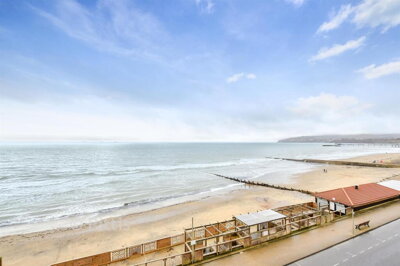
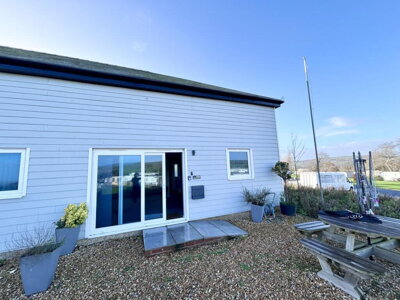
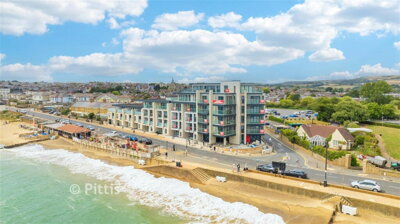
Browse 3 homes new builds in Sandown, Isle of Wight from local developer agents.
The Sandown property market offers detached, semi-detached, and terraced houses spanning various price ranges and neighbourhoods. Each listing includes detailed property information, photographs, and direct contact with the marketing agent.
£260k
38
3
155
Source: home.co.uk
Showing 38 results for Houses new builds in Sandown, Isle of Wight. 3 new listings added this week. The median asking price is £260,000.
Source: home.co.uk
Terraced
15 listings
Avg £227,900
Semi-Detached
14 listings
Avg £270,893
Detached
9 listings
Avg £440,550
Source: home.co.uk
Source: home.co.uk
The Sandown property market has shown resilience despite broader national uncertainties, with prices increasing by 2.3% in the twelve months leading up to November 2025 according to Rightmove data. While some mainland markets have experienced more dramatic fluctuations, this coastal town has maintained relative stability, making it appealing to buyers who want to avoid the volatility sometimes seen in commuter belt areas. The average asking price of £292,734 positions Sandown competitively against comparable seaside towns on the south coast of England, where similar properties often command significantly higher prices. Historical sold prices were approximately 2% down on the previous year prior to this recovery, showing the cyclical nature of the local market.
Property types in Sandown cater to diverse needs and budgets. Detached properties remain the most expensive category, with averages ranging from £321,616 to £352,770 depending on the data source, though recent sales suggest premium detached homes can achieve prices approaching £391,992. Semi-detached houses offer excellent value at around £258,000 to £260,000, making them popular with families seeking generous living space without stretching to detached prices. Terraced properties start from approximately £193,294 for older stock, with more recent sales averaging £252,500, while flats represent the most accessible entry point at around £178,823 to £194,299, ideal for first-time buyers or those seeking a holiday apartment.
New build activity in Sandown remains limited, with most available stock consisting of existing properties rather than fresh developments. Where new build properties do appear, they tend to be individual plots, conversions, or small-scale schemes rather than large named developments. Property portals do list examples such as newly built detached bungalows or recently converted modern chalets, but these are infrequent. This scarcity of new supply means buyers seeking modern specifications may need to consider renovated period properties or be prepared to compromise on their requirements, though the existing housing stock does include well-maintained homes across various age ranges.
Sandown embodies the classic English seaside experience while offering the practical amenities needed for year-round living. The town centres around Sandown Bay, a sweeping crescent of golden sand that has drawn visitors since the Victorian era when the railway first made the Isle of Wight accessible to mainland holidaymakers. Today, the seafront retains much of its historic character with Sandown Pier standing as a focal point for visitors and locals alike, offering entertainment, dining, and views across to the mainland on clear days. The bay is renowned for its clean waters and safe swimming conditions, making it particularly popular with families during the summer months. Water quality testing at Sandown Bay has consistently shown it to be one of the cleanest stretches of coastline in the region.
Beyond the beach, Sandown serves as a gateway to some of the Isle of Wight's most dramatic coastal scenery. To the north, Culver Down rises with its striking white chalk cliffs offering panoramic views across the Solent, while to the south the radiant red cliffs of Lucccombe provide a distinctive geological feature visible from the water. These geological formations reflect the diverse underlying structure of the island, with chalk deposits from Culver Down contrasting with the iron-rich sands and clays that give Lucccombe its distinctive red colouring. The nearby Wildheart Animal Sanctuary and Dinosaur Isle museum make Sandown particularly attractive to families with children, providing educational attractions that extend beyond the typical seaside amusements. Yaverland Beach, just south of the main bay, offers a quieter stretch popular with fossil hunters and watersports enthusiasts.
The local economy revolves significantly around tourism, which shapes both the character of the town and the availability of services. During peak season, the population swells considerably, supporting a vibrant hospitality and retail sector. For residents, this means good access to restaurants, pubs, and tourist amenities, while the off-season months reveal a quieter, more intimate community feel. The mix of permanent residents, retirees, and holiday homeowners creates a diverse demographic that gives Sandown a balanced atmosphere neither overly touristy nor isolated. Residential streets fan out from the town centre into quieter neighbourhoods where life moves at a more relaxed pace, with local shops, cafes, and conveniences clustered around the main shopping areas within easy reach of most homes.
Families considering a move to Sandown will find a reasonable selection of educational options within the town and surrounding areas. The local primary schools serve the immediate community, providing education for children from reception through to Year 6. Parents should research current Ofsted ratings and visit schools directly to assess which establishment best matches their child's needs, as school performance can vary year by year. The availability of primary education within walking distance of most residential areas is a significant advantage for families, reducing reliance on car journeys for daily school runs. Several primary schools in the Sandown area have dedicated after-school clubs and extended day facilities to support working parents.
Secondary education options in Sandown include local secondary schools that serve the town and nearby villages, with catchment areas determining placements for state school admission. For families considering private education, the Isle of Wight has several independent schools that may warrant consideration, though transport arrangements would need to be factored into daily routines. The island's independent schools include establishments with strong academic and extra-curricular reputations, though competition for places can be keen. Parents moving from the mainland should allow time to understand the local catchment area arrangements, as these can differ from systems they may be familiar with in other parts of England.
Sixth form provision in the area has evolved in recent years, with students often choosing between local college options and continuing education pathways. Further education opportunities on the Isle of Wight are centred around the main college in Newport, which offers a wide range of vocational and academic courses accessible by bus from Sandown. University-level students typically commute to mainland institutions via ferry services, with regular crossings to Portsmouth and Southampton making this practical for those studying at university while living in the family home. The proximity of ferry services to mainland education centres is worth considering for families with older children who may be planning their next steps.
Reaching Sandown requires crossing the Solent, which is the most significant transport consideration for potential residents. Regular ferry services operate from Portsmouth, Southampton, and Lymington to various points on the Isle of Wight, with the crossing taking between 20 and 45 minutes depending on the route chosen. The ferry terminal at Fishbourne is relatively close to Sandown, making car journeys straightforward for those bringing vehicles across. Wightlink and Red Funnel services provide the main ferry connections, with foot passenger services also available for those who prefer not to bring a car. For commuters working on the mainland, the ferry crossing adds time to any daily commute, though many have successfully incorporated this into working routines, sometimes using the crossing time productively.
Once on the Isle of Wight, local bus services connect Sandown with other towns including Shanklin, Ventnor, Newport, and Ryde. The Southern Vectis bus network provides regular services, though frequencies may be reduced compared to mainland urban areas. Many Sandown residents find that a car provides greater flexibility, particularly for shopping, accessing healthcare appointments, or visiting areas with limited bus coverage. The island's road network is generally less congested than mainland equivalents, making driving around more pleasant, though narrow country lanes require appropriate caution. Parking in Sandown town centre is generally more available than in comparable mainland seaside towns, with several car parks serving the seafront and shopping areas.
For those travelling to mainland destinations for work or leisure, the ferry crossings from the Isle of Wight to Portsmouth and Southampton provide connections to the wider UK rail network. Southampton Airport is also accessible via ferry plus a short transfer, offering domestic and international flights. Cyclists will find some scenic routes on the island, though the undulating terrain can be challenging. The nearest railway station to Sandown is actually in Brading or Shanklin, with connecting bus services to Sandown itself, so rail commuters should factor in these additional journey elements. For those working from home, the island's improving broadband infrastructure in Sandown makes remote work increasingly viable.
Before viewing properties, spend time exploring Sandown at different times of day and week to understand the neighbourhood. Consider ferry crossing times if you will be commuting to the mainland, and get a mortgage agreement in principle to know your true budget. Factor in the cost of bringing belongings to the island, which may include ferry charges for vehicles. Explore different neighbourhoods from the seafront Victoria Street area to quieter residential streets like those off the A3055, as each has a distinct character.
Use Homemove to browse all available properties in Sandown, setting up alerts for new listings that match your criteria. View multiple properties before making decisions, and consider visiting at least twice to see how areas change outside peak viewing hours. Ask estate agents about the reason for sales, average time on market, and any recent price reductions. Given the limited new build activity in Sandown, be prepared to consider existing properties with renovation potential.
Once you have an offer accepted, arrange a RICS Level 2 Survey to assess the condition of the property. Given Sandown's coastal location, pay particular attention to any signs of damp, timber defects, or coastal weathering. The Quill Partnership at 42 Napoleons Landing and Wheeler and Lai at 16c Sandown Road Lake operate locally in Sandown and can provide quotes for survey work. A thorough survey is particularly important for Victorian and Edwardian properties common in the area, as these may have hidden maintenance issues.
Your conveyancing solicitor will handle searches, contracts, and the transfer of ownership. Local searches will include checks on the Isle of Wight Council planning records and any environmental factors relevant to the specific location. Ensure your solicitor is aware of any island-specific considerations such as service charges on leasehold properties, shared access arrangements, or special provisions in the title. Budget typically from around £499 for straightforward conveyancing, rising for more complex transactions.
Once all legal work is finished and your mortgage offer is confirmed, you will exchange contracts and pay your deposit. Completion typically follows shortly after, at which point you will receive the keys to your new Sandown home. Arrange your ferry crossing for moving day in advance, particularly during peak seasons when availability may be limited. Consider using an island-based removal firm as they understand the logistics of getting belongings onto the Isle of Wight.
Properties in Sandown benefit from the town's coastal position, but buyers should be aware of the environmental considerations that come with this location. Coastal erosion is a long-term consideration for any property near the cliffs or seafront, so understanding the proximity to eroding coastlines and any historical cliff movement is important. Flood risk from the sea should be assessed using Environment Agency data, and insurance costs for seafront properties can be higher than inland equivalents. These factors should be weighed alongside the lifestyle benefits of living close to the beach. The white chalk cliffs of Culver Down to the north and the distinctive red cliffs of Luccombe to the south provide geological variety, but properties near cliff edges warrant particularly careful investigation.
The age of housing stock in Sandown means that many properties will have been built using traditional methods common to Victorian and Edwardian construction. Brick, render, and potentially some local stone materials are likely for older properties, which may show signs of damp or timber deterioration over time. The island's geology includes areas where clay deposits can contribute to ground movement, so watching for signs of subsidence or cracking is advisable. A thorough RICS Level 2 Survey is strongly recommended for any property, particularly those over 50 years old, as this will identify any structural issues or maintenance concerns that need addressing.
Leasehold properties, particularly flats, are part of the Sandown market, so understanding the terms of any lease is essential before committing. Ground rent arrangements, service charges, and the remaining lease length all affect both the purchase price and future saleability. Freehold houses generally offer more straightforward ownership, though shared freehold arrangements do exist in some period properties. Management company arrangements for communal areas should be queried, and any large reserve fund balances or planned major works should be reflected in your negotiating position. Given the limited new build supply, well-presented flats in popular locations can command strong prices and attract good tenant interest if you are considering rental investment.

The average sold price for properties in Sandown over the past twelve months was approximately £268,523 according to Zoopla, with Rightmove reporting £250,764 as their average. More recently, the average asking price stood at £292,734 as of February 2026, and properties sold in the last three months averaged £286,934. Detached properties command the highest prices at around £320,000 to £350,000 on average, with recent premium sales reaching nearly £392,000, while flats start from approximately £178,000 to £194,000 depending on location and condition.
Properties in Sandown fall under Isle of Wight Council tax jurisdiction. The bands range from A through to H, with the majority of standard family homes typically falling in bands B to D. The actual band depends on the property's assessed value, and buyers can check specific bands via the Isle of Wight Council website or on any property listing that includes this information. Council tax in the Isle of Wight is generally competitive compared to many mainland authorities, which can make Sandown an attractive option for buyers conscious of ongoing running costs.
Sandown offers several primary schools serving the local community, with parents advised to check current Ofsted ratings to identify the best options for their children. Secondary education is available through local schools in the town and surrounding areas, with catchment areas determining placements. For families seeking private education, independent schools on the Isle of Wight provide alternatives, though these require travel arrangements. The quality and availability of schools should be a key factor in timing any move if you have school-age children, as moving during an academic year may affect their continuity of education.
Sandown is connected to other Isle of Wight towns via Southern Vectis bus services, though frequencies are lower than mainland urban areas. The nearest railway station is in Brading or Shanklin, requiring a bus connection to reach Sandown directly. For mainland travel, regular ferry services from Isle of Wight ports connect to Portsmouth, Southampton, and Lymington, with crossings taking 20 to 45 minutes. Those planning daily mainland commutes should factor in the ferry crossing time, which adds a minimum of 45 to 90 minutes to any journey depending on the route chosen.
Sandown offers several investment considerations depending on your goals. The tourism economy supports a holiday let market, with properties near the seafront potentially generating strong rental income during summer months. Property prices have shown relative stability with 2.3% growth over twelve months, avoiding the more dramatic rises and falls seen in some other markets. However, the island location can limit liquidity compared to mainland markets, and any investment should account for transport costs associated with property management. The long-term outlook benefits from continued demand for coastal living and the island's appeal to retirees.
For standard residential purchases, stamp duty rates start at 0% on the first £250,000 of the purchase price. Between £250,000 and £925,000, the rate is 5%, rising to 10% up to £1.5 million, and 12% on any portion above that. First-time buyers benefit from relief on the first £425,000, with 5% charged between £425,000 and £625,000, though no relief applies above £625,000. Given the average Sandown property price of around £268,000, many purchases by first-time buyers would fall entirely within the zero-rate threshold, though this depends on your buyer status and purchase price.
Given Sandown's coastal location, a property survey should pay particular attention to signs of damp penetration, timber decay, and coastal weathering that can affect older properties. The island's geology means some areas may be prone to ground movement, so look for cracking in walls, sticking doors, or uneven floors. Properties near the cliff edges should be assessed for proximity to erosion risk. Victorian and Edwardian properties common in the area may have original single-glazed windows, out-of-date electrical systems, or older plumbing that needs updating.
Sandown contains a mix of period properties including Victorian and Edwardian houses that may have listed status or fall within conservation considerations. The town centre retains much of its historic character, with traditional seaside architecture along the seafront areas. Properties near the historic pier and along some residential streets may be affected by conservation area regulations, which can affect permitted development rights. Your solicitor should clarify any heritage considerations during the conveyancing process, and the Isle of Wight Council planning pages provide information on conservation area boundaries.
From 3.5%
Compare mortgage rates from lenders for your Sandown purchase
From £499
Expert conveyancing solicitors for your Sandown property purchase
From £350
Professional survey for your Sandown property
From £80
Energy performance certificate for your Sandown property
Stamp duty costs for a typical Sandown property at the current average asking price of £292,734 would be £2,137 for a standard buyer purchasing with a mortgage. This calculation applies the 0% rate to the first £250,000 and the 5% rate to the remaining £42,734. First-time buyers purchasing properties up to £425,000 would benefit from complete relief on stamp duty for most Sandown properties, as the average price falls below this threshold, making substantial savings compared to mainland purchases where prices frequently exceed first-time buyer relief limits. This zero-rate benefit can represent a significant saving for first-time buyers entering the Sandown market.
Beyond stamp duty, buyers should budget for solicitor conveyancing costs, which typically start from around £499 for a straightforward purchase but can rise depending on the complexity of the transaction. Survey costs for a RICS Level 2 Survey range from approximately £350 depending on property size and value, with larger or more expensive homes attracting higher fees. Mortgage arrangement fees vary by lender but often fall between £500 and £1,500, and these can sometimes be added to the mortgage loan rather than paid upfront. Removal costs for moving to the island should include ferry charges for vehicles and any specialist island removal firms who understand the logistics of getting belongings across the Solent.
Ongoing costs after purchase include Isle of Wight Council tax, with most family homes falling in bands B to D. Buildings insurance costs may be higher than mainland equivalents for seafront properties due to increased flood and storm exposure. Annual service charges for leasehold properties, if applicable, should be investigated before purchase, as these can vary significantly between developments. Utility costs on the Isle of Wight generally reflect the rural nature of some infrastructure, though most properties are well-served by modern utilities. The average annual council tax bill for Isle of Wight properties is generally competitive compared to similar band properties on the mainland.
Properties New Builds In London

Properties New Builds In Plymouth

Properties New Builds In Liverpool

Properties New Builds In Glasgow

Properties New Builds In Sheffield

Properties New Builds In Edinburgh

Properties New Builds In Coventry

Properties New Builds In Bradford

Properties New Builds In Manchester

Properties New Builds In Birmingham

Properties New Builds In Bristol

Properties New Builds In Oxford

Properties New Builds In Leicester

Properties New Builds In Newcastle

Properties New Builds In Leeds

Properties New Builds In Southampton

Properties New Builds In Cardiff

Properties New Builds In Nottingham

Properties New Builds In Norwich

Properties New Builds In Brighton

Properties New Builds In Derby

Properties New Builds In Portsmouth

Properties New Builds In Northampton

Properties New Builds In Milton Keynes

Properties New Builds In Bournemouth

Properties New Builds In Bolton

Properties New Builds In Swansea

Properties New Builds In Swindon

Properties New Builds In Peterborough

Properties New Builds In Wolverhampton

Enter your details to see if this property is within your budget.
Loans, cards, car finance
Estimated property budget
Borrowing + deposit
You could borrow between
Typical borrowing
Monthly repayment
Est. at 4.5%
Loan-to-value
This is an estimate only. Your actual budget may vary depending on interest rates, credit history, and personal circumstances. For an accurate affordability assessment, speak to one of our free mortgage advisors.
This calculator provides estimates for illustrative purposes only and does not constitute financial advice. Your home may be repossessed if you do not keep up repayments on your mortgage. Estimates based on 4.5% interest rate, repayment mortgage. Actual rates depend on your circumstances.
Homemove is a trading name of HM Haus Group Ltd (Company No. 13873779, registered in England & Wales). Homemove Mortgages Ltd (Company No. 15947693) is an Appointed Representative of TMG Direct Limited, trading as TMG Mortgage Network, which is authorised and regulated by the Financial Conduct Authority (FRN 786245). Homemove Mortgages Ltd is entered on the FCA Register as an Appointed Representative (FRN 1022429). You can check registrations at NewRegister or by calling 0800 111 6768.

We use cookies to show you personalised content and improve your experience of our website. Find out more in our Privacy policy and Cookie policy.