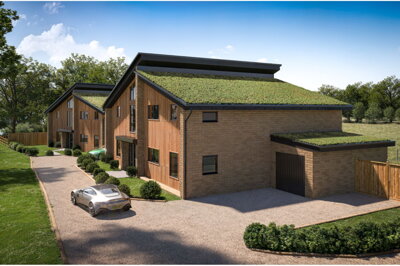
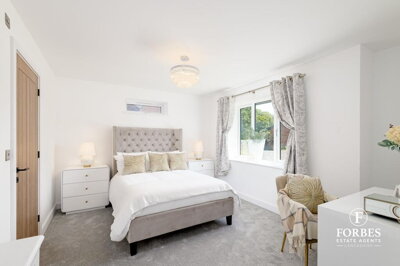
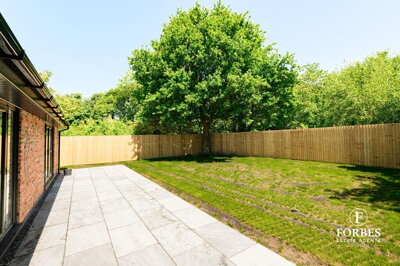
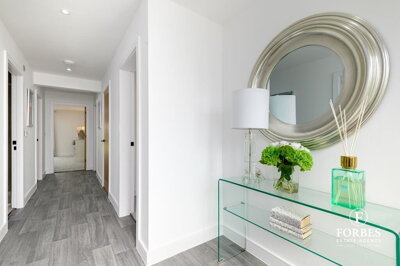
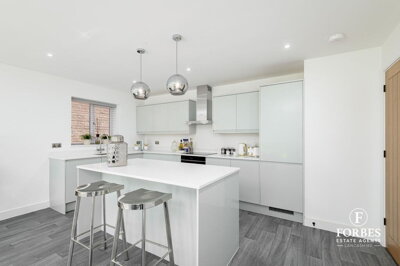
Browse 5 homes new builds in Samlesbury, South Ribble from local developer agents.
£813k
8
0
263
Source: home.co.uk
Source: home.co.uk
Detached
5 listings
Avg £933,000
Bungalow
1 listings
Avg £455,000
Detached Bungalow
1 listings
Avg £400,000
Terraced
1 listings
Avg £400,000
Source: home.co.uk
Source: home.co.uk
The Derbyshire property market has demonstrated remarkable resilience, with house prices rising 3.2% over the past year, outperforming the England and Wales average of 2.4% growth according to SAM Conveyancing data from December 2024. The current average property price sits around £260,327 according to Rightmove data, with prices now 2% above the 2023 peak of £256,119. This steady growth reflects the county's enduring appeal to buyers seeking value without sacrificing accessibility to major employment centres or natural beauty. Despite a 16.5% drop in transaction volumes compared to the previous year, with approximately 2,900 fewer sales, the underlying demand remains strong.
Property types in Derbyshire are well distributed to suit varying budgets and family needs. Semi-detached homes dominate the market at 37.5% of sales with an average price of £224,231, making them the most popular choice for families seeking generous living space at a reasonable price point. Detached properties average £375,127 and account for 31.7% of sales, while terraced homes at £183,447 represent 25.5% of transactions. Flats remain the most affordable option at around £149,742, though they comprise only 5.3% of sales, with limited availability in certain towns. This distribution reflects Derbyshire's mix of established urban housing stock and newer developments catering to different demographics.
Looking at specific towns within Derbyshire, Chesterfield remains one of the most active markets with its crooked spire attracting buyers seeking character properties at accessible prices. The Peak District fringe areas command premium prices due to their landscape appeal and proximity to national park countryside, while former mining towns like Alfreton and Shirebrook offer the most affordable entry points to the market. Derby city, though administratively separate, influences the southern part of the county with its strong employment base from major manufacturers including Rolls-Royce and Toyota.

Several new housing developments are currently underway across Derbyshire, offering buyers the chance to purchase brand-new properties with modern construction standards and developer warranties. The Avenue development in Wingerworth, Chesterfield, features 3, 4 and 5 bedroom homes from £279,995 to £549,995, providing options for first-time buyers through to families seeking larger detached properties. Other developments include Newton Fields in Newton and The Heath in Holmewood, both from Avant Homes, offering 3 and 4 bedroom family homes in established communities with good access to Chesterfield's amenities and transport links.
New build activity accounts for approximately 4.5% of all property sales in Derbyshire, with 593 newly built properties sold in the past year compared to 12,600 established properties. This means the overwhelming majority of buyers are purchasing existing homes, which often feature more character and established neighbourhoods. Those seeking new builds should consider developments in growth areas like Amber Valley and Shirebrook, where ongoing investment is creating renewed interest in these communities. Keepmoat Homes offers 2, 3 and 4 bedroom properties at Buttercup Fields in Shirebrook and Amber Rise in Amber Valley, targeting first-time buyers and growing families looking for affordable quality.
Cromford View in the historic Derwent Valley offers 2, 3 and 4 bedroom homes from Peveril Homes, combining new-build benefits with proximity to an area of significant industrial heritage. Barratt Homes' Woodland Heights development in Clay Cross provides another option for buyers seeking modern construction with the reassurance of a major national housebuilder. When purchasing new build properties, we recommend arranging a snagging inspection before the developer completes final works, as this can identify construction defects that builders are obligated to address under NHBC or similar warranty schemes.

Derbyshire offers an exceptional quality of life that combines the best of rural England with genuine urban amenities. The county encompasses everything from the dramatic landscapes of the Peak District National Park, with its limestone dales, heather moorlands and historic villages like Castleton and Eyam, to thriving market towns including Chesterfield, renowned for its crooked spire and twice-weekly market. The population of Derbyshire exceeds 799,000 across approximately 344,000 households, creating communities that are large enough to support excellent facilities while retaining a friendly, village-like atmosphere in many areas.
The county's economy is supported by diverse sectors that provide stable employment across various skill levels. Manufacturing and engineering remain central to Derbyshire's prosperity, with major employers including Rolls-Royce in Derby and Toyota's automotive operations. Tourism driven by the Peak District supports hospitality, retail and specialist services across towns like Bakewell, Matlock and Buxton. The logistics sector benefits from strategic location with direct access to the M1 motorway and A38 trunk road, while the public sector including the NHS and education provides significant employment throughout the county. This economic diversity helps sustain housing demand across different market conditions.
Cultural attractions in Derbyshire extend well beyond its natural landscapes. Chatsworth House and Haddon Hall rank among the finest historic houses in England, while Buxton's Victorian Pavilion Gardens and the restored Buxton Crescent represent significant heritage investments. The county's market towns host regular farmers markets, antique fairs and cultural festivals, while museums in Chesterfield and Alfreton document the area's fascinating industrial and mining heritage. For families, the combination of affordable housing, good schools and abundant outdoor recreation makes Derbyshire particularly attractive. Weekend activities range from hiking in the White Peak to exploring historic mill sites along the Derwent Valley, a UNESCO World Heritage Site.

Education provision across Derbyshire serves families well with a mix of excellent primary and secondary schools, further education colleges and access to grammar school education in neighbouring Derby. Primary education is well distributed across the county, with Church Broughton Primary School and several other establishments achieving strong Ofsted ratings. Parents should research specific catchment areas, as school places are allocated based on proximity, and certain villages may fall into desirable school zones that influence property values and buyer interest. Visiting schools directly and speaking to headteachers can provide valuable insight beyond published Ofsted reports.
Secondary education in Derbyshire includes several well-performing schools that prepare students for further education and employment. The county also provides access to grammar schools in Derby for academically selective students, with regular bus services making this option accessible for families living throughout southern Derbyshire. Post-16 education is available through Chesterfield College, Derby College and specialist sixth form colleges, offering vocational and academic pathways that serve local employment needs. The presence of the University of Derby and Nottingham Trent University nearby provides progression routes for students continuing into higher education. Apprenticeship opportunities with major employers like Rolls-Royce and Toyota provide alternative career pathways for students not pursuing traditional university routes.
For buyers with school-age children, researching local provision should form a key part of property search. Primary school catchments can be highly localised, meaning a property on one side of a village may fall into a very different school zone than a property just streets away. Secondary school selection often involves more choice, with families able to express preferences for schools across wider areas. Those seeking grammar school access should factor in travel times and the competitive nature of the 11-plus selection process. School performance data changes regularly, so we recommend consulting the most recent Ofsted and government comparison data before making property decisions based on educational provision.

Derbyshire enjoys excellent transport connections that make commuting to major cities entirely practical for residents who work further afield. The M1 motorway runs through the eastern side of the county, providing direct access to Sheffield to the north and Nottingham to the south, with London accessible in around two and a half hours. The A38 trunk road runs north-south through the county, connecting Derby, Chesterfield and the Peak District while linking to the motorway network at relevant junctions. For those driving to work in Derby itself, the A61 and A52 roads provide direct routes, though traffic during peak hours can extend journey times significantly.
Rail services from Chesterfield station provide regular connections to Sheffield in approximately 20 minutes and Nottingham in around 40 minutes, making these major employment centres genuinely accessible for daily commuters. East Midlands Railway operates services connecting towns across the county, while East Midlands Airport offers international flights from its location just outside the county boundary in Leicestershire. For those working in Derby, the city is connected to surrounding areas by regular bus services and the A61/A52 road network. The Robin Hood Line connects Mansfield, Sutton-in-Ashfield and Kirkby-in-Ashfield to Nottingham, serving commuters in the north of the county.
Local cycling infrastructure has improved significantly in recent years, with the Trans Pennine Trail and Pennine Bridleway passing through the county and providing car-free routes for commuting and leisure. The Sheffield Supertram extends into some Derbyshire areas, offering integrated public transport options for those working in South Yorkshire. Bus services throughout the county are coordinated through Derbyshire County Council, with routes connecting market towns and larger villages to district centres. Parking availability varies by town, with Chesterfield offering long-stay car parks suitable for commuters while rural villages may have more limited provisions. Planning journeys in advance and checking for any engineering works on rail services can help commuters avoid unexpected delays.

Spend time exploring different towns and villages in Derbyshire to find the community that best suits your lifestyle. Consider commute times, school catchments, local amenities and property prices in each area. Derbyshire offers diverse options from affordable terraced homes in former mining towns to premium detached properties near the Peak District. Visiting areas at different times of day and speaking to local residents can reveal insights that online searches cannot provide.
Before viewing properties, obtain an agreement in principle from a mortgage lender. This demonstrates to estate agents and sellers that you are a serious buyer with financing in place. Our mortgage partners can provide quotes tailored to your circumstances, helping you understand your budget before you start your property search. Having this documentation ready can strengthen your position when making offers in a competitive market.
View multiple properties across your preferred areas, taking notes on condition, layout and potential issues. Pay attention to factors like flood risk areas near rivers, conservation area restrictions and proximity to local amenities. A RICS Level 2 Survey from around £500-£800 for a typical 3-bedroom property is essential before proceeding with a purchase. We recommend viewing properties at least twice before making decisions, including one visit during evening or weekend hours to assess neighbourhood character.
Once you have found your ideal property, make an offer through the estate agent. Be prepared to negotiate on price, particularly for properties that have been on the market for some time or show signs requiring attention. Derbyshire's market conditions and the specific location will influence negotiation dynamics. Properties in desirable areas near the Peak District or with good school catchments may attract multiple offers, while those needing renovation in former mining towns may offer more scope for negotiation.
Appoint a conveyancing solicitor to handle the legal aspects of your purchase. They will conduct searches on the property, including local authority, environmental and drainage searches, and manage the transfer of ownership. Mining searches may be advisable in former coal mining areas of eastern Derbyshire, and our conveyancing partners offer competitive rates from £499 to handle these specialist searches efficiently. Ensure your solicitor is familiar with Derbyshire-specific issues including conservation areas and flood risk zones.
Once all searches are satisfactory and mortgages are approved, you will exchange contracts and pay a deposit. Completion typically follows within 2-4 weeks, after which you will receive the keys to your new Derbyshire home. Our conveyancing partners offer competitive rates from £499 to handle your transaction efficiently. We recommend arranging building insurance from the point of exchange, as properties become your legal responsibility at this stage.
Property buyers in Derbyshire should be aware of several area-specific factors that can affect their purchase. Flood risk is a genuine consideration in parts of the county, with properties in floodplains along the River Derwent, River Dove and River Trent requiring careful evaluation. Surface water flooding can also occur in urban areas during periods of heavy rainfall, so checking Environment Agency flood maps before purchasing is strongly advisable. Properties in low-lying areas near rivers may face higher insurance premiums and potential difficulty obtaining mortgages. The Derwent Valley, Dove Valley and areas around Willington and Tutbury are particularly worth investigating for flood history.
The mining legacy of eastern and southern Derbyshire means that properties in former coal mining areas may require specialist reports in addition to standard surveys. The Coal Authority maintains records of mine workings that can help identify properties at risk from subsidence due to historical mining activity. A mining report should be considered a standard part of the conveyancing process for properties in areas like Chesterfield, Alfreton, Shirebrook and Bolsover. Surveyors should also check for signs of ground movement, as areas with shrink-swell clay soils can experience subsidence during periods of drought or heavy rainfall. Properties with large trees nearby may be particularly susceptible to clay shrinkage affecting foundations.
Conservation areas are prevalent throughout Derbyshire, particularly in historic towns and villages and throughout the Peak District National Park. Properties in these areas may be subject to restrictions on modifications, extensions and even external paint colours. Listed buildings require consent for almost any alteration and may demand specialist surveys and conservation-approved materials for repairs. Building materials across Derbyshire reflect the local geology, with stone properties in the Peak District often featuring solid walls and traditional construction methods that differ from modern cavity wall buildings. Older stone properties may require more frequent maintenance and specialist building knowledge for repairs.
Common defects found in Derbyshire properties include damp issues in older stone and solid-walled buildings, where moisture management differs significantly from modern cavity wall construction. Roof defects are frequently identified, particularly deterioration of slate or clay tile roofs on period properties across the county. Timber defects including woodworm and dry rot can affect structural elements in older properties, especially where damp has been present. Outdated electrical systems and plumbing are common in properties built before the 1970s, and buyers should budget for potential upgrades when purchasing older homes. Our inspectors are experienced in identifying these Derbyshire-specific issues and can provide detailed advice on remediation costs before you commit to a purchase.

The average house price in Derbyshire is currently around £260,327 according to Rightmove data, with similar figures reported by Zoopla at £261,443. Property prices have increased by approximately 3.2% over the past year, outperforming the national average. Prices vary significantly by property type, with detached homes averaging £375,127, semi-detached properties at £224,231, terraced homes around £183,447 and flats at approximately £149,742. Properties in the Peak District and Derbyshire Dales typically command premiums, while more affordable options can be found in former mining towns and urban areas closer to Derby.
Council tax bands in Derbyshire vary across the eight district councils: Amber Valley, Bolsover, Chesterfield, Derbyshire Dales, Erewash, High Peak, North East Derbyshire and South Derbyshire. Bands range from A through to H, with the majority of standard 3-bedroom homes falling into bands B to D. You can check the specific band for any property through the relevant district council website using the property address, and local council tax rates can be compared across districts when choosing where to buy. Band D properties in Derbyshire typically pay around £1,800-£2,000 annually, though this varies by council.
Derbyshire has several well-performing primary and secondary schools, though Ofsted ratings vary by establishment and change over time. Primary schools like Church Broughton Primary School have achieved good ratings, while families can access grammar schools in nearby Derby for secondary education. Parents should research current Ofsted reports and consider school catchments carefully, as places are allocated by proximity. Further education is available through Chesterfield College, Derby College and specialist sixth form providers. The most recent government school comparison data should be consulted for current performance metrics, as these can differ significantly between neighbouring schools.
Derbyshire benefits from excellent transport connections including the M1 motorway and A38 trunk road for car travel. Rail services from Chesterfield connect to Sheffield in around 20 minutes and Nottingham in approximately 40 minutes. East Midlands Railway operates local services throughout the county, and East Midlands Airport provides international flights from its location just outside the county boundary. Bus services connect most towns and larger villages, with integrated ticketing available on some routes. Rural areas rely more heavily on car transport, so proximity to bus stops and train stations can significantly affect daily commute options.
Derbyshire offers strong fundamentals for property investment with house prices rising 3.2% over the past year and average prices around £260,000 making it more affordable than many surrounding counties. The county's proximity to Sheffield, Nottingham and Derby, combined with excellent transport links and the tourism draw of the Peak District, supports ongoing demand for housing. Rental yields in towns like Chesterfield and Derby typically range from 4-6%, making buy-to-let investments viable. New build developments in growth areas like Shirebrook and Amber Valley may offer particular potential for capital growth as regeneration programmes continue.
Standard stamp duty rates (2024-25) apply to purchases in Derbyshire: 0% on the first £250,000, 5% on £250,001 to £925,000, 10% on £925,001 to £1.5 million and 12% above that. First-time buyers qualify for relief on the first £425,000, paying 5% on amounts between £425,001 and £625,000. For a typical £260,000 Derbyshire property, standard buyers pay £500 in stamp duty while first-time buyers pay nothing under the threshold. Properties priced above £625,000 do not qualify for first-time buyer relief regardless of buyer status.
From £400
A detailed inspection of the property condition, ideal for most homes in Derbyshire
From £600
A comprehensive building survey recommended for older or complex properties
From £85
Energy performance certificate required for all property sales
From £499
Legal services to handle your property purchase
Understanding the full costs of buying property in Derbyshire helps you budget accurately for your purchase. Beyond the property price, buyers should factor in stamp duty land tax, solicitor fees, survey costs and removal expenses. Stamp duty rates for 2024-25 start at 0% for properties up to £250,000, rising to 5% on the portion between £250,001 and £925,000. For the average Derbyshire property priced around £260,000, standard buyers would pay £500 in stamp duty while first-time buyers pay nothing under current thresholds. Additional costs include land registry fees of around £200-£500 depending on property value.
First-time buyers purchasing properties up to £425,000 qualify for first-time buyer relief, paying 5% only on the amount between £425,001 and £625,000. This represents meaningful savings compared to previous thresholds and makes Derbyshire's property market particularly accessible for those taking their first steps on the property ladder. Properties above £625,000 do not qualify for first-time buyer relief regardless of buyer status. Solicitor fees for conveyancing typically range from £500 to £1,500 depending on complexity and whether the property is freehold or leasehold, with leasehold properties requiring additional notices and potentially ground rent reviews.
Professional survey costs represent a worthwhile investment given Derbyshire's diverse property stock. An RICS Level 2 Survey typically costs between £400 and £800 depending on property size, with around £500-£700 being typical for a standard 3-bedroom home. Properties in conservation areas, listed buildings or those with unusual construction may benefit from the more comprehensive RICS Level 3 Building Survey, which provides detailed analysis of structural issues and defect remediation costs. Additional searches including environmental, drainage and potentially mining reports add further costs but provide essential protection against area-specific risks like flooding and former mining activity. For properties in former mining areas, a Coal Authority mining report typically costs around £25-£50 and can reveal historical mining workings that affect property values and mortgageability.

Properties New Builds In London

Properties New Builds In Plymouth

Properties New Builds In Liverpool

Properties New Builds In Glasgow

Properties New Builds In Sheffield

Properties New Builds In Edinburgh

Properties New Builds In Coventry

Properties New Builds In Bradford

Properties New Builds In Manchester

Properties New Builds In Birmingham

Properties New Builds In Bristol

Properties New Builds In Oxford

Properties New Builds In Leicester

Properties New Builds In Newcastle

Properties New Builds In Leeds

Properties New Builds In Southampton

Properties New Builds In Cardiff

Properties New Builds In Nottingham

Properties New Builds In Norwich

Properties New Builds In Brighton

Properties New Builds In Derby

Properties New Builds In Portsmouth

Properties New Builds In Northampton

Properties New Builds In Milton Keynes

Properties New Builds In Bournemouth

Properties New Builds In Bolton

Properties New Builds In Swansea

Properties New Builds In Swindon

Properties New Builds In Peterborough

Properties New Builds In Wolverhampton

Enter your details to see if this property is within your budget.
Loans, cards, car finance
Estimated property budget
Borrowing + deposit
You could borrow between
Typical borrowing
Monthly repayment
Est. at 4.5%
Loan-to-value
This is an estimate only. Your actual budget may vary depending on interest rates, credit history, and personal circumstances. For an accurate affordability assessment, speak to one of our free mortgage advisors.
This calculator provides estimates for illustrative purposes only and does not constitute financial advice. Your home may be repossessed if you do not keep up repayments on your mortgage. Estimates based on 4.5% interest rate, repayment mortgage. Actual rates depend on your circumstances.
Homemove is a trading name of HM Haus Group Ltd (Company No. 13873779, registered in England & Wales). Homemove Mortgages Ltd (Company No. 15947693) is an Appointed Representative of TMG Direct Limited, trading as TMG Mortgage Network, which is authorised and regulated by the Financial Conduct Authority (FRN 786245). Homemove Mortgages Ltd is entered on the FCA Register as an Appointed Representative (FRN 1022429). You can check registrations at NewRegister or by calling 0800 111 6768.

We use cookies to show you personalised content and improve your experience of our website. Find out more in our Privacy policy and Cookie policy.