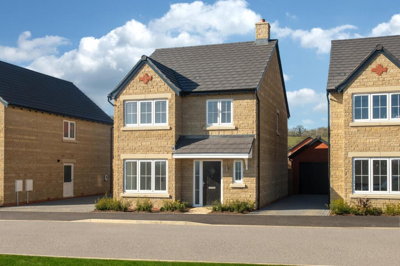
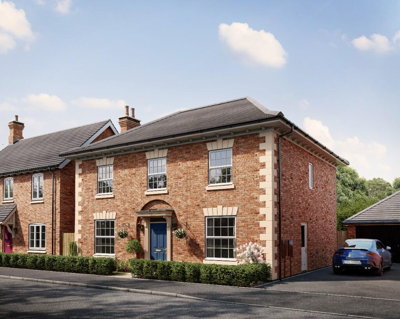
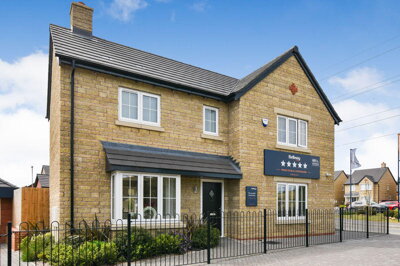
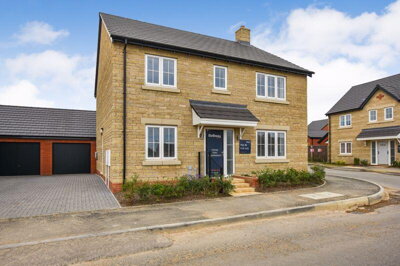
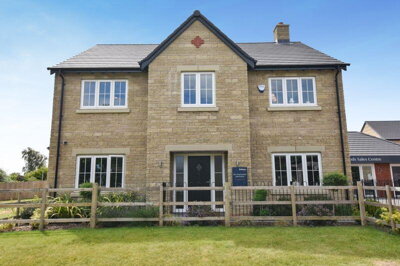
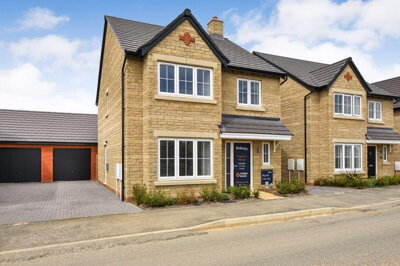
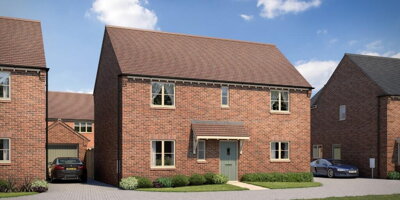
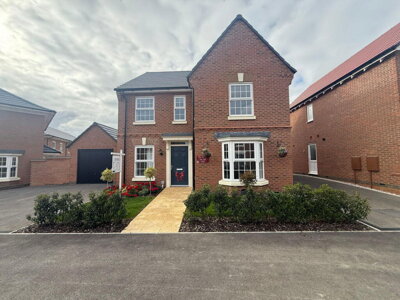
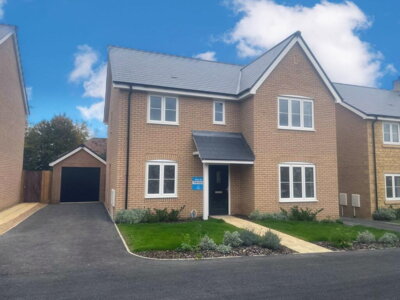
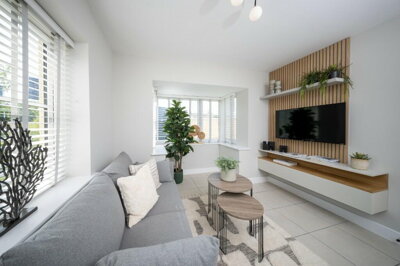
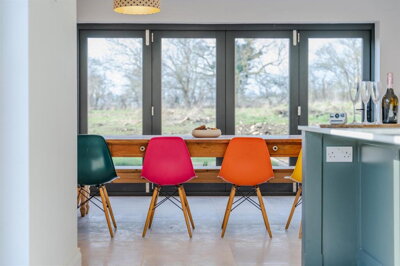
Browse 25 homes new builds in Rutland, England from local developer agents.
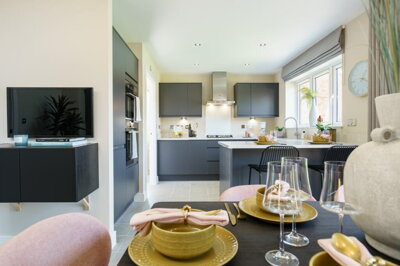
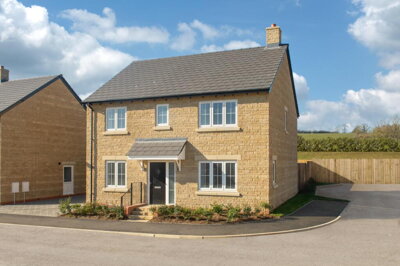
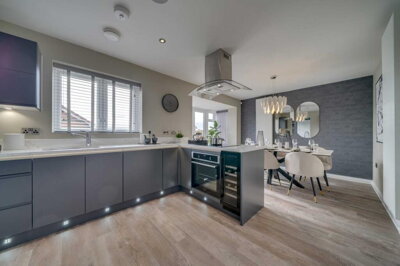
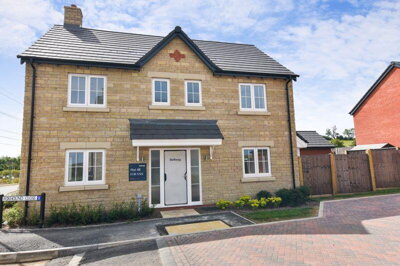
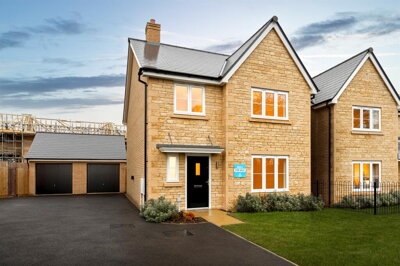
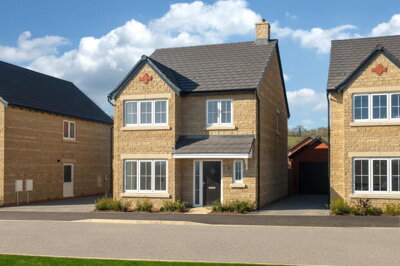
The larger property sector typically features multiple bathrooms, substantial reception space, and private gardens or off-street parking. Four bedroom houses in Rutland span detached, semi-detached, and occasionally terraced configurations, with styles ranging from period properties to modern executive homes.
£525k
102
8
84
Source: home.co.uk
Showing 102 results for 4 Bedroom Houses new builds in Rutland, England. 8 new listings added this week. The median asking price is £525,000.
Source: home.co.uk
Detached
97 listings
Avg £581,360
Semi-Detached
3 listings
Avg £555,000
Terraced
2 listings
Avg £275,000
Source: home.co.uk
Source: home.co.uk
The Rutland property market has shown notable resilience despite broader national trends. Between January and December 2025, there were 508 property transactions in the county, with most homes selling in the £300,000 to £400,000 bracket, accounting for 22.4% of all sales. A further 15.9% of properties sold in the £250,000 to £300,000 range. While overall average prices have dipped by 6.5% year-on-year, this correction follows a period of strong growth, with the 2023 peak averaging £427,704 according to Rightmove data. Buyers financing purchases with mortgages paid an average of £307,000, while cash buyers typically spent £339,000, indicating that the market attracts both investment-minded and owner-occupier buyers.
Property types in Rutland reflect its mix of historic villages and modern developments. Detached properties command the highest prices, averaging £566,445 according to Zoopla data, while semi-detached homes average around £310,000. Terraced properties offer more accessible entry points at approximately £279,000, though prices in this category have also experienced downward pressure alongside the wider market. Flats have seen the most significant price correction, with an 8.9% decline in the year to December 2025. New build activity remains limited but active, with new properties averaging £578,000, up 29% from the previous year, though only nine newly built homes sold during this period, concentrated primarily in the LE15 9 postcode sector around Oakham.
First-time buyers represent a significant portion of the Rutland market, with an average purchase price of £250,000 in December 2025, down 5.8% from the previous year. This figure positions Rutland favourably for those entering the property market, particularly given that terraced properties and smaller semi-detached homes remain accessible within this price bracket. The county's mix of village properties and market town homes provides options for buyers at various stages of their property journey, from newly formed households to those upsizing from starter homes.

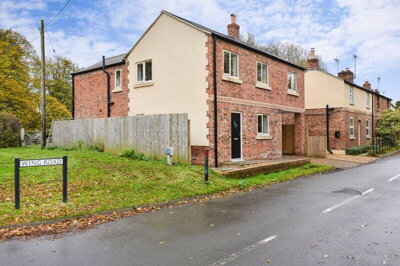
Understanding the predominant property types and construction methods in Rutland helps buyers appreciate the character of homes they may encounter. The county's housing stock spans several eras, from historic stone cottages in villages to modern executive homes in recent developments. Properties built during the Victorian era, particularly in market towns like Oakham and Uppingham, often feature traditional brick or local ironstone construction with steep-pitched slate or tile roofs. These period properties typically have original features such as fireplaces, high ceilings, and sash windows, though many will have been updated over the decades.
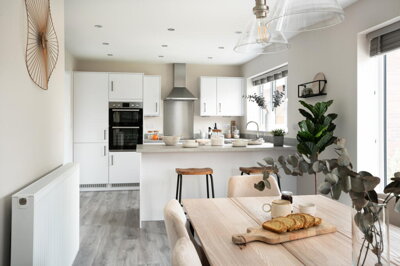
Construction materials vary across the county, with older properties in western Rutland frequently built using local ironstone quarried from the area's geology. Many village cottages feature thick walls constructed from limestone or ironstone, which provide excellent thermal mass but may require specialist maintenance. Traditional timber-frame construction can be found in some older properties, particularly those dating to the 18th century or earlier. Modern properties, including recent developments such as Lilac Farm in Cottesmore by Hereward Homes, typically use brick or brick-and-render exteriors with concrete tile or slate roofing. These new builds often include features like oak internal doors, granite worktops, and high levels of insulation as standard.
Buyers considering older properties should account for the maintenance requirements associated with traditional construction methods. Properties built before 1900 may require surveys that account for potential issues such as subsidence risk, damp penetration through solid walls, or outdated electrical and plumbing systems. Many Rutland properties feature original single-glazed windows and solid fuel or open fireplaces that may require updating. Listed buildings, which are common in conservation areas throughout the county's historic towns and villages, are subject to specific regulations regarding alterations and materials, adding both character and responsibility for prospective purchasers.

Rutland's appeal lies in its combination of rural tranquility and practical accessibility. With a population of 41,381 and a density of just 108 people per square kilometre, the county offers an escape from urban congestion while maintaining essential amenities. The population is projected to grow to 45,038 by 2036 and 46,100 by 2041, driven largely by internal migration from other parts of the UK. This growth reflects increasing recognition of Rutland as an ideal location for families and retirees seeking quality of life without sacrificing connectivity. The age structure shows a maturing population, with the number of residents aged 65 and over increasing by 30% over the past decade, suggesting a county that appeals to those seeking peaceful retirement living.
The landscape of Rutland is characterised by gentle hills, farmland, and picturesque villages centred around market towns like Oakham and Uppingham. The county's geology varies from clay soils in the west, where drainage can be more challenging, to loamy soils in the east with major aquifers that support infiltration drainage systems. This varied geology contributes to the county's agricultural character and creates distinct local environments across different villages. Residents enjoy access to Rutland Water, a large reservoir that offers sailing, cycling, and walking opportunities, along with the historic Oakham Castle and the weekly markets in market towns. The combination of traditional English countryside, excellent schools, and strong community spirit makes Rutland a place where many residents put down long-term roots.
Community life in Rutland centres on its market towns and villages, each offering local amenities that serve day-to-day needs. Oakham, as the county town, provides the main shopping district, restaurants, and services, while Uppingham offers additional facilities for residents in the south of the county. Villages throughout Rutland typically have their own pubs, churches, and community halls, fostering the strong neighbourhood connections that characterise rural English living. The county hosts various events throughout the year, including agricultural shows, farmers' markets, and cultural festivals that showcase local produce and crafts.
Education provision in Rutland serves families considering a move to the county, with a range of primary and secondary options available. The county maintains several primary schools across its villages, providing local education for younger children without lengthy commutes. Secondary education is centred on the market towns, with schools serving broader catchment areas that reflect Rutland's dispersed population. The presence of grammar schools in neighbouring counties means that some families may explore selective education options, particularly for secondary-aged children. Parents researching school performance should consult Ofsted reports and, where applicable, KS2 and GCSE results to inform their decisions.
Beyond school-leaving age, young people in Rutland have access to further education colleges in nearby towns, with transport links facilitating daily commutes for those pursuing A-levels or vocational qualifications. The county's proximity to Leicester, Peterborough, and Cambridge means that sixth form and college options extend well beyond Rutland's boundaries for families willing to travel. For buyers with school-age children, understanding catchment areas is essential, as property prices in specific school zones can reflect the value placed on local educational provision. Our platform allows you to explore properties alongside school information, helping families identify homes that combine their educational requirements with the wider benefits of Rutland living.
The quality of Rutland's educational provision contributes significantly to the county's attractiveness for families. Primary schools in the county serve villages across a wide geographic area, meaning that property location relative to school catchments should be verified before committing to a purchase. Some families choose properties specifically to access particular primary schools, particularly those with strong Ofsted ratings. Secondary school catchment areas are larger due to Rutland's dispersed population, and transport arrangements are typically needed for secondary-aged children who may travel further than their primary school peers.
Despite its rural character, Rutland offers practical transport connections that serve commuters and visitors alike. The county sits within comfortable reach of major road networks, including the A1 which provides direct access to London and Edinburgh. The M1 motorway is accessible for journeys north to Leicester and Nottingham, while the A14 connects the area eastwards towards Cambridge and the port of Felixstowe. For air travel, East Midlands Airport offers international destinations within approximately an hour's drive. These road connections make Rutland viable for professionals who need to access employment centres while enjoying rural living.
Rail connections from nearby stations provide access to the broader rail network, with services from towns like Stamford and Oakham connecting to London, Birmingham, and the East Midlands. The station at Corby, accessible from Rutland, offers East Midlands Railway services, while Peterborough station provides connections to Cambridge, Stevenage, and London King's Cross. Daily commuters should note that parking availability in Rutland's market towns is generally adequate compared to major urban centres, though market days may see increased demand. For cyclists and walkers, Rutland's countryside offers extensive networks of quiet lanes and designated paths, making active travel viable for local journeys and recreation alike.
Bus services operate between Rutland's villages and market towns, connecting communities across the county. However, frequencies are typically lower than in urban areas, making car ownership practically essential for most residents. Village living in Rutland suits those who can work from home for several days per week or have flexible commuting arrangements, reducing the practical challenges of less frequent public transport. The A606 runs through the county, connecting Oakham to Stamford and providing a scenic route through the countryside.
Begin by exploring Rutland's property market using our search tool. Review average prices for different property types and understand the price trends: detached homes average £566,000 while terraced properties start around £279,000. Factor in additional costs including stamp duty, solicitor fees, and survey costs. A RICS Level 2 survey typically costs £400 to £800 depending on property size.
Before viewing properties, obtain a mortgage agreement in principle from a lender. Current rates make borrowing affordable for many buyers, with first-time buyers in Rutland averaging purchases of £250,000. Having your finance arranged demonstrates seriousness to sellers and speeds up the purchasing process once you find your ideal home.
Search our listings for Rutland properties and arrange viewings through listed estate agents. The market has seen prices adjust by 6.5% over the past year, potentially giving buyers more negotiating room. When you find a suitable property, submit a competitive offer that reflects current market conditions and any comparable sales data.
Once your offer is accepted, instruct a conveyancing solicitor to handle the legal transfer of ownership. Conveyancing costs in Rutland typically start from £499 for standard transactions. Your solicitor will conduct searches, review contracts, and coordinate with the seller's representatives to ensure a smooth transaction.
Commission a RICS Level 2 survey to assess the property's condition. Given Rutland's varied geology and the age of many properties in the area, surveys are particularly valuable for identifying potential issues. Based on the survey findings and your mortgage valuation, finalise your borrowing arrangements with your lender.
Your solicitor will arrange the final checks and, once satisfied, coordinate the exchange of contracts with the seller's legal team. On completion day, the remaining funds are transferred, and you receive the keys to your new Rutland home. Allow time to familiarise yourself with local services, schools, and community resources.
Property buyers in Rutland should pay particular attention to flood risk, as certain villages have documented vulnerability to flooding. Oakham faces fluvial risk along the River Welland, while Langham, Whissendine, Ryhall, Cottesmore, and Ketton have all been identified as settlements with properties at risk from river or surface water flooding. Historic incidents, including major floods in 1947, 1975, 1998, 2000, and 2004, along with more recent storm events affecting 57 properties, underline the importance of investigating flood risk for specific properties. A RICS Level 2 survey will assess the property's condition but does not replace specialist flood risk assessments.
The geology of Rutland presents both opportunities and considerations for property buyers. Clay soils in the western part of the county can lead to ground movement, potentially causing subsidence issues that may affect older properties. Properties built on clay foundations require monitoring for signs of subsidence, including cracks in walls and doors that stick. The eastern part of the county benefits from loamy soils and major aquifers, which generally provide more stable ground conditions. When purchasing period properties, consider that many older homes in the county may have traditional construction methods requiring specialist maintenance. Always review survey reports carefully and factor any remedial work into your budget before committing to a purchase.
Given Rutland's varied property age, from Victorian terraces in market towns to modern developments in villages, buyers should consider the specific maintenance implications of their chosen property type. Victorian and Edwardian properties in Oakham and Uppingham often feature solid walls without cavity insulation, original sash windows, and aging plumbing and electrical systems that may require updating. Properties in conservation areas may have restrictions on external alterations, while listed buildings require planning permission for most changes to exterior features or structure. Newer properties, including recent builds in villages like Cottesmore, typically require less immediate maintenance but may command premiums reflecting their modern construction standards.
The average house price in Rutland was £319,000 in December 2025 according to provisional ONS figures. Other sources put the average slightly higher at £401,000 to £421,000 depending on the data source and methodology. The median price sits at £325,000. Prices have decreased by approximately 6.5% over the past year following a peak of £427,704 in 2023. Detached properties average £566,000 while semi-detached homes are more accessible at around £310,000.
Council tax bands in Rutland are set by Rutland County Council, which operates as the unitary authority for the county. Bands range from A through to H, with the majority of residential properties in Rutland falling in bands B through E, reflecting the mix of property values across the county's market towns and villages. Exact bands depend on the property's assessed value, with detached family homes in desirable villages often in higher bands. Prospective buyers should check specific properties with Rutland County Council or the Valuation Office Agency to confirm the applicable band and associated annual charges.
Rutland offers several primary schools serving its villages, with secondary education concentrated in the market towns of Oakham and Uppingham. The county maintains a selection of schools with good Ofsted ratings, though the specific performance of individual schools varies year by year. Families should research current performance data through official Ofsted reports and government league tables, as these provide the most accurate comparison between schools. For secondary education, some families also explore grammar school options in neighbouring counties, particularly those in Leicestershire and Northamptonshire, which are accessible by transport from Rutland's market towns.
Rutland has limited direct rail connections but sits within reach of several stations including Corby, Stamford, and Peterborough, which provide access to national rail services. Bus services operate between Rutland's villages and market towns, though frequencies may be lower than in urban areas, typically running hourly or less frequently on many routes. For commuters, road access is excellent with the A1 nearby providing access to London and the north, while the M1 is accessible for journeys to Leicester and Nottingham. Daily travel to employment centres in Leicester, Nottingham, or Peterborough is practical with advance planning and a car, which most Rutland residents consider essential.
Rutland's property market has shown resilience despite recent price adjustments of around 6.5%. The county's population is projected to grow from 41,381 in 2021 to over 45,000 by 2036, suggesting sustained demand for housing. The predominantly rural character and excellent quality of life attract buyers seeking escapes from larger cities, while the county's small size fosters a strong sense of community that encourages long-term residency. While new build supply remains limited, with only nine new properties sold recently, demand for quality homes in desirable villages continues. Property investors should consider rental demand from commuters and those seeking rural lifestyles within reach of major cities like Leicester, Peterborough, and Cambridge.
Stamp duty rates for 2024-25 apply as follows: 0% on purchases up to £250,000, 5% on the portion from £250,001 to £925,000, 10% from £925,001 to £1.5 million, and 12% above £1.5 million. First-time buyers benefit from relief on purchases up to £425,000, paying 5% on amounts between £425,001 and £625,000 with no relief above that threshold. For a typical Rutland property averaging £319,000, standard buyers would pay £3,450 in stamp duty, while first-time buyers would pay nothing on properties within the relief threshold. Properties priced above £625,000 do not qualify for first-time buyer relief, so higher-value detached homes in Rutland require full stamp duty calculation from the first pound.
When viewing properties in Rutland, pay attention to the property's exposure to flood risk, particularly if considering homes in Oakham along the River Welland, or villages like Langham, Whissendine, and Ryhall. Check for signs of subsidence or ground movement, especially in older properties in western parts of the county where clay soils are more prevalent. Look at the condition of roofs, gutters, and drainage, as maintenance of these elements is crucial in a rural location. For period properties, check whether windows are single-glazed, whether insulation levels meet modern standards, and whether the property is listed, which restricts permitted development rights. A RICS Level 2 survey provides detailed assessment of these factors before you commit to purchase.
Understanding the full costs of buying a property in Rutland helps you budget accurately and avoid surprises during the transaction. Beyond the purchase price, buyers should account for stamp duty, solicitor fees, survey costs, and moving expenses. For a property priced at the Rutland average of £319,000, a standard buyer would pay stamp duty of £3,450. First-time buyers purchasing properties within the £425,000 relief threshold would pay no stamp duty, making Rutland's market particularly accessible for those entering the property market for the first time. Properties priced above £625,000 do not qualify for first-time buyer relief, so higher-value homes require full stamp duty calculation from the first pound.
Solicitors handling conveyancing in Rutland typically charge from £499 for standard transactions, though costs increase for leasehold properties, new builds, or transactions involving complications. A RICS Level 2 survey costs between £400 and £800 depending on property size and complexity, with larger homes commanding higher fees. Pre-1900 properties may incur survey premiums of 20 to 40% due to their construction age and potential defects. An Energy Performance Certificate is mandatory and costs from £85. Adding these together, buyers should budget approximately 2 to 3% of the purchase price for purchase costs beyond the property itself. Our platform connects you with trusted providers for mortgages, conveyancing, and surveys, helping you manage these essential steps efficiently.
Survey costs deserve particular attention given Rutland's varied property stock. A typical three-bedroom property in the county would attract a RICS Level 2 survey cost of around £437, rising to approximately £495 for a four-bedroom home. Properties requiring more detailed assessment, such as those with non-standard construction, multiple extensions, or significant grounds, may incur higher charges. For listed buildings, additional costs of £150-400 may apply due to the specialist knowledge required. Buyers purchasing older properties in Rutland should factor potential survey recommendations into their budget, as remedial works for issues such as damp proofing, roof repairs, or electrical rewiring are common in properties of traditional construction.
From 4.5%
Get competitive mortgage rates for your Rutland purchase
From £499
Expert legal services for your property transaction
From £400
Professional property survey for Rutland homes
From £85
Energy performance certificate for your new home
Properties New Builds In London

Properties New Builds In Plymouth

Properties New Builds In Liverpool

Properties New Builds In Glasgow

Properties New Builds In Sheffield

Properties New Builds In Edinburgh

Properties New Builds In Coventry

Properties New Builds In Bradford

Properties New Builds In Manchester

Properties New Builds In Birmingham

Properties New Builds In Bristol

Properties New Builds In Oxford

Properties New Builds In Leicester

Properties New Builds In Newcastle

Properties New Builds In Leeds

Properties New Builds In Southampton

Properties New Builds In Cardiff

Properties New Builds In Nottingham

Properties New Builds In Norwich

Properties New Builds In Brighton

Properties New Builds In Derby

Properties New Builds In Portsmouth

Properties New Builds In Northampton

Properties New Builds In Milton Keynes

Properties New Builds In Bournemouth

Properties New Builds In Bolton

Properties New Builds In Swansea

Properties New Builds In Swindon

Properties New Builds In Peterborough

Properties New Builds In Wolverhampton

Enter your details to see if this property is within your budget.
Loans, cards, car finance
Estimated property budget
Borrowing + deposit
You could borrow between
Typical borrowing
Monthly repayment
Est. at 4.5%
Loan-to-value
This is an estimate only. Your actual budget may vary depending on interest rates, credit history, and personal circumstances. For an accurate affordability assessment, speak to one of our free mortgage advisors.
This calculator provides estimates for illustrative purposes only and does not constitute financial advice. Your home may be repossessed if you do not keep up repayments on your mortgage. Estimates based on 4.5% interest rate, repayment mortgage. Actual rates depend on your circumstances.
Homemove is a trading name of HM Haus Group Ltd (Company No. 13873779, registered in England & Wales). Homemove Mortgages Ltd (Company No. 15947693) is an Appointed Representative of TMG Direct Limited, trading as TMG Mortgage Network, which is authorised and regulated by the Financial Conduct Authority (FRN 786245). Homemove Mortgages Ltd is entered on the FCA Register as an Appointed Representative (FRN 1022429). You can check registrations at NewRegister or by calling 0800 111 6768.

We use cookies to show you personalised content and improve your experience of our website. Find out more in our Privacy policy and Cookie policy.