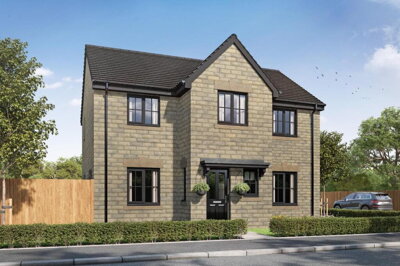
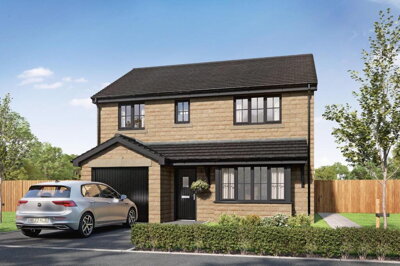
Browse 2 homes new builds in Roughlee Booth from local developer agents.
The larger property sector typically features multiple bathrooms, substantial reception space, and private gardens or off-street parking. Four bedroom houses in Roughlee Booth span detached, semi-detached, and occasionally terraced configurations, with styles ranging from period properties to modern executive homes.
The Askrigg property market reflects its status as a small, sought-after village within a national park. Detached properties command the highest prices, averaging £420,000, which reflects the rarity of standalone homes with land and panoramic Dales views. Semi-detached properties average £250,000, while terraced properties average £280,000, showing that the village's historic character adds premium value to all property types. Over the past 12 months, prices have decreased by 1.5%, which may present a window of opportunity for buyers who have been watching the market. With such limited transaction volumes, each sale influences perceived values, making comparable analysis particularly important when making an offer.
New build activity within the Askrigg postcode area remains limited. The Yorkshire Dales National Park has strict planning controls that restrict large-scale development, preserving the village's historic character for future generations. Any new properties tend to be individual conversions, barn renovations, or small-scale developments that complement the existing architecture. These projects often take years from planning to completion, and completed schemes tend to command premium prices reflecting their rarity. For buyers seeking modern amenities within a period property framework, many renovated homes offer the best of both worlds: traditional stone construction externally with contemporary interiors that meet modern living standards.
The predominant building materials in Askrigg are local limestone and gritstone, with roofs traditionally covered in slate. Properties constructed before modern building regulations feature solid walls rather than cavity insulation, which behaves differently in terms of moisture management and thermal performance. Understanding these traditional construction methods helps buyers appreciate why properties may feel different from newer builds and what maintenance approaches are appropriate. Lime mortar, used in original construction, requires different repair techniques than modern Portland cement, and this affects both ongoing maintenance costs and the qualifications needed for any renovation work.
Most properties in Askrigg date from the pre-1919 period, with many being considerably older, some dating back several centuries. This age profile means that virtually every property in the village will require more maintenance attention than a modern house, and buyers should budget accordingly. The historic building stock includes traditional farmhouses, estate cottages, barn conversions, and agricultural buildings that have found new uses over the years. Each property type brings its own characteristics and potential issues, making thorough inspection before purchase particularly valuable in this market.

Askrigg sits in Upper Wensleydale, a landscape defined by rolling hills, ancient dry stone walls, and the distinctive limestone pavements that make this part of Yorkshire so distinctive. The village itself centres around a traditional collection of stone cottages, farms, and a handful of local businesses that serve both residents and the steady stream of visitors who come to enjoy this beautiful corner of England. The population stands at approximately 621 residents, giving the community an intimate village atmosphere where neighbours know one another and local events bring the community together throughout the year. The annual Askrigg flower show exemplifies this community spirit, drawing residents together to celebrate village life in the traditional Dales manner.
The village holds special architectural significance as a designated Conservation Area with numerous listed buildings throughout. St Oswald's Church, a Grade I listed building dating from the 15th century, stands as the architectural centrepiece of the village, its medieval tower visible across the surrounding landscape. Throughout Askrigg, numerous houses, barns, and other structures carry Grade II listing, reflecting the village's continuous settlement history spanning many centuries. This concentration of historic architecture means that any significant external alterations require planning permission and possibly listed building consent, preserving the village's character for future generations while limiting what owners can change about their properties.
Tourism forms the backbone of the local economy, with visitors drawn to attractions including Aysgarth Falls just a short walk away, the Wensleydale Creamery in nearby Hawes, and the endless network of footpaths and bridleways that crisscross the surrounding fells. The village pub provides a focal point for social life, while local shops and tearooms cater to both residents and visitors throughout the year. Hawes, just a few miles away, provides access to additional services including a doctors surgery, dentist, and pharmacy, meaning residents rarely need to travel further for everyday requirements. Agriculture remains important too, with sheep farming continuing as it has for centuries across the Dales landscape.
The presence of holiday lets and second homes in the village reflects the wider appeal of Dales living, though this does influence the balance between permanent residents and temporary visitors. During peak seasons, the population swells considerably as holidaymakers arrive to explore the national park, supporting local businesses and maintaining the vitality of village services. However, this pattern also means that some properties are unavailable for permanent occupation, reducing the pool of homes available for year-round residents. Buyers considering Askrigg should think carefully about their priorities, weighing the benefits of village life against the seasonal fluctuations in population and atmosphere.

Families considering a move to Askrigg will find educational provision adapted to the rural nature of the Dales. Hawes Primary School serves the local area, providing education for children from reception through to Year 6. The school benefits from its position in the market town of Hawes, which is just a few miles from Askrigg and accessible via the scenic road that connects the two villages. Small class sizes at primary level mean children receive individual attention and benefit from strong community ties within their school. Parents consistently praise the nurturing environment that Hawes Primary provides, with older pupils often taking on mentoring roles for younger children in this close-knit educational setting.
Secondary education is provided at Wensleydale School and Sixth Form in Leyburn, which serves a wide geographic area across Upper Wensleydale and the surrounding dales. The school provides a comprehensive curriculum for students aged 11 to 18, with sixth form options allowing students to continue their education locally rather than travelling further afield. For families willing to travel, there are grammar school options in Richmond, and private schooling is available at Barnard Castle School, which has an excellent reputation for both academic achievement and extracurricular activities. The travel time from Askrigg to these secondary options requires consideration when house hunting, as school transport arrangements will factor into daily family life.
School transport from Askrigg to secondary schools involves journeys of approximately 30 to 45 minutes by bus, with specific arrangements managed through North Yorkshire Council's school transport service. Parents should verify current bus routes and timings, as these can vary from year to year depending on funding and demand. For families with younger children, the primary school run to Hawes is shorter but still requires transport arrangements, as there is no school within the village itself. Some families choose to home educate their children, citing the flexibility this provides for exploring the landscape and learning about the local environment as part of their curriculum.
Askrigg is connected to the wider road network via the A684, which passes through the village and provides access to the A1(M) at Leeming, approximately 25 miles to the east. The route north to Hawes connects Askrigg with the rest of Upper Wensleydale, while the scenic drive south through the dales takes travellers to the market town of Leyburn. For a village of its size, Askrigg sits reasonably well within the regional road network, though residents should expect that longer journeys will require planning and that a car is effectively essential for daily life. Most residents commute by car to reach employment centres, with Darlington approximately 35 miles away being a common destination for those working in the town.
Rail connections are available at Garsdale station, approximately 12 miles from Askrigg, which sits on the Settle-Carlisle line connecting Leeds, Settle, and Carlisle. This historic railway route offers stunning scenery and provides a practical option for commuting to Leeds for work or leisure travel further afield. The journey from Garsdale to Leeds takes approximately 1 hour 45 minutes, making occasional commuting possible for those with flexible working arrangements. Bishop Auckland station to the east offers another option with connections to Darlington, though this route involves changing trains at Darlington for longer journeys. Bus services operate in the area, though frequencies are limited and reflect the rural nature of public transport provision in the Dales.
Given the limited public transport options, most residents of Askrigg find that owning at least one car is essential for daily life. Two-car households are common where both partners work, allowing one vehicle to remain available while the other is used for commuting. For those considering relocation without a car, life in Askrigg would present significant practical challenges, particularly during winter months when weather conditions can make walking to local services more difficult. Many residents embrace the rural lifestyle by cycling where possible, with the scenic dales roads being popular with cyclists, though this remains seasonal rather than year-round practical transport.
Start by exploring our property listings for homes for sale in Askrigg. With only a handful of properties changing hands each year, patience is key. Understand the local market by reviewing comparable sales, understanding the average prices in the village, and familiarising yourself with the Yorkshire Dales National Park planning constraints that affect what you can do with a property. Register with local estate agents who handle properties in the dales, as many sales happen through established relationships rather than public listings.
Before arranging viewings, obtain a mortgage agreement in principle from a lender. This strengthens your position when you find the right property, showing sellers that you are a serious buyer with funding already arranged. Given that many Askrigg properties are older stone buildings, factor in potential costs for surveys and any renovation work into your overall budget. Our mortgage partners can help you find competitive rates and understand how much you can borrow against a property in this price range, including specialist products for rural properties.
View properties in person to assess their condition, particularly given the age of most buildings in the conservation area. Look beyond cosmetic issues to assess the condition of roofs, walls, and any signs of damp. Many properties will have features that require ongoing maintenance, and understanding this helps set realistic expectations for ownership costs. Consider visiting at different times of day and, if possible, during different seasons to understand how the property and surrounding area change throughout the year.
Given the age of properties in Askrigg, a RICS Level 2 Survey (HomeBuyer Report) is essential. This survey will identify any defects common to older stone properties, including damp issues, timber defects, roof condition, and any concerns with traditional construction methods. For listed buildings, you may also need specialist heritage advice alongside the survey. The survey cost typically ranges from £400 to £1,000 depending on property value, and this investment can reveal issues that significantly affect your purchase decision or negotiation position.
Once your offer is accepted, instruct a solicitor to handle the legal aspects of your purchase. They will conduct searches specific to the Yorkshire Dales area, check for any planning constraints, and ensure the title is clean. Our conveyancing partners have experience with rural properties and can guide you through the process efficiently, including dealing with any issues that arise from the historic nature of village properties. Searches typically include drainage and environmental checks, as well as flooding risk assessments given the proximity to the River Ure.
After all searches are satisfactory and your mortgage is finalized, you will exchange contracts and agree a completion date. On completion day, you will receive the keys to your new Askrigg home and can begin your life in this beautiful Yorkshire Dales village. Allow time for transferring utilities and arranging buildings insurance, as specialist insurers may be required for older properties in flood risk areas. Register with local services including the village doctors surgery in Hawes, as registration periods may apply.
Buying property in Askrigg requires attention to several area-specific factors that differ from urban property purchases. Flood risk is a consideration, as the village sits near the River Ure and surface water flooding can affect certain areas during heavy rainfall. When viewing properties, ask about any previous flooding incidents and check the specific location of the property relative to flood risk areas. Buildings insurance costs may be higher for properties with significant flood exposure, and lenders may require flood risk assessments as part of the mortgage process. Understanding the Flood Risk Online service run by the Environment Agency helps buyers identify which properties fall within affected zones.
The conservation area status of Askrigg means that any significant external alterations to properties require planning permission and possibly listed building consent. If you are considering extending or modifying a property, consult with the Yorkshire Dales National Park Authority planning department before purchasing. These restrictions preserve the village's character but do limit what you can change. Additionally, many properties use traditional lime mortar and solid wall construction, which behaves differently from modern cavity walls and requires specific maintenance knowledge. Properties that have been renovated using appropriate traditional materials often represent better long-term investments than those that have had modern interventions applied without consideration for the building's historic fabric.
Given that most properties date from the pre-1919 period, watch for signs of damp, timber decay, and roof issues during viewings. Common defects in Askrigg's older stone properties include rising damp due to the absence of modern damp-proof courses, woodworm or wet rot in timber structures, and slipped or deteriorating slate tiles on roofs. Leadwork around chimneys and in valleys often requires attention on older properties, as this material can deteriorate over decades. Ask about the history of maintenance and whether any of the original features such as fireplaces, exposed beams, or stone flags have been preserved or altered. Outdated electrical systems are common in older properties, and wiring may need complete replacement to meet current regulations and ensure safety.
The Yorkshire Dales region has a historical association with lead mining, particularly in areas like Swaledale and Arkengarthdale. While Askrigg itself was not a major mining centre, the potential for historical mining activity in the broader region means that surveys should consider the possibility of underground features affecting ground stability. Local limestone geology generally provides stable foundations, but properties near former mining operations or with unusual settlement patterns may require more detailed investigation. Your surveyor will assess whether the specific property location warrants additional research into historical mining records held by the British Geological Survey.
The average property price in Askrigg is £316,500 according to recent Rightmove market data. Detached properties average £420,000, semi-detached properties average £250,000, and terraced properties average £280,000. Prices have decreased by 1.5% over the past 12 months, which may present buying opportunities for those entering the Askrigg market. With only 4 property sales in the past year, the market is relatively quiet, so being prepared financially will help you secure a property when the right one becomes available. Flats data is not reliably available for the village due to the very small number of such transactions.
Properties in Askrigg fall under North Yorkshire Council's jurisdiction following the local government reorganisation that created North Yorkshire Council as the unitary authority for the area. Council tax bands range from A through to H, with most period stone cottages in the village typically falling into bands A to C due to their modest assessed values. The exact band depends on the property's specific assessed value, and you can check the band for any listing via the Valuation Office Agency website using the property address. As a guide, band A properties in North Yorkshire currently pay approximately £1,400 per year, while band D properties pay around £2,100 annually, with bands E through H paying progressively more.
Askrigg itself does not have its own primary school, but Hawes Primary School serves the local area and provides education for children from reception through to Year 6. The school receives consistently positive reviews from parents for its caring approach and strong community connections. Secondary education is available at Wensleydale School and Sixth Form in Leyburn, which is the main secondary school for the area serving students from across Upper Wensleydale. Families may also consider grammar schools in Richmond, which involve longer daily journeys, or private options such as Barnard Castle School, which has an excellent reputation for academic achievement. When buying in Askrigg, factor in school transport arrangements, as secondary school travel times can be 30 to 45 minutes by bus depending on routes and schedules.
Public transport options in Askrigg are limited, reflecting its rural location within the Yorkshire Dales National Park. The village sits on a bus route connecting Hawes and Leyburn, though service frequencies are low, typically running a few times daily on weekdays with very limited weekend services. Garsdale railway station on the scenic Settle-Carlisle line is approximately 12 miles away, offering connections to Leeds, Settle, and Carlisle, with the Leeds journey taking around 1 hour 45 minutes. For daily commuting and general mobility, a car is effectively essential for residents of Askrigg, and most households own at least one vehicle as a practical necessity rather than a luxury.
Askrigg offers several factors that make it attractive to certain buyers, including its position within the Yorkshire Dales National Park, the rarity of properties in the village, and the strong emotional appeal of Dales living. However, the market is very small with only a handful of sales annually, and national park planning restrictions limit what buyers can do with properties in terms of development or change of use. Holiday lets and second homes are present in the village, which influences demand patterns and can affect rental availability for longer-term tenants. Properties with genuine long-term family potential, rather than pure investment plays, tend to perform well in this market, as owner-occupiers typically value the village's character and community atmosphere that attracts visitors year after year.
Stamp duty (SDLT) applies to your Askrigg purchase based on the property price using national thresholds. For a property at the village average of £316,500, a non-first-time buyer would pay nothing on the first £250,000 and 5% on the remaining £66,500, totaling £3,325. First-time buyers purchasing properties up to £625,000 can claim relief, potentially reducing or eliminating SDLT costs, meaning a first-time buyer purchasing at the village average would pay no SDLT at all. Properties above £625,000 do not qualify for first-time buyer relief, and higher rate additional dwellings SDLT of 3% applies for those purchasing a second home or investment property on top of the standard rates.
From 4.5%
Finding the right mortgage for your Askrigg purchase
From £499
Legal services for your property purchase
From £400
Essential survey for older properties
From £60
Energy performance certificate
Understanding the full costs of buying property in Askrigg requires careful budgeting beyond the purchase price. Stamp duty land tax (SDLT) applies according to national thresholds, with the standard rate being 0% on the first £250,000, 5% on the portion from £250,001 to £925,000, 10% on the portion from £925,001 to £1.5 million, and 12% on any amount above £1.5 million. For a typical Askrigg property at £316,500, this means SDLT of £3,325 for standard purchasers. First-time buyers purchasing properties up to £625,000 can claim relief, potentially reducing or eliminating SDLT costs, making Askrigg accessible for first-time buyers who have saved a deposit.
Additional buying costs include solicitor fees for conveyancing, which typically range from £500 to £1,500 depending on complexity and whether the property is freehold or leasehold. A RICS Level 2 Survey costs approximately £400 to £1,000 depending on property value, and this is particularly important for older Askrigg properties where defects may not be immediately visible. Searches specific to the area, including drainage and environmental searches, usually cost around £250 to £400. An EPC assessment is required and costs from £60. If you require a mortgage, factor in arrangement fees, which can range from £0 to £2,000 depending on the deal, and valuation fees, which are often included but sometimes charged separately.
When calculating your total budget, remember that older properties in conservation areas like Askrigg may require additional expenditure on maintenance and renovation. Factor in the cost of buildings insurance, which may be higher than average due to flood risk from the River Ure and the age of properties that may require specialist insurers. Setting aside a contingency fund equivalent to at least 10% of the purchase price is advisable to cover unexpected works that surveys may reveal. Our mortgage and conveyancing partners can provide detailed cost estimates tailored to your specific purchase situation, helping you understand the full financial commitment involved in buying property in this beautiful Yorkshire Dales village.
Properties New Builds In London

Properties New Builds In Plymouth

Properties New Builds In Liverpool

Properties New Builds In Glasgow

Properties New Builds In Sheffield

Properties New Builds In Edinburgh

Properties New Builds In Coventry

Properties New Builds In Bradford

Properties New Builds In Manchester

Properties New Builds In Birmingham

Properties New Builds In Bristol

Properties New Builds In Oxford

Properties New Builds In Leicester

Properties New Builds In Newcastle

Properties New Builds In Leeds

Properties New Builds In Southampton

Properties New Builds In Cardiff

Properties New Builds In Nottingham

Properties New Builds In Norwich

Properties New Builds In Brighton

Properties New Builds In Derby

Properties New Builds In Portsmouth

Properties New Builds In Northampton

Properties New Builds In Milton Keynes

Properties New Builds In Bournemouth

Properties New Builds In Bolton

Properties New Builds In Swansea

Properties New Builds In Swindon

Properties New Builds In Peterborough

Properties New Builds In Wolverhampton

Enter your details to see if this property is within your budget.
Loans, cards, car finance
Estimated property budget
Borrowing + deposit
You could borrow between
Typical borrowing
Monthly repayment
Est. at 4.5%
Loan-to-value
This is an estimate only. Your actual budget may vary depending on interest rates, credit history, and personal circumstances. For an accurate affordability assessment, speak to one of our free mortgage advisors.
This calculator provides estimates for illustrative purposes only and does not constitute financial advice. Your home may be repossessed if you do not keep up repayments on your mortgage. Estimates based on 4.5% interest rate, repayment mortgage. Actual rates depend on your circumstances.
Homemove is a trading name of HM Haus Group Ltd (Company No. 13873779, registered in England & Wales). Homemove Mortgages Ltd (Company No. 15947693) is an Appointed Representative of TMG Direct Limited, trading as TMG Mortgage Network, which is authorised and regulated by the Financial Conduct Authority (FRN 786245). Homemove Mortgages Ltd is entered on the FCA Register as an Appointed Representative (FRN 1022429). You can check registrations at NewRegister or by calling 0800 111 6768.

We use cookies to show you personalised content and improve your experience of our website. Find out more in our Privacy policy and Cookie policy.