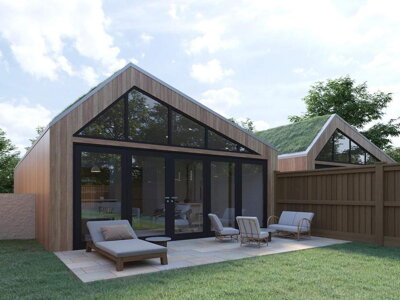
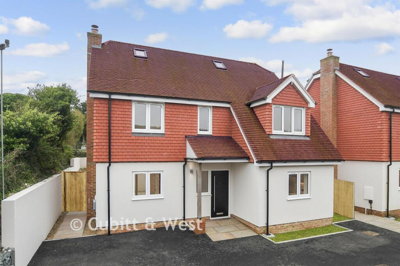
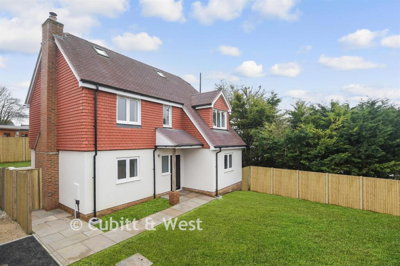
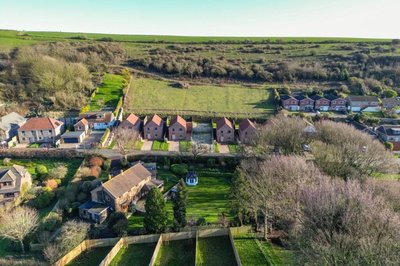
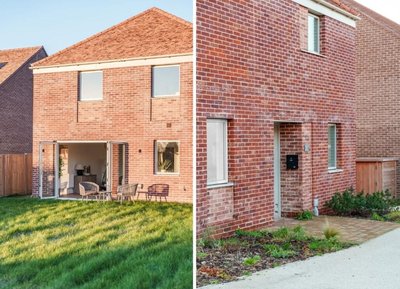
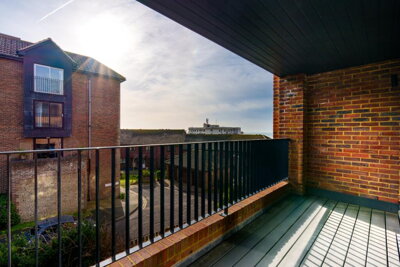
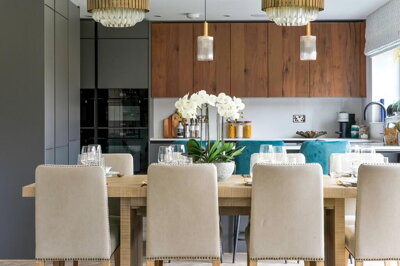
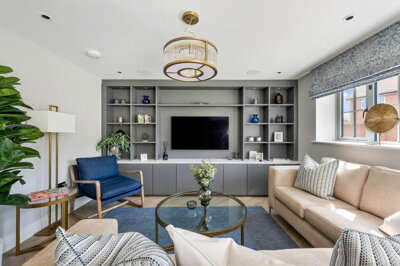
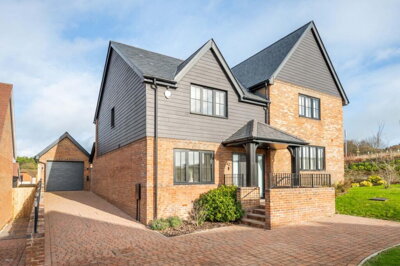
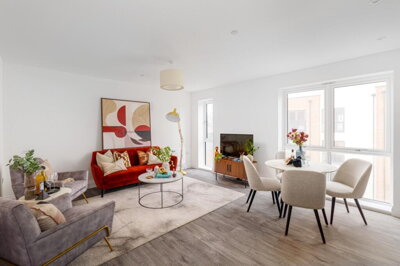
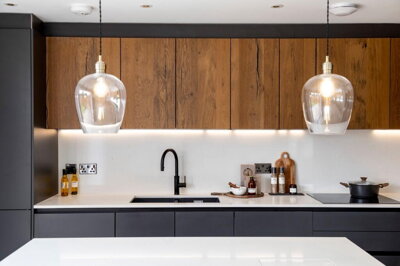
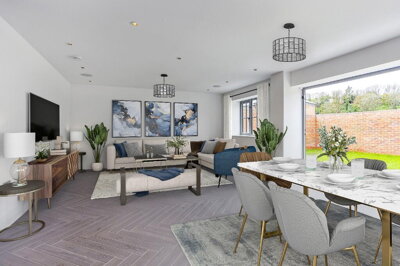
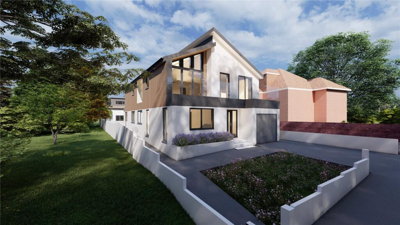
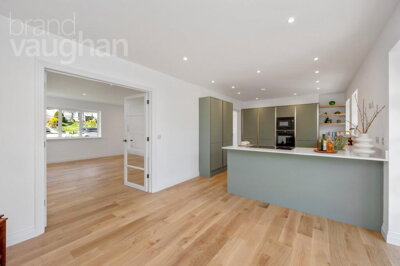
Browse 16 homes new builds in Rottingdean, Brighton and Hove from local developer agents.
£600k
62
6
127
Source: home.co.uk
Source: home.co.uk
Detached
23 listings
Avg £1.23M
Apartment
10 listings
Avg £379,250
Terraced
8 listings
Avg £522,500
Semi-Detached
6 listings
Avg £1.23M
Flat
3 listings
Avg £325,000
Bungalow
2 listings
Avg £525,000
Chalet
2 listings
Avg £699,750
End of Terrace
2 listings
Avg £662,500
Cottage
1 listings
Avg £525,000
Detached Bungalow
1 listings
Avg £525,000
Source: home.co.uk
Source: home.co.uk
The Rottingdean property market offers something for every buyer, from first-time purchasers looking for a flat to families seeking a substantial detached home with sea views. Our records show an overall average property price of approximately £588,310, though prices vary considerably across property types. Detached properties command an average of around £849,879, reflecting the premium placed on space and privacy in this coastal village. Semi-detached homes, which form a significant portion of the local housing stock at 28.5%, average around £549,425, while terraced properties typically sell for approximately £473,083. Flats in Rottingdean offer the most accessible entry point to the village, with average prices around £322,488.
Property prices in Rottingdean have shown some fluctuation recently, with data indicating a slight softening of around 2.08% over the past twelve months, though this varies by source and property type. Rightmove data shows prices currently sit approximately 7% below the 2022 peak of £669,690, presenting opportunities for buyers who missed the previous market height. The market remains active, with approximately 100 sales recorded in the last twelve months. No large-scale new-build developments exist within the village itself, meaning most properties on the market are established homes with character and history woven into their Sussex flint, brick, and render facades. Occasional individual new or recently built terraced homes do appear on the market, such as modern three-bedroom properties near the High Street that come with NHBC warranties.
The housing stock in Rottingdean is predominantly older construction, with approximately 80% of properties built before 1980. This includes a significant proportion of pre-1919 period homes featuring traditional Sussex flint construction, Victorian and Edwardian semis from the early twentieth century, and post-war properties built during the 1945-1980 period. This age profile means that buyers in Rottingdean are typically purchasing properties with genuine character, but also potential renovation opportunities and the need for careful survey assessments before committing to a purchase.

Rottingdean is a village that has managed to retain its own identity despite forming part of the larger Brighton and Hove unitary authority. The Rottingdean and Ovingdean ward, home to approximately 7,922 residents across 3,467 households, offers a community atmosphere that is hard to find in larger towns. The village centre revolves around the iconic pond, a grassy square flanked by historic buildings, independent shops, cafes, and the local pubs that form the social heartbeat of the community. Residents enjoy easy access to the South Downs Way, with countless walking and cycling routes threading across the chalk hills that rise behind the village, while the dramatic seafront and coastal path stretch eastward towards Saltdean.
The character of Rottingdean is shaped by its distinctive architecture, which features traditional Sussex flint incorporated into boundary walls and building facades alongside red and yellow stock brick that dates from various periods of development. Many properties in the extensive Conservation Area, which covers much of the historic village centre, are constructed using render techniques that give the village its characteristic warm, seaside appearance. The economy of Rottingdean is driven by local services, tourism, and commuters who travel daily to Brighton and Hove, making it a village that punches above its weight in terms of amenities, schools, and facilities. Local employers include the village schools, independent retail businesses along the High Street, hospitality venues, and care homes serving the wider community.
The proximity to Brighton, just a short bus ride or drive away, means residents can enjoy peaceful village life while having access to all the cultural attractions, employment opportunities, and entertainment options of a major city. The South Downs National Park begins immediately behind the village, offering outstanding natural scenery and outdoor activities right on the doorstep. St Margaret's Church, a notable listed building the village, stands as Rottingdean's long history and adds to the distinctive character of the conservation area. Weekend farmers markets, annual village events, and a active neighbourhood watch scheme all contribute to the strong community spirit that makes Rottingdean stand out from more anonymous suburban developments.
Education is a major draw for families considering a move to Rottingdean, with the village offering several well-regarded schools that serve the local community. Rottingdean Primary School is the main state primary school serving the village, providing education for children from reception through to Year 6 and maintaining a strong reputation among local families. For families seeking faith-based education, St Martha's Catholic Primary School is located nearby in the wider area and serves families from across the neighbourhood. Both schools are key employers in the village and contribute significantly to the community atmosphere that makes Rottingdean such a popular place to raise children.
Secondary education options for Rottingdean residents include nearby schools in Saltdean, Woodingdean, and Brighton, with many families factoring school catchment areas into their property search. The village's position on the South Coast means that several well-regarded grammar schools in East Sussex and Brighton and Hove are accessible for families willing to travel or sit the Kent Test or entrance examinations. Dorothy Stringer School and Varndean School in Brighton are popular choices for secondary education, alongside the city's grammar schools for academically selective students. For older students, sixth form and further education options are readily available in Brighton and Hove, with excellent transport connections making the city a manageable commute for older children.
The presence of quality educational options at all levels makes Rottingdean particularly attractive to families looking for a village lifestyle without compromising on their children's educational opportunities. Many parents specifically seek properties in the catchment areas for the most popular schools, which can influence property prices in certain streets. University students can access the University of Brighton and University of Sussex, both of which are situated in Brighton and easily reachable by public transport or car from Rottingdean. Parents moving to the area should research specific school catchments, as boundaries can change and properties near school gates often command a premium in this sought-after village location.
Rottingdean enjoys excellent connectivity despite its village atmosphere, making it a popular choice for commuters who work in Brighton or further afield. The village is served by regular bus routes that connect to Brighton city centre, with journey times typically taking 20-30 minutes depending on traffic conditions. The Number 1 and Number 14 bus services are particularly useful for daily commuters, providing regular connections throughout the day. For those who drive, access to the A259 coastal road provides easy connections to Brighton to the west and Eastbourne to the east, while the A27 trunk road runs inland and provides links to Lewes, the A23, and the motorway network beyond.
Rail connections are available via Brighton station, which is easily accessible by bus or car from Rottingdean. Brighton station provides direct services to London Victoria (journey time approximately 1 hour 45 minutes), London Bridge, Gatwick Airport, Portsmouth, and Southampton. For international travel, Gatwick Airport can be reached in under an hour by train via Brighton, making Rottingdean a practical base for frequent flyers. The village also benefits from excellent walking and cycling infrastructure, with the South Downs Way and National Cycle Network routes passing through or near the village, making car-free commuting a realistic option for those who work locally or in Brighton.
Daily commuters will appreciate the village's peaceful atmosphere at the end of a working day, while the ease of reaching Brighton means city amenities are never far away. The coastal location also provides easy access to beaches and recreational facilities, with the seafront and promenade popular with residents for exercise and relaxation. Parking in the village centre is generally easier than in central Brighton, though spaces near the pond can fill up quickly during busy periods. Many residents find that the combination of village charm and city accessibility makes Rottingdean the ideal compromise between rural peace and urban convenience.

Spend time exploring Rottingdean before committing to a purchase. Visit the village at different times of day, walk the streets, and get a feel for the community. Pay particular attention to proximity to the seafront, the High Street, and local schools, as these factors significantly impact property values and daily life. The Conservation Area covers much of the historic centre, so familiarise yourself with any restrictions that may apply to properties in this zone.
Before viewing properties in Rottingdean, secure a mortgage agreement in principle from a lender. This gives you a clear budget and demonstrates to sellers that you are a serious buyer. With average property prices around £588,310, most buyers will need a mortgage to fund their purchase. Speak to a specialist mortgage broker who can advise on the best products for your circumstances and help you understand how much you can borrow based on your income and outgoings.
Use Homemove to browse all available properties in Rottingdean and schedule viewings through our platform. We list homes from all major local estate agents, giving you comprehensive coverage of the market. Take time to view multiple properties before making any decisions. When viewing, pay attention to the construction materials, signs of damp or structural movement, and the overall condition of period features that may require maintenance or renovation.
Once you have had an offer accepted, book a RICS Level 2 Survey to assess the condition of the property. Given that approximately 80% of homes in Rottingdean were built before 1980, a professional survey is essential to identify any structural issues, damp problems, or outdated electrics and plumbing that may be present in period properties. For a three-bedroom semi-detached home, expect to pay between £450 and £700, with larger detached properties costing £600-£900 or more.
Choose a conveyancing solicitor to handle the legal aspects of your purchase. They will conduct searches on the property, check for planning permissions and restrictions, and manage the transfer of funds on completion. For properties in the Conservation Area or listed buildings, your solicitor will also verify any specific consents or restrictions that apply. Given the coastal location, your solicitor should arrange appropriate environmental searches to check for flood risk and coastal erosion considerations.
Once all searches are satisfactory and both parties are ready, your solicitor will exchange contracts and agree a completion date. On completion day, the remaining funds are transferred and you receive the keys to your new Rottingdean home. Make sure you have buildings insurance in place from the point of exchange, as you become legally responsible for the property at this stage.
Buying a property in Rottingdean requires attention to several area-specific factors that buyers may not encounter in other locations. The geology of the village is predominantly chalk, which is generally stable and has low shrink-swell potential, but areas with superficial deposits of Clay-with-flints can present moderate subsidence risks during extreme weather conditions. Prospective buyers should look out for signs of structural movement, cracks in walls, and doors or windows that stick, which may indicate foundation issues. Properties very close to the cliff edge face additional considerations regarding coastal erosion and its potential impact on foundations and structural integrity over time.
Flood risk should also factor into your buying decision. While Rottingdean is not significantly affected by river flooding, surface water flooding can occur in low-lying areas during heavy rainfall, and the coastal location means that storm surges and high tides present a risk of coastal flooding. Your solicitor should arrange appropriate flood risk searches, and your survey should note any history of flooding or water damage. Properties within the extensive Conservation Area are subject to restrictions on external alterations, which can affect plans for extensions, loft conversions, or significant renovations. If you are considering a listed property, be aware that Listed Building Consent will be required for any works that alter the building's character, and specialist surveyors with experience in historic properties are advisable.
Common defects found in Rottingdean's older housing stock include damp issues, particularly rising damp or penetrating damp due to the age of materials, poor maintenance, or coastal exposure to salt air. Roofs on period properties often show signs of deterioration, including slipped tiles, degraded felt, or timber rot in roof structures. Many pre-1980s properties may have original wiring and plumbing systems that require upgrading to meet modern safety standards. Timber defects such as woodworm, dry rot, or wet rot can affect floor joists and roof timbers in older properties. Given the predominantly older construction in the village, a thorough RICS Level 2 Survey is strongly recommended before committing to purchase, particularly for properties that show any signs of these common issues.
Stamp Duty Land Tax (SDLT) is a significant cost to factor into your budget when buying a property in Rottingdean. For standard purchases, the thresholds for 2024-25 are: 0% on the first £250,000, 5% on the portion from £250,001 to £925,000, 10% on the portion from £925,001 to £1.5 million, and 12% on any amount above £1.5 million. With the average property price in Rottingdean around £588,310, most buyers will pay SDLT at the 5% rate on the amount above £250,000, which would be approximately £16,916 for a typical purchase at this price point.
First-time buyers benefit from increased thresholds, paying 0% on the first £425,000 and 5% on the portion from £425,001 to £625,000, though this relief does not apply to purchases above £625,000. For a first-time buyer purchasing a property at the average Rottingdean price of around £588,310, the SDLT would be approximately £8,166. Your solicitor will calculate the exact amount due based on your circumstances and property details, and the SDLT return must be submitted to HMRC within 14 days of completion. Failing to submit on time can result in penalties and interest charges.
Beyond Stamp Duty, buying costs in Rottingdean include solicitor conveyancing fees, which typically start from around £499 for standard transactions but may be higher for leasehold properties or those with complex titles involving Conservation Area restrictions or listed building status. A RICS Level 2 Survey will cost between £450 and £700 for a typical three-bedroom semi-detached home, rising to £600-£900 or more for larger detached properties. Properties in Conservation Areas or listed buildings may require more detailed surveys, adding to costs. Removal costs, mortgage arrangement fees, and Land Registry fees for registering your ownership also need to be budgeted for. Our related services section below connects you with trusted providers for mortgages, conveyancing, and surveys to help you manage these costs effectively.
The average sold house price in Rottingdean is approximately £588,310 according to recent market data, though this varies significantly by property type. Detached properties average around £849,879, semi-detached homes around £549,425, terraced properties approximately £473,083, and flats around £322,488. Prices have shown modest fluctuations recently, with some sources reporting a slight softening of around 2% over the past twelve months, though the market remains active with good demand from buyers seeking this popular coastal village location. Rightmove data shows prices are currently approximately 7% below the 2022 peak of £669,690.
Properties in Rottingdean fall under Brighton and Hove City Council for council tax purposes. The council operates eight banding categories (A through H), with most residential properties in the village falling within bands C to E, depending on the property's size, age, and value. You can check the specific band for any property through the HMRC valuation office or Brighton and Hove City Council's website. Council tax payments fund local services including education, waste collection, road maintenance, and the emergency services that serve the Rottingdean and Ovingdean ward.
Rottingdean offers several well-regarded educational options, including Rottingdean Primary School for state primary education and St Martha's Catholic Primary School for faith-based primary education. Both schools are key community institutions serving the village and surrounding areas. For secondary education, families typically consider schools in nearby Brighton, Saltdean, and Woodingdean, with Dorothy Stringer School and Varndean School among the popular choices. The Brighton and Hove grammar schools are also accessible for those meeting entry requirements through the Kent Test or school entrance examinations. The village's proximity to Brighton's extensive further and higher education institutions, including the University of Brighton and University of Sussex, is another advantage for families with older children.
Rottingdean is well served by bus routes that connect the village to Brighton city centre in approximately 20-30 minutes. The Number 1 and Number 14 bus services provide regular connections throughout the day for daily commuters. The nearest railway station is Brighton, which offers direct services to London Victoria (around 1 hour 45 minutes), London Bridge, Gatwick Airport, Portsmouth, and Southampton. For international travel, Gatwick can be reached by train in under an hour. The A259 coastal road provides good road connections to Brighton and Eastbourne, while the A27 trunk road gives access to the wider road network including links to the A23 and motorways heading north.
Rottingdean offers several factors that make it attractive for property investment. The village's proximity to Brighton, combined with its village character and excellent schools, ensures consistent demand from buyers and tenants. The housing stock is predominantly older properties (approximately 80% built before 1980), which can offer renovation potential, particularly in the extensive Conservation Area where period features are protected and renovation projects can add significant value. The lack of large-scale new-build developments in the village means supply is limited, which can support prices. However, buyers should be aware of coastal flooding and erosion risks for properties very close to the cliff edge, and factor these considerations into any investment decision.
For a standard purchase of a property priced around £588,310 in Rottingdean, you would pay SDLT at 5% on the amount between £250,001 and £588,310, which equals approximately £16,916. First-time buyers purchasing properties up to £625,000 would pay 0% on the first £425,000 and 5% on the amount between £425,001 and £588,310, totalling approximately £8,166. Your solicitor will calculate the exact amount due based on your circumstances and property details, and the SDLT return must be submitted to HMRC within 14 days of completion to avoid penalties.
Period properties in Rottingdean often feature traditional Sussex flint construction, rendered facades, and original period details that require careful inspection. Common issues include damp due to coastal exposure, aging roof structures with original tiles or slates, and outdated electrical systems that may not meet current safety standards. Properties built on clay deposits may show signs of subsidence, particularly near trees or in areas with variable soil conditions. We recommend a thorough RICS Level 2 Survey before purchase, with particular attention to the roof, foundations, and any signs of structural movement. Properties in the Conservation Area may have restrictions on alterations, so check with Brighton and Hove planning department before committing to any renovation plans.
While Rottingdean is not significantly affected by river flooding, the coastal location means that surface water flooding can occur in low-lying areas during heavy rainfall, and storm surges present a risk of coastal flooding for properties very close to the seafront or cliff edge. Your solicitor should arrange appropriate flood risk searches as part of the conveyancing process. Properties within the BN2 7 postcode area near the cliff edge should be carefully assessed for coastal erosion risks, and we recommend checking the Environment Agency's flood risk maps and any local coastal management plans before purchasing in these locations. Building insurance costs may be higher for properties with significant flood risk.
From 3.99%
Compare mortgage deals from leading lenders
From £499
Expert property solicitors for your Rottingdean purchase
From £450
Professional condition report for your new Rottingdean home
From £80
Energy performance certificate for your property
Properties New Builds In London

Properties New Builds In Plymouth

Properties New Builds In Liverpool

Properties New Builds In Glasgow

Properties New Builds In Sheffield

Properties New Builds In Edinburgh

Properties New Builds In Coventry

Properties New Builds In Bradford

Properties New Builds In Manchester

Properties New Builds In Birmingham

Properties New Builds In Bristol

Properties New Builds In Oxford

Properties New Builds In Leicester

Properties New Builds In Newcastle

Properties New Builds In Leeds

Properties New Builds In Southampton

Properties New Builds In Cardiff

Properties New Builds In Nottingham

Properties New Builds In Norwich

Properties New Builds In Brighton

Properties New Builds In Derby

Properties New Builds In Portsmouth

Properties New Builds In Northampton

Properties New Builds In Milton Keynes

Properties New Builds In Bournemouth

Properties New Builds In Bolton

Properties New Builds In Swansea

Properties New Builds In Swindon

Properties New Builds In Peterborough

Properties New Builds In Wolverhampton

Enter your details to see if this property is within your budget.
Loans, cards, car finance
Estimated property budget
Borrowing + deposit
You could borrow between
Typical borrowing
Monthly repayment
Est. at 4.5%
Loan-to-value
This is an estimate only. Your actual budget may vary depending on interest rates, credit history, and personal circumstances. For an accurate affordability assessment, speak to one of our free mortgage advisors.
This calculator provides estimates for illustrative purposes only and does not constitute financial advice. Your home may be repossessed if you do not keep up repayments on your mortgage. Estimates based on 4.5% interest rate, repayment mortgage. Actual rates depend on your circumstances.
Homemove is a trading name of HM Haus Group Ltd (Company No. 13873779, registered in England & Wales). Homemove Mortgages Ltd (Company No. 15947693) is an Appointed Representative of TMG Direct Limited, trading as TMG Mortgage Network, which is authorised and regulated by the Financial Conduct Authority (FRN 786245). Homemove Mortgages Ltd is entered on the FCA Register as an Appointed Representative (FRN 1022429). You can check registrations at NewRegister or by calling 0800 111 6768.

We use cookies to show you personalised content and improve your experience of our website. Find out more in our Privacy policy and Cookie policy.