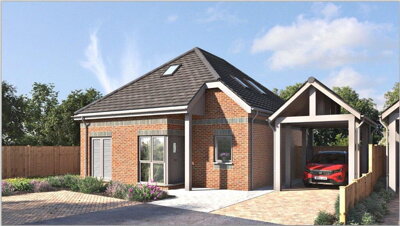
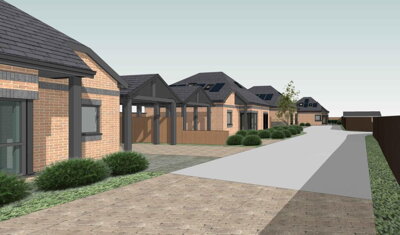
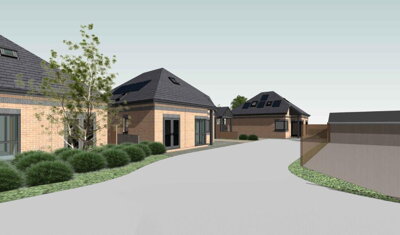
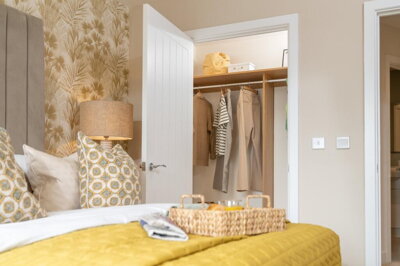
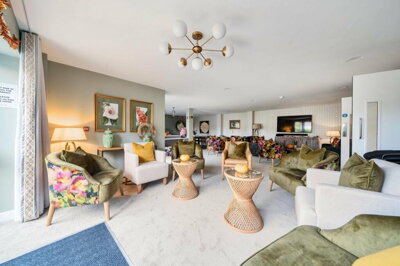
Browse 11 homes new builds in Romsey, Test Valley from local developer agents.
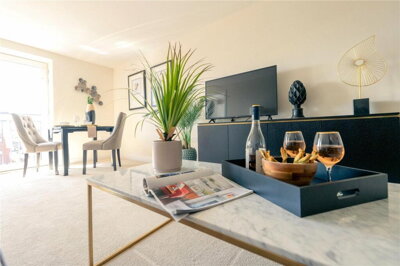
Studio apartments feature open-plan living spaces without separate bedrooms, incorporating sleeping, living, kitchen, and bathroom facilities. The Romsey studio market includes properties in modern apartment complexes, modern purpose-built developments and new residential complexes.
£223k
12
0
105
Source: home.co.uk
Showing 12 results for Studio Flats new builds in Romsey, Test Valley. The median asking price is £222,500.
Source: home.co.uk
Flat
12 listings
Avg £237,917
Source: home.co.uk
Source: home.co.uk
The Dalham property market has demonstrated impressive resilience and growth in recent months. House prices in the village have increased by 16.3% over the past twelve months, reflecting the growing demand for characterful rural homes in accessible Suffolk locations. The median sale price achieved in 2025 stands at £600,000 based on five recorded transactions, primarily comprising detached properties. This figure aligns with the broader market sentiment captured by Rightmove, which records an overall average price of £737,500, while Zoopla reports an average sold price of £783,750 for the village. Historical data indicates that prices have recovered strongly from a 2018 peak of £885,000, with recent sales sitting just 17% below that previous high.
Property types available in Dalham predominantly consist of substantial detached homes and traditional cottages. Detached properties have achieved a median price of £600,000 across recent sales, reflecting the premium placed on privacy and garden space in this rural setting. Semi-detached homes have historically sold for around £446,250, though data in this category remains limited due to the village's predominantly detached character. Terraced properties in the village have commanded prices around £522,500 in recent transactions. Notably, the village has seen no new build activity, meaning all available properties are established homes with genuine character and heritage. The CB8 8TQ postcode specifically shows no new build or newly converted properties sold since 1995, confirming the village's exclusively mature housing stock.
The historic nature of Dalham's housing stock means that buyers will encounter properties constructed before 1900, many featuring traditional construction methods and materials. Limewashed walls, brick and flint features, and terracotta roof tiles are common characteristics of local architecture. Converted farm buildings add additional variety to the housing mix, often featuring the distinctive red terracotta tiles common to agricultural buildings of the period. The village's conservation area status means that any modifications to properties may be subject to enhanced planning controls designed to preserve the area's special character, which prospective buyers should factor into any renovation plans.

Life in Dalham offers an exceptional quality of life for those who value rural tranquility, architectural heritage, and community spirit. With a population of just 212 residents according to the 2021 Census, the village maintains an intimate, close-knit atmosphere where neighbours often know one another by name. The settlement comprises approximately 97 households, creating a genuine sense of community that larger villages and small towns often lack. Despite its small size, Dalham punches well above its weight in terms of character and charm, offering residents a lifestyle that feels a world away from urban pressures while remaining accessible to major employment centres.
The village sits in a scenic valley along the banks of the River Kennett, providing beautiful walking routes and opportunities for countryside pursuits. The surrounding landscape consists of classic Suffolk farmland, with rolling fields, hedgerows, and the distinctive skylark-filled meadows that define this part of East Anglia. The village's position within the Lark Valley places it within easy reach of several footpaths and bridleways, making it ideal for dog walkers, runners, and cyclists who appreciate direct access to open countryside. National Cycle Route 13 passes through the region, offering longer-distance cycling opportunities for enthusiasts seeking to explore Suffolk's rural lanes.
Dalham's historic character is immediately apparent upon arrival, with the village centre featuring an impressive collection of listed buildings. Many properties feature traditional Suffolk design elements, including thatched roofs, some dating to the 15th century. The limewashed cottage aesthetic combined with brick and flint construction creates a distinctive visual identity that has been carefully preserved through the village's conservation area designation. This architectural heritage transforms everyday life in Dalham into a connection with centuries of Suffolk history, with properties often featuring original beams, inglenook fireplaces, and other period features that lend each home its own unique character.
Families considering a move to Dalham will find a range of educational options available within reasonable driving distance. As a small rural village, Dalham itself does not host its own primary or secondary school, but excellent educational facilities are accessible in the surrounding towns. Primary education is available in nearby villages and towns including Newmarket, which offers several well-regarded primary schools serving the wider catchment area. Parents should note that school catchment areas can influence property values significantly, and early enquiry about placement availability is advisable when planning a family move to this popular rural location.
For secondary education, pupils from Dalham typically travel to schools in Newmarket or Bury St Edmunds, both of which offer a selection of secondary schools and sixth form colleges. Newmarket Academy serves the local area with a comprehensive curriculum, while Bury St Edmunds provides additional options including the highly regarded King Edward VI School, which consistently achieves strong academic results and attracts students from across West Suffolk. Families seeking private education will find several independent schools in the region, including notable preparatory and senior schools that serve boarders and day pupils from across Suffolk and Cambridgeshire. The Perse School in Cambridge is particularly popular with families seeking classical academic education within commuting distance.
Higher education facilities are readily accessible, with the University of Cambridge located approximately 30 miles to the west and the University of East Anglia in Norwich within reasonable driving distance. Several further education colleges in Cambridge, Bury St Edmunds, and Ipswich provide vocational and academic courses for older students and adult learners. The combination of accessible schooling options and proximity to top-tier universities makes Dalham an attractive proposition for families at all stages of their educational journey, from those with young children anticipating future schooling needs to those with teenagers considering university options.
Despite its rural setting, Dalham benefits from surprisingly good connectivity to the wider region. The village is situated approximately 8 miles from Newmarket, which provides direct rail services to Cambridge and London Liverpool Street. The journey from Newmarket to Cambridge takes around 25 minutes, making it feasible for residents to commute to the university city while enjoying countryside living. Regular bus services connect Newmarket with surrounding villages and towns, providing public transport options for those who prefer not to drive. The station at Newmarket is on the Fen Line, offering regular services throughout the day.
Road connectivity from Dalham is excellent, with the A14 trunk road running nearby and providing direct access to Cambridge to the west and the port of Felixstowe to the east. The A11 provides a direct route to Norwich in the north, while the M11 motorway is accessible via Cambridge, connecting to London and the national motorway network. This strategic location means that residents can reach Cambridge in approximately 40 minutes, Bury St Edmunds in 25 minutes, and London in around two hours by car. The village's position between these major routes means that commuters have genuine flexibility in their travel options.
For air travel, London Stansted Airport is located approximately 45 minutes from Dalham, offering domestic and international flights across Europe and beyond. Cambridge Airport provides additional options for private aviation and some commercial flights. Cyclists will appreciate the quiet country lanes surrounding the village, though the undulating Suffolk countryside provides some challenging terrain. National Cycle Route 13 passes through the region, offering longer-distance cycling opportunities for enthusiasts. Most residents rely on private vehicles for daily travel given the limited bus frequency, and the village's position makes car ownership practically essential for full enjoyment of the rural lifestyle.
Begin by exploring current property listings in Dalham and understanding local price trends. With the village featuring predominantly older properties including historic cottages, researching the condition and history of available homes will help you identify which properties match your requirements and budget. Given the limited supply of properties in the village, registering with local estate agents and setting up property alerts can give you early warning of new listings before they appear on major portals.
Before scheduling viewings, obtain a mortgage agreement in principle from a lender. This demonstrates your financial readiness to estate agents and sellers, strengthening your position when making offers on properties in this competitive market where traditional cottages and character homes attract significant interest. Given Dalham's average property prices around £737,500, most buyers will require substantial mortgage facilities, and having your financing arranged in advance signals serious intent to sellers.
Arrange viewings of properties that meet your criteria. Pay particular attention to the construction type and age of properties, noting features such as thatched roofs, traditional limewashed walls, and brick and flint construction. Consider viewing properties at different times of day to assess lighting and the local atmosphere. When viewing period properties, ask about recent maintenance history, previous renovation works, and any planning permissions that have been granted.
Once your offer is accepted, instruct a qualified surveyor to conduct a Level 2 HomeBuyer Report. Given Dalham's prevalence of older properties, this survey will identify any defects common to historic buildings, including potential issues with damp, structural movement, timber defects, and the condition of traditional roofing materials. For the oldest properties or those with extensive renovation history, a more detailed RICS Level 3 Building Survey may prove more appropriate to fully assess the property condition.
Choose a conveyancing solicitor with experience in rural property transactions to handle the legal aspects of your purchase. They will conduct searches, handle exchange of contracts, and manage completion. Specialist knowledge of conservation area requirements and listed building implications is valuable in Dalham, where many properties fall under additional planning controls. Environmental and drainage searches are particularly important given the village's riverside location along the River Kennett.
Once all searches are satisfactory and your mortgage offer is confirmed, your solicitor will exchange contracts and agree a completion date. On completion day, the property legally transfers to you and you can collect your keys to begin your new life in Dalham. Budget additional time for the conveyancing process, as rural properties with complex titles or historic features may require additional enquiries before all parties are satisfied.
Purchasing a property in Dalham requires careful consideration of several factors specific to this historic village. The conservation area designation means that many properties are subject to enhanced planning controls, and any significant alterations, extensions, or outbuilding conversions may require consent from West Suffolk Council. Buyers should satisfy themselves that any proposed changes are likely to be approved before committing to a purchase, particularly if they have renovation or expansion plans. The village's special character means that even routine maintenance may attract scrutiny if it affects the external appearance of listed properties.
The age and construction of properties in Dalham demands thorough investigation during the survey process. Traditional thatched cottages, some dating to the 15th century, require specialist maintenance and insurance arrangements. Thatched roofs may need re-rendering every few decades and typically require specialist tradespeople for repairs. The limewashed and brick and flint construction of many walls means that standard building techniques may not apply, and materials sourcing for any restoration work should be factored into your budget. Common defects in this type of construction include rising damp due to failed damp-proof courses, timber decay in structural elements, and deterioration of lime mortar pointing.
Flood risk requires particular attention given Dalham's location in a valley along the River Kennett. While comprehensive flood risk data specific to the village is limited, the riverside setting means that river flooding and surface water flooding should be considered. Properties in valley locations may also be subject to higher insurance premiums, and buyers should obtain quotes before completing their purchase. A thorough survey will assess whether the property has any history of flooding and evaluate the effectiveness of existing drainage systems. The underlying geology of Suffolk, which includes clay soils in some areas, can contribute to shrink-swell movement that affects properties with shallow foundations, particularly during periods of drought or heavy rainfall.
Electrical and plumbing systems in older Dalham properties warrant careful inspection. Many pre-1900 properties will have had partial rewiring and plumbing upgrades, but original systems may remain in less visible areas. Buyers should check for evidence of recent electrical consumer unit replacements, modern circuit breakers, and adequate earthing arrangements. Plumbing in traditional buildings may still incorporate lead or early copper pipework that requires eventual replacement. Budget estimates for any necessary upgrades should be sought before finalising your purchase decision, as historic properties frequently require more maintenance expenditure than modern equivalents.
The average house price in Dalham stands at approximately £737,500 according to Rightmove data from recent sales, with Zoopla recording an average sold price of £783,750. Detached properties have achieved a median price of £600,000 in recent transactions, with prices increasing by 16.3% over the past twelve months. The village has seen limited sales activity with approximately five transactions recorded in 2025, primarily comprising detached family homes and traditional cottages. Historical data shows prices peaked at £885,000 in 2018 before adjusting, with current values sitting around 17% below that previous peak. Semi-detached homes have sold for around £446,250 historically, while terraced properties have commanded prices near £522,500.
Properties in Dalham fall under West Suffolk Council's jurisdiction for council tax purposes. Specific council tax bands vary by property depending on the valuation band assigned by the Valuation Office Agency. Given the village's character as a rural settlement with many historic and traditionally constructed properties, bands typically range from Band C for modest cottages through to Band H for substantial detached homes. The CB8 postcode area covers both Dalham and surrounding villages, meaning council tax rates may vary slightly depending on the specific property location within West Suffolk. Prospective buyers should check the specific band for any property they are considering, as council tax payments form part of ongoing ownership costs and can be verified through the Valuation Office Agency website.
Primary school options near Dalham include facilities in Newmarket and surrounding villages, with catchment areas determining eligibility for specific schools. The nearest primary schools are located within a short drive of the village, serving families who appreciate the rural lifestyle while needing school places. Secondary education is available at Newmarket Academy and in Bury St Edmunds, where King Edward VI School maintains a strong academic reputation and attracts students from across the region. The village's proximity to Cambridge means that families can access highly regarded independent schools including The Perse School, St Mary's School Cambridge, and The Leys School. Early registration is advisable given competition for places in popular schools, and parents should confirm catchment boundaries with individual schools before committing to a property purchase.
Dalham benefits from reasonable public transport connections despite its rural setting. The nearest railway station is Newmarket, approximately 8 miles away, offering direct services to Cambridge and London Liverpool Street. The journey to Cambridge takes around 25 minutes, while London can be reached in approximately 90 minutes. Bus services operate between Newmarket and surrounding villages, though frequency is limited compared to urban routes, with services typically running hourly during daytime hours on weekdays. National Cycle Route 13 passes through the nearby area, providing longer-distance cycling opportunities. Most residents rely on private vehicles for daily travel, with the A14 providing excellent road access to Cambridge and the wider motorway network. Stansted Airport is reachable in approximately 45 minutes for those requiring air travel.
Dalham offers several characteristics that appeal to property investors seeking long-term growth. The village's conservation area status and limited supply of available properties help maintain values in the face of broader market fluctuations. The village has seen no new build development, meaning supply remains restricted to existing period properties. The 16.3% price increase recorded over the past year demonstrates strong demand for rural Suffolk property, with prices recovering towards previous peaks. Properties in the village typically command premiums due to their historic character and the rarity of available stock. The proximity to Cambridge and strong transport links support rental demand from professionals seeking countryside living within commuting distance of major employment centres. However, investors should note that the village's small population of 212 residents limits the pool of potential long-term tenants seeking rental property locally.
Stamp Duty Land Tax rates from April 2024 onwards apply zero percent on the first £250,000 of residential property purchases. The rate increases to five percent on the portion between £250,001 and £925,000, then ten percent up to £1.5 million, with twelve percent applying above that threshold. First-time buyers benefit from relief on the first £425,000, with five percent applying between £425,001 and £625,000. Given Dalham's average property prices around £737,500, a standard buyer would pay nothing on the first £250,000, then five percent on the remaining £487,500, resulting in total SDLT of approximately £24,375. First-time buyers purchasing at this price point would pay around £15,625 after applying their relief on the first £425,000. Additional costs including Land Registry fees, solicitor fees, and survey costs should be budgeted separately.
Properties in Dalham are predominantly pre-1900 constructions featuring traditional materials and methods that differ significantly from modern building standards. Common issues include rising damp due to absent or failed damp-proof courses, timber defects such as woodworm and wet rot affecting structural elements, and deterioration of lime mortar pointing in brick and flint walls. Thatched roofs require specialist maintenance and insurance coverage, with typical lifespans between 15 and 40 years depending on the thatching material used. The underlying Suffolk geology, which includes clay soils in some areas, can contribute to foundation movement during periods of extreme weather conditions. A thorough survey by a qualified RICS surveyor experienced with historic properties is essential before completing any purchase in Dalham, as specialist knowledge is often required to assess traditional construction accurately.
From 4.5%
Expert mortgage advice for Dalham property purchases
From £499
Specialist solicitors for rural property transactions
From £350
Essential survey for period properties
From £60
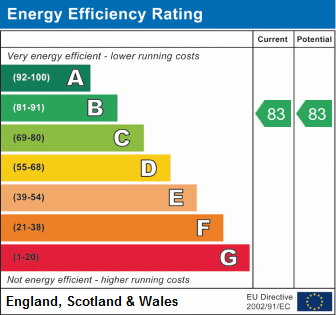
Energy performance certificate for Dalham homes
Understanding the full cost of purchasing property in Dalham requires careful budgeting beyond the purchase price itself. Stamp Duty Land Tax represents the most significant additional cost for most buyers. For properties priced at the village average of £737,500, a standard buyer would pay nothing on the first £250,000, then five percent on the amount between £250,001 and £737,500, resulting in total SDLT of approximately £24,375. First-time buyers purchasing at this price point would pay around £15,625 after applying first-time buyer relief on the first £425,000. These calculations assume the purchase does not exceed the £625,000 first-time buyer threshold for the reduced rate.
Survey costs should be budgeted at the earliest opportunity given the age of properties in Dalham. A RICS Level 2 HomeBuyer Report typically costs between £400 and £900 depending on property size and value, with more complex historic buildings potentially requiring additional specialist assessment. Thatched cottage surveys may need to include specific inspection of the roof structure by a specialist thatcher, adding to survey budgets. A RICS Level 3 Building Survey might be advisable for the oldest properties or those requiring significant renovation, with costs typically ranging from £600 to £1,500 depending on property size. The additional investment is justified given the complex defects that can affect period properties of this age.
Legal fees for conveyancing typically start from around £499 for standard transactions, though complexity factors such as listed building status, conservation area requirements, and any unusual title arrangements may increase costs significantly. Search fees charged by the local authority, typically £250 to £350, cover environmental searches, drainage searches, and local authority checks. Given Dalham's riverside location along the River Kennett, additional drainage and flood risk searches are particularly important and may cost more than standard searches in non-flood-risk areas. Mortgage arrangement fees vary significantly between lenders, ranging from zero to around £2,000, and should be factored into your overall comparison when selecting a mortgage product. Removal costs, insurance, and potential renovation expenses should also be included in your complete budget for moving to Dalham, with older properties sometimes requiring immediate maintenance works that should be anticipated during the purchasing process.
Properties New Builds In London

Properties New Builds In Plymouth

Properties New Builds In Liverpool

Properties New Builds In Glasgow

Properties New Builds In Sheffield

Properties New Builds In Edinburgh

Properties New Builds In Coventry

Properties New Builds In Bradford

Properties New Builds In Manchester

Properties New Builds In Birmingham

Properties New Builds In Bristol

Properties New Builds In Oxford

Properties New Builds In Leicester

Properties New Builds In Newcastle

Properties New Builds In Leeds

Properties New Builds In Southampton

Properties New Builds In Cardiff

Properties New Builds In Nottingham

Properties New Builds In Norwich

Properties New Builds In Brighton

Properties New Builds In Derby

Properties New Builds In Portsmouth

Properties New Builds In Northampton

Properties New Builds In Milton Keynes

Properties New Builds In Bournemouth

Properties New Builds In Bolton

Properties New Builds In Swansea

Properties New Builds In Swindon

Properties New Builds In Peterborough

Properties New Builds In Wolverhampton

Enter your details to see if this property is within your budget.
Loans, cards, car finance
Estimated property budget
Borrowing + deposit
You could borrow between
Typical borrowing
Monthly repayment
Est. at 4.5%
Loan-to-value
This is an estimate only. Your actual budget may vary depending on interest rates, credit history, and personal circumstances. For an accurate affordability assessment, speak to one of our free mortgage advisors.
This calculator provides estimates for illustrative purposes only and does not constitute financial advice. Your home may be repossessed if you do not keep up repayments on your mortgage. Estimates based on 4.5% interest rate, repayment mortgage. Actual rates depend on your circumstances.
Homemove is a trading name of HM Haus Group Ltd (Company No. 13873779, registered in England & Wales). Homemove Mortgages Ltd (Company No. 15947693) is an Appointed Representative of TMG Direct Limited, trading as TMG Mortgage Network, which is authorised and regulated by the Financial Conduct Authority (FRN 786245). Homemove Mortgages Ltd is entered on the FCA Register as an Appointed Representative (FRN 1022429). You can check registrations at NewRegister or by calling 0800 111 6768.

We use cookies to show you personalised content and improve your experience of our website. Find out more in our Privacy policy and Cookie policy.