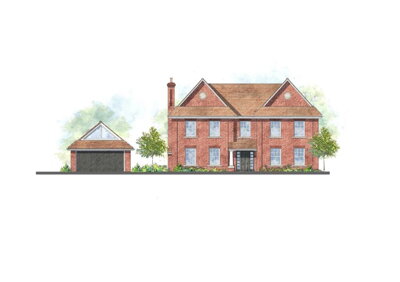
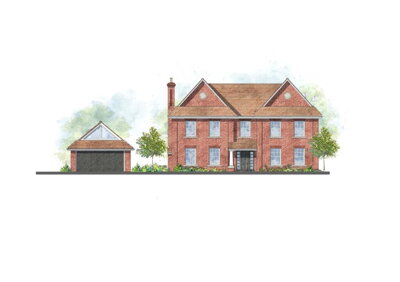
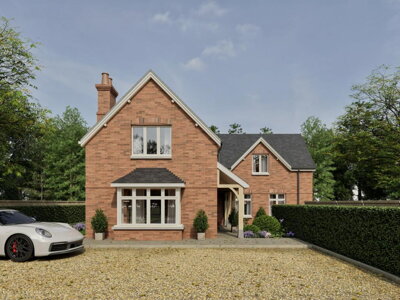
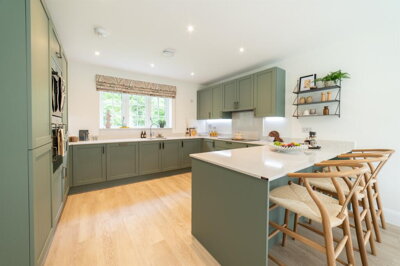
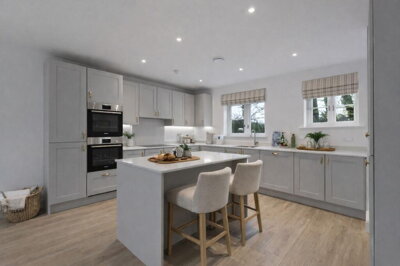
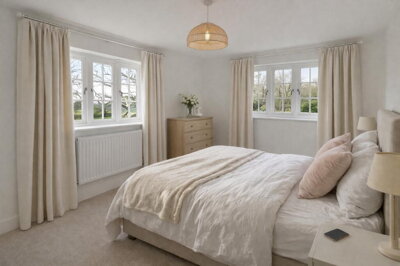
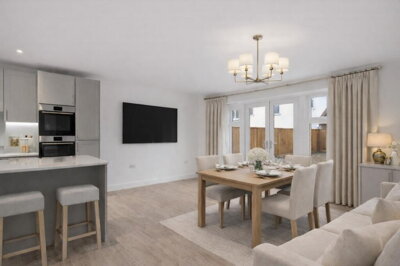
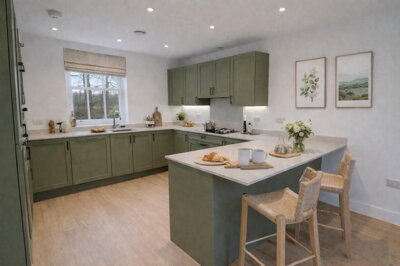
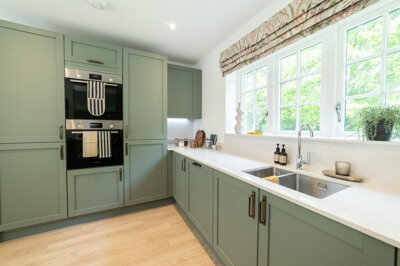
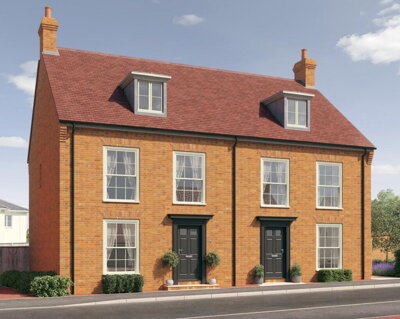
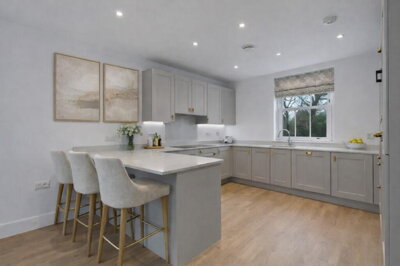
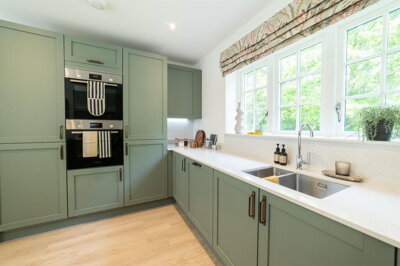
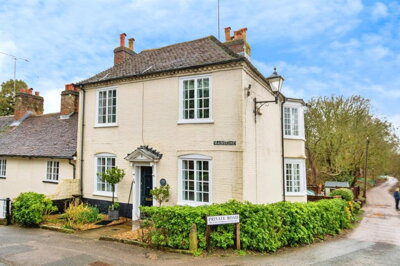
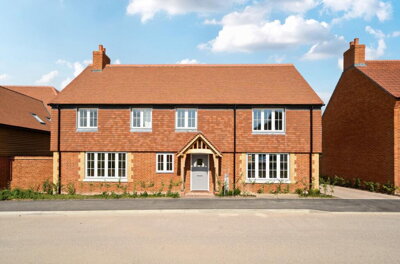
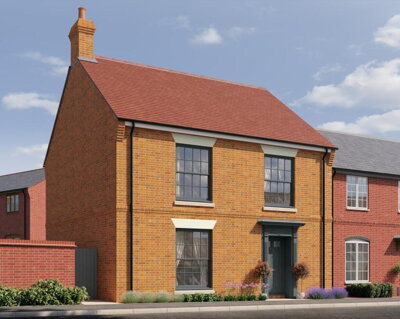
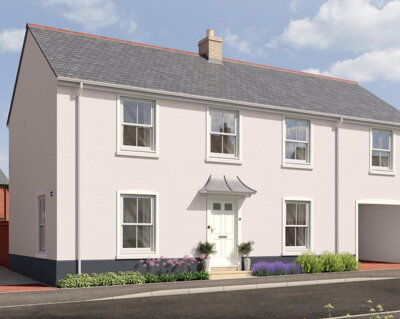
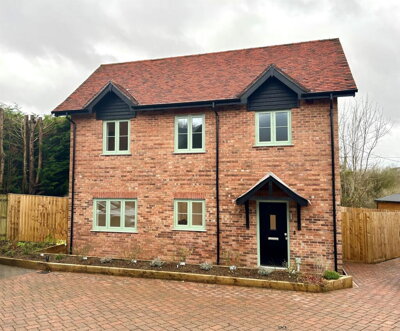
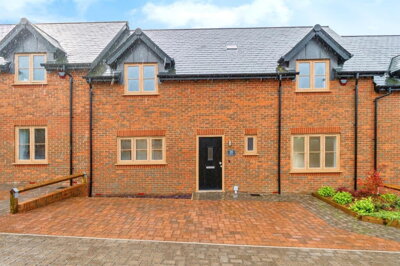
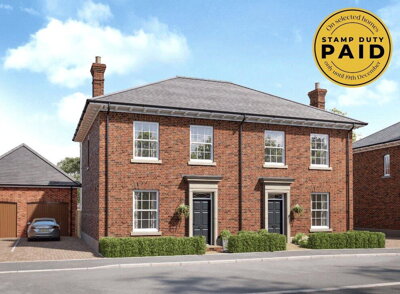
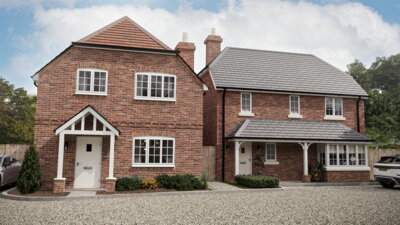
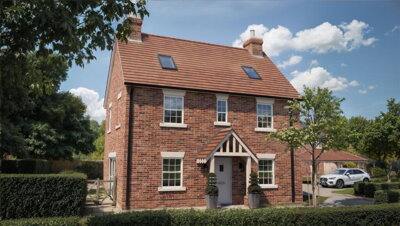
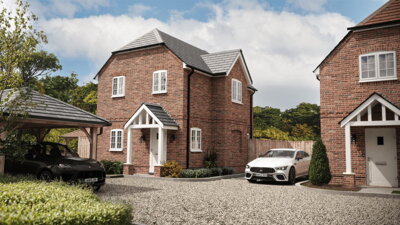
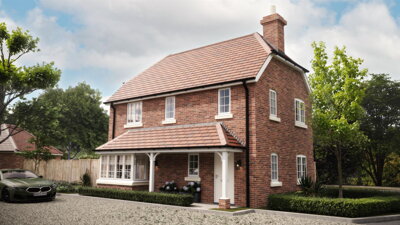
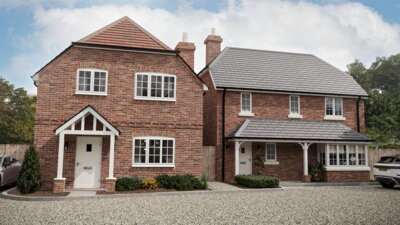
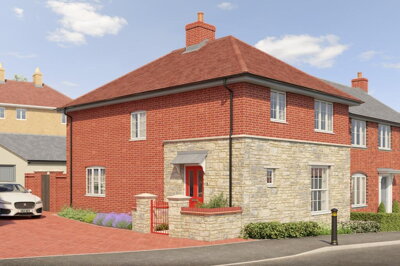
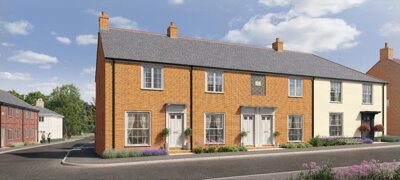
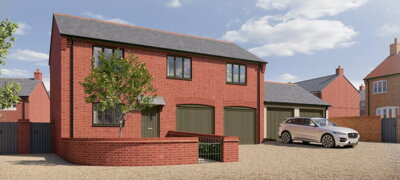
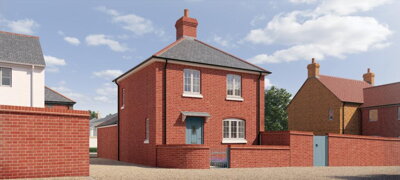
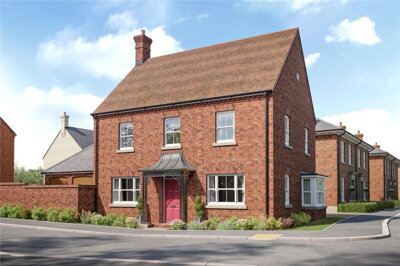
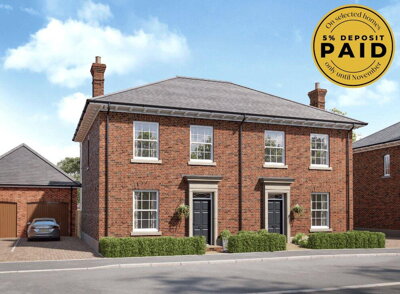
Browse 56 homes new builds in Romsey, Test Valley from local developer agents.
The Romsey property market offers detached, semi-detached, and terraced houses spanning various price ranges and neighbourhoods. Each listing includes detailed property information, photographs, and direct contact with the marketing agent.
£500k
92
6
109
Source: home.co.uk
Showing 92 results for Houses new builds in Romsey, Test Valley. 6 new listings added this week. The median asking price is £500,000.
Source: home.co.uk
Detached
44 listings
Avg £759,293
Semi-Detached
24 listings
Avg £455,417
Terraced
24 listings
Avg £394,792
Source: home.co.uk
Source: home.co.uk
The Dalham property market presents a compelling opportunity for buyers seeking quality period properties in a prestigious rural location. Average sold house prices currently stand at approximately £783,750 according to recent market data, with detached homes commanding a median price of £600,000 across recent transactions. The village has experienced a 39% increase in sold prices compared to the previous year, though values remain approximately 17% below the 2018 peak of £885,000, suggesting potential for future growth as the market continues its recovery trajectory.
Property types available in Dalham are predominantly traditional detached houses and charming cottages, many of which feature the distinctive thatched roofing that defines the village's architectural character. Semi-detached properties have sold at a median of around £446,250, while terraced homes achieved £522,500 in recent transactions. Notably, there is no new build activity within Dalham itself, with all residential properties in the CB8 8TQ postcode area having been constructed prior to 1995. This scarcity of new development means buyers are acquiring genuine period properties with authentic character rather than modern replicas.
For buyers considering investment or long-term residence, Dalham's status as a designated Conservation Area with enhanced planning controls helps preserve property values by maintaining the village's special architectural and historic character. The high proportion of listed buildings, some dating back to the 15th century, ensures that Dalham will retain its distinctive appearance and desirability for generations to come.

Life in Dalham centres around the tranquil rhythm of a traditional English village, where community bonds remain strong despite the pressures of modern life. The village sits in a beautiful valley along the banks of the River Kennett, surrounded by rolling Suffolk countryside that offers endless opportunities for walking, cycling, and enjoying the natural environment. The River Kennett itself, a tributary of the River Lark, adds to the pastoral charm of the area while providing habitat for local wildlife and contributing to the biodiversity of the surrounding farmland.
The population of 212 residents across approximately 97 households creates an intimate community where neighbours know one another and local events foster genuine connection. The presence of Dalham Hall and its prestigious horse breeding stud brings an international dimension to village life, attracting visitors from across the globe during the breeding and sales seasons. This economic anchor helps sustain local employment and supports the broader rural economy of the West Suffolk region, while simultaneously reinforcing Dalham's reputation as an exclusive address.
Architectural heritage defines the visual character of Dalham, with properties predominantly constructed before 1900 using traditional methods and materials. The village features many thatch cottages, some dating as early as the 15th century, alongside buildings with distinctive limewashed walls, brick and flint construction, and terracotta tile roofing on converted farm buildings. These traditional building techniques reflect centuries of craftsmanship and give Dalham its unmistakable appearance, while also presenting unique considerations for property maintenance that buyers should understand before committing to a purchase.

Families considering a move to Dalham will find a selection of educational options within reasonable driving distance, appropriate for the village's rural character. Primary education is available at nearby village schools serving the surrounding countryside, with several well-regarded primaries located in neighbouring communities. These smaller schools often provide excellent individual attention and strong community connections, reflecting the values that make rural Suffolk attractive to families seeking a break from urban educational environments.
Several strong primary options exist in nearby villages, including Clare Primary School to the north of Dalham and Kedington Primary Academy to the northwest, both rated Good by Ofsted according to recent inspection data. These schools serve the surrounding countryside communities with class sizes that allow teachers to provide individual attention to each pupil. Parents should verify current Ofsted ratings and consider admission catchment areas when choosing a property location, as village school intakes can be competitive.
Secondary education options include schools in the surrounding market towns, with several offering strong academic records and comprehensive curricula. Parents should research specific school performance data through Ofsted reports and league tables to identify the best fit for their children's needs. The proximity of Bury St Edmunds and Newmarket to Dalham means that families have access to a broader range of secondary schools than might be expected for such a small village, with both towns offering grammar school options and comprehensive schools with sixth form provision.
For families prioritising independent education, several notable private schools operate within a reasonable commute of Dalham. These institutions offer alternative educational pathways and often feature excellent facilities alongside strong academic and extracurricular programmes. Given Dalham's position between Bury St Edmunds and Newmarket, parents should consider the travel implications of school choices and factor commute times into their property search criteria, particularly for secondary-age children who may be commuting independently.
Dalham's strategic position between Bury St Edmunds and Newmarket provides residents with access to excellent transport connections despite the village's rural character. The A14 trunk road runs nearby, connecting the area to Cambridge to the northwest and Felixstowe to the southeast, providing straightforward access for commuters and those travelling for business. The village sits within postcode district CB8, placing it within reasonable reach of major road networks that serve the eastern region of England.
Rail connections are available from nearby stations in Newmarket and Bury St Edmunds, with services connecting to Cambridge, Ipswich, and London. The journey to Cambridge from nearby stations takes approximately 30-40 minutes by train, making Dalham a viable option for professionals working in the technology hub but seeking a rural lifestyle. London can be reached in approximately 90 minutes from the nearest mainline stations, providing convenient access to the capital for work or leisure activities.
For those preferring to travel by bicycle, the Suffolk countryside offers scenic routes through rolling farmland and picturesque villages, though the hilly terrain can present challenges for less experienced cyclists. Bus services connect Dalham to nearby towns, though frequencies are limited as expected for a small rural village. Drivers will find that a car is essential for daily life in Dalham, with ample parking available at properties and on-street parking typically sufficient for visitors. The local road network is generally well-maintained, though some country lanes may be narrower than urban drivers are accustomed to navigating.
Begin your property search by exploring current listings in Dalham and understanding local price trends. With median prices around £600,000 and annual increases of 16.3%, researching recent sales data will help you set realistic expectations and identify properties that represent good value within this prestigious village market.
Before arranging viewings, obtain a mortgage agreement in principle from a lender to confirm your borrowing capacity. Given the higher property values in Dalham, working with a mortgage broker who understands the rural property market can help you secure competitive rates and navigate the application process efficiently.
Visit properties that match your criteria, paying particular attention to the condition of traditional building features such as thatched roofs, limewashed walls, and period fixtures. Take notes on each property and ask about the age of specific features, recent renovations, and any planning permissions obtained for alterations.
Once your offer is accepted, instruct a RICS Level 2 Survey to assess the property's condition comprehensively. Given Dalham's prevalence of older properties including 15th-century constructions, a thorough survey is essential to identify any defects common to period buildings, including damp, timber issues, or structural movement.
Appoint a solicitor with experience in rural property transactions to handle the legal aspects of your purchase. They will conduct searches, review contracts, and coordinate with your mortgage lender to ensure a smooth transaction through to completion.
Once all searches are satisfactory and your mortgage offer is confirmed, your solicitor will arrange for you to sign contracts and pay the deposit. Upon completion, you will receive the keys to your new Dalham home, marking the beginning of your life in this distinctive Suffolk village.
Purchasing a property in Dalham requires careful consideration of factors specific to period village properties in this part of Suffolk. The prevalence of traditional construction methods and older building materials means that properties may require different maintenance approaches than modern homes. Thatched roofs, while providing excellent insulation and authentic character, require specialist knowledge for maintenance and insurance purposes, so buyers should factor these costs into their budget and seek properties with documented recent maintenance where possible.
Dalham's location in a valley along the River Kennett suggests potential flood risk that buyers should investigate thoroughly before committing to a purchase. While specific flood risk data for Dalham requires detailed geological assessment, properties in valley locations warrant careful evaluation of drainage, flood history, and any existing flood mitigation measures. Your survey should include assessment of damp penetration and any signs of previous water damage that might indicate susceptibility to flooding.
As a Conservation Area with extensive listed buildings, Dalham properties are subject to enhanced planning controls that restrict alterations and require approval for external changes. Buyers planning renovations or extensions should consult with West Suffolk Council planning department before proceeding to understand what works are permissible. These restrictions, while potentially limiting for some buyers, also protect your investment by preventing unsympathetic development that could diminish the village's character and, by extension, your property's value.
When our inspectors visit properties in Dalham, they frequently encounter defects that are common to the village's period building stock. Damp issues are particularly prevalent, with rising damp, penetrating damp, and condensation affecting many traditional constructions that lack modern damp-proof courses. The valley location along the River Kennett can exacerbate damp problems, especially in properties with solid walls and limited ventilation. We check wall surfaces, skirting boards, and any signs of moisture staining or salt deposits that indicate ongoing damp issues requiring attention.
Thatched roofs, while visually stunning and characteristic of Dalham's Conservation Area, present specific maintenance challenges that our inspectors document carefully. A properly maintained thatch roof can last between 15 and 30 years, but issues with rot, insect damage, or inadequate fireproofing can develop quickly without regular professional attention. We examine the condition of visible thatch, looking for signs of deterioration, sagging, or vegetation growth that might indicate deeper problems requiring specialist assessment before purchase.
The underlying clay geology of the West Suffolk area creates potential for subsidence and ground movement that affects properties across Dalham. Clay soils are prone to shrink-swell behaviour as moisture levels change seasonally, which can cause movement in properties built on traditional strip foundations. Our inspectors assess whether any cracks or signs of movement appear to be active or historic, and we note any features that might indicate vulnerability to ground movement, including nearby trees, drainage systems, and the condition of foundation walls.
Electrical and plumbing systems in Dalham's older properties frequently require attention to bring them up to current safety standards. Properties built before 1900 typically have wiring and pipework that predates modern regulations, and we document any visible electrical consumer units, socket placements, and pipe materials that appear outdated. Similarly, timber defects including woodworm, dry rot, and wet rot can affect traditional oak frames and softwood elements throughout period properties, with particular risk in areas where moisture has penetrated the building fabric. Our inspectors will tap timber elements to check for hollow sounds, examine for visible boreholes, and assess any fungal growth that might indicate rot problems that could compromise structural integrity.
The average sold house price in Dalham currently stands at approximately £783,750 according to recent market data from major property portals. The median sale price for 2025 was £600,000 based on five sales transactions, primarily for detached properties. House prices have increased by 16.3% over the past twelve months, and overall sold prices are 39% higher than the previous year, though still approximately 17% below the 2018 peak of £885,000. Given the village's prestigious location, period property stock, and limited supply, prices tend to remain stable and have shown consistent long-term growth.
Properties in Dalham fall under West Suffolk Council's jurisdiction for council tax purposes. Specific bands depend on the property's assessed value, with period cottages and traditional houses typically falling into bands C through F. The village's Conservation Area status and high proportion of listed buildings mean that many properties have been assessed at values reflecting their character and historical significance. Prospective buyers should obtain the specific council tax band from the property listing or through West Suffolk Council's online records before budgeting for ongoing costs.
Dalham itself is a small village without its own primary or secondary school, but several well-regarded educational options operate within a short drive. Primary schools in neighbouring villages provide small class sizes and individual attention, with Clare Primary School and Kedington Primary Academy both rated Good by Ofsted serving the surrounding countryside communities. Secondary education is available at schools in Bury St Edmunds and Newmarket, with both towns offering grammar schools and comprehensive schools with sixth form facilities. Several independent schools are also accessible within a reasonable commute, providing families with diverse educational pathways to suit their children's needs and aspirations.
Public transport options in Dalham reflect its status as a small rural village, with bus services operating at frequencies appropriate for occasional rather than daily use. The nearest railway stations are located in Newmarket and Bury St Edmunds, providing connections to Cambridge, Ipswich, and London. For daily commuting, a car is essential, though the proximity of the A14 trunk road provides convenient road access to major employment centres in Cambridge and beyond. Many Dalham residents combine remote working with occasional office commutes, taking advantage of the village's peaceful environment while maintaining professional connections.
Dalham presents a compelling investment case for several reasons. The village's Conservation Area status and limited development potential ensure that property supply will remain restricted, supporting prices over time. The presence of prestigious local employers including Dalham Hall's equestrian stud creates a stable demand from professionals seeking rural prestige addresses. While the village is too small to offer high rental yields, capital appreciation has been demonstrated through recent price growth, and properties in this area tend to hold their value during broader market fluctuations. The absence of new build development means that period properties in Dalham represent genuinely rare opportunities.
Stamp Duty Land Tax applies to your Dalham purchase based on the property price and your buyer status. For residential purchases, the current thresholds (2024-25) are: 0% on the first £250,000, 5% on the portion from £250,001 to £925,000, 10% on £925,001 to £1.5 million, and 12% on any amount above £1.5 million. First-time buyers benefit from relief on the first £425,000 (0% rate), with 5% applying between £425,001 and £625,000. Given Dalham's median price of £600,000, a first-time buyer would pay approximately £8,750 in stamp duty, while a subsequent buyer would pay £17,500.
From 4.5%
Compare mortgage deals for your Dalham purchase
From £499
Expert solicitors for your Dalham property purchase
From £350
Comprehensive condition survey for your Dalham property
From £60
Energy performance certificate for your Dalham home
Dalham offers a rare opportunity to own a piece of authentic Suffolk countryside, with properties ranging from charming thatched cottages to substantial village houses. Whether you are a family seeking a peaceful rural lifestyle, a professional looking to escape the city, or an investor seeking a stable asset, Dalham has something to offer. Browse current listings to discover the full range of properties available in this distinctive village.
Properties New Builds In London

Properties New Builds In Plymouth

Properties New Builds In Liverpool

Properties New Builds In Glasgow

Properties New Builds In Sheffield

Properties New Builds In Edinburgh

Properties New Builds In Coventry

Properties New Builds In Bradford

Properties New Builds In Manchester

Properties New Builds In Birmingham

Properties New Builds In Bristol

Properties New Builds In Oxford

Properties New Builds In Leicester

Properties New Builds In Newcastle

Properties New Builds In Leeds

Properties New Builds In Southampton

Properties New Builds In Cardiff

Properties New Builds In Nottingham

Properties New Builds In Norwich

Properties New Builds In Brighton

Properties New Builds In Derby

Properties New Builds In Portsmouth

Properties New Builds In Northampton

Properties New Builds In Milton Keynes

Properties New Builds In Bournemouth

Properties New Builds In Bolton

Properties New Builds In Swansea

Properties New Builds In Swindon

Properties New Builds In Peterborough

Properties New Builds In Wolverhampton

Enter your details to see if this property is within your budget.
Loans, cards, car finance
Estimated property budget
Borrowing + deposit
You could borrow between
Typical borrowing
Monthly repayment
Est. at 4.5%
Loan-to-value
This is an estimate only. Your actual budget may vary depending on interest rates, credit history, and personal circumstances. For an accurate affordability assessment, speak to one of our free mortgage advisors.
This calculator provides estimates for illustrative purposes only and does not constitute financial advice. Your home may be repossessed if you do not keep up repayments on your mortgage. Estimates based on 4.5% interest rate, repayment mortgage. Actual rates depend on your circumstances.
Homemove is a trading name of HM Haus Group Ltd (Company No. 13873779, registered in England & Wales). Homemove Mortgages Ltd (Company No. 15947693) is an Appointed Representative of TMG Direct Limited, trading as TMG Mortgage Network, which is authorised and regulated by the Financial Conduct Authority (FRN 786245). Homemove Mortgages Ltd is entered on the FCA Register as an Appointed Representative (FRN 1022429). You can check registrations at NewRegister or by calling 0800 111 6768.

We use cookies to show you personalised content and improve your experience of our website. Find out more in our Privacy policy and Cookie policy.