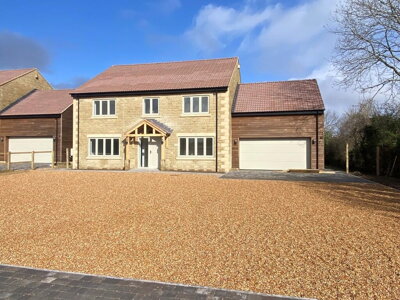
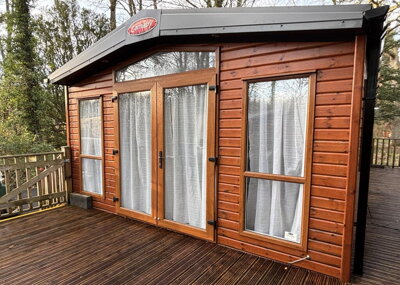
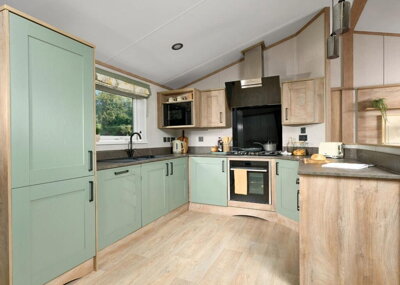
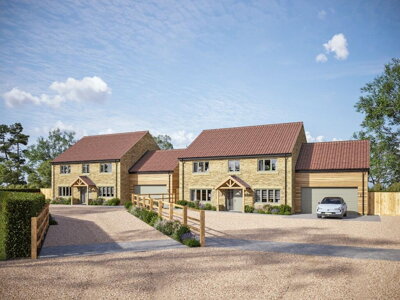
Browse 4 homes new builds in Rode, Somerset from local developer agents.
£450k
14
0
105
Source: home.co.uk
Source: home.co.uk
Detached
3 listings
Avg £413,333
End of Terrace
2 listings
Avg £370,000
Terraced
2 listings
Avg £302,500
Bungalow
1 listings
Avg £650,000
Character Property
1 listings
Avg £475,000
Cottage
1 listings
Avg £340,000
Detached Bungalow
1 listings
Avg £500,000
Flat
1 listings
Avg £170,000
Semi-Detached
1 listings
Avg £525,000
Village House
1 listings
Avg £625,000
Source: home.co.uk
Source: home.co.uk
The property market in North and Middle Littleton reflects the character of these historic Worcestershire villages, with a mix of period stone cottages, traditional semi-detached houses from the interwar period, and larger detached family homes. In North Littleton, detached properties command the highest prices, averaging around £553,000, while semi-detached homes sold for approximately £660,000 in recent transactions. Terraced properties in North Littleton achieved average prices of £367,500, offering more accessible entry points to the local market for first-time buyers and those seeking character properties at more modest price points.
Middle Littleton presents a different market profile, with average property prices of approximately £265,000 over the past year. Detached homes in Middle Littleton averaged £370,000, while terraced properties sold for around £330,000. Flats in the village, though less common, achieved prices averaging £96,000, providing affordable options for first-time buyers and those seeking to downsize. Recent price trends show that North Littleton values have recovered well from a 13% dip, now standing 16% above the 2023 peak of £440,500, indicating a resilient market with strong buyer demand for village properties.
The housing stock in the parish reflects its long history and varied development periods. Census data shows that detached properties account for 37.6% of homes, semi-detached properties make up 37.8%, terraced properties represent 15.5%, and flats comprise 8.1%. This semi-detached proportion is notably higher than many comparable rural areas, partly reflecting the interwar municipal housing built along School Lane in Middle Littleton (locally known as "Antwerp") and on Blakes Hill in North Littleton during the 1920s and 1930s. These interwar homes offer practical alternatives to period stone cottages, typically featuring brick construction, plain tile roofs, and more modern layouts that appeal to buyers seeking traditional construction with contemporary convenience.
The parish maintains a stable housing market with relatively low turnover compared to urban areas. Between July 2016 and June 2017, there were 16 house sales in the parish, averaging £360,559, demonstrating consistent activity in what is essentially a settled community where many residents have lived for decades. The area attracts buyers seeking the security of established village life, and the limited new build development ensures that existing properties maintain their value against the backdrop of constrained supply.

Life in North and Middle Littleton offers residents a quintessentially English rural experience, with the advantages of village community life and proximity to larger towns. The villages maintain a strong agricultural heritage, with market gardening and farming having shaped the landscape and economy for centuries. Today, very few residents work directly in agriculture, but the rural character remains prominent, with rolling farmland surrounding the villages and the nearby River Avon providing attractive walking routes and wildlife habitats. The area attracts a demographic profile described as "Wealthy Landowners" by Experian MOSAIC analysis, including owners of desirable country houses, successful farmers, and affluent business people who appreciate the privacy and prestige of village living.
The parish was formally recognised as having significant historic importance when a single conservation area encompassing both villages was adopted in 2013. This designation protects the architectural heritage of the area, which includes an exceptional concentration of listed buildings spanning several centuries of English domestic architecture. The Grade I listed Tithe Barn dates to the early 14th century, while the Grade II* listed Church of St Nicholas and Middle Littleton Manor House represent the 12th and 17th centuries respectively. Numerous Grade II listed buildings including Arden Cottage, Tudor Cottage, and Weavers Cottage line the village streets, creating an attractive built environment that new residents become custodians of when purchasing property in the area.
The population of approximately 914 residents across 407 households creates an intimate community where neighbours often know each other well. The demographic tends towards older age profiles than national averages, with many residents having lived in the villages for decades. A high proportion of households own their homes outright, consistent with the area's affluence and the prevalence of substantial detached properties. This stability means that while properties become available less frequently than in urban markets, when they do appear, they often attract considerable interest from buyers seeking the security of established village communities.
Local amenities in the villages include community facilities and access to nearby Evesham for larger shopping centres, supermarkets, GP surgeries, and leisure facilities including swimming pools and fitness centres. The historic market town of Evesham, situated along the River Avon, hosts regular markets and festivals that draw visitors from across the region, providing cultural enrichment for local residents. The proximity to the Cotswolds Area of Outstanding Natural Beauty means that stunning countryside walks, traditional pubs, and picturesque villages are easily accessible for weekend adventures and evening strolls. For those moving from urban areas, the villages do not offer the same breadth of immediate amenities, with most residents accepting a short drive to Evesham for everyday shopping and services as an acceptable trade-off for village life.

Families considering a move to North and Middle Littleton will find educational options available both within the immediate vicinity and in the surrounding Worcestershire market towns. The villages fall within the Wychavon local education authority, which oversees a network of primary and secondary schools serving the rural communities of south Worcestershire. Primary education is available at nearby village schools, with many children from the parish attending schools in surrounding villages that have established reputations for academic achievement and strong community involvement.
For secondary education, residents typically access schools in Evesham, including Prince Henry's High School, a popular choice for families in the area with a strong record of examination results and extracurricular activities. The nearby town of Stratford-upon-Avon offers additional secondary school options, including the highly regarded Stratford-upon-Avon School and King Edward VI School, both of which attract students from a wide catchment area. Parents should research specific catchment areas and admissions policies, as school places in popular rural schools can be competitive due to the desirability of the Wychavon district for families.
Further and higher education opportunities are readily accessible for older students, with Worcester College of Higher Education and the University of Worcester located in Worcester, approximately 15 miles from the villages. Birmingham, reachable by train or car, offers extensive university options including the University of Birmingham, Aston University, and Birmingham City University, providing pathways for older children to pursue higher education without straying too far from family connections in Worcestershire.
Transport connections from North and Middle Littleton offer residents the flexibility to commute to major employment centres while enjoying the benefits of rural village living. The M4 motorway is accessible within approximately 30 minutes by car, providing a direct route to Bristol, Reading, and London. The M5 motorway is also nearby, connecting residents to Birmingham, Worcester, Gloucester, and the South West peninsula. This dual motorway access makes the villages attractive to commuters who work in regional centres but prefer to live in a more peaceful rural setting.
Rail services are available from Evesham railway station, which operates services managed by Great Western Railway and West Midlands Trains. From Evesham, passengers can travel to Oxford, Reading, and London Paddington via the main line connections, while Birmingham Moor Street and Birmingham New Street are accessible via Worcester. Journey times to Birmingham typically range from 45 minutes to an hour by train, making day commuting feasible for those working in the city. London Paddington can be reached in approximately two hours, appealing to professionals who need occasional access to the capital for business or leisure.
Local bus services operated by First and other providers connect North and Middle Littleton to Evesham and surrounding villages, providing essential access for those without private vehicles. Evesham bus station offers connections to Worcester, Cheltenham, and Stratford-upon-Avon, expanding travel options for residents. For cycling enthusiasts, the flat terrain of the Vale of Evesham and the proximity to National Cycle Network routes make cycling a viable option for local journeys and recreational rides, with secure bike storage increasingly common at rail stations.
Start by exploring our property listings for North and Middle Littleton and familiarise yourself with the local market. Consider visiting the villages at different times of day and speaking to residents to understand the community atmosphere. The area has significant flood risk near Littleton Brook, so investigating flood risk reports for specific properties is advisable before committing to a purchase.
Before arranging viewings, obtain a mortgage agreement in principle from a lender. This demonstrates your financial readiness to sellers and estate agents, strengthening your position in competitive situations. With average prices ranging from £265,000 to £553,000, ensure your mortgage calculator accounts for the full range of property values in the two villages.
Contact local estate agents active in the North and Middle Littleton area to arrange viewings of properties that match your requirements. Many properties in the villages are period homes with unique features, so attending viewings with an open mind about renovation potential is advisable. Consider the conservation area restrictions that affect permitted development rights in both villages.
Once your offer is accepted, arrange a RICS Level 2 survey to assess the condition of the property. Given the age of many properties in the villages, including interwar semi-detached houses and centuries-old listed buildings, a professional survey is essential to identify any structural issues, damp, or roof problems before completion. Budget approximately £400-600 for this survey depending on property value and size.
Choose a conveyancing solicitor to handle the legal aspects of your purchase. They will conduct searches with Wychavon District Council, check drainage and water supplies, and manage the transfer of ownership. With properties dating from the medieval period to recent construction, local searches can reveal important information about planning history and conservation area requirements.
Once all searches are satisfactory and your mortgage is approved, you will exchange contracts and pay your deposit. Completion typically follows within weeks, after which you will receive the keys to your new home in North and Middle Littleton. Remember that stamp duty rates apply based on property price, with first-time buyer relief potentially available for eligible purchasers.
Purchasing a property in North and Middle Littleton requires careful consideration of several local factors that may not apply in urban areas. Flood risk is a significant concern, as the centre of North Littleton lies within the floodplain of Littleton Brook, and the parish extends to the banks of the River Avon. Always request a flood risk report for any property you are considering, and check whether the property has been affected by flooding in the past. Properties in affected areas may face higher insurance premiums and could require additional flood resilience measures. Known flooding risks in the catchment area affect sewerage and water supplies draining to Littleton School Lane SPS and South Littleton Farm Lane TPS, which have capacity and pollution issues.
The conservation area designation covering both villages imposes restrictions on alterations and extensions that buyers should understand before purchasing. Works including changes to roofs, external cladding, satellite dish installation, and demolition require consent from Wychavon District Council. If you are purchasing a period property that you intend to modernise or extend, factor in the time and potential costs of obtaining planning permission. Properties listed at Grade I, II*, or II have additional protections that require Listed Building Consent for most alterations, making renovations more complex and potentially more expensive.
Building materials and construction methods vary significantly across the villages, from medieval limestone structures with stone tile roofs to interwar brick-built municipal housing. Traditional stone construction may require more maintenance than modern properties, and buyers should budget for the potential costs of repointing, roof repairs, and upgrades to insulation and electrics. Older properties, particularly those constructed before modern building regulations, may have outdated electrical systems, limited insulation, and historic damp issues that a thorough RICS Level 2 survey should identify. The age distribution of properties means that many homes will require updating of electrical wiring, plumbing, and insulation within coming years, and these potential costs should be factored into your purchasing budget.
The villages are inset within the Green Belt surrounding the West Midlands, which severely restricts new development and effectively freezes the villages within their current boundaries. This planning designation, combined with the strong conservation area protection, means that the supply of new properties in the villages will remain extremely limited. For buyers, this constraint on supply tends to support property values over the long term, as the villages cannot expand to meet increased demand. Properties with attractive views across the surrounding farmland and towards Cleeve Hill may command premiums, as these outlooks represent valuable assets that cannot be replicated through new development.
Average house prices differ between the two villages. In North Littleton, the average price over the past year was approximately £509,000, with detached properties averaging £553,000 and terraced properties around £367,000. Middle Littleton has lower average prices at approximately £265,000, with detached homes averaging £370,000 and terraced properties around £330,000. Flats in Middle Littleton achieved average prices of £96,000. The market has shown resilience, with North Littleton prices recovering to 16% above the 2023 peak. Semi-detached properties in North Littleton achieved around £660,000 in recent transactions, reflecting the desirability of these family-sized homes in a village setting.
Properties in North and Middle Littleton fall under Wychavon District Council and Worcestershire County Council jurisdiction. Council tax bands range from A to H based on property value, and most residential properties in the villages would fall within bands B through E. Exact bands depend on the property's 1991 capital value, which can be checked via the Valuation Office Agency website or your solicitor during conveyancing searches. Period stone cottages typically fall into bands C through E, while larger detached properties and manor houses often occupy the higher bands F through H.
Primary schools in surrounding villages serve the parish, with many families choosing establishments in nearby Evesham, which also hosts Prince Henry's High School for secondary education. The surrounding area has several highly regarded schools, and parents should research specific catchment areas as admissions are based on geographic proximity. Stratford-upon-Avon offers additional secondary options including King Edward VI School. The Wychavon district consistently performs well in educational attainment measures across Worcestershire, and families relocating from urban areas often find the academic standards competitive with their previous schools.
Evesham railway station, accessible by bus or car, provides rail connections to Oxford, Reading, London Paddington, Birmingham, and Worcester. Bus services operated by First and other providers connect the villages to Evesham and surrounding towns. The M4 and M5 motorways are both accessible within 30 minutes, providing road connections to Bristol, London, Birmingham, and the South West. This combination makes commuting feasible for residents who work in major cities but prefer rural village living, though a car remains virtually essential for daily life in the villages.
The property market in North and Middle Littleton has demonstrated stability with prices recovering from recent dips. The significant conservation area designation, Grade I listed Tithe Barn, and concentration of historic buildings suggest that property values will remain supported by the unique character of the villages. Limited new build development, as evidenced by recent small-scale planning applications for single dwellings at Manor Road and The Croft Barn on School Lane, indicates constrained supply that tends to support prices in desirable rural locations. Families seeking village community life, heritage enthusiasts, and commuters looking for rural settings near good transport links represent persistent demand drivers in this market.
Stamp duty rates depend on your purchase price and whether you qualify as a first-time buyer. For standard purchases, you pay nothing on the first £250,000, 5% on £250,001 to £925,000, and 10% on £925,001 to £1.5 million. With average prices around £265,000 to £509,000 in the villages, most buyers would pay stamp duty only on the amount above £250,000. First-time buyers benefit from relief on the first £425,000, meaning no stamp duty is payable on properties up to £425,000, with 5% charged on the portion between £425,001 and £625,000.
Flood risk is a significant consideration in the parish. The centre of North Littleton lies within the floodplain of Littleton Brook, and the parish boundary extends to the River Avon in the west. Known flooding risks affect the catchment area for sewerage and water supplies, with specific issues identified at Littleton School Lane and South Littleton Farm Lane. Any buyer should obtain a specific flood risk report and check whether the property has flood resilience measures in place. Properties in flood zones may require specialist insurance and could face restrictions on some mortgage applications. If you are considering a property in the centre of North Littleton or along the approaches to the village, flood risk should be a priority in your enquiries before committing to a purchase.
From 3.84%
Compare mortgage rates from leading lenders
From £499
Expert solicitors to handle your property purchase
From £400
Professional survey to assess property condition
From £85
Energy performance certificate for your property
Understanding the full costs of purchasing property in North and Middle Littleton is essential for budgeting effectively. Beyond the property price, buyers should factor in stamp duty land tax, solicitor fees, survey costs, and moving expenses. The stamp duty rates for 2024-25 are 0% on the first £250,000 of property value, 5% on the portion from £250,001 to £925,000, 10% on £925,001 to £1.5 million, and 12% on any amount above £1.5 million. Given that average prices in North Littleton are around £509,000, a typical buyer purchasing at this price would pay stamp duty of approximately £12,950.
First-time buyers benefit from increased thresholds, paying 0% on the first £425,000 and 5% on the portion from £425,001 to £625,000. This relief can save first-time purchasers up to £10,000 compared to standard rates, making property ownership more accessible in the villages. However, first-time buyer relief is only available to those who have never owned property anywhere in the world, and the property must be your main residence. Those who have previously owned property should ensure they have sold their previous home before completing on the North and Middle Littleton purchase to avoid additional charges.
Additional costs to budget include RICS Level 2 survey fees of approximately £400-600 depending on property size and value, conveyancing solicitor fees typically ranging from £500 to £1,500, and local authority searches with Wychavon District Council. Removal costs vary based on distance and volume of belongings, while mortgage arrangement fees and valuation fees may apply depending on your lender. Building insurance should be arranged before completion, and buyers should consider the higher insurance premiums that may apply to properties in flood risk areas of the village. Being fully prepared with a detailed budget prevents financial stress during the buying process and allows you to proceed with confidence on your new North and Middle Littleton home.
Properties New Builds In London

Properties New Builds In Plymouth

Properties New Builds In Liverpool

Properties New Builds In Glasgow

Properties New Builds In Sheffield

Properties New Builds In Edinburgh

Properties New Builds In Coventry

Properties New Builds In Bradford

Properties New Builds In Manchester

Properties New Builds In Birmingham

Properties New Builds In Bristol

Properties New Builds In Oxford

Properties New Builds In Leicester

Properties New Builds In Newcastle

Properties New Builds In Leeds

Properties New Builds In Southampton

Properties New Builds In Cardiff

Properties New Builds In Nottingham

Properties New Builds In Norwich

Properties New Builds In Brighton

Properties New Builds In Derby

Properties New Builds In Portsmouth

Properties New Builds In Northampton

Properties New Builds In Milton Keynes

Properties New Builds In Bournemouth

Properties New Builds In Bolton

Properties New Builds In Swansea

Properties New Builds In Swindon

Properties New Builds In Peterborough

Properties New Builds In Wolverhampton

Enter your details to see if this property is within your budget.
Loans, cards, car finance
Estimated property budget
Borrowing + deposit
You could borrow between
Typical borrowing
Monthly repayment
Est. at 4.5%
Loan-to-value
This is an estimate only. Your actual budget may vary depending on interest rates, credit history, and personal circumstances. For an accurate affordability assessment, speak to one of our free mortgage advisors.
This calculator provides estimates for illustrative purposes only and does not constitute financial advice. Your home may be repossessed if you do not keep up repayments on your mortgage. Estimates based on 4.5% interest rate, repayment mortgage. Actual rates depend on your circumstances.
Homemove is a trading name of HM Haus Group Ltd (Company No. 13873779, registered in England & Wales). Homemove Mortgages Ltd (Company No. 15947693) is an Appointed Representative of TMG Direct Limited, trading as TMG Mortgage Network, which is authorised and regulated by the Financial Conduct Authority (FRN 786245). Homemove Mortgages Ltd is entered on the FCA Register as an Appointed Representative (FRN 1022429). You can check registrations at NewRegister or by calling 0800 111 6768.

We use cookies to show you personalised content and improve your experience of our website. Find out more in our Privacy policy and Cookie policy.