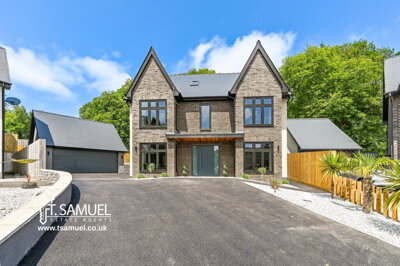
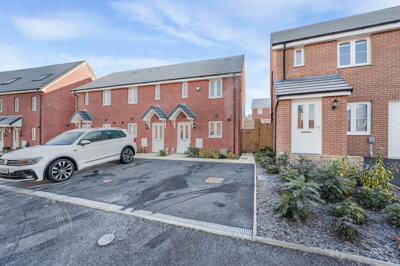
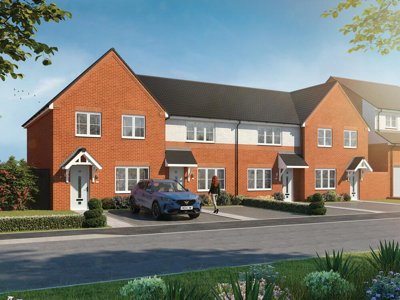
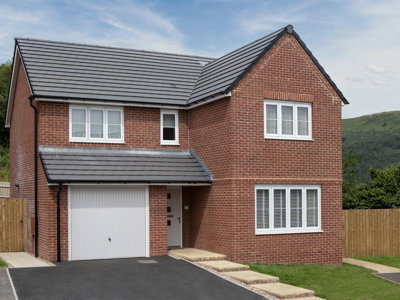
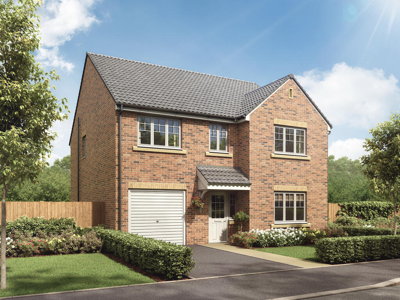
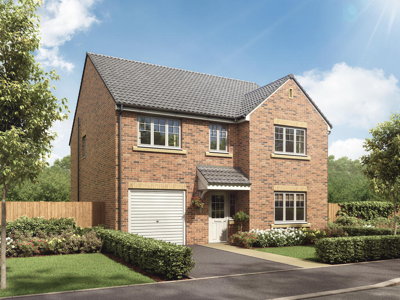
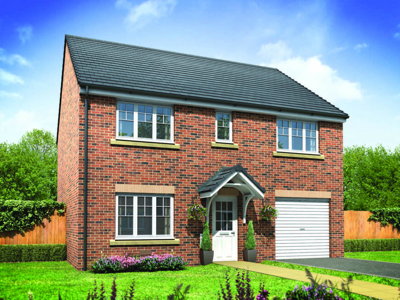
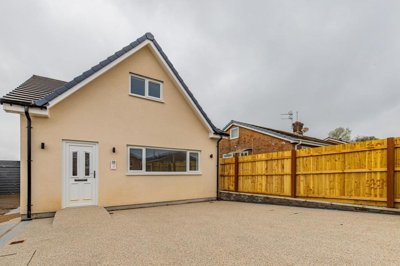
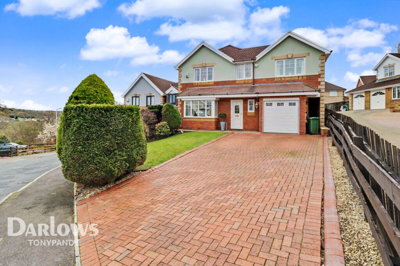
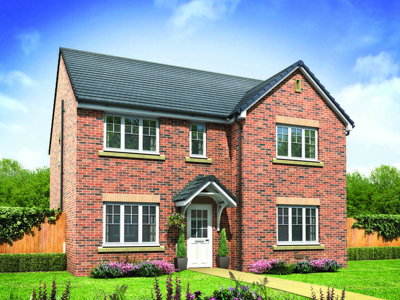
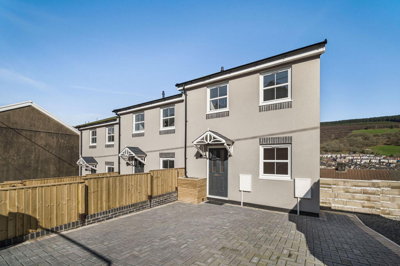
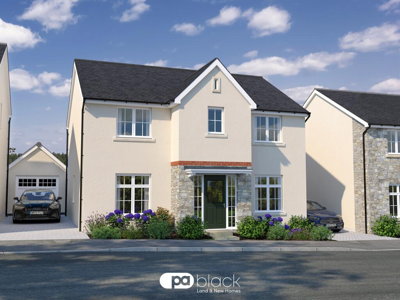
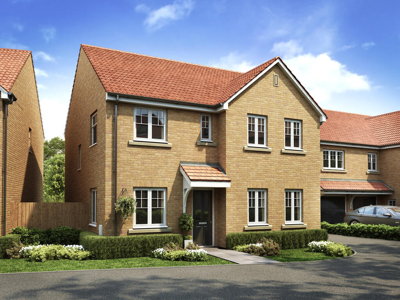
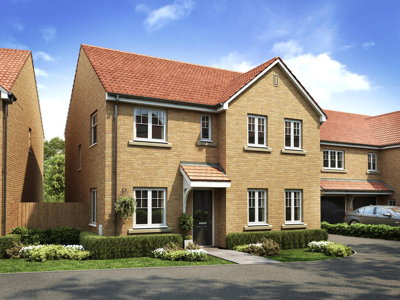
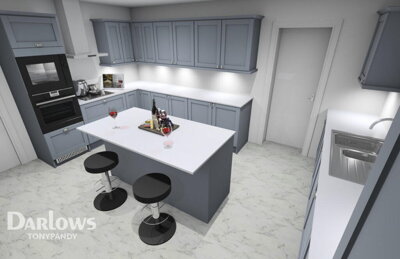
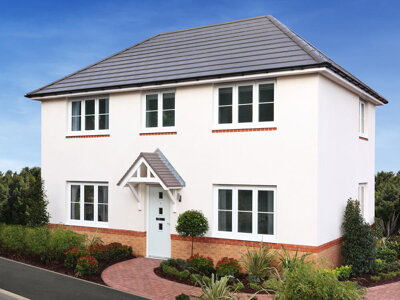
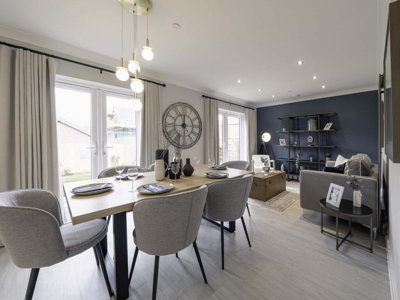
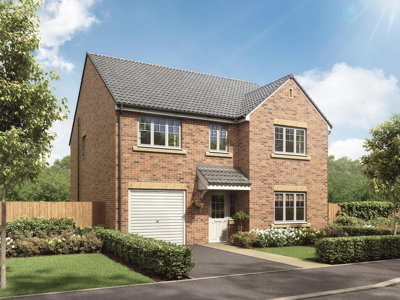
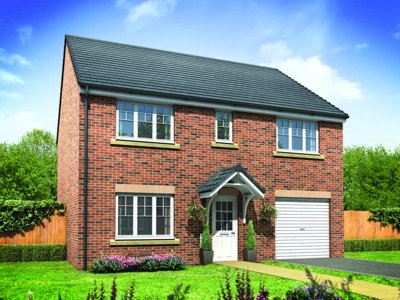
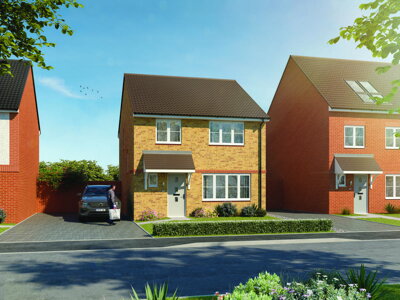
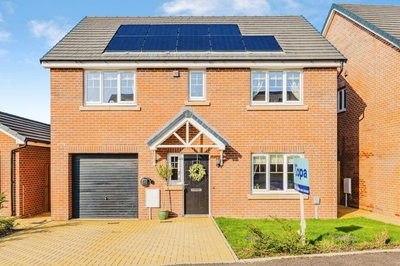
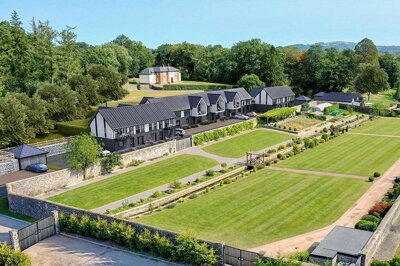
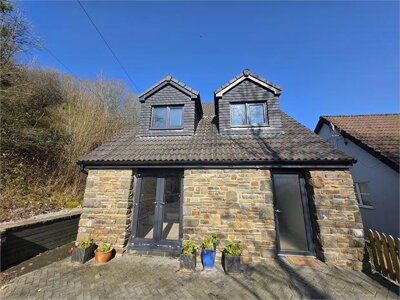
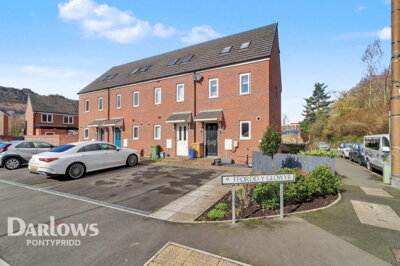
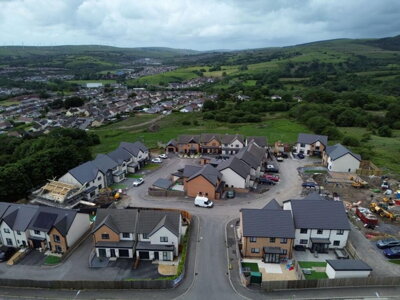
Browse 65 homes new builds in Rhondda Cynon Taf from local developer agents.
The Rhondda Cynon Taf property market offers exceptional affordability within the Welsh housing landscape. According to the most recent provisional data from December 2025, the average house price stands at £163,000, with Rightmove recording an average of £183,509 over the past year. Property values have shown steady growth, increasing by 4.2% over the twelve-month period, though this growth rate is slightly below the wider Wales average of 5.0%. This moderate appreciation suggests a stable market where buyers can enter without the extreme competition found in other regions.
Different property types command significantly different price points across the borough. Detached properties average £286,000, reflecting the premium placed on space and privacy, while semi-detached homes sell for around £178,000. Terraced properties, which form the backbone of the local housing stock, average £142,000, making them particularly accessible for first-time buyers. Flats and maisonettes represent the most affordable entry point at approximately £85,000. The diversity in property types means buyers can find homes suitable for various budgets and family configurations.
Zoopla reports an average sold price of £169,745 in the last twelve months, with OnTheMarket indicating £165,000 as of February 2026, representing a modest 0.8% rise over the previous year. The market has recovered well from previous peaks, sitting 5% above the 2023 average of £174,946. With 3,991 properties sold in 2022 and an estimated annual dwelling growth of 229 units through new build activity, the Rhondda Cynon Taf housing market remains active and accessible for buyers seeking value in South Wales.
Looking at the housing stock composition, Census 2021 data reveals that terraced properties make up 47.35% of the 103,339 dwellings across the borough, with semi-detached homes at 27.79% and detached houses at 16.46%. Flats, maisonettes, and apartments account for 8.31% of the housing stock. This dominance of terraced housing reflects the borough's industrial heritage, built to accommodate mining communities in the valleys, while the newer semi-detached and detached developments cater to families seeking more modern accommodation.

Rhondda Cynon Taf carries a proud industrial heritage that remains visible in its distinctive terraced streetscapes and community spirit. The borough was historically built around coal mining and manufacturing, with generations of families establishing deep roots in communities like the Rhondda Valleys, Cynon Valley, and the town of Pontypridd. This heritage has shaped not just the architecture but also the strong sense of local identity and community cohesion that characterises the area today. Many of the 103,339 dwellings across the borough were built before 1970, giving neighbourhoods an established, mature character with mature trees, local pubs, and community centres.
The population of approximately 237,700 people, projected to reach around 242,844 by 2024, demonstrates a stable and growing community. According to Census 2021 data, 58.74% of households are economically active, with the majority being owner-occupiers. The employment rate for people aged 16 to 64 years stood at 69.1% in the year ending December 2023, slightly below the Wales average of 74.1%, while average weekly earnings for full-time workers reached £520.20. These economic factors influence the local housing market, with the affordability ratio of 4.57 making homeownership accessible to many local families.
The area offers practical everyday amenities including shopping centres, supermarkets, local markets, and a range of independent retailers. Leisure facilities include swimming pools, sports centres, and the famous Wales rugby heritage that binds communities together across the valleys. Pontypridd serves as a key commercial hub for the borough, while Aberdare and Treorchy provide their own town centre amenities. The Valleys Park in Pontypridd offers riverside walks and recreational space, connecting residents to the natural environment that surrounds these communities.
Natural beauty surrounds the communities of Rhondda Cynon Taf, with the Brecon Beacons National Park bordering the area and numerous parks and open spaces providing recreation opportunities. Cultural attractions include the Rhondda Heritage Park, where visitors can explore the legacy of Welsh mining, and various museums celebrating the area's contribution to Welsh industrial history. The annual Eisteddfod has visited the area multiple times, reflecting its cultural significance in Welsh life. For those seeking a community-focused lifestyle with strong local traditions and access to stunning Welsh countryside, Rhondda Cynon Taf offers an authentic alternative to more expensive urban centres.

Education provision across Rhondda Cynon Taf serves families well with a range of primary and secondary schools throughout the borough. The area contains numerous primary schools serving local communities, with secondary schools including comprehensive schools and those with specialist status in various subjects. Parents researching schools should check individual school performance data and Ofsted inspection reports, as standards can vary between institutions. Catchment areas are an important consideration for families, as many schools admit pupils based on proximity to the school premises.
Several secondary schools in the borough offer sixth form provision, allowing students to continue their education locally before pursuing higher education or employment. The colleges provide vocational courses and apprenticeships that serve both school-leavers and adult learners looking to retrain or gain new qualifications. These include routes into construction trades, healthcare, and business administration that align with local employment opportunities. The percentage of working-age adults with no qualifications in Rhondda Cynon Taf was 10.4% in December 2021, compared to 8.2% across Wales, indicating ongoing work to improve educational attainment across the borough.
The proximity to universities in Cardiff and Swansea provides options for higher education, with good transport links making commuting feasible for students who prefer to live at home while studying. This arrangement can significantly reduce the overall cost of higher education, as students avoid the expense of university accommodation while still accessing quality degree programmes. When buying property in Rhondda Cynon Taf, families should research specific school performance and admissions criteria for their chosen area. School performance can influence both the educational outcomes for children and the long-term value of property in a neighbourhood. Properties in good school catchment areas often maintain their value well and can be in higher demand among families with school-age children.
Transport connectivity from Rhondda Cynon Taf has improved significantly in recent years, with the area now well-connected to major employment centres. The Valleys Lines railway network provides regular services connecting communities like Pontypridd, Aberdare, and Treorchy to Cardiff Central, with journey times to the capital typically around 45-60 minutes depending on the specific departure point. This makes commuting to Cardiff feasible for those working in the city while enjoying lower housing costs in the valleys. The Treherbert line, Aberdare line, and Rhondda Valley line all serve the borough, with trains running at regular intervals throughout the day.
Bus services operate throughout the borough, connecting smaller communities to larger towns and railway stations. These services are particularly important for accessing amenities and employment in the valley bottom towns, where many local shops and businesses provide jobs. The M4 motorway runs to the south of the area, providing road access to Newport, Bristol, and London via the Severn Bridge. The A465 Heads of the Valleys road provides an important east-west link through the southern part of the borough, improving access to Merthyr Tydfil and the wider region. For commuters to Cardiff, park-and-ride facilities at some valley railway stations offer a practical option.
Cycling infrastructure is developing across the area, with some off-road cycle paths available for recreational use and shorter commutes. The Taff Trail, a long-distance cycling and walking route, passes through parts of Rhondda Cynon Taf, providing both leisure opportunities and an alternative commuting route for those able to tackle the hilly terrain. The valley terrain presents challenges for cycling as a primary commuting method, though electric bikes are increasingly popular as a solution. Parking availability varies by location, with towns generally offering free or low-cost parking options compared to major cities, adding to the practical appeal of living in Rhondda Cynon Taf for those who drive to work.
Before starting your property search, obtain a mortgage agreement in principle from a lender. This tells you exactly how much you can borrow and demonstrates to estate agents and sellers that you are a serious, financially-prepared buyer. With average property prices around £163,000 in Rhondda Cynon Taf, most buyers will find they can access a broader range of properties than they might expect, with terraced homes particularly affordable for first-time buyers.
Explore different neighbourhoods within Rhondda Cynon Taf to find communities that match your lifestyle needs. Consider factors like school catchment areas, commuting requirements, local amenities, and the character of different towns and villages across the borough. Pontypridd offers more urban conveniences, while the smaller valley communities provide a tighter-knit village atmosphere with strong local traditions.
Use Homemove to browse all available properties across Rhondda Cynon Taf. Shortlist homes that meet your criteria and book viewings to see properties in person. Pay attention to the condition of properties, the neighbourhood atmosphere, and any potential issues that may not be apparent from photographs or listings.
For older properties, particularly the pre-1970s terraced housing that makes up much of the local stock, a RICS Level 2 Survey is essential. This survey identifies structural issues, damp, roof condition, and other defects that may not be visible during a standard viewing. Given that much of the housing stock predates modern building regulations, an independent survey provides valuable protection for buyers.
Once your offer is accepted, instruct a conveyancing solicitor to handle the legal aspects of your purchase. They will conduct searches, check contracts, and manage the transfer of ownership through the Land Registry. Your solicitor will also handle local authority searches with Rhondda Cynon Taf County Borough Council and drainage and water searches.
After all searches are satisfactory and financing is confirmed, you will exchange contracts and pay your deposit. Completion typically follows within weeks, when you receive the keys to your new Rhondda Cynon Taf home. The final steps involve registering ownership with the Land Registry and collecting keys from the estate agent.
The predominance of pre-1970s terraced housing in Rhondda Cynon Taf means buyers should pay particular attention to the condition of older properties. Traditional valley terraces often feature solid wall construction rather than cavity wall insulation, which can affect warmth and energy efficiency. Roof conditions should be inspected carefully, as older properties may have original slate or tile roofing that could require maintenance. Damp penetration is a common issue in older Welsh properties, particularly in areas with high rainfall, so look for signs of damp on walls and around window frames. The combination of solid walls and single-glazed windows in some older properties can result in higher heating costs.
Flood risk is a recognised consideration in parts of Rhondda Cynon Taf, particularly in valley bottom locations near rivers and waterways. The Welsh Government's Development Plans Manual identifies material flood risk areas, which means local planning authorities apply higher thresholds for development in vulnerable locations. The River Rhondda, River Cynon, and River Taff all flow through the borough, with their valleys creating attractive locations for housing but also potential flood risk. Properties in elevated positions generally face lower flood risk but may present different challenges for access and parking.
Mining heritage in the area raises potential considerations around ground stability. While widespread subsidence issues were not identified in available data, properties on former mining land may benefit from specialist surveys beyond a standard RICS Level 2 assessment. The extraction of coal from beneath communities over many decades can leave legacy issues that affect ground conditions. Freehold versus leasehold tenure is also worth checking, as some flats and newer developments may have leasehold arrangements with associated service charges and ground rent obligations. Understanding these costs upfront helps buyers budget accurately for the full cost of homeownership in the area.
Energy efficiency varies significantly across the housing stock, with older terraced properties often performing less well than modern builds. A property's EPC rating affects both monthly running costs and future saleability. Some older properties may benefit from insulation improvements or double glazing installation that could enhance their energy performance. When budgeting for purchase, factor in potential improvement costs alongside the actual property price.
The average house price in Rhondda Cynon Taf stands at approximately £163,000 according to December 2025 data, though Rightmove records a slightly higher average of £183,509 over the past year. Property prices have risen by around 4.2% over the past year, with terraced properties averaging £142,000, semi-detached homes at £178,000, and detached properties reaching approximately £286,000. Flats and maisonettes remain the most affordable option at around £85,000. Rightmove data shows prices 5% above the 2023 peak of £174,946, indicating continued market recovery.
Council tax bands in Rhondda Cynon Taf are set by Rhondda Cynon Taf County Borough Council. Bands range from A to I depending on property value, with Band A properties typically paying the lowest rates and Band I properties paying the highest. Exact bands depend on the specific property valuation. You can check the current council tax band for any property through the Valuation Office Agency website. Given the relatively lower property values in the area compared to the UK average, many properties fall into Bands A through C, keeping annual council tax payments relatively affordable.
Rhondda Cynon Taf offers a range of primary and secondary schools across the borough. Performance varies between individual schools, so parents should research specific Ofsted reports and examination results for schools in their target areas. The area has several secondary schools with sixth forms providing post-16 education routes, and further education colleges provide additional vocational options. School catchment areas are an important factor when buying property for families with children, as proximity to schools often determines admission eligibility. Parents should verify current school performance data and consider visiting schools directly before committing to a property purchase.
Rhondda Cynon Taf is well-connected by rail through the Valleys Lines network, with regular services to Cardiff Central taking approximately 45-60 minutes from major valley towns including Pontypridd, Aberdare, and Treorchy. Bus services operate throughout the borough connecting communities, with routes serving both inter-valley travel and access to local amenities. The M4 motorway and A465 Heads of the Valleys road provide road links to surrounding areas including Newport, Bristol, and the wider South Wales region. Park-and-ride facilities at several railway stations offer convenient options for commuters heading to Cardiff and other employment centres.
Rhondda Cynon Taf offers attractive investment potential given its affordable entry prices and steady property value growth. The average price of £163,000 represents significant value compared to the UK average, and the area has seen consistent modest price appreciation over recent years. The affordability ratio of 4.57 means properties are accessible relative to local incomes, with a median house price of £136,000 requiring a household income of around £29,727 to obtain and own a home. Rental demand exists given that not all residents can access homeownership, making both buy-to-let and capital appreciation strategies potentially viable for investors. The ongoing new build activity with approximately 229 new units annually indicates continued development and market activity.
Stamp Duty Land Tax applies to property purchases in Wales. The current thresholds (2024-25) mean no SDLT is payable on properties up to £250,000. For a typical Rhondda Cynon Taf property averaging around £163,000, most buyers would not exceed this threshold and would pay no SDLT. However, for more expensive properties such as detached homes averaging £286,000, SDLT at 5% would apply to the portion above £250,000, amounting to £1,800. First-time buyers in Wales benefit from relief on properties up to £425,000, paying 5% on amounts between £425,000 and £625,000. Always verify current thresholds with HM Revenue and Customs or a conveyancing solicitor, as thresholds can change with each budget.
Terraced properties dominate the housing stock in Rhondda Cynon Taf, making up around 47-51% of all dwellings according to Census 2021 data and Local Housing Market Assessment figures. Semi-detached homes account for approximately 25-28% of properties, with detached houses comprising about 14-16%. Flats and maisonettes represent roughly 8% of the housing stock. This diversity means buyers can find everything from traditional valley terraces to modern detached family homes depending on their budget and preferences. The terraced housing ranges from compact two-bedroom miners cottages to larger Victorian terraces with original features.
The economy of Rhondda Cynon Taf has diversified from its historical mining and manufacturing roots into retail, healthcare, education, and service sector roles. Pontypridd serves as a commercial hub with shopping centres and local businesses, while the proximity to Cardiff opens employment opportunities in the capital city. The employment rate for people aged 16 to 64 years stood at 69.1% in December 2023, slightly below the Wales average of 74.1%. Healthcare and social care represent significant employers across the borough, as do education providers at all levels from primary schools to further education colleges.
Understanding the full costs of buying property in Rhondda Cynon Taf helps you budget accurately and avoid surprises during the transaction. The primary additional cost beyond the property price is Stamp Duty Land Tax, which applies to all purchases above £250,000 in Wales. For a typical Rhondda Cynon Taf property averaging around £163,000, most buyers would not exceed this threshold and would pay no SDLT. However, for more expensive properties or those buying second homes, additional surcharges may apply. The SDLT threshold for standard purchases was raised in the Welsh Budget, so buyers should verify current thresholds.
First-time buyers in Wales benefit from relief on properties up to £425,000, paying 5% on amounts between £425,000 and £625,000. For example, a first-time buyer purchasing a semi-detached property at £178,000 would pay no SDLT at all, making homeownership particularly accessible in Rhondda Cynon Taf. Those buying at the upper end of the market, such as a detached property averaging £286,000, would pay SDLT on the portion above £250,000 at 5%, which would amount to £1,800. Second home buyers and buy-to-let investors face higher rates with an additional 3% surcharge on the entire property value.
Beyond SDLT, buyers should budget for solicitor conveyancing costs typically ranging from £500 to £1,500 depending on complexity, mortgage arrangement fees if applicable, and survey costs. RICS Level 2 surveys average around £455 but can range between £416 and £639 depending on property size and value. Searches specific to the area, including local authority searches with Rhondda Cynon Taf County Borough Council, drainage and water searches, and environmental searches, typically cost between £250 and £400. Factor in mortgage valuation fees if your lender requires one, and always have funds available for snagging issues or immediate repairs on older properties that make up much of the local housing stock.
Get competitive mortgage rates for your Rhondda Cynon Taf property
From 3.5%
Expert conveyancing services for your property purchase
From £499
Essential survey for older properties in the Valleys
From £455
Check energy efficiency before you buy
From £85
Properties New Builds In London

Properties New Builds In Plymouth

Properties New Builds In Liverpool

Properties New Builds In Glasgow

Properties New Builds In Sheffield

Properties New Builds In Edinburgh

Properties New Builds In Coventry

Properties New Builds In Bradford

Properties New Builds In Manchester

Properties New Builds In Birmingham

Properties New Builds In Bristol

Properties New Builds In Oxford

Properties New Builds In Leicester

Properties New Builds In Newcastle

Properties New Builds In Leeds

Properties New Builds In Southampton

Properties New Builds In Cardiff

Properties New Builds In Nottingham

Properties New Builds In Norwich

Properties New Builds In Brighton

Properties New Builds In Derby

Properties New Builds In Portsmouth

Properties New Builds In Northampton

Properties New Builds In Milton Keynes

Properties New Builds In Bournemouth

Properties New Builds In Bolton

Properties New Builds In Swansea

Properties New Builds In Swindon

Properties New Builds In Peterborough

Properties New Builds In Wolverhampton

Enter your details to see if this property is within your budget.
Loans, cards, car finance
Estimated property budget
Borrowing + deposit
You could borrow between
Typical borrowing
Monthly repayment
Est. at 4.5%
Loan-to-value
This is an estimate only. Your actual budget may vary depending on interest rates, credit history, and personal circumstances. For an accurate affordability assessment, speak to one of our free mortgage advisors.
This calculator provides estimates for illustrative purposes only and does not constitute financial advice. Your home may be repossessed if you do not keep up repayments on your mortgage. Estimates based on 4.5% interest rate, repayment mortgage. Actual rates depend on your circumstances.
Homemove is a trading name of HM Haus Group Ltd (Company No. 13873779, registered in England & Wales). Homemove Mortgages Ltd (Company No. 15947693) is an Appointed Representative of TMG Direct Limited, trading as TMG Mortgage Network, which is authorised and regulated by the Financial Conduct Authority (FRN 786245). Homemove Mortgages Ltd is entered on the FCA Register as an Appointed Representative (FRN 1022429). You can check registrations at NewRegister or by calling 0800 111 6768.

We use cookies to show you personalised content and improve your experience of our website. Find out more in our Privacy policy and Cookie policy.