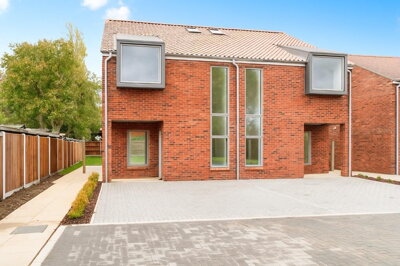
Browse 1 home new builds in Raynham, North Norfolk from local developer agents.
The Raynham property market offers detached, semi-detached, and terraced houses spanning various price ranges and neighbourhoods. Each listing includes detailed property information, photographs, and direct contact with the marketing agent.
£550k
3
0
89
Source: home.co.uk
Showing 3 results for Houses new builds in Raynham, North Norfolk. The median asking price is £550,000.
Source: home.co.uk
Detached
2 listings
Avg £555,000
Semi-Detached
1 listings
Avg £290,000
Source: home.co.uk
Source: home.co.uk
Among the villages of North Kesteven, Newton and Haceby occupies a distinctive position as one of the smallest civil parishes in the district while offering an exceptionally rich heritage. The village derives its name from the Old English "New Town" combined with theHacche family, who held the manor in medieval times, reflecting centuries of continuous habitation on this site. Unlike larger market towns in the area, Newton and Haceby has remained largely untouched by modern development, preserving its agricultural character and medieval settlement pattern around The Green and along School Lane.
The Welby Estate has shaped much of the parish over generations, with records indicating that the family have held land in the area since at least the 16th century. This long-standing aristocratic stewardship has contributed to the preservation of traditional farmsteads, cottages, and manor buildings that define the village today. Properties within the parish boundaries rarely come to market, and when they do, they attract interest from buyers seeking authentic Lincolnshire village life away from the pressures of urban development. The scarcity of available properties makes registering with local agents worthwhile for anyone serious about finding a home in this coveted rural setting.
£373,000
Average Property Price
-37%
Price vs 2022 Peak
-45%
Price vs Last Year
142
Village Population
200 ft above sea level
Elevation
NG34
Postcode District
The property market in Newton and Haceby reflects the character of this small Lincolnshire village, offering a limited but carefully curated selection of homes that showcase traditional rural architecture. Properties here tend to be older, with a significant proportion built before 1919, featuring the distinctive coursed limestone rubble construction with ashlar dressings that defines the local vernacular. The presence of numerous listed buildings, including the Grade I listed Parish Church of St Botolph and several Grade II listed farmhouses and cottages, speaks to the historic nature of the housing stock in this area.
Current market conditions present an interesting picture for prospective buyers. While the average property price of £373,000 reflects a significant adjustment from the 2022 peak of £591,667, this correction brings more accessible entry points for those seeking character properties in a rural setting. The village lacks any active new-build developments, meaning that buyers here are acquiring properties with genuine heritage and traditional construction methods rather than newbuild homes. This scarcity of new development also means that when quality period properties come to market, they tend to attract attention from buyers seeking authentic rural homes.

Properties in Newton and Haceby showcase the finest traditions of Lincolnshire rural architecture, with buildings constructed using techniques passed down through generations of local craftsmen. The predominant building material is local limestone, quarried from the underlying Jurassic limestone strata that underlies much of this part of central Lincolnshire. Buildings such as Newton Farmhouse, dating from the early 17th century, demonstrate the exceptional durability of traditional construction methods, with thick walls providing excellent thermal mass and natural humidity regulation that modern buildings often struggle to replicate.
The architectural heritage of the village spans several centuries, creating a streetscape that reads like a timeline of English rural domestic architecture. Charming 17th-century buildings include Woodruff Cottage and The Old Post Office, both excellent examples of the modest but well-crafted dwellings occupied by yeoman farmers and tradespeople of that era. The 18th century brought larger farmhouses such as Newton Farmhouse and The Old Farmhouse, while Victorian additions like Newton House, built in 1840 and extended in 1851, reflect the prosperity of agricultural Lincolnshire during the reign of Queen Victoria. The Red Lion public house, itself dating from the 17th century, continues to serve as the village's social hub, providing continuity with the past that few modern developments can offer.

Life in Newton and Haceby offers a quintessentially English rural experience, where the rhythms of village life are shaped by the agricultural calendar and a strong sense of community spirit. The civil parish, with its population of 142 residents according to the 2021 census, represents the kind of close-knit settlement where neighbours know one another and community events bring people together throughout the year. The village centre features The Green, where a Grade II listed 19th-century village cross stands as the settlement's long history, while The Red Lion public house provides a traditional gathering place for locals and visitors alike.
The surrounding landscape consists predominantly of open farmland, with the small stream running through the narrow valley adding natural beauty to the pastoral setting. Much of this land falls under the stewardship of the Welby Estate, whose historic ownership has shaped the character of the parish over generations. The agricultural economy remains vital to the area, with farms in the surrounding countryside producing cereals, oilseed rape, and other crops typical of the Lincolnshire fens and wolds transition zone. Village walks through the surrounding farmland provide excellent opportunities to appreciate the rural character that makes Newton and Haceby particularly special, with public footpaths connecting the village to neighbouring settlements.
Community life in Newton and Haceby centres on traditional village institutions, with the parish church playing a central role in both spiritual and social activities. The Grade I listed Parish Church of St Botolph, dating from the 14th and 15th centuries, represents one of the most significant medieval churches in the area, its construction funded by the medieval landowners who shaped the village we see today. The church's designation as Grade I, indicating buildings of exceptional interest, reflects its architectural and historical importance at a national level rather than merely local significance.
Families considering a move to Newton and Haceby will find that the village sits within reach of several educational options across North Kesteven. While the village itself is too small to support its own primary school, children typically attend schools in nearby settlements, with bus services connecting the parish to surrounding villages and towns where primary education is available. The rural location means that school catchment areas are an important consideration, and prospective buyers should verify which schools serve their specific property with the relevant local education authority before committing to a purchase.
For secondary education, students generally travel to larger settlements such as Sleaford, which offers a selection of secondary schools and sixth form colleges serving the wider area. Sleaford's educational facilities include both state and independent options, with schools regularly featured in performance tables for the region. The proximity of these educational facilities, combined with the strong sense of community found in village life, makes Newton and Haceby an attractive option for families seeking a balance between rural tranquility and access to quality schooling. Parents are advised to research current school performance data and admissions policies well in advance of any property purchase to ensure their children can access preferred educational placements.
Beyond traditional schooling, children in Newton and Haceby benefit from access to a range of extracurricular activities organised through the village and nearby towns. Rural community life often provides opportunities for involvement in agricultural societies, young farmers clubs, and other organisations that foster practical skills and community engagement alongside academic achievement. The peaceful setting of Newton and Haceby also offers an environment conducive to focused study, away from the distractions that can affect children in more urban environments.
Transport connections from Newton and Haceby reflect its rural character, with the village relying primarily on road transport for daily commuting needs. The civil parish sits in a pleasant but relatively isolated position, requiring residents to travel to nearby towns for amenities, shopping, and services not available within the village itself. The nearest major road connections provide access to the wider Lincolnshire road network, connecting residents to towns including Sleaford, Grantham, and the broader national road infrastructure. The A15 and A17 roads provide particularly important links for those travelling to larger centres for work or services.
For those working in larger cities, car travel is typically necessary to reach railway stations or motorway connections. The nearby town of Sleaford offers rail connections on the Nottingham to Skegness line, providing access to broader rail networks for commuters willing to make the journey. Sleaford railway station provides regular services connecting passengers to destinations including Nottingham, Grantham, and the East Coast Main Line at Newark. For London services, residents typically travel to Grantham, which offers faster services to King's Cross. Bus services operate in the area, though frequencies are limited, making private vehicle ownership essential for most residents.
The village position off the main road corridors provides benefits alongside transport challenges. Residents enjoy significantly lower traffic volumes than properties on busier routes, with the narrow country lanes surrounding the village creating a peaceful environment for cycling and walking. Daily commutes through rolling Lincolnshire countryside, with views across open farmland and the occasional glimpse of wildlife, reward those who do need to travel with scenic journeys that urban commuters can rarely experience. The significantly lower cost of living compared to metropolitan areas, including cheaper property prices and reduced day-to-day expenses, often compensates for the transport compromises required.
Begin by exploring current listings in Newton and Haceby through Homemove to understand what properties are available at the current average price point of £373,000. Given the limited stock and historic nature of most properties, take time to understand the types of homes available, from traditional stone cottages to Victorian farmhouses, and identify what matters most for your household needs. Register with local estate agents who cover the village, as properties here often sell through off-market arrangements or before reaching public listing sites.
Before arranging viewings, secure a mortgage agreement in principle from a lender. This demonstrates your financial credibility to sellers and agents, which is particularly important in a small village market where properties may receive multiple enquiries. Given recent price adjustments in the local market, ensure your borrowing capacity aligns with current property valuations. Speak to a mortgage broker familiar with rural Lincolnshire properties, as some lenders have specific criteria for older properties or those with unusual construction.
View selected properties in person to assess their condition, character, and suitability. Pay particular attention to the age of properties, their construction materials, and any signs of maintenance issues common in older rural homes. Given the prevalence of limestone construction and historic properties, viewing properties at different times of year can reveal how they cope with seasonal weather variations. Consider the orientation of the property relative to the sun, as well as the proximity of mature trees that may affect foundations on clay soils.
Once you have found your ideal Newton and Haceby home, commission a RICS Level 2 Survey before proceeding with your purchase. This detailed assessment, typically ranging from £400 to £1,000 nationally, will identify any structural issues, damp problems, or roof concerns that are particularly relevant for period properties constructed before 1919. For listed buildings or properties showing signs of structural movement, a more detailed RICS Level 3 Survey may be advisable.
Choose a conveyancing solicitor with experience handling rural property transactions to manage the legal aspects of your purchase. They will conduct local searches, investigate title deeds for listed buildings or properties affected by agricultural covenants, and guide you through the exchange and completion process. Given the presence of the Welby Estate and potential easements or rights of way affecting rural properties, thorough title investigation is essential.
With your survey complete and legal checks satisfactory, proceed to exchange contracts and set a completion date. As Newton and Haceby is a small community, maintaining good relationships with all parties involved can help ensure a smooth transaction in what can sometimes be a less standard property market than urban areas. Factor in additional time for any specialist searches or investigations that older properties may require before finalising your purchase.
Purchasing a property in Newton and Haceby requires careful attention to several factors specific to historic rural properties and the Lincolnshire landscape. The age of many properties in the village, with numerous homes dating from the 17th, 18th, and 19th centuries, means that buyers should be prepared for the maintenance requirements that come with period properties. Traditional construction using coursed limestone rubble with ashlar dressings requires ongoing care, and understanding the condition of roofs, walls, and foundations is essential before committing to a purchase.
The geological conditions of Lincolnshire, with its potential for shrink-swell behaviour in clay soils during periods of warm, dry weather, warrant specific consideration during the survey process. While Newton and Haceby sits at a comfortable elevation of 200 feet above sea level and contains no major flood risk areas, the presence of clay soils in the wider area means that subsidence assessment should form part of any thorough property evaluation. Trees located near properties can draw moisture from clay soils, potentially causing ground movement that affects older structures. The small stream running through the narrow valley should also be considered, though no specific flood risk areas were identified in the parish.
Properties in Newton and Haceby include several listed buildings, which come with specific regulations regarding alterations, repairs, and maintenance. The Grade I listed Parish Church of St Botolph and Grade II listed properties including Newton Farmhouse and the village cross demonstrate the heritage significance of the area. Buyers considering listed properties should understand that works may require consent from the local planning authority, and standard renovation approaches may need modification to preserve the historic character. Insurance costs for listed buildings can also be higher, and some mortgage lenders have specific requirements for properties with listed status.
The average property price in Newton and Haceby currently stands at £373,000 based on transactions over the past year. This figure represents a notable adjustment from the 2022 peak of £591,667, with prices currently sitting approximately 37% below that peak level and 45% lower than the previous year. This price correction may present opportunities for buyers seeking value in a rural Lincolnshire village, though limited transaction volumes mean that individual property prices can vary significantly depending on condition, size, and heritage status. The village postcode district NG34 covers this area, with properties ranging from traditional stone cottages to substantial period farmhouses.
Newton and Haceby falls under the jurisdiction of North Kesteven District Council for council tax purposes. Property bands in this area follow the standard Valuation Office Agency banding system, ranging from Band A through to Band H. Given the predominantly older and character property stock in the village, many properties fall into mid-range bands, though specific bands depend on the property's assessed value under the 1991 valuation. Prospective buyers should verify the exact council tax band for any property they are considering, as this forms part of the ongoing costs of ownership alongside utilities and building insurance, which may be higher for listed properties.
Newton and Haceby itself does not have a primary school within the village boundaries. Children from the parish typically attend schools in nearby villages, with local bus services facilitating travel to surrounding settlements including those along the Sleaford to Grantham corridor. For secondary education, students usually travel to nearby towns such as Sleaford, which offers a selection of secondary schools serving the wider North Kesteven area. Parents are advised to check current admissions arrangements and school performance data directly with Lincolnshire County Council before committing to a purchase, as catchment areas can affect placement availability.
Public transport options in Newton and Haceby are limited, reflecting the rural nature of the village and the wider Lincolnshire agricultural landscape. Bus services operate in the area but with frequencies that necessitate car ownership for most residents. The nearest railway station is located in Sleaford, offering connections on the Nottingham to Skegness line for regional travel. Larger stations in Grantham provide access to the East Coast Main Line for services to London, Nottingham, and the north. The village position off the main road corridors means that residents should expect a car-dependent lifestyle unless working locally or having arrangements for lifts with neighbours.
Newton and Haceby offers a niche proposition for property investment, centered primarily on lifestyle buyers rather than rental yield seekers. The village lacks significant rental demand given its small population of 142 residents and proximity to larger settlements where employment is concentrated, making capital appreciation and quality of life the main attractions for purchasers. The recent price correction from the 2022 peak of £591,667 to the current average of £373,000 may present entry opportunities for those seeking long-term value in a character village. However, the limited transaction volumes, lack of new-build development, and heritage restrictions on some properties mean that investors should have realistic expectations about liquidity and rental potential.
Stamp Duty Land Tax (SDLT) applies to all property purchases in England, including Newton and Haceby. For standard residential purchases, the thresholds are 0% on the first £250,000, 5% on the portion from £250,001 to £925,000, 10% on the portion from £925,001 to £1.5 million, and 12% on any amount above £1.5 million. First-time buyers benefit from relief on the first £425,000, with 5% applying between £425,001 and £625,000. At the current average price of £373,000, a standard buyer would pay £6,150 in SDLT, calculated as 5% of £123,000. First-time buyers would pay £0 thanks to the relief threshold.
Newton and Haceby is situated at an elevation of approximately 200 feet above sea level and contains no identified major flood risk areas according to available data. A small stream runs through the narrow valley that forms part of the parish, but no specific flood risk designations apply to properties in the village. Properties at lower elevations within the valley bottom should be assessed individually, and buyers should review Environment Agency maps and local drainage records as part of their due diligence. The underlying limestone geology of the area generally provides good drainage, though this can contribute to other considerations such as water hardness and potential subsidence on clay soils.
Properties available in Newton and Haceby predominantly consist of period homes built before 1919, reflecting the village's historic nature and lack of modern development. Architectural styles range from 17th-century stone cottages such as Woodruff Cottage and The Old Post Office, through 18th-century farmhouses like Newton Farmhouse, to Victorian additions including Newton House built in 1840. Construction typically features coursed limestone rubble with ashlar dressings, with thick walls providing excellent thermal properties. Several properties carry listed building status, adding heritage significance but also requiring specialist maintenance approaches and potentially affecting renovation options.
Understanding the full costs of purchasing property in Newton and Haceby extends beyond the advertised asking price. Stamp Duty Land Tax represents one of the most significant additional costs, and at the current average property price of £373,000, standard buyers would expect to pay £6,150 in SDLT. This calculation works by applying 0% to the first £250,000 and 5% to the remaining £123,000. First-time buyers benefit significantly, paying £0 SDLT on purchases up to £425,000 thanks to first-time buyer relief, meaning most first-time buyers purchasing at the village average would pay no stamp duty whatsoever.
Beyond stamp duty, buyers should budget for solicitor conveyancing costs, which typically range from £499 to over £1,500 depending on complexity. Given the prevalence of historic and potentially listed properties in Newton and Haceby, conveyancing costs may be higher due to additional title investigations and specialist searches required for heritage properties. A RICS Level 2 Survey costs between £400 and £1,000 depending on property size and value, with larger or more complex period properties at the upper end of this range. An Energy Performance Certificate costs from £80, while mortgage arrangement fees typically range from 0% to 2% of the loan amount.
Removal costs, potential renovation expenses for period properties, and ongoing costs such as council tax and building insurance complete the financial picture for buyers entering this Lincolnshire village market. Building insurance for older stone properties may be higher than average, particularly for listed buildings where specialist insurers may be required. Buyers should also factor in potential costs for chimney repairs, roof maintenance, and repointing of limestone walls, which are common maintenance items for properties of this age. Setting aside a contingency budget equivalent to 10-15% of the purchase price for immediate works and future maintenance is prudent for period property purchases in villages like Newton and Haceby.
Properties New Builds In London

Properties New Builds In Plymouth

Properties New Builds In Liverpool

Properties New Builds In Glasgow

Properties New Builds In Sheffield

Properties New Builds In Edinburgh

Properties New Builds In Coventry

Properties New Builds In Bradford

Properties New Builds In Manchester

Properties New Builds In Birmingham

Properties New Builds In Bristol

Properties New Builds In Oxford

Properties New Builds In Leicester

Properties New Builds In Newcastle

Properties New Builds In Leeds

Properties New Builds In Southampton

Properties New Builds In Cardiff

Properties New Builds In Nottingham

Properties New Builds In Norwich

Properties New Builds In Brighton

Properties New Builds In Derby

Properties New Builds In Portsmouth

Properties New Builds In Northampton

Properties New Builds In Milton Keynes

Properties New Builds In Bournemouth

Properties New Builds In Bolton

Properties New Builds In Swansea

Properties New Builds In Swindon

Properties New Builds In Peterborough

Properties New Builds In Wolverhampton

Enter your details to see if this property is within your budget.
Loans, cards, car finance
Estimated property budget
Borrowing + deposit
You could borrow between
Typical borrowing
Monthly repayment
Est. at 4.5%
Loan-to-value
This is an estimate only. Your actual budget may vary depending on interest rates, credit history, and personal circumstances. For an accurate affordability assessment, speak to one of our free mortgage advisors.
This calculator provides estimates for illustrative purposes only and does not constitute financial advice. Your home may be repossessed if you do not keep up repayments on your mortgage. Estimates based on 4.5% interest rate, repayment mortgage. Actual rates depend on your circumstances.
Homemove is a trading name of HM Haus Group Ltd (Company No. 13873779, registered in England & Wales). Homemove Mortgages Ltd (Company No. 15947693) is an Appointed Representative of TMG Direct Limited, trading as TMG Mortgage Network, which is authorised and regulated by the Financial Conduct Authority (FRN 786245). Homemove Mortgages Ltd is entered on the FCA Register as an Appointed Representative (FRN 1022429). You can check registrations at NewRegister or by calling 0800 111 6768.

We use cookies to show you personalised content and improve your experience of our website. Find out more in our Privacy policy and Cookie policy.