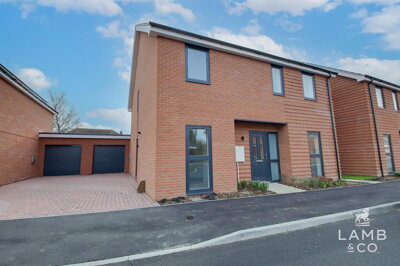
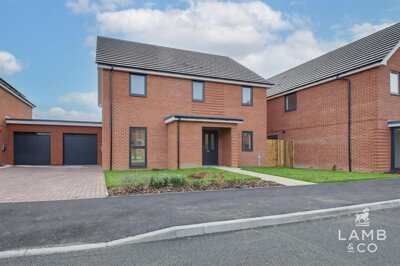
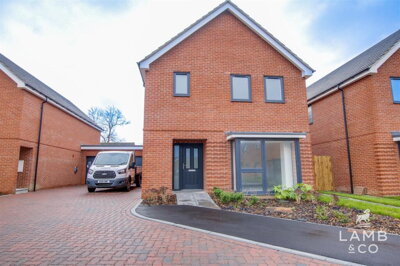
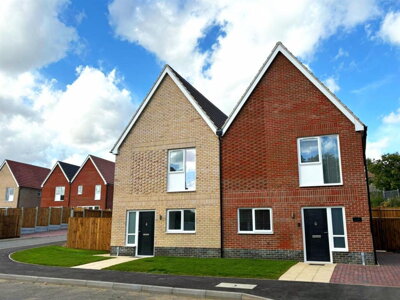
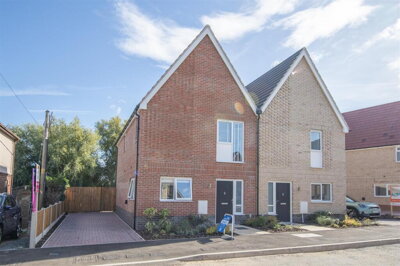
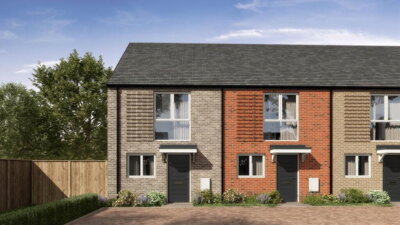
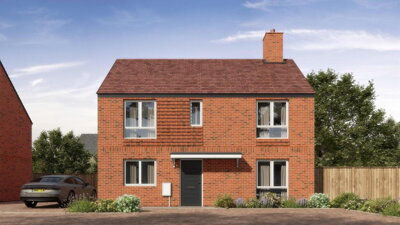
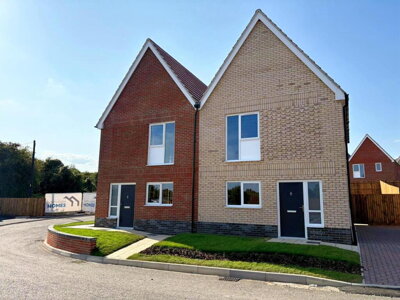
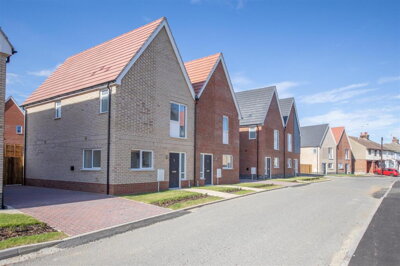
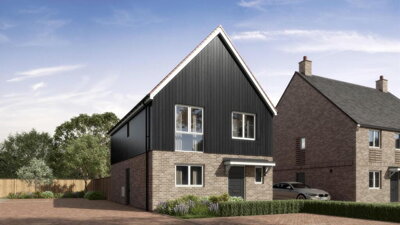
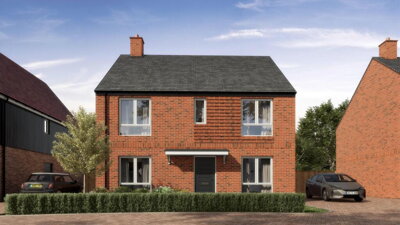
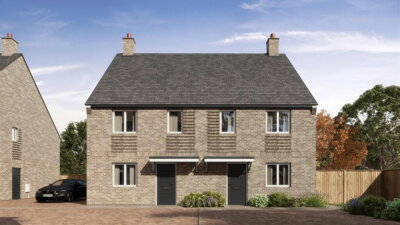
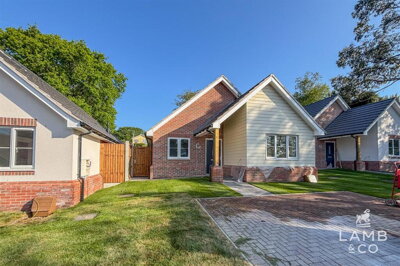
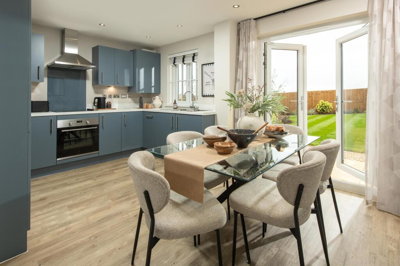
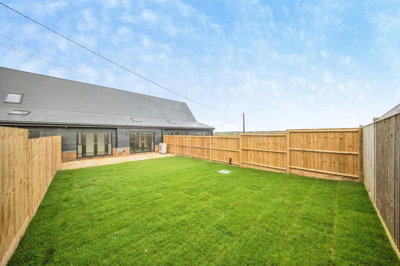
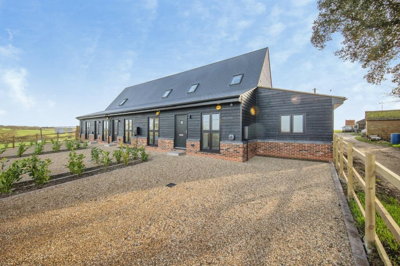
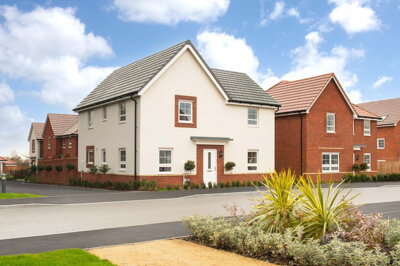
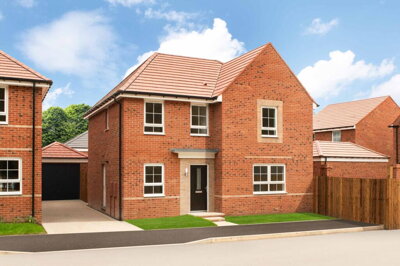
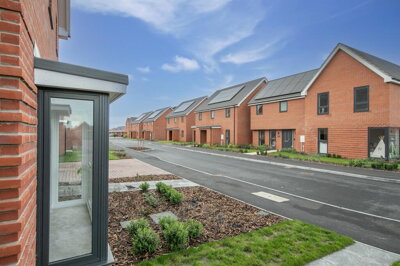
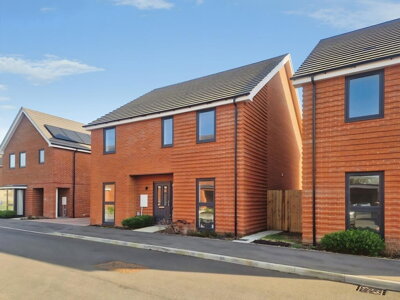
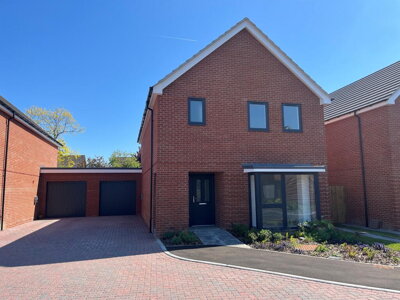
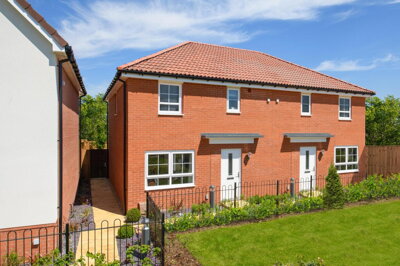
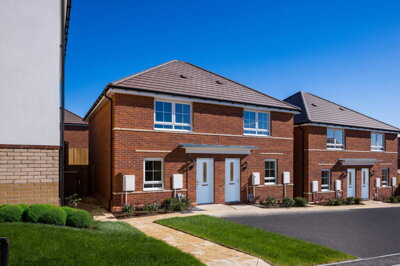
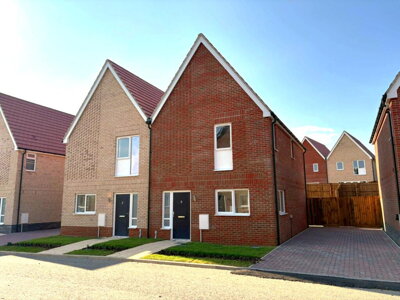
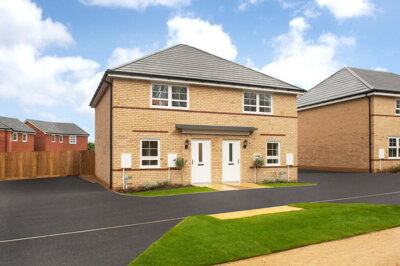
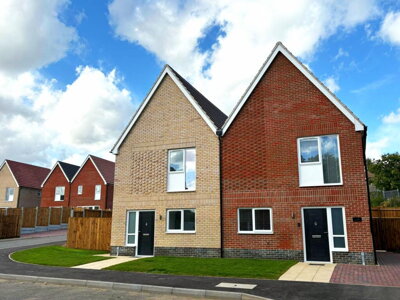
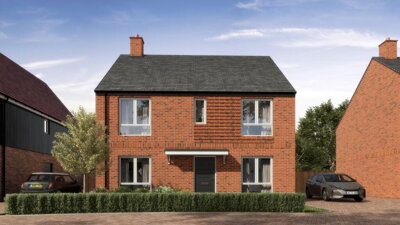
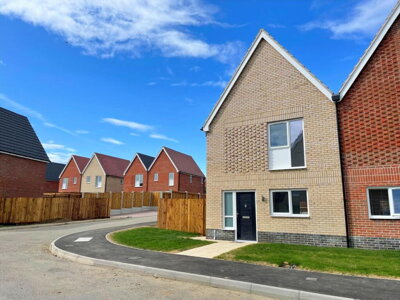
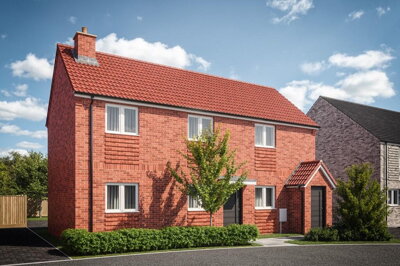
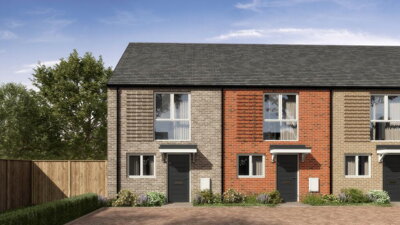
Browse 45 homes new builds in Ramsey and Parkeston from local developer agents.
The Great Wilbraham property market offers a range of options across different property types. Detached homes command the highest prices, averaging £750,000, reflecting the generous space and rural positioning that buyers prize. Semi-detached properties provide more accessible entry points at around £485,000, while terraced homes average £420,000, appealing to first-time buyers and those seeking character properties at moderate price points. This village has no verified recent sales data for flats, as the housing stock consists predominantly of houses rather than apartments.
Property prices across all segments have increased by 11% over the past year, a trend driven by strong demand from buyers seeking Cambridge commuting villages. The limited number of properties available means that homes in Great Wilbraham tend to attract competitive interest when they come to market. New build activity within the village itself is minimal, with any recent developments typically located in neighbouring larger villages and towns. Buyers seeking new homes in this area may need to expand their search radius or consider custom build options.
The village's historic character significantly influences its property market. Many homes within the Conservation Area were constructed before 1919, featuring traditional construction methods such as solid brick walls, original timber frames, and period detailing that appeals to buyers seeking character properties. Properties from subsequent periods, including inter-war and post-war construction, add variety to the housing stock while maintaining the village's cohesive aesthetic.
Given the prevalence of older properties in Great Wilbraham, buyers should budget for potential renovation costs when purchasing period homes. While these properties offer considerable charm and character, they may require investment in updated electrical systems, improved insulation, or heating upgrades. Our survey recommendations for Great Wilbraham properties reflect the specific needs of this older housing stock.

Great Wilbraham is a historic village that has preserved much of its traditional character through a designated Conservation Area covering the historic village centre. The village features numerous listed buildings, including the Grade I listed Church of St Nicholas and several Grade II listed properties comprising historic houses and farm buildings. This heritage creates an attractive streetscape of period properties, many constructed from traditional brick with render or timber elements, and some incorporating local stone. Walking through the village, you will find charming cottages, farmhouses, and more substantial family homes set along winding lanes.
The village has a population of 1,257 people across 497 households, according to the 2021 Census, creating a small community where neighbours often know one another. Many residents commute to Cambridge for work, taking advantage of the technology, bioscience, and education sectors that drive the regional economy. Agriculture remains part of the local economic fabric, though the proximity to Cambridge significantly influences both employment opportunities and property values. The village offers essential local amenities while larger shopping and entertainment options are available in Cambridge itself, just a short drive away.
The village provides essential local amenities including a primary school, village hall, and local pub, serving the day-to-day needs of residents. For more extensive shopping, healthcare, and leisure facilities, residents travel to Cambridge or the nearby market towns. The community spirit in Great Wilbraham is strong, with regular events and activities that bring residents together throughout the year.
Families moving to Great Wilbraham benefit from access to good primary schools in the surrounding villages and Cambridgeshire's strong secondary education options. The county consistently performs well in educational attainment, with several secondary schools in Cambridge and surrounding areas rated Good or Outstanding by Ofsted. Private schooling options are also available in Cambridge for families seeking alternative educational paths.

Transport connections from Great Wilbraham make it a practical choice for commuters working in Cambridge or further afield. The village sits within easy driving distance of Cambridge city centre, with journey times typically around 15-20 minutes by car depending on traffic conditions. For those who prefer public transport, local bus services connect Great Wilbraham to surrounding villages and Cambridge, providing an alternative to car travel. The A14 trunk road is accessible for travel further afield, connecting to the M11 motorway and offering routes to London, Peterborough, and other major destinations.
Cambridge railway station provides mainline services to London King's Cross, with journey times of approximately 50 minutes, making day commuting to the capital feasible for some residents. The station also offers connections to East Anglia and Stansted Airport, opening up international travel options. Within the village, cycling is a popular mode of transport, with rural lanes offering pleasant routes for recreational cycling as well as commuting. For air travel, London Stansted Airport is approximately 40 minutes away by car, providing flights across Europe and beyond.
The A14 trunk road runs to the north of Great Wilbraham, providing direct access to Cambridge Science Park, Cambourne, and the A1 trunk road heading north towards Peterborough. This infrastructure makes the village well-connected for those working in the commercial hubs around Cambridge, including the biomedical campus at Addenbrooke's Hospital and the technology campuses along the Cambridge to Stansted corridor.
For cyclists, the Cambridgeshire countryside offers scenic routes through the village and surrounding farmland. National Cycle Route 11 passes through the region, connecting to broader networks across East Anglia. Electric bike ownership is increasingly popular among commuters, making the journey to Cambridge more manageable given the relatively flat terrain characteristic of the Fens and surrounding countryside.
Before viewing properties in Great Wilbraham, obtain a mortgage agreement in principle from a lender. This strengthens your position when making offers and demonstrates to sellers that you have financing in place. With average property prices at £598,333, most buyers will require a substantial mortgage, so getting agreement in principle early helps you understand your budget and acts as a useful negotiating tool when competing for properties in this competitive village market.
Spend time exploring Great Wilbraham and neighbouring villages to understand the local amenities, community atmosphere, and transport options. Check school catchments and any planning restrictions that might affect your purchase. Given the village's Conservation Area status and listed buildings, understanding what alterations might be permitted is particularly important for buyers planning renovations or extensions.
Visit properties that match your criteria and consider commissioning an RICS Level 2 Survey for homes over 50 years old. Given the village's historic properties, a thorough assessment can identify issues such as damp, subsidence risk from clay soils, or roof defects. Our survey team has extensive experience inspecting period properties in South Cambridgeshire villages and understands the common defects found in this housing stock.
Once you find your ideal home, submit a competitive offer through the estate agent. In a village with limited stock, be prepared to negotiate on price and terms while remaining within your mortgage affordability limits. Properties in Great Wilbraham often attract multiple interested buyers, so having your finances organised and being prepared to move quickly gives you a competitive advantage in the offer process.
Appoint a conveyancing solicitor to handle the legal aspects of your purchase. They will conduct searches, review contracts, and liaise with the seller's solicitor through to completion. Your solicitor should be familiar with local South Cambridgeshire requirements and any specific considerations for Conservation Area properties.
After satisfactory survey results and legal searches, both parties sign contracts and exchange deposits. On completion day, you receive the keys and take ownership of your new Great Wilbraham home. Our team can recommend conveyancing solicitors with experience in the Great Wilbraham and South Cambridgeshire property market to ensure a smooth transaction.
Properties in Great Wilbraham require careful inspection given the village's historic character and the prevalence of older housing stock. Many homes in the Conservation Area and listed buildings were constructed before 1919, potentially featuring traditional construction methods such as solid wall construction, original timber frames, and period details. A RICS Level 2 Survey is particularly valuable for identifying common issues in these older properties, including rising damp, outdated electrical systems, and wear to roof coverings. Buyers should budget for potential renovation or upgrading costs when purchasing period properties.
The local geology presents specific considerations for property buyers in Great Wilbraham. The area sits over clay-rich soils, particularly Gault Clay, which can cause shrink-swell movement affecting foundations. Properties with shallow foundations or those near large trees may be at higher risk of subsidence or heave. Surface water flooding represents a moderate risk in some areas, particularly around roads and landscape depressions, though river and coastal flood risk remains very low to low. A thorough building survey will assess foundation condition and any signs of movement or cracking.
Common defects found in Great Wilbraham properties reflect the age and construction of the local housing stock. Our inspectors frequently identify damp issues in period properties, including rising damp where original damp-proof courses have failed and penetrating damp in walls with damaged pointing or weathering. Roof conditions also require careful assessment, as tile and slate coverings age and leadwork deteriorates over time. Timber defects such as woodworm and wet or dry rot can affect structural timbers, floor joists, and roof structures in older homes.
Electrical and plumbing systems in historic properties often require attention. Older wiring systems found in pre-1960s properties may include rubber or lead-sheathed cables that no longer meet current safety standards. Similarly, plumbing systems in older homes may include lead pipes or galvanised steel pipes showing signs of corrosion. Heating systems in period properties are frequently outdated, with many homes still relying on original boiler installations that may be inefficient by modern standards.
Planning restrictions in the Conservation Area mean that any external alterations or extensions require consent from South Cambridgeshire District Council. Listed buildings face additional requirements under Listed Building Consent for any works that might affect their historic character. Buyers should factor in these considerations if planning future modifications and verify that any existing works have appropriate approvals. Service charges and leasehold terms are unlikely to apply to most properties here, as the housing stock consists predominantly of freehold houses.
The average house price in Great Wilbraham is £598,333, according to recent market data. Detached properties average £750,000, semi-detached homes around £485,000, and terraced properties approximately £420,000. Prices have increased by 11% over the past year, reflecting strong demand for homes in this Cambridge commuter village. With limited property availability, buyers should be prepared for competitive market conditions and potential bidding situations when desirable properties come to market.
Properties in Great Wilbraham fall under South Cambridgeshire District Council. Council tax bands vary by individual property based on valuation. Most family homes in the village are likely to fall in bands C through F, though specific bands depend on the property's assessed value. You can check the council tax band for any specific property through the Valuation Office Agency website. Annual council tax charges in South Cambridgeshire are competitive compared to many other areas near Cambridge.
Great Wilbraham has access to primary education through village schools and nearby options in surrounding villages. The village falls within the catchment area for schools in the Cambridgeshire area, with several primary and secondary schools rated Good or Outstanding by Ofsted within reasonable travelling distance. For secondary education, parents should check current catchment arrangements and admission policies as these can change annually. Several private and grammar school options are also available in Cambridge, including the Perse Schools and The Leys School, providing alternatives for families seeking independent education.
Great Wilbraham has bus services connecting to surrounding villages and Cambridge, providing public transport options for residents. Cambridge city centre and railway station are accessible by bus or car, with typical journey times of 20-30 minutes. Cambridge station offers mainline rail services to London King's Cross in approximately 50 minutes, making day commuting to the capital feasible for residents working in London. For international travel, London Stansted Airport is approximately 40 minutes away by car, with regular flights across Europe and beyond.
Great Wilbraham offers solid investment potential due to its proximity to Cambridge and strong commuter demand. Property prices have risen by 11% over the past year, demonstrating capital growth potential. The limited supply of homes in this village, combined with ongoing demand from Cambridge workers, supports long-term value. Historic properties in the Conservation Area may require maintenance investment but also retain strong appeal among buyers seeking character homes, maintaining their desirability in the market. The village's Conservation Area status helps preserve property values by maintaining the character that attracts buyers in the first place.
Stamp Duty Land Tax rates from April 2024 apply as follows: 0% on the first £250,000 of property value, 5% on £250,001 to £925,000, 10% on £925,001 to £1.5 million, and 12% on any value above £1.5 million. First-time buyers may qualify for relief on properties up to £625,000, paying 0% on the first £425,000 and 5% on £425,001 to £625,000. Given the average property price of £598,333, most buyers would pay stamp duty on the portion above £250,000. For a first-time buyer purchasing at the village average, SDLT would be approximately £8,666, while a buyer paying the average without first-time buyer relief would pay approximately £17,416.
Period properties in Great Wilbraham, particularly those constructed before 1919, require thorough inspection for defects common to historic housing stock. Our surveyors frequently identify damp issues, including rising damp where original damp-proof courses have failed and penetrating damp resulting from degraded pointing or weathering. Roof conditions need careful assessment, with age-related wear to tiles, slates, and leadwork representing common concerns. The presence of clay soils in the area means foundation movement requires close attention, with signs of cracking, sticking doors, or uneven floors potentially indicating subsidence or heave issues. Electrical systems in older properties often require complete rewiring to meet modern safety standards.
Great Wilbraham has areas with very low to low risk of flooding from rivers and the sea, making river flooding generally not a significant concern for property buyers. However, surface water flooding presents a moderate risk in some areas, particularly around roads and landscape depressions where water can accumulate during heavy rainfall. Our survey team assesses individual property sites for surface water flood risk and will flag any history of flooding or drainage concerns during inspections. Properties in areas with moderate surface water flood risk may require consideration of flood resilience measures.
Finance your Great Wilbraham purchase with competitive mortgage rates
From 4.5%
Expert legal services for your property purchase
From £499
Detailed inspection of your Great Wilbraham property
From £400
Energy performance certificate for your new home
From £80
Buying a property in Great Wilbraham involves several costs beyond the purchase price. Stamp Duty Land Tax is calculated on a tiered system: there is no SDLT on the first £250,000, 5% on the portion from £250,001 to £925,000, 10% on the portion from £925,001 to £1.5 million, and 12% on any amount exceeding £1.5 million. For a typical Great Wilbraham property at the village average of £598,333, a standard buyer would pay SDLT of approximately £17,416 on the portion above £250,000.
First-time buyers purchasing properties up to £625,000 qualify for relief, paying 0% on the first £425,000 and 5% on the amount between £425,001 and £625,000. This means a first-time buyer purchasing an average-priced Great Wilbraham home would pay approximately £8,666 in SDLT. Properties above £625,000 do not qualify for first-time buyer relief. Beyond stamp duty, budget for solicitor fees averaging £500 to £1,500 for conveyancing, survey costs of £400 to £900 depending on property size, and removal expenses.
Additional costs include mortgage arrangement fees typically ranging from £0 to £2,000 depending on the lender, property valuation fees of £150 to £500, and land registry fees of approximately £200 to £500. Buildings insurance should be in place from completion day, and you may need to account for council tax transfers and utility setup costs. For older properties in Great Wilbraham, factor in potential costs for updating electrical systems, addressing damp issues, or upgrading heating systems identified during survey. Period properties may also require redecoration budgets and potential works to bring them up to modern standards while respecting their historic character.
Our team can provide detailed cost estimates for your specific property purchase, including recommendations for surveyors experienced in inspecting historic properties in the South Cambridgeshire area. We work with conveyancing solicitors who understand the local property market and can advise on any specific considerations for properties in the Conservation Area or listed buildings.
Properties New Builds In London

Properties New Builds In Plymouth

Properties New Builds In Liverpool

Properties New Builds In Glasgow

Properties New Builds In Sheffield

Properties New Builds In Edinburgh

Properties New Builds In Coventry

Properties New Builds In Bradford

Properties New Builds In Manchester

Properties New Builds In Birmingham

Properties New Builds In Bristol

Properties New Builds In Oxford

Properties New Builds In Leicester

Properties New Builds In Newcastle

Properties New Builds In Leeds

Properties New Builds In Southampton

Properties New Builds In Cardiff

Properties New Builds In Nottingham

Properties New Builds In Norwich

Properties New Builds In Brighton

Properties New Builds In Derby

Properties New Builds In Portsmouth

Properties New Builds In Northampton

Properties New Builds In Milton Keynes

Properties New Builds In Bournemouth

Properties New Builds In Bolton

Properties New Builds In Swansea

Properties New Builds In Swindon

Properties New Builds In Peterborough

Properties New Builds In Wolverhampton

Enter your details to see if this property is within your budget.
Loans, cards, car finance
Estimated property budget
Borrowing + deposit
You could borrow between
Typical borrowing
Monthly repayment
Est. at 4.5%
Loan-to-value
This is an estimate only. Your actual budget may vary depending on interest rates, credit history, and personal circumstances. For an accurate affordability assessment, speak to one of our free mortgage advisors.
This calculator provides estimates for illustrative purposes only and does not constitute financial advice. Your home may be repossessed if you do not keep up repayments on your mortgage. Estimates based on 4.5% interest rate, repayment mortgage. Actual rates depend on your circumstances.
Homemove is a trading name of HM Haus Group Ltd (Company No. 13873779, registered in England & Wales). Homemove Mortgages Ltd (Company No. 15947693) is an Appointed Representative of TMG Direct Limited, trading as TMG Mortgage Network, which is authorised and regulated by the Financial Conduct Authority (FRN 786245). Homemove Mortgages Ltd is entered on the FCA Register as an Appointed Representative (FRN 1022429). You can check registrations at NewRegister or by calling 0800 111 6768.

We use cookies to show you personalised content and improve your experience of our website. Find out more in our Privacy policy and Cookie policy.