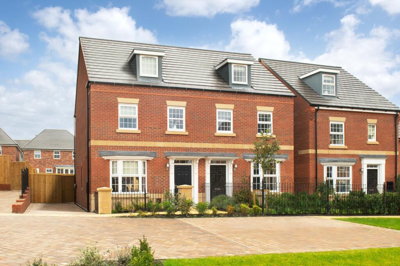
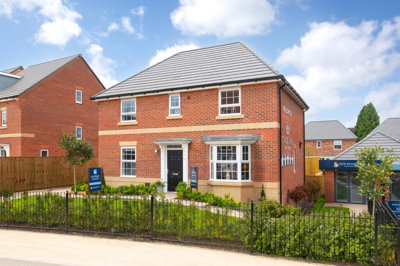
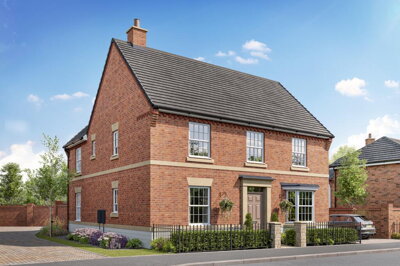
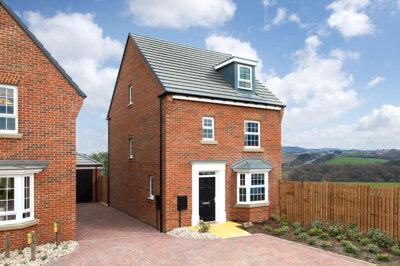
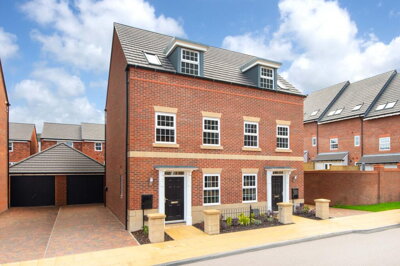
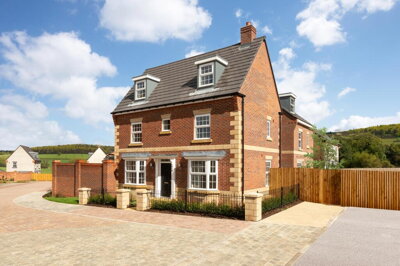
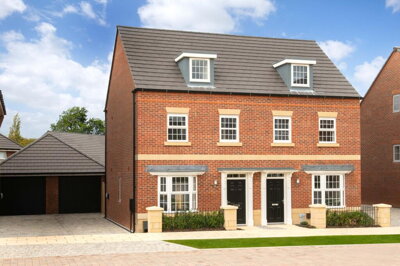
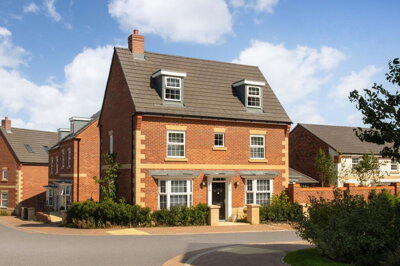
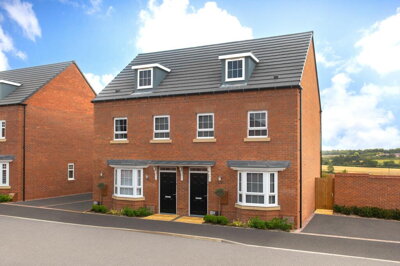
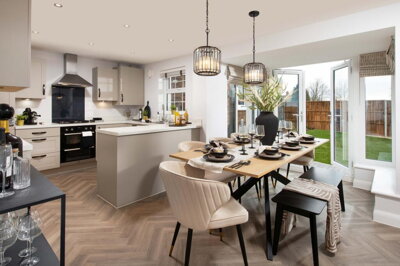
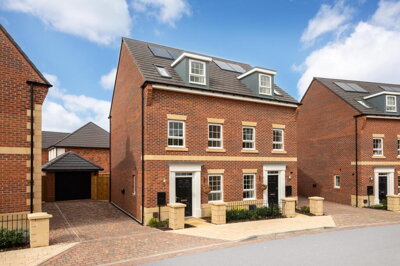
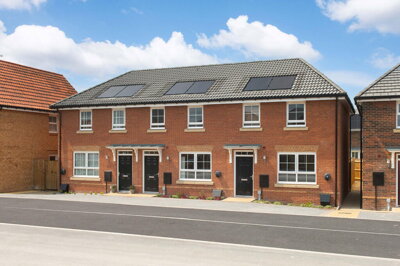
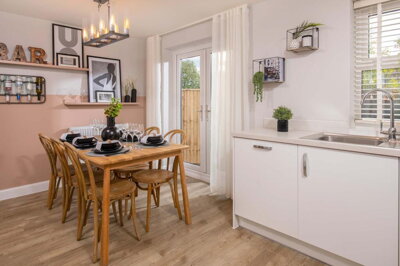
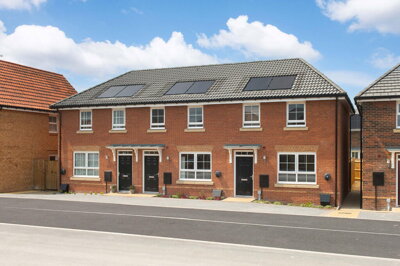
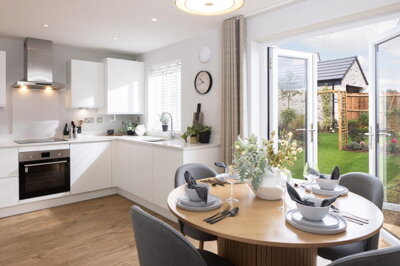
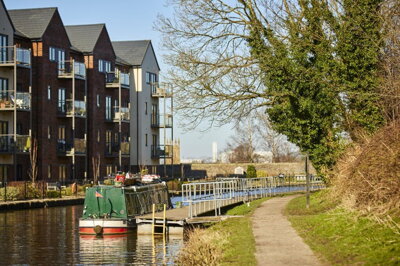
Browse 17 homes new builds in Rainow, Cheshire East from local developer agents.
£305k
8
1
85
Source: home.co.uk
Source: home.co.uk
Terraced
3 listings
Avg £276,650
Detached
2 listings
Avg £325,000
Country House
1 listings
Avg £1.00M
House
1 listings
Avg £260,000
Link Detached House
1 listings
Avg £489,950
Source: home.co.uk
Source: home.co.uk
The Colaton Raleigh property market reflects its status as a desirable East Devon village, with detached properties commanding the highest prices at an average of £597,500. Semi-detached homes average £350,000, while terraced properties typically sell for around £330,000. This pricing hierarchy demonstrates the strong demand for family-sized detached homes with gardens and the privacy they offer, particularly in a village setting where space and rural character are highly valued. Detached properties have shown the strongest growth at 2% over the past twelve months, indicating continued appetite for larger family homes in the area. Semi-detached and terraced properties have held steady, suggesting a balanced market where supply meets demand across different property types.
With no active new-build developments verified within the postcode area, buyers seeking modern homes may need to consider properties in nearby towns or accept that new stock within the village itself is limited. This scarcity of new-build properties means that the majority of housing stock in Colaton Raleigh consists of established homes, many of which date from before 1919, particularly within the Conservation Area. Properties from the mid-20th century (1945-1980) and some more modern developments (post-1980) also exist, though the latter are less prevalent than older stock. The limited supply pipeline suggests that demand for village properties is likely to remain resilient, supporting values for existing homeowners.
When purchasing in Colaton Raleigh, budget considerations extend beyond the purchase price itself. Stamp Duty Land Tax is calculated on a tiered basis, with no tax due on the first £250,000 of residential property value. For a property at the village average price of £468,750, a standard buyer would pay £10,937 in stamp duty. First-time buyers benefiting from relief would pay nothing on the first £425,000 and 5% on the remaining £43,750, totalling £2,187.50. Additional buying costs include solicitor fees for conveyancing, typically ranging from £500 to £1,500 depending on complexity. Survey costs for a RICS Level 2 Survey in Colaton Raleigh typically range from £400 to £900, with larger detached properties at the higher end.

Life in Colaton Raleigh offers a quintessentially English village experience, where community spirit thrives and the pace of life allows residents to truly unwind. The village population of 799 creates an intimate atmosphere where neighbours know one another, local events bring people together, and the sense of belonging runs deep. The Conservation Area designation at the village centre ensures that new development respects the historic character, preserving tree-lined lanes, traditional stone buildings, and the architectural heritage that makes Colaton Raleigh so appealing to those seeking an escape from urban living.
The local economy centres around agriculture, tourism supported by the nearby Jurassic Coast, and small local businesses that serve the village and surrounding rural communities. The proximity to the East Devon Area of Outstanding Natural Beauty supports a local tourism economy, with visitors drawn to the area for walking, wildlife watching, and exploring the dramatic coastal landscapes. Many residents commute to larger towns including Sidmouth, Exmouth, and Exeter for employment, benefiting from the village's position that offers the best of both worlds: peaceful rural living with access to urban employment centres. For those who work from home, the village offers a peaceful setting ideal for productivity, though broadband speeds should be verified with providers as rural connectivity can vary.
The village itself has limited on-site amenities, reflecting its intimate scale. A village pub provides a focal point for social gatherings, while the historic Church of St John the Baptist hosts community events throughout the year. For everyday shopping and services, residents typically travel to nearby towns such as Sidmouth or Honiton, which offer supermarkets, banks, medical practices, and a wider range of retail options. The market town of Honiton, approximately 8 miles away, is particularly well-served with independent shops, cafes, and the popular Honiton Hippo trail for families.

Properties in Colaton Raleigh reflect the village's historical heritage and the local geology that has shaped its built environment over centuries. The predominant building materials include local red sandstone, which gives many period properties their distinctive warm hue, along with brick and rendered finishes that are characteristic of East Devon construction. Thatched roofs appear on some of the oldest properties, adding to the charming character but requiring specialist insurance and maintenance expertise. Understanding these traditional building methods is essential when assessing property condition and budgeting for ongoing maintenance.
The geology of Colaton Raleigh is predominantly characterised by Permian sandstones and mudstones, part of the New Red Sandstone sequence. There are also areas of Quaternary superficial deposits, including river terrace deposits and head deposits along the valley floor. Clay-rich superficial deposits can pose a shrink-swell risk, particularly in areas with significant clay content, which can lead to ground movement affecting foundations. This means that properties in certain locations, particularly those with large trees nearby or inadequate foundations, may be susceptible to subsidence issues that require professional assessment.
Traditional construction methods in Colaton Raleigh include solid wall construction with lime mortar, which is common in properties built before the mid-20th century. Some very old properties may feature timber framing with infill materials such as cob or wattle and daub, often rendered over for weatherproofing. Roof structures are typically timber, covered with slate, clay tile, or thatch on the oldest properties. Later properties built after the 1930s would typically feature cavity wall construction. When viewing period properties, look carefully at the condition of stonework for signs of weathering or spalling, check that lime mortar pointing is in good condition, and examine roof structures for any signs of sagging or deterioration that might indicate structural concerns.
The presence of numerous listed buildings within Colaton Raleigh reflects the village's significant heritage. Any alterations or repairs to listed buildings require Listed Building Consent from East Devon District Council, and works should be carried out by contractors experienced in heritage properties using appropriate materials and techniques. Properties within the Conservation Area also have additional planning considerations, though the controls are less stringent than for listed buildings. Prospective buyers should factor in the additional costs and time associated with maintaining and improving heritage properties to appropriate standards.
Families considering a move to Colaton Raleigh will find a selection of educational options within reasonable driving distance. The village itself falls within the catchment areas for primary schools in nearby communities, with several good and outstanding primary schools serving the surrounding villages. Primary schools in nearby towns such as Honiton and Sidmouth are accessible by car, though transport arrangements for younger children require careful consideration when choosing a property. Parents should research specific catchment boundaries and admission arrangements through Devon County Council, as these can vary and change annually based on demand and capacity at each school.
Secondary education is available at schools in nearby towns, with several well-regarded secondary schools in Sidmouth, Honiton, and Exmouth accessible by school transport. For families prioritising academic excellence, the grammar school system in Devon may be relevant, with selective admissions based on the 11-plus examination. The nearest grammar schools are located in Devon, and competition for places can be strong. Parents should familiarise themselves with admission criteria well in advance of application deadlines. Sixth form provision is available at secondary schools in larger towns, while Exeter and surrounding areas offer further education colleges and higher education institutions for older students pursuing advanced qualifications.
For younger children, early years provision in the surrounding area includes nurseries and pre-schools that cater for families across the region. These settings offer a range of childcare options from part-time sessions to full-day care, supporting parents who need to return to work or who simply want their children to benefit from early socialisation and learning opportunities. Transport to these settings, where they are not within walking distance of the village, will require private vehicle arrangements or potentially local childminders who can provide care within Colaton Raleigh itself.
Colaton Raleigh benefits from its position that offers both rural tranquility and practical transport connections. The village is located within easy reach of major road networks, with the A375 providing access to Honiton and connecting to the M5 motorway at junction 27. This connectivity makes commuting to Exeter, which lies approximately 15 miles away, entirely feasible for those working in the city. The journey to Exeter typically takes around 35 minutes by car, opening up employment opportunities while allowing residents to enjoy village life outside the urban environment. For those working in Bristol or further afield, the M5 provides direct access northwards.
Public transport options include bus services connecting Colaton Raleigh to nearby towns including Sidmouth, Honiton, and Exeter, though service frequencies may be limited compared to urban routes. Bus services in rural East Devon typically operate on reduced frequencies, often with limited evening and weekend services, so private vehicle ownership remains practically essential for most residents. The nearest railway stations are at Honiton and Axminster, offering connections to Exeter, Bristol, and London Waterloo. From Honiton station, direct trains to London Waterloo take approximately two and a half hours, making day trips to the capital feasible for those who do not need to commute daily.
For those travelling further afield, Exeter International Airport provides domestic and international flights, making Colaton Raleigh surprisingly well-connected for a rural village. The airport offers flights to UK destinations as well as European holiday hotspots. Cyclists will appreciate the scenic country lanes, though mountainous terrain in parts of East Devon requires appropriate fitness levels. The area is popular with walkers and cyclists, with numerous public footpaths and bridleways crossing the surrounding countryside. The nearby River Otter valley provides relatively flat cycling routes, while the higher ground of the East Devon Hills offers more challenging terrain for experienced riders.
Spend time exploring Colaton Raleigh at different times of day and week to understand the community, local amenities, and commute times. The village is small enough that a thorough visit will give you a genuine feel for whether it suits your lifestyle. Visit local pubs, attend village events if possible, and speak with existing residents to gauge the community atmosphere. Consider how the limited local amenities compare with your daily needs, and verify broadband speeds and mobile phone coverage.
Before viewing properties, obtain a mortgage agreement in principle from a lender. This demonstrates your readiness to proceed and strengthens your position when making offers on properties in competitive market conditions. With detached properties averaging £597,500 in Colaton Raleigh, ensure your mortgage agreement is sufficient for the property type you are targeting. A mortgage broker familiar with the Devon property market can help navigate the options available, including specialist lending for older or non-standard construction properties that may be prevalent in the village.
Work with local estate agents who know Colaton Raleigh intimately to arrange viewings of suitable properties. Pay particular attention to the condition of older properties, especially those within the Conservation Area or listed buildings that may require specialist maintenance. Properties in Colaton Raleigh often feature traditional construction methods and materials that differ from modern standards, so understanding the implications for maintenance and insurance is important before making an offer.
Given the age of many properties in Colaton Raleigh, a RICS Level 2 Survey is strongly recommended before purchase. This will identify any structural issues, damp problems, or roof defects common in older properties built with traditional methods. Survey costs in the area typically range from £400 to £900 depending on property size. For listed buildings or very old properties, a more detailed RICS Level 3 Survey may be more appropriate to fully assess the condition and identify any heritage-related issues.
Appoint a conveyancing solicitor to handle the legal aspects of your purchase. They will conduct searches including local authority searches, drainage and water searches, and environmental searches that are particularly important given the flood risk from the River Otter in certain areas. The solicitor will also check planning permissions, verify that any alterations to the property have the necessary consents, and ensure the property's title is clear before you commit to completing the transaction.
Once all searches are satisfactory and finances are arranged, you will exchange contracts and pay your deposit, typically 10% of the purchase price. Completion typically follows shortly after, when the remaining funds are transferred and you receive the keys to your new home. At this point, you will need to arrange buildings insurance, notify utility companies of your occupation, and update the electoral roll and council tax records with East Devon District Council.
Properties in Colaton Raleigh reflect the village's historical heritage, with many homes built using traditional materials including local red sandstone, brick, and rendered finishes. Thatched roofs appear on some of the oldest properties, adding to the charming character but requiring specialist insurance and maintenance expertise. When viewing period properties, look carefully at the condition of stonework for signs of weathering or spalling, check that lime mortar pointing is in good condition, and examine roof structures for any signs of sagging or deterioration that might indicate structural concerns. Properties with solid walls will not have cavity wall insulation, and understanding the implications for thermal performance and heating costs is important.
Flood risk is an important consideration in Colaton Raleigh. The River Otter flows near the village and poses a fluvial flood risk to properties in close proximity to its banks. Additionally, surface water flooding can affect low-lying areas and roads during periods of heavy rainfall. The village sits on a mix of geological formations including Permian sandstones and mudstones, with areas of clay-rich superficial deposits that can cause foundation movement in dry conditions. Prospective buyers should request flood risk reports and consider the location of specific properties carefully. Insurance costs may be higher for properties with significant flood risk, and this should be factored into your overall budget and decision-making process.
Damp is a common issue in older properties throughout Colaton Raleigh, particularly those built with solid wall construction that lacks a damp-proof course. Look for signs of rising damp at ground floor level, penetrating damp on external walls, and condensation issues in areas with limited ventilation. Timber defects including rot and woodworm can affect roof structures, floor timbers, and external joinery, especially where maintenance has been neglected. Outdated electrical systems are likely in properties built before the 1980s, and a qualified electrician should assess the condition of wiring and consumer unit before purchase. Similarly, older plumbing and heating systems may require upgrading to meet current standards and improve energy efficiency.
The average property price in Colaton Raleigh currently stands at £468,750, according to recent market data from Rightmove. Detached properties average £597,500, semi-detached homes £350,000, and terraced properties around £330,000. Prices have remained relatively stable over the past twelve months with a modest 1% overall increase, though detached properties have shown stronger growth at 2%. There have been 10 property sales in the village over the past year, reflecting the limited supply that characterises this rural market.
Properties in Colaton Raleigh fall under East Devon District Council's jurisdiction for council tax purposes. Banding depends on the property's assessed value, with typical residential properties ranging from Band B to Band E depending on their size, condition, and location within the village. You can check the specific band for any property through the Valuation Office Agency website or your solicitor during the conveyancing process. Council tax funds local services provided by both East Devon District Council and Devon County Council.
Colaton Raleigh is served by primary schools in nearby villages and towns, with several good and outstanding options within easy reach including schools in Honiton and the surrounding East Devon area. Secondary education is available at schools in Sidmouth, Honiton, and Exmouth, with school transport available for students living in Colaton Raleigh. Devon operates a partial grammar school system, so families should research admission criteria and catchment areas carefully through Devon County Council's education department. For younger children, nursery and pre-school provision is available in nearby communities.
Bus services connect Colaton Raleigh to nearby towns including Sidmouth and Honiton, though frequencies are more limited than urban routes, with potentially only a handful of services per day on some routes. The nearest railway stations are at Honiton and Axminster, providing services to Exeter and connections to major cities including Bristol and London Waterloo. For commuting, the village is well-positioned for road travel with good access to the M5 motorway via Honiton and the A375. Exeter International Airport is within reasonable driving distance for those who need to travel further afield.
Colaton Raleigh offers appeal for buyers seeking a peaceful village lifestyle with good transport links to larger employment centres in Exeter and beyond. The limited supply of properties, combined with strong demand for rural homes in East Devon, suggests resilient values over time. The Conservation Area designation and listed buildings preserve the village's character, which helps maintain property values by preventing inappropriate development. However, the small market size and limited rental demand may affect investment returns compared to urban areas. Buyers seeking rental income should research rental values in the surrounding area and consider the potential demand from commuters or those seeking weekend retreats.
Stamp Duty Land Tax rates from April 2025 are 0% on the first £250,000 of property value, 5% on £250,001 to £925,000, 10% on £925,001 to £1.5 million, and 12% on amounts exceeding £1.5 million. First-time buyers may qualify for relief on the first £425,000, paying 5% on £425,001 to £625,000. At the Colaton Raleigh average price of £468,750, standard buyers would pay £10,937 in stamp duty while first-time buyers would pay £2,187.50. These thresholds can change with government policy, so always verify current rates with your solicitor or HMRC before completing your purchase.
Given the age of many properties in Colaton Raleigh, with a significant proportion dating from before 1919 particularly within the Conservation Area, a RICS Level 2 Survey is strongly recommended for most purchases. Common defects found in older East Devon properties include damp, timber decay, roof deterioration, and issues with traditional construction materials such as sandstone weathering or lime mortar deterioration. Survey costs in Colaton Raleigh typically range from £400 to £900 depending on property size. For listed buildings or very old properties, a more detailed RICS Level 3 Survey (Building Survey) may be more appropriate to fully assess the condition and any heritage-related considerations.
Properties New Builds In London

Properties New Builds In Plymouth

Properties New Builds In Liverpool

Properties New Builds In Glasgow

Properties New Builds In Sheffield

Properties New Builds In Edinburgh

Properties New Builds In Coventry

Properties New Builds In Bradford

Properties New Builds In Manchester

Properties New Builds In Birmingham

Properties New Builds In Bristol

Properties New Builds In Oxford

Properties New Builds In Leicester

Properties New Builds In Newcastle

Properties New Builds In Leeds

Properties New Builds In Southampton

Properties New Builds In Cardiff

Properties New Builds In Nottingham

Properties New Builds In Norwich

Properties New Builds In Brighton

Properties New Builds In Derby

Properties New Builds In Portsmouth

Properties New Builds In Northampton

Properties New Builds In Milton Keynes

Properties New Builds In Bournemouth

Properties New Builds In Bolton

Properties New Builds In Swansea

Properties New Builds In Swindon

Properties New Builds In Peterborough

Properties New Builds In Wolverhampton

Enter your details to see if this property is within your budget.
Loans, cards, car finance
Estimated property budget
Borrowing + deposit
You could borrow between
Typical borrowing
Monthly repayment
Est. at 4.5%
Loan-to-value
This is an estimate only. Your actual budget may vary depending on interest rates, credit history, and personal circumstances. For an accurate affordability assessment, speak to one of our free mortgage advisors.
This calculator provides estimates for illustrative purposes only and does not constitute financial advice. Your home may be repossessed if you do not keep up repayments on your mortgage. Estimates based on 4.5% interest rate, repayment mortgage. Actual rates depend on your circumstances.
Homemove is a trading name of HM Haus Group Ltd (Company No. 13873779, registered in England & Wales). Homemove Mortgages Ltd (Company No. 15947693) is an Appointed Representative of TMG Direct Limited, trading as TMG Mortgage Network, which is authorised and regulated by the Financial Conduct Authority (FRN 786245). Homemove Mortgages Ltd is entered on the FCA Register as an Appointed Representative (FRN 1022429). You can check registrations at NewRegister or by calling 0800 111 6768.

We use cookies to show you personalised content and improve your experience of our website. Find out more in our Privacy policy and Cookie policy.