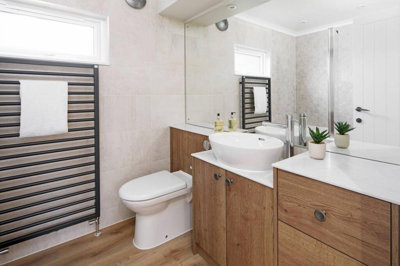
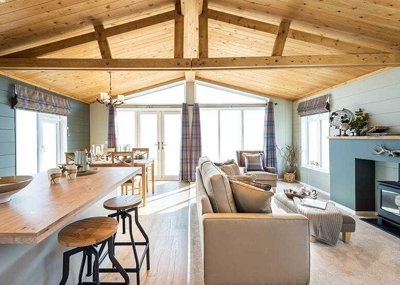
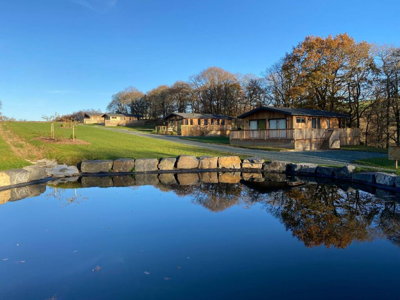
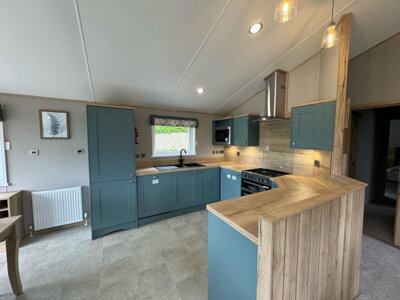
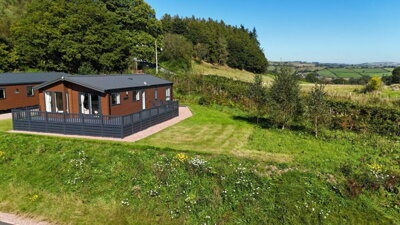
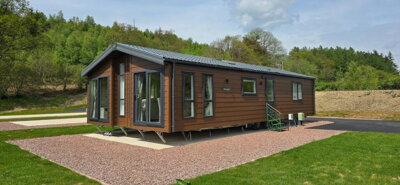
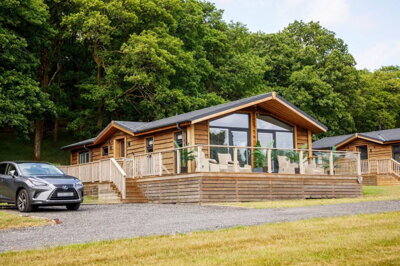
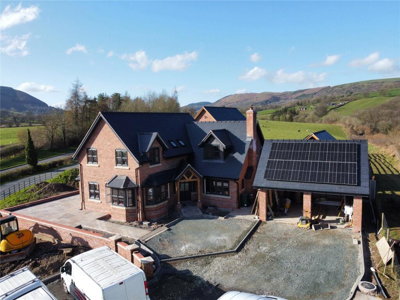
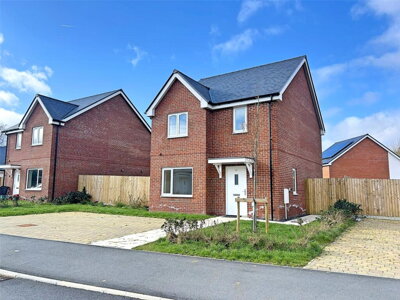
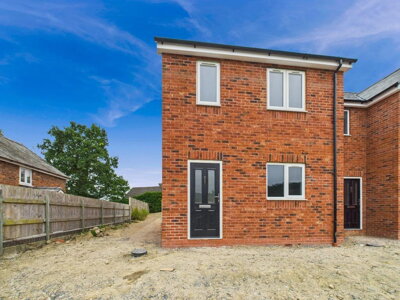
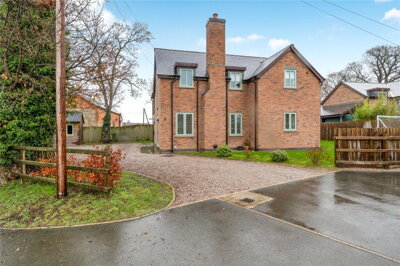
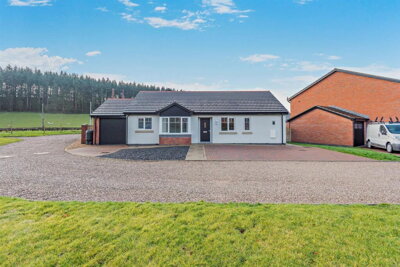
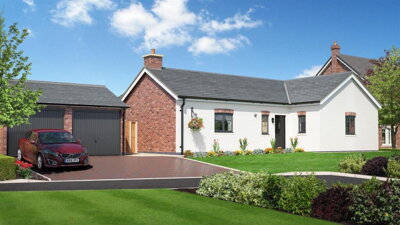
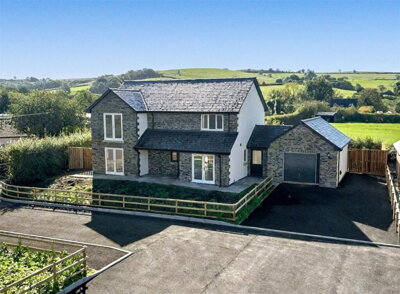
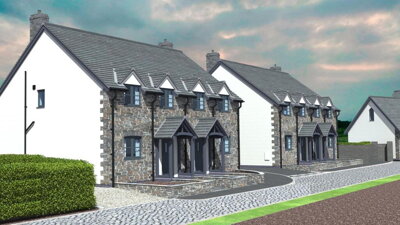
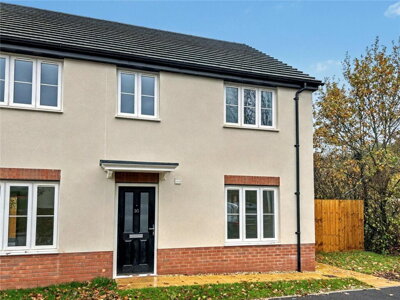
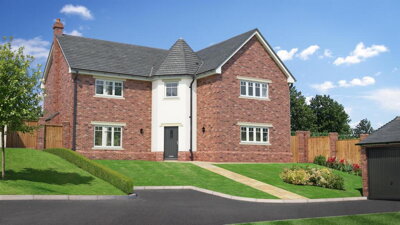
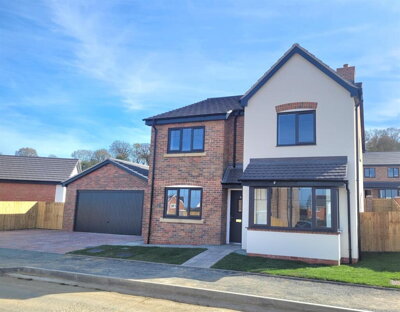
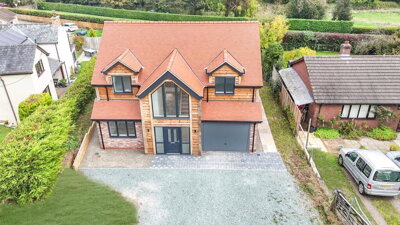
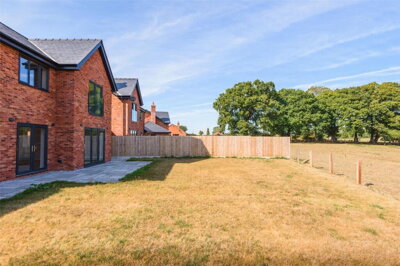
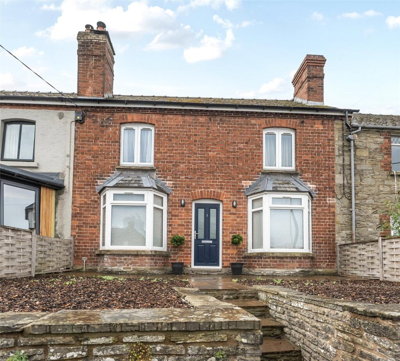
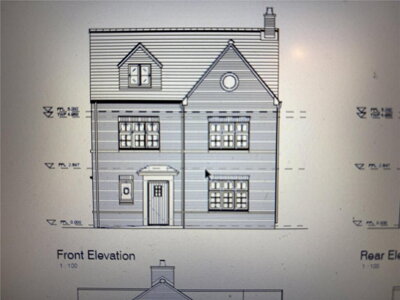
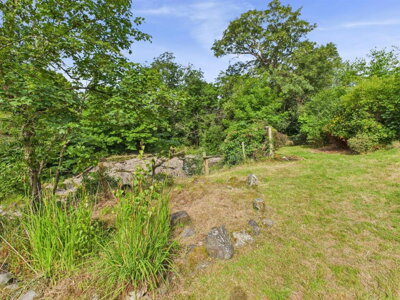
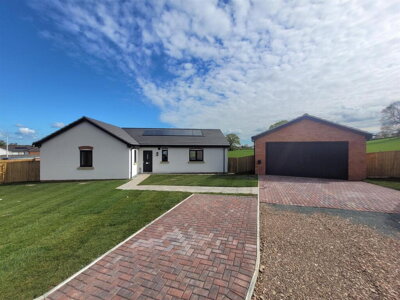
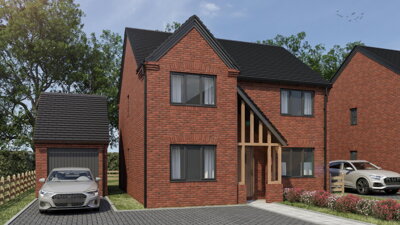
Browse 39 homes new builds in Powys, Cymru / Wales from local developer agents.
The Powys property market offers detached, semi-detached, and terraced houses spanning various price ranges and neighbourhoods. Each listing includes detailed property information, photographs, and direct contact with the marketing agent.
£350k
674
35
166
Source: home.co.uk
Showing 674 results for Houses new builds in Powys, Cymru / Wales. 35 new listings added this week. The median asking price is £350,000.
Source: home.co.uk
Detached
420 listings
Avg £472,632
Semi-Detached
150 listings
Avg £261,734
Terraced
104 listings
Avg £213,482
Source: home.co.uk
Source: home.co.uk
The Powys property market presents a compelling opportunity for buyers seeking value in one of Wales's most picturesque counties. February 2026 data shows the overall average house price stands at £239,837, with detached properties averaging £304,010 and semi-detached homes at £194,188. Terraced properties offer the most affordable entry point at around £165,160, while flats average £105,714. Over the past twelve months, prices have shown a modest decline of approximately 2.31% across all property types, creating potential buying opportunities for those who can act decisively in a market where selection remains reasonable.
New build developments across Powys provide options for buyers seeking modern construction with contemporary amenities. Bellway Homes offers three and four-bedroom properties at The Pastures in Newtown from £229,995 to £319,995, while Charles Church presents larger family homes at Maes Y Dderwen in Brecon ranging from £289,995 to £429,995. Persimmon Homes has two, three, and four-bedroom options at The Coppice in Welshpool from £199,995, and Elan Homes offers three and four-bedroom properties at Llys Y Coed in Llandrindod Wells from £259,995 to £369,995. These developments represent good value when compared to equivalent properties in neighbouring English counties, making Powys increasingly attractive to buyers seeking more space for their money.

Life in Powys revolves around the spectacular natural landscape that dominates this landlocked county. The Brecon Beacons National Park, now officially known as Bannau Brycheiniog, encompasses significant portions of southern Powys and draws visitors from across the UK who come to explore mountain peaks, rolling moorlands, and ancient valleys carved by glacial activity. Agriculture remains central to the local economy, with 14% of the county's workforce employed in farming, forestry, and fishing, making Powys the highest local authority in Wales for agricultural employment. This rural economy shapes both the character of communities and the types of properties available, from working farms to converted agricultural buildings.
The housing stock in Powys reflects its predominantly rural character with nearly half of all properties being detached homes, providing residents with generous proportions and private gardens. Census data reveals that 47.9% of homes are detached, 26% are semi-detached, 17.5% are terraced, and only 7.9% are flats or apartments. The age profile of properties shows a significant heritage element, with 30.7% of homes built before 1919, constructed using traditional methods with local stone, lime mortar, and slate roofing. A further 31% of properties date from the post-war period through to 1980, while 27.9% represent more modern construction. This blend of historic and contemporary properties provides options across all budgets and tastes, from Listed farmhouses requiring renovation to recently built homes with modern insulation and heating systems.
Education provision in Powys serves a geographically dispersed population across a large rural area. The county maintains a network of primary schools in towns and villages throughout the region, with secondary education centred in the main towns including Brecon, Newtown, Welshpool, and Llandrindod Wells. Powys is served by several comprehensive schools offering secondary education up to age 18, with sixth form provision available at key sites. Parents considering relocation to Powys should research specific school catchments, as the rural nature of the county means travel times to schools can be longer than in urban areas. The county's commitment to education is reflected in the presence of Powys County Council as a major public sector employer alongside NHS Powys Teaching Health Board.
Beyond statutory education, Powys offers further education opportunities through colleges and training providers serving the county's diverse economic needs. The agricultural heritage of the region is supported by specialist land-based education, while the growing tourism industry around the Brecon Beacons creates opportunities in hospitality and outdoor pursuits. For families working remotely, the county has seen significant growth in home working, with Census data showing 30% of Powys residents working from home in 2021, up from 22% in 2011. This shift has made Powys increasingly attractive to professionals who can conduct their work from rural locations while maintaining connections to larger employment centres through modern digital infrastructure.
Transport connectivity defines daily life in Powys, where the county's size and rural nature shape commuting patterns and lifestyle choices. The county lacks motorway access, with the A44, A458, A470, and A483 providing the main road corridors connecting market towns and villages. Journey times to larger employment centres vary significantly depending on location within the county. Properties in eastern Powys, particularly around Welshpool and Knighton, offer reasonable access to Shrewsbury, while southern Powys provides connections to Hereford. Western areas of the county, including Rhayader and Llandrindod Wells, maintain ties to the Cambrian Mountains and Aberystwyth.
Rail connections serve Powys through the Cambrian Line, which runs from Shrewsbury through Newtown, Caersws, Machynlleth, and onwards to Aberystwyth, providing essential connectivity for residents without private vehicles. The Heart of Wales Line also serves southern parts of the county, connecting with Swansea. Bus services operate throughout Powys, though frequency reduces in more rural areas where community transport schemes supplement public bus routes. For commuters to cities further afield, the proximity of Shrewsbury (around 45 minutes from Newtown) and Hereford (approximately one hour from Brecon) opens access to rail connections reaching Birmingham and Cardiff. The lack of motorways means Powys residents generally accept longer journey times in exchange for the quality of life benefits that rural living provides.
Before viewing properties in Powys, arrange a mortgage agreement in principle to understand your budget. Properties in this county range from flats around £105,000 to detached homes exceeding £300,000, so knowing your limit saves time.
Explore different areas of this large county to find your preferred location. Consider proximity to your workplace, school catchments, and whether you need access to rail connections or are willing to drive.
Use Homemove to browse all available properties across Powys. Schedule viewings of homes that match your criteria, taking time to assess the condition of properties, especially older buildings where traditional construction may require maintenance.
Given that over 72% of Powys properties were built before 1980, we strongly recommend a RICS Level 2 survey before purchase. This will identify any structural issues, damp problems, or roof defects common in the area's older housing stock.
Choose a conveyancing solicitor experienced in Welsh property transactions. They will handle searches, checks on flood risk areas along rivers like the Severn and Wye, and ensure all legal requirements are met before you complete your purchase.
Buying property in Powys requires awareness of local factors that affect homes across this large rural county. Flood risk awareness is essential given Powys's extensive river systems, with the River Severn, River Wye, River Usk, and River Teme all presenting potential flood risk to low-lying properties. Surface water flooding can occur during heavy rainfall, particularly where drainage systems are overwhelmed. Properties near rivers require careful consideration of flood history and potential insurance implications. The county's geology, featuring areas of Silurian and Ordovician shales, mudstones, and glacial till, means certain locations may have shrink-swell clay soil risk that can affect foundations over time.
The prevalence of Listed buildings and conservation areas throughout Powys shapes what buyers can and cannot do with their properties. Towns like Montgomery, Presteigne, Hay-on-Wye, and parts of Brecon have protected conservation areas, while throughout the county, historic farmhouses, cottages, and estate properties carry Listed status. Any alterations to Listed buildings require Listed Building Consent from Powys County Council, and buyers should factor potential renovation restrictions into their purchasing decisions. Properties within conservation areas may face planning limitations on external alterations, windows, and boundaries. Additionally, given that radon gas levels can be higher than the national average in certain Powys locations, a radon test may be advisable, particularly for properties in higher-risk zones.
The average house price in Powys stands at approximately £239,837 according to February 2026 data. Detached properties average £304,010, semi-detached homes are around £194,188, terraced properties cost approximately £165,160, and flats average £105,714. Over the past twelve months, prices have decreased by around 2.31%, creating opportunities for buyers in this Welsh county where property remains significantly more affordable than in much of England.
Council tax bands in Powys are set by Powys County Council and vary by property value and type. Properties in Powys typically range from Band A through to Band H, with the majority of the county's predominantly rural housing stock falling in the lower to mid bands. You should check the specific band for any property you are considering through the Valuation Office Agency, as bands affect ongoing annual costs.
Powys maintains a network of primary schools across its towns and villages, with secondary education provided through comprehensive schools in Brecon, Newtown, Welshpool, Llandrindod Wells, and other centres. The county's rural nature means school catchment areas are important considerations when buying property. Research specific school performance through Estyn reports and consider travel distances, as these can be longer than in urban areas. For families prioritising education options, viewing the location of good-performing schools alongside available properties is advisable.
Public transport in Powys reflects its rural character, with rail services provided by the Cambrian Line connecting eastern towns like Newtown to the national network at Shrewsbury, and the Heart of Wales Line serving southern communities. Bus services operate throughout the county, though frequencies reduce in more remote areas. The county lacks motorway access, with A-roads providing the main routes between towns. Residents often rely on private vehicles for daily transport, though rail connections to Shrewsbury and Hereford provide access to wider rail networks.
Powys offers genuine investment potential for buyers seeking more affordable property with strong lifestyle credentials. The county's largest settlement, Newtown, has an estimated population around 12,000, while the county town of Llandrindod Wells has approximately 5,000 residents. Property prices have shown modest declines recently, which could benefit buyers purchasing with a medium-term view. The tourism industry around the Brecon Beacons creates demand for holiday lets in certain areas, though this should be balanced against potential regulatory changes affecting short-term rentals.
Stamp Duty Land Tax (SDLT) applies to property purchases in Wales as in the rest of the UK. Current thresholds for standard buyers mean you pay nothing on the first £250,000 of property value, 5% on the portion from £250,001 to £925,000, 10% up to £1.5 million, and 12% above that. First-time buyers in Wales benefit from different thresholds through the First-Time Buyer Relief scheme, which exempts the first £425,000 of value from SDLT. Given the county's average price of £239,837, many Powys properties fall entirely within the zero-rate threshold for standard buyers.
From 4.5%
Compare mortgage rates and find the best deal for your Powys property purchase
From £499
Expert solicitors to handle your Powys property purchase
From £400
Homebuyer report essential for this county's older properties
From £60
Energy performance certificate required for your new home
Understanding the full costs of buying property in Powys helps you budget accurately for your purchase. The Stamp Duty Land Tax thresholds for 2024-25 set the zero-rate band at £250,000 for standard buyers, meaning many properties across Powys attract no SDLT at all. For a terraced property averaging £165,160 or a flat at £105,714, you would pay no stamp duty whatsoever. Properties priced between £250,000 and £925,000 incur a 5% charge on the amount above £250,000, while higher value properties face increased rates. With the county average sitting at £239,837, Powys represents excellent value where stamp duty concerns are minimal for most buyers.
Beyond stamp duty, buyers should budget for solicitor conveyancing costs, which typically start from around £499 for standard transactions in Wales. Survey costs are particularly important given Powys's property profile, where over 72% of homes were built before 1980. A RICS Level 2 survey costs approximately £400 to £700 depending on property size and type, while larger detached properties may cost £700 to £900. Given the prevalence of traditional stone construction, slate roofing, and potential issues with damp or timber defects in older Powys properties, skipping a survey represents a false economy. Factor in mortgage arrangement fees, valuation fees charged by lenders, and Land Registry registration costs to arrive at a complete budget for your Powys property purchase.
Properties New Builds In London

Properties New Builds In Plymouth

Properties New Builds In Liverpool

Properties New Builds In Glasgow

Properties New Builds In Sheffield

Properties New Builds In Edinburgh

Properties New Builds In Coventry

Properties New Builds In Bradford

Properties New Builds In Manchester

Properties New Builds In Birmingham

Properties New Builds In Bristol

Properties New Builds In Oxford

Properties New Builds In Leicester

Properties New Builds In Newcastle

Properties New Builds In Leeds

Properties New Builds In Southampton

Properties New Builds In Cardiff

Properties New Builds In Nottingham

Properties New Builds In Norwich

Properties New Builds In Brighton

Properties New Builds In Derby

Properties New Builds In Portsmouth

Properties New Builds In Northampton

Properties New Builds In Milton Keynes

Properties New Builds In Bournemouth

Properties New Builds In Bolton

Properties New Builds In Swansea

Properties New Builds In Swindon

Properties New Builds In Peterborough

Properties New Builds In Wolverhampton

Enter your details to see if this property is within your budget.
Loans, cards, car finance
Estimated property budget
Borrowing + deposit
You could borrow between
Typical borrowing
Monthly repayment
Est. at 4.5%
Loan-to-value
This is an estimate only. Your actual budget may vary depending on interest rates, credit history, and personal circumstances. For an accurate affordability assessment, speak to one of our free mortgage advisors.
This calculator provides estimates for illustrative purposes only and does not constitute financial advice. Your home may be repossessed if you do not keep up repayments on your mortgage. Estimates based on 4.5% interest rate, repayment mortgage. Actual rates depend on your circumstances.
Homemove is a trading name of HM Haus Group Ltd (Company No. 13873779, registered in England & Wales). Homemove Mortgages Ltd (Company No. 15947693) is an Appointed Representative of TMG Direct Limited, trading as TMG Mortgage Network, which is authorised and regulated by the Financial Conduct Authority (FRN 786245). Homemove Mortgages Ltd is entered on the FCA Register as an Appointed Representative (FRN 1022429). You can check registrations at NewRegister or by calling 0800 111 6768.

We use cookies to show you personalised content and improve your experience of our website. Find out more in our Privacy policy and Cookie policy.