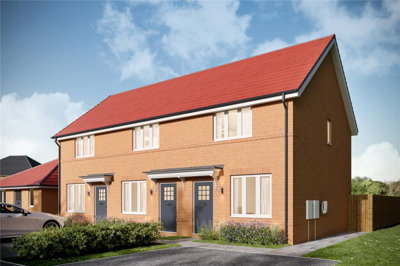
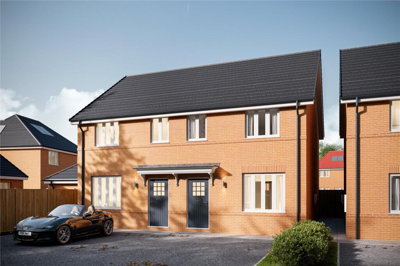
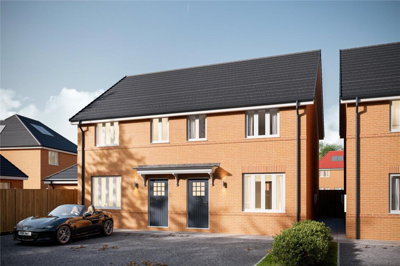
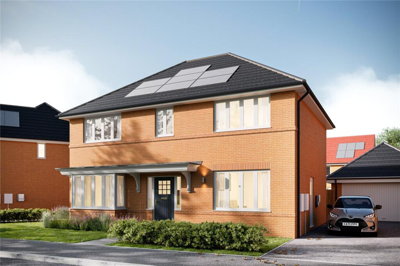
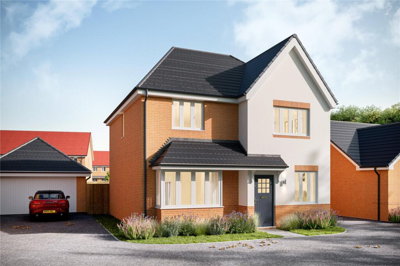
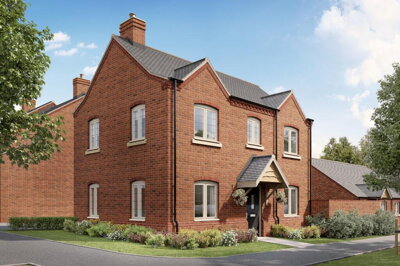
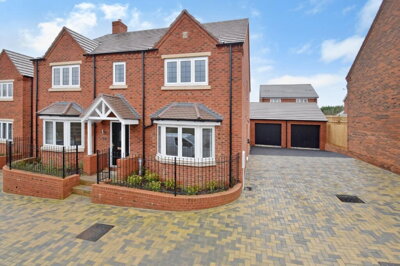
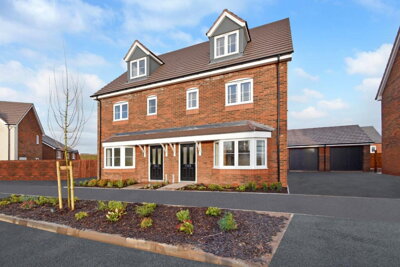
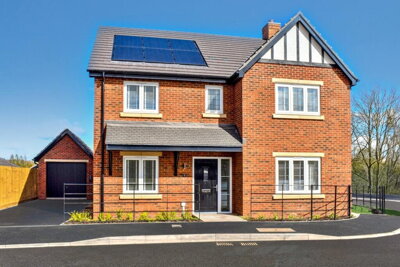
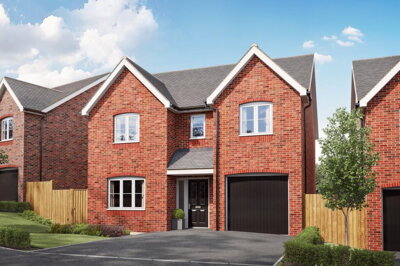
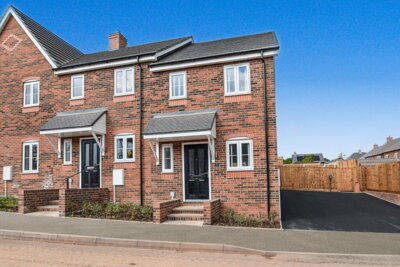
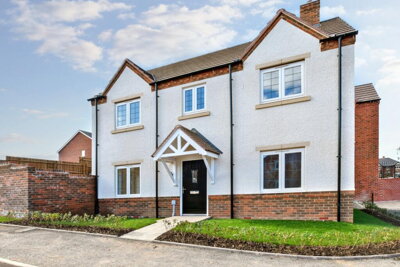
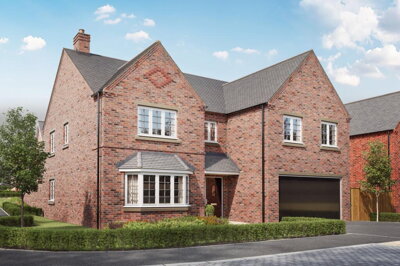
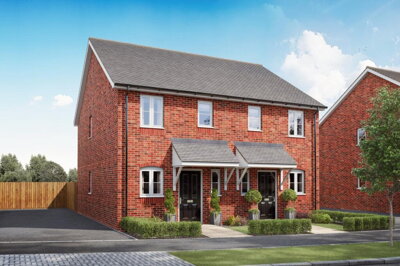
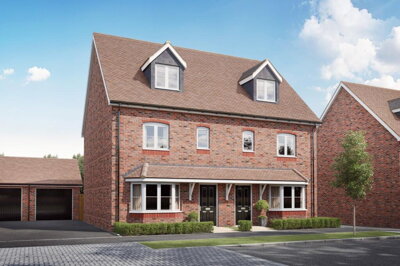
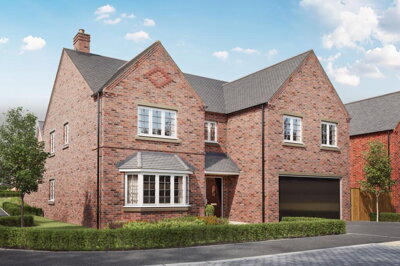
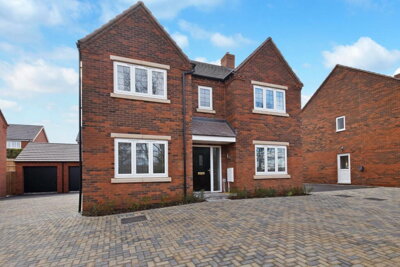
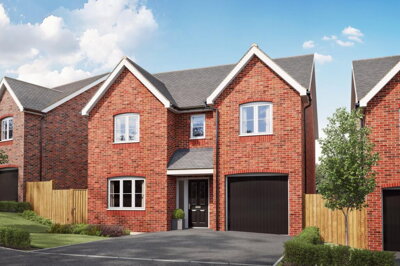
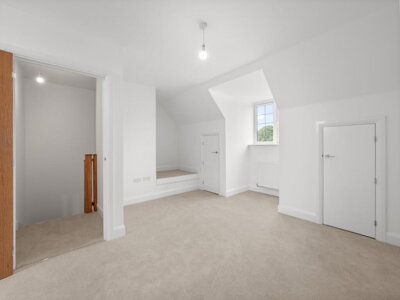
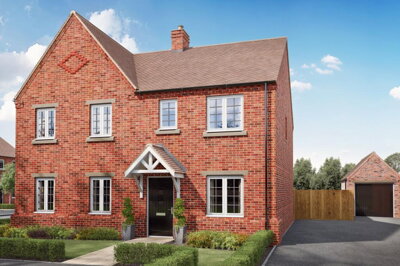
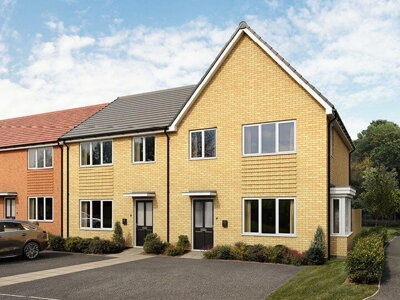
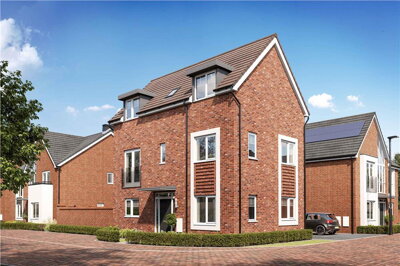
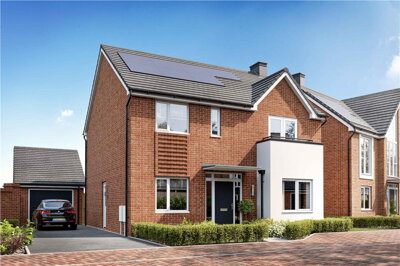
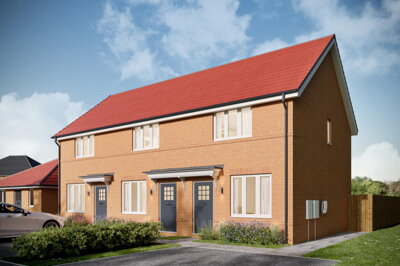
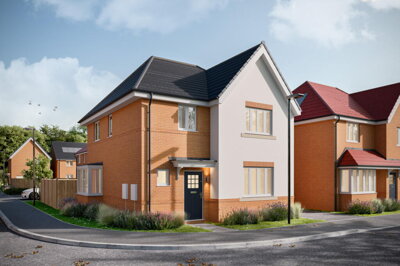
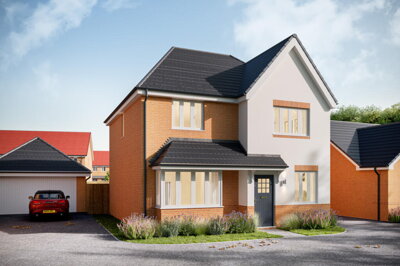
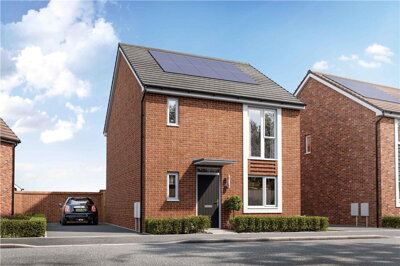
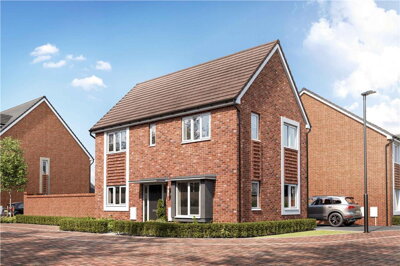
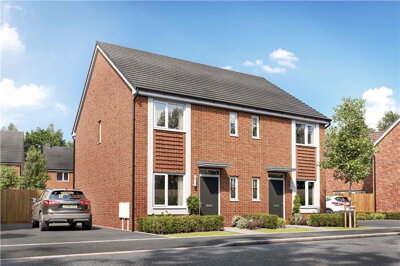
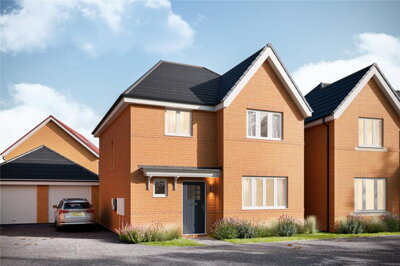
Browse 36 homes new builds in Powick, Malvern Hills from local developer agents.
The Powick property market offers detached, semi-detached, and terraced houses spanning various price ranges and neighbourhoods. Each listing includes detailed property information, photographs, and direct contact with the marketing agent.
£420k
11
0
96
Source: home.co.uk
Showing 11 results for Houses new builds in Powick, Malvern Hills. The median asking price is £420,000.
Source: home.co.uk
Detached
9 listings
Avg £536,889
Semi-Detached
2 listings
Avg £300,000
Source: home.co.uk
Source: home.co.uk
The Atherington property market reflects the quiet confidence of North Devon's rural housing sector, with prices increasing by 1.32% over the past twelve months. This steady growth demonstrates sustained demand for village properties in this part of Devon, where buyers are drawn by the combination of affordable prices compared to coastal hotspots and the authentic character of the local housing stock. The market currently offers twelve properties across various types, from starter homes to substantial family residences, providing options for first-time buyers, growing families, and those seeking a peaceful retirement location.
Property types available in Atherington include traditional detached homes commanding around £471,000 on average, semi-detached properties valued at approximately £315,000, terraced cottages at £250,000, and apartments from £165,000. The village's housing stock comprises predominantly older properties, with many buildings predating 1919, including listed structures that contribute to the area's historic character. Prospective buyers should note that no active new-build developments exist within the immediate EX31 3 postcode area, meaning most purchases will involve existing properties with all their inherent character and potential renovation opportunities.
Given the age of much of the local housing stock, purchasing a property in Atherington often means acquiring a home built using traditional Devon methods. Many properties feature cob construction, a historic building technique using a mixture of subsoil, straw, and water that creates thick, characterful walls. These buildings are typically rendered or painted and topped with slate roofing, reflecting the materials readily available in the local landscape. Understanding these construction methods is essential when evaluating properties, as older buildings require specific maintenance approaches that differ from modern construction.

Life in Atherington centres around the gentle rhythms of rural Devon, where community spirit runs deep despite the village's modest size of fewer than 430 residents. The village holds its own historic character through St Mary's Church, a Grade I listed building dating from the medieval period and standing as the spiritual and architectural heart of the community. This impressive church, with its origins reaching back centuries, serves not only as a place of worship but as a visible expression of the village's long history and the craftsmanship of those who built it. The presence of this landmark, along with other listed buildings throughout the parish, creates an atmosphere where every lane and path tells a story of generations past.
The local economy of Atherington and its surrounding area is rooted in agriculture, with rolling farmland supporting livestock and arable enterprises that have shaped the landscape for centuries. Tourism also plays a significant role in the broader North Devon economy, with visitors drawn to the area's outstanding natural beauty, coastal paths, and access to Exmoor National Park. Residents of Atherington benefit from this economic diversity while enjoying the lower property prices that come with inland locations away from the most tourist-heavy coastal villages. Commuting to larger employment centres, particularly Barnstaple, is common for those requiring office-based work, with the journey taking approximately 20-30 minutes by car.
Daily life in Atherington requires a degree of self-sufficiency that many residents find rewarding rather than restrictive. The village's small population means that essential shopping, larger supermarkets, and a broader range of amenities are accessed in nearby towns, most commonly Barnstaple. However, this distance encourages a community resilience where neighbours support one another, local events bring people together, and the pace of life allows for genuine work-life balance. For those transitioning from urban or suburban environments, this represents a significant lifestyle shift that many find refreshing and life-enhancing.
The parish sits at an elevation of approximately 150 metres above sea level, positioned on the eastern flanks of the valley formed by the River Taw's tributaries. This topography provides residents with attractive views across the surrounding farmland while maintaining good drainage away from the watercourses that feed into the River Taw catchment. The higher ground also offers some protection from flooding that can affect lower-lying areas during periods of heavy rainfall, though all prospective buyers should consult Environment Agency flood risk maps for specific properties.

Families considering a move to Atherington will find educational provision centred around the surrounding villages and the nearby town of South Molton. Primary education for Atherington residents is typically provided through village schools in the wider area, with the closest primary schools serving smaller communities within a short drive of the village. These schools, while modest in size reflecting the rural population, provide children with solid foundations in literacy and numeracy within a nurturing environment where class sizes are often smaller than in urban schools. The intimate setting allows teachers to develop close relationships with students and tailor learning approaches to individual needs.
Secondary education options include schools in South Molton, which serves as the nearest market town with educational facilities. Families should research specific catchment areas and admission policies, as these can change and may affect which school a child can access. For families prioritising academic excellence or specific curricula, investigating the full range of secondary schools within reasonable travelling distance is advisable before committing to a property purchase. The availability of school transport and the practicalities of daily travel should form part of any property viewing assessment.
Further education opportunities are concentrated in Barnstaple, the largest town in North Devon and home to Petroc College and other vocational training providers. These institutions offer A-level programmes, vocational qualifications, and apprenticeships across various disciplines, providing educational pathways for older children and adult learners. The presence of these further education facilities means that families do not need to relocate once children reach post-16 education, maintaining community stability throughout the teenage years. Families with academic aspirations should consider these options when evaluating properties across the Atherington area.
Transport connectivity from Atherington reflects its status as a rural village, with residents relying primarily on private vehicles for daily commuting and essential journeys. The village sits in reasonable proximity to the A361 road, a major route connecting North Devon to the M5 motorway at Junction 27 near Tiverton. This connection places Atherington within approximately two hours' drive of Bristol and Birmingham, making regional centre commuting feasible for those working hybrid schedules or making occasional business trips. The journey to Barnstaple, the principal town of North Devon, takes approximately 25-30 minutes by car, providing access to the widest range of employment, shopping, and leisure facilities in the region.
Public transport options serving Atherington are limited, as is typical for villages of this size. Bus services connecting to South Molton and Barnstaple operate on reduced frequencies compared to urban routes, meaning that timetable planning is essential for those considering public transport as a primary commuting method. Rail connections require travelling to Barnstaple station, which provides services to Exeter and beyond via the Tarka Line. This journey to Exeter takes approximately 1 hour 40 minutes, opening access to faster rail links to London and other major destinations via Exeter St Davids or Exeter Central.
For cyclists and walkers, the local landscape offers both challenges and rewards. The rolling hills of North Devon create demanding terrain for cycling, but also provide scenic routes through farmland and woodland that are ideal for leisure rides and daily exercise. Footpaths and bridleways crisscross the parish and surrounding area, providing access to the countryside for recreation and commuting where distances allow. Parking provision within the village is adequate for residential needs, though visitors and commuters should plan ahead during busy periods or local events.
Begin your property search by reviewing current listings in Atherington and comparing prices against the local average of £376,647. Understand the different property types available, from terraced cottages at £250,000 to detached homes at £471,000, and identify which price range and property style suits your circumstances. Utilise Homemove's comparison tools and local area information to build a clear picture of what your budget can achieve in this village market.
Before viewing properties in Atherington, secure a mortgage agreement in principle from a lender. This document confirms how much you can borrow and demonstrates to sellers that you are a serious, finance-ready buyer. With property prices in Atherington generally below the UK average, many buyers find they can access higher-specification properties than in urban areas, but understanding your borrowing capacity early prevents wasted viewings and disappointment.
Visit properties that match your criteria, taking time to assess not only the property condition but also the neighbourhood character. Given Atherington's mix of older properties, pay attention to signs of damp, roof condition, and the maintenance history of cob-built structures. Consider visiting at different times of day and speaking with residents to gauge the community atmosphere and understand the practical realities of village living.
Once your offer is accepted, arrange a RICS Level 2 Survey (Homebuyer Report) to assess the property condition thoroughly. Given that most properties in Atherington are over 50 years old, these surveys are particularly valuable for identifying issues such as damp, timber defects, structural movement, and outdated services. Survey costs typically range from £500-£700 for properties in this price range, representing a worthwhile investment before committing to purchase.
Appoint a conveyancing solicitor to handle the legal aspects of your purchase, including searches, contracts, and registration. Your solicitor will conduct local authority searches for Atherington, including checking for planning restrictions, flood risk areas within the River Taw catchment, and any conservation area implications. The conveyancing process typically takes 8-12 weeks for standard transactions.
Once conveyancing is satisfactory, you will exchange contracts and pay your deposit, legally committing to the purchase. Completion follows shortly after, when the remaining funds are transferred and you receive the keys to your new Atherington home. At this point, you become the legal owner and can begin your new life in this North Devon village.
Purchasing a property in Atherington requires particular attention to construction type and maintenance history, given the prevalence of older buildings in the village. Many properties are constructed from cob, a traditional Devon building material that offers excellent thermal mass but requires specific maintenance approaches. Prospective buyers should check for signs of damp penetration, particularly at the base of cob walls where moisture can cause deterioration. Rendering and external wall insulation systems should be inspected for cracking or detachment, and any repairs should have been completed using breathable lime-based products rather than modern cement, which can trap moisture and accelerate decay.
The local geology presents specific considerations for property buyers in the Atherington area. The underlying Devonian and Carboniferous rocks, combined with areas of clay-rich superficial deposits, create potential shrink-swell risks during periods of drought and heavy rainfall. Survey reports should be reviewed carefully for any mention of subsidence, heave, or structural movement. Signs of cracking to walls or floors, uneven floors, or doors and windows that stick should prompt further investigation before proceeding with a purchase. Insurance implications for properties in areas with identified ground movement risks should be clarified early in the process.
Flood risk assessment is essential for any property in Atherington, despite the village's inland position. The proximity to the River Taw catchment area means that properties near watercourses or in low-lying positions may be at risk during periods of heavy rainfall. The Environment Agency provides detailed flood risk maps that should be consulted for any property under consideration. Surface water flooding can also occur where drainage systems are overwhelmed, particularly in depressions or areas with poor natural drainage. Properties with a history of flooding or those located in identified flood zones may face higher insurance premiums or difficulty obtaining cover.
Listed building status affects numerous properties in Atherington, and buyers must understand the implications before committing to a purchase. Grade I and Grade II listed buildings are protected for their architectural or historic interest, meaning that any alterations, extensions, or even significant repairs may require Listed Building Consent from the local planning authority. These requirements can make renovation projects more complex and expensive, as materials and methods must often match original specifications. If a survey identifies potential issues with a listed property, a more comprehensive RICS Level 3 Building Survey may be advisable to fully assess the implications of ownership.
The average property price in Atherington as of February 2026 is £376,647. This figure is based on twelve recent property sales in the village. Price variations are significant across property types, with detached properties averaging £471,000, semi-detached homes at £315,000, terraced properties at £250,000, and apartments from £165,000. The Atherington market has shown steady growth with a 1.32% increase over the past twelve months, reflecting broader demand for rural Devon properties at more accessible price points than coastal locations.
Properties in Atherington fall under Torridge District Council's jurisdiction for council tax purposes. Specific band allocations depend on the property's assessed value, with most traditional village properties likely falling into bands A through D. Prospective buyers should check the Valuation Office Agency website for specific property band details, as these affect annual running costs. Torridge District Council sets annual council tax rates based on the band allocation, with payments spread across ten months or twelve months depending on preference. Band A properties in Torridge currently pay around £1,400 annually, while Band D properties pay approximately £1,900, though exact figures should be confirmed with the council for the current financial year.
Primary education in the Atherington area is served by village schools in the wider community, with the nearest options located within a short drive of the village. Secondary schools include facilities in South Molton, with places allocated based on catchment areas that should be confirmed with Devon County Council before purchase. For further education, Petroc College in Barnstaple provides A-level and vocational courses accessible to Atherington residents. Families should research specific school performance data and admission policies, as catchment boundaries can influence which schools children can attend. South Molton Community Primary School serves as a key feeder for secondary education at South Molton Secondary School, both of which have established reputations in the local community.
Public transport connections from Atherington are limited, reflecting its rural village status. Bus services operate between Atherington and nearby towns including South Molton and Barnstaple, though frequencies are reduced compared to urban routes. The nearest railway station is Barnstaple, which provides Tarka Line services to Exeter, with onward connections to London and the national rail network. Most residents rely on private vehicles for daily commuting and essential travel, making car ownership practically necessary for full participation in community life. The Stagecoach bus route connecting Barnstaple to South Molton passes through the wider area, but checking current timetables is essential as services may vary on weekends and during school holidays.
Atherington offers several factors that may appeal to property investors, including more affordable prices compared to coastal North Devon locations and steady demand from buyers seeking rural lifestyles. The village's limited new-build supply means existing properties face reduced competition from new developments. Rental demand may exist from professionals working in the area or those seeking weekend retreats, though the small local population limits the tenant pool. As with any property investment, prospective buyers should conduct thorough research into rental yields, void periods, and local market trends before committing. Properties requiring renovation, particularly those with original features or cob construction, may offer opportunities for value addition through sympathetic improvement.
Stamp duty rates for 2024-25 are 0% on the first £250,000 of property value, 5% on the portion from £250,001 to £925,000, 10% on £925,001 to £1.5 million, and 12% on any amount above £1.5 million. First-time buyers enjoy increased thresholds with 0% on the first £425,000 and 5% on £425,001 to £625,000. For a typical Atherington property at the current average price of £376,647, a standard buyer would pay no stamp duty on the first £250,000 and 5% on the remaining £126,647, totalling £6,332.35. First-time buyers purchasing at the average price would pay no stamp duty at all due to the higher threshold for first properties.
From 4.5%
Compare mortgage rates from leading lenders
From £499
Expert solicitors for your Atherington property purchase
From £500
Professional survey for your Atherington property
From £600
Comprehensive building survey for older properties
Understanding the full costs of purchasing property in Atherington is essential for budgeting effectively. Beyond the property purchase price, buyers must account for stamp duty, solicitor fees, survey costs, and various smaller expenses that together can add several thousand pounds to the total investment. For properties in Atherington with an average price of £376,647, these additional costs typically range from £6,000 to £10,000 depending on circumstances, though figures vary based on individual situations and the specific property being purchased.
Stamp duty calculations for standard buyers purchasing at the current average price of £376,647 incur no duty on the first £250,000, then 5% on the remaining £126,647. This results in a stamp duty liability of £6,332.35. First-time buyers benefit from more generous thresholds, paying nothing on the first £425,000 if purchasing their first property, meaning they would incur no stamp duty on a property at this average price point. Properties valued above £625,000 do not qualify for first-time buyer relief, and those exceeding £1.5 million attract the highest rate of 12% on amounts above that threshold.
Legal costs for conveyancing in the Atherington area typically range from £500 to £2,000 depending on complexity and whether the property is freehold or leasehold. Solicitors handle essential tasks including local searches, contract review, and registration at HM Land Registry. Survey costs for a RICS Level 2 Survey on a property in this price range generally fall between £500 and £700, while more comprehensive Level 3 Building Surveys for older or listed properties may cost £600 to £1,000 or more. Mortgage arrangement fees, valuation fees, and broker charges add further costs, though these vary significantly between lenders and products. Budgeting conservatively and obtaining quotes from multiple providers helps ensure buyers are not caught out by unexpected expenses at what should be an exciting time.
Properties New Builds In London

Properties New Builds In Plymouth

Properties New Builds In Liverpool

Properties New Builds In Glasgow

Properties New Builds In Sheffield

Properties New Builds In Edinburgh

Properties New Builds In Coventry

Properties New Builds In Bradford

Properties New Builds In Manchester

Properties New Builds In Birmingham

Properties New Builds In Bristol

Properties New Builds In Oxford

Properties New Builds In Leicester

Properties New Builds In Newcastle

Properties New Builds In Leeds

Properties New Builds In Southampton

Properties New Builds In Cardiff

Properties New Builds In Nottingham

Properties New Builds In Norwich

Properties New Builds In Brighton

Properties New Builds In Derby

Properties New Builds In Portsmouth

Properties New Builds In Northampton

Properties New Builds In Milton Keynes

Properties New Builds In Bournemouth

Properties New Builds In Bolton

Properties New Builds In Swansea

Properties New Builds In Swindon

Properties New Builds In Peterborough

Properties New Builds In Wolverhampton

Enter your details to see if this property is within your budget.
Loans, cards, car finance
Estimated property budget
Borrowing + deposit
You could borrow between
Typical borrowing
Monthly repayment
Est. at 4.5%
Loan-to-value
This is an estimate only. Your actual budget may vary depending on interest rates, credit history, and personal circumstances. For an accurate affordability assessment, speak to one of our free mortgage advisors.
This calculator provides estimates for illustrative purposes only and does not constitute financial advice. Your home may be repossessed if you do not keep up repayments on your mortgage. Estimates based on 4.5% interest rate, repayment mortgage. Actual rates depend on your circumstances.
Homemove is a trading name of HM Haus Group Ltd (Company No. 13873779, registered in England & Wales). Homemove Mortgages Ltd (Company No. 15947693) is an Appointed Representative of TMG Direct Limited, trading as TMG Mortgage Network, which is authorised and regulated by the Financial Conduct Authority (FRN 786245). Homemove Mortgages Ltd is entered on the FCA Register as an Appointed Representative (FRN 1022429). You can check registrations at NewRegister or by calling 0800 111 6768.

We use cookies to show you personalised content and improve your experience of our website. Find out more in our Privacy policy and Cookie policy.