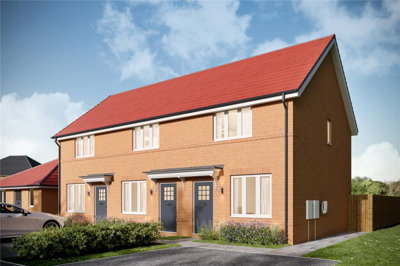
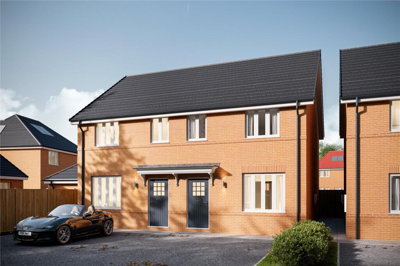
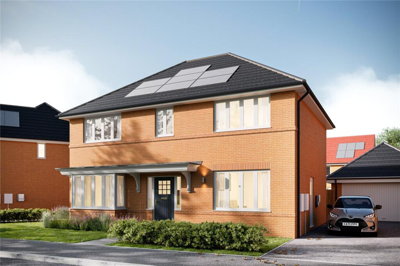
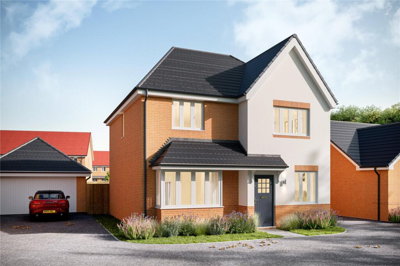
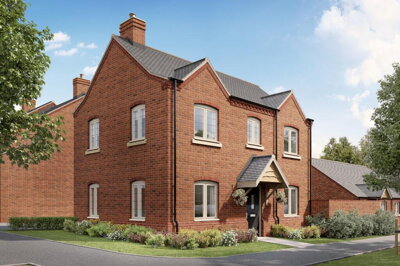
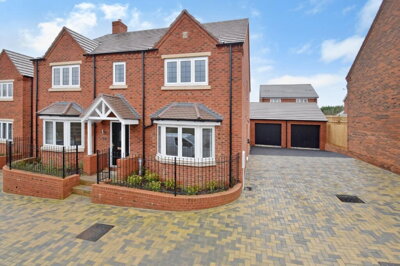
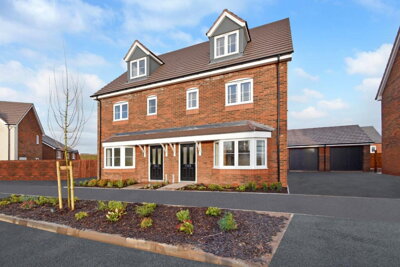
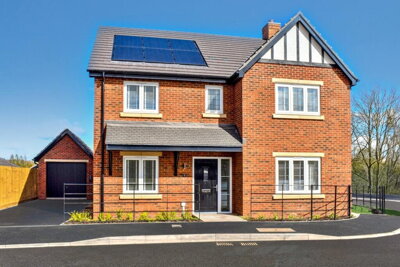
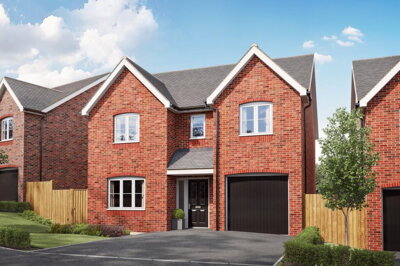
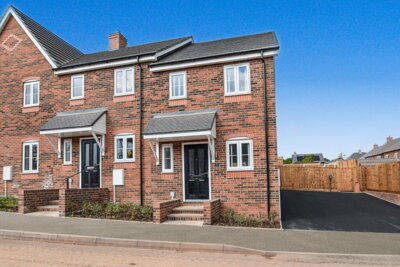
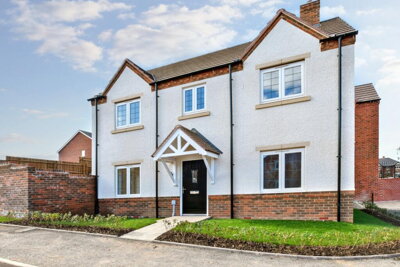
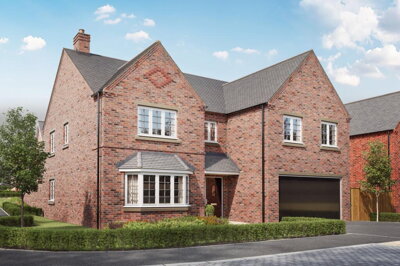
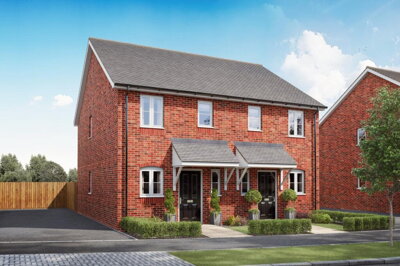
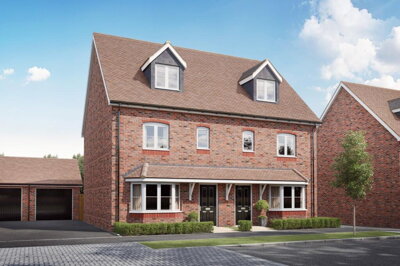
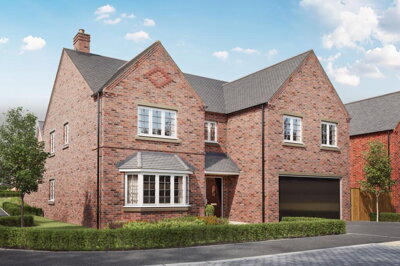
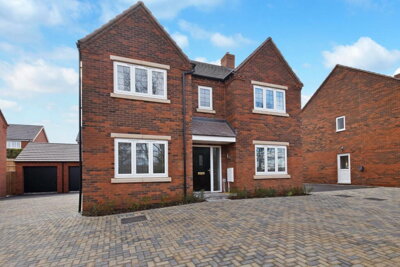
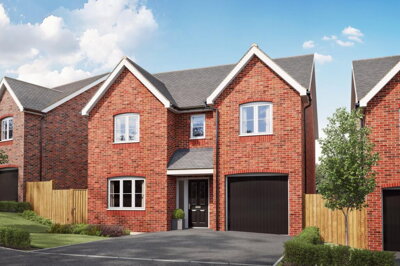
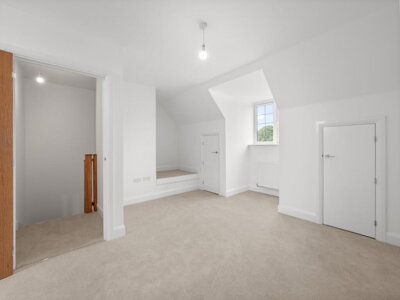
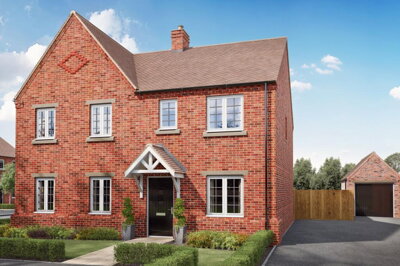
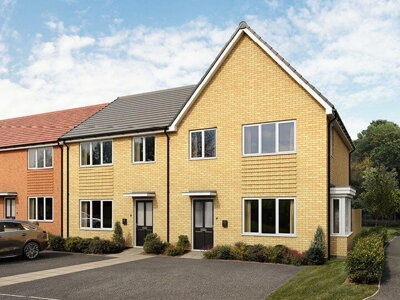
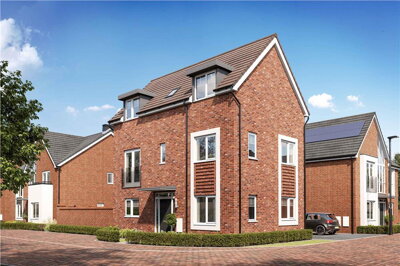
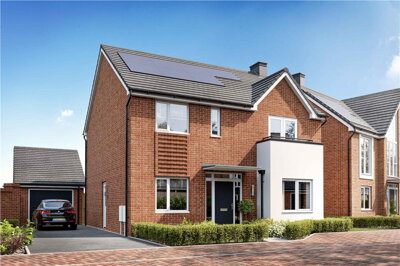
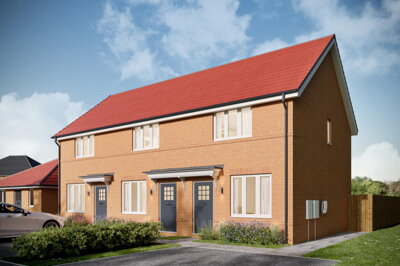
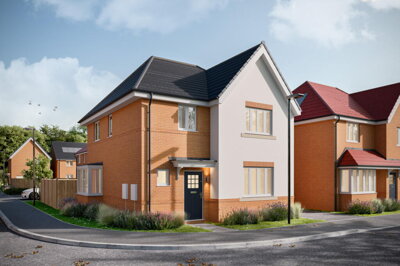
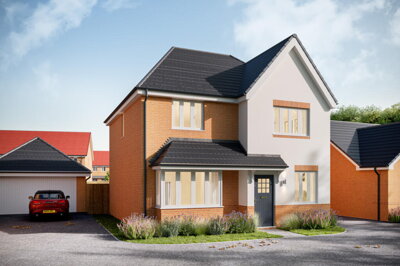
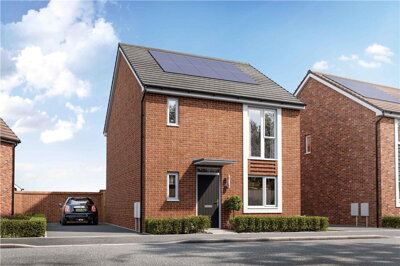
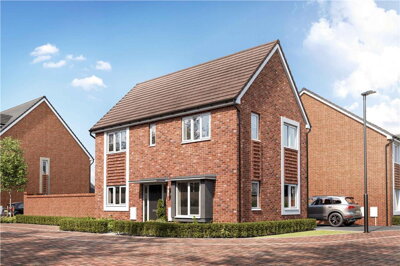
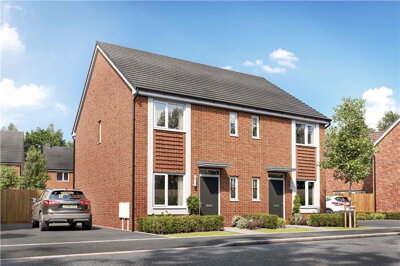
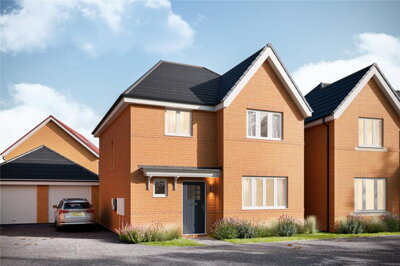
Browse 36 homes new builds in Powick, Malvern Hills from local developer agents.
£420k
23
1
122
Source: home.co.uk
Source: home.co.uk
Detached
9 listings
Avg £536,889
Barn Conversion
2 listings
Avg £675,000
Detached Bungalow
2 listings
Avg £597,500
End of Terrace
2 listings
Avg £320,000
Semi-Detached
2 listings
Avg £300,000
Apartment
1 listings
Avg £290,000
Bungalow
1 listings
Avg £750,000
Cottage
1 listings
Avg £230,000
Park Home
1 listings
Avg £197,000
Town House
1 listings
Avg £420,000
Source: home.co.uk
Source: home.co.uk
The Atherington property market presents a compelling mix of traditional Devon housing stock, with detached properties commanding the highest values at an average of £471,000. These larger homes typically offer substantial gardens, often with rural views across the surrounding farmland, and represent the premium segment of the local market. Semi-detached properties average £315,000, providing excellent options for families seeking more manageable outdoor spaces while still enjoying the village atmosphere that makes Atherington so desirable. The twelve property sales recorded over the past twelve months reflect a market that, while modest in volume, maintains consistent activity throughout the year.
Terraced properties in Atherington average £250,000, offering an accessible entry point to village life for first-time buyers and those looking to downsize from larger properties elsewhere. Flats remain rare in this predominantly rural parish, with the few available averaging £165,000, though the limited supply reflects the character of the area where standalone houses and cottages dominate the housing landscape. The absence of verified new-build developments within the immediate EX31 postcode area means that buyers seeking modern construction may need to broaden their search to nearby towns, though the quality of traditional properties on offer more than compensates with their solid construction and period charm.
Property values in Atherington have demonstrated consistent growth over the past year, with the 1.32% increase reflecting sustained demand from buyers seeking the balance of rural tranquility and accessibility that the village provides. The market attracts diverse buyers including families relocating from urban centres, commuters working in Barnstaple or beyond, and retirees drawn to the area's natural beauty and strong community spirit. Our local agent network provides insight into both current listings and upcoming properties, helping you find the right home before it reaches the broader market.

Life in Atherington revolves around the gentle rhythms of rural Devon, where community spirit thrives despite the village's small population of around 428 residents. The parish sits amidst the varied geology of North Devon, underlain by Devonian and Carboniferous rocks including sandstones, shales, and limestones, which contribute to the beautiful landscape of rolling hills and vales. The presence of St Mary's Church, a Grade I listed building dating from the medieval period, anchors the village's historic core and serves as a focal point for community gatherings and events throughout the year.
The local economy reflects Atherington's agricultural heritage, with farming remaining important alongside tourism from visitors drawn to North Devon's stunning coastline and countryside. Many residents commute to Barnstaple, the regional centre approximately eight miles away, for employment in retail, healthcare, and professional services, benefiting from the peaceful village environment while maintaining urban career opportunities. Local amenities include a village hall hosting various clubs and activities, while the surrounding countryside offers extensive walking and cycling opportunities along public footpaths and bridleways that traverse the farmland and reach the coast at nearby Saunton and Croyde.
The surrounding area offers exceptional recreational opportunities, with Exmoor National Park accessible to the east and the surfing beaches of Croyde and Woolacombe within easy driving distance. Local attractions include the RHS Garden Rosemoor at Torrington, and the Tarka Trail provides excellent cycling and walking routes that connect Atherington to the wider North Devon network. The village's position within the River Taw catchment also places it near several nature reserves, offering birdwatching and wildlife observation opportunities throughout the year.
Community life in Atherington maintains traditional village values, with regular events bringing residents together throughout the year. The village hall serves as a hub for everything from quiz nights and craft workshops to larger seasonal celebrations, fostering the connections that make rural living so rewarding. New residents quickly find themselves welcomed into this active community, whether through attending church services at St Mary's, joining local interest groups, or simply chatting with neighbours at the village's informal gathering points.

Families considering a move to Atherington will find a selection of educational options within easy reach, with primary schooling available in nearby villages and towns. The village's small population means that younger children typically attend primary schools in surrounding communities such as Umberleigh or Bishop's Tawton, with school transport arrangements making these accessible from Atherington. These local primaries provide a solid foundation for young learners in a nurturing environment that reflects the close-knit nature of rural North Devon communities.
Secondary education is provided at schools in Barnstaple, North Devon's principal town, which offers several options including the well-regarded Independent school alongside comprehensive schools serving the wider area. Parents should research current catchment areas and admissions policies, as these can change and may influence which school their child would be eligible to attend. For families prioritising educational outcomes, viewing school performance data and visiting potential schools during open days provides valuable insight into the options available when moving to the Atherington area.
Further and higher education opportunities are readily accessible in Exeter, approximately one hour's drive from Atherington, where the University of Exeter and Exeter College provide a full range of undergraduate and postgraduate programmes. The Petroc College in Barnstaple offers vocational courses and apprenticeships, providing practical pathways into various careers for older students and adults seeking to retrain or upskill. For families planning their educational journey around a move to Atherington, we recommend contacting local schools directly to discuss admission arrangements and transport logistics before finalising your property purchase.
Atherington enjoys practical transport connections despite its rural setting, with the A377 providing direct access to Barnstaple approximately eight miles to the north. This main road through the Taw Valley connects residents to the wider North Devon road network, including the A361 which links to Junction 27 of the M5 motorway near Tiverton, providing access to Exeter and the national motorway network beyond. For commuters working in Exeter, the journey takes approximately one hour by car under normal conditions, though the route passes through beautiful countryside making even daily commutes pleasant.
Public transport options include bus services connecting Atherington to Barnstaple and the surrounding villages, though these may be limited in frequency and should be checked for current timetables before relying on them for daily commuting. The nearest railway station is in Barnstaple, offering connections on the Tarka Line to Exeter, though direct services to London require a change at Exeter St Davids or Exeter Central. Many residents find that car ownership is essential for full enjoyment of everything Atherington and North Devon offer, given the rural nature of the area and the spread of local amenities.
For those travelling to Exeter for work or leisure, Barnstaple railway station provides regular Tarka Line services, with the journey to Exeter taking around one hour and fifteen minutes. From Exeter, fast trains to London Paddington take approximately two hours, making day trips to the capital feasible for those who need to attend meetings or visit the capital. Exeter International Airport offers flights to destinations across the UK and Europe, providing international travel access for Atherington residents without the need to travel to larger airports further afield.
Properties in Atherington showcase the traditional building methods that have characterised North Devon construction for centuries, with cob walls remaining one of the most distinctive features of the local housing stock. Cob construction, using a mixture of subsoil, straw, and water, creates thick walls with excellent thermal mass, though these structures require specific maintenance knowledge that differs from modern brick or block construction. Many older properties feature rendered cob walls, which protect the underlying material from rainfall but may mask structural issues if the render has deteriorated or cracked over time.
Local stone features prominently in several properties throughout the village, particularly in cottages and farmhouses that predate the widespread use of brick. Sandstone and limestone from local quarries provided construction materials for generations of North Devon builders, creating the characteristic appearance of village terraces and period properties that define Atherington's streetscape. Understanding the maintenance requirements of these traditional materials helps buyers appreciate the character of older properties while planning appropriate care routines.
Roofing throughout the village predominantly uses natural slate, sourced historically from Welsh quarries or local Delabole slate, which provides excellent durability when properly maintained. The steep pitches common on North Devon roofs reflect the need to shed heavy rainfall quickly, and signs of slipped or missing slates should be investigated during property viewings. We recommend commissioning a thorough survey before purchase to assess the condition of roofing materials and identify any necessary repairs or replacements that may affect your budget.
The age of much of Atherington's housing stock means that several common defects require attention during the property buying process. Damp issues frequently affect traditional properties, with rising damp, penetrating damp, and condensation all presenting challenges in buildings with solid walls rather than modern cavity insulation. Our inspectors pay particular attention to damp readings in older properties, as moisture ingress can compromise structural timbers and lead to more serious problems if left unaddressed.
Timber defects including woodworm infestation and both wet and dry rot commonly affect floorboards, structural joists, and roof timbers in properties of this age. Our surveyors check for signs of active infestation and historical damage, assessing whether treatment or replacement of affected timbers is required. Given the prevalence of traditional construction in Atherington, a thorough inspection of all accessible timber elements forms a crucial part of any property assessment before purchase.
The local geology presents particular considerations for property buyers, as areas with significant clay content in superficial deposits can experience shrink-swell movement affecting building foundations. During periods of drought followed by heavy rainfall, clay soils expand and contract, potentially causing subsidence or heave that manifests as cracks in walls or doors and windows sticking in their frames. Our surveyors assess properties for signs of historic or ongoing movement, recommending further investigation or specialist assessment where necessary to ensure you understand any structural risks before completing your purchase.
Before viewing properties, arrange a mortgage agreement in principle with a lender to understand your borrowing capacity. Our comparison tools help you find competitive mortgage rates, and factor in additional costs including Stamp Duty, solicitor fees, and survey costs when setting your realistic budget for properties in Atherington. Consider the specific costs associated with traditional properties, including potential maintenance requirements and higher heating costs for properties without modern insulation.
Atherington's property market is modest, with only around twelve sales per year, making early registration with local estate agents essential. Agents familiar with the village can alert you to new listings before they appear online and provide valuable context about individual properties and their history. Building relationships with multiple agents increases your chances of hearing about suitable properties promptly, given the limited stock available at any one time.
Traditional properties in Atherington often feature period construction including cob walls and solid brickwork, requiring careful assessment during viewings. Commission a RICS Level 2 Survey before proceeding, particularly for older properties where defects like damp, timber issues, or structural movement may be present. Pay particular attention to areas most susceptible to defects in North Devon properties, including roof conditions, timber floors, and any signs of damp or structural movement.
Once your offer is accepted, instruct a solicitor experienced in Devon property transactions to handle the legal work. Your solicitor will conduct searches with the local authority, investigate title deeds, and manage the exchange and completion process. For properties in Atherington, ensure your solicitor conducts drainage and water authority searches appropriate for the River Taw catchment area, and investigates any potential issues with local planning history.
After satisfactory searches and mortgage offer confirmation, your solicitor will arrange contract exchange, typically requiring a 10% deposit. Completion usually follows within two to four weeks, after which you will receive the keys to your new Atherington home. Ensure you have buildings insurance in place from the point of exchange, and arrange final utility readings and forwarding address updates for your solicitor to manage.
Properties in Atherington frequently feature traditional construction methods that buyers should carefully evaluate, with cob walls requiring specific maintenance knowledge and rendering that may mask underlying structural issues. The presence of cob construction throughout North Devon means that experienced surveyors familiar with this building type are well-placed to identify potential problems including moisture ingress, which can compromise cob walls if not properly managed. Older properties may also feature solid wall construction without cavity insulation, resulting in different heating characteristics compared to modern homes, and buyers should factor this into their assessment of ongoing energy costs.
The local geology presents a shrink-swell clay risk in some areas, which can cause subsidence or heave affecting building foundations, particularly during periods of drought followed by heavy rainfall. A thorough RICS Level 2 Survey will assess the property structure and identify any signs of movement or previous remedial works that may indicate ongoing issues. Given the village's historic character and presence of listed buildings, buyers should also investigate whether any planning restrictions apply, as works to listed properties require Listed Building Consent from the local planning authority.
Flood risk in Atherington relates primarily to the River Taw catchment area, with properties near watercourses or in low-lying positions requiring particular attention to drainage and flood history. The Environment Agency provides detailed flood risk mapping that can be reviewed for specific locations, and your solicitor should include appropriate drainage and water authority searches during the conveyancing process. Properties on higher ground within the parish generally face lower flood risk, though surface water flooding can occur anywhere during exceptional rainfall events.
Electrical wiring and plumbing systems in older properties often require assessment, as systems installed decades ago may not meet current standards or could require upgrading for safety and efficiency. Our surveys highlight any outdated services that may need attention, allowing you to budget for necessary improvements after purchase. Given the rural setting of Atherington, prospective buyers should also investigate broadband speeds and mobile phone coverage, as these factors significantly impact daily life in village locations.
As of February 2026, the average property price in Atherington stands at £376,647, representing a 1.32% increase over the previous twelve months. Detached properties average £471,000, semi-detached homes £315,000, terraced properties £250,000, and flats around £165,000. The market remains relatively active with twelve property sales recorded in the past year, indicating consistent demand for this North Devon village location. The village's relatively affordable pricing compared to coastal North Devon areas makes it attractive to buyers seeking value while maintaining access to excellent countryside and coastline.
Properties in Atherington fall under North Devon District Council jurisdiction, with most residential properties attracting council tax bands between A and D depending on valuation. The specific band depends on the property's assessed value, and buyers can check current bands through the Valuation Office Agency website. These bands determine the annual council tax payable, which funds local services and policing. For a typical family home valued around £376,647, council tax is likely to fall in band C or D, with annual charges set by North Devon District Council based on current rates.
Atherington itself does not have its own primary school, with children typically attending schools in surrounding villages such as Umberleigh Primary School or Bishop's Tawton Primary School. Secondary education is available in Barnstaple, approximately eight miles away, with several options including both state and independent schools serving the North Devon area. Parents should check current catchment areas and admission policies when considering schools for their children, as these can change and directly affect which school their child would be eligible to attend based on their new address.
Public transport options from Atherington are limited, with bus services providing connections to Barnstaple and surrounding villages but with relatively infrequent timetables. The nearest railway station is in Barnstaple, offering Tarka Line services to Exeter, though direct trains to London require a change at Exeter St Davids. Most residents find car ownership essential for daily commuting and accessing amenities, given the rural nature of the village and dispersed local services. Those relying on public transport should verify current bus timetables and rail connections before committing to a purchase, as services may have changed since initial research.
Atherington offers stable property values with modest growth of 1.32% over the past year, making it suitable for long-term investment rather than short-term gains. The village's appeal lies in its character, rural setting, and relative affordability compared to coastal areas of North Devon, attracting buyers seeking quality of life. Rental demand may be moderate given the small local population and limited local employment, though proximity to Barnstaple could support some rental interest from commuters. Properties requiring renovation may offer opportunities for value-add investments, though buyers should factor in the costs and complexities of maintaining traditional construction when calculating potential returns.
Stamp Duty Land Tax rates for standard purchases from April 2025 apply 0% on the first £250,000, 5% on £250,001 to £925,000, 10% on £925,001 to £1.5 million, and 12% above £1.5 million. First-time buyers benefit from relief on the first £425,000, with 5% applied between £425,001 and £625,000. For a typical £376,647 property in Atherington, a standard buyer would pay no stamp duty on the first £250,000 and 5% on the remaining £126,647, totalling £6,332. First-time buyers purchasing at the average price point may benefit from reduced or zero SDLT liability depending on their specific circumstances and the purchase price.
Atherington contains several listed buildings including St Mary's Church, a Grade I listed medieval church that anchors the village's historic core. The presence of listed buildings indicates the village's historical significance and suggests that some residential properties may also carry listed status, either as individual designations or as part of historic building groups. Properties that are listed buildings require Listed Building Consent for many alterations and renovations, and buyers should investigate any listed status before purchase as this can affect future renovation plans and costs. Specialist surveys may be recommended for listed properties to fully assess their condition and maintenance requirements.
From 4.5%
Compare competitive mortgage rates to finance your Atherington property purchase
From £499
Expert solicitors handling Devon property transactions including local searches
From £400
Thorough inspection of traditional properties covering construction defects common in North Devon
From £600
Comprehensive survey recommended for older or listed properties in Atherington
From £60
Energy performance certificate required for property sales
Beyond the property purchase price, buyers should budget for additional costs including Stamp Duty Land Tax, solicitor fees, survey costs, and moving expenses. For a typical property in Atherington valued at the current average of £376,647, a standard buyer would pay no SDLT on the first £250,000 and 5% on the remaining £126,647, totalling £6,332 in stamp duty. First-time buyers may qualify for relief reducing their SDLT to zero if the property price is £425,000 or below, or to a reduced amount for properties between £425,000 and £625,000.
RICS Level 2 Survey costs for properties in Atherington typically range from £400 to £700 depending on property size and value, with national averages around £500 to £600 for homes in this price range. Given the prevalence of older, traditional properties in the village, a thorough survey is particularly valuable to identify any defects before purchase. Solicitor conveyancing fees for a standard transaction usually start from around £499 for legal work including title investigation, contract preparation, and completion registration with the Land Registry.
Additional costs to factor include mortgage arrangement fees, which vary by lender but may range from £500 to £2,000, search fees from the local authority (North Devon District Council) typically around £200 to £300, and removal costs which vary based on volume and distance. Buildings insurance must be in place from exchange of contracts, and buyers should also consider the cost of any immediate repairs or renovations needed on traditional properties. Our service comparison tools help you obtain quotes from vetted providers, ensuring you have a complete picture of all costs involved in purchasing your new home in Atherington.
For properties featuring traditional construction such as cob or solid walls, additional renovation costs should be anticipated, as older properties may require updates to insulation, heating systems, or electrical installations to meet modern standards. The National Residential Landlords Association and other bodies regularly publish guidance on typical renovation costs for period properties, which can help buyers budget appropriately for any works identified during survey or required to bring the property to a comfortable modern standard.
Properties New Builds In London

Properties New Builds In Plymouth

Properties New Builds In Liverpool

Properties New Builds In Glasgow

Properties New Builds In Sheffield

Properties New Builds In Edinburgh

Properties New Builds In Coventry

Properties New Builds In Bradford

Properties New Builds In Manchester

Properties New Builds In Birmingham

Properties New Builds In Bristol

Properties New Builds In Oxford

Properties New Builds In Leicester

Properties New Builds In Newcastle

Properties New Builds In Leeds

Properties New Builds In Southampton

Properties New Builds In Cardiff

Properties New Builds In Nottingham

Properties New Builds In Norwich

Properties New Builds In Brighton

Properties New Builds In Derby

Properties New Builds In Portsmouth

Properties New Builds In Northampton

Properties New Builds In Milton Keynes

Properties New Builds In Bournemouth

Properties New Builds In Bolton

Properties New Builds In Swansea

Properties New Builds In Swindon

Properties New Builds In Peterborough

Properties New Builds In Wolverhampton

Enter your details to see if this property is within your budget.
Loans, cards, car finance
Estimated property budget
Borrowing + deposit
You could borrow between
Typical borrowing
Monthly repayment
Est. at 4.5%
Loan-to-value
This is an estimate only. Your actual budget may vary depending on interest rates, credit history, and personal circumstances. For an accurate affordability assessment, speak to one of our free mortgage advisors.
This calculator provides estimates for illustrative purposes only and does not constitute financial advice. Your home may be repossessed if you do not keep up repayments on your mortgage. Estimates based on 4.5% interest rate, repayment mortgage. Actual rates depend on your circumstances.
Homemove is a trading name of HM Haus Group Ltd (Company No. 13873779, registered in England & Wales). Homemove Mortgages Ltd (Company No. 15947693) is an Appointed Representative of TMG Direct Limited, trading as TMG Mortgage Network, which is authorised and regulated by the Financial Conduct Authority (FRN 786245). Homemove Mortgages Ltd is entered on the FCA Register as an Appointed Representative (FRN 1022429). You can check registrations at NewRegister or by calling 0800 111 6768.

We use cookies to show you personalised content and improve your experience of our website. Find out more in our Privacy policy and Cookie policy.