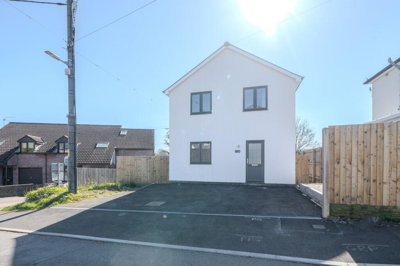
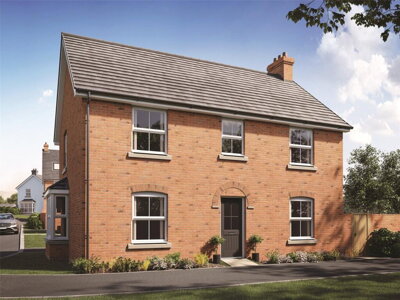
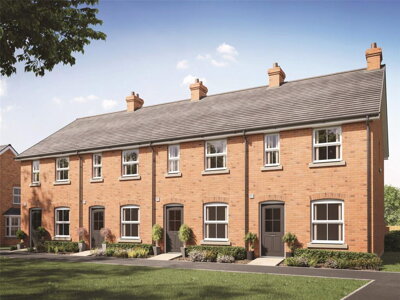
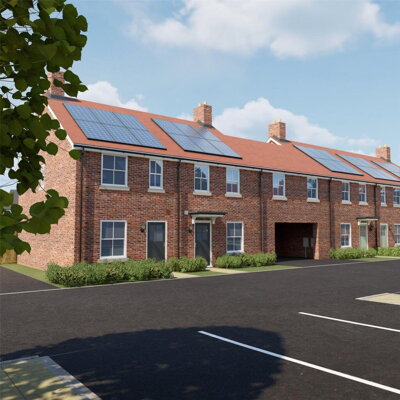
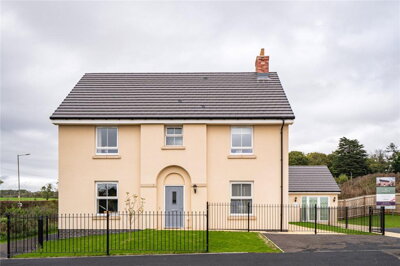
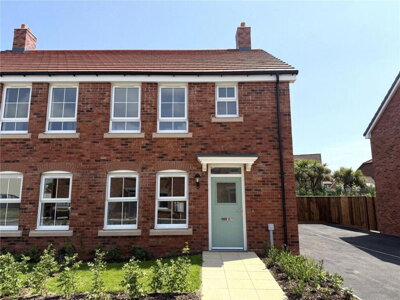
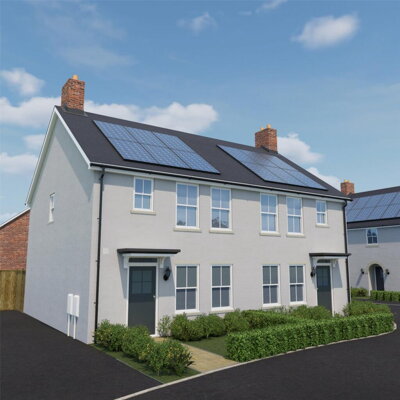
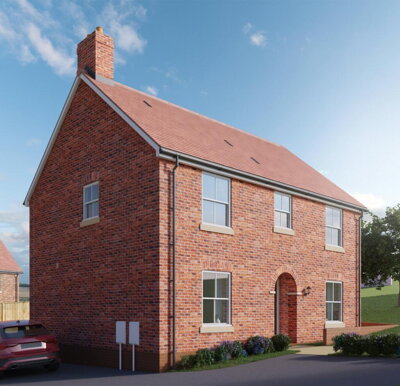
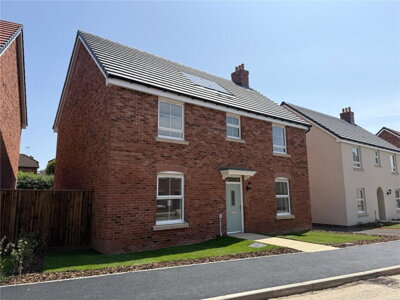
Browse 10 homes new builds in Portskewett, Monmouthshire from local developer agents.
£323k
44
0
179
Source: home.co.uk
Source: home.co.uk
Detached
20 listings
Avg £503,620
Semi-Detached
10 listings
Avg £303,490
Terraced
6 listings
Avg £290,825
Bungalow
2 listings
Avg £284,750
House
2 listings
Avg £284,500
Barn Conversion
1 listings
Avg £649,000
End of Terrace
1 listings
Avg £325,000
Park Home
1 listings
Avg £240,000
Town House
1 listings
Avg £340,000
Source: home.co.uk
Source: home.co.uk
The Nannerch property market has demonstrated remarkable resilience and growth over the past twelve months, with overall prices rising 49% compared to the previous year. Rightmove data shows an average sale price of £473,000, while Zoopla records indicate properties selling at an average of £590,000 as of early 2026. This variation reflects the mix of property types available, with detached homes commanding premium prices averaging £502,500, while terraced properties average £355,000. The market has also risen 20% above the 2023 peak of £395,000, suggesting sustained demand for village properties in this part of Flintshire. Specific streets demonstrate this momentum, with prices on Village Road up 39% year-on-year and 56% above the 2021 peak of £377,500.
Detached properties dominate the Nannerch sales market, appealing to families and buyers seeking generous proportions and private gardens. The village's housing stock splits between historic limestone-built cottages and homes, many dating from the early 19th century, and more modern developments constructed over the past fifty years as road improvements opened the area to commuters. Properties on Bryn Celyn have seen particularly strong appreciation, with prices 35% up year-on-year and 64% above the 2021 average of £258,750. New build activity within the CH7 5 postcode area remains limited, meaning buyers seeking modern specifications may need to consider properties that have undergone renovation or extension. The village's two designated conservation areas protect the historic core, meaning any new development or significant alterations require careful consideration of Flintshire planning guidelines.
The village contains several notable historic properties that contribute to its character and influence local values. Nannerch Hall, an early 19th-century late Georgian house of rubble stone with a slate roof, stands as an example of the quality construction found throughout the village. Pen-yr-erw, another early 19th-century labourer's cottage of whitened rubble stone, demonstrates the traditional building methods used throughout the area. These properties, alongside numerous other listed buildings including Tai Cochion, the Coach House at Rectory Cottage, and Tyn-Llan, create a built environment of significant historical interest that attracts buyers seeking authentic Welsh village character.

Nannerch is an ancient village whose character has been shaped by its geological setting on carboniferous limestone bedrock overlaid with glacial boulder clay, sitting at the western edge of the Wheeler Valley with streams tumbling down steep-sided valleys into the area. The village name derives from Welsh, reflecting its deep historical roots in the region. Inhabitants historically worked in local iron and lead mines and limestone quarries, with the Penbedw Estate families playing a significant role in village life by funding the church, school, and village hall while providing employment for generations of residents. Today, the village maintains this sense of heritage while serving a contemporary community of approximately 462 residents, with property types ranging from early 19th-century labourer's cottages built of whitened rubble stone to substantial period homes around the church and conservation areas.
The village expanded considerably over the past fifty years as improved road connections made Nannerch accessible to commuters working in Liverpool, Manchester, and Chester. Many residents now work in these larger cities while enjoying village life at weekends and evenings, appreciating the peace of the surrounding Clwydian Range countryside. Local amenities include a village pub, community hall hosting regular events, and easy access to neighbouring towns including Mold, where residents find larger supermarkets, independent shops, and additional dining options. Walking routes from the village lead directly into the Clwydian Range Area of Outstanding Natural Beauty, with its heather-covered hills, ancient hillforts, and panoramic views across North East Wales and beyond.
The Offa's Dyke Path passes near Nannerch, offering long-distance walking opportunities for residents and visitors interested in exploring the Welsh borderlands. The village's position within the Clwydian Range makes it a gateway to some of North East Wales's most spectacular scenery, with easy access to hillforts, ancient woodlands, and the heather-covered peaks that attract walkers throughout the year. For cycling enthusiasts, the lanes around Nannerch provide both challenging hill routes and gentler options suitable for family rides, with connections to the SUSTRANS national cycling network in the wider Flintshire area.

Families considering relocation to Nannerch will find educational provision primarily centred in the nearby town of Mold, approximately five miles from the village. Nannerch itself historically had a village school, and the community hall continues to serve local families with various activities and groups. Primary education within reasonable driving distance includes several Flintshire schools with good reputations, with many operating catchment areas that would include Nannerch families. Secondary education is available at schools in Mold, including Gwernymynydd and other Flintshire comprehensives, with grammar school provision in nearby areas for those meeting academic entry requirements. Parents should verify current catchment boundaries with Flintshire County Council, as these can affect school placement eligibility.
For families seeking independent education, several options exist within North East Wales and the Chester area, including schools in Mold, Wrexham, and across the border in England. Sixth form provision is available at Flintshire secondary schools with sixth forms, while further education colleges in Wrexham and Deeside offer vocational and academic courses for older students. The presence of strong educational options within the regional catchment, combined with the village's peaceful setting, makes Nannerch attractive to families at various stages of their educational journey. When viewing properties in the village, prospective buyers with school-age children should confirm current catchment arrangements with Flintshire County Council admissions teams to ensure alignment with their preferred educational choices.
The region offers a range of educational pathways for children of all ages, from early years provision through to further education. Flintshire's network of primary schools provides solid foundations in the early years, while secondary schools in Mold and surrounding towns offer diverse curricula and extracurricular activities. For families prioritising academic excellence, the grammar schools in nearby areas provide selective education, with transport arrangements available for qualifying pupils residing in Nannerch.
Nannerch sits at a crossroads of rural lanes connecting the village to the wider Flintshire road network, with the A494 providing the primary arterial route connecting Mold to the north and rural areas to the south. The village's position approximately five miles from Mold places residents within easy reach of the town's amenities, while the journey to Chester takes approximately thirty minutes by car, and Manchester can be reached in under an hour depending on traffic conditions. The improving road infrastructure over the past fifty years has been instrumental in transforming Nannerch from an isolated rural community into a viable option for commuters seeking larger city employment while maintaining a village lifestyle. Bus services operate in the area, connecting Nannerch with Mold and surrounding villages, though service frequency may be limited compared to urban routes.
Rail connections from nearby stations including Shotton, Flint, and Chester provide access to the wider rail network, with direct services to Liverpool, Manchester, Birmingham, and London from Chester station. The North Wales Coast Main Line offers regular connections, while Deeside station provides additional regional options. For cyclists, the Welsh countryside offers both challenging hill routes through the Clwydian Range and more gentle lanes suitable for leisure cycling, with connections to the SUSTRANS national cycling network in the wider area. The proximity of Liverpool John Lennon Airport and Manchester Airport provides international travel connections within reasonable driving distance, making Nannerch a practical base for buyers who travel internationally for work or family reasons.
The historical mining activity in the Nannerch area, including iron and lead extraction and limestone quarrying, shaped the early transport connections that eventually led to the improved roads enjoyed by residents today. The Penbedw Estate's influence on local infrastructure historically funded improvements that benefit current commuters. Modern residents benefit from these historic transport routes while enjoying far faster connections to regional employment centres than would have been possible in previous centuries.
Spend time exploring Nannerch at different times of day and week to understand the community atmosphere. Visit the village pub, check out the Clwydian Range walking routes, and drive to Mold and Chester to assess journey times for work and amenities. Consider the implications of living within a conservation area and how this affects potential property modifications.
Before viewing properties, obtain a mortgage agreement in principle from a lender. This strengthens your position when making offers and demonstrates to sellers that you have financing secured. Given the village's average property prices exceeding £473,000, most buyers will require substantial mortgage lending, making agreement in principle particularly valuable in a competitive market.
View multiple properties in Nannerch to compare the housing stock, condition, and character. Given the village's mix of historic limestone properties, listed buildings, and more modern homes, viewing several options helps you understand what represents value in this market. Pay particular attention to properties within the two conservation areas and note any signs of historic maintenance or renovation.
Properties in Nannerch often include older construction with traditional materials. A Level 2 Homebuyers Survey, typically costing £400 to £550 for standard properties, identifies defects in walls, roofs, and structure before you commit. Given the village's carboniferous limestone bedrock and glacial boulder clay geology, our inspectors pay particular attention to potential shrink-swell movement and any signs of past structural movement in older properties.
Appoint a conveyancing solicitor experienced with Flintshire properties. Given the number of listed buildings and conservation areas in Nannerch, your solicitor should check for any planning conditions, Listed Building Consents, or historic mining records that may affect the property. The presence of former iron and lead mining in the area means your solicitor should conduct thorough local search enquiries.
Once your mortgage offer is confirmed and searches are satisfactory, your solicitor will arrange exchange of contracts, typically requiring a 10% deposit. Completion usually follows within 2-4 weeks, after which you receive the keys to your new Nannerch home. Factor in additional time for any specialist surveys required on listed buildings or properties showing signs of historic structural movement.
Properties in Nannerch require careful inspection given the village's geological and historical context. The carboniferous limestone bedrock and overlying glacial boulder clay create ground conditions that can lead to shrink-swell movement in clay soils, potentially causing structural movement in properties with shallow foundations. This is particularly relevant for older properties that may not have modern deep foundations. When viewing historic limestone-built homes, look for signs of cracking to walls, especially around door and window openings, and check whether previous movement has been addressed with appropriate structural work. The presence of clay soils also means that trees and large shrubs near properties may contribute to subsidence risk, and a Level 2 survey will assess these factors.
The village's two conservation areas and concentration of listed buildings mean that buyers should understand the implications of purchasing historic property in Nannerch. Listed Building status, covering grades from Grade II* for the Church of St Michael and All Angels down through numerous Grade II structures, means that any significant alterations require consent from Flintshire planning authority, and works must typically use traditional materials and methods. Maintenance costs for period properties often exceed those for modern equivalents, with limestone walls requiring specialist repair and slate roofs needing periodic attention. Service charges and maintenance contributions for any shared ownership or leasehold arrangements should be reviewed carefully, while freehold properties should be checked for any unusual covenants or rights of way that may affect the property.
Our inspectors frequently identify damp issues in older Nannerch properties, particularly where traditional construction methods have not been complemented by modern damp-proof courses or adequate ventilation. The village's early 19th-century cottages, built of whitened rubble stone with original construction features, may show signs of penetrating damp or condensation-related problems that require attention. Roof conditions also warrant careful inspection, as slate roofs on historic properties may have been repaired with non-matching tiles or may show signs of deterioration at flashings and verges. Properties that have undergone renovation should be checked for the quality of workmanship and whether appropriate building regulations approvals were obtained.
Historical mining activity in the Nannerch area raises potential ground stability considerations that warrant professional assessment. While specific current mining-related structural issues remain unverified, the presence of former iron and lead mining operations suggests that buyers should commission thorough surveys for properties on or near areas of historic extraction. Our surveyors recommend requesting mining search records from the Coal Authority and checking with Flintshire planning department for any historical mining reports relevant to specific properties. This additional due diligence provides important reassurance when purchasing in a village with Nannerch's industrial heritage.
Budgeting for a property purchase in Nannerch requires careful consideration of all associated costs beyond the purchase price. Stamp Duty Land Tax applies at standard English rates, meaning 0% on the first £250,000, 5% on the portion between £250,001 and £925,000, 10% on £925,001 to £1.5 million, and 12% on any amount above £1.5 million. For a typical Nannerch property priced around the £473,000 average, a non-first-time buyer would pay stamp duty on £223,000 at 5%, resulting in a SDLT liability of £11,150. First-time buyers using the full relief could reduce this significantly, paying nothing on the first £425,000 and 5% on the remaining £48,000.
Additional buying costs include mortgage arrangement fees typically ranging from £500 to £2,000 depending on lender and deal type, survey costs for a RICS Level 2 Homebuyers Report from £400 to £550, and conveyancing fees from £500 to £1,500 for legal work including local searches, title checks, and completion registration. Flintshire local authority searches should be expected, covering planning history, building control records, and environmental factors relevant to the carboniferous limestone and glacial clay geology. Survey costs may be higher for larger properties or those in poor condition, with properties above £500,000 averaging £586 for a Level 2 survey compared to £384 for properties under £200,000.
Factor in removals costs, potential decoration and renovation spending, and a contingency fund of at least 5% of purchase price for unexpected works, particularly relevant for older limestone properties that may reveal hidden defects once occupation begins. Properties within Nannerch's conservation areas may require additional expenditure on traditional materials and specialist contractors for any planned works, adding to renovation budgets. Given the village's proximity to Chester and Manchester, removals companies with experience in the area should be contacted early to secure preferred moving dates.
Average house prices in Nannerch range from £473,000 to £590,000 depending on the data source consulted, with Rightmove recording £473,000, OnTheMarket at £535,000, and Zoopla showing £590,000. Detached properties average £502,500 while terraced properties average £355,000. Prices have risen 49% over the past twelve months and sit 20% above the 2023 peak of £395,000, indicating strong and sustained demand for village properties in this part of Flintshire. Properties on Village Road have seen 39% year-on-year growth and are 56% above the 2021 peak of £377,500, while Bryn Celyn properties show 35% annual appreciation and are 64% above their 2021 average of £258,750.
Properties in Nannerch fall under Flintshire County Council jurisdiction and are subject to council tax bands ranging from A through to H, determined by the Valuation Office Agency based on property value. The village's mix of historic limestone cottages, early 19th-century period homes including Nannerch Hall and Pen-yr-erw, and more modern detached properties means council tax bands vary significantly throughout the village. Band D is typically the most common for mid-range family homes in the area, though larger detached properties and historic period homes may fall into higher bands. You can check specific bandings for any property through the Valuation Office Agency website using the property address or council tax reference number.
Primary education for Nannerch families is typically accessed through Flintshire schools in the surrounding area, with several good options within a short drive in towns like Mold approximately five miles away. Secondary education includes comprehensives in Mold and Gwernymynydd, with grammar schools available in the wider Flintshire area for academically eligible pupils. Parents should verify current catchment boundaries with Flintshire County Council admissions, as these determine school placement eligibility and may change periodically. Independent school options exist in the wider region, including schools in Wrexham and the Chester area, providing choices for families seeking alternative educational approaches. The village's community hall continues to serve families with various activities and groups, complementing formal educational provision in the surrounding area.
Nannerch has limited public transport options compared to urban areas, with bus services connecting the village to Mold and surrounding areas, though frequencies may be modest and may not suit full-time commuters. The nearest railway stations are in Shotton and Flint, providing access to the North Wales Coast Main Line with services to Chester, Liverpool, Manchester, and London. Most residents rely on car ownership for daily commuting, with Chester approximately 30 minutes by car and Manchester reachable in under an hour under normal traffic conditions via the A494 and M56. For international travel, Liverpool John Lennon Airport and Manchester Airport are both accessible within approximately one hour's drive, making Nannerch practical for buyers who travel abroad regularly.
The Nannerch property market has demonstrated strong capital growth, with prices rising 49% over the past twelve months and 20% above previous peaks, suggesting solid investment potential for the right buyer. The village benefits from its setting within the Clwydian Range Area of Outstanding Natural Beauty, limited supply of available properties, and good transport connections to major employment centres in North West England and North East Wales. The presence of two conservation areas and numerous listed buildings limits new development, which tends to support property values through restricted supply. Rental demand in the village is likely moderate given its rural nature, with tenants typically attracted by the lifestyle offering rather than commuting convenience. The village's population of approximately 462 residents represents a stable, tight-knit community that appeals to buyers seeking permanent residence rather than holiday lets.
Stamp Duty Land Tax for England applies to properties in Nannerch, Flintshire, with standard rates of 0% on the first £250,000, 5% on £250,001 to £925,000, 10% on £925,001 to £1.5 million, and 12% above £1.5 million. First-time buyers benefit from relief on the first £425,000 at 0% rate, with 5% applying between £425,001 and £625,000. Given the current average property price in Nannerch exceeds £473,000, most buyers would expect to pay stamp duty on the portion above £250,000 unless qualifying for first-time buyer relief. For a £473,000 property, a non-first-time buyer would pay £11,150 in SDLT. Your solicitor typically handles SDLT calculation and submission to HMRC, and should confirm your liability based on your specific circumstances including any additional properties owned.
Historical mining activity including iron and lead extraction and limestone quarrying took place in the Nannerch area, with the Penbedw Estate historically providing employment in these industries. While specific current mining-related structural issues remain unverified, buyers should request mining search records from the Coal Authority and check with Flintshire planning department for any historical mining reports relevant to specific properties. The carboniferous limestone bedrock and glacial boulder clay geology means ground conditions should be assessed by a qualified surveyor, particularly for older properties with potentially shallow foundations. A thorough Level 2 Homebuyers Survey will identify any signs of past movement that may relate to ground conditions, and your solicitor should include appropriate mining searches in their conveyancing enquiries.
The Nannerch property market offers a diverse range of homes including detached family homes commanding premium prices, traditional terraced cottages built of local limestone, and conversion opportunities reflecting the area's rich architectural heritage. The village's two conservation areas protect historic cores where period properties cluster around the Church of St Michael and All Angels and along the Main Street. New build activity within the CH7 5 postcode area remains limited, meaning most available properties are either established homes or renovated period properties. Buyers seeking modern specifications may need to consider properties that have undergone extension or renovation, and should verify that any works received appropriate Flintshire planning permission and building regulations approval.
From £400
A detailed inspection of the property condition, ideal for traditional homes in Nannerch
From £600
A comprehensive building survey for older or complex properties
From £60
Energy performance certificate required for sale
From £499
Legal services for property purchase in Flintshire
Properties New Builds In London

Properties New Builds In Plymouth

Properties New Builds In Liverpool

Properties New Builds In Glasgow

Properties New Builds In Sheffield

Properties New Builds In Edinburgh

Properties New Builds In Coventry

Properties New Builds In Bradford

Properties New Builds In Manchester

Properties New Builds In Birmingham

Properties New Builds In Bristol

Properties New Builds In Oxford

Properties New Builds In Leicester

Properties New Builds In Newcastle

Properties New Builds In Leeds

Properties New Builds In Southampton

Properties New Builds In Cardiff

Properties New Builds In Nottingham

Properties New Builds In Norwich

Properties New Builds In Brighton

Properties New Builds In Derby

Properties New Builds In Portsmouth

Properties New Builds In Northampton

Properties New Builds In Milton Keynes

Properties New Builds In Bournemouth

Properties New Builds In Bolton

Properties New Builds In Swansea

Properties New Builds In Swindon

Properties New Builds In Peterborough

Properties New Builds In Wolverhampton

Enter your details to see if this property is within your budget.
Loans, cards, car finance
Estimated property budget
Borrowing + deposit
You could borrow between
Typical borrowing
Monthly repayment
Est. at 4.5%
Loan-to-value
This is an estimate only. Your actual budget may vary depending on interest rates, credit history, and personal circumstances. For an accurate affordability assessment, speak to one of our free mortgage advisors.
This calculator provides estimates for illustrative purposes only and does not constitute financial advice. Your home may be repossessed if you do not keep up repayments on your mortgage. Estimates based on 4.5% interest rate, repayment mortgage. Actual rates depend on your circumstances.
Homemove is a trading name of HM Haus Group Ltd (Company No. 13873779, registered in England & Wales). Homemove Mortgages Ltd (Company No. 15947693) is an Appointed Representative of TMG Direct Limited, trading as TMG Mortgage Network, which is authorised and regulated by the Financial Conduct Authority (FRN 786245). Homemove Mortgages Ltd is entered on the FCA Register as an Appointed Representative (FRN 1022429). You can check registrations at NewRegister or by calling 0800 111 6768.

We use cookies to show you personalised content and improve your experience of our website. Find out more in our Privacy policy and Cookie policy.