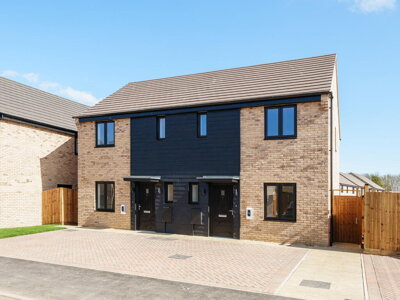
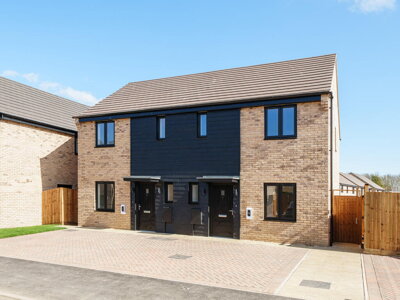
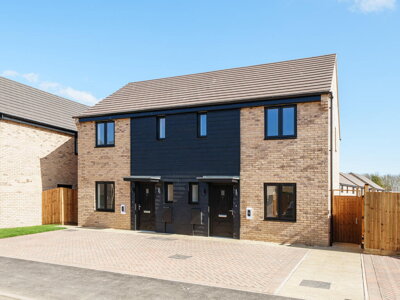
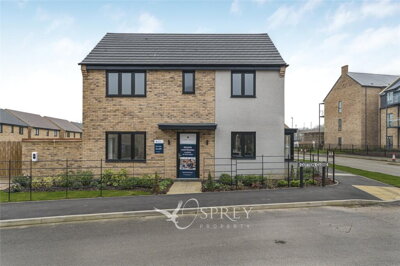
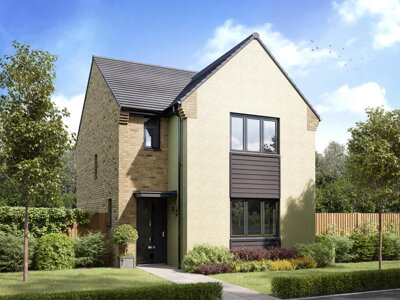
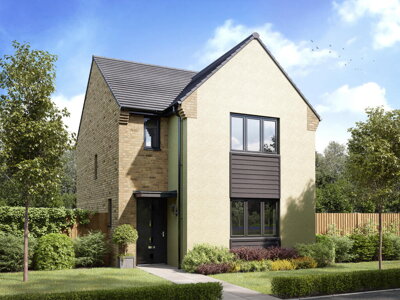
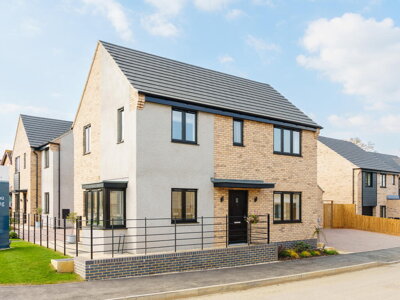
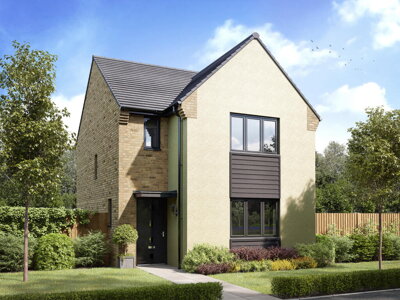
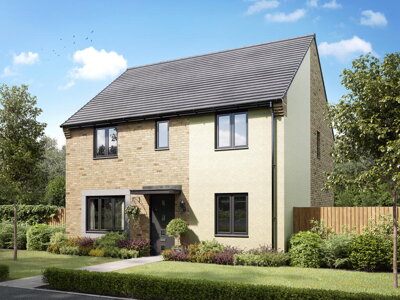
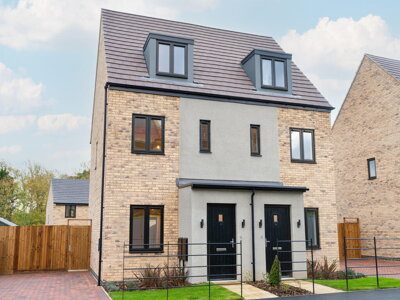
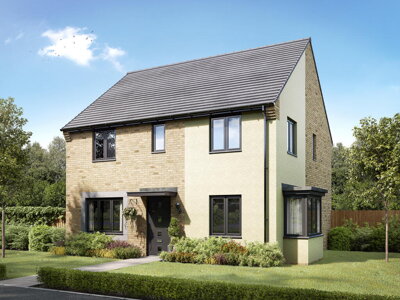
Browse 11 homes new builds in Polebrook, North Northamptonshire from local developer agents.
The Polebrook property market offers detached, semi-detached, and terraced houses spanning various price ranges and neighbourhoods. Each listing includes detailed property information, photographs, and direct contact with the marketing agent.
£525k
1
0
200
Source: home.co.uk
Showing 1 results for Houses new builds in Polebrook, North Northamptonshire. The median asking price is £525,000.
Source: home.co.uk
Detached
1 listings
Avg £525,000
Source: home.co.uk
Source: home.co.uk
£590,000
Average House Price
£910,422
Detached Average
£492,778
Semi-Detached Average
£279,167
Flat Average
+1.3%
Annual Price Change
28
Properties Sold (12 months)
The Mayfield property market offers a diverse range of homes to suit various buyer requirements and budgets. Properties in the village typically include traditional stone-built cottages, Victorian and Edwardian terraced houses, semi-detached family homes, and larger detached properties on generous plots. The local housing stock reflects the village's long history, with many homes dating from the 16th, 17th, and 18th centuries. Average sold prices in the TN20 postcode area currently stand at around £590,000, with detached properties commanding an average of £910,422 and semi-detached homes averaging approximately £492,778, according to recent market data.
Price data shows that residential property values in Mayfield have demonstrated steady performance over recent years, with demand for village properties within the High Weald AONB remaining consistently strong. Sales data for the last twelve months shows 28 residential transactions in the TN20 area, with the majority of sales falling in the £290,000 to £550,000 range. Detached family homes in desirable village locations like Mayfield typically command premium prices, while terraced cottages and smaller period properties offer more accessible entry points to the local market. New buyers to the area should budget accordingly and be prepared to act quickly when suitable properties become available, as village homes with good gardens and character features tend to attract strong interest from multiple buyers.
New build activity in the immediate Mayfield area is limited, with no active new-build developments identified within the TN20 postcode itself. The nearest new build options can be found in surrounding towns and villages including Crowborough, Tunbridge Wells, and East Hoathly. This scarcity of new stock means that the majority of buyers in Mayfield purchase from the existing period housing stock, making condition and survey reports particularly important when evaluating properties in this price range. The village's concentration of historic properties, many of which are listed or located within or near conservation areas, adds further considerations for prospective purchasers.
Mayfield is a picturesque village in East Sussex with deep roots in English rural life, sitting within the High Weald Area of Outstanding Natural Beauty. The village centre features a traditional pub, a parish church, and a village shop serving the day-to-day needs of residents, with further amenities available in the nearby towns of Heathfield and Uckfield. Local community events, including village fetes, harvest celebrations, and seasonal gatherings, bring neighbours together throughout the year, creating the kind of close-knit social environment that many buyers seek when moving away from larger towns and cities. Round Wood of Mayfield, a company specialising in oak-framed buildings and timber products, is a notable local employer that adds to the village's traditional craft economy.
The surrounding landscape of Mayfield consists of rolling High Weald countryside, with sandstone outcrops, ancient shaws, and productive farmland defining the local character. The High Weald AONB designation recognises the area's outstanding natural beauty, with its distinctive geology of sandstone and clay soils creating a landscape of woodland, farmland, and historic settlements. The River Rother and its tributaries flow through the valleys to the south, east, and west of Mayfield, with alluvial deposits along watercourses indicating flood risk areas that buyers should investigate. Beyond the village, residents have easy access to the market towns of Heathfield and Uckfield, while the larger towns of Tunbridge Wells and Eastbourne provide additional amenities, shopping, and cultural opportunities within reasonable driving distance.

Families considering a move to Mayfield will find a selection of educational options available within reasonable travelling distance. Primary education is served by local village schools in the surrounding area, with St. Mary's Mayfield CE Primary School providing education within the village itself, and additional primaries in nearby villages. Many parents value the nurturing environment that smaller rural primary schools provide, where teachers can give individual attention to each child's development and progress throughout their early years of education. Class sizes in village primary schools tend to be smaller than in urban areas, which many families find advantageous.
Secondary education options include schools in nearby towns such as Heathfield Community School, which serves the wider surrounding area, and Battle Abbey School for those considering independent education. For sixth form and further education, learners have access to colleges and sixth form centres in the surrounding market towns, offering a wide range of A-level and vocational courses to suit different career paths and academic aspirations. Some families also travel to larger towns and cities in the region for specialist educational options. Parents should research specific school catchments and admission arrangements, as catchment areas can influence which schools children are eligible to attend from their new address in Mayfield, and admission criteria can change year by year.
Mayfield is situated within East Sussex on the A267 and A272, providing road connections to surrounding towns and villages. The A267 runs through the village, connecting north to Heathfield and south towards Hailsham and Eastbourne, while the A272 provides an east-west route linking Mayfield to Uckfield and beyond. For those travelling by car to larger centres, Tunbridge Wells is accessible via the A267, providing connections to the wider road network and additional rail services. The strategic position of Mayfield within the High Weald, sitting between the South Coast and the London commuter belt, means that residents can choose between coastal living and access to urban employment while enjoying the lifestyle benefits of village life.
Rail connections from Mayfield require travel to nearby stations, as there is no railway station within the village itself. The nearest stations include Etchingham and Battle, both offering services to London Bridge via Tunbridge Wells, with journey times to London typically taking around 90 minutes to two hours depending on connections. Those commuting to London regularly often find that driving to a nearby station and continuing by train offers the most practical balance. Local bus services operate in the area, providing connections to nearby towns and villages for those without access to a car, although service frequencies may be limited outside peak hours. Commuters should factor in typical journey times when considering Mayfield as a base, as peak-hour traffic on local roads can extend travel times to larger towns.
Start by exploring the Mayfield property market through Homemove, comparing different neighbourhoods within the village and reviewing recent sale prices to understand current property values and what your budget can buy you in the TN20 postcode area. The village's position within the High Weald AONB means that conservation area designations and listed building status can affect certain properties, so familiarising yourself with these considerations early is worthwhile.
Contact lenders or mortgage brokers to obtain an agreement in principle before viewing properties. Having your financing confirmed in advance strengthens your position when making an offer and demonstrates to sellers that you are a serious, capable buyer. We can connect you with mortgage advisers who understand the local property market and can help you secure competitive rates for properties in this price range.
Book viewings of properties that match your requirements, taking time to assess the condition of homes, the quality of the neighbourhood, proximity to local amenities, schools, and transport links. Take notes and photographs to help compare properties later. Given the age of many properties in Mayfield, pay particular attention to the condition of roofs, walls, and foundations during viewings.
When you find a property you wish to purchase, submit an offer through the estate agent. Be prepared to negotiate on price and terms, particularly for period properties where survey findings may reveal maintenance needs affecting value. In a village market with limited stock, acting promptly when a suitable property becomes available is advisable.
Arrange a RICS Level 2 Homebuyer Report or Level 3 Building Survey, particularly for older properties. Given Mayfield's housing stock includes many period homes built from local sandstone and traditional timber-framed construction, a professional survey will identify any structural issues or necessary repairs before you commit to the purchase.
Choose a conveyancing solicitor to handle the legal aspects of your purchase, including searches, contracts, and registration of the property at the Land Registry. Your solicitor will coordinate with the seller's representatives throughout the transaction and advise on any planning or conservation considerations affecting the property.
Once all searches are satisfactory and financing is confirmed, you will exchange contracts with the seller and pay your deposit. On completion day, the remaining funds are transferred and you receive the keys to your new Mayfield home.
Properties in Mayfield often include older period homes built using traditional construction methods and materials that differ significantly from modern building standards. The predominant building materials in the area include brick and tile-hanging, along with weatherboarding and Vernacular Revival exposed timber framing that reflects the local building traditions of the High Weald. Ashdown Sandstone and Tunbridge Wells Sandstone are commonly used as coursed rubble or roughly cut blocks throughout the village, with these sedimentary stones forming part of the local Hastings Beds geology. Oak-framed buildings are also a traditional local construction type, featuring mortise-and-tenon joints and often displaying exposed timberwork both internally and externally. These traditional construction methods and materials are highly characteristic of the area but can present specific defects that surveyors routinely identify during inspections.
The local geology in the Mayfield area consists of sedimentary rocks of the Hastings Beds, specifically sandstones, siltstones, and mudstones of the Tunbridge Wells Sand Formation and Ashdown Sandstone Formation. The Wadhurst Clay Formation, comprising mudstones, is also present in parts of the area and presents specific considerations for property buyers. Clay soils and mudstones are prone to shrink-swell movement, particularly during periods of drought or heavy rainfall, which can affect properties built on these ground conditions. Properties with mature trees nearby may be more susceptible to these issues due to moisture extraction by tree roots drawing moisture from clay soils during dry periods. Alluvium is present along the River Rother and its tributaries, indicating potential river flood risk in specific valley locations that buyers should investigate using Environment Agency flood risk maps.
When viewing Victorian or Edwardian properties in Mayfield, pay attention to signs of dampness, particularly in solid-walled buildings constructed before cavity wall insulation became standard. Look for cracked plaster, musty odours, and any staining around windows and ground-level walls, as these can indicate moisture penetration that may require remediation. The local sandstone construction common throughout the village requires particular attention during surveys, as this relatively soft stone weathers over time and repointing work using inappropriate modern mortar can cause accelerated deterioration of the stonework itself.
Timber defects are common in period properties throughout Mayfield due to the prevalence of traditional timber-framed construction and the sometimes poor ventilation found in older buildings with solid walls and less effective damp-proofing systems. Wet rot, dry rot, and woodworm activity can all affect structural and non-structural timbers, particularly in properties where dampness has been present for some time. Our inspectors frequently find that original windows and doors in period properties show signs of deterioration, with swollen or warped frames and rotten joints requiring replacement or repair. Lead piping and galvanised steel plumbing, common in homes built before the mid-20th century, may still be present in some properties and can present both maintenance and water quality concerns.
The presence of historic buildings in Mayfield, including examples such as Walnut Tree House dating from the early to mid-16th century and Middle House from the late 16th century, means that many properties may be listed buildings subject to additional controls. Listed status restricts permitted development rights and requires listed building consent for alterations and extensions, which can significantly influence renovation plans and costs. Conservation area designations in parts of the village further restrict permitted development, requiring planning permission for certain types of work that would normally be permitted on other properties. Prospective buyers should check with Rother District Council planning department regarding any designations affecting a property they wish to purchase, as these requirements can influence both immediate purchase decisions and long-term renovation plans.
When purchasing a property in Mayfield, you will need to budget for several costs beyond the purchase price itself. The largest additional cost is typically Stamp Duty Land Tax, which is calculated based on the purchase price and your buyer status. For a property priced at £400,000 purchased by a non-first-time buyer, Stamp Duty would amount to £7,500 (0% on the first £250,000 plus 5% on £150,000). First-time buyers purchasing the same property would pay £0 in Stamp Duty due to relief on the first £425,000 of the purchase price. These costs can be substantial, and budgeting for them from the outset helps prevent financial surprises during the transaction.
Additional buying costs include solicitor or conveyancer fees, typically ranging from £500 to £1,500 depending on the complexity of the transaction and property type. Search fees charged by your solicitor vary but generally fall between £200 and £400 for local authority, drainage, and environmental searches covering the TN20 postcode area. Mortgage arrangement fees, if applicable, can add £0 to over £2,000 depending on the lender and deal selected. A property survey, such as a RICS Level 2 Homebuyer Report, costs between £380 and £700 depending on property value and size, with larger or more complex period properties in Mayfield potentially at the higher end of this range. An Energy Performance Certificate costs from approximately £85 to £120.
For a practical example, a buyer purchasing a typical semi-detached property in Mayfield priced at £350,000 would budget approximately £5,000 for Stamp Duty, £900 for solicitor fees, £300 for searches, £480 for a Level 2 survey, and £95 for an EPC, plus removals and other moving costs. First-time buyers on the same property would pay £0 in Stamp Duty, bringing their immediate additional costs down significantly. These figures underline why it is important to obtain a detailed quote for all associated costs before committing to a purchase, and why our related services for mortgages, conveyancing, and surveys are designed to help you manage these expenses efficiently.
House prices in Mayfield and the surrounding TN20 postcode area have shown solid performance, with the average price paid standing at approximately £590,000 according to recent sold price data, up 1.3% over the last twelve months. Detached properties command an average of around £910,422, reflecting the premium placed on larger family homes in this desirable High Weald village location. Semi-detached homes average approximately £492,778, while flats in the village average around £279,167. The majority of recent sales have fallen within the £290,000 to £550,000 range, though prices vary considerably depending on property type, condition, and specific location within the village. For the most accurate current pricing across all available listings, review our property search results which are updated regularly as new properties enter the market.
Properties in Mayfield fall under Rother District Council for council tax purposes, with properties valued and placed into bands A through H based on their assessed value. Most period terraced cottages and smaller homes in the village typically fall into bands A to C, while larger detached properties and family homes with generous plots may be placed in bands D to F. You can check specific council tax bands using the Valuation Office Agency website by entering the property address, or by reviewing the council tax bill for any property you are considering purchasing in the TN20 area.
Mayfield is served by St. Mary's Mayfield CE Primary School, which provides education within the village itself, with additional primary schools in nearby villages serving the surrounding area. For secondary education, Heathfield Community School is a popular option in the nearby town of Heathfield, serving students from the wider surrounding villages. Parents of secondary-age children should verify current catchment areas and admission criteria, as these can change and may affect eligibility from a new address in Mayfield. For sixth form and further education, learners have access to colleges and sixth form centres in the surrounding market towns of Heathfield, Uckfield, and Battle, offering a range of A-level and vocational courses.
Mayfield is connected by local bus services providing links to nearby towns including Heathfield, Uckfield, and surrounding villages, though service frequencies are typically reduced outside peak hours. There is no railway station within Mayfield itself, so residents requiring rail services travel to nearby stations such as Etchingham or Battle, both of which offer train services to London Bridge via Tunbridge Wells. Those commuting regularly to London typically drive to a nearby station and continue by train, with journey times to London taking around 90 minutes to two hours depending on connections. The A267 and A272 roads provide the main road connections from the village to surrounding towns and the wider road network.
Mayfield and the wider High Weald AONB area offer genuine appeal for property investment, driven by limited supply of village homes and consistent demand from buyers seeking rural lifestyles with good access to transport connections. Period properties with character features tend to hold their value well in this location, supported by the AONB designation that restricts inappropriate development and protects the village character. Round Wood of Mayfield provides local employment, while the village's proximity to Tunbridge Wells and the coast attracts buyers from London and the South East. As with any property investment, prospective buyers should research rental demand, achievable rental yields, and realistic expectations for capital growth before committing.
Stamp Duty Land Tax rates for residential properties purchased from April 2025 are 0% on the first £250,000 of the purchase price, 5% on the portion from £250,001 to £925,000, 10% on the portion from £925,001 to £1,500,000, and 12% on any amount above £1,500,000. First-time buyers purchasing properties up to £625,000 benefit from relief, paying 0% on the first £425,000 and 5% on the portion between £425,001 and £625,000. Using a practical example, a £400,000 purchase by a non-first-time buyer attracts £7,500 in Stamp Duty (calculated as 0% on £250,000 plus 5% on £150,000), while the same purchase by a first-time buyer attracts £0 in Stamp Duty. You should calculate your specific liability based on the purchase price and your buyer status.
From 4.5% APR
Compare mortgage deals and find the right finance for your Mayfield purchase
From £499
Solicitors and conveyancers handling property transactions in Mayfield
From £380
RICS Homebuyer Report for properties in Mayfield
From £85
Energy Performance Certificate for your Mayfield property
Properties New Builds In London

Properties New Builds In Plymouth

Properties New Builds In Liverpool

Properties New Builds In Glasgow

Properties New Builds In Sheffield

Properties New Builds In Edinburgh

Properties New Builds In Coventry

Properties New Builds In Bradford

Properties New Builds In Manchester

Properties New Builds In Birmingham

Properties New Builds In Bristol

Properties New Builds In Oxford

Properties New Builds In Leicester

Properties New Builds In Newcastle

Properties New Builds In Leeds

Properties New Builds In Southampton

Properties New Builds In Cardiff

Properties New Builds In Nottingham

Properties New Builds In Norwich

Properties New Builds In Brighton

Properties New Builds In Derby

Properties New Builds In Portsmouth

Properties New Builds In Northampton

Properties New Builds In Milton Keynes

Properties New Builds In Bournemouth

Properties New Builds In Bolton

Properties New Builds In Swansea

Properties New Builds In Swindon

Properties New Builds In Peterborough

Properties New Builds In Wolverhampton

Enter your details to see if this property is within your budget.
Loans, cards, car finance
Estimated property budget
Borrowing + deposit
You could borrow between
Typical borrowing
Monthly repayment
Est. at 4.5%
Loan-to-value
This is an estimate only. Your actual budget may vary depending on interest rates, credit history, and personal circumstances. For an accurate affordability assessment, speak to one of our free mortgage advisors.
This calculator provides estimates for illustrative purposes only and does not constitute financial advice. Your home may be repossessed if you do not keep up repayments on your mortgage. Estimates based on 4.5% interest rate, repayment mortgage. Actual rates depend on your circumstances.
Homemove is a trading name of HM Haus Group Ltd (Company No. 13873779, registered in England & Wales). Homemove Mortgages Ltd (Company No. 15947693) is an Appointed Representative of TMG Direct Limited, trading as TMG Mortgage Network, which is authorised and regulated by the Financial Conduct Authority (FRN 786245). Homemove Mortgages Ltd is entered on the FCA Register as an Appointed Representative (FRN 1022429). You can check registrations at NewRegister or by calling 0800 111 6768.

We use cookies to show you personalised content and improve your experience of our website. Find out more in our Privacy policy and Cookie policy.