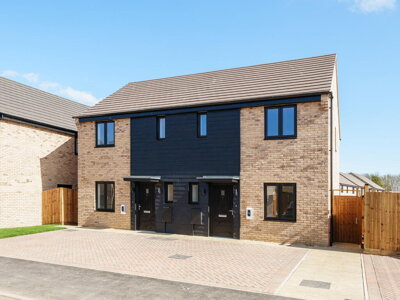
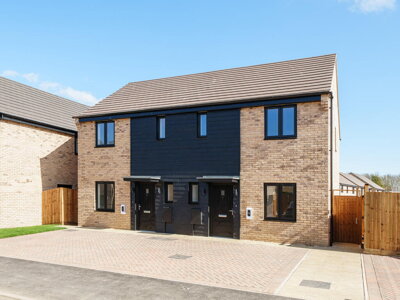
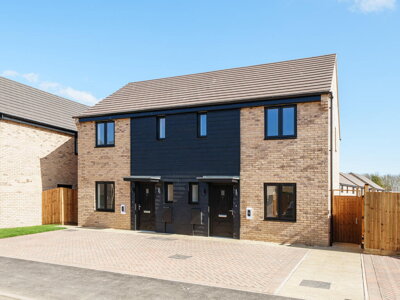
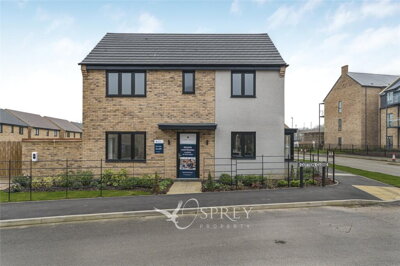
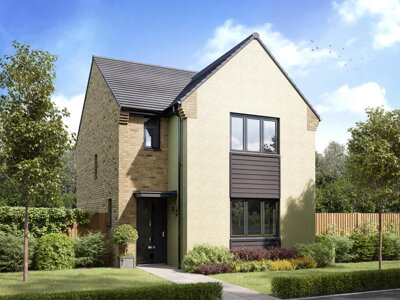
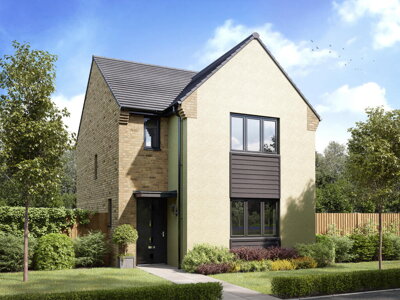
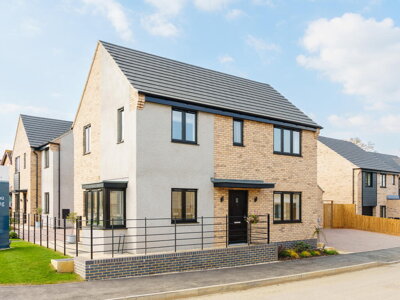
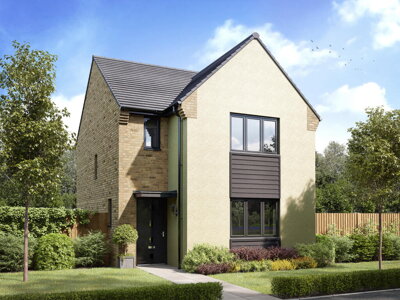
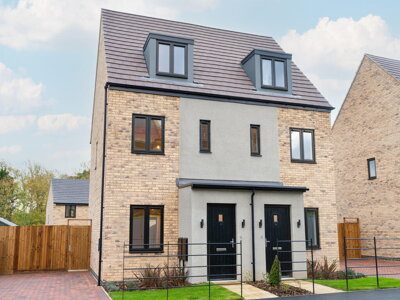
Browse 9 homes new builds in Polebrook, North Northamptonshire from local developer agents.
Three bedroom properties represent a significant portion of the Polebrook housing market, offering space for families with multiple reception rooms and gardens in many cases. Browse detached, semi-detached, and terraced options ranging across new residential developments.
£525k
1
0
203
Source: home.co.uk
Showing 1 results for 3 Bedroom Houses new builds in Polebrook, North Northamptonshire. The median asking price is £525,000.
Source: home.co.uk
Detached
1 listings
Avg £525,000
Source: home.co.uk
Source: home.co.uk
The property market in Mayfield reflects the character of the village itself, with a mix of historic period properties and more recent developments that have expanded the housing stock over recent decades. The average price paid for properties in Mayfield stands at approximately £590,000 according to recent data, though prices vary considerably depending on property type and location. Detached properties command an average of around £910,000, while semi-detached homes typically sell for approximately £493,000 and flats for around £279,000. This variation reflects the range of housing stock available, from substantial family homes with land to more modest cottages suitable for first-time buyers or retirees.
Properties in the village typically include substantial detached family homes set on generous plots, semi-detached period cottages with original features, and occasional terraced properties that speak to the historic working nature of the settlement. The majority of recent sales have fallen within the £420,000 to £550,000 price range, with several transactions also recorded in the £290,000 to £420,000 bracket. The rural setting means that properties often come with larger gardens, outbuildings, and countryside views, which adds to the appeal for buyers seeking space beyond what town living can offer.
East Sussex more broadly has seen sustained interest from buyers looking to escape higher property prices in London and the South East while maintaining access to the capital. The area offers relatively more space for your money compared to comparable villages closer to London, though prices naturally vary depending on property type, condition, and exact location within the village. Homes with rural views, paddocks, or proximity to the River Rother tend to command premiums, while properties requiring renovation may appeal to buyers seeking projects with potential. The property market has shown a slight softening in recent months, with Rightmove reporting prices around 2% down on the previous year and 21% down from the 2023 peak.
Life in Mayfield centres around community and the natural landscape that defines this part of the High Weald. The village maintains a welcoming atmosphere where neighbours know one another and local events bring residents together throughout the year. Mayfield has a rich heritage, with buildings such as Walnut Tree House dating from the early to mid-sixteenth century and Middle House presenting a late sixteenth-century H-plan structure that exemplifies the vernacular architecture of the area. The village is covered by the Sussex Extensive Urban Survey, which identifies and protects the historic character that makes Mayfield distinctive.
The surrounding countryside offers excellent walking and cycling opportunities, with public footpaths crossing farmland and woodland to showcase the best of rural East Sussex. The High Weald AONB designation ensures that the natural landscape is protected and enhanced, with ancient woodlands, rolling farmland, and historic field patterns creating a landscape of national importance. The River Rother flows to the south, east, and west of Mayfield, with Alluvium deposits indicating areas of potential flood risk in proximity to the waterway. Local amenities include a village pub, which serves as a social hub for residents, along with access to essential services in nearby villages and towns.
The proximity to Tunbridge Wells means that supermarkets, doctors surgeries, and other everyday necessities are within easy reach, with regular bus services connecting the village to larger settlements. Round Wood of Mayfield, a company specialising in oak-framed buildings and timber products, represents a notable local employer that reflects the areas woodworking heritage. The area benefits from the presence of several farm shops and local producers, supporting a food culture that values provenance and quality ingredients. Families are drawn to the area for the space and outdoor opportunities it provides, while retirees appreciate the peaceful setting and strong sense of community that village life offers.

Properties in Mayfield span several eras of construction, from traditional timber-framed buildings dating back to the fifteenth and sixteenth centuries through to more modern homes developed in the latter part of the twentieth century. The predominant building materials in the area include brick and tile-hanging, with some weatherboarding and Vernacular Revival exposed timber framing. Ashdown Sandstone and Tunbridge Wells Sandstone are common building stones throughout the village, typically used as coursed rubble or roughly cut blocks. Oak-framed buildings are also a local construction type, with traditional mortise-and-tenon joints reflecting the craft traditions of the Weald.
Older properties in the village may feature solid walls rather than cavity wall construction, original timber windows, and character features such as exposed beams and inglenook fireplaces. These characteristics contribute to the charm of period properties but may also bring maintenance considerations that buyers should factor into their planning and budgeting. The presence of historic and listed buildings means that any alterations or extensions may require planning permission and Listed Building Consent, adding complexity to renovation projects. Properties in the village are predominantly freehold, though buyers should verify tenure and any unusual covenants or restrictions that may apply.
The local geology in the Mayfield area includes sedimentary rocks of the Hastings Beds, specifically sandstones, siltstones, and mudstones of the Tunbridge Wells Sand Formation and Ashdown Sandstone Formation. Wadhurst Clay Formation, consisting of mudstones, is also present in the area and presents specific considerations for property owners. These clay-rich soils are prone to shrink-swell behaviour in response to changes in moisture content, which can lead to ground movement affecting building foundations. Prospective buyers should check for any history of subsidence or movement and ensure that buildings insurance will cover the property adequately.
Education provision for families considering a move to Mayfield includes primary schooling available in the village itself or nearby communities, with several well-regarded primary schools serving the surrounding area. Children in Mayfield typically attend their local primary school before progressing to secondary education in nearby towns such as Heathfield, Battle, or Tunbridge Wells, where a broader range of secondary options becomes available. The local schools in East Sussex have shown consistent performance, with many receiving positive ratings from Ofsted inspectors in recent years, providing reassurance for parents researching the educational landscape.
For families with older children, the nearby towns offer sixth form provision and further education opportunities at colleges and schools with sixth forms. Tunbridge Wells and the surrounding area provide secondary schools with strong academic records, while sixth form colleges offer a range of A-level and vocational courses. Parents should always verify current catchment areas and admission policies, as these can change and may influence which schools children are eligible to attend based on their specific address in the TN20 postcode area. Private education options are also available in the wider East Sussex area for families seeking alternative educational pathways for their children.
The proximity of Mayfield to several good schools makes it an attractive location for families, with the rural setting complementing educational opportunities in nearby towns. Many families choose to settle in Mayfield specifically for the combination of village life and access to quality schools, with the journey to secondary education typically managed by school transport or family transport arrangements.

Transport connections from Mayfield offer a blend of rural tranquility and practical accessibility for commuters and those who need to travel regularly. The village is served by bus routes that connect to Heathfield and Tunbridge Wells, where additional bus and rail services provide wider connectivity across East Sussex and into Kent. For those travelling by car, the A265 and A267 provide access to the wider road network, connecting residents to surrounding towns and villages throughout the High Weald. This makes Mayfield particularly attractive to workers who need to commute but wish to live somewhere with a more rural character.
The nearest railway stations are located in Stonegate and Etchingham, offering connections to regional destinations including direct services to London Bridge. For longer-distance travel, the journey to London Bridge typically takes around one hour and fifteen minutes from these stations, making Mayfield viable for commuters working in the capital while enjoying countryside living. The drive to Brighton on the south coast takes approximately one hour, offering access to coastal amenities and the ferry port for those travelling further afield.
Cycling is a popular option for shorter journeys, with countryside lanes and dedicated routes available for those who prefer two wheels. The relatively gentle topography of the Weald, combined with well-maintained country lanes, makes cycling a pleasant option for getting to nearby villages and towns. For international travel, Gatwick Airport is accessible within approximately one hour by car, offering flights to destinations across Europe and beyond, while theunnel at Folkestone provides access to continental Europe for those travelling further.
Properties located near the River Rother and its tributaries to the south, east, and west of Mayfield may have some exposure to flood risk, with Alluvium deposits indicating areas where river flooding has occurred historically. Prospective buyers should check the Environment Agency flood risk maps for specific locations and ensure that buildings insurance will cover flood risk adequately. A professional survey will identify any signs of previous flooding or water damage that might affect your decision or require negotiation with the seller before completion.
The presence of clay soils in the local geology presents specific considerations for property owners. The Wadhurst Clay and mudstone formations are prone to shrink-swell behaviour, meaning that properties may experience movement during periods of dry weather or heavy rainfall. This ground movement can manifest as cracks in walls, uneven floors, or doors not closing properly. Properties with deeper foundations or those built to modern standards on improved foundations may be less affected, but buyers should always commission a thorough survey before purchasing.
Being within the High Weald Area of Outstanding Natural Beauty brings both benefits and responsibilities. The AONB designation protects the natural landscape and influences planning policy in the area, which means that new development is carefully controlled to maintain the character of the countryside. This protection contributes to the long-term value of properties in the area while ensuring that the rural character that attracts buyers to Mayfield is preserved for future generations.
Start by exploring current listings in Mayfield on Homemove to understand what properties are available and at what price points. The TN20 postcode area has seen 28 sales in the past twelve months, with most properties falling in the £290,000 to £550,000 range. Familiarise yourself with the village, its amenities, and the surrounding area by visiting at different times of day and speaking to residents about what makes Mayfield special.
Before booking viewings, approach a lender to obtain a mortgage agreement in principle. This document confirms how much you can borrow based on your financial circumstances and demonstrates to sellers that you are a serious, qualified buyer when you make an offer on a property. Given that average prices in Mayfield exceed £500,000 for most family homes, securing appropriate mortgage finance is essential.
Contact estate agents with properties matching your criteria and arrange viewings. Take notes on each property, asking questions about the age of the building, recent renovations, and any planning permissions granted for alterations or extensions. Given the age of many properties in Mayfield, be sure to ask specifically about the condition of the roof, any history of subsidence, and whether the property has been affected by any flooding.
Once your offer is accepted, arrange for a RICS Level 2 Survey on the property. This inspection identifies any structural issues, defects, or maintenance concerns that may affect your decision or require negotiation with the seller. Given the prevalence of historic timber-framed properties and clay soil conditions in the area, a thorough survey is particularly important for Mayfield properties.
Choose a conveyancing solicitor to handle the legal aspects of your purchase. They will conduct searches, review contracts, and coordinate with the seller's solicitor to ensure a smooth transfer of ownership. Local searches will include information about flood risk, planning permissions, and any environmental factors that may affect the property.
Once all searches are satisfactory and finances are confirmed, your solicitor will exchange contracts and agree a completion date with the seller. On completion day, the remaining funds are transferred and you receive the keys to your new home in Mayfield. Take time to transfer utilities, redirect mail, and familiarise yourself with the property before settling in.
The average price paid for properties in Mayfield (TN20 postcode) stands at approximately £590,000 according to recent sold price data, with Rightmove reporting an overall average of £624,404. Detached properties command an average of around £910,000, while semi-detached homes typically sell for approximately £493,000 and flats for around £279,000. The market has shown some softening recently, with prices around 2% down on the previous year and 21% down from the 2023 peak, presenting potential opportunities for buyers in this historic East Sussex village.
Council tax in Mayfield falls under Rother District Council administration in East Sussex. Bands range from A through to H, with most traditional cottages and smaller properties typically falling into bands A to C, while larger detached homes with high values, particularly those with land or rural views, may be placed in higher bands. Prospective buyers can check specific bandings on the Valuation Office Agency website or request this information from the seller's solicitor during the conveyancing process.
Mayfield has access to primary education through local village schools and those in neighbouring communities, with several well-regarded primaries serving the wider area. For secondary education, schools in Heathfield, Battle, and Tunbridge Wells provide options, with many families travelling to access schools with strong academic records or specific facilities. Always check current Ofsted ratings and admission criteria when considering schools for your family, as catchment areas can affect which schools your children are eligible to attend.
Bus services operate between Mayfield and nearby towns including Heathfield and Tunbridge Wells, providing essential connectivity for those without a car. The nearest railway stations are Stonegate and Etchingham, offering direct services to London Bridge with journey times of around one hour and fifteen minutes. For international travel, Gatwick Airport is approximately one hour away by car, while theunnel at Folkestone provides access to continental Europe.
Mayfield and the surrounding East Sussex area offer potential for property investment, particularly given the High Weald AONB designation that protects the rural character and the ongoing demand for quality homes with good commuter links. Rental demand in the area may come from families seeking countryside living, commuters working in London or the South East, and retirees looking to downsize while maintaining access to amenities. Properties with character features, good-sized gardens, or rural views tend to hold their value well in this market.
Stamp Duty Land Tax applies to all property purchases in England and is calculated on the purchase price. For properties up to £250,000, the rate is zero. Between £250,000 and £925,000, the rate is 5% on the portion above £250,000. Given that the average property price in Mayfield exceeds £500,000, most buyers will pay stamp duty on their purchase. First-time buyers purchasing properties up to £625,000 pay zero percent on the first £425,000, then 5% on the remainder. Always verify current thresholds with HMRC or your solicitor as these can change.
Given that Mayfield contains numerous historic buildings, including some dating back to the fifteenth and sixteenth centuries, buyers should be aware of specific risks associated with period properties. The local geology includes clay soils prone to shrink-swell movement, which can affect foundations. Historic timber-framed buildings may have been subject to historic alterations that do not comply with current Building Regulations. Solid-walled construction without cavity insulation may lead to damp issues, while older plumbing and electrical systems may require updating. A thorough RICS Level 2 Survey is essential to identify these issues before purchase.
Properties located near the River Rother and its tributaries to the south, east, and west of Mayfield may have some exposure to flood risk, with Alluvium deposits indicating areas of potential river flooding. The River Rother flows through the landscape surrounding the village, and buyers should check the Environment Agency flood risk maps for specific properties. Properties in areas of higher flood risk may face difficulties obtaining buildings insurance or may incur higher premiums. A professional survey will identify any signs of previous flooding or water damage.
From 4.5%
Finding the right mortgage is essential when purchasing in Mayfield's property market, where average prices exceed £500,000
From £499
Professional legal services to handle your property purchase in East Sussex
From £350
A thorough inspection of the property condition before you commit to your purchase
From £80
Energy performance certificate required for all property sales
Beyond the purchase price of your new home in Mayfield, several additional costs will need to be budgeted for throughout the buying process. Stamp Duty Land Tax is the most significant additional expense for most buyers, with rates determined by the purchase price and your buyer status. A property costing £500,000, for example, would attract stamp duty of £12,500 for a standard buyer, calculated as 5% on the amount above £250,000. First-time buyers purchasing properties up to £625,000 pay nothing on the first £425,000, then 5% on the remainder.
Survey costs are essential for any buyer seeking a professional assessment of the property condition. A RICS Level 2 Survey typically costs between £380 and £930 depending on the property value and complexity, with larger or older properties commanding higher fees. Given the prevalence of historic buildings and period properties in Mayfield, a thorough survey is particularly important to identify any defects or maintenance issues that may not be apparent during viewings. Properties with non-standard construction, timber framing, or listed status may incur additional survey costs.
Conveyancing costs usually range from £500 to £1,500 for a standard residential purchase, covering legal fees, local authority searches, and registration fees. Local searches in East Sussex will include information about flood risk, planning history, and environmental factors specific to the Mayfield area. Buyers should also factor in removal costs, potential renovation or repair expenses, and the cost of setting up utilities and services in a new property. When budgeting for your mortgage, remember that lenders will typically require a deposit of at least 5% of the property value, though 15% to 20% is more common for the best mortgage rates.
Properties New Builds In London

Properties New Builds In Plymouth

Properties New Builds In Liverpool

Properties New Builds In Glasgow

Properties New Builds In Sheffield

Properties New Builds In Edinburgh

Properties New Builds In Coventry

Properties New Builds In Bradford

Properties New Builds In Manchester

Properties New Builds In Birmingham

Properties New Builds In Bristol

Properties New Builds In Oxford

Properties New Builds In Leicester

Properties New Builds In Newcastle

Properties New Builds In Leeds

Properties New Builds In Southampton

Properties New Builds In Cardiff

Properties New Builds In Nottingham

Properties New Builds In Norwich

Properties New Builds In Brighton

Properties New Builds In Derby

Properties New Builds In Portsmouth

Properties New Builds In Northampton

Properties New Builds In Milton Keynes

Properties New Builds In Bournemouth

Properties New Builds In Bolton

Properties New Builds In Swansea

Properties New Builds In Swindon

Properties New Builds In Peterborough

Properties New Builds In Wolverhampton

Enter your details to see if this property is within your budget.
Loans, cards, car finance
Estimated property budget
Borrowing + deposit
You could borrow between
Typical borrowing
Monthly repayment
Est. at 4.5%
Loan-to-value
This is an estimate only. Your actual budget may vary depending on interest rates, credit history, and personal circumstances. For an accurate affordability assessment, speak to one of our free mortgage advisors.
This calculator provides estimates for illustrative purposes only and does not constitute financial advice. Your home may be repossessed if you do not keep up repayments on your mortgage. Estimates based on 4.5% interest rate, repayment mortgage. Actual rates depend on your circumstances.
Homemove is a trading name of HM Haus Group Ltd (Company No. 13873779, registered in England & Wales). Homemove Mortgages Ltd (Company No. 15947693) is an Appointed Representative of TMG Direct Limited, trading as TMG Mortgage Network, which is authorised and regulated by the Financial Conduct Authority (FRN 786245). Homemove Mortgages Ltd is entered on the FCA Register as an Appointed Representative (FRN 1022429). You can check registrations at NewRegister or by calling 0800 111 6768.

We use cookies to show you personalised content and improve your experience of our website. Find out more in our Privacy policy and Cookie policy.