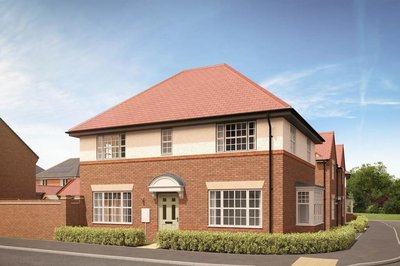
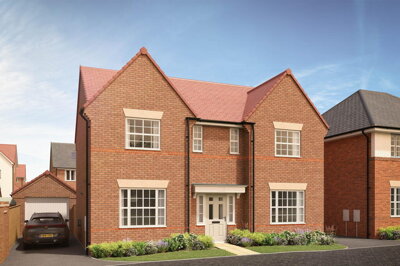
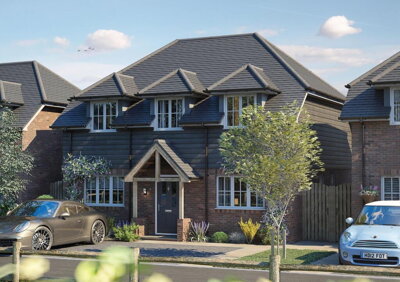
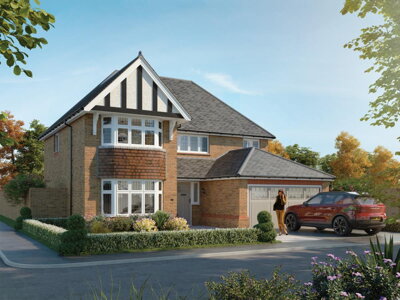
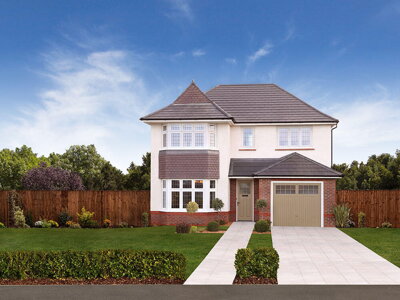
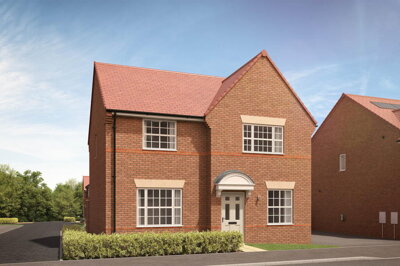
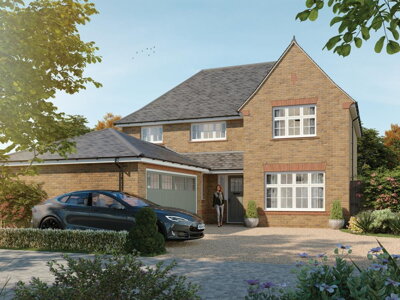
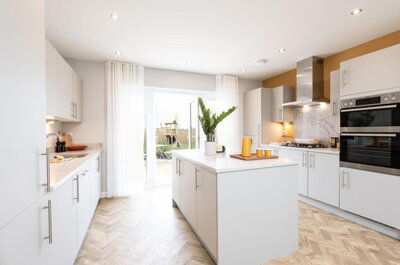
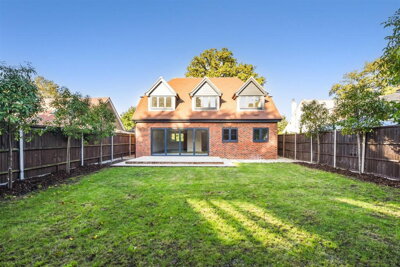
Browse 9 homes new builds in PO7 from local developer agents.
The larger property sector typically features multiple bathrooms, substantial reception space, and private gardens or off-street parking. Four bedroom houses in PO7 span detached, semi-detached, and occasionally terraced configurations, with styles ranging from period properties to modern executive homes.
£505k
96
6
107
Source: home.co.uk
Showing 96 results for 4 Bedroom Houses new builds in PO7. 6 new listings added this week. The median asking price is £505,000.
Source: home.co.uk
Detached
74 listings
Avg £601,419
Semi-Detached
18 listings
Avg £424,611
Terraced
4 listings
Avg £381,750
Source: home.co.uk
Source: home.co.uk
The PO7 property market presents diverse opportunities across all property types and price points. Detached homes command the highest prices at an average of £528,949, reflecting strong demand for generous living space, private gardens, and the family-friendly characteristics that define this suburban area. Semi-detached properties, which form the largest segment of the housing stock at 36.3%, average £346,846 and represent excellent value for families seeking room to grow without the premium attached to detached homes. Terraced properties start from around £280,098, while flats offer the most accessible entry point to the local market at approximately £171,900, making them popular among first-time buyers and investors alike.
New build activity continues to shape the local market with several significant developments bringing modern homes to the area. Berewood Green by Bovis Homes and the adjacent Berewood development by Taylor Wimpey, both situated off Hambledon Road in the PO7 3BE postcode area, offer 2, 3, 4, and 5 bedroom homes priced from £300,000 to over £600,000. These substantial developments have transformed this previously agricultural land into a thriving new neighbourhood with contemporary construction, energy-efficient specifications, and the reassurance of manufacturer warranties. Wellington Park by Barratt Homes in the PO7 7FG postcode area provides an alternative selection of 2, 3, and 4 bedroom options ranging from approximately £280,000 to £500,000, appealing to buyers prioritising modern layouts and lower maintenance requirements.
When considering property values in PO7, it is worth noting that prices have shown steady appreciation across all segments, with detached, semi-detached, terraced, and flat categories each recording around 2.02% growth over the past 12 months. This consistent performance reflects the area's fundamental strengths, including its transport connections, school provision, and the continued attraction of more affordable housing compared to neighbouring cities. Whether you are seeking a period property with original features or a brand-new home with modern insulation and specifications, the PO7 market offers genuine choice at various price points.

Waterlooville and the PO7 postcode area function as a thriving suburban hub serving approximately 65,000 residents across roughly 26,000 households. The area successfully balances modern conveniences with access to beautiful Hampshire countryside, including the South Downs National Park which lies just a short drive to the north. The town centre offers comprehensive shopping facilities, including the Wellington Retail Park which hosts major chains alongside independent retailers, while surrounding villages like Hambledon and Clanfield retain their distinctive character with historic buildings, traditional pubs serving local ales, and community events throughout the year including summer fetes and autumn fairs.
Local amenities in PO7 cater to everyday needs without requiring journeys to larger cities. Healthcare provision includes GP surgeries, dental practices, and pharmacies distributed throughout the area, while leisure facilities encompass swimming pools, fitness centres, and sports clubs offering activities from football and cricket to yoga and martial arts. The area hosts several supermarkets including Tesco Extra on Hambledon Road and Asda superstore, ensuring grocery shopping is convenient for residents. Restaurants and cafes range from traditional pub grub to contemporary dining options, with regulars praising establishments like The Red Leopard in Clanfield and various independents along the London Road corridor.
The housing landscape reflects the area's evolution from historic agricultural settlements to a modern suburban community. Properties span multiple construction periods, with pre-1919 buildings concentrated in original village centres featuring thicker walls, solid construction, and period details like sash windows and fireplaces. Post-war expansion between 1945 and 1980 brought significant development, with semi-detached houses built using cavity wall brick construction becoming the dominant housing type. Contemporary new builds utilise modern building methods including timber frame elements, improved insulation standards, and contemporary layouts designed for open-plan living. Traditional brick construction using cavity wall methods dominates the post-1930s stock, while rendered finishes and clay or concrete tile roofs are characteristic features throughout the area.

Education provision in PO7 serves families at every level, from nursery through to further education, making Waterlooville particularly popular among buyers with children. The area hosts multiple primary schools catering to different catchment areas, with several achieving good or outstanding Ofsted ratings. Primary schools serving the PO7 area include those in Waterlooville itself such as Queen's Inclosure Primary and Purbrook Park Primary, alongside schools in surrounding villages including Clanfield Primary School and St. George's Primary. Parents frequently cite school quality as a primary factor in their decision to buy in PO7, and the strong demand for family-sized properties in the area reflects this priority.
Secondary education options include both comprehensive schools serving local catchments and grammar school provision for academically selective students. Secondary schools in the wider area include Purbrook High School and Horndean Technology College, both serving parts of the PO7 postcode. Some families also explore options at nearby grammar schools including Portsmouth Grammar School and King's Rochester, though these require passing the 11-plus selection process and may involve longer journeys. The presence of reliable school options makes Waterlooville particularly attractive to families, as evidenced by the consistently strong demand for three and four-bedroom properties suitable for growing families.
For older students, sixth form provision is available at secondary schools within the area, while nearby cities of Portsmouth and Southampton offer comprehensive further and higher education facilities. Havant College provides A-levels and vocational courses, serving students from across the PO7 area and beyond. The University of Portsmouth and University of Southampton are both accessible for commuting students, offering undergraduate and postgraduate programmes across a wide range of subjects. When searching for property in PO7, checking specific school catchments should form an essential part of your research, as admission policies are based on geographic boundaries and can change, with popular schools filling quickly and potentially requiring relocation within the same area.
PO7 enjoys excellent transport connectivity that makes commuting practical for residents working in Portsmouth, Southampton, Winchester, or London. The area sits within easy reach of major road networks including the A3(M) which provides direct access to Guildford and connects to the wider motorway network via the M25 for journeys to London and beyond. Journey times to Portsmouth city centre take approximately 20-30 minutes by car, while Southampton can be reached in around 35-40 minutes depending on traffic conditions. This strategic positioning makes PO7 particularly attractive to commuters who seek more affordable housing while maintaining access to major employment centres on the south coast.
Public transport options include bus services connecting Waterlooville with Portsmouth, Havant, and surrounding villages at regular intervals throughout the day. Stagecoach operates several routes through the area, providing connections to Portsmouth city centre, Gunwharf Quays shopping complex, and Portsmouth Harbour station. For rail travel, the nearest stations at Havant and Bedhampton offer regular services to Portsmouth, Southampton, Brighton, and London Victoria, with journey times to the capital typically taking around 1 hour 45 minutes from Havant. These railway connections make day commuting to London feasible for those working in the capital, with the option of working on the train during the journey.
For air travel, Southampton Airport provides domestic and European flights, while Portsmouth's ferry terminals offer connections to the continent for those travelling to France, Spain, and other destinations. Local cycling infrastructure continues to improve, with off-road paths connecting residential areas to town centres and employment zones, making cycling a viable option for shorter journeys. The combination of road, rail, and public transport options means residents of PO7 have genuine flexibility in how they travel to work, education, and leisure activities, reducing reliance on cars compared to more rural locations.
Properties in PO7 present several area-specific considerations that buyers should investigate carefully during the survey process. Given that a significant proportion of the local housing stock dates from the post-war expansion period and beyond, with many properties over 50 years old, common defects include damp issues ranging from rising damp affecting ground floor walls to penetrating damp in properties with damaged render or degraded pointing. Our inspectors frequently identify condensation-related problems in older properties with inadequate ventilation, particularly in kitchens and bathrooms where moisture generation is highest.
Roof condition represents another frequent concern, with wear and tear on roof coverings, defective flashings, and guttering issues appearing regularly on properties over 40-50 years old. Tiles may have become brittle or cracked through frost damage, while lead flashings around chimneys and valleys can deteriorate over time. Checking the age and condition of the roof covering should form a key part of any property assessment, as replacement costs can be substantial, potentially ranging from £5,000 for a simple re-roof to £15,000 or more for a detached property requiring complete covering replacement.
The local geology features clay-rich soils belonging to the Lambeth Group and Thanet Formation, which carry a moderate to high shrink-swell potential. This geological characteristic means properties with mature trees nearby or those with shallow foundations may be susceptible to subsidence or heave, particularly during periods of extreme weather such as prolonged drought followed by heavy rainfall. Our inspectors assess foundation conditions, looking for signs of movement including diagonal cracking extending from corners of windows and doors, doors and windows becoming stiff to open or close, and rippling wallpaper without obvious damp. Any such signs warrant professional investigation before purchase proceeds.
Electrical and plumbing systems in older properties often require attention, with properties built before the 1980s frequently featuring wiring and fixtures that do not meet current standards. Consumer units may lack modern circuit protection, earth bonding may be incomplete, and original wiring may be deteriorating. Asbestos-containing materials may be present in properties built before 2000, commonly found in textured coatings, insulation boards, and pipe lagging, requiring specialist assessment if disturbance is anticipated. Budgeting for necessary upgrades to electrical systems, heating, and insulation represents an important consideration when purchasing older PO7 properties.
Spend time exploring different neighbourhoods within PO7, from Waterlooville town centre to villages like Clanfield, Hambledon, and Cowplain. Consider commute times to your workplace, school catchments if you have children, local amenities, and the overall character of each area. Drive or walk around at different times of day including evenings and weekends to get a genuine feel for the community, traffic patterns, and any potential concerns such as noise from nearby roads or commercial areas.
Before viewing properties, obtain a mortgage agreement in principle from a lender or broker. This confirms how much you can borrow and demonstrates to sellers that you are a serious buyer with financing already considered. PO7's median price of £364,064 means many buyers will require mortgages, and having your financing sorted gives you a competitive edge when making offers, particularly on properties attracting multiple bids.
Use Homemove to browse all available listings in PO7 and schedule viewings through listed estate agents. Take notes on each property's condition, noting any red flags, and compare against your requirements for space, bedrooms, gardens, and parking. Consider viewing at least 5-10 properties before deciding, and always return for a second viewing before making an offer to confirm your initial impressions and check details that may have been missed first time.
Once your offer is accepted, arrange a Level 2 Homebuyer Report for your new property. In PO7, surveys for a typical 3-bedroom semi-detached property typically cost between £450 and £700, while larger or more complex properties may exceed £800. Given that at least 50-60% of local housing stock is over 50 years old, a professional survey is essential to identify issues like damp, roof condition, potential subsidence from clay soils, outdated electrics, or timber defects before you commit to purchase.
Choose a solicitor or licensed conveyancer to handle the legal work involved in your purchase. They will conduct local authority searches, drainage and environmental checks, review the contract, handle land registry matters, and manage the transfer of funds. Your solicitor should be familiar with Hampshire local authority requirements and any specific issues affecting PO7 properties, including conservation area restrictions in parts of Hambledon village.
Once all searches are satisfactory and your mortgage offer is confirmed, you will exchange contracts and pay your deposit, typically 10% of the purchase price. Completion typically follows within 2-4 weeks, after which you will receive the keys to your new PO7 home. Your solicitor will coordinate with your lender to receive mortgage funds and arrange registration of the title at HM Land Registry.
Flood risk in PO7 is generally low from rivers, as the area sits away from major watercourses and inland from coastal flooding concerns. However, surface water flooding can affect lower-lying areas and zones with extensive paving or hardstanding during heavy rainfall events. Our inspectors check drainage arrangements on plots and note any signs of previous flooding, such as water marks on walls or staining indicating damp penetration. Checking the property's flood risk rating using government flood maps provides useful background information, and any property in a higher-risk zone warrants additional investigation of drainage and flood resilience measures.
For properties in or near conservation areas, such as parts of Hambledon village which retains much of its historic character, additional planning restrictions may apply to alterations, extensions, or exterior changes. Conservation area consent is required for certain works including demolition of boundary walls and outbuildings, while permitted development rights may be more limited than in non-designated areas. Listed buildings throughout PO7 require listed building consent for many works and may need specialist surveys to assess their condition, understand maintenance obligations, and budget for the potentially higher costs of maintaining period features to appropriate standards.
Understanding the construction materials used in PO7 properties helps you assess their characteristics and maintenance requirements. Traditional brick construction using cavity wall methods dominates the post-1930s stock, with solid brick walls more common in older properties built before cavity wall insulation became standard practice. Rendered finishes appear throughout the area, particularly on newer properties and some period homes, and can hide underlying issues if not properly maintained. Clay or concrete tile roofs are standard throughout PO7, with concrete tiles more common on post-war properties and clay tiles often found on older and more prestigious buildings. Knowing what materials to expect helps you plan maintenance and identify when specialist contractors may be required.
The average house price in PO7 stands at £364,064 as of early 2026, based on 12-month sales data compiled from official sources. Property prices vary significantly by type, with detached homes averaging £528,949 reflecting the premium for generous space and gardens, semi-detached properties averaging £346,846 representing excellent value for families, terraced homes around £280,098, and flats at approximately £171,900 offering the most accessible entry point to the local market. The market has shown consistent growth of 2.12% over the past year, with 574 properties sold in the postcode area during that period.
Properties in PO7 fall under Havant Borough Council administration for council tax purposes. Bands range from A through H, with most residential properties in the area falling within bands B to D for typical houses and potentially E for larger detached properties. The specific band depends on the property's assessed value as at April 1991, and buyers can check the Valuation Office Agency website for individual property bands using the address or council tax reference number. These bands determine the annual council tax charge, which in Havant borough funds local services including refuse collection, road maintenance, street lighting, and community facilities.
Waterlooville and PO7 offer a range of educational options at all levels, with several primary schools in the area achieving good or outstanding Ofsted ratings. Primary schools serving PO7 include St. George's Primary in the south, Queen's Inclosure Primary in the town centre, and Clanfield Primary School for village families, among others. Secondary education includes both comprehensive schools serving local catchments and grammar school options for academically selective students, with some families also considering independent schools in the wider area. When buying in PO7, researching specific school catchments is essential as admission policies are based on geographic proximity and popular schools can fill quickly.
PO7 benefits from good public transport links despite being primarily a suburban area with the car historically taking priority in planning decisions. Bus services operated by Stagecoach and other providers connect Waterlooville with Portsmouth, Havant, and surrounding villages at regular intervals, with routes along London Road, Hambledon Road, and through the town centre. Havant railway station, accessible by bus or a short drive, provides services to Portsmouth, Southampton, Brighton, and London Victoria, with the fastest trains reaching the capital in approximately 1 hour 45 minutes, making day commuting feasible for those working in the city.
PO7 offers several factors that make it attractive for property investment, starting with the sustained price growth of 2.12% annually demonstrating consistent demand from buyers. The diverse housing stock provides options across different investment strategies, from affordable flats at around £171,900 suitable for first-time buyers or rental investment, through family-sized semis and terraces, to premium detached homes averaging over £500,000. New build developments continue to attract buyers seeking modern specifications and warranty protection, while period properties appeal to those prioritising character and village locations. The proximity to major employment centres in Portsmouth and Southampton, combined with more affordable prices than these cities, supports rental demand from commuters and professionals.
For standard residential purchases, stamp duty land tax rates start at 0% on the first £250,000 of property value, rising to 5% on amounts between £250,001 and £925,000, 10% on values from £925,001 to £1.5 million, and 12% on any value above that threshold. First-time buyers benefit from increased thresholds, paying 0% up to £425,000 and 5% between £425,001 and £625,000, provided certain conditions are met including never having owned property anywhere in the world. For a typical PO7 property at the median price of £364,064, a first-time buyer would pay zero stamp duty while a subsequent buyer would pay approximately £5,703, calculated as 5% on the amount exceeding £250,000.
Several conservation areas and listed buildings exist within the PO7 postcode area, particularly in the more historic parts of the district. Hambledon village contains a designated conservation area protecting its distinctive character, historic buildings, and traditional street pattern. Listed buildings in PO7 include churches, farmhouses, and older residential properties dating from various periods, with examples ranging from medieval timber-framed buildings to Georgian and Victorian properties. Properties in conservation areas face additional planning considerations including restrictions on alterations and extensions, while listed buildings require consent for many works and may demand specialist maintenance to appropriate conservation standards.
The main risks when purchasing older properties in PO7 relate to the age and condition of the housing stock, much of which dates from the post-war expansion period onwards. Common issues identified during surveys include damp affecting walls and floors, deterioration of roof coverings and flashings, potential subsidence from the clay-rich soils present in parts of the area, outdated electrical systems requiring upgrading to current standards, and timber defects including woodworm and wet or dry rot. Properties built before 2000 may contain asbestos-containing materials requiring specialist handling during any renovation work. Commissioning a thorough RICS survey before purchase allows these issues to be identified and costed, enabling informed negotiation with the seller or withdrawal before committing to a property with unexpected problems.
Understanding the full costs of buying property in PO7 helps you budget accurately and avoid financial surprises during the transaction process. Beyond the property price itself, the most significant additional cost is stamp duty land tax, which applies to all purchases above certain thresholds. For a property purchased at the PO7 median price of £364,064, a first-time buyer would pay zero stamp duty under current thresholds, as the entire value falls below the £425,000 threshold for first-time buyer relief. Other buyers would pay approximately £5,703, calculated as 5% on the £114,064 amount exceeding the £250,000 nil-rate band. Properties priced above £925,000 incur higher rates, so buyers at the premium end of the PO7 market should budget accordingly and seek specific advice.
Additional buying costs include mortgage arrangement fees typically ranging from £0 to £2,000 depending on the lender and deal selected, with some lenders offering cashback or fee-free mortgages that may offset arrangement costs. Valuation fees vary by property value and lender requirements, with survey fees for a RICS Level 2 Homebuyer Report on a typical 3-bedroom semi-detached in PO7 costing between £450 and £700, while larger or more complex properties may exceed £800. Conveyancing fees for legal services generally start from around £499 for straightforward transactions but can increase for leasehold properties, those with complications, or high-value purchases where more detailed due diligence is required.
Local authority searches, drainage and environmental checks, and environmental data searches typically cost £250-£400 in total, covering matters including planning history, road schemes, contaminated land, and water and drainage arrangements. Buildings insurance must be in place from exchange of contracts and typically costs between £200 and £600 annually for a standard house, with premiums varying based on property value, construction type, and postcode risk factors. You should also budget for moving costs, potential furniture purchases for larger properties, and any immediate repairs or upgrades identified during the survey process, as even minor defects discovered after purchase can add up to significant expenditure.
From 4.5%
Finding the right mortgage ensures you can afford your PO7 property purchase. Compare rates from multiple lenders.
From £499
Professional legal services to handle your PO7 property purchase efficiently and correctly.
From £450
Our RICS qualified inspectors check all aspects of your potential PO7 home before you commit.
From £85
Energy performance certificate required for all PO7 property sales.
Properties New Builds In London

Properties New Builds In Plymouth

Properties New Builds In Liverpool

Properties New Builds In Glasgow

Properties New Builds In Sheffield

Properties New Builds In Edinburgh

Properties New Builds In Coventry

Properties New Builds In Bradford

Properties New Builds In Manchester

Properties New Builds In Birmingham

Properties New Builds In Bristol

Properties New Builds In Oxford

Properties New Builds In Leicester

Properties New Builds In Newcastle

Properties New Builds In Leeds

Properties New Builds In Southampton

Properties New Builds In Cardiff

Properties New Builds In Nottingham

Properties New Builds In Norwich

Properties New Builds In Brighton

Properties New Builds In Derby

Properties New Builds In Portsmouth

Properties New Builds In Northampton

Properties New Builds In Milton Keynes

Properties New Builds In Bournemouth

Properties New Builds In Bolton

Properties New Builds In Swansea

Properties New Builds In Swindon

Properties New Builds In Peterborough

Properties New Builds In Wolverhampton

Enter your details to see if this property is within your budget.
Loans, cards, car finance
Estimated property budget
Borrowing + deposit
You could borrow between
Typical borrowing
Monthly repayment
Est. at 4.5%
Loan-to-value
This is an estimate only. Your actual budget may vary depending on interest rates, credit history, and personal circumstances. For an accurate affordability assessment, speak to one of our free mortgage advisors.
This calculator provides estimates for illustrative purposes only and does not constitute financial advice. Your home may be repossessed if you do not keep up repayments on your mortgage. Estimates based on 4.5% interest rate, repayment mortgage. Actual rates depend on your circumstances.
Homemove is a trading name of HM Haus Group Ltd (Company No. 13873779, registered in England & Wales). Homemove Mortgages Ltd (Company No. 15947693) is an Appointed Representative of TMG Direct Limited, trading as TMG Mortgage Network, which is authorised and regulated by the Financial Conduct Authority (FRN 786245). Homemove Mortgages Ltd is entered on the FCA Register as an Appointed Representative (FRN 1022429). You can check registrations at NewRegister or by calling 0800 111 6768.

We use cookies to show you personalised content and improve your experience of our website. Find out more in our Privacy policy and Cookie policy.