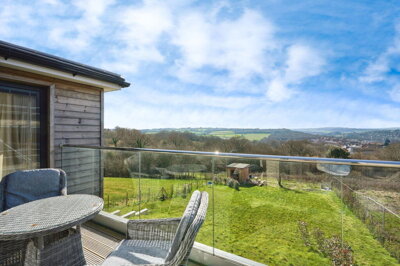
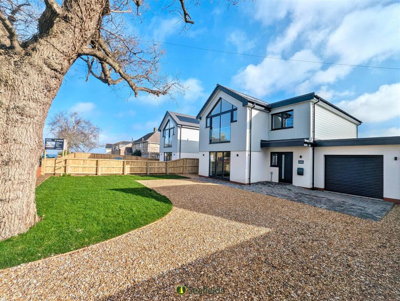
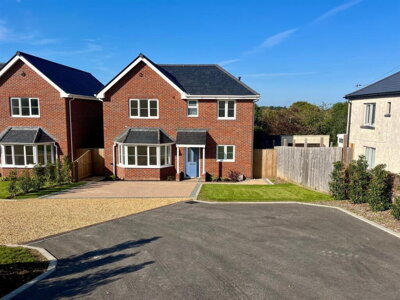
Browse 3 homes new builds in PO33 from local developer agents.
The larger property sector typically features multiple bathrooms, substantial reception space, and private gardens or off-street parking. Four bedroom houses in PO33 span detached, semi-detached, and occasionally terraced configurations, with styles ranging from period properties to modern executive homes.
£450k
58
5
153
Source: home.co.uk
Showing 58 results for 4 Bedroom Houses new builds in PO33. 5 new listings added this week. The median asking price is £450,000.
Source: home.co.uk
Detached
40 listings
Avg £545,247
Semi-Detached
11 listings
Avg £381,818
Terraced
7 listings
Avg £279,993
Source: home.co.uk
Source: home.co.uk
The PO33 property market reflects a coastal community where Georgian and Victorian architecture meets contemporary living. Detached properties command the highest average prices at around £394,803, offering generous space for families seeking room to grow. These larger homes are typically found in sought-after locations including areas near the seafront and in village settings like Binstead and Fishbourne, where plots tend to be larger than those typical of town-centre properties. The detached sector includes character properties from different eras, ranging from Victorian houses near the Esplanade to more modern family homes built in the latter decades of the twentieth century.
Semi-detached homes average £260,584, representing strong value for buyers looking for traditional construction with modern amenities. These Victorian and Edwardian semis frequently feature high ceilings, original fireplaces, and bay windows that characterise the streetscapes around the town centre and residential areas like Binstead and Fishbourne. Many of these properties date from the late Victorian period when Ryde was expanding as a fashionable seaside resort, and their solid brick construction with traditional lime mortar has proven durable over more than a century of occupation. However, buyers should understand that such properties often have solid walls without cavity insulation, which affects both energy performance and the approaches needed for any damp treatment.
Terraced properties in Ryde average £205,693, making them an accessible option for first-time buyers and investors alike. Many of these terraces date from the late Victorian period and offer surprisingly spacious layouts across multiple floors. Streets around the town centre and those leading down toward the seafront feature characteristic terraced housing with original features intact in many cases. The lower price point relative to semi-detached and detached properties makes terraced homes particularly attractive to investors considering holiday let potential or long-term rental demand from the island workforce.
Flats and apartments average around £139,585 to £141,779, providing an affordable route onto the property ladder or a downsizing option for those looking to enjoy retirement by the sea. The apartment sector includes conversions of period properties as well as purpose-built blocks offering varying levels of amenities and maintenance arrangements. Leasehold arrangements are common in this sector, and prospective buyers should carefully examine the terms including ground rent obligations, service charge levels, and any planned major works contributions before committing to purchase.
New build activity in PO33 remains limited but includes notable opportunities for buyers seeking modern specification. A brand-new passive house development offers ultra-energy-efficient three-bedroom semi-detached homes with EPC ratings of A, providing modern comfort with minimal energy costs. These ultra-low-energy properties represent a rare opportunity on the island for buyers prioritising sustainability and low running costs. The New Lodge development at Appley Rise features extensively refurbished four-bedroom properties that combine period character with contemporary fittings, offering a compromise between character and convenience. For buyers interested in new properties, checking local planning applications such as the proposed nine-dwelling development on Station Road in Wootton may reveal future opportunities in the area.

Ryde stands as the Isle of Wight's principal town, serving as the main gateway for visitors arriving by ferry from Portsmouth. The town centre along the Esplanade stretches from the hovercraft and catamaran terminal down to the golden sands of Ryde Beach, one of the longest on the island. The seafront promenade is lined with cafes, amusement arcades, and entertainment venues that come alive during the summer months when tourism drives the local economy. During quieter seasons, residents enjoy the relaxed pace of life while retaining access to comprehensive local amenities including supermarkets, high street banks, and healthcare facilities. The dual nature of Ryde as both a residential community and a tourist destination shapes the character of daily life in the town.
The cultural heritage of Ryde is evident throughout the PO33 postcode area, with handsome Georgian townhouses and Victorian properties contributing to the architectural character. Listed buildings cluster around areas including Melville Street, Union Street, Cross Street, and The Esplanade, preserving the historic fabric that makes Ryde distinctive. St Thomas's Square and surrounding streets feature period properties that have been sensitively modernised, some falling within conservation areas that protect their external appearance. This heritage context means that many properties in PO33 carry historical significance, adding character but also requiring careful maintenance and consideration when purchasing older homes. Properties in these conservation zones are subject to planning controls that affect what changes owners can make to the exterior of their homes.
The local economy benefits from diverse sources including tourism, sailing facilities on the Solent, and services serving the island population. Local businesses including Biscoes solicitors on Union Street serve the residential property market, while the island's ferry connections to Portsmouth mean that commuting to mainland employment remains viable for those who need it. The Southern Railway line connecting Ryde to other island towns provides employment access within the island, and the town serves as a base for the island's walking festivals that attract visitors throughout the year. For residents, the combination of local employment, tourism income, and commuting options provides economic resilience.
Beyond the built environment, Ryde offers access to beautiful natural landscapes including sandy beaches, coastal paths, and nearby woodland. The surrounding countryside includes areas popular with walkers and cyclists, with routes connecting to village communities across the eastern part of the island. The proximity to the Solent provides opportunities for sailing and water sports, with theharbour facilities attracting both recreational boaters and those participating in competitive events. For property buyers, the natural environment adds significantly to the quality of life in Ryde, particularly for those working remotely or retired who can take full advantage of the recreational opportunities available.

Families considering a move to Ryde will find a range of educational options across the PO33 postcode area. The town hosts several primary schools serving the local community, with Ryde having grown to accommodate generations of families who have chosen coastal living. Primary schools in the area include those serving different residential zones within the postcode, and parents should research specific catchment areas as admissions policies use geographic proximity as a primary criterion. Visiting schools directly and speaking with local parents can provide valuable insights into the day-to-day educational experience beyond what official statistics convey.
Secondary education options within the town include schools offering comprehensive curricula preparing students for GCSE examinations and beyond. The Isle of Wight does not operate a grammar school system, with comprehensive schools serving students across all ability ranges. For families prioritising educational outcomes, examining individual school performance data, Ofsted inspection reports, and progression rates to further education will inform property search decisions. Sixth form provision enables students to continue their studies locally rather than travelling across the island, though some families choose to explore options on the mainland or at independent schools for particular subject choices or extracurricular programmes.
Private education options on theoside of Wight include independent schools that some families consider as alternatives to the state system. These schools typically charge fees and operate their own admissions processes, often with waiting lists for popular year groups. For families considering private education, factoring school fees into the overall household budget alongside property purchase costs is essential. Given that school quality significantly impacts family buying decisions, properties within good school catchments in PO33 tend to maintain their values even during broader market fluctuations, making this an important factor for both lifestyle and investment considerations.
Beyond formal education, the area offers opportunities for informal learning and skill development through community groups, sports clubs, and arts organisations. The coastal environment provides natural opportunities for outdoor education, sailing instruction, and environmental awareness that complement formal schooling. For families relocating to Ryde, exploring these community resources can help children integrate into the local area and develop interests beyond the classroom curriculum.
Transport connectivity defines the appeal of Ryde for commuters and those who travel regularly to the mainland. The Wightlink ferry terminal at Ryde Pier Head provides direct services to Portsmouth, with the fast catamaran crossing taking approximately 22 minutes. The hovercraft service from Ryde Esplanade to Southsea offers another quick crossing option during operating hours, providing flexibility for different travel preferences. These ferry connections mean that Portsmouth, with its extensive shopping facilities, employment opportunities, and transport hub for rail connections to London, is readily accessible for day trips or regular commuting. The frequency of services and the speed of the crossing make mainland access more practical than many island residents initially expect.
Within the Isle of Wight, the Southern Railway line connects Ryde with other island towns including Shanklin, Ventnor, and Newport, providing public transport options for those without vehicles. The train service offers a scenic route along the southern coast of the island, with stations serving communities that might otherwise be difficult to access by car during peak summer traffic. Bus services operated by Southern Vectis connect Ryde with villages across the eastern part of the island including Binstead, Fishbourne, and Wootton, enabling residents without cars to access local amenities and employment.
For car owners, the island ring road provides reasonable access to most destinations, though peak summer traffic can create congestion on routes to popular beaches and attractions. Planning journeys to avoid peak times can significantly reduce travel stress during the tourist season. Parking in Ryde town centre can be challenging during the summer season when visitor numbers peak, though residential areas away from the seafront generally offer more availability for residents. Many properties in the PO33 area benefit from off-street parking, which can be valuable during busy periods.
Flying to the mainland or islands requires travelling to mainland airports, making ferry connections the primary method for regular commuting or travel. For those considering Ryde as a base while working on the mainland, factoring ferry costs and crossing times into the overall commute is essential. Some employers offer flexible working arrangements that reduce the frequency of required crossings, making island living more practical for a wider range of employment situations.
Use Homemove to explore available properties across the PO33 postcode area. Understand current price trends, with averages around £264,973 for all property types, and identify which areas match your budget and requirements. The market has seen prices fall recently, creating opportunities for buyers who are financially prepared. Consider the different character of neighbourhoods from the Georgian terraces near the Esplanade to the more modern developments in surrounding villages.
Contact estate agents listing properties in Ryde to arrange viewings at times that suit you. Before making offers, obtain a mortgage agreement in principle from a lender to confirm your budget and demonstrate seriousness to sellers. This step is essential in the current competitive market where sellers expect buyers to be financially ready. Having your financing arranged before viewing properties helps focus your search on homes you can actually afford.
Once you find your ideal home, submit an offer through the estate agent. If accepted, instruct a conveyancing solicitor to handle the legal aspects of your purchase. Biscoes and other local solicitors in Ryde offer residential property services, though you can choose any solicitor registered to work in England and Wales. Your solicitor will manage communications between parties and progress the transaction through its various stages.
Commission a RICS Level 2 Survey if the property is a conventional house or flat in reasonable condition, particularly important for older Victorian and Georgian properties in Ryde where defects like damp or roof issues may be present. The prevalence of pre-1919 construction in PO33 means that many properties will have traditional building methods requiring experienced surveyor assessment. Your solicitor will conduct local authority searches, drainage checks, and environmental searches to identify any issues affecting the property.
Once all searches are satisfactory and your mortgage offer is confirmed, your solicitor will exchange contracts and agree a completion date. On completion day, the remaining funds are transferred, and you receive the keys to your new Ryde home. Congratulations on your island purchase. Remember that you will need to arrange building insurance before completion and notify utility companies of your move.
Properties in the PO33 postcode area require careful inspection due to the prevalence of older construction. Georgian and Victorian buildings constructed before 1919 frequently feature traditional lime mortar, solid walls without cavity insulation, and original building techniques that differ fundamentally from modern construction. These features contribute to the character of homes in areas like the conservation zones around Melville Street and The Esplanade, but they also require understanding maintenance approaches that respect the buildings while addressing common issues like damp and timber decay. Engaging a RICS Level 2 Survey before purchase helps identify defects that might not be apparent during viewings.
The age of much of the housing stock in Ryde means that certain defect categories deserve particular attention during the survey process. Deteriorating roofs and chimney stacks are frequent issues in older properties, with slipped or cracked tiles, deteriorating ridge mortar, and failed flashings potentially leading to water ingress if neglected. Outdated plumbing using lead or galvanized steel pipes can cause leaks or contamination, while original electrical installations may not meet modern safety standards and could pose fire risks. Poor insulation and single-pane windows contribute to higher energy costs and can lead to condensation problems, particularly in solid-walled Victorian or Edwardian homes.
Damp represents one of the most common concerns in older Ryde properties, manifesting as rising damp, penetrating damp, or condensation depending on the specific circumstances. Solid-walled Victorian and Edwardian homes are particularly susceptible, especially where inappropriate past repairs have used modern non-breathable materials such as cement-based plasters or synthetic paints. These materials can trap moisture within the structure, exacerbating problems rather than resolving them. A thorough survey should assess the extent of any damp issues and recommend appropriate remediation using traditional breathable materials where heritage considerations apply.
Flood risk warrants investigation for any property in coastal Ryde, though individual listings may show low flood risk assessments. A property on Binstead Lodge Road in PO33 is listed with flood risk rated as low, demonstrating that not all locations carry significant risk. Properties near the seafront or harbour should be checked for historical flooding, current flood defences, and insurance implications. Coastal erosion represents a longer-term consideration for properties directly on the shoreline, though Ryde's established sea defences provide reasonable protection. Buyers should request a thorough environmental search that covers all flood risk categories before proceeding.
Many properties in Ryde are freehold houses where you own the land outright, though apartments and some houses may be leasehold with ground rent and service charges applying. Understanding the terms of any lease, annual charges, and any planned major works contributions is essential before purchasing. Listed buildings in Ryde require consent for alterations and must be maintained to preserve their character, adding responsibilities that buyers should factor into their decision. For older properties, the presence of asbestos in construction materials used before 1999 should be considered, with professional assessment recommended if renovation is planned.
Understanding the full costs of purchasing property in Ryde helps buyers budget accurately and avoid surprises during the transaction. Beyond the property price, buyers should budget for stamp duty (SDLT), solicitor fees, mortgage arrangement fees, survey costs, and moving expenses. A typical conveyancing fee for a residential purchase in England starts from around £499, though complex transactions involving leaseholds, listed buildings, or property chains may cost more. Additional costs include Land Registry fees, search fees, and bank transfer charges that can add several hundred pounds to the overall bill. Maintaining a contingency fund for unexpected costs is prudent for any property purchase.
For first-time buyers purchasing typical properties in Ryde around the average price of £264,973, stamp duty is likely to be zero under current first-time buyer relief that applies up to £425,000. This represents significant savings compared to previous years and makes island property ownership more accessible for those starting their property journey. Standard rate buyers purchasing at average prices would pay approximately £749 in stamp duty. Higher value purchases above £925,000 incur substantially higher rates, with a 10% band applying up to £1.5 million and 12% above that threshold. The nil-rate band for standard purchases covers the first £250,000 of property value.
A RICS Level 2 Survey provides essential protection when purchasing older properties in Ryde, where Victorian and Georgian construction is common. Survey costs typically range from £400 to £1,000 depending on property value and size, with national averages around £455. For properties under £200,000, the average survey cost is around £384, while for homes above £500,000, it averages £586. For older or more complex properties, the more detailed RICS Level 3 Survey may be recommended despite higher costs, particularly for listed buildings or properties where structural concerns have been identified. The investment in a professional survey can save thousands by identifying defects before purchase that might otherwise become expensive problems after completion.
Moving costs including removal fees, disconnection and reconnection of utilities, and potential temporary storage should also be factored into the overall budget. For island moves, ferry transport for vehicles and belongings adds to costs compared with mainland relocations. Some buyers choose to use container shipping for larger household moves, which requires advance planning and coordination with ferry operators. Getting quotes from multiple removal companies with experience of island moves helps ensure competitive pricing.
The average house price in the PO33 postcode area stands at approximately £264,973 according to recent market data. Detached properties average around £394,803, semi-detached homes approximately £260,584, terraced properties about £205,693, and flats around £139,585 to £141,779 depending on the source. The market has experienced a cooling period with prices 8% down on the previous year and 11% below the 2022 peak of £298,074. Current average listing prices have fallen 16.73% over six months to approximately £309,174, creating potential opportunities for buyers who are ready to purchase in a market where vendor negotiation may be possible.
Properties in Ryde fall under Isle of Wight Council tax bands, which range from Band A for the lowest value properties up to Band H for the most expensive homes. Band A properties on the Isle of Wight currently pay around £1,400 annually, while Band D properties pay approximately £1,900. The specific band for any property can be checked on the Isle of Wight Council website or through the HMRC valuation office website using the property address. New buyers should verify the council tax band and any applicable exemptions or discounts such as single occupancy reduction for their intended property.
Ryde offers several primary and secondary schools serving the local community across the PO33 postcode area. Families should research individual school performance data through official league tables, recent Ofsted inspection reports available on the Ofsted website, and specific catchment areas that apply to secondary school admissions. The Isle of Wight operates a comprehensive education system without grammar schools, so catchment area boundaries significantly influence which schools pupils can access based on residential location. Properties within popular school catchments typically command a premium in the local market, making school access an important factor for family buyers that can affect both lifestyle and long-term property values.
Ryde benefits from excellent ferry connections to the mainland, with Wightlink catamaran services to Portsmouth taking approximately 22 minutes and hovercraft services providing another rapid crossing option during operating hours. Within the island, the Southern Railway line connects Ryde with other towns including Newport, Shanklin, and Ventnor, providing scenic rail travel across the island. Bus services operated by Southern Vectis provide connections to surrounding villages including Binstead, Fishbourne, and Wootton. The island's ring road enables car travel to most destinations, though visitors should anticipate summer traffic increases during peak tourism season when the island population swells significantly.
Ryde offers several factors that appeal to property investors. The Isle of Wight's popularity as a holiday destination creates demand for both long-term rentals and holiday lets, particularly for properties near the seafront and beach. Average property prices around £264,973 remain accessible compared to comparable coastal locations on the mainland, potentially offering better yields relative to purchase price. However, investors should consider factors including seasonal tourism fluctuations affecting rental income, the finite island population limiting tenant pools, and transport connections that may restrict some tenant demographics to those who can work remotely or are retired. Properties requiring renovation in conservation areas may offer value-add opportunities for those with appropriate skills and budgets for heritage property work.
Stamp duty rates for England apply to all property purchases, including those on the Isle of Wight. Standard rates start at 0% on the first £250,000 of purchase price, rising to 5% on the portion between £250,001 and £925,000, 10% up to £1.5 million, and 12% above that. First-time buyers relief raises the nil-rate threshold to £425,000, with 5% applying between £425,001 and £625,000. For example, a first-time buyer purchasing a typical Ryde property at £264,973 would pay no stamp duty at all, making the island particularly attractive for those taking their first step onto the property ladder. Higher value purchases attract progressively higher rates, with a £500,000 property incurring approximately £12,500 in SDLT at standard rates.
Ryde's coastal location means flood risk varies significantly across the PO33 postcode area. Individual property listings may indicate low flood risk, as seen with properties on Binstead Lodge Road which is listed with flood risk rated as low. Properties near the seafront and harbour warrant more detailed investigation for potential coastal flooding exposure. Potential buyers should request environmental searches covering river flooding, coastal flooding, and surface water flooding categories. Buildings insurance availability and premium costs may be affected by flood risk assessments, and some lenders may require flood risk reports before proceeding. The local authority planning department can provide information on historical flooding and any existing flood defence schemes affecting specific areas.
Ryde contains numerous listed buildings reflecting its heritage as a Georgian and Victorian seaside resort. Properties on streets including Melville Street, Union Street, Cross Street, St Thomas's Square, Belvedere Street, Castle Street, High Street, and The Esplanade include listed structures protected under the planning system. Listed buildings require consent for alterations and carry obligations to maintain their character, adding responsibilities that buyers should understand before purchasing. Grade II listed properties are most common, with some receiving higher protection such as Grade II* or Grade I status. Buyers considering listed properties should budget for potentially higher maintenance costs and understand that specialist surveyors may recommend additional investigation for heritage assets to assess condition and identify any necessary repairs.
From 3.84%
Compare mortgage deals from leading lenders
From £499
Professional solicitors handling your property purchase
From £400
Comprehensive survey for conventional properties
From £60
Energy performance certificate for your property
Properties New Builds In London

Properties New Builds In Plymouth

Properties New Builds In Liverpool

Properties New Builds In Glasgow

Properties New Builds In Sheffield

Properties New Builds In Edinburgh

Properties New Builds In Coventry

Properties New Builds In Bradford

Properties New Builds In Manchester

Properties New Builds In Birmingham

Properties New Builds In Bristol

Properties New Builds In Oxford

Properties New Builds In Leicester

Properties New Builds In Newcastle

Properties New Builds In Leeds

Properties New Builds In Southampton

Properties New Builds In Cardiff

Properties New Builds In Nottingham

Properties New Builds In Norwich

Properties New Builds In Brighton

Properties New Builds In Derby

Properties New Builds In Portsmouth

Properties New Builds In Northampton

Properties New Builds In Milton Keynes

Properties New Builds In Bournemouth

Properties New Builds In Bolton

Properties New Builds In Swansea

Properties New Builds In Swindon

Properties New Builds In Peterborough

Properties New Builds In Wolverhampton

Enter your details to see if this property is within your budget.
Loans, cards, car finance
Estimated property budget
Borrowing + deposit
You could borrow between
Typical borrowing
Monthly repayment
Est. at 4.5%
Loan-to-value
This is an estimate only. Your actual budget may vary depending on interest rates, credit history, and personal circumstances. For an accurate affordability assessment, speak to one of our free mortgage advisors.
This calculator provides estimates for illustrative purposes only and does not constitute financial advice. Your home may be repossessed if you do not keep up repayments on your mortgage. Estimates based on 4.5% interest rate, repayment mortgage. Actual rates depend on your circumstances.
Homemove is a trading name of HM Haus Group Ltd (Company No. 13873779, registered in England & Wales). Homemove Mortgages Ltd (Company No. 15947693) is an Appointed Representative of TMG Direct Limited, trading as TMG Mortgage Network, which is authorised and regulated by the Financial Conduct Authority (FRN 786245). Homemove Mortgages Ltd is entered on the FCA Register as an Appointed Representative (FRN 1022429). You can check registrations at NewRegister or by calling 0800 111 6768.

We use cookies to show you personalised content and improve your experience of our website. Find out more in our Privacy policy and Cookie policy.