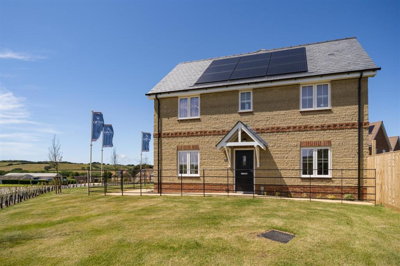
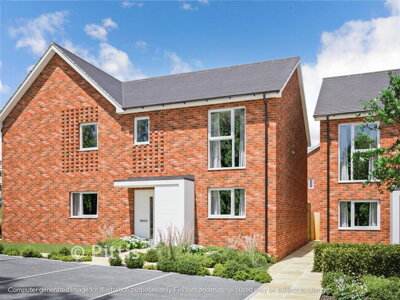
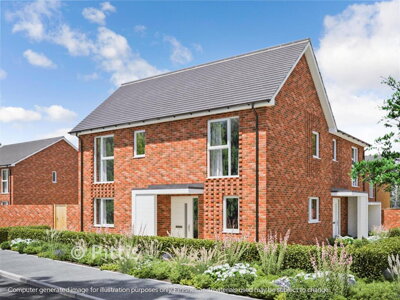
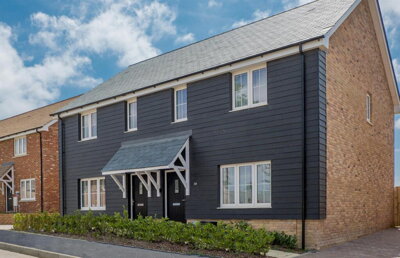
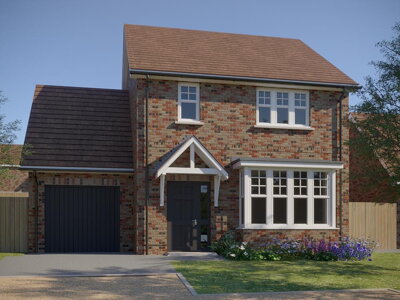
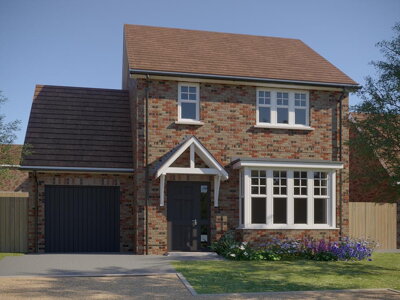
Browse 7 homes new builds in PO30 from local developer agents.
Three bedroom properties represent a significant portion of the PO30 housing market, offering space for families with multiple reception rooms and gardens in many cases. Browse detached, semi-detached, and terraced options ranging across new residential developments.
£263k
100
6
97
Source: home.co.uk
Showing 100 results for 3 Bedroom Houses new builds in PO30. 6 new listings added this week. The median asking price is £262,500.
Source: home.co.uk
Semi-Detached
59 listings
Avg £282,869
Terraced
23 listings
Avg £220,759
Detached
18 listings
Avg £386,914
Source: home.co.uk
Source: home.co.uk
The Newport property market offers a diverse mix of housing types to suit various budgets and preferences. Our current listings show detached properties commanding an average price of approximately £379,000 to £383,000, reflecting the premium space and privacy this property type provides. Semi-detached homes in PO30 typically sell for around £243,000 to £248,000, making them popular choices for families seeking more room than a terrace offers without the higher costs associated with detached properties.
Terraced properties represent the majority of sales activity in the PO30 postcode, with average prices hovering around £209,000 to £215,000. These Victorian and Edwardian terraces characterise much of Newport's residential streets, offering period features, generous room sizes, and convenient town-centre locations. Flats sales in Newport average approximately £140,000, providing an affordable entry point for first-time buyers or those seeking a low-maintenance lifestyle in the heart of the island's administrative centre.
Rightmove data indicates that house prices in PO30 have experienced a modest correction, sitting approximately 2% below their previous year levels and 3% below the 2023 peak of £261,875. This cooling trend creates opportunities for buyers who may have found themselves outbid during the height of the market. The PO30 1 sub-postcode specifically recorded a 1.7% price reduction over the last year, with 216 property transactions completed in the 24-month period, indicating healthy market activity despite the minor price adjustments.
Property availability in Newport and the surrounding PO30 area benefits from the island's unique market dynamics. Unlike mainland towns, housing supply on the Isle of Wight is naturally constrained by the island's geography, which helps support values over the longer term. New build activity within PO30 remains limited compared to mainland developments, meaning buyers purchasing existing properties join a housing stock characterised by traditional construction methods and established neighbourhoods.

Newport serves as the commercial and administrative heart of the Isle of Wight, a position that has shaped its character over centuries as a market town and county capital. The town developed around the River Medina, which flows through the centre and once powered mills serving the local economy. Today, the river provides an attractive natural feature, with footpaths and green spaces creating pleasant walking routes through the town. The historic architecture reflects Newport's prominence, with buildings dating from the Georgian and Victorian eras standing alongside more modern developments along Fairlee Road and the commercial areas near the rail station.
The town centre offers practical amenities including a twice-weekly market in the square, independent shops clustered around the High Street and Lugley Street areas, national retailers, restaurants, and cafes serving the local community. A large supermarket complex on the outskirts provides for weekly shopping needs, while the town centre maintains a focus on convenience retail and services. Healthcare facilities include a hospital with accident and emergency services, multiple GP surgeries, and dental practices, addressing a common concern for those relocating to more rural areas.
The Isle of Wight is renowned for its quality of life, with stunning landscapes ranging from chalk downland to sandy beaches and dramatic coastal cliffs. Newport provides an ideal base for accessing these natural attractions, with popular destinations including the Tennyson Trail, the Needles at the island's western tip, and various beaches reachable within a short drive along the A3055 coastal road. Community life in Newport centres around local events, sports clubs including Newport Football Club, and cultural venues including the Newport Minster with its distinctive tower visible across the town.
The surrounding Isle of Wight countryside offers exceptional recreational opportunities, from walking along the chalk downs to exploring the island's network of designated footpaths and bridleways. The nearby Medina Valley provides scenic walking routes along the river, while the island's two Areas of Outstanding Natural Beauty cover significant portions of the coastline and inland areas. For those relocating from mainland areas, the natural environment often proves a major draw, with island residents benefiting from reduced traffic congestion and a stronger sense of community compared to larger towns.

Education provision in Newport and the surrounding PO30 area serves students of all ages, making the town particularly attractive to families considering a house move. At primary level, St George's Primary School and Nursery and other local primaries including Hunnycross Primary School provide early education within the town itself, with several achieving Good or Outstanding Ofsted ratings in recent inspections. Parents should note catchment areas when considering properties, as primary school places are allocated based on proximity to the school, and competition for places at popular schools can be strong.
For secondary education, Christ the King College serves Newport and the surrounding area as a Catholic secondary school, offering comprehensive education from Year 7 through to sixth form. The Isle of Wight has additional secondary schools including Carisbrooke College and Medina College, with transport links from Newport enabling access for students across the island. The schools have invested in facilities and curriculum development in recent years, providing A-level pathways that previously might have required travel to other parts of the island or mainland.
Island schools generally maintain smaller class sizes compared to mainland counterparts, which many families find beneficial for individual attention and pupil wellbeing. The total population of the Isle of Wight of around 140,000 supports a network of schools distributed across the island's various towns and villages, reducing the need for lengthy school transport that can affect more rural mainland areas. For families relocating from larger urban areas, the shorter journey times to school can represent a significant quality-of-life improvement.
Further and higher education options on the Isle of Wight include the Isle of Wight College in Newport itself, offering vocational courses and apprenticeships that provide routes into employment or university study. The college collaborates with mainland universities to deliver higher education programmes locally, allowing students to pursue degrees without relocating to the mainland. Parents researching the area should always verify current Ofsted ratings and visit schools directly, as provision can evolve over time and school performance data is updated following each inspection cycle.
Transport connectivity from Newport requires different considerations than mainland town access, given the island location. The nearest ferry terminals are at Cowes, approximately 7 miles away, and Fishbourne, about 4 miles from Newport town centre. Red Funnel ferries operate services from Southampton to East Cowes, with vehicle crossings taking around 55 minutes. Wightlink services from Portsmouth to Fishbourne take approximately 45 minutes. These ferry crossings are facts of life for island residents, and buyers should factor crossing times and costs into their daily routine calculations, with return ferry tickets for vehicles currently around £80-120 depending on time of year and advance booking.
On the island itself, Southern Vectis operates bus services connecting Newport to coastal towns including Ryde, Sandown, Shanklin, and Freshwater. The Southern Vectis number 1 route provides regular connections to Newport from various parts of the island, while the bus station in Newport town centre serves as the hub for island bus travel. Bus fares within the island are relatively modest compared to mainland urban areas, and the comprehensive network reaches most settlements without requiring multiple changes.
For those with vehicles, the island ring road provides good access to most destinations, though single-carriageway roads in rural areas mean journey times can be longer than distances suggest. The A3055 Military Road along the island's southwest coast offers spectacular coastal scenery but requires careful driving given its winding nature. For commuters to mainland employers, remote working arrangements have become increasingly common, with the island's telecommunications infrastructure supporting video calls and cloud-based working that would have been impractical a decade ago.
Cycling is popular on the flat terrain around Newport, and the island boasts an expanding network of cycle paths including the recently developed Red Squirrel Trail which connects Newport to the coast near Sandown and Shanklin. The primary rail station on the Isle of Wight at Ryde requires a bus or taxi connection from Newport, with hovercraft services providing a faster but foot-passenger-only link to Southsea on the mainland. Many Newport residents find that a combination of remote working, reduced commuting needs, and ferry travel works well for their circumstances.
Start by exploring current listings in PO30 to understand what your budget purchases in terms of property type, size, and location. Rightmove and Homemove data shows terraced properties around £209,000 to £215,000, semi-detached around £243,000 to £248,000, and detached homes from £379,000. Consider visiting Newport for a few days to explore different neighbourhoods and get a feel for daily life including ferry crossings and local amenities. Pay particular attention to areas near the River Medina if proximity to green spaces matters, or the suburban developments around Pan Estate if newer housing appeals.
Before viewing properties seriously, approach a mortgage broker or lender to secure an agreement in principle. This document confirms how much a lender might advance based on your financial circumstances, strengthening your position when making offers. First-time buyers should be aware that current SDLT thresholds allow relief on properties up to £425,000, while standard thresholds apply above this level. Given Newport's average price around £251,000, most buyers will fall below the higher SDLT threshold.
View multiple properties across different streets and price ranges to compare options. Newport's town centre terraces offer different characteristics from suburban semis on the outskirts or detached homes in areas like St Cross and Parkhurst. Pay attention to the age of properties, potential maintenance needs, and proximity to the River Medina if flood risk concerns you. Our platform allows you to save favourite properties and track price changes over time.
Once your offer is accepted, arrange a RICS Level 2 Homebuyer Report before proceeding to exchange contracts. This survey checks for structural issues, damp, roof condition, and other defects common in older properties. Given Newport's historic building stock with many properties dating from the Victorian and Edwardian periods, a thorough survey helps identify any issues that might affect your decision or negotiating position. Our team works with local surveyors who understand the specific construction methods used in Isle of Wight properties.
Your solicitor will handle searches, contracts, and registration with HM Land Registry. Local searches will include drainage and water authority checks, while the local planning department records will reveal any permissions affecting the property. Conveyancing in Newport typically proceeds smoothly, with local solicitors experienced in island property transactions. Searches typically take 2-4 weeks, and your solicitor will liaise with the Land Registry to ensure the title is clean and any easements or rights of way are documented.
Once all searches are satisfactory and your mortgage is finalised, you will exchange contracts and pay your deposit, typically 10% of the purchase price. Completion typically follows within days or weeks, at which point you receive your keys and can move into your new Newport home. Remember to redirect mail and update your address with utility providers including Southern Water for your property's supply arrangements.
The Isle of Wight geology includes clay deposits that can cause shrink-swell movement, particularly affecting properties with trees nearby or those built on clay soils. When viewing properties, look for signs of subsidence such as diagonal cracks in walls, doors and windows that stick, or rippling wallpaper away from corners. A thorough RICS Level 2 survey will identify any movement damage, and insurance implications should be discussed with your surveyor and mortgage lender. Properties on or near the clay soils prevalent in parts of the island should be checked carefully during dry periods when clay shrinkage is most pronounced.
Newport town centre contains several conservation areas where planning restrictions apply to alterations and extensions. If you are considering changes to a period property, check with the Isle of Wight Council planning portal whether the property falls within a designated area. Listed buildings require special consent for most modifications, and works must respect the building's character. These requirements can add time and cost to renovation projects but help preserve Newport's distinctive architectural heritage and ensure the character of the town is maintained for future generations.
Flood risk warrants specific consideration given Newport's location on the River Medina. Properties in low-lying areas near the river carry some flood risk, though Newport itself is less vulnerable than some coastal areas of the island. Review the Environment Agency flood maps for the specific property location and postcode, and check whether the property has any flood history documented in the local searches. Properties in flood risk areas may face higher insurance premiums or restrictions on certain mortgage products, so understanding this early in the process is important.
The age of Newport's housing stock means many properties will have been updated over the years, but buyers should check the condition of original features and any subsequent modifications. Electrical wiring in older properties may date from the 1960s or earlier and likely requires updating to meet current standards. Similarly, plumbing and heating systems should be assessed for their age and condition. A RICS Level 2 survey will flag any electrical or plumbing concerns that warrant further investigation, allowing you to budget for necessary upgrades.
The average sold house price in PO30 is £251,244 according to recent Land Registry data, with Rightmove reporting a slightly higher average of £254,051 over the last year. Property types vary significantly in price, with detached homes averaging approximately £379,000 to £383,000, semi-detached properties around £243,000 to £248,000, terraced homes from £209,000 to £215,000, and flats averaging around £140,000. Prices have softened slightly, sitting about 3% below the 2023 peak of £261,875, which may present buying opportunities for those who found themselves outbid during the height of the market.
Council tax in Newport and PO30 is set by the Isle of Wight Council, with properties typically falling across bands A through H depending on their assessed value. The Isle of Wight Council publishes annual charges that can be checked via their website or on your property's listing documents. Band D properties on the Isle of Wight typically pay around £1,800 to £2,000 annually, though buyers should verify current charges directly with the council as these change each financial year. Some older properties may have unusual banding histories, and local council tax charges should be verified directly before committing to a purchase.
Newport offers education options across all levels, with St George's Primary School and Nursery serving younger children alongside other primaries distributed across the town. Christ the King College provides secondary education through to sixth form, while Carisbrooke College and Medina College serve students in other parts of Newport. The Isle of Wight College in Newport offers further education and some higher education programmes for students remaining on the island. Ofsted ratings should be checked directly on the Ofsted website, as inspections and ratings update regularly and can change between your research and completion.
Newport serves as the island's bus hub, with Southern Vectis services connecting to most coastal towns including Ryde, Sandown, and Shanklin. The nearest ferry terminals at Cowes and Fishbourne connect to mainland services from Southampton and Portsmouth respectively, with Red Funnel taking around 55 minutes to East Cowes and Wightlink taking approximately 45 minutes to Fishbourne. Within Newport itself, the town is walkable and cycling is practical on flat terrain, making car ownership less essential than in more rural areas. Rail services require a bus connection to Ryde, where the island's railway station provides connections to the hovercraft and ferry services to the mainland.
Newport property prices have shown modest corrections recently, sitting 2% to 3% below previous peaks, which may present buying opportunities for long-term investors. The island's restricted supply of housing, combined with ongoing demand from those seeking island lifestyles and retirement relocation, provides underlying support for property values over the longer term. Rental demand exists from local workers, students attending the Isle of Wight College, and seasonal visitors to the island's tourism sector. Landlords should understand the seasonal nature of some island employment and tourism-related income when calculating rental yields.
Stamp duty land tax rates for England apply to Newport purchases on the Isle of Wight. Standard rates are 0% on the first £250,000, 5% on £250,001 to £925,000, 10% on £925,001 to £1.5 million, and 12% above £1.5 million. First-time buyers claiming relief pay 0% on the first £425,000, with 5% charged between £425,001 and £625,000. For a typical terraced home in Newport around £215,000, a first-time buyer would pay no stamp duty at all under current thresholds, making Newport an attractive option for those taking their first step onto the property ladder.
The main risks when buying in Newport relate to the island's unique characteristics rather than property-specific issues. Ferry service disruption can affect delivery of goods and services, so factor in potential delays when arranging removals or purchasing large items. Properties near the River Medina should be checked for flood risk using Environment Agency maps, and buildings insurance should be arranged from the point of exchange of contracts. The age of much of Newport's housing stock means buyers should commission thorough surveys to identify any structural issues or maintenance requirements before committing to a purchase.
From £350
Professional survey for properties in Newport
From £450
Detailed building survey for older properties
From 4.5% APR
Compare mortgage deals for Newport
From £499
Solicitor fees for Newport purchases
Understanding the full costs of purchasing a property in Newport helps you budget accurately and avoid surprises. Stamp duty land tax represents the largest upfront cost for most buyers. For properties priced at the Newport average of £251,244, a standard buyer would pay 0% on the first £250,000 plus 5% on the £1,244 balance, equating to approximately £62 in SDLT. First-time buyers purchasing properties under £425,000 would pay nothing in stamp duty under current relief provisions, making Newport particularly accessible for those starting their property journey.
Beyond stamp duty, buyers should budget for solicitor fees averaging £800 to £1,500 for conveyancing work, including local searches, title checks, and registration with HM Land Registry. Local searches specific to the Isle of Wight include drainage and water authority checks with Southern Water and planning authority checks with Isle of Wight Council. Survey costs range from £350 for a basic RICS Level 2 Homebuyer Report on a modest property to over £600 for larger homes or those requiring more detailed assessment.
Mortgage arrangement fees typically range from 0% to 1.5% of the loan amount, though many lenders offer fee-free deals that may suit buyers who prefer lower upfront costs. A mortgage valuation survey, usually included free by lenders, only confirms the property is sufficient security for the loan and does not check the property's condition. Removal costs vary based on distance and volume, but island moves may incur ferry charges for vehicle transport and should be factored into your moving budget alongside any temporary storage requirements.
Buildings insurance should be arranged from exchange of contracts, as you become legally responsible for the property at this point. Contents insurance follows on completion. Setting aside 1% to 2% of the property price for these additional costs provides a reasonable contingency. Homemove can connect you with recommended conveyancers and surveyors experienced in Newport property transactions, helping you navigate these costs efficiently and avoid common pitfalls that can delay or derail completions.
Properties New Builds In London

Properties New Builds In Plymouth

Properties New Builds In Liverpool

Properties New Builds In Glasgow

Properties New Builds In Sheffield

Properties New Builds In Edinburgh

Properties New Builds In Coventry

Properties New Builds In Bradford

Properties New Builds In Manchester

Properties New Builds In Birmingham

Properties New Builds In Bristol

Properties New Builds In Oxford

Properties New Builds In Leicester

Properties New Builds In Newcastle

Properties New Builds In Leeds

Properties New Builds In Southampton

Properties New Builds In Cardiff

Properties New Builds In Nottingham

Properties New Builds In Norwich

Properties New Builds In Brighton

Properties New Builds In Derby

Properties New Builds In Portsmouth

Properties New Builds In Northampton

Properties New Builds In Milton Keynes

Properties New Builds In Bournemouth

Properties New Builds In Bolton

Properties New Builds In Swansea

Properties New Builds In Swindon

Properties New Builds In Peterborough

Properties New Builds In Wolverhampton

Enter your details to see if this property is within your budget.
Loans, cards, car finance
Estimated property budget
Borrowing + deposit
You could borrow between
Typical borrowing
Monthly repayment
Est. at 4.5%
Loan-to-value
This is an estimate only. Your actual budget may vary depending on interest rates, credit history, and personal circumstances. For an accurate affordability assessment, speak to one of our free mortgage advisors.
This calculator provides estimates for illustrative purposes only and does not constitute financial advice. Your home may be repossessed if you do not keep up repayments on your mortgage. Estimates based on 4.5% interest rate, repayment mortgage. Actual rates depend on your circumstances.
Homemove is a trading name of HM Haus Group Ltd (Company No. 13873779, registered in England & Wales). Homemove Mortgages Ltd (Company No. 15947693) is an Appointed Representative of TMG Direct Limited, trading as TMG Mortgage Network, which is authorised and regulated by the Financial Conduct Authority (FRN 786245). Homemove Mortgages Ltd is entered on the FCA Register as an Appointed Representative (FRN 1022429). You can check registrations at NewRegister or by calling 0800 111 6768.

We use cookies to show you personalised content and improve your experience of our website. Find out more in our Privacy policy and Cookie policy.