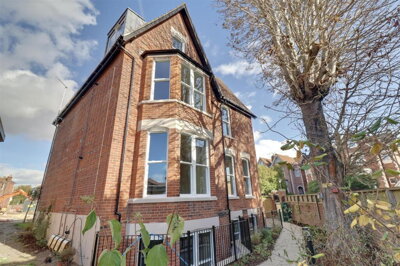
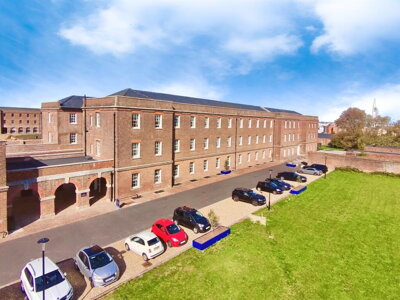
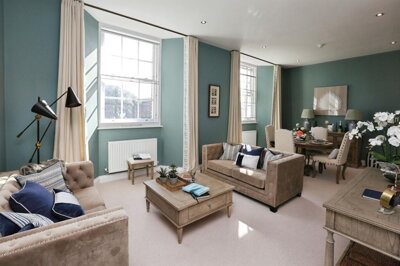
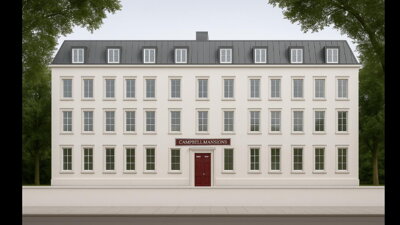
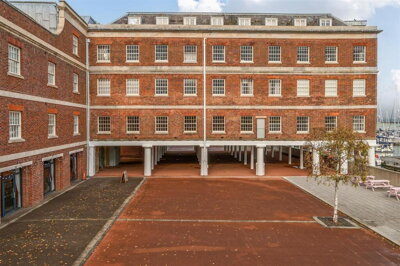
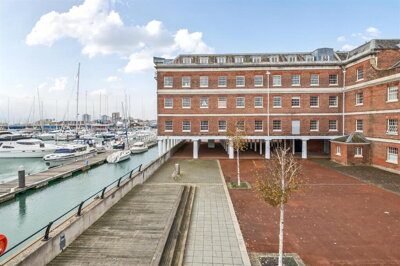
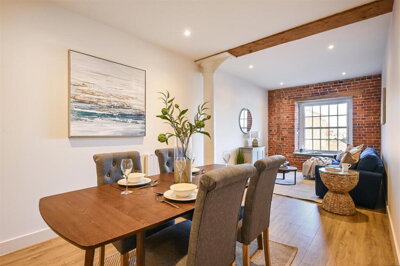
Browse 7 homes new builds in PO1 from local developer agents.
The 2 bed flat sector typically includes two separate bedrooms, dedicated living areas, and bathroom facilities. Properties in PO1 span purpose-built blocks, converted period houses, and modern apartment complexes on various floors.
£270k
29
0
179
Source: home.co.uk
Showing 29 results for 2 Bedroom Flats new builds in PO1. The median asking price is £269,950.
Source: home.co.uk
Flat
29 listings
Avg £267,539
Source: home.co.uk
Source: home.co.uk
The PL3 property market has demonstrated consistent growth, with prices increasing by approximately 1.75% to 3.03% over the past twelve months depending on the data source consulted. This steady appreciation reflects the enduring appeal of this Plymouth postcode and its proximity to major employment centres. Our platform currently lists over 100 properties available in the PL3 area, ranging from compact flats suitable for first-time buyers to spacious family homes in established residential streets. The market has seen 127 to 371 property sales in recent periods, indicating healthy transaction volumes that suggest strong buyer demand and seller confidence in the area.
Property types in PL3 are predominantly terraced housing, comprising 36.3% of the housing stock according to ONS Census data. Semi-detached properties account for 27.6% of homes, while flats and apartments make up 25% of the market. Detached homes represent the smallest proportion at 10.9%, which means buyers seeking standalone properties with gardens may need to act quickly when suitable homes become available. New build activity in the immediate PL3 postcode remains limited, with most recent developments located in neighbouring areas such as PL5, PL1, and PL7. This relative scarcity of new homes means that the character of PL3 is largely preserved through its period properties, many of which date from the Victorian and Edwardian eras.
The age profile of PL3 housing deserves particular attention from prospective buyers. Approximately 31% of properties pre-date 1919, representing the Victorian and Edwardian stock that gives areas like Mutley their distinctive character. A further 16% of homes were built between 1919 and 1945, while 30% date from the post-war period through to 1980. This means around 77% of all properties in PL3 were constructed before modern building regulations and construction standards were introduced. For buyers, this age profile directly influences both the character of available homes and the importance of thorough surveying before purchase. Older properties often feature solid-wall construction, original sash windows, and period details that require different assessment approaches compared to modern builds.

The PL3 postcode encompasses several distinctive neighbourhoods that together create a varied and characterful residential environment. Mutley Plain, extending into parts of PL3, is characterised by its Victorian and Edwardian architecture featuring ornate bay windows, original sash windows, and decorative stonework that reflects Plymouth's maritime prosperity during the late 19th century. The local stone used in many of these buildings, Plymouth Limestone, gives the area a distinctive warm tone that distinguishes it from other parts of the city. Mannamead offers a more residential atmosphere with tree-lined streets and a mix of larger Victorian villas alongside more modest terraced housing, creating an established community feel that appeals to families and professionals alike.
The demographics of the PL3 area reflect a diverse community with approximately 25,000 residents across around 10,000 households. Plymouth as a whole has seen significant regeneration in recent years, with infrastructure improvements and investment in public spaces enhancing the appeal of residential areas throughout the city. The proximity to Derriford Hospital makes PL3 particularly attractive to healthcare workers, while the University of Plymouth attracts both students seeking rental accommodation and academics looking for family homes. The presence of HMNB Devonport, one of the largest naval bases in Western Europe, provides additional employment stability that supports the local economy and housing market. Local amenities include independent shops, cafes, and restaurants alongside essential services such as GP surgeries, pharmacies, and community centres that serve the day-to-day needs of residents.
Beyond the residential streets, PL3 residents enjoy access to some of Plymouth's most attractive green spaces. The nearby Saltram House and estate provides extensive parkland and gardens within easy reach, while local parks and play areas serve families with children. The area's position on the edge of the city means that countryside walks are accessible without lengthy journeys, and the coast at Bovemoor and Plymouth Hoe is only a short bus ride away. For those who appreciate outdoor activities, the nearby Plym Valley offers cycling and walking routes along former railway lines, connecting PL3 residents to the greater Plymouth area and beyond.

Education provision in the PL3 area serves families with children at all levels, from primary through to further education. The postcode falls within several primary school catchment areas, with options including both community schools and those with religious affiliations. Secondary education is served by schools in the surrounding Plymouth area, and parents should research specific catchment boundaries as these can vary depending on exact location within PL3. Plymouth offers several well-regarded secondary schools, some of which are selective grammar schools, providing academic pathways for students across a range of abilities and interests.
For higher education, the University of Plymouth is located in the nearby PL4 postcode and is one of the largest universities in the South West, offering undergraduate and postgraduate programmes across disciplines including marine sciences, engineering, health studies, and arts. Plymouth Marjon University, situated slightly further from PL3, provides additional higher education options and is particularly known for its sports science and education programmes. The presence of these institutions creates a student population that influences the local rental market and can make investment in property attractive to those seeking buy-to-let opportunities. Families moving to PL3 should always verify current school OFSTED ratings and admission policies, as these can change and catchment areas may be subject to annual review by the local education authority.
The educational landscape in PL3 also includes several primary schools that serve the local community well. Schools in the area typically feature Victorian or Edwardian buildings that reflect the age of surrounding housing stock, with some occupying converted period properties. These buildings often retain original architectural features alongside modern educational facilities. Parents should note that primary school admissions can be competitive in popular catchment areas, and early investigation of school performance data and admission criteria is advisable before committing to a property purchase. Many families specifically seek homes within walking distance of well-rated schools, and properties in these catchment areas can command premium values within the PL3 market.

Transport connectivity from PL3 is excellent, with regular bus services providing access to Plymouth city centre, the railway station, ferry terminals, and key destinations including Derriford Hospital and the University of Plymouth. The bus network in this part of Plymouth is well-developed, with multiple routes serving the residential areas and providing reliable alternatives to car travel for commuters and families. For those who drive, access to major road networks is straightforward, with connections to the A38 providing routes towards Exeter and the wider motorway network beyond. Plymouth's position as a peninsula city means that travel patterns tend to radiate outwards from the centre rather than across the city, which can reduce congestion compared to larger urban areas.
Plymouth railway station offers connections to destinations including Exeter, Bristol, and London Paddington, with journey times to the capital typically taking around three to three and a half hours. This makes PL3 viable for commuters who need to travel to London occasionally while enjoying the lifestyle benefits of a coastal city. For air travel, Exeter Airport and Bristol Airport are accessible by road, while Plymouth's own airport served charter flights before its commercial closure. Cyclists benefit from dedicated lanes on major routes and the relatively compact nature of Plymouth makes cycling a practical option for many local journeys. The flat terrain in parts of PL3 is particularly suitable for cycling, while more hilly areas towards the edges may require greater effort but offer rewarding views across the city.
For commuters working in Plymouth itself, PL3 offers convenient access to several major employment centres. Derriford Hospital, one of the largest NHS trusts in the South West, is reachable within minutes by bus or car, making PL3 a popular choice for healthcare workers seeking reasonable travel times. HMNB Devonport naval base is also accessible, with regular bus services serving the facility. The University of Plymouth campus is similarly well-connected, and the city centre retail and service sector provides additional employment opportunities within easy reach. Many residents find that living in PL3 eliminates the need for long commutes, contributing to the area's appeal for professionals and families prioritising work-life balance.

Explore different neighbourhoods within PL3 to find the right fit for your lifestyle. Consider proximity to schools, transport links, and amenities. Our platform provides detailed information about local schools, transport options, and property types available in each area. Take time to visit different streets at various times of day to get a genuine feel for the community atmosphere and noise levels.
Obtain a mortgage agreement in principle before viewing properties. This demonstrates to sellers that you are a serious buyer and can significantly strengthen your offer. Contact our mortgage partners to compare rates and find the best deal for your circumstances. Given that the average property price in PL3 is around £265,000, most buyers will find mortgage requirements fall within standard lending criteria.
Use our platform to view properties in PL3 and arrange viewings through listed estate agents. Take time to assess the condition of properties, noting any potential maintenance issues that may require attention after purchase. We recommend viewing several similar properties to establish what represents good value in the current market, paying attention to both obvious defects and subtle signs of deferred maintenance.
Before completing your purchase, we strongly recommend commissioning a RICS Level 2 Survey to assess the condition of the property. With approximately 77% of PL3 properties built before 1980, surveys are particularly valuable for identifying common issues such as damp, roof defects, and outdated electrics. Our team works with local RICS-qualified surveyors who understand the specific construction methods used in Plymouth's period properties, from solid-walled Victorian terraces to post-war cavity-wall builds.
Appoint a conveyancing solicitor to handle the legal aspects of your purchase. Your solicitor will conduct searches, review contracts, and coordinate with the seller's representatives to ensure a smooth transaction. Local solicitors familiar with Plymouth properties can also advise on specific issues affecting PL3, including conservation area restrictions and any local authority maintenance programmes.
Once all legal processes are complete and funds are transferred, you will receive the keys to your new home. Congratulations on buying in PL3, Plymouth. At this stage, you should also notify utility companies, update your address with relevant organisations, and begin planning any immediate maintenance or improvement works identified during your survey.
Property buyers considering PL3 should be aware of several area-specific factors that can influence their purchase decision and long-term satisfaction with the property. The significant proportion of older properties in the postcode means that buyers should pay particular attention to the condition of period features and the maintenance history of homes they view. Many Victorian and Edwardian properties in areas like Mutley retain original features such as sash windows, fireplaces, and cornicing that add character but may require ongoing maintenance. Understanding the difference between original timber sash windows and modern replacements can help buyers assess the true condition and value of a property.
Flood risk should be considered, particularly for properties located near watercourses or in low-lying areas. While PL3 is not directly on the coast, some areas may experience surface water flooding during periods of heavy rainfall when drainage systems are overwhelmed. The proximity of the River Plym and its tributaries means that buyers should inquire about flood history and consider the implications for buildings insurance premiums. Our inspectors frequently identify drainage issues in lower-lying properties, particularly those with basement or cellar areas that may be susceptible to damp penetration during extended wet periods.
The geological conditions in parts of PL3 warrant consideration, particularly regarding shrink-swell risk from clay-rich soils that can affect properties with shallow foundations. The local geology includes Devonian limestones and shales, with clay-rich superficial deposits present in some areas. While significant subsidence is not widespread in PL3, areas with mature trees may be more susceptible to ground movement as roots extract moisture from clay soils during dry periods. Our surveyors pay particular attention to signs of cracking, door and window operation, and external ground movement near trees when inspecting properties in these locations.
Properties built before 1980 may contain asbestos-containing materials in textured coatings, insulation, or roofing materials, and this should be assessed during any survey. The post-war rebuilding programme following the Plymouth Blitz means that some areas contain 1950s and 1960s concrete-framed buildings that may be susceptible to concrete carbonation and flat roof failures. Building materials throughout PL3 vary considerably depending on the age of the property, from solid-walled Victorian construction using local Plymouth Limestone through to cavity wall brick construction common in post-war developments. Lime mortar and clay bricks were traditionally used in older properties and are designed for breathability, which means modern cement-based repairs can sometimes cause moisture entrapment if not specified correctly.
Conservation area status affects properties throughout parts of PL3, including areas near Mutley Plain, which means that certain alterations and extensions may require planning permission from Plymouth City Council. There are numerous listed buildings scattered throughout PL3, particularly larger Victorian villas and public buildings, which require Listed Building Consent for any works affecting their character. Buyers considering renovations should familiarise themselves with conservation area requirements to avoid unexpected restrictions. Our team can recommend specialist surveyors experienced with listed buildings and conservation properties in the Plymouth area.

The average house price in PL3 Plymouth is approximately £265,000, though this varies significantly by property type. Detached properties average around £408,000, semi-detached homes are priced at approximately £273,000, terraced properties at around £220,000, and flats at approximately £147,000. Prices in PL3 have increased by approximately 1.75% to 3.03% over the past twelve months, reflecting consistent demand for property in this well-connected Plymouth postcode. Recent sales data indicates around 127 to 371 property transactions in the area, suggesting healthy market activity.
Plymouth City Council sets council tax bands for all properties in the PL3 area. The specific band depends on the property valuation and can range from Band A for lower-valued properties through to Band H for the most expensive homes. To determine the exact council tax band for any specific property, you can use the Valuation Office Agency's online search tool or contact Plymouth City Council directly. Council tax payments fund essential local services including education, refuse collection, and road maintenance. Most terraced properties and flats in PL3 fall into Bands A to C, while larger Victorian villas in areas like Mannamead may be Band D or above.
PL3 is served by several primary schools within its catchment area, with options including both community schools and those with religious affiliations. Secondary education options in the wider Plymouth area include both comprehensive and selective grammar schools. OFSTED ratings for individual schools should be checked directly as these are updated following inspections. Parents should verify current school catchments as these can vary depending on exact location within PL3. For higher education, the University of Plymouth in nearby PL4 offers a wide range of undergraduate and postgraduate programmes, while Plymouth Marjon University provides additional options particularly strong in sports science and education.
PL3 benefits from excellent public transport connections, with regular bus services providing access to Plymouth city centre, the railway station, Derriford Hospital, and the University of Plymouth. Plymouth railway station offers direct services to Exeter, Bristol, and London Paddington, with journey times to the capital of approximately three to three and a half hours. The A38 trunk road is easily accessible from PL3, providing connections to Exeter and the wider motorway network. For air travel, Exeter Airport and Bristol Airport are accessible by road within approximately two hours, while Plymouth's own former airport continues to serve the area's aviation heritage.
PL3 offers several advantages for property investors. The presence of major employers including HMNB Devonport, Derriford Hospital, and the University of Plymouth creates consistent demand for rental accommodation from professionals, healthcare workers, and students. Property prices in PL3 remain attractive compared to many other UK cities, potentially offering better value for investors with limited budgets. The strong local employment base provides tenant demand stability, while ongoing regeneration in Plymouth city centre enhances the overall appeal of the area. However, as with any investment, prospective buyers should conduct thorough research into rental yields, void periods, and potential changes in local demand.
Stamp Duty Land Tax rates for 2024-25 are 0% on the first £250,000 of property value, 5% on the portion between £250,001 and £925,000, 10% on the portion between £925,001 and £1.5 million, and 12% on any amount exceeding £1.5 million. First-time buyers benefit from increased thresholds, paying 0% on the first £425,000 and 5% on the portion between £425,001 and £625,000, though this relief does not apply above £625,000. Given that the average property price in PL3 is around £265,000, most properties fall within the lower tax bands, making stamp duty costs manageable for most buyers. A typical first-time buyer purchasing an average PL3 property would pay no stamp duty at all under current thresholds.
Given that approximately 77% of PL3 properties were built before 1980, buyers should be alert to defects common in older construction. Rising damp and penetrating damp frequently affect solid-walled Victorian and Edwardian properties that lack modern damp-proof courses. Our inspectors regularly identify deterioration of slate or tile roofs, lead flashing defects, and timber decay in roof structures across PL3's period housing. Properties may also have outdated electrical wiring and plumbing systems requiring upgrading to meet modern standards. Timber defects including woodworm, dry rot, and wet rot can affect structural timbers, particularly where ventilation has been compromised by modern alterations or additions.
Environmental risks in PL3 include surface water flooding during heavy rainfall, particularly in low-lying areas near the River Plym and its tributaries. Some clay-rich areas may experience ground movement during dry spells as vegetation extracts moisture from the soil. Historical limestone quarrying activity in the wider Plymouth area means our surveyors remain alert to potential ground instability issues, though these are less common within PL3 itself compared to coastal areas. Properties in conservation areas or with significant mature trees require particular attention to foundation conditions and drainage, and we always recommend a thorough RICS Level 2 Survey before purchase.
From 4.5%
Compare competitive mortgage rates for your PL3 purchase
From £499
Expert conveyancing solicitors for your PL3 property
From £450
Comprehensive survey for PL3 properties
From £80
Energy performance certificate for your new home
Understanding the full cost of buying a property in PL3 extends beyond the purchase price to include stamp duty, solicitor fees, survey costs, and other expenses that can add several thousand pounds to your budget. Stamp Duty Land Tax applies to all purchases above £250,000 at standard rates, though first-time buyers benefit from relief on properties up to £625,000. For a typical PL3 property priced at around £265,000, a first-time buyer would pay no stamp duty, while a subsequent buyer would pay approximately £750 on the portion above £250,000. These costs should be factored into your overall budget alongside mortgage arrangement fees and any insurance requirements your lender may impose.
Survey costs represent an important investment in protecting your purchase, particularly given the age profile of PL3 properties. Approximately 77% of homes in the postcode were built before 1980, meaning most properties fall into the category where thorough surveys are most valuable. A RICS Level 2 Survey for a typical three-bedroom semi-detached property in PL3 typically costs between £450 and £650, while larger detached homes may cost £550 to £800 or more. Flats generally start from around £350 to £500. These costs are modest compared to the potential expense of discovering structural issues after completion without the benefit of a professional survey. Our network of RICS-qualified surveyors understands the specific construction methods used in Plymouth's period properties, from Victorian solid-wall construction through to post-war cavity-wall builds.
Conveyancing fees for a standard PL3 property purchase typically range from £500 to £1,500 depending on complexity, while mortgage arrangement fees vary considerably between lenders and may be fixed or percentage-based. Additional searches include local authority searches, drainage and water searches, and environmental searches that can reveal issues such as flood risk, contaminated land, or planning proposals affecting the property. For leasehold properties, which comprise approximately 25% of PL3 housing stock, buyers should also budget for notice fees, management company information, and any ground rent or service charge demands. Our conveyancing partners can provide fixed-fee quotes for standard PL3 purchases.
Ongoing costs to consider after your purchase include buildings insurance, which may be higher for older properties or those in conservation areas where specialist repair work may be required. Service charges and ground rent apply to leasehold properties, which comprise approximately 25% of the PL3 housing stock according to census data. Plymouth City Council sets council tax for all properties in PL3, with bands ranging from A to H depending on property value. Energy costs should also be considered, as older properties with solid walls and original windows may be less energy-efficient than modern builds, though many can be improved through insulation upgrades and window replacement programmes. Properties with original lime mortar pointing often breathe better than those repointed with cement, but may require more maintenance to preserve their character.

Properties New Builds In London

Properties New Builds In Plymouth

Properties New Builds In Liverpool

Properties New Builds In Glasgow

Properties New Builds In Sheffield

Properties New Builds In Edinburgh

Properties New Builds In Coventry

Properties New Builds In Bradford

Properties New Builds In Manchester

Properties New Builds In Birmingham

Properties New Builds In Bristol

Properties New Builds In Oxford

Properties New Builds In Leicester

Properties New Builds In Newcastle

Properties New Builds In Leeds

Properties New Builds In Southampton

Properties New Builds In Cardiff

Properties New Builds In Nottingham

Properties New Builds In Norwich

Properties New Builds In Brighton

Properties New Builds In Derby

Properties New Builds In Portsmouth

Properties New Builds In Northampton

Properties New Builds In Milton Keynes

Properties New Builds In Bournemouth

Properties New Builds In Bolton

Properties New Builds In Swansea

Properties New Builds In Swindon

Properties New Builds In Peterborough

Properties New Builds In Wolverhampton

Enter your details to see if this property is within your budget.
Loans, cards, car finance
Estimated property budget
Borrowing + deposit
You could borrow between
Typical borrowing
Monthly repayment
Est. at 4.5%
Loan-to-value
This is an estimate only. Your actual budget may vary depending on interest rates, credit history, and personal circumstances. For an accurate affordability assessment, speak to one of our free mortgage advisors.
This calculator provides estimates for illustrative purposes only and does not constitute financial advice. Your home may be repossessed if you do not keep up repayments on your mortgage. Estimates based on 4.5% interest rate, repayment mortgage. Actual rates depend on your circumstances.
Homemove is a trading name of HM Haus Group Ltd (Company No. 13873779, registered in England & Wales). Homemove Mortgages Ltd (Company No. 15947693) is an Appointed Representative of TMG Direct Limited, trading as TMG Mortgage Network, which is authorised and regulated by the Financial Conduct Authority (FRN 786245). Homemove Mortgages Ltd is entered on the FCA Register as an Appointed Representative (FRN 1022429). You can check registrations at NewRegister or by calling 0800 111 6768.

We use cookies to show you personalised content and improve your experience of our website. Find out more in our Privacy policy and Cookie policy.